Leave Your Message
In the era of smart manufacturing and Industry 4.0, Machine Vision Inspection Systems have transitioned from advanced quality-control novelties to mission-critical infrastructure. As assembly lines speed up and component tolerances shrink to microscopic levels, automated visual inspection has become the standard for ensuring high-quality yields. At the core of these systems lies the computing hardware: the Windows Embedded PC.
The commercial landscape for machine vision is expanding rapidly. According to market research, the global machine vision market size is projected to reach tens of billions of dollars by the late 2020s, driven by automation in semiconductor fabrication, automotive manufacturing, pharmaceutical packaging, and consumer electronics. The shift from manual inspection to AI-driven automated inspection requires robust, reliable, and high-performance computing platforms. Windows Embedded PCs stand out because they offer a standardized development environment, broad hardware driver compatibility, and industrial-grade durability that standard consumer-grade computers simply cannot match.
High-speed, low-latency interfaces designed to connect directly with industrial cameras without frame drops.
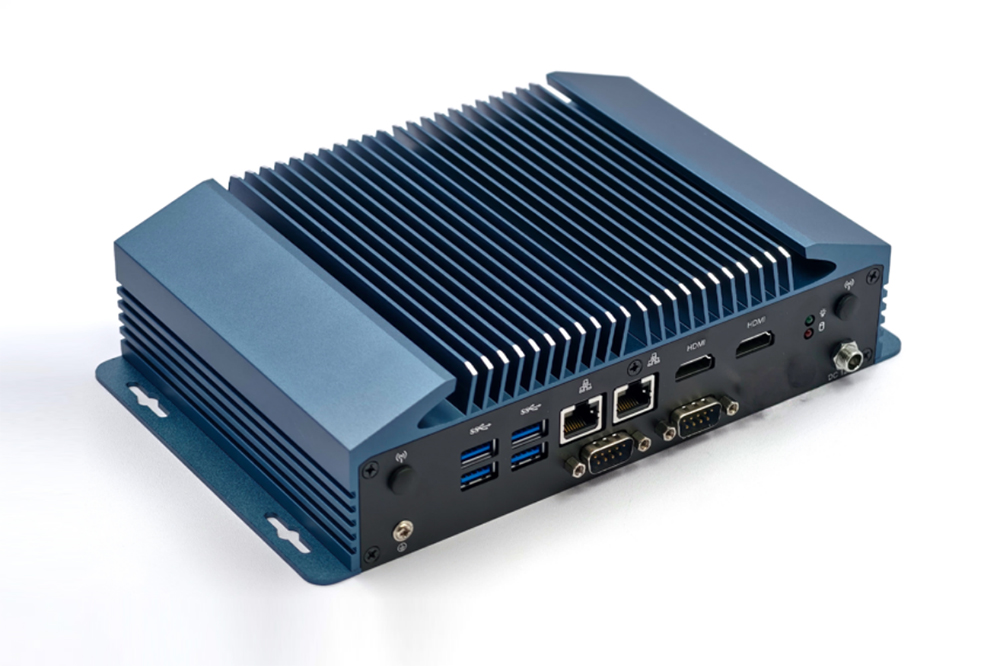
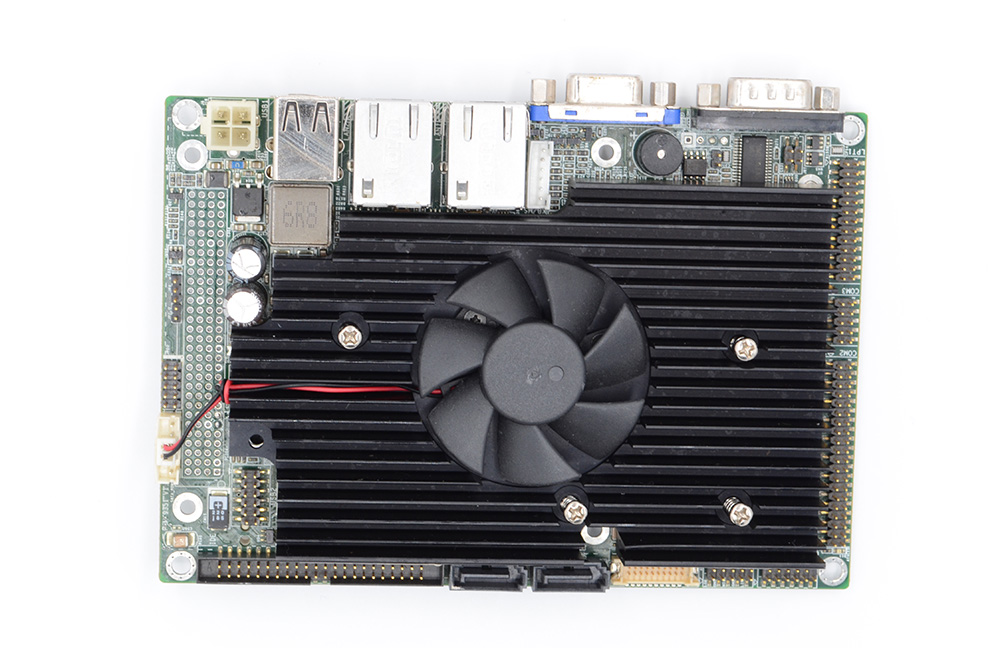
Passive cooling systems eliminate moving parts, preventing dust accumulation in harsh factory environments.
Engineered to operate continuously from -40°C up to +85°C, ensuring stability near high-heat machinery.
Machine vision systems require real-time processing of high-definition visual data. The choice of operating system and hardware architecture is critical. Windows Embedded (specifically Windows 10/11 IoT Enterprise) offers a unique set of features tailored for industrial automation applications:
Unlike standard consumer Windows versions, Windows Embedded IoT allows developers to disable unnecessary background services, telemetry, and automated updates. This lock-down capability ensures that the system resources are dedicated entirely to the vision processing software (such as Halcon, OpenCV, or Cognex). Real-time extensions can also be integrated, providing deterministic response times for critical sorting and rejection mechanisms.
Industrial machinery is designed to operate on factory floors for a decade or more. Windows Embedded LTSC (Long-Term Servicing Channel) guarantees up to 10 years of security support and OS stability without forced feature updates. This prevents unexpected software incompatibilities and minimizes system downtime, ensuring that once a vision system is validated, it remains stable for its entire operational lifecycle.
High-resolution inspection systems rely on specialized interfaces like Camera Link, CoaXPress, GigE Vision, and USB3 Vision. Windows Embedded PCs support PCIe expansion slots for high-performance frame grabbers and discrete GPU accelerators. Furthermore, native support for various industrial protocols (such as Modbus, EtherCAT, and OPC UA) simplifies communication between the inspection PC, PLCs, and factory SCADA systems.
Windows Embedded PCs are deployed across a wide range of industrial vision inspection scenarios, each demanding unique hardware features:
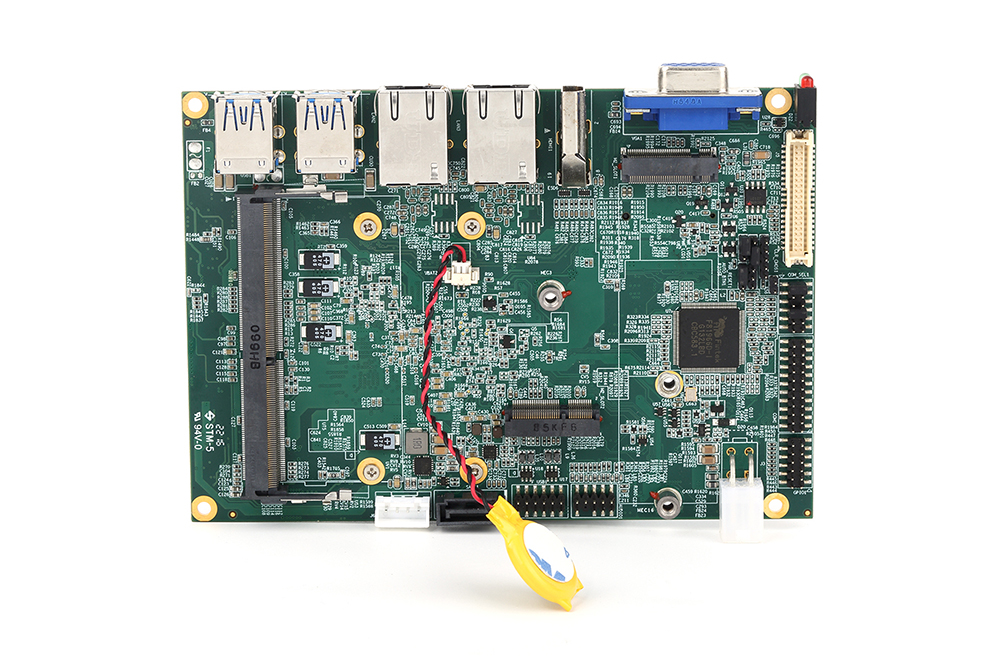
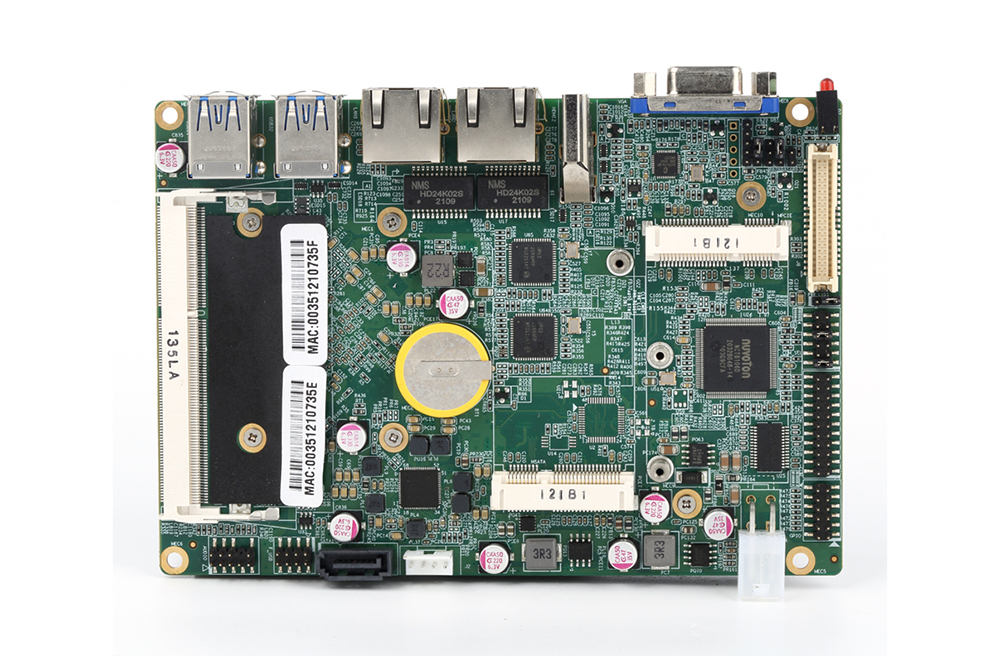
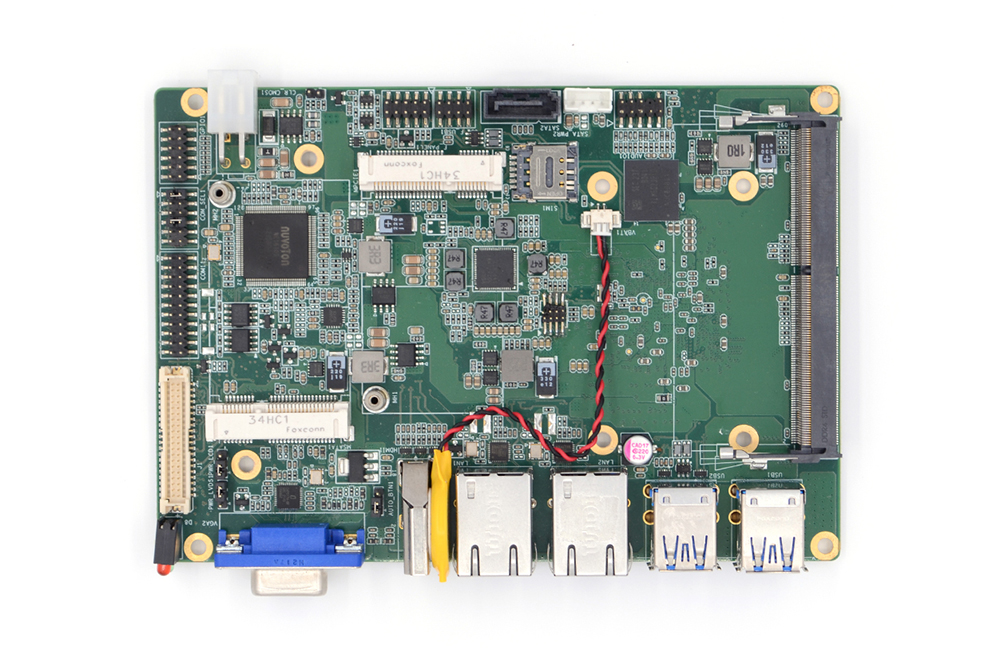
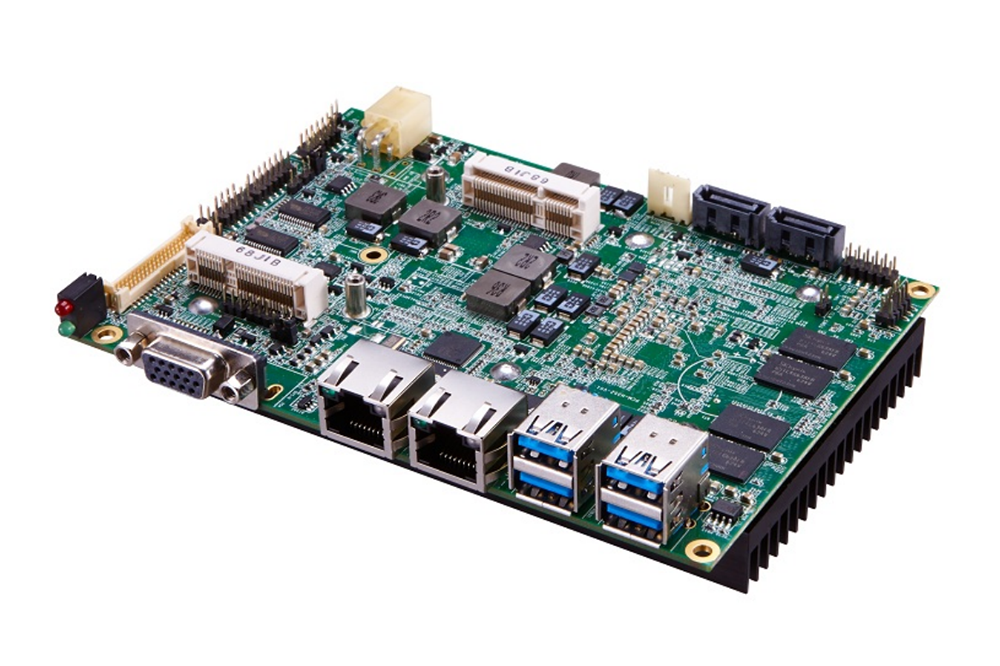
In printed circuit board assembly, AOI systems inspect component placement, solder joint quality, and trace continuity. A high-performance 3.5" X86 Embedded PC Motherboard equipped with dual Gigabit Ethernet ports connects to multiple high-resolution cameras. The PC processes images of components as small as 01005 in milliseconds, identifying defects such as bridges, missing parts, or misalignment before the boards move to the reflow oven.
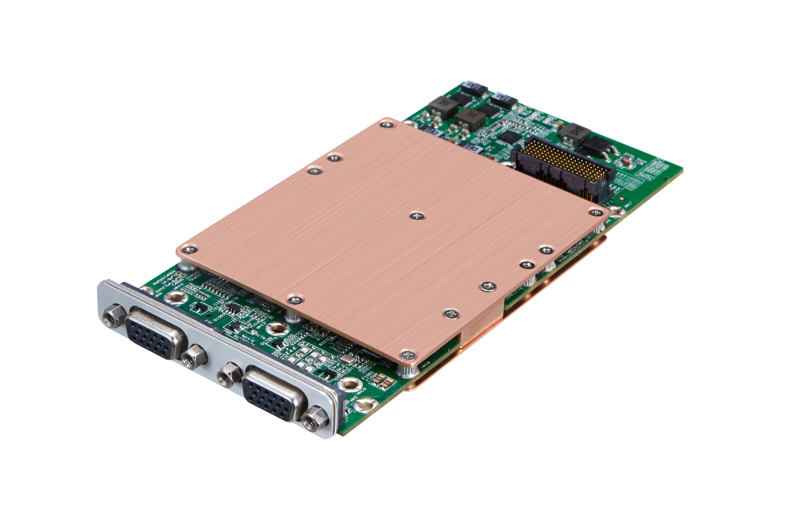
Wafer manufacturing requires nanometer-scale precision. Inspection systems use advanced optical and laser sensors to scan wafer surfaces for microscopic cracks, dust particles, and pattern deviations. This requires massive computing power, often delivered by multi-core Intel processors and high-performance GPU display cards, running under a secure Windows Embedded environment to ensure data integrity and intellectual property protection.
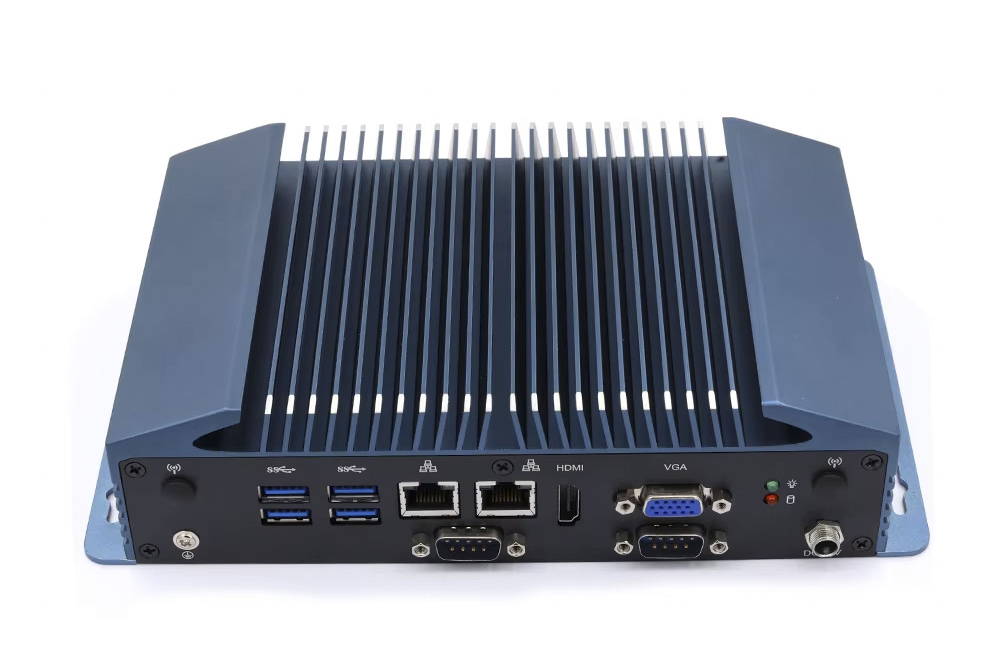
On high-speed packaging lines, vision systems must inspect bottle fill levels, label alignment, cap placement, and expiration date readability at rates of over 1,000 products per minute. A fanless, wide-temperature embedded PC is mounted inside a sealed washdown enclosure to withstand humidity and chemical cleaning. The PC's rich serial and GPIO interfaces trigger pneumatic sorting mechanisms to reject defective products instantly.
To comply with global serialization laws, pharmaceutical companies must verify unique barcodes, batch numbers, and expiry dates on individual medicine packages. Windows Embedded PCs run Optical Character Recognition (OCR) and Optical Character Verification (OCV) algorithms to ensure 100% compliance, communicating verification logs securely with the factory database through dual independent LAN ports.
Shenzhen YDSTECH Electronics Co., Ltd. is a high-tech enterprise specializing in industrial computers. Since the establishment of YDSTECH in 1999, we have been committed to independent research and development, innovation, production and sales of industrial computers, and we own the independent intellectual property rights of our core products.
We consider honesty and pragmatism as our motto and make it our long-term goal to provide customers with cost-effective products. In order to achieve this goal, we work constantly to develop new products, improve our service capabilities and promote the innovation of embedded computer applications to create long-term value and potential growth for our customers.
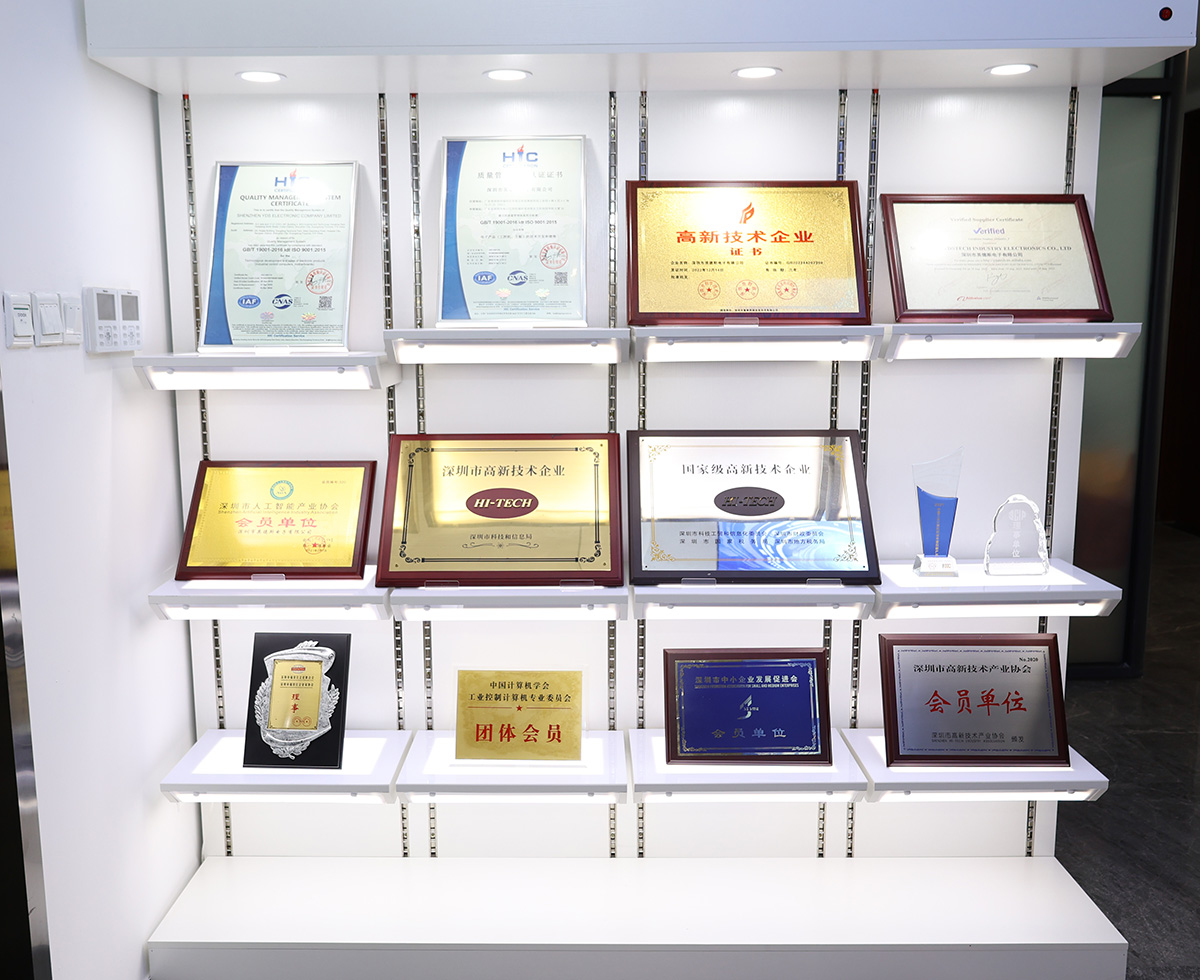
Our core technical team has over 15 years of experience in this industry, and has been focusing on embedded computer research and development, with rich and solid professional expertise. We believe that attitude means everything, since the establishment of YDSTECH, we have always been committed to work with a conscientious, responsible, attentive, professional, prudent and meticulous attitude, which ensures the high-quality output of the products, years of persistence and experience created our strong R&D team.
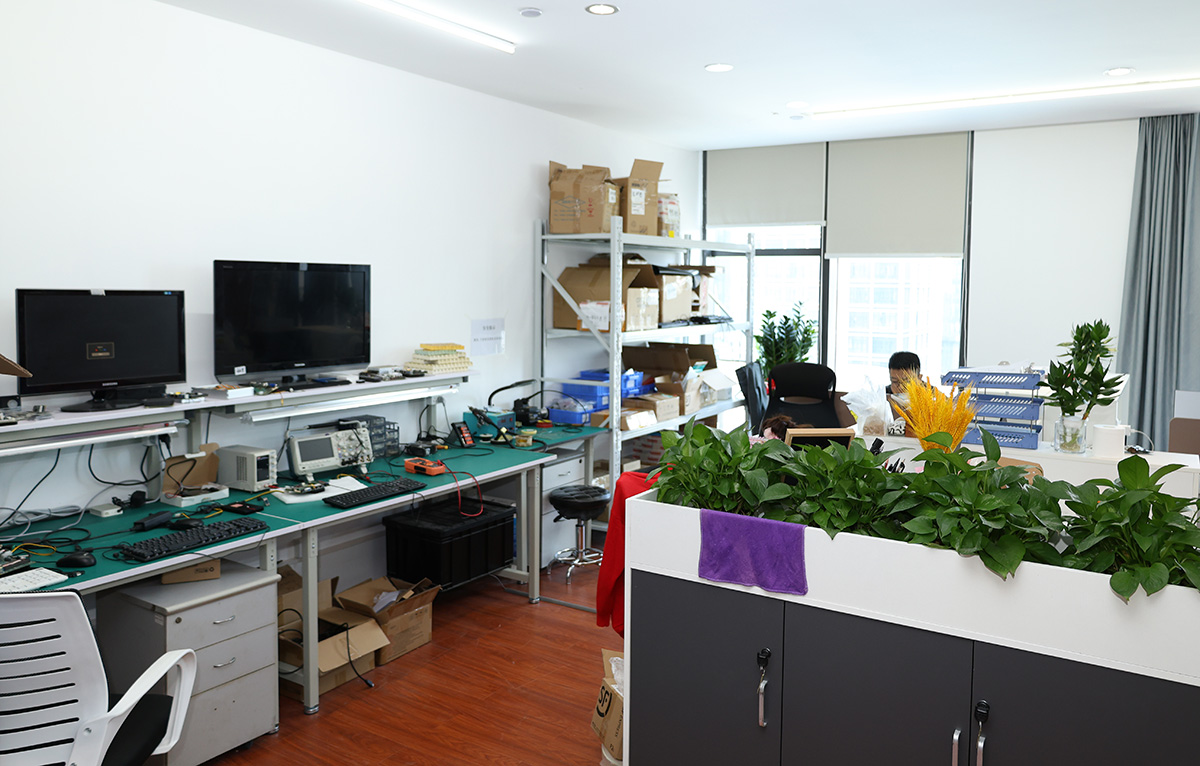
YDSTECH has set up a comprehensive quality assurance management system, adopting MSA quality system analysis, implementing rolling quality system audit, TQM, SPC process control and other quality management systems, establishing AVL supplier management system to ensure the quality of raw materials, and introducing rolling product reliability tests to ensure overall product reliability.