Leave Your Message
High-reliability, wide-temperature, and power-efficient single board computers engineered for critical applications.
The United States is currently experiencing a profound transformation in its industrial and commercial sectors. Driven by the rapid advancement of the Industrial Internet of Things (IIoT), artificial intelligence, and the resurgence of domestic manufacturing (often referred to as "onshoring" or "reshoring"), the demand for highly reliable, ruggedized computing hardware has reached unprecedented levels. At the core of this technological renaissance lies the embedded mainboard—the silent powerhouse that drives everything from automated assembly lines in the Midwest to advanced medical diagnostic machinery in Boston's research hospitals.
In the United States, industrial motherboards are no longer viewed as mere commodity hardware. Instead, they are recognized as critical infrastructure components. American enterprises require computing platforms that can withstand extreme environments, offer long-term product lifecycles, and deliver consistent performance 24/7. From the oil and gas fields of Texas to the smart grid installations across the Pacific Northwest, embedded mainboards must operate flawlessly under severe thermal stresses, electromagnetic interference, and mechanical vibrations.
Moreover, the commercial landscape in the US is heavily focused on reducing the Total Cost of Ownership (TCO). This means that purchasing decisions are not based solely on the initial unit price, but on the board's longevity, power efficiency, and failure rates. As a result, US system integrators and OEMs are increasingly seeking wholesale partnerships with companies that can guarantee rigorous quality control, comprehensive certification standards, and robust design capabilities.
How modern technology trends are shaping the requirements for embedded hardware in the American market.
US industries are rapidly shifting processing from the cloud to the edge. Modern embedded boards must support advanced x86 architectures (such as Intel Tiger Lake-U) to handle real-time machine vision and AI inference locally.
With infrastructure deployed across diverse geographical regions, wide-temperature support (ranging from -40°C to +85°C) is essential for outdoor kiosks, smart grids, and transport telemetry systems in the USA.
American medical and military sectors demand 7 to 10 years of lifecycle availability. Industrial-grade components prevent frequent system redesigns, drastically lowering long-term maintenance costs.
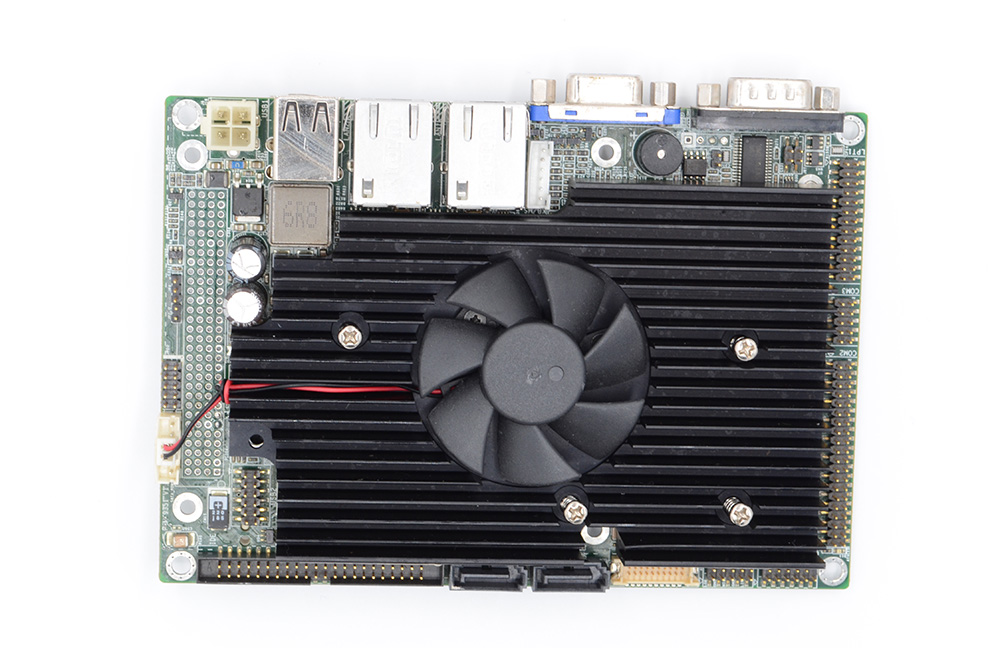
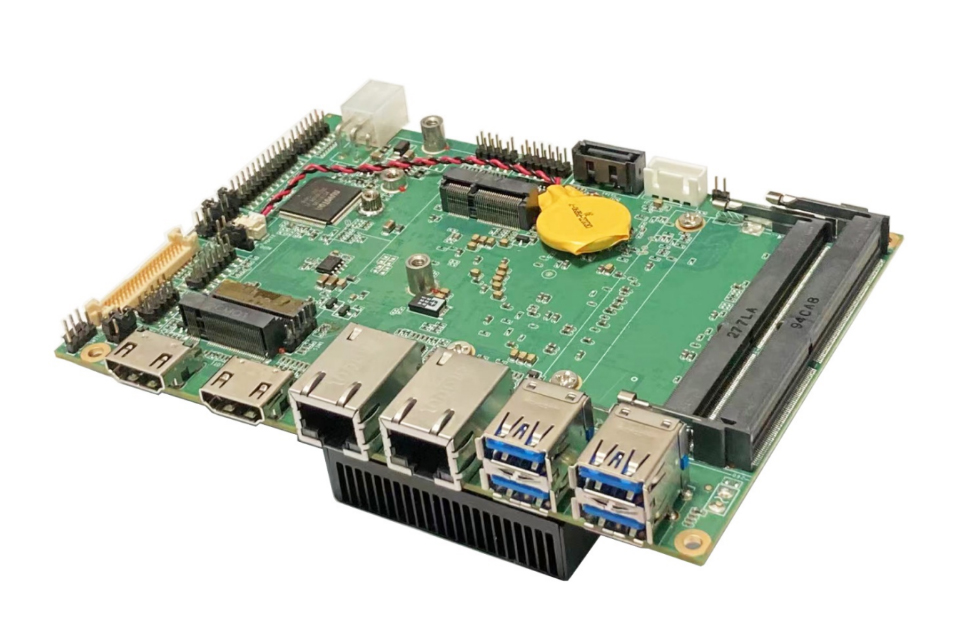
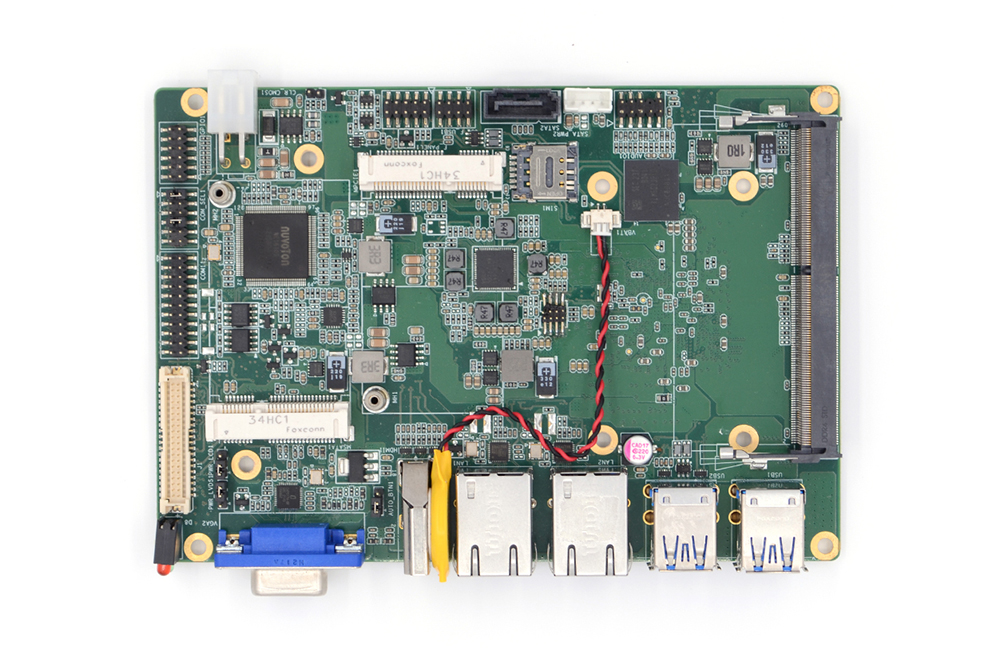
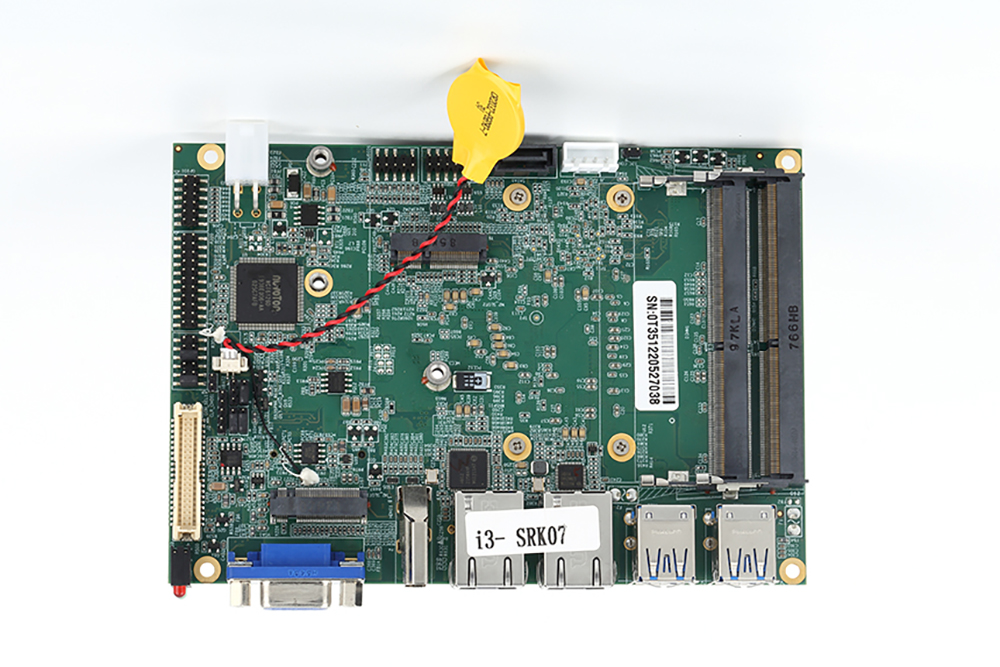
The expansion of e-commerce in the US has accelerated the deployment of automated warehouses. Autonomous Guided Vehicles (AGVs), Automated Mobile Robots (AMRs), and high-speed sorting conveyor systems rely heavily on compact 3.5-inch embedded mainboards. These boards process sensor data, manage motor controls, and maintain wireless communication in real-time, ensuring that logistics hubs operate with maximum efficiency and minimal downtime.
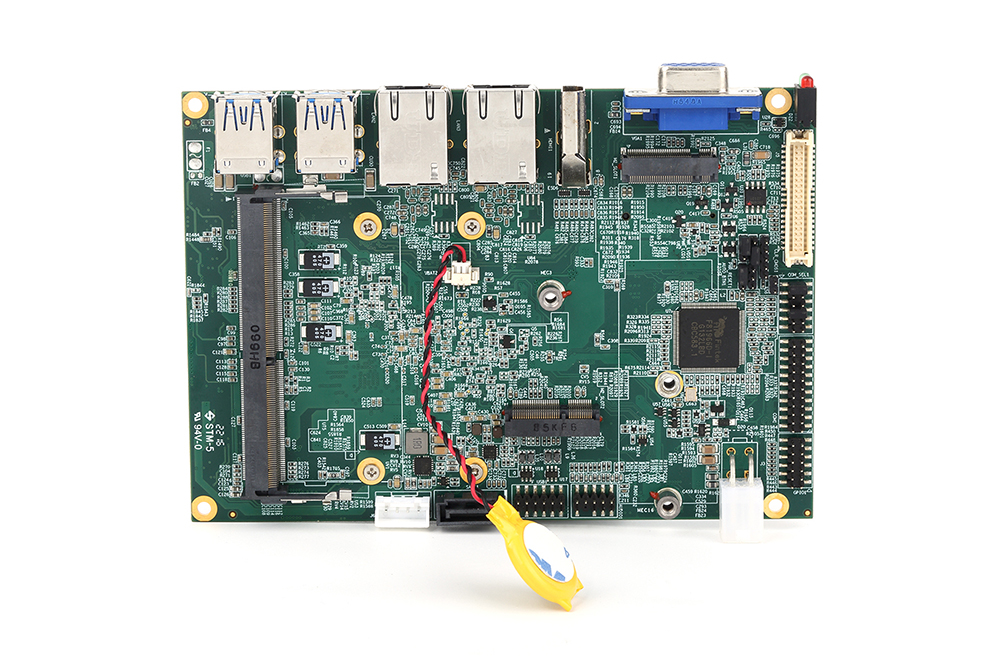
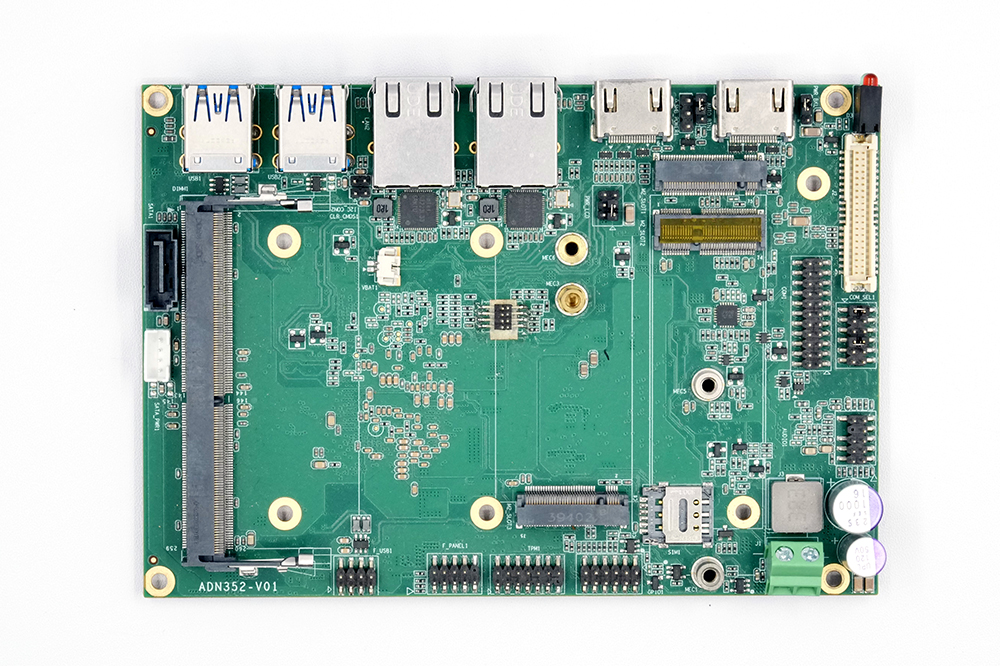
The US remains a global leader in medical device innovation. Applications such as ultrasound machines, patient monitoring systems, and clinical laboratory analyzers require highly stable x86 single board computers. With support for high-speed DDR4 memory, multiple display outputs, and stringent electromagnetic compatibility (EMC), embedded boards ensure absolute precision and patient safety in critical medical environments.
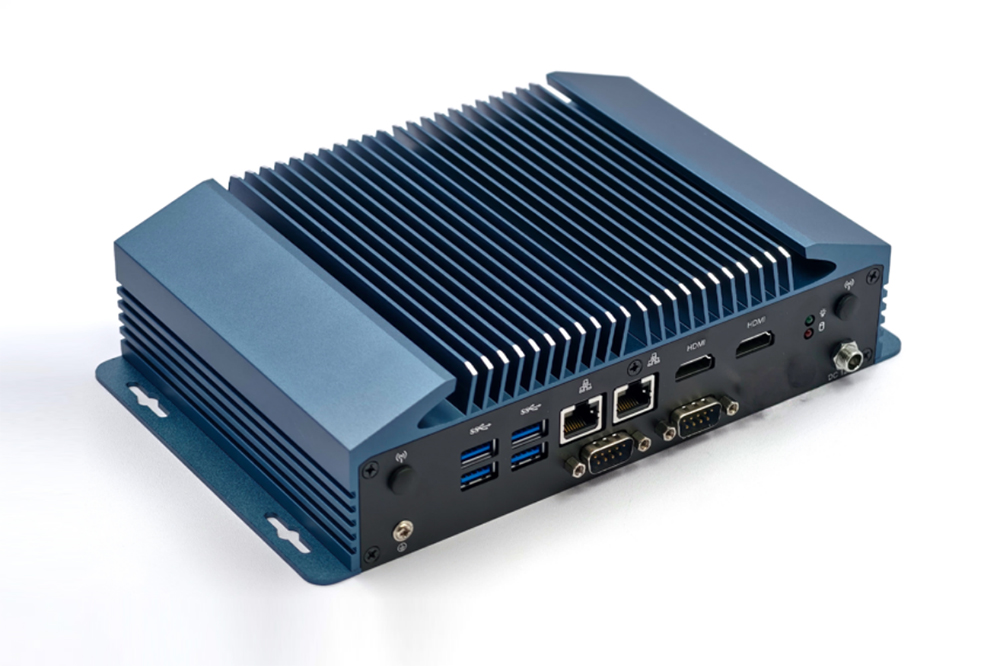
As the United States upgrades its electrical grid and expands wind and solar farms, ruggedized computing is needed to monitor and control energy distribution. Embedded boards designed for wide-temperature operations are installed in outdoor substations and wind turbine nacelles. Their fanless design and rich I/O configurations (including RS485 and GPIO) allow them to interface with legacy sensors while transmitting data securely to central control rooms.
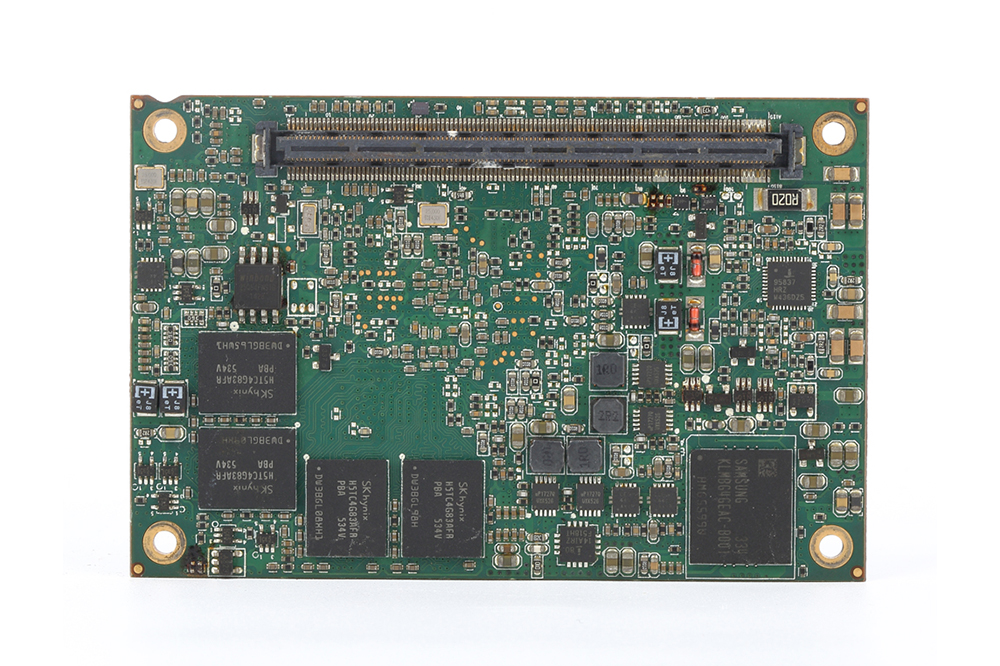
The American aerospace and defense sectors demand embedded hardware that conforms to the highest standards of reliability. COM Express modules and compact x86 boards are widely used in flight simulators, telemetry systems, and ruggedized communication ground stations. The ability to function under intense vibration and shock makes these boards indispensable for defense-grade field operations.
When sourcing embedded mainboards at a wholesale scale for the US market, buyers must balance performance requirements with budgetary constraints. The price of an embedded motherboard is determined by several key factors: the processor family (e.g., low-power Intel Bay Trail vs. high-performance Tiger Lake), memory capacity, thermal design, and specialized I/O requirements.
For volume buyers, partnering directly with an established manufacturer like YDSTECH offers significant advantages. Direct sourcing eliminates middleman markups, allowing US companies to obtain competitive wholesale pricing. Furthermore, direct collaboration enables custom BIOS/OS configurations, hardware modifications, and tailored thermal solutions, ensuring that the final product integrates seamlessly into the target application.
In addition to initial unit costs, US companies prioritize supply chain resilience. Working with an ISO9001 certified company that possesses robust raw material supplier networks (AVL systems) guarantees a steady flow of components, protecting businesses from sudden market shortages and production delays.
Shenzhen YDSTECH Electronics Co., Ltd. is a high-tech enterprise specializing in industrial computers. Since the establishment of YDSTECH in 1999, we have been committed to independent research and development, innovation, production and sales of industrial computers, and we own the independent intellectual property rights of our core products.
We consider honesty and pragmatism as our motto and make it our long-term goal to provide customers with cost-effective products. In order to achieve this goal, we work constantly to develop new products, improve our service capabilities and promote the innovation of embedded computer applications to create long-term value and potential growth for our customers.
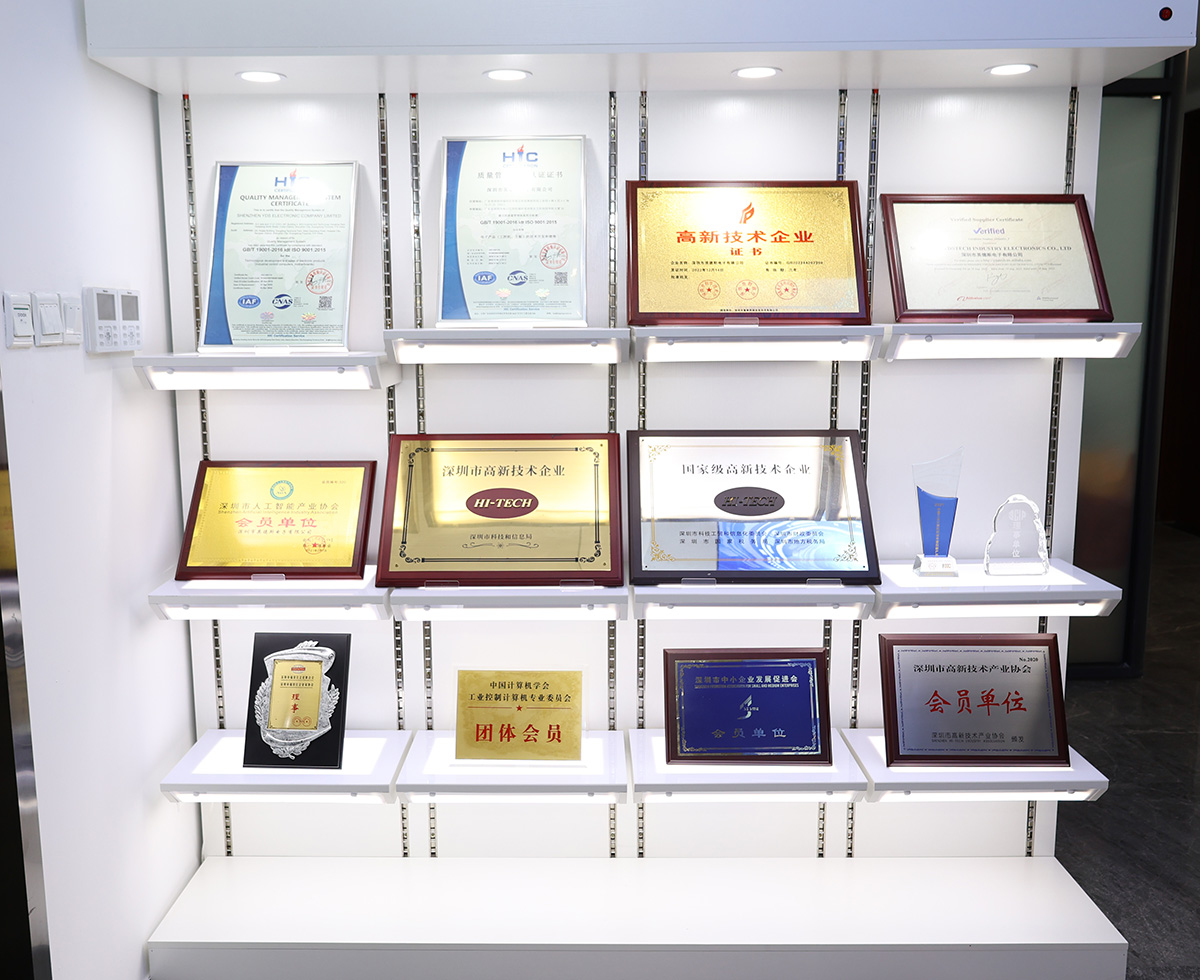
Our adherence to international standards guarantees reliability and compliance for the demanding US market.
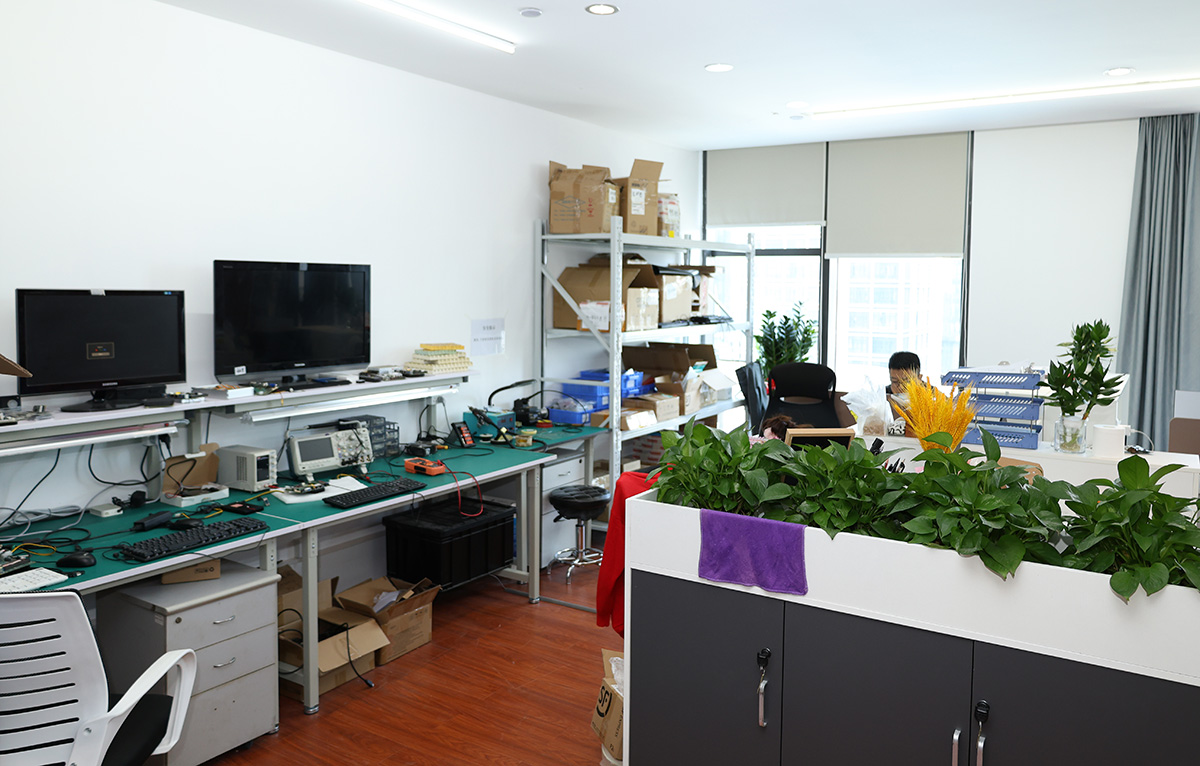
Our core technical team has over 15 years of experience in this industry, and has been focusing on embedded computer research and development, with rich and solid professional expertise. We believe that attitude means everything, since the establishment of YDSTECH, we have always been committed to work with a conscientious, responsible, attentive, professional, prudent and meticulous attitude, which ensures the high-quality output of the products, years of persistence and experience created our strong R&D team.
This deep expertise allows us to offer tailored ODM/OEM services for American clients, modifying layout designs, adding specific interfaces, and optimizing thermal performance to meet unique industrial specifications.
YDSTECH has set up a comprehensive quality assurance management system, adopting MSA quality system analysis, implementing rolling quality system audit, TQM, SPC process control and other quality management systems, establishing AVL supplier management system to ensure the quality of raw materials, and introducing rolling product reliability tests to ensure overall product reliability.
By combining advanced statistical process controls (SPC) with rigorous thermal, vibration, and electrical stress testing, we ensure that every single board computer leaving our production lines is fully capable of meeting the harsh operating environments of the United States' industrial sectors.
Explore our full line of industrial motherboards, fanless systems, and COM Express modules.