Leave Your Message
Explore our leading-edge, wide-temperature embedded motherboards and fanless systems tailored for roadside cabinets and vehicle integration.
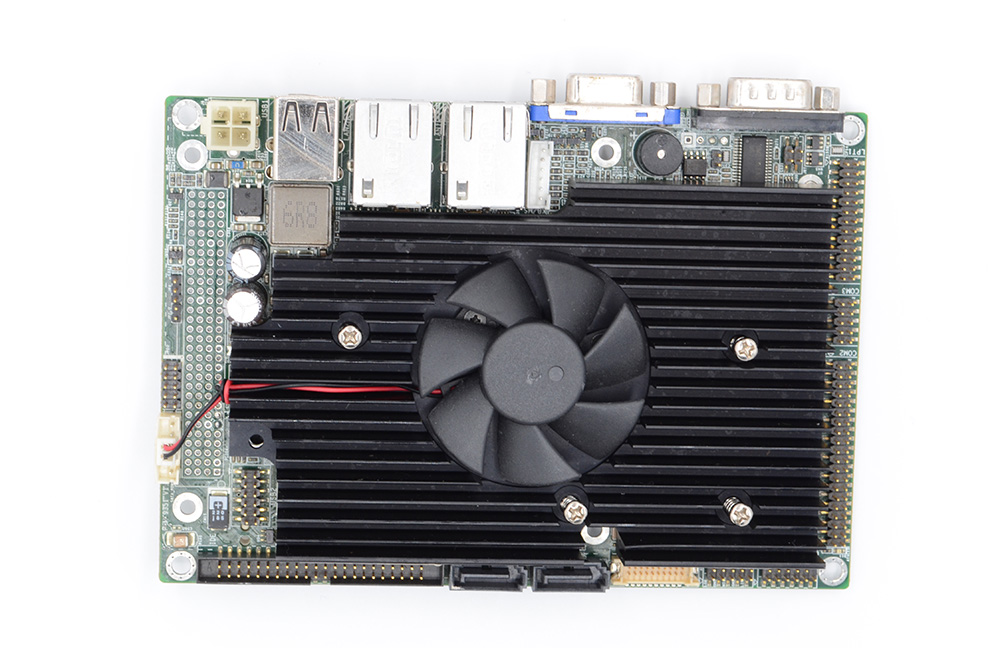
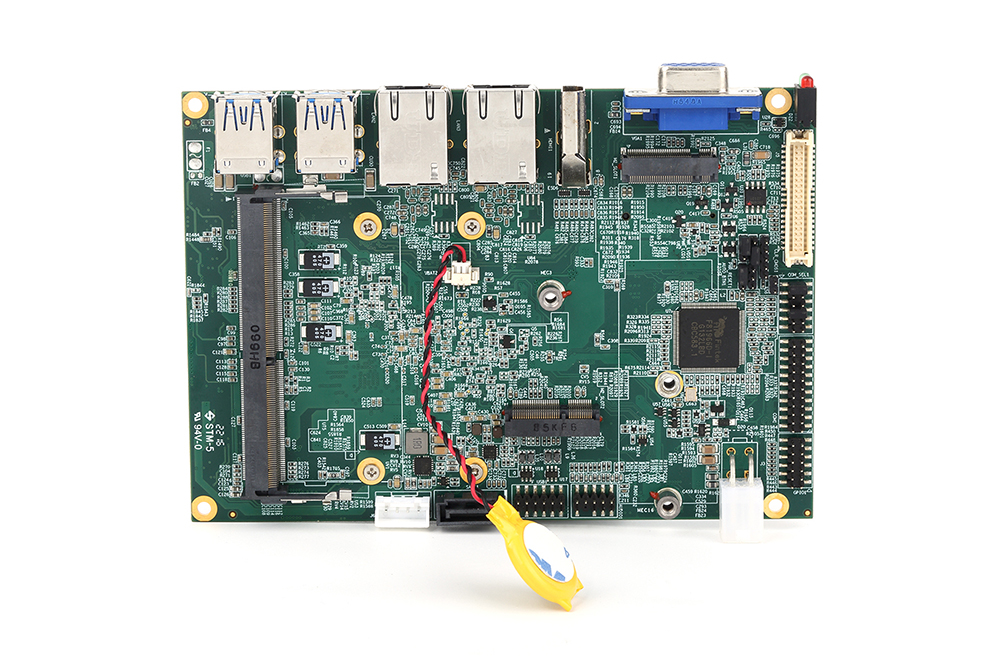
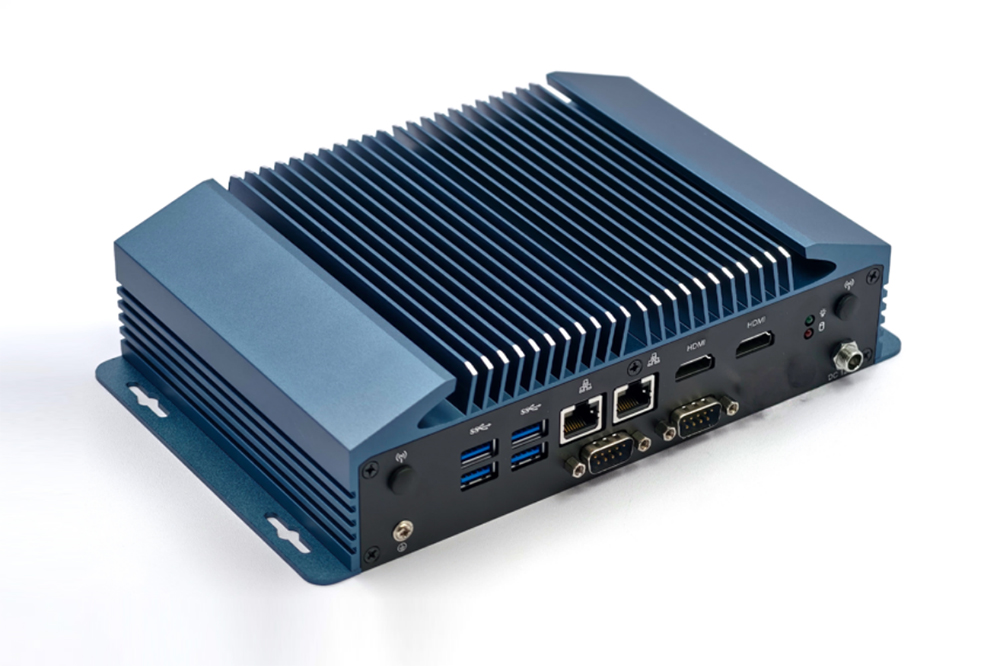
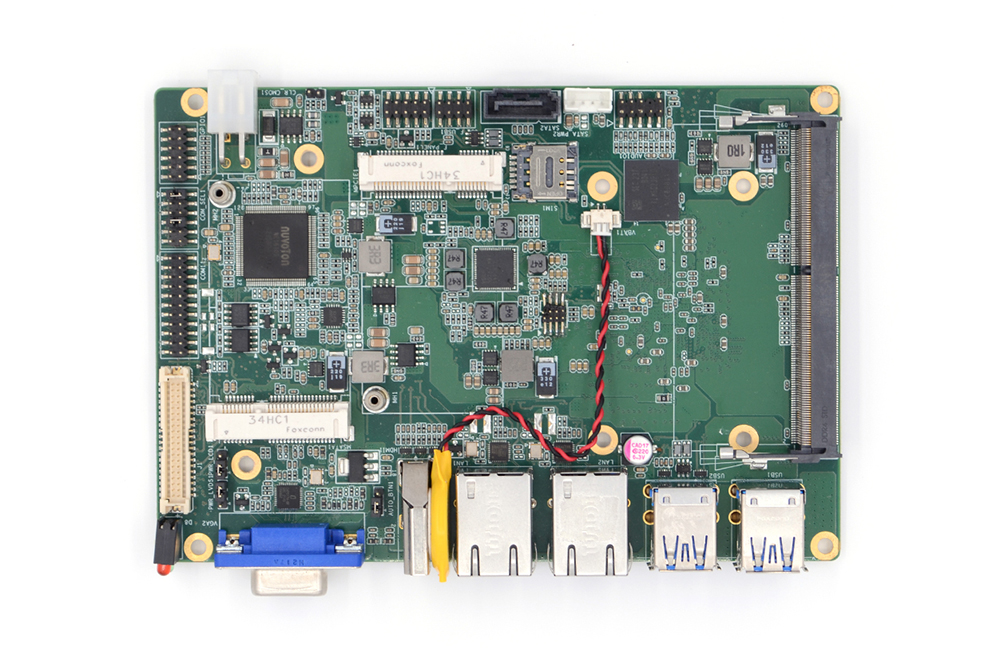
Modern cities are expanding at an unprecedented pace, demanding highly efficient, safe, and intelligent transportation networks. As a result, the integration of Rugged Embedded PCs in smart transportation and traffic monitoring systems has transitioned from an optional upgrade to an absolute industrial necessity. Traffic control systems, highway toll management, automated parking spaces, and public transit tracking systems generate massive volumes of real-time data. Processing this data at the network edge—directly where the traffic events occur—is essential to reduce latency, save bandwidth, and ensure instantaneous response times.
Industrial rugged PCs act as the brain of roadside cabinets, toll stations, and in-vehicle systems. Unlike standard commercial computers, these specialized industrial computers are designed to survive the harshest outdoor conditions, continuous physical vibration, electrical surges, and extreme temperature variations. By deploying rugged embedded computers at critical transit nodes, municipal authorities and private network operators can construct highly reliable Intelligent Transportation Systems (ITS) that operate continuously, 24 hours a day, 365 days a year.
Guaranteed operation from -40°C up to +85°C to survive harsh roadside cabinets and vehicle environments.
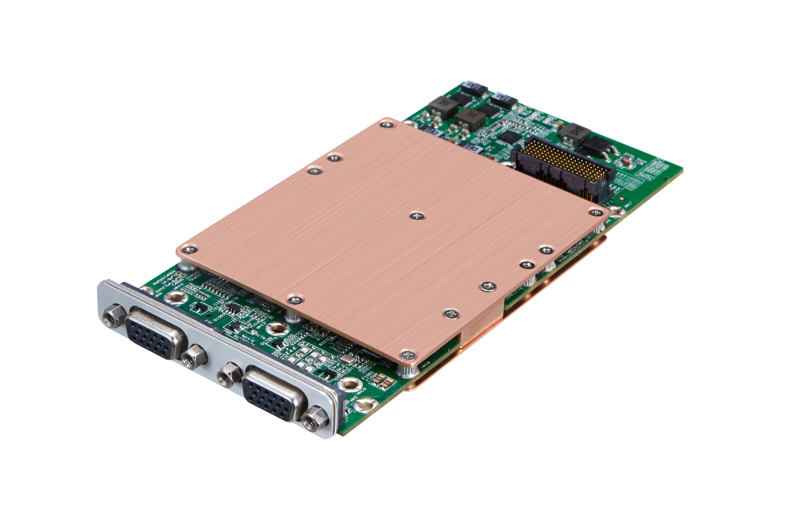
Equipped with high-performance x86 CPUs and dedicated GPU/NPU expansion slots for real-time video analytics.
Features multiple isolated RS485, GPIO, CAN bus, and Dual Gigabit Ethernet ports for absolute connectivity.
Legacy traffic lights operate on pre-programmed timer loops, which frequently lead to unnecessary congestion. Modern intersections utilize AI-powered traffic monitoring systems that dynamically adjust signal timings based on actual vehicle queues. By connecting multiple high-resolution IP cameras to a roadside rugged fanless embedded PC, the system runs deep-learning algorithms locally to count vehicles, estimate average speeds, and detect accidents. Processing these high-bandwidth video streams locally eliminates the cost of streaming video to a centralized cloud, enabling the traffic controller to adapt the traffic lights immediately to changing road conditions.
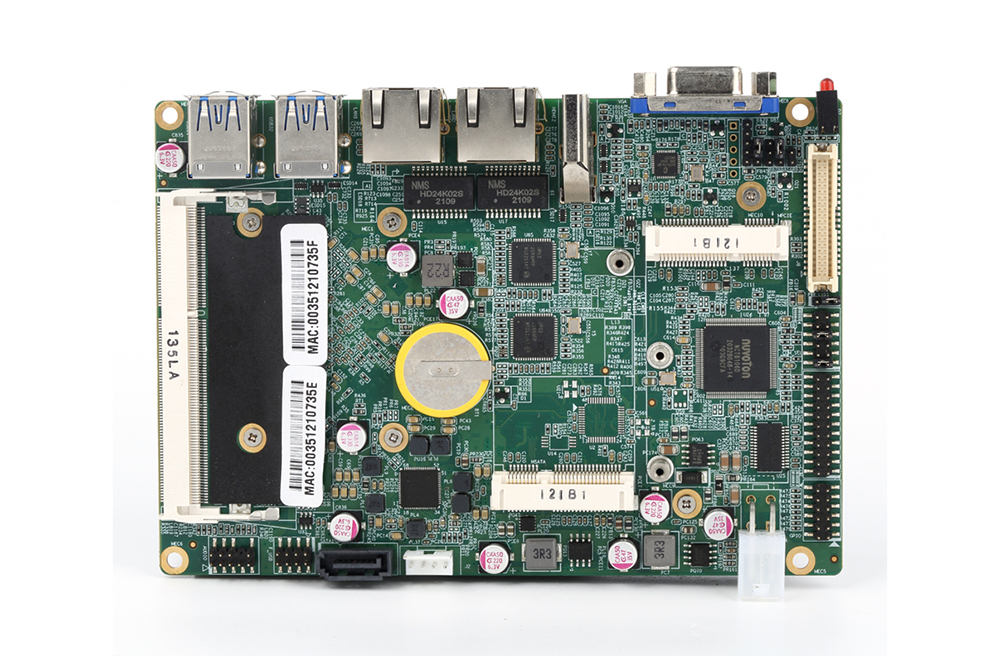
On highways and restricted urban zones, Automatic Number Plate Recognition (ANPR) and Electronic Toll Collection (ETC) systems must run seamlessly without disrupting the flow of traffic. The embedded computers deployed in these scenarios require high-speed image processing capabilities, low-latency network communication, and reliable integration with external sensors (such as inductive loops and laser scanners). A 3.5-inch wide-temperature x86 motherboard integrated into a toll booth controller manages the camera trigger, processes the license plate recognition algorithm, verifies the vehicle credentials against a local database cache, and controls the physical barrier within milliseconds.
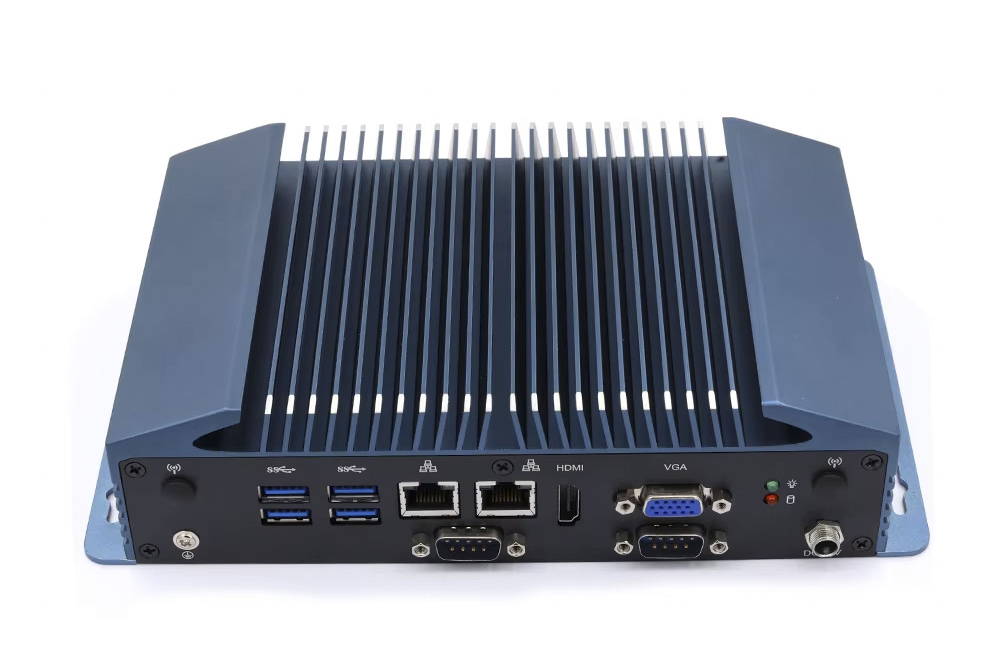
Roadside cabinets are exposed to high levels of airborne dust, exhaust fumes, and moisture. Standard computers with active cooling fans quickly fail as their internal components get coated in debris. Fanless rugged embedded PCs rely on passive heat dissipation via heavy-duty aluminum fins, preventing dust ingress, eliminating moving parts, and dramatically extending the Mean Time Between Failures (MTBF).
Public transit buses, emergency vehicles, and commercial logistics trucks rely on in-vehicle embedded PCs to coordinate fleet operations, record multi-channel surveillance footage, and provide driver assistance. These systems are powered directly by the vehicle's electrical system, making them susceptible to voltage drops during engine ignition and sudden power spikes. Rugged embedded PCs designed for in-vehicle use feature wide-range DC power inputs with intelligent ignition control, ensuring the computer boots up and shuts down cleanly in sync with the vehicle's engine state. Additionally, onboard GPS, 4G/5G, and Wi-Fi modules allow continuous communication with the central dispatch center.
As autonomous driving technology matures, the installation of Roadside Units (RSUs) becomes critical. RSUs act as communication hubs that exchange data between vehicles and the local traffic infrastructure (V2I). These nodes require rugged computers with high-speed wireless interfaces, robust cybersecurity protocols, and low-latency processing to broadcast warnings about pedestrian crossings, approaching emergency vehicles, or sudden road hazards. The combination of x86 processing power and expandable 5G connectivity makes our fanless embedded PCs the perfect hardware platform for V2X deployments.
Integrating electronics into outdoor transportation environments exposes hardware to multiple destructive forces. Standard commercial computers are built for climate-controlled offices and will fail within days if deployed in roadside cabinets or inside vehicles. The primary environmental hazards include:
The future of traffic management lies in the integration of Artificial Intelligence at the edge. Instead of sending raw video feeds to a centralized cloud, which incurs high bandwidth costs and latency, next-generation rugged PCs are equipped with dedicated AI accelerators (such as VPUs, TPUs, or discrete GPUs). This enables advanced edge analytics, including real-time collision prediction, pedestrian detection, and multi-camera vehicle tracking. Furthermore, the transition to 5G networks allows roadside edge computers to share real-time telemetry with nearby vehicles, laying the groundwork for cooperative autonomous driving and fully automated urban traffic ecosystems.
A premier high-tech enterprise specializing in the independent R&D, innovation, production, and distribution of industrial computing solutions since 1999.
Shenzhen YDSTECH Electronics Co., Ltd. is a high-tech enterprise specializing in industrial computers. Since the establishment of YDSTECH in 1999, we have been committed to independent research and development, innovation, production and sales of industrial computers, and we own the independent intellectual property rights of our core products.
We consider honesty and pragmatism as our motto and make it our long-term goal to provide customers with cost-effective products. In order to achieve this goal, we work constantly to develop new products, improve our service capabilities and promote the innovation of embedded computer applications to create long-term value and potential growth for our customers.
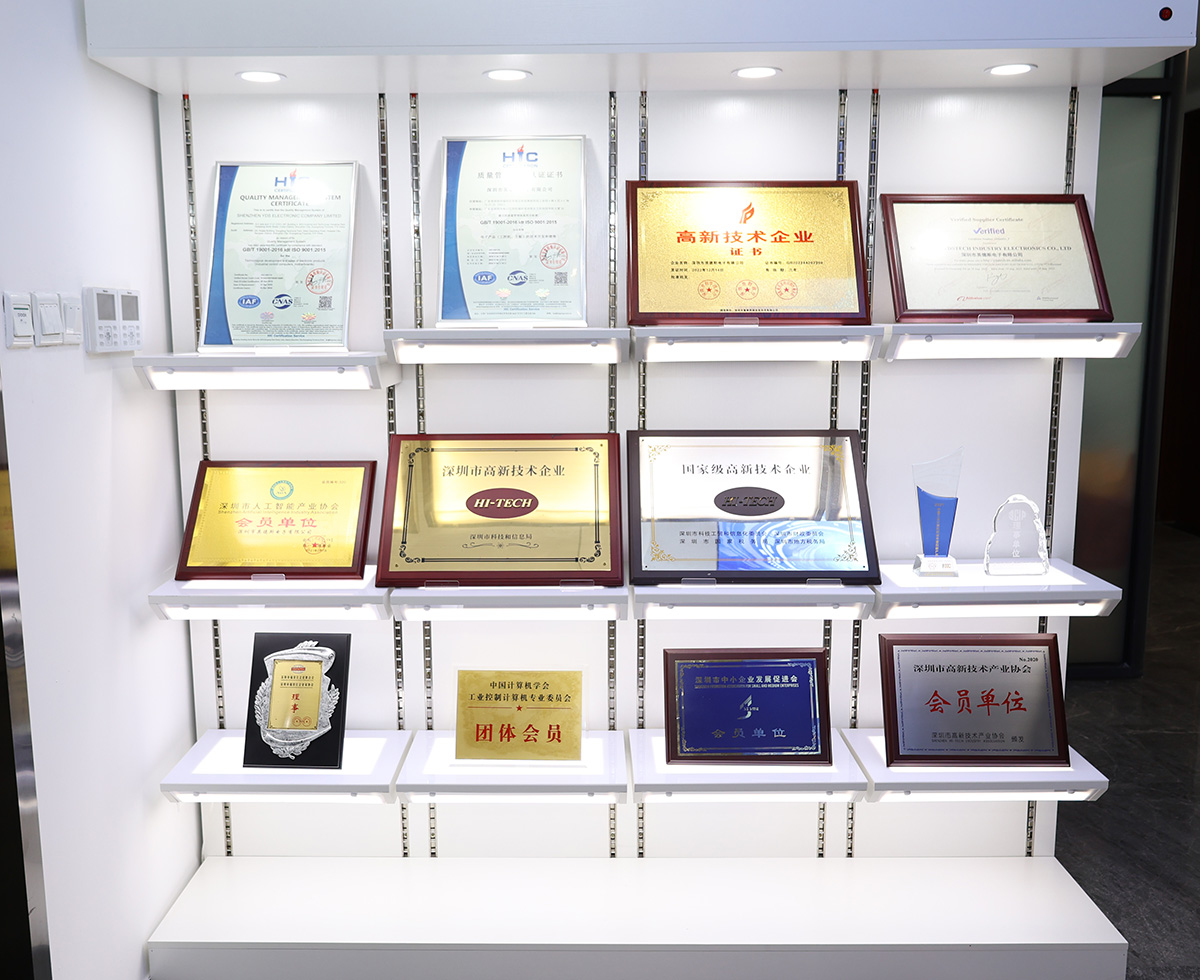
Our commitment to quality, innovation, and industry leadership is backed by official certifications and active participation in leading national engineering and computer associations.
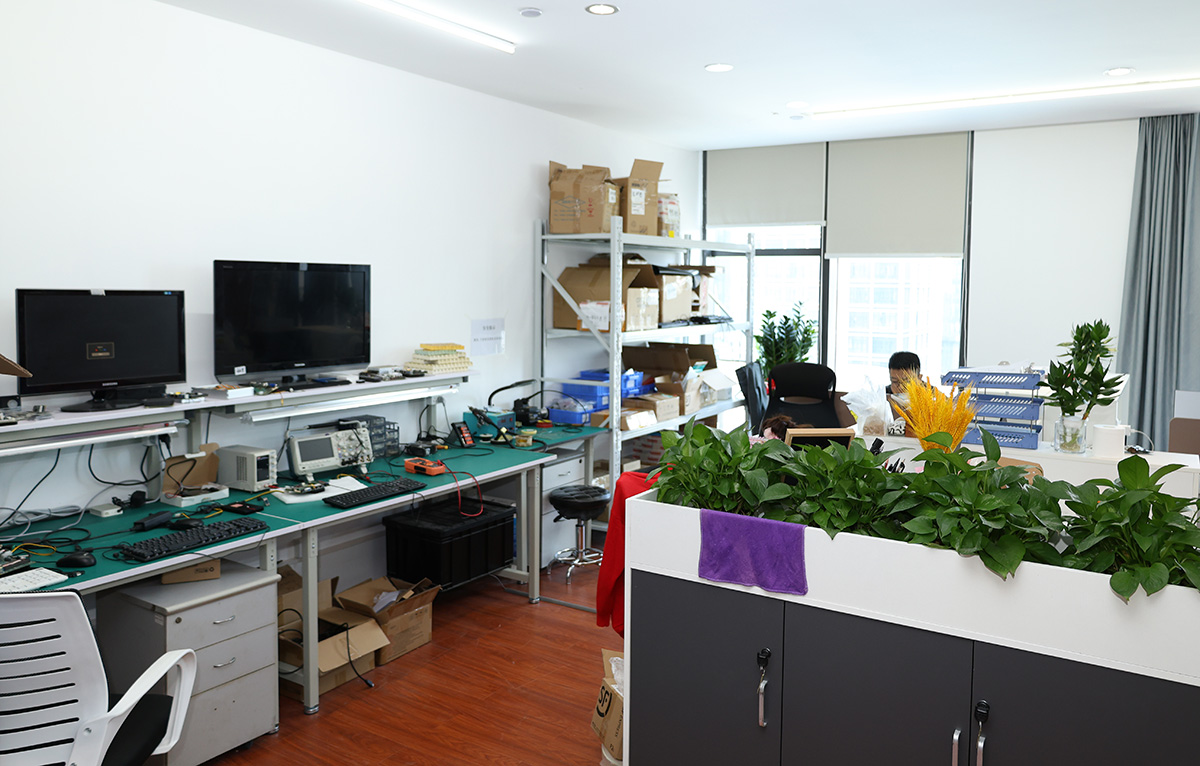
Our core technical team has over 15 years of experience in this industry, and has been focusing on embedded computer research and development, with rich and solid professional expertise. We believe that attitude means everything, since the establishment of YDSTECH, we have always been committed to work with a conscientious, responsible, attentive, professional, prudent and meticulous attitude, which ensures the high-quality output of the products, years of persistence and experience created our strong R&D team.
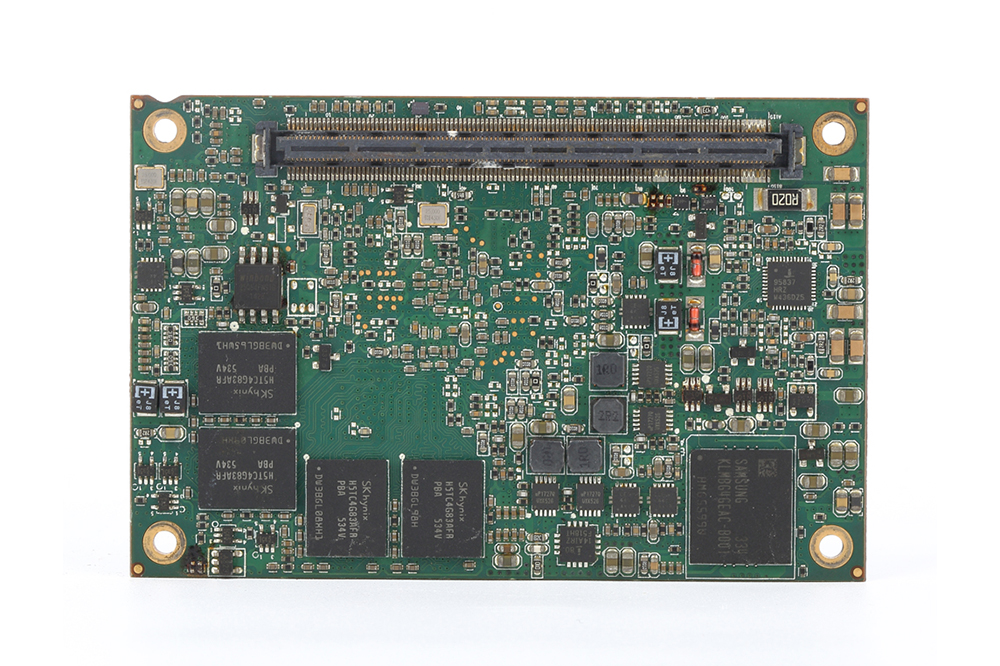
This continuous investment in engineering allows us to tailor our 3.5-inch boards, COM Express modules, and fanless chassis to the exact requirements of modern traffic monitoring projects. By utilizing state-of-the-art simulation tools and rigorous environmental chambers, our R&D team ensures that every motherboard design can withstand high-vibration roadside cabinets, electrical noise, and thermal shocks.
YDSTECH has set up a comprehensive quality assurance management system, adopting MSA quality system analysis, implementing rolling quality system audit, TQM, SPC process control and other quality management systems, establishing AVL supplier management system to ensure the quality of raw materials, and introducing rolling product reliability tests to ensure overall product reliability.
Explore our full catalog of high-reliability motherboards, fanless computers, and GPU accelerators designed for smart city infrastructure.