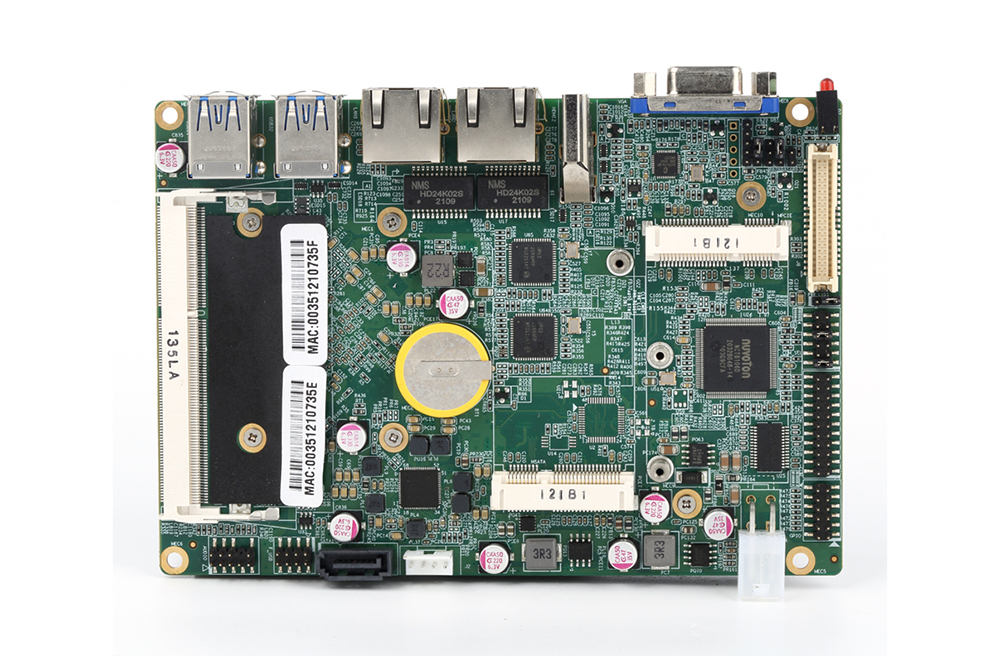
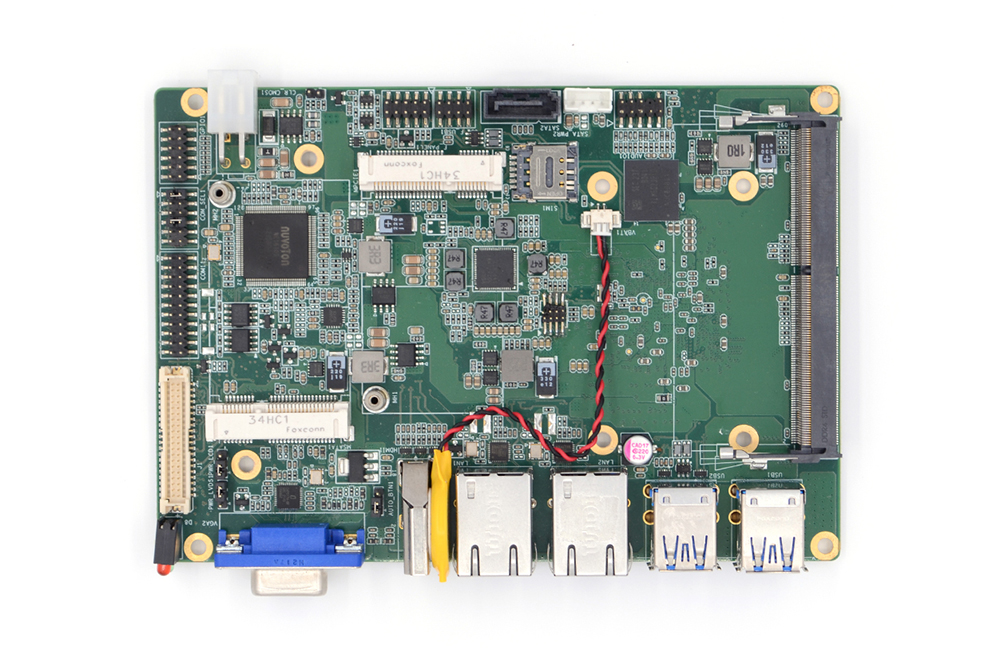
The Crucial Role of Rugged Embedded PCs in Modern Industrial Ecosystems
In the era of Industry 4.0, cloud-to-edge convergence, and intelligent automation, computing power is no longer confined to the pristine environments of air-conditioned corporate data centers. Today, high-performance computing nodes are deployed directly at the operational frontlines: inside locomotive cabins, alongside heavy mining equipment, atop wind turbines in freezing offshore locations, and within high-heat manufacturing foundries. These settings present a hostile array of challenges—extreme thermal fluctuations, continuous mechanical shock, intense vibration, airborne particulates, and electromagnetic interference.
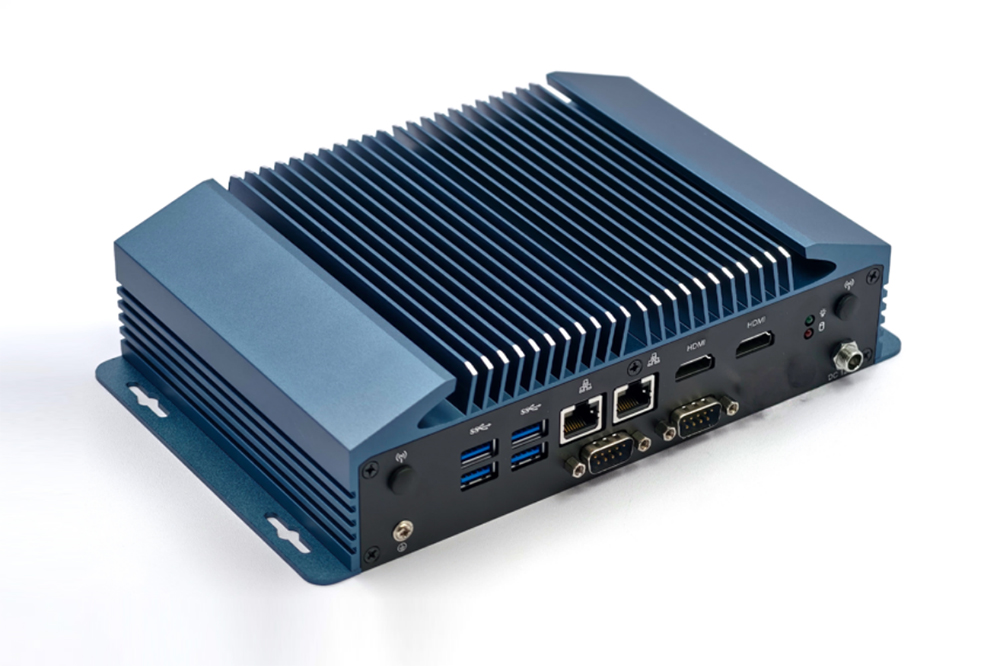
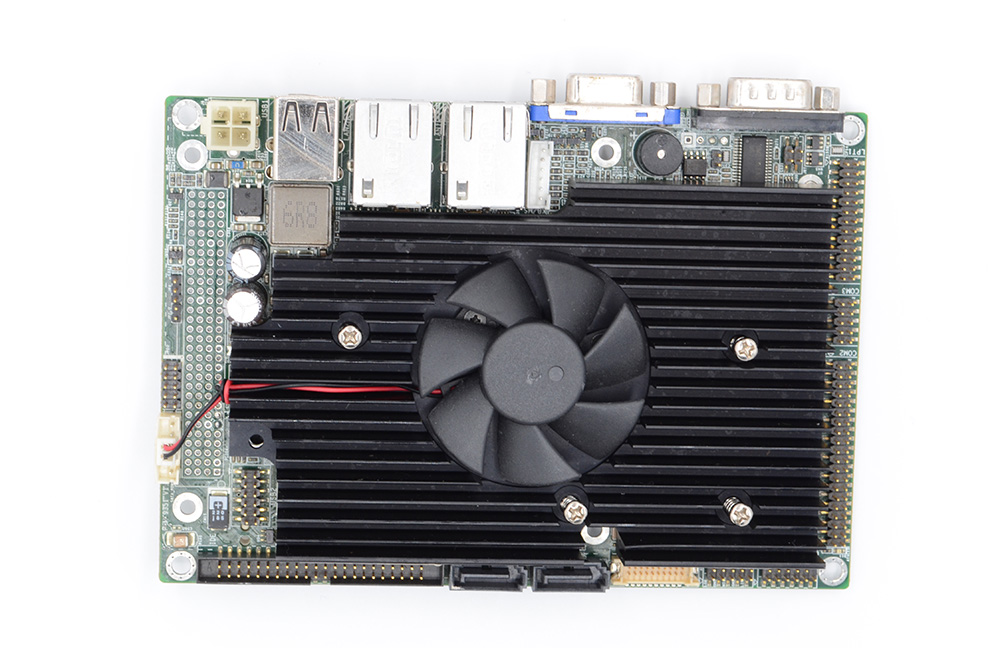
Standard commercial computers fail almost instantly under these conditions. The failure of a single computing component in a critical system can halt assembly lines, compromise transportation safety, or lead to catastrophic data loss in remote monitoring stations. This operational reality has driven the massive growth of the rugged embedded PC market. Specifically engineered for harsh environments and wide temperature operation, these robust systems serve as the reliable backbone for modern edge computing, AI inference, and industrial automation.
Extreme Temperature Range
Guaranteed operation from -40°C to +85°C using industrial-grade components and advanced passive thermal dissipation.
Fanless & Sealed Design
Eliminates mechanical failure points and prevents ingress of dust, moisture, and corrosive atmospheric elements.
Shock & Vibration Proof
Complies with MIL-STD-810G standards, utilizing onboard memory/storage and ruggedized lockable connectors.
Industrial and Commercial Market Trends: The Edge AI Revolution
The global market for rugged industrial PCs is experiencing a significant surge, driven primarily by the rapid deployment of Edge AI and IoT. Traditionally, industrial computers were simple controllers executing basic programmable logic. Today's rugged platforms, however, are expected to run complex machine learning models, perform real-time video analytics for predictive safety, and handle massive sensor fusion processes locally.
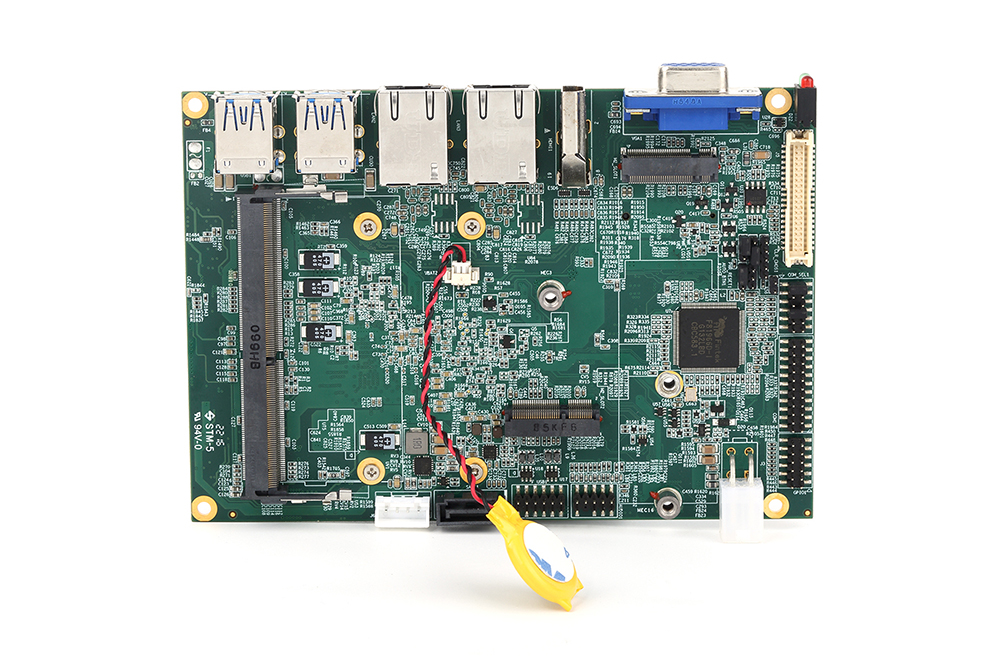
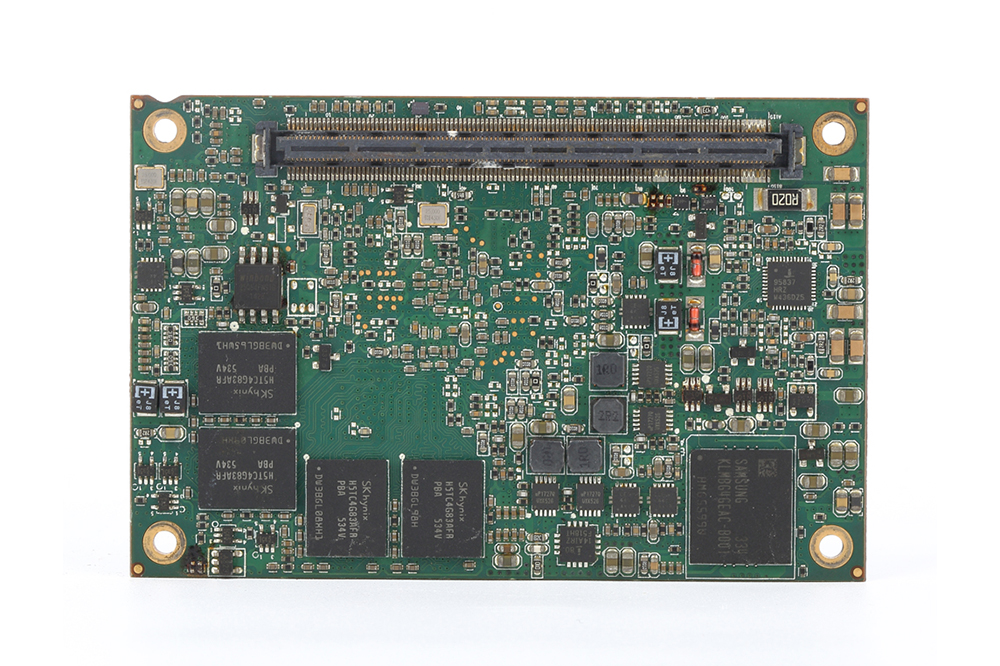
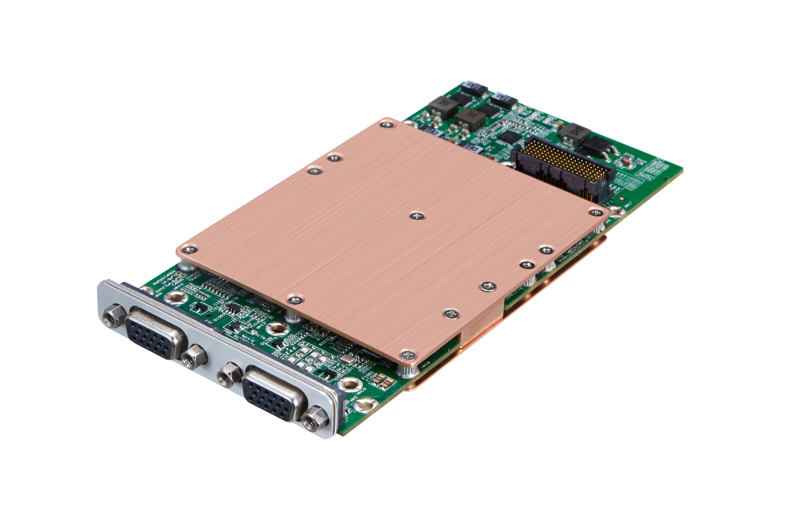
This shift requires a new class of hardware that combines high-performance multi-core x86 processors with dedicated graphics processing units (GPUs) capable of handling parallel computing workloads. The challenge lies in housing these power-hungry processors inside sealed, fanless enclosures. Companies are increasingly adopting modular designs, such as COM Express modules and specialized high-temp MXM GPU display cards, to allow easy upgrades and maintenance while maintaining a sealed, rugged thermal envelope.
"The integration of artificial intelligence at the industrial edge has transformed the rugged PC from a passive data logger into an active, real-time decision maker. Thermal management and component selection are now the primary differentiators in system reliability."
Deep Dive: Engineering for Wide Temperature Operation (-40°C to +85°C)
Operating reliably at +85°C or boot-starting at -40°C requires meticulous board-level engineering. Standard commercial silicon is rated only for 0°C to 70°C. When exposed to sub-zero temperatures, electrical characteristics of semiconductor materials shift, causing timing delays and signal degradation. Conversely, extreme heat accelerates electromigration and thermal throttling, which severely limits CPU performance.
To overcome these physical limitations, rugged embedded PCs utilize strictly screened industrial-grade silicon. Board layouts are optimized using advanced thermal simulation software to distribute heat evenly across the chassis, which acts as a giant heatsink. Furthermore, special high-temperature solder alloys are used to prevent solder joint cracking under thermal cycling, and conformal coatings are applied to protect the PCB from condensation when transitioning from extreme cold to warm environments.
Key Application Scenarios in Harsh Environments
1. Intelligent Transportation and Fleet Management: Modern trains, buses, and autonomous mining trucks require constant communication, positioning, and safety monitoring. Rugged PCs installed in these vehicles must withstand constant engine vibration, sudden mechanical shocks from uneven terrain, and wide temperature swings when moving from indoor depots to outdoor environments.
2. Renewable Energy and Smart Grid Infrastructure: Wind turbines and solar farms are usually located in remote, climatically hostile regions. Embedded controllers in these setups must run continuously 24/7 in unconditioned outdoor cabinets, monitoring power generation efficiency, grid synchronization, and structural health without requiring frequent physical maintenance.
3. Oil, Gas, and Heavy Mining Operations: In oil drilling and mining, computers are exposed to highly combustible gases, abrasive dust, and intense physical impacts. Sealed, explosion-proof rugged PCs with rich isolated I/O ports (RS-485, CAN bus) ensure safe operation and prevent electrical sparks from causing catastrophic accidents.
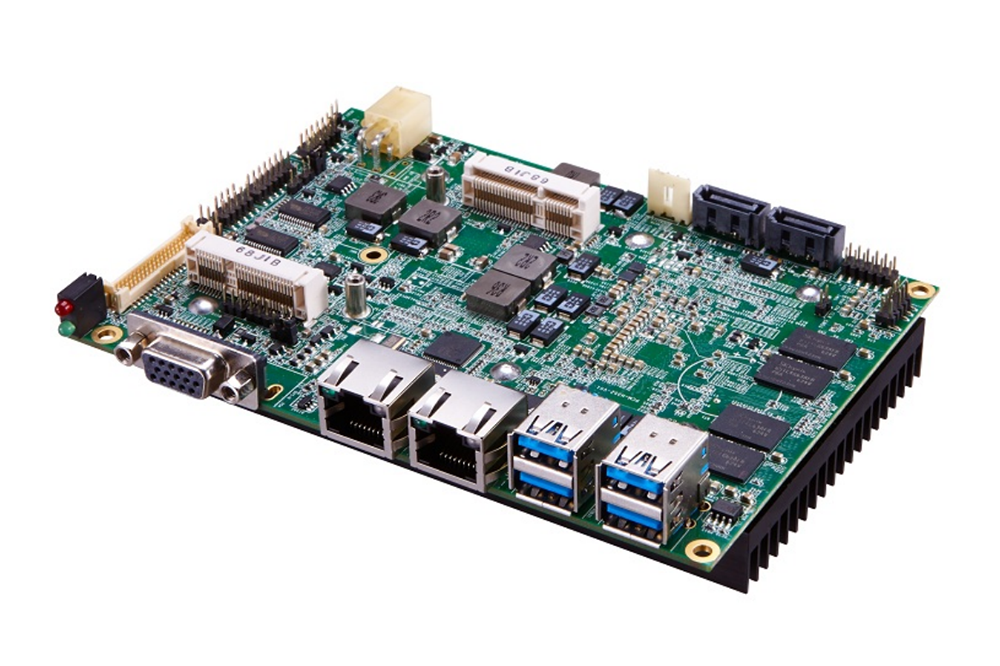
4. Factory Automation and Machine Vision: On the factory floor, high-voltage machinery generates significant electromagnetic interference (EMI). Rugged x86 motherboards with isolated LAN and serial ports prevent ground loops and protect delicate control circuitry from high-voltage surges, ensuring continuous production line uptime.