Leave Your Message
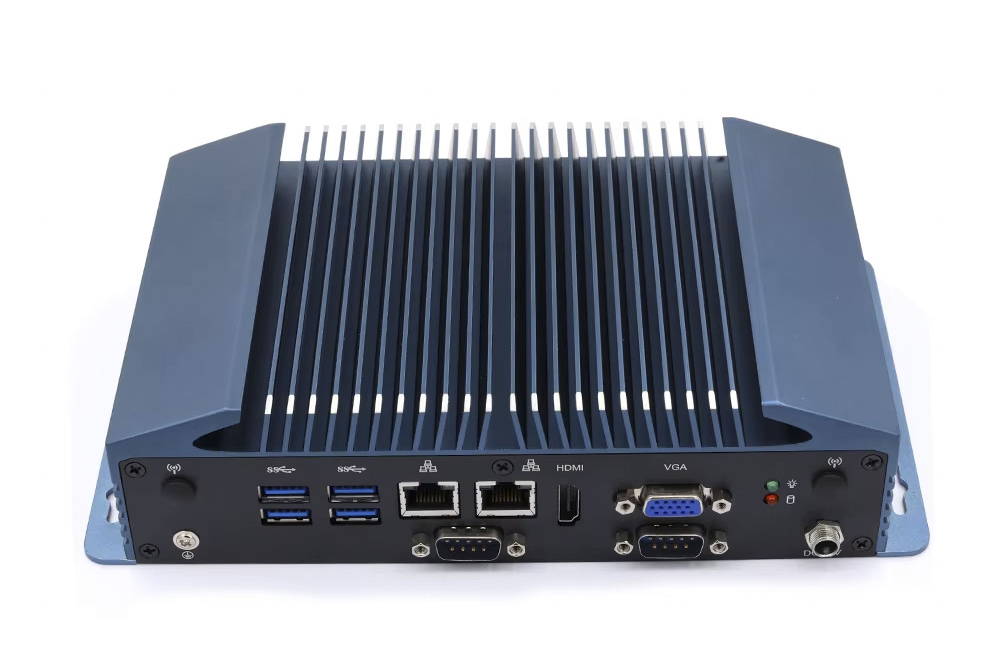
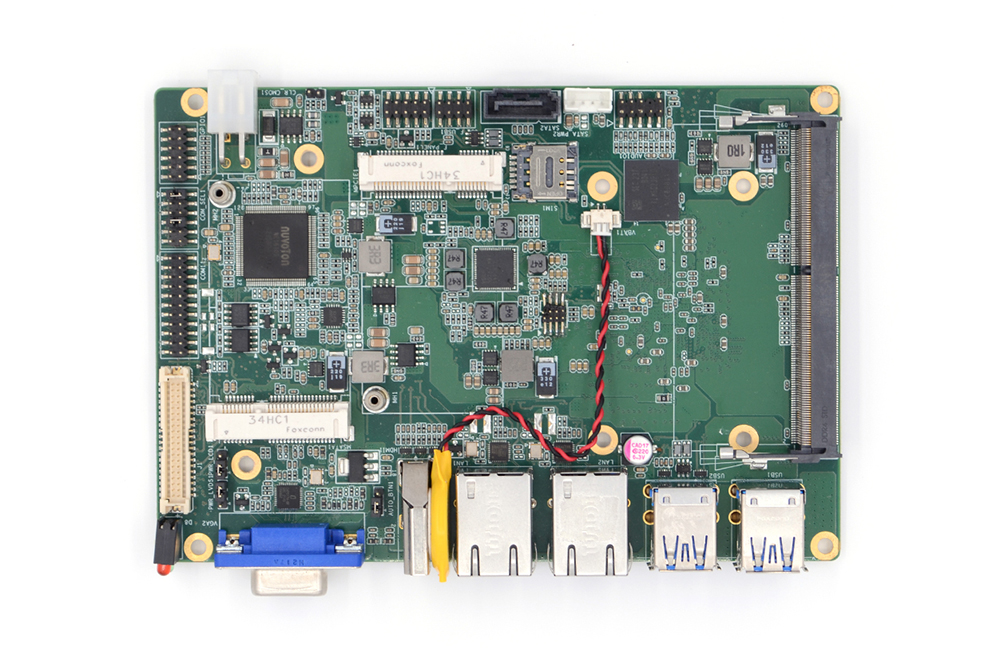
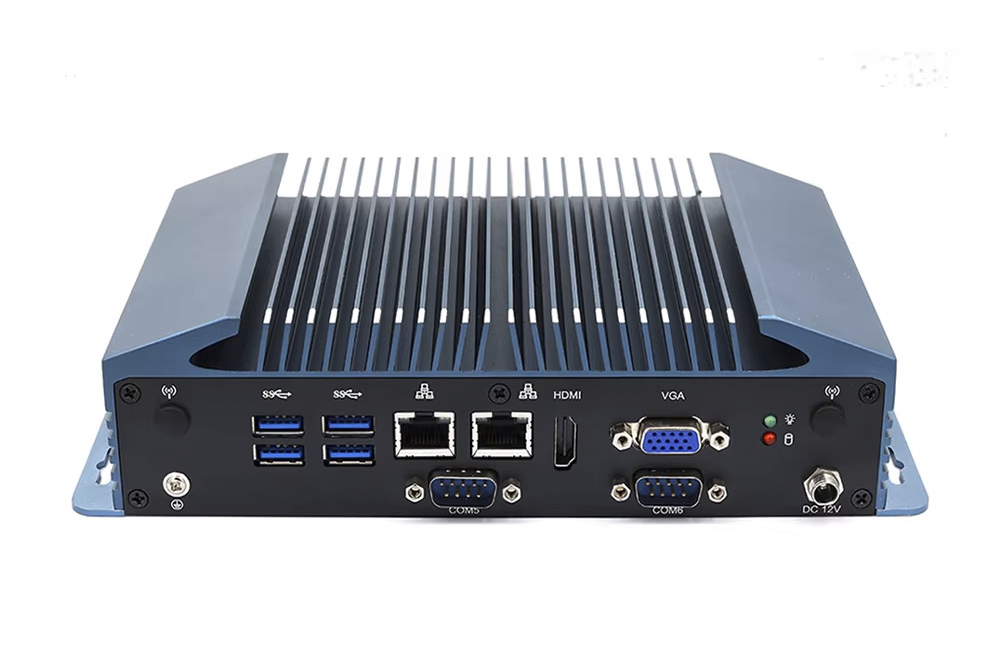
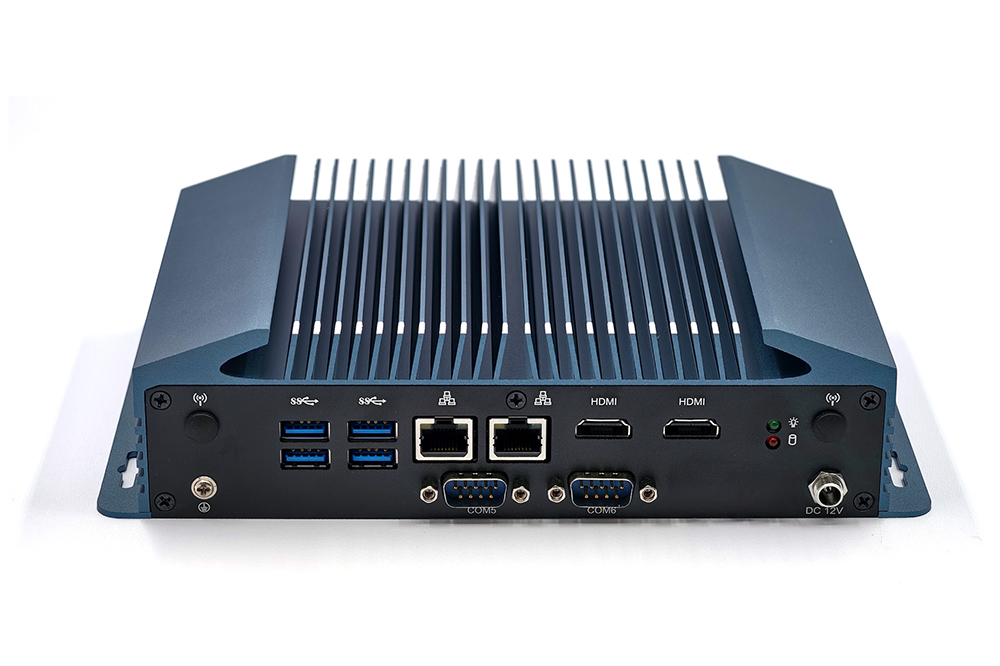
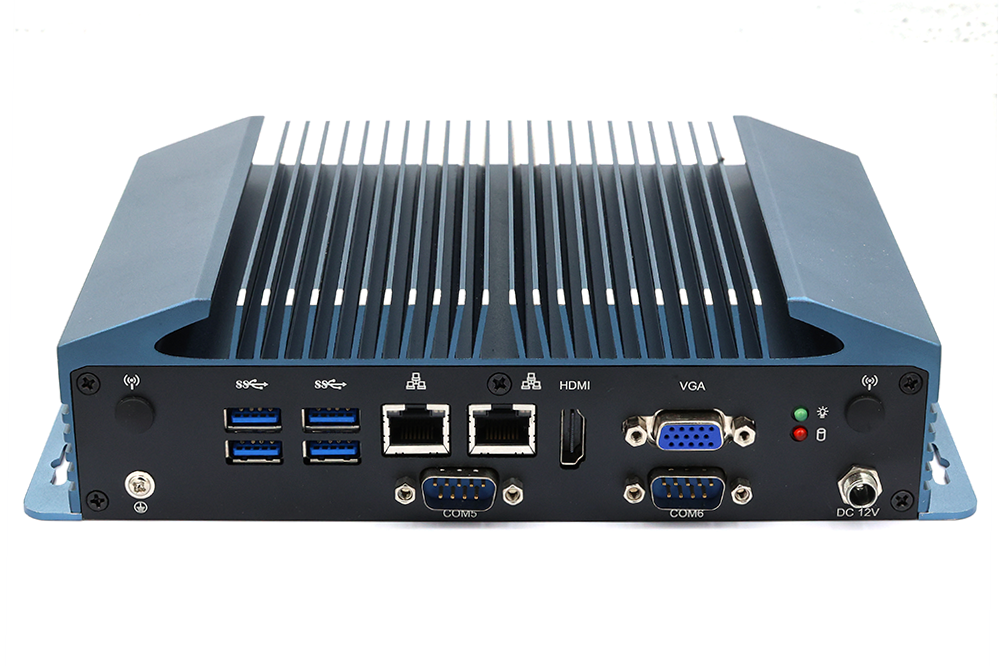
The global landscape of urban mobility is undergoing a revolutionary transformation. As cities expand and population densities rise, traditional traffic management infrastructures struggle to cope with the sheer volume of vehicles. The integration of Intelligent Transportation Systems (ITS) has transitioned from a progressive luxury to a critical public necessity. At the heart of this transformation lies the deployment of robust edge computing hardware. Specifically, the Mini Embedded PC has established itself as the primary engine driving smart transportation and traffic monitoring systems worldwide.
Commercially, the market for smart transportation technologies is experiencing a massive surge. Governments and private enterprises are investing heavily in infrastructure modernization, driving a high demand for industrial-grade computing solutions. Unlike standard consumer PCs, which are designed for climate-controlled office environments, industrial Mini Embedded PCs are engineered to operate in the most demanding conditions. They offer long-term reliability and a low total cost of ownership (TCO). A system failure at a major highway intersection does not just mean a computer is down; it leads to severe traffic jams, increased accident risks, and high maintenance costs. Therefore, the market has shifted toward ruggedized, fanless x86 and ARM-based embedded systems that guarantee 24/7 operational continuity.
Industrially, the integration of Artificial Intelligence (AI) and Machine Learning (ML) at the edge has redefined what is possible. Modern traffic cameras are no longer passive recording devices; they are intelligent sensors that analyze video feeds locally. This shift has led to the adoption of high-performance mini PCs equipped with multi-core processors, high-speed DDR4/DDR5 memory, and hardware accelerators. These systems process complex neural networks in real-time, detecting traffic violations, identifying vehicle types, and predicting potential gridlocks before they occur.
Mini Embedded PCs process live feeds from roadside cameras and radar sensors to dynamically adjust traffic light phases in real-time. By utilizing local edge algorithms, these systems optimize vehicle throughput, minimize wait times at intersections, and reduce carbon emissions from idling vehicles.
Automated Number Plate Recognition (ANPR) and Electronic Toll Collection (ETC) demand instantaneous data processing. Installed in roadside cabinets, wide-temperature embedded computers process high-frame-rate video to identify license plates and process toll transactions without stopping vehicle flow.
Public transit fleets utilize onboard mini PCs to serve as unified gateways. These systems interface with the vehicle's CAN bus for health monitoring, track real-time GPS locations, manage passenger information screens, and capture multi-channel security video feeds under constant vibration.
Roadside Units (RSUs) act as communication hubs bridging the gap between autonomous vehicles and urban infrastructure. Embedded PCs process critical environmental data locally and broadcast warnings about hazards or pedestrian crossings with single-digit millisecond latency.
Operating computational hardware in outdoor roadside cabinets or in-vehicle cabins exposes the equipment to environmental extremes that would immediately destroy consumer-grade computers. Industrial-grade Mini Embedded PCs are specifically engineered to overcome these challenges:
As smart cities continue to evolve, several emerging trends will shape the next generation of Mini Embedded PCs in transportation:
1. Edge AI and Deep Learning Acceleration: The integration of dedicated Neural Processing Units (NPUs) and edge GPUs will allow embedded PCs to run more complex AI models locally. This will enable advanced features like multi-camera object tracking, predictive accident prevention, and real-time pedestrian safety alerts.
2. 5G and C-V2X Integration: The rollout of 5G networks will provide the high-speed, low-latency connectivity required for real-time V2X communication, allowing embedded PCs to coordinate traffic flow on a city-wide scale.
3. Hardware-Level Cybersecurity: As transportation infrastructure becomes more connected, it becomes a target for cyber threats. Future embedded PCs will feature built-in TPM 2.0 security chips, secure boot protocols, and encrypted storage to protect sensitive data and prevent unauthorized access.
4. Sustainable and Low-Power Design: With thousands of edge computers deployed across urban areas, energy efficiency is a high priority. Future systems will utilize ultra-low-power processors that deliver high performance-per-watt, reducing the overall carbon footprint of smart city initiatives.
Shenzhen YDSTECH Electronics Co., Ltd. is a high-tech enterprise specializing in industrial computers.Since the establishment of YDSTECH in 1999, we have been committed to independent research and development, innovation, production and sales of industrial computers, and we own the independent intellectual property rights of our core products.
We consider honesty and pragmatism as our motto and make it our long-term goal to provide customers with cost-effective products. In order to achieve this goal, we work constantly to develop new products, improve our service capabilities and promote the innovation of embedded computer applications to create long-term value and potential growth for our customers.
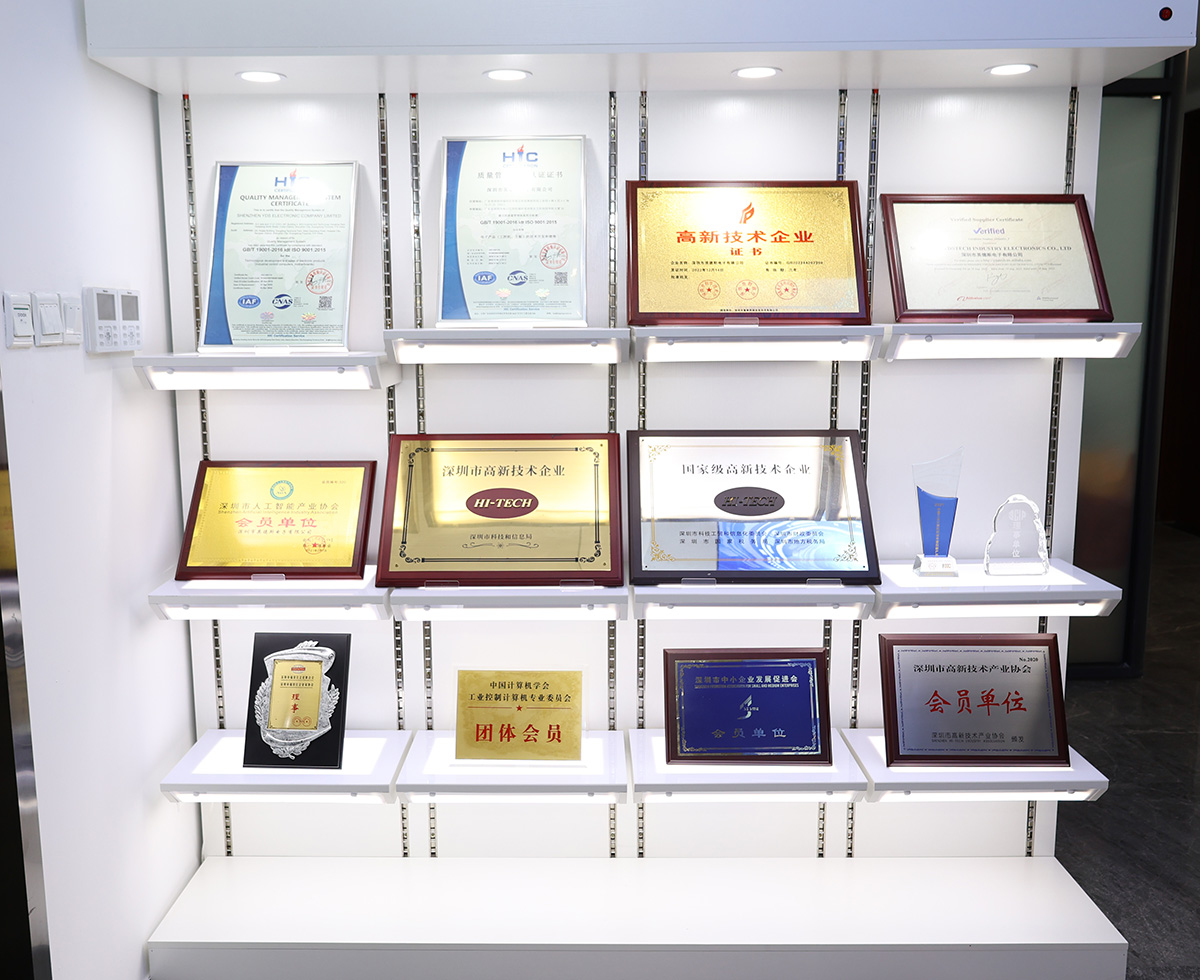
Our core technical team has over 15 years of experience in this industry, and has been focusing on embedded computer research and development, with rich and solid professional expertise. We believe that attitude means everything, since the establishment of YDSTECH, we have always been committed to work with a conscientious, responsible, attentive, professional, prudent and meticulous attitude, which ensures the high-quality output of the products, years of persistence and experience created our strong R&D team.
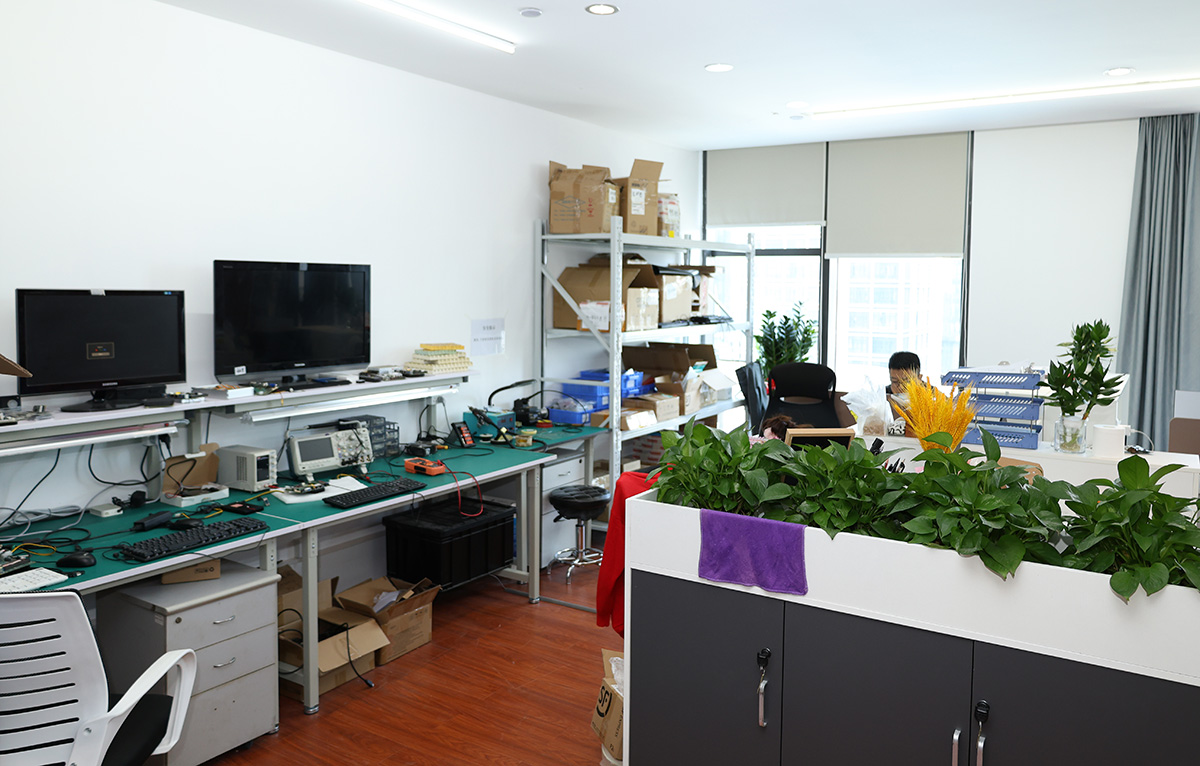
YDSTECH has set up a comprehensive quality assurance management system, adopting MSA quality system analysis, implementing rolling quality system audit, TQM, SPC process control and other quality management systems, establishing AVL supplier management system to ensure the quality of raw materials, and introducing rolling product reliability tests to ensure overall product reliability.