Leave Your Message
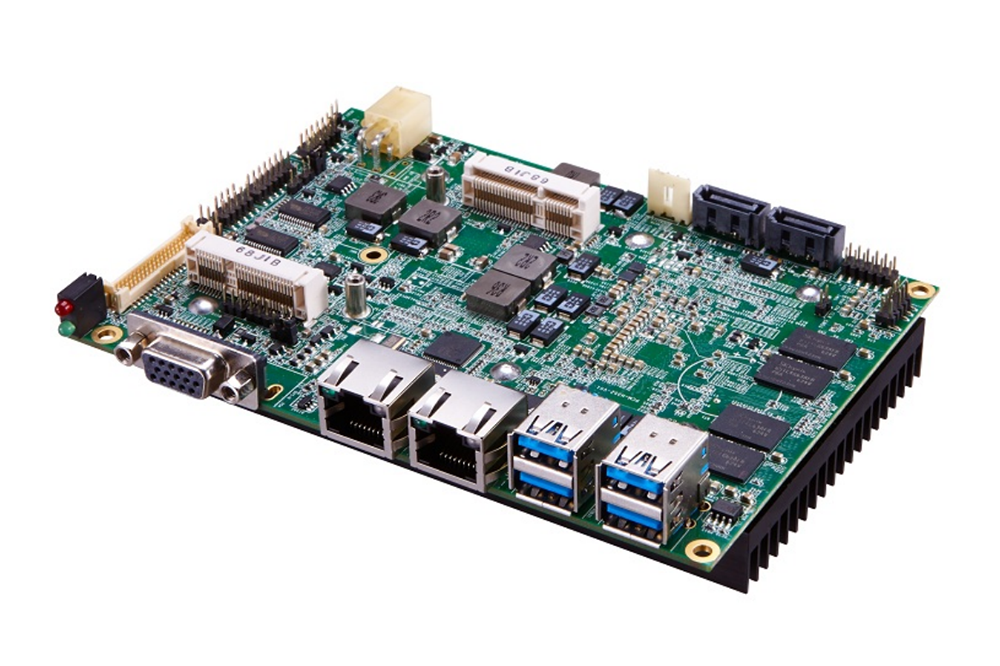
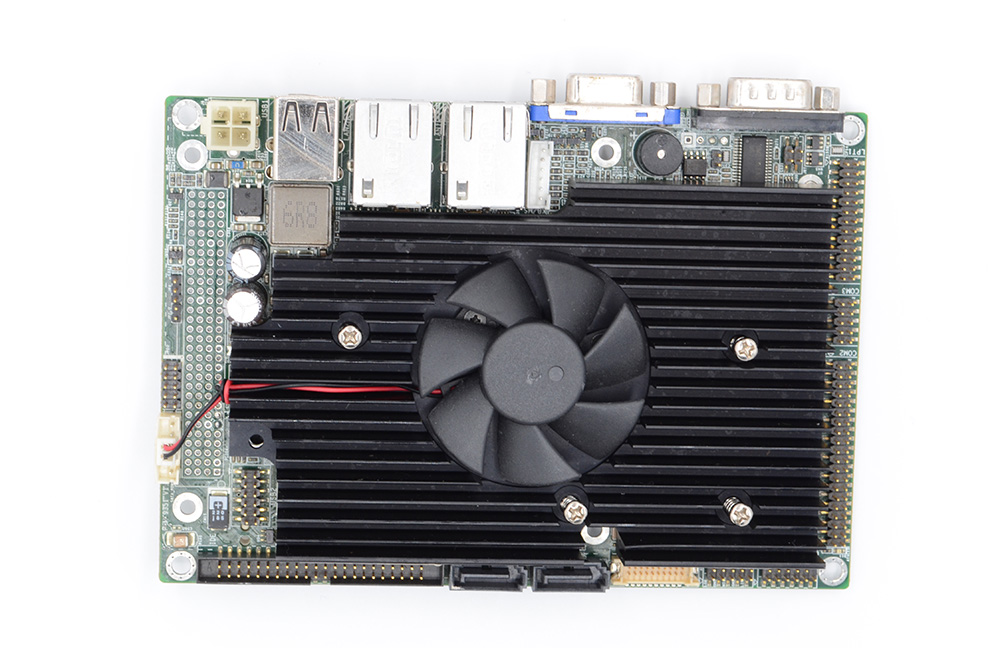
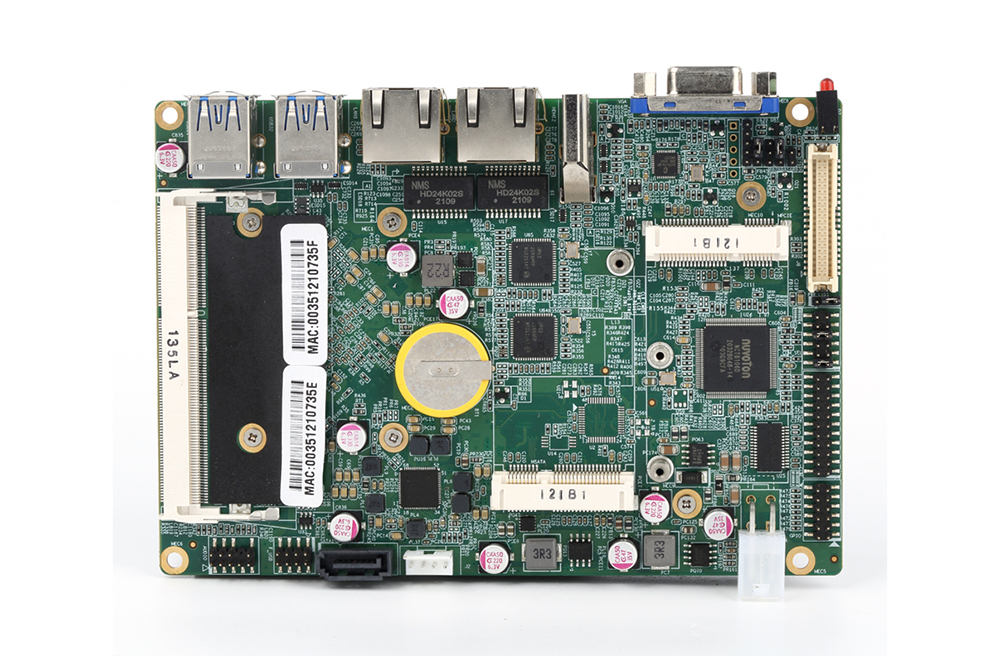
High-density computing engines designed for compact integration inside medical diagnostic enclosures, CT gantry control units, and PACS radiologist consoles.
From cumbersome server racks to whisper-quiet edge nodes: accelerating clinical decision cycles at the point of care.
The global medical technology industry is undergoing an unprecedented architectural transformation. Computed Tomography (CT), Magnetic Resonance Imaging (MRI), Positron Emission Tomography (PET), and digital radiography instruments are generating unprecedented volumetric data streams. Historically, medical original equipment manufacturers (OEMs) relied on centralized workstation towers housed in separate computer rooms or bulky computer bays adjacent to the examination suites. However, modern clinical environments demand spatial efficiency, sterile-room acoustic reduction, and edge-native intelligence. This shift has driven the exponential adoption of the Mini Embedded PC for Medical Equipment and CT Imaging Workstations.
A specialized mini embedded PC bridges the gap between raw compute horsepower and the stringent constraints of regulated clinical settings. Medical imaging workflows require ultra-low data ingestion latency to transform high-frequency analog signals from rotating slip rings and scintillation detectors into pristine multi-planar reconstruction (MPR) slices and volumetric 3D models. Moreover, as artificial intelligence algorithms for automated nodule detection, hemorrhage triaging, and organ segmentation become integrated directly into the image capture pipeline, the embedded hardware must simultaneously handle deterministic peripheral control and parallelized convolutional neural network (CNN) inference without dropping frames or exceeding thermal thresholds.
In addition to raw performance, total cost of ownership (TCO) and multi-year supply chain longevity represent critical commercial drivers. Hospital procurement bodies and medical device manufacturers cannot absorb the risk of commercial motherboard revisions that disrupt regulatory compliance under FDA 510(k), MDR (EU) 2017/745, or IEC 60601-1 standards. Industrial-grade x86 embedded computers guarantee extended 7 to 10-year product lifecycles, rigorous revision lockdown, and mean time between failures (MTBF) exceeding 50,000 continuous operating hours. Shenzhen YDSTECH Electronics Co., Ltd. addresses this demanding global paradigm with purpose-engineered fanless hardware architectures designed specifically for healthcare environments.
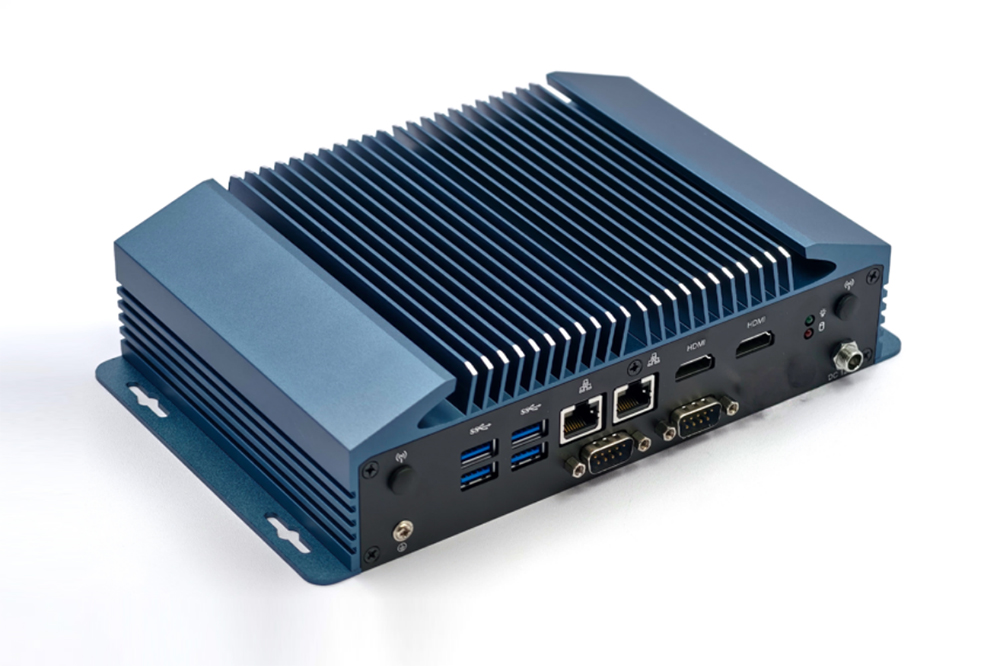
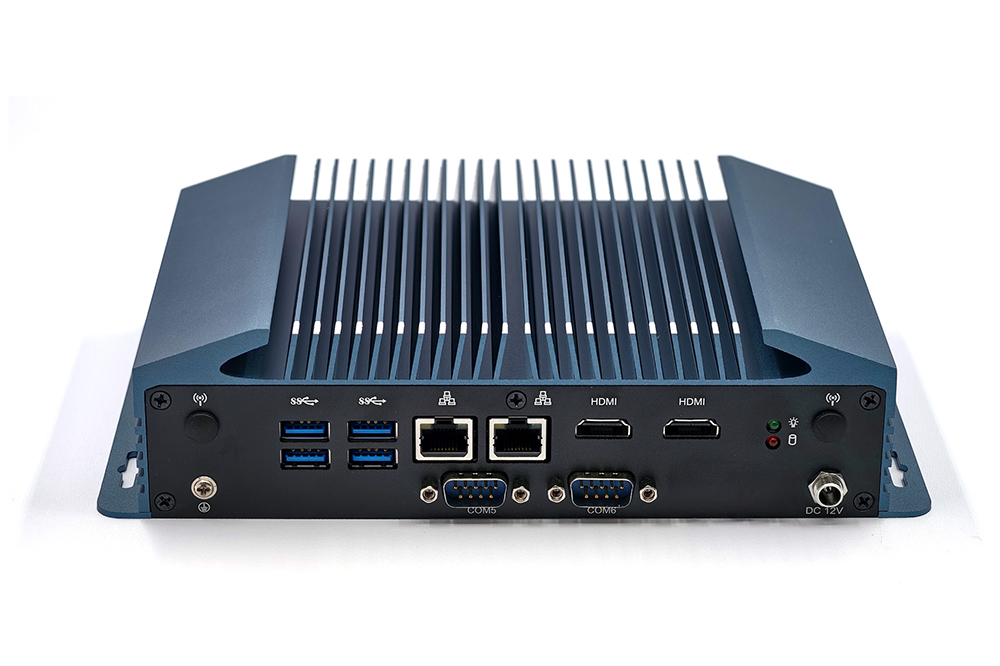
Passive conduction-cooled aluminum chassis eliminate cooling fans, preventing air turbulence, particulate dissemination, and airborne pathogen spread within sterile surgical suites and imaging rooms.
Isolated RS-232/422/485 serial communication, shielded I/O ports, and high-level ESD protection protect sensitive sensor acquisition units against electromagnetic interference generated by high-voltage X-ray tubes.
Native support for multi-channel ultra-high-definition digital video (HDMI/DP/eDP) ensures accurate grayscale calibration, sub-millimeter clarity, and DICOM Part 14 Grayscale Standard Display compliance.
Analyzing the pivotal role of embedded computers across the diagnostics, surgical, and therapeutic continuum.
Inside the rotating gantry of modern 64-slice, 128-slice, and 256-slice dual-source CT scanners, mechanical precision is non-negotiable. Mini embedded PCs and rugged 3.5-inch boards serve as embedded slave controllers. Operating under extreme centrifugal force, continuous vibration, and fluctuating thermal envelopes, they synchronize high-voltage generator triggers, collimator aperture positioning, slip-ring optical data channels, and precision patient couch stepping motors via deterministic multi-channel serial and GPIO interfaces.
CT image reconstruction demands massive floating-point compute capacity to process thousands of attenuation projection profiles per second. Equipped with multi-core x86 architectures, high-speed NVMe solid-state storage, and up to 64GB of DDR4 memory, embedded mini PCs act as the primary operational terminal for radiologic technologists. They ingest high-bandwidth raw sensor feeds, perform rapid filtered back-projection (FBP) or iterative reconstruction (IR), and output instant 2D/3D visualizations across multi-monitor arrays.
In acute care environments such as emergency stroke triage and trauma centers, every second lost increases neuro-damage risk. Mini embedded edge computers deployed right next to CT scanners run real-time deep learning models to screen non-contrast head CTs for intracranial hemorrhages or large vessel occlusions (LVO). By executing inference locally at the edge, diagnostic alerts are generated within 30 seconds without relying on external cloud bandwidth or risking patient PHI data breaches.
Operating rooms, hybrid suites, and intensive care units require mobile imaging solutions with minimal footprints. Mini fanless box PCs mount seamlessly onto mobile C-arm carts, intraoperative fluoroscopy apparatus, and point-of-care ultrasound (POCUS) trolleys. Their wide-temperature resilience (-20°C to 60°C) and resistance to physical shock during transport guarantee uninterrupted operation during complex orthopedic, cardiovascular, and neurosurgical interventions.
Next-generation robotic-assisted surgery platforms rely on embedded computing nodes to marry preoperative CT/MRI volumetric scans with intraoperative optical tracking and endoscope video streams. Our embedded platforms deliver multi-Gigabit Ethernet channels to interface with stereo cameras and robotic articulators, delivering sub-millisecond sensory feedback loops that empower surgeons to execute delicate sub-millimeter resections safely.
Modern clinical laboratories handle high-throughput in vitro diagnostics (IVD), blood chemistry analyzers, and digital slide scanners. Mini embedded PCs coordinate automated motorized micro-stages, high-speed laser focusing modules, and spectral illumination sensors, orchestrating continuous automated specimen capture and seamless integration into Laboratory Information Systems (LIS).
How rigorous hardware validation mitigates environmental, electrical, and systemic risks in diagnostic workstations.
Designing a computer for medical diagnostic and radiological applications differs fundamentally from engineering commercial-grade or standard office computing appliances. The confluence of high electromagnetic fields, biological hazards, delicate sensor arrays, and legal responsibilities demands an uncompromising approach to component selection and system architecture.
Active cooling fans represent the single most common mechanical point of failure in computer hardware. In medical imaging suites, fans introduce a more sinister risk: they generate air currents that circulate dust, microbes, and chemical disinfectants across sterile zones. Fanless mini embedded PCs utilize heavy-duty extruded aluminum alloy enclosures acting as monolithic heat sinks. Copper heat pipes conduct thermal dissipation directly away from the CPU, PCH, and voltage regulator modules (VRMs). This passive convection paradigm ensures 100% silent operation, zero mechanical degradation, and compliance with stringent hospital environmental hygiene protocols.
Medical CT imaging rooms operate in close proximity to massive electromagnetic emitters, including high-frequency X-ray power generators, radiofrequency pulse transmitters, and rapid-switching gradient coils. A medical-grade mini embedded PC incorporates heavy multi-layer PCB shielding, isolated digital I/O lines, and opto-isolated serial interfaces (RS-232/422/485). This galvanic isolation ensures ground loops do not corrupt sensitive analog detector readouts, while preventing electrostatic discharges (ESD) up to 8kV contact and 15kV air from causing system lockups or corrupted medical records.
A single high-resolution helical CT examination produces thousands of high-definition slices encoded in DICOM formats. Data corruption during an acquisition phase forces re-scans, exposing patients to unnecessary additional radiation doses. Embedded medical systems leverage onboard M.2 NVMe PCIe SSDs alongside hardware RAID 0/1 support, guaranteeing rapid read/write speeds and zero data loss. Paired with dual Intel I210/I225 Gigabit and 2.5GbE Ethernet controllers, the mini PC transmits multi-gigabyte studies effortlessly across hospital Picture Archiving and Communication Systems (PACS) and cloud-based tele-radiology repositories.
Shenzhen YDSTECH Electronics Co., Ltd. is a high-tech enterprise specializing in industrial computers. Since the establishment of YDSTECH in 1999, we have been committed to independent research and development, innovation, production and sales of industrial computers, and we own the independent intellectual property rights of our core products.
We consider honesty and pragmatism as our motto and make it our long-term goal to provide customers with cost-effective products. In order to achieve this goal, we work constantly to develop new products, improve our service capabilities and promote the innovation of embedded computer applications to create long-term value and potential growth for our customers.
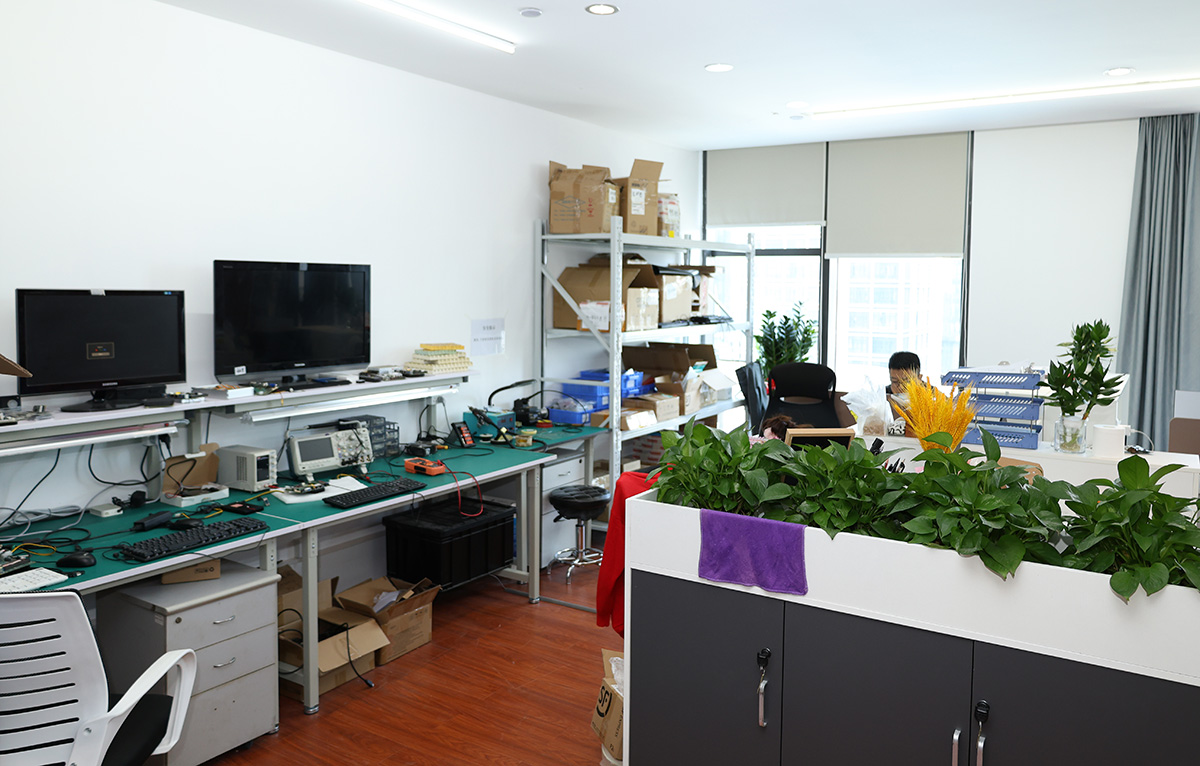
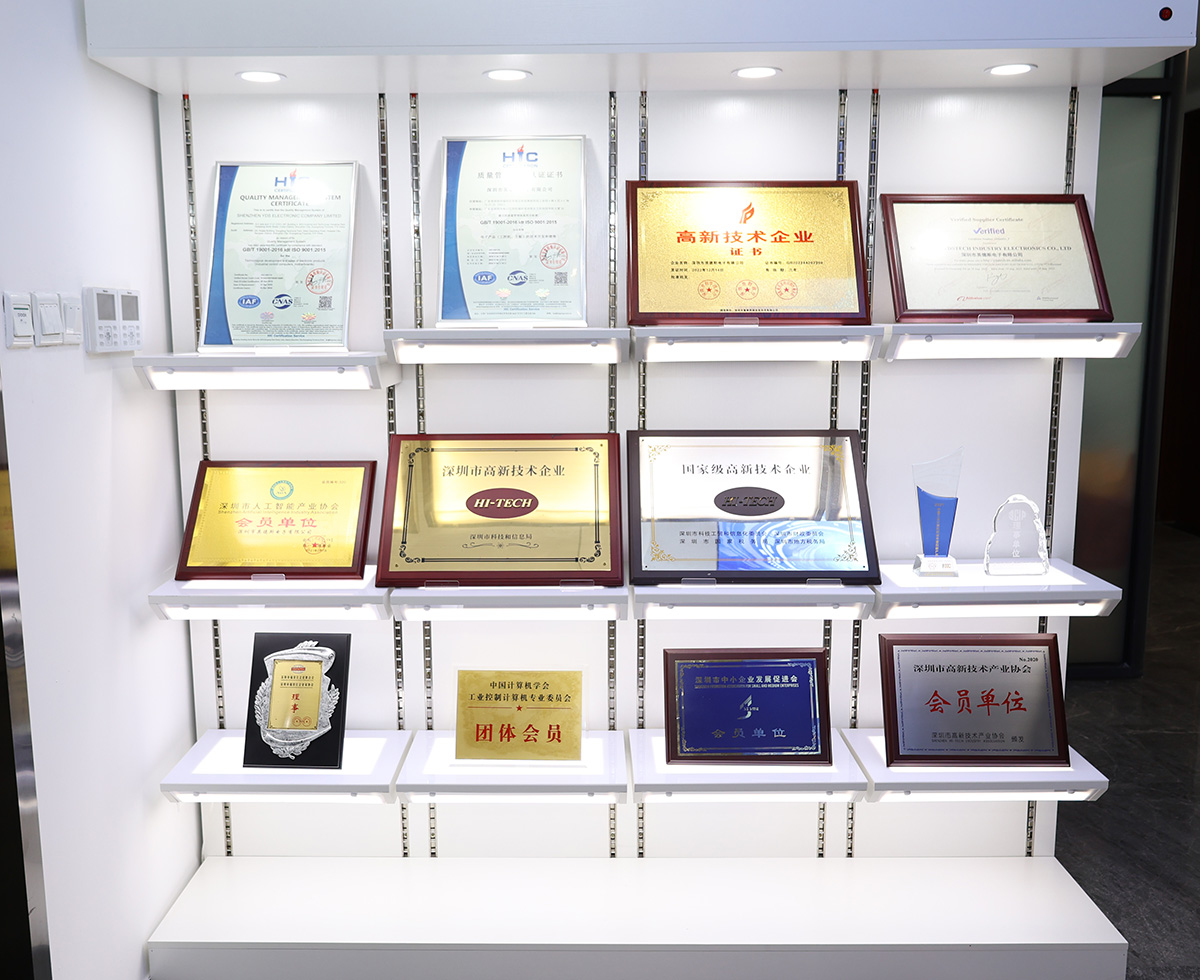
Our core technical team has over 15 years of experience in this industry, and has been focusing on embedded computer research and development, with rich and solid professional expertise. We believe that attitude means everything, since the establishment of YDSTECH, we have always been committed to work with a conscientious, responsible, attentive, professional, prudent and meticulous attitude, which ensures the high-quality output of the products, years of persistence and experience created our strong R&D team.
YDSTECH has set up a comprehensive quality assurance management system, adopting MSA quality system analysis, implementing rolling quality system audit, TQM, SPC process control and other quality management systems, establishing AVL supplier management system to ensure the quality of raw materials, and introducing rolling product reliability tests to ensure overall product reliability.
Explore our comprehensive lineup of wide-temperature fanless mini PCs, embedded motherboards, and modular COM Express computing engines.
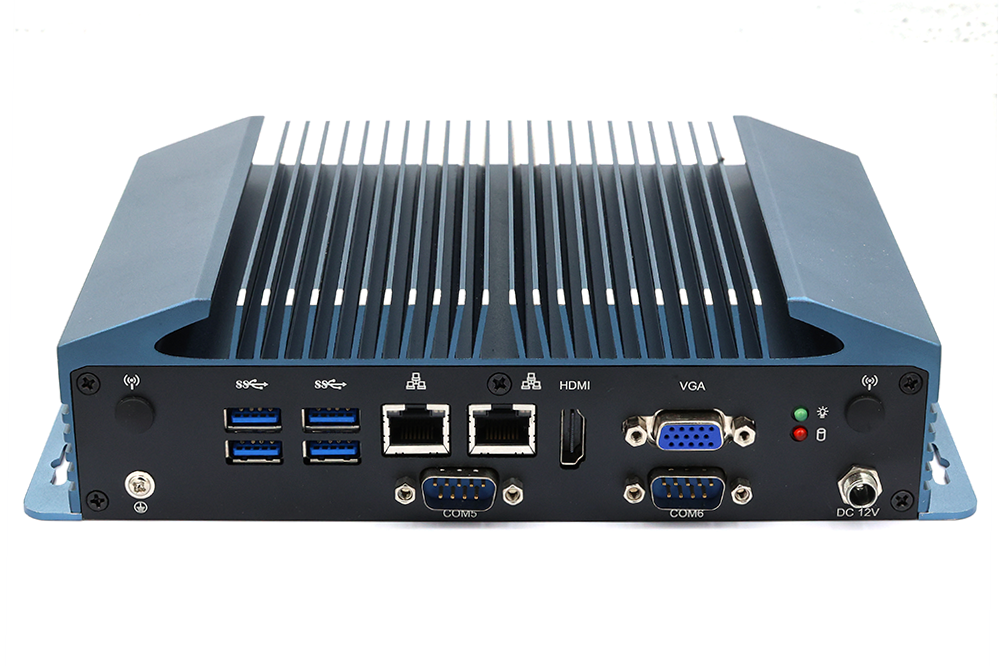
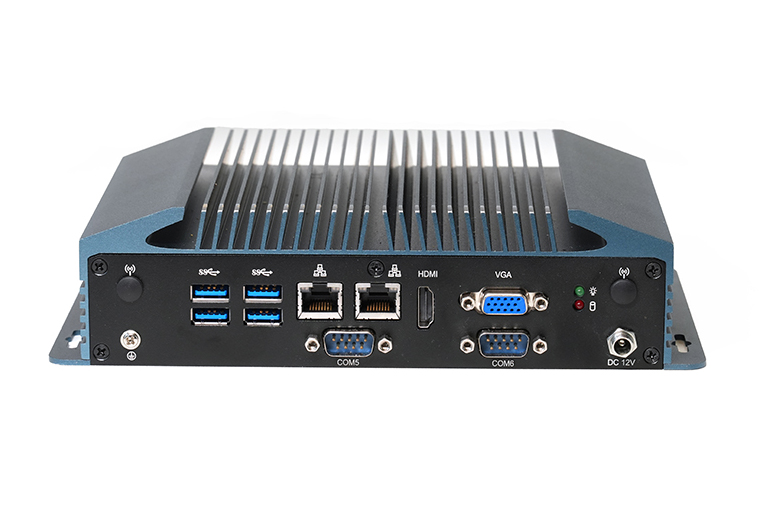
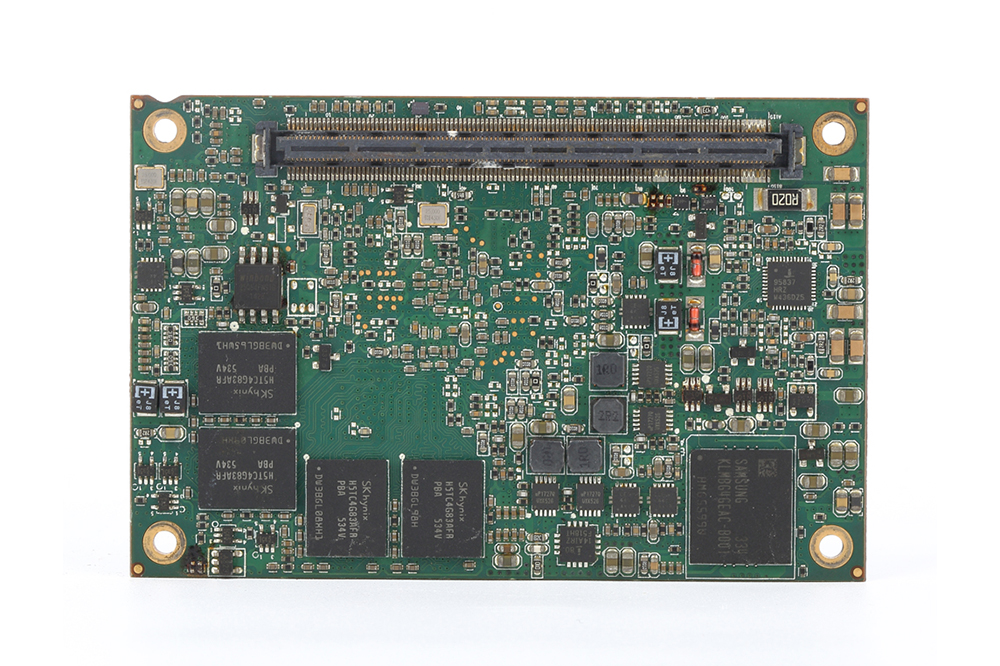
A structured blueprint for biomedical system architects and medical OEM engineering teams.
When specifying an embedded system for modern CT imaging suites, fluoroscopy systems, or mobile imaging stations, engineering teams must evaluate multiple interconnected operational parameters:
As medical equipment continues to evolve toward decentralized edge intelligence, modular Computer-on-Module (COM Express) architectures and ultra-compact fanless box PCs will play an increasingly foundational role. Shenzhen YDSTECH Electronics Co., Ltd. stands at the forefront of this convergence, delivering high-reliability embedded platforms that combine cutting-edge semiconductor innovation with battle-tested industrial durability.