Leave Your Message
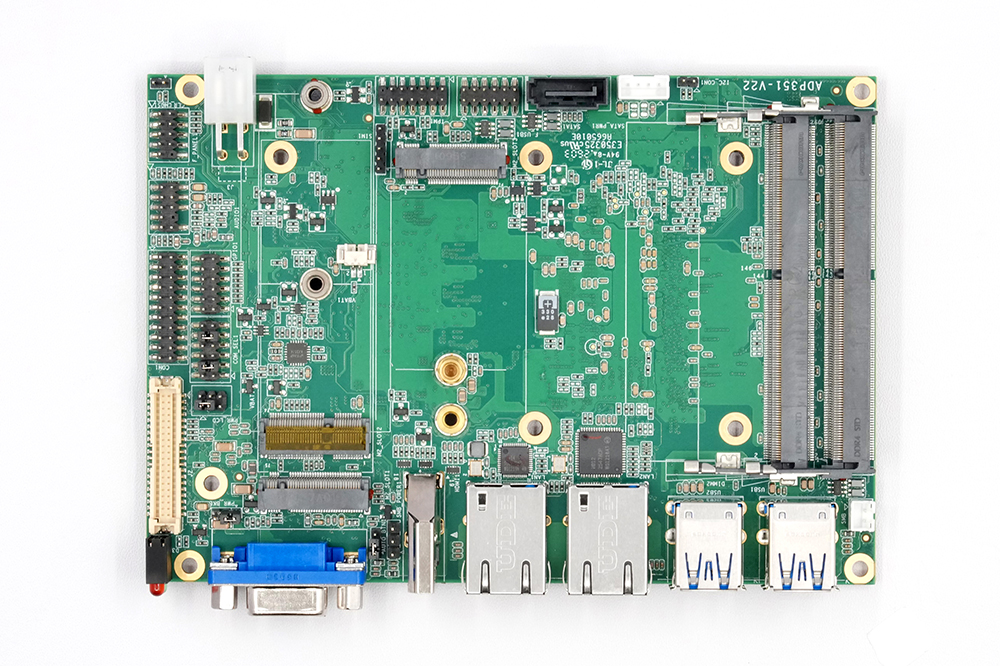
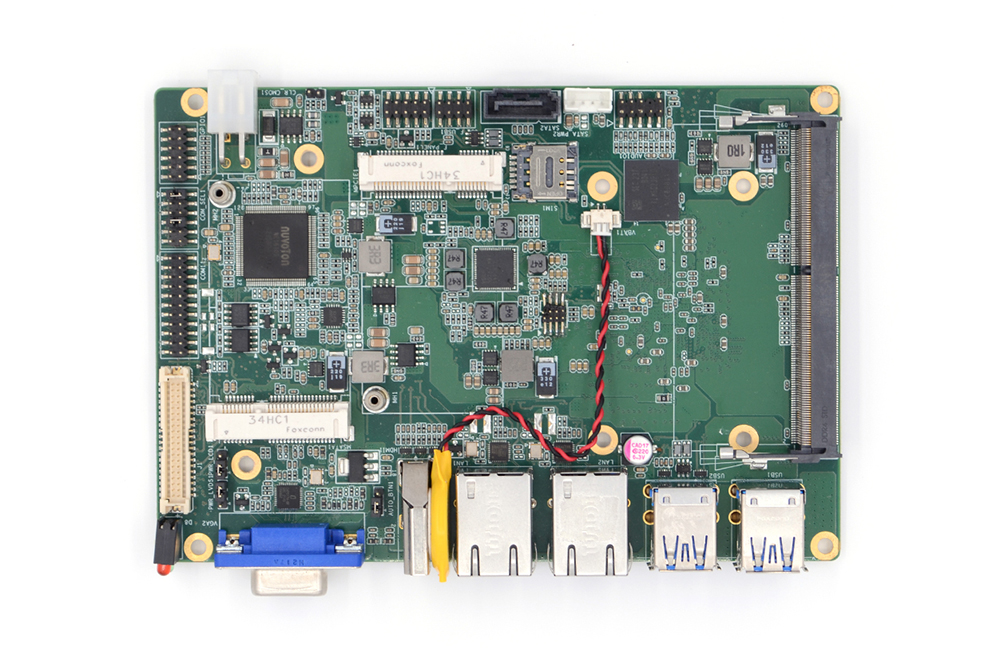
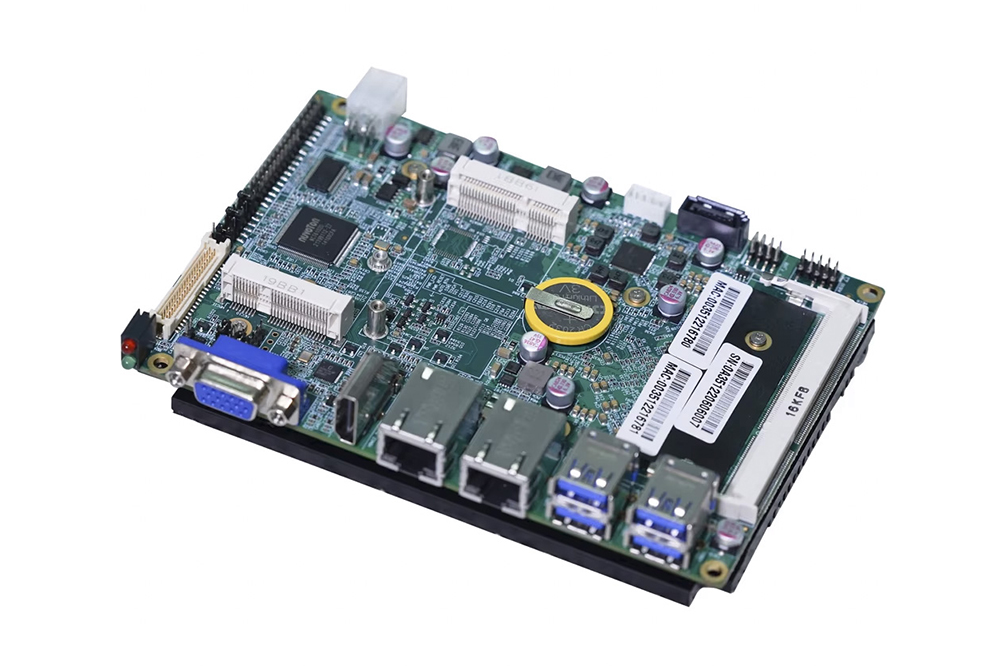
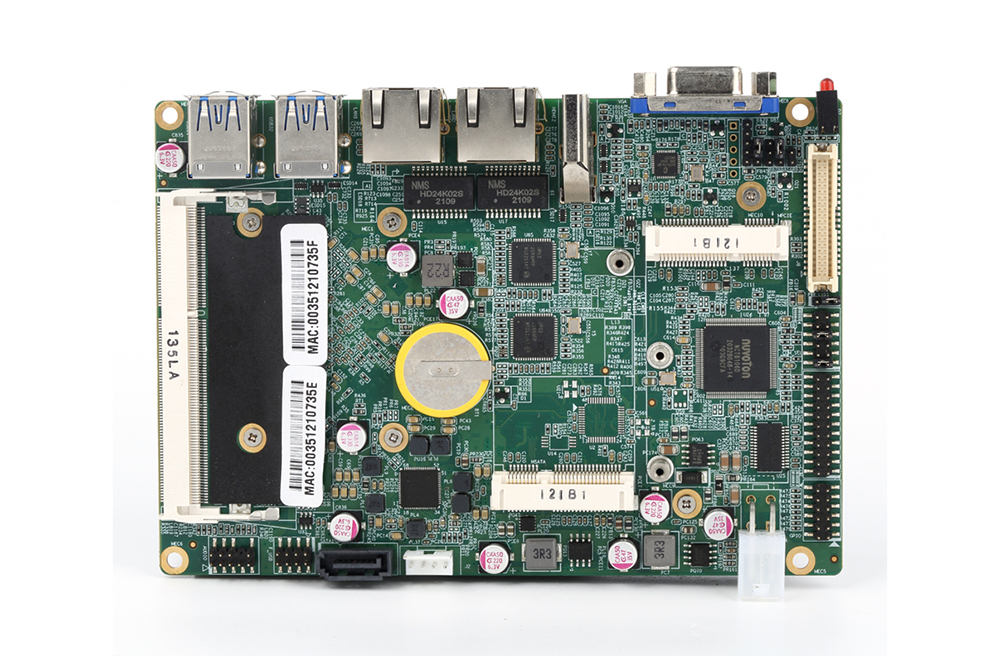
Explore our specialized wide-temperature motherboard lineup engineered to power cleanrooms, validation rigs, and real-time monitoring devices.
In the modern pharmaceutical industry, compliance is not merely a operational guideline; it is a strict legal mandate. The manufacturing, storage, and distribution of therapeutics, biologics, and vaccines require rigorous verification processes governed by global standards such as the FDA's 21 CFR Part 11 and GAMP 5 (Good Automated Manufacturing Practice). At the center of these validation processes lies the necessity for continuous, uncompromised data acquisition. Medical Equipment Motherboards serve as the hardware foundation for these systems, ensuring that sensors, data loggers, and human-machine interfaces (HMIs) operate without a single point of failure.
Pharmaceutical processing facilities often run 24/7/365 under conditions that would quickly degrade standard office computers. Autoclave validation, cleanroom monitoring, and environmental chambers present high levels of humidity, chemical exposure (from sanitizing agents), and extreme temperature fluctuations. A failure in the monitoring hardware translates directly to lost batches, regulatory non-compliance, and millions of dollars in liability. Industrial-grade medical motherboards are specifically designed with high-grade components, long-term lifecycle support, and ruggedized power delivery to mitigate these risks.
Furthermore, the commercial landscape of pharmaceutical manufacturing is shifting rapidly toward continuous manufacturing and localized bioprocessing (such as cell and gene therapies). These advanced modalities require real-time feedback loops. If a bioreactor temperature drifts by even 0.5°C, the batch may be ruined. The embedded motherboards driving the temperature monitoring arrays must process multiple inputs from RTDs (Resistance Temperature Detectors) and thermocouples, execute PID algorithms, and communicate securely with central SCADA systems without latency.
As technology advances, medical equipment motherboards are evolving to meet the complex demands of the healthcare and pharmaceutical sectors. Here are the primary trends driving this market:
In sterile pharmaceutical cleanrooms (Class A/ISO 5 environments), air circulation is tightly controlled to prevent microbial contamination. Conventional PC fans draw in dust and generate micro-particles, making them completely unsuitable. Medical and industrial motherboards utilize fanless, low-power system-on-chip (SoC) architectures. Heat is dissipated through customized thermal blocks directly to the sealed enclosure, maintaining the sterile integrity of the room.
From liquid nitrogen storage (-196°C) to standard ultra-low temperature freezers (-80°C), temperature monitoring hardware must operate in close proximity to extreme cold. While the sensors themselves sit inside the freezer, the processing unit often resides in unconditioned vestibules or adjacent panels where temperatures can drop significantly. Motherboards with certified -40°C to +85°C operating parameters guarantee that the system boots up and operates reliably in these harsh environments.
To comply with FDA ALCOA+ data integrity principles (Attributable, Legible, Contemporaneous, Original, Accurate), monitoring systems cannot afford to lose data during network outages. Industrial motherboards feature dual Gigabit Ethernet ports to set up redundant network topologies. If one network path fails, the system seamlessly switches to the second path. Furthermore, onboard non-volatile storage and M.2 NVMe slots allow localized caching of validation data, ensuring no data points are missed even during complete network disconnects.
While modern networks rely on Ethernet and Wi-Fi, the vast majority of calibrated temperature sensors, pressure transducers, and humidity meters in pharmaceutical plants still communicate via serial interfaces (Modbus RTU over RS-485 or RS-232). Medical motherboards preserve these legacy interfaces alongside modern PCIe and USB 3.0 ports, allowing seamless integration with existing plant instrumentation without requiring costly sensor replacements.
Let's analyze how these specialized motherboards are deployed across critical pharmaceutical processes.
Shenzhen YDSTECH Electronics Co., Ltd. is a high-tech enterprise specializing in industrial computers. Since the establishment of YDSTECH in 1999, we have been committed to independent research and development, innovation, production and sales of industrial computers, and we own the independent intellectual property rights of our core products.
We consider honesty and pragmatism as our motto and make it our long-term goal to provide customers with cost-effective products. In order to achieve this goal, we work constantly to develop new products, improve our service capabilities and promote the innovation of embedded computer applications to create long-term value and potential growth for our customers.
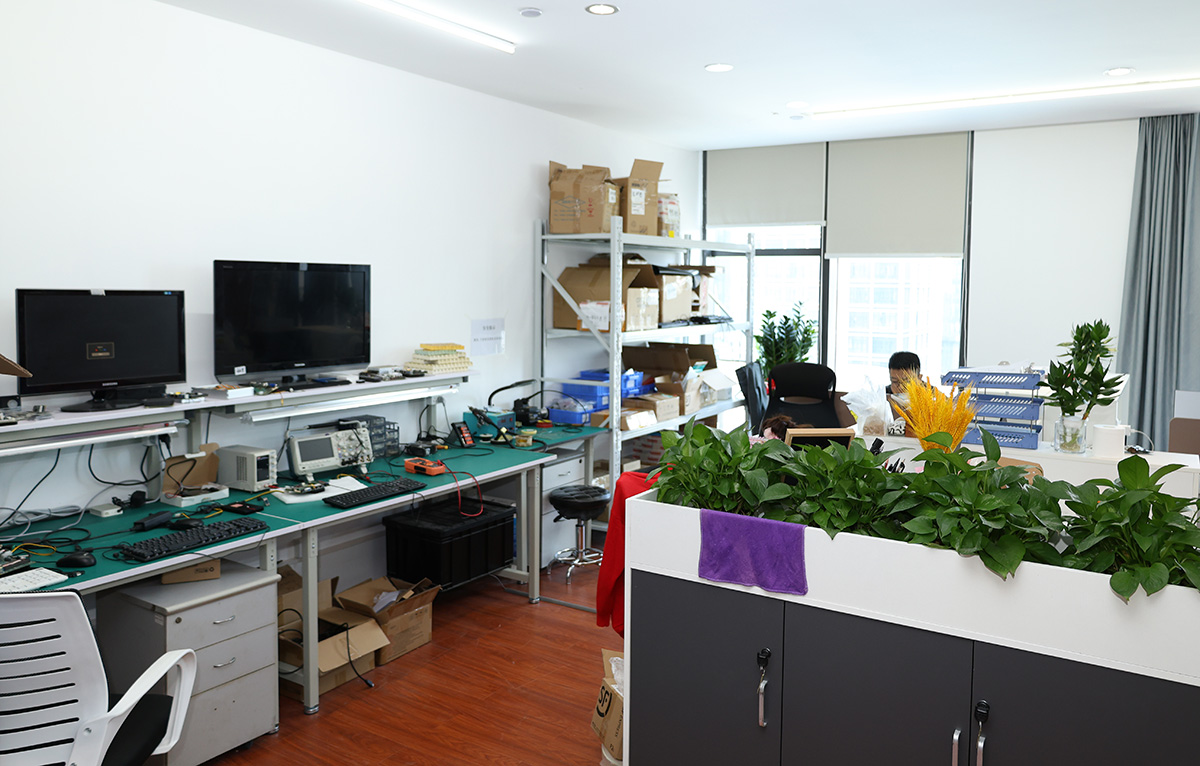
Our core technical team has over 15 years of experience in this industry, and has been focusing on embedded computer research and development, with rich and solid professional expertise. We believe that attitude means everything. Since the establishment of YDSTECH, we have always been committed to work with a conscientious, responsible, attentive, professional, prudent and meticulous attitude, which ensures the high-quality output of the products. Years of persistence and experience created our strong R&D team.
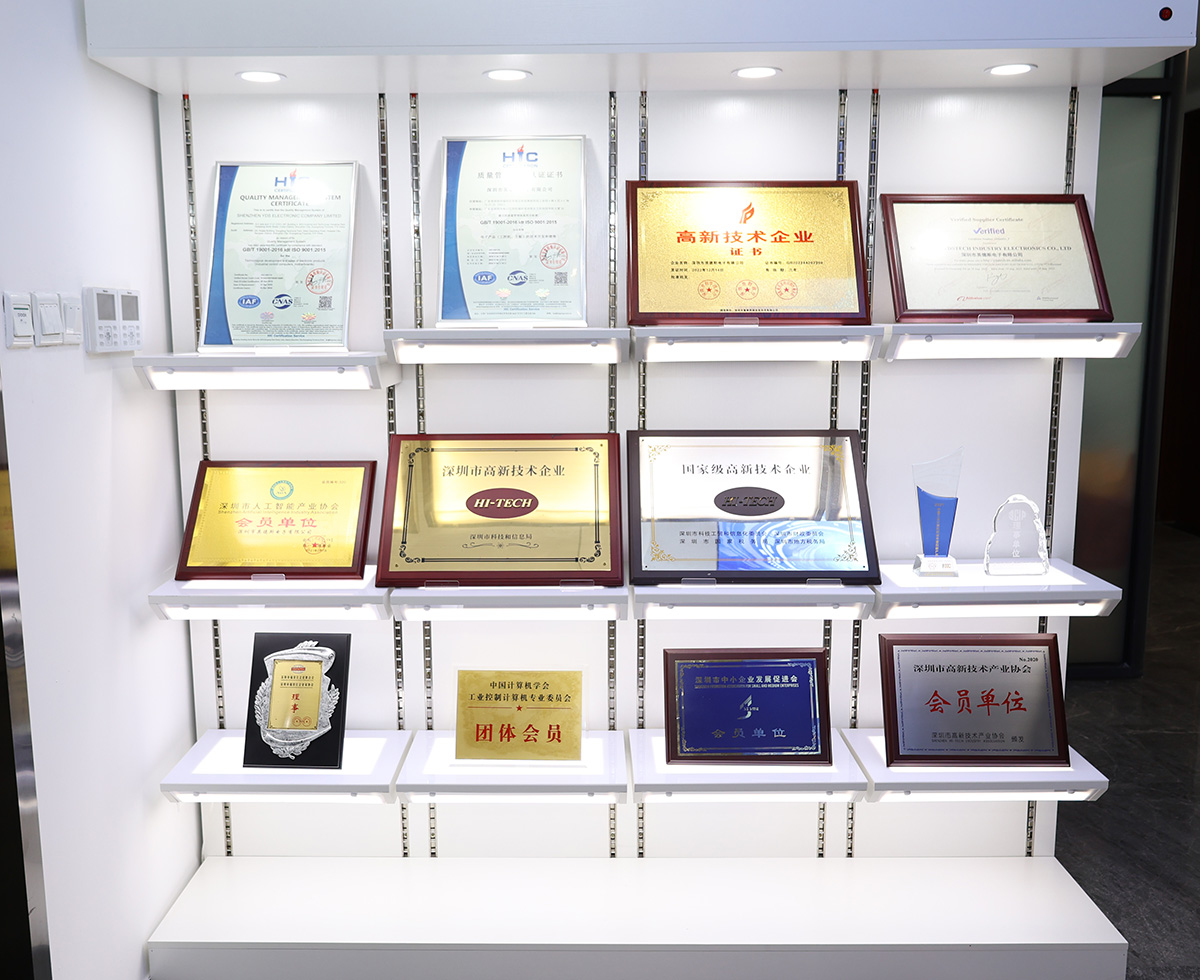
YDSTECH has set up a comprehensive quality assurance management system, adopting MSA quality system analysis, implementing rolling quality system audit, TQM, SPC process control and other quality management systems, establishing AVL supplier management system to ensure the quality of raw materials, and introducing rolling product reliability tests to ensure overall product reliability.
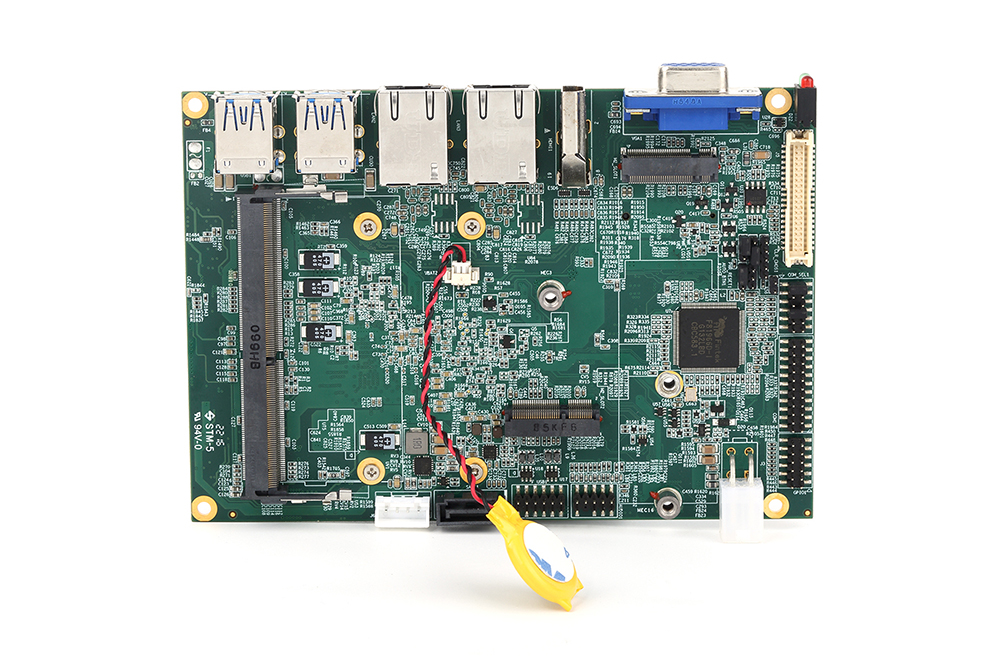
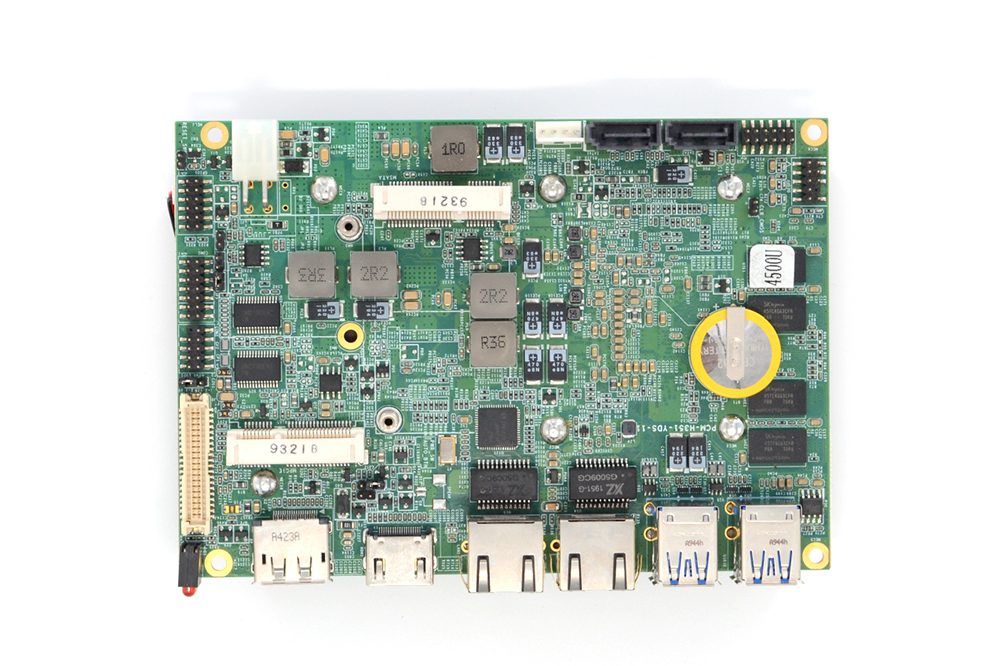
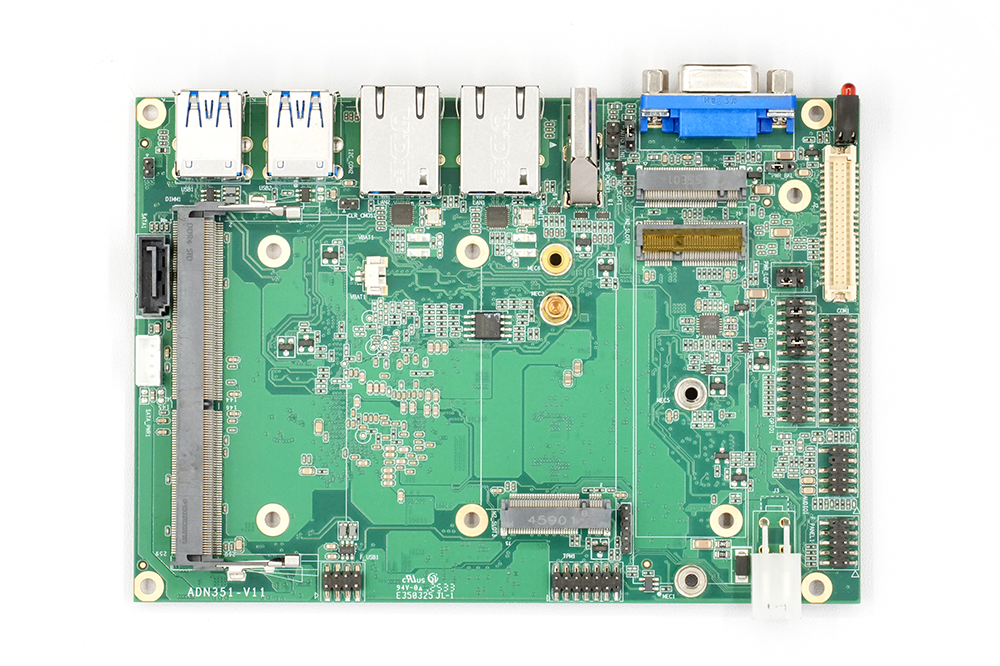
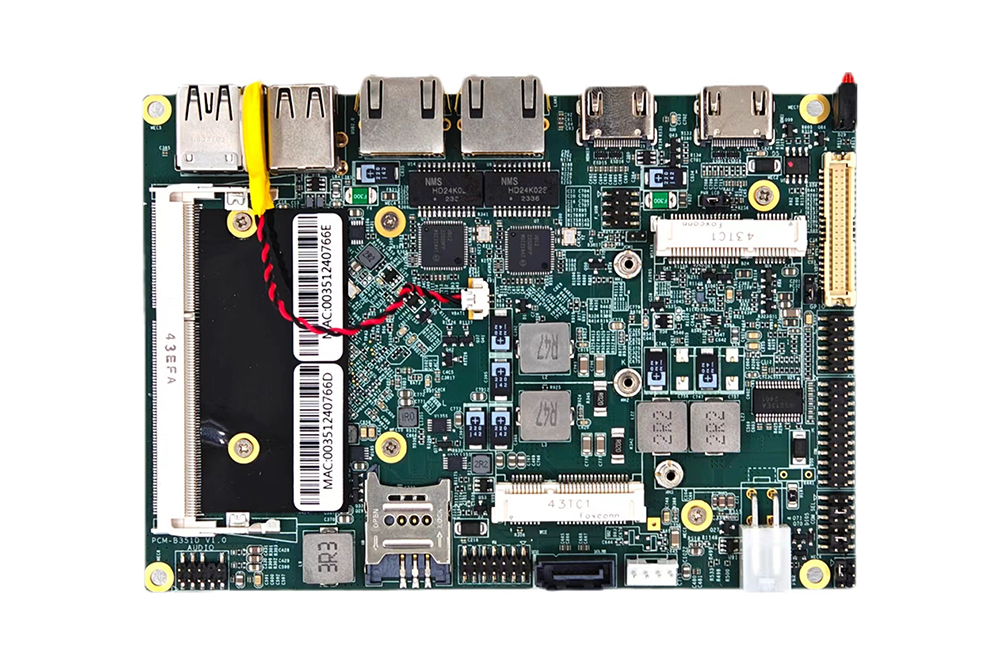
Select from our wide-temperature, fanless, and high-performance industrial computing boards for your pharmaceutical and medical validation systems.