Leave Your Message
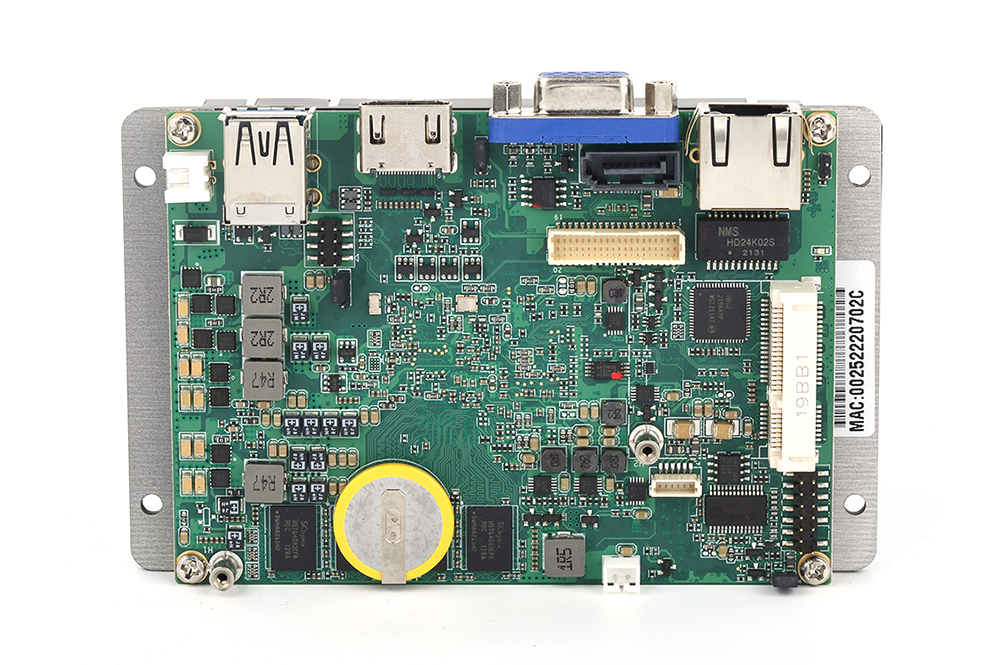
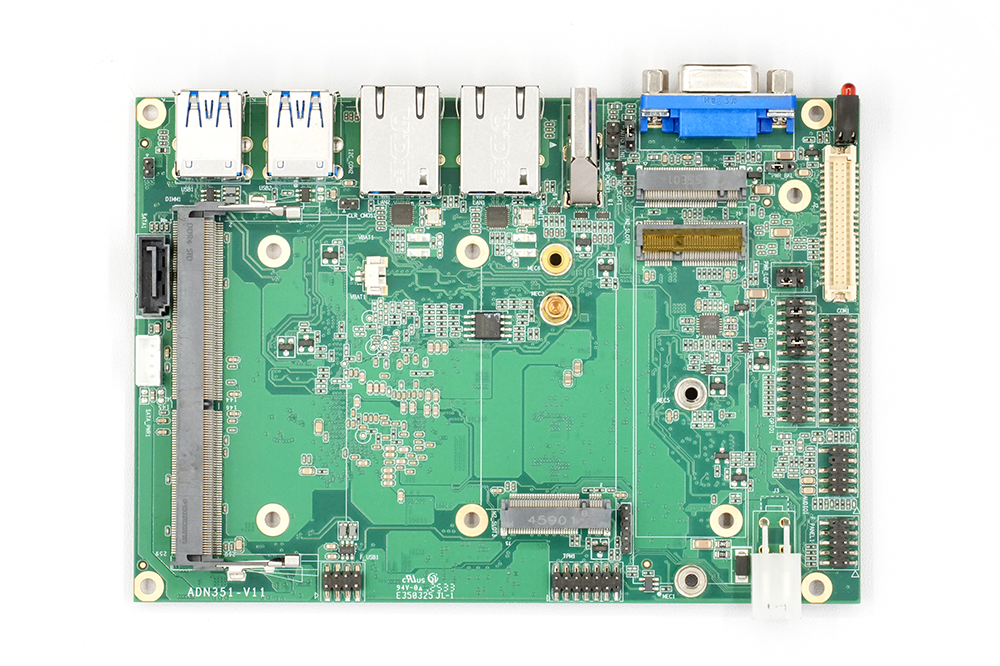
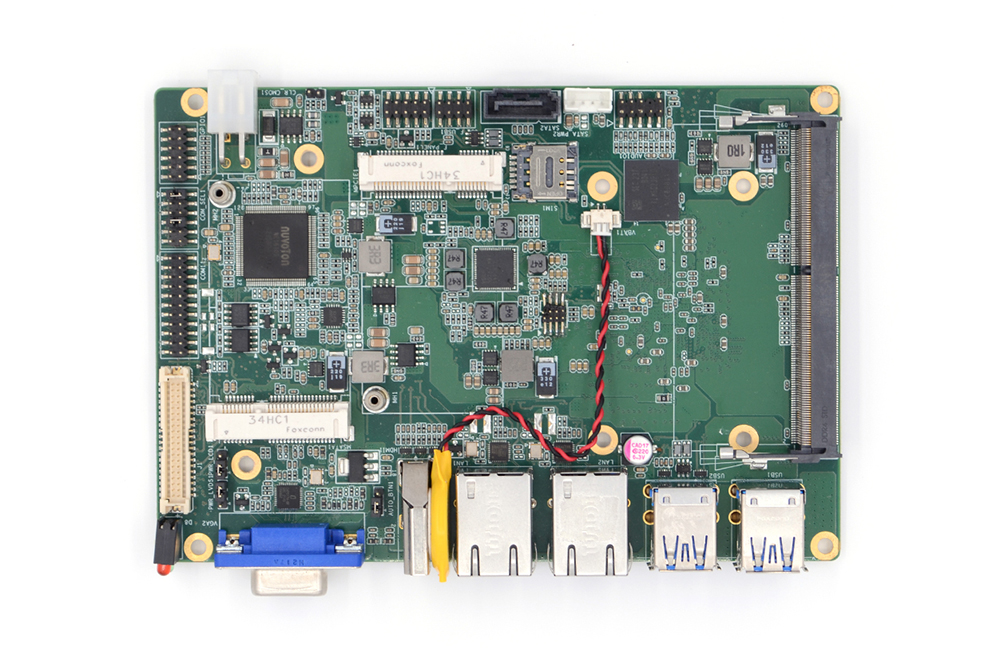
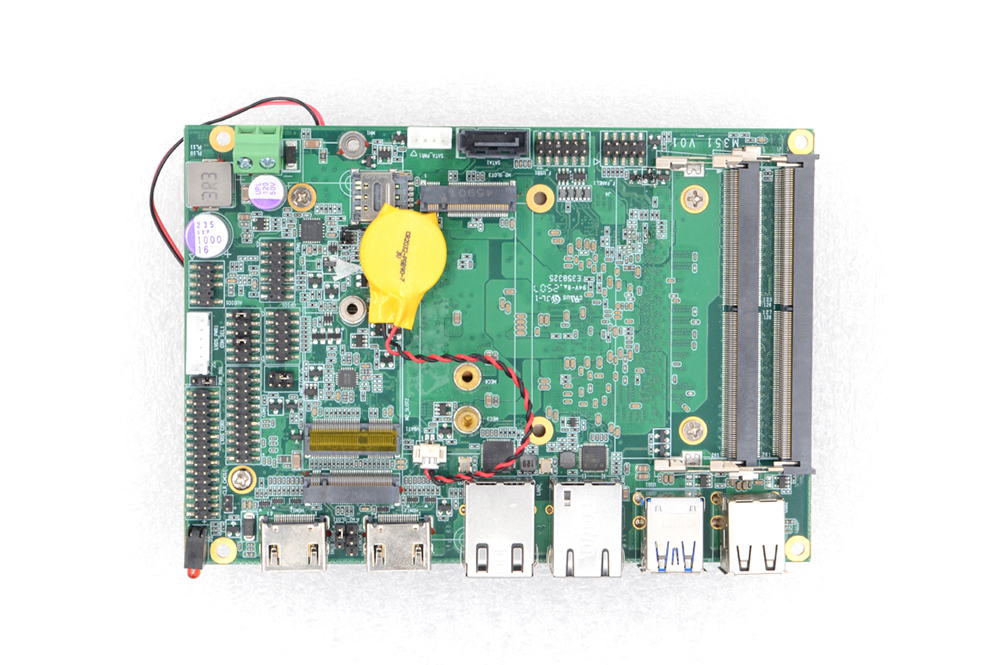
Explore our top-tier industrial-grade embedded boards engineered specifically for the rigorous demands of medical equipment, outdoor human-machine interfaces, and intelligent terminal displays.
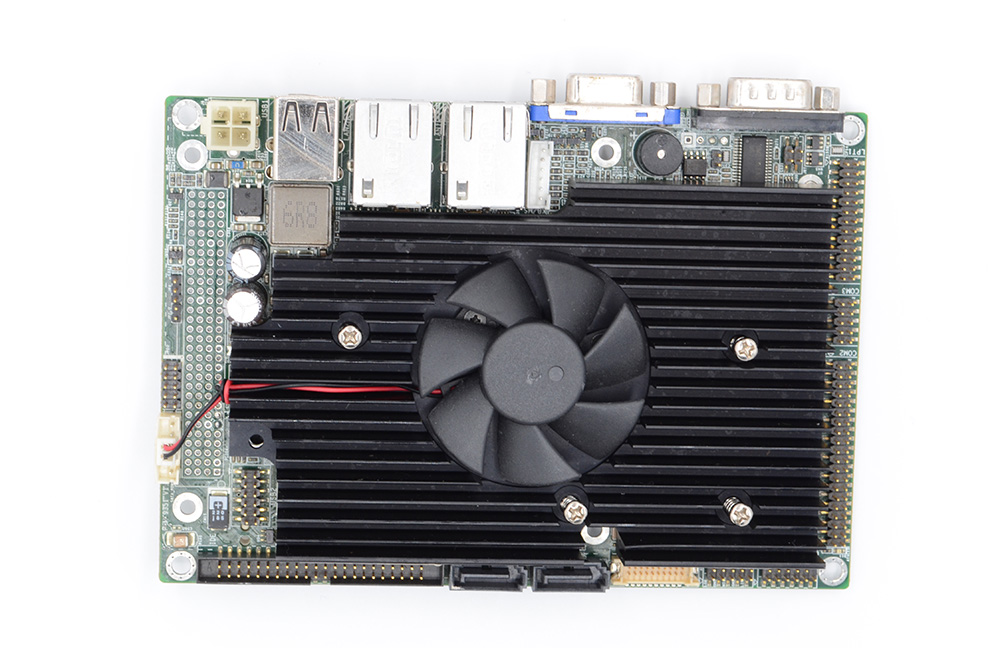
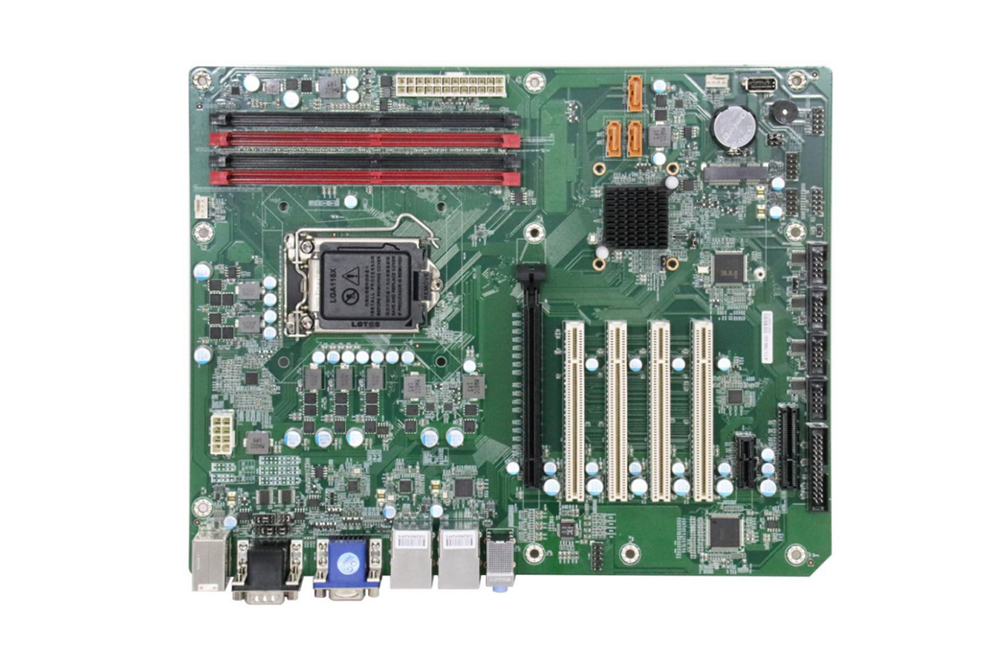
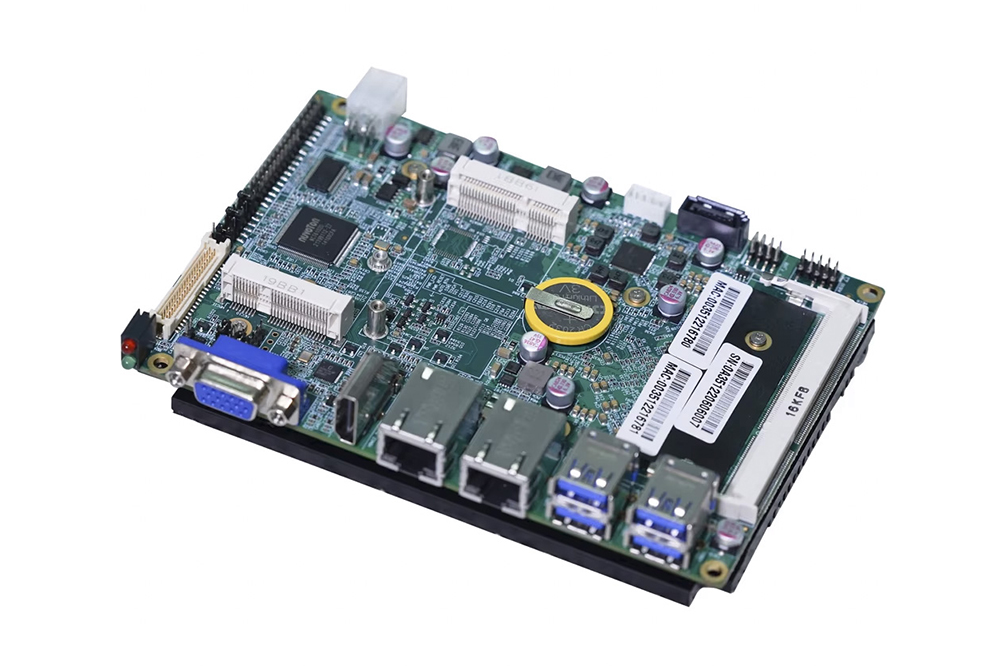
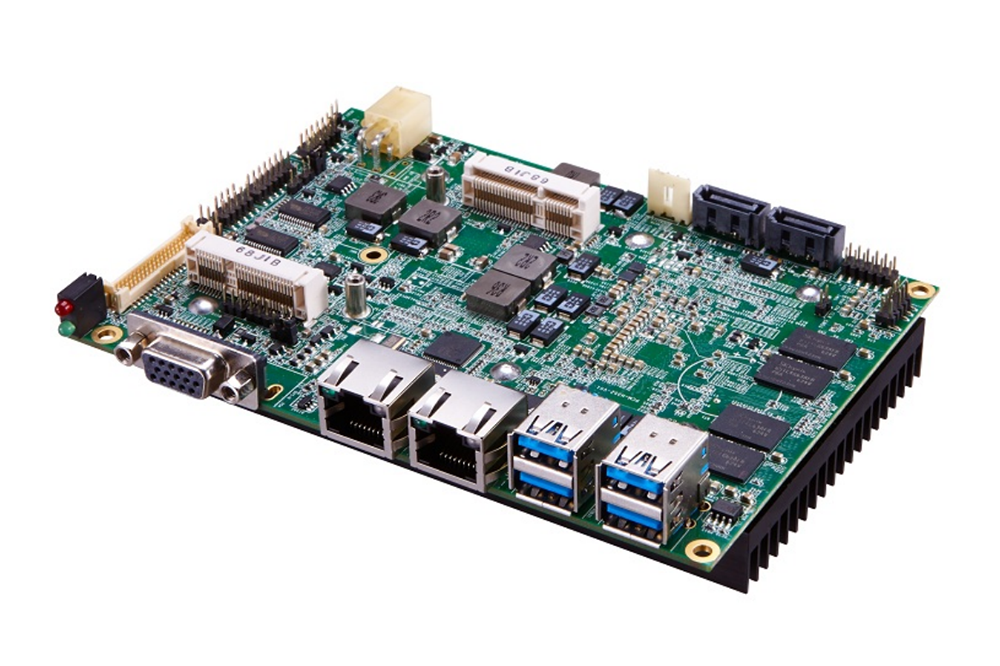
The global healthcare sector is experiencing a monumental shift toward decentralization, digital integration, and automated patient care. At the heart of this transformation is the deployment of outdoor Human-Machine Interfaces (HMIs) and smart terminal displays. From outdoor drive-through triage kiosks and mobile emergency command units to smart diagnostic terminals in remote areas, modern medical equipment demands computing platforms that are not only high-performing but also exceptionally rugged.
Unlike standard commercial-grade motherboards, a medical equipment motherboard designed for outdoor HMI applications must bridge the gap between strict medical safety regulations (such as IEC/EN 60601-1) and harsh environmental tolerances. Commercially, the market for rugged medical motherboards is witnessing double-digit growth. This is driven by the rapid expansion of telemedicine, the need for 24/7 accessible public health kiosks, and the integration of artificial intelligence at the edge. Municipalities and healthcare systems are investing heavily in self-service medical terminals to streamline patient intake, reduce clinical burdens, and provide immediate diagnostic feedback.
Engineered to operate seamlessly from -40°C to +85°C, ensuring stability in freezing winters and scorching summers.
Features high ESD protection, electromagnetic compatibility (EMC), and electrical isolation to protect patients and equipment.
Rich graphic interfaces supporting eDP, LVDS, and HDMI for high-brightness, sunlight-readable outdoor displays.
To understand the vital role of medical equipment motherboards in outdoor HMI and smart terminal displays, we must analyze the specific real-world scenarios where these systems are deployed:
During public health crises or peak hospital congestion, outdoor triage terminals are set up to screen patients before they enter the facility. These terminals feature high-brightness touchscreens, thermal imaging cameras, barcode scanners for medical records, and payment gateways. The internal motherboard must process multiple high-speed data streams simultaneously, run diagnostic algorithms locally, and maintain secure wireless or fiber-optic connections to the hospital's central server. Operating 24/7 in open-air environments, these systems rely on fanless, dust-resistant embedded motherboards that can withstand dust, moisture, and extreme temperature fluctuations.
Modern ambulances are essentially mobile clinics. The HMI displays inside and on the exterior of emergency vehicles serve as the centralized dashboard for paramedics. These displays show real-time patient vitals, GPS routing, and high-definition video feeds to remote trauma doctors. The motherboard powering these systems must feature robust anti-vibration and anti-shock capabilities, wide-range DC power input (to handle vehicle battery fluctuations), and comprehensive wireless connectivity (5G, Wi-Fi 6, and GPS) to transmit critical patient data on the move.
In the aftermath of natural disasters, temporary field hospitals are established in rugged terrains. Smart terminal displays are used to monitor equipment, track supply inventories, and coordinate rescue efforts. Motherboards inside these terminals must be highly energy-efficient to run on generator power, yet powerful enough to handle complex GIS mapping and diagnostic software. Their wide-temperature operating thresholds ensure they remain functional whether deployed in arctic environments or arid deserts.
Placed outside clinics, pharmacies, or community centers, these smart kiosks allow patients to collect prescribed medications or emergency medical supplies at any hour. The HMI must be highly intuitive and responsive. The underlying motherboard controls secure motorized dispensing mechanisms, verifies identity via biometric or smart-card scanning, and processes secure transactions. This requires a motherboard with abundant serial ports (RS-232/422/485) and GPIOs to interface with various hardware components, alongside advanced hardware security features (such as TPM 2.0) to safeguard patient data.
The future of medical equipment motherboards is defined by the integration of Edge AI and high-speed data processing. As artificial intelligence becomes central to medical diagnostics, motherboards are evolving to support dedicated Neural Processing Units (NPUs) and high-performance GPUs. This allows smart terminals to perform real-time image analysis, detect abnormalities, and process natural language queries locally without relying on cloud servers, significantly reducing latency and protecting sensitive patient data.
Additionally, the transition to high-bandwidth networks like 5G and 2.5G Ethernet enables seamless UHD video streaming for telemedicine. Medical motherboards are increasingly adopting DDR5 memory and next-generation PCIe interfaces to handle this massive data throughput. Power efficiency also remains a primary focus, with manufacturers developing ultra-low-power, high-efficiency SoCs that reduce heat generation, enabling more compact and completely sealed fanless terminal designs.
Shenzhen YDSTECH Electronics Co., Ltd. is a high-tech enterprise specializing in industrial computers. Since the establishment of YDSTECH in 1999, we have been committed to independent research and development, innovation, production and sales of industrial computers, and we own the independent intellectual property rights of our core products.
We consider honesty and pragmatism as our motto and make it our long-term goal to provide customers with cost-effective products. In order to achieve this goal, we work constantly to develop new products, improve our service capabilities and promote the innovation of embedded computer applications to create long-term value and potential growth for our customers.
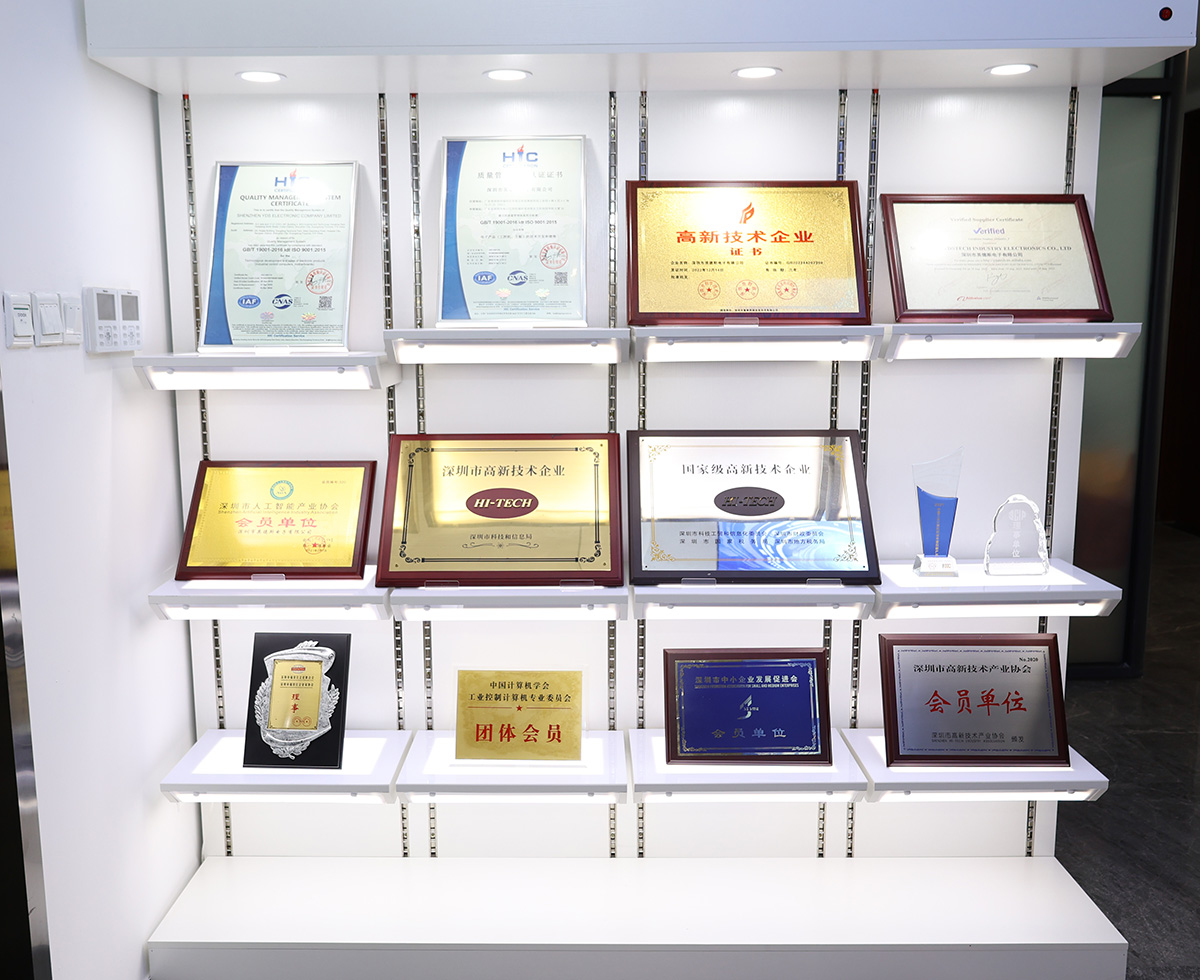
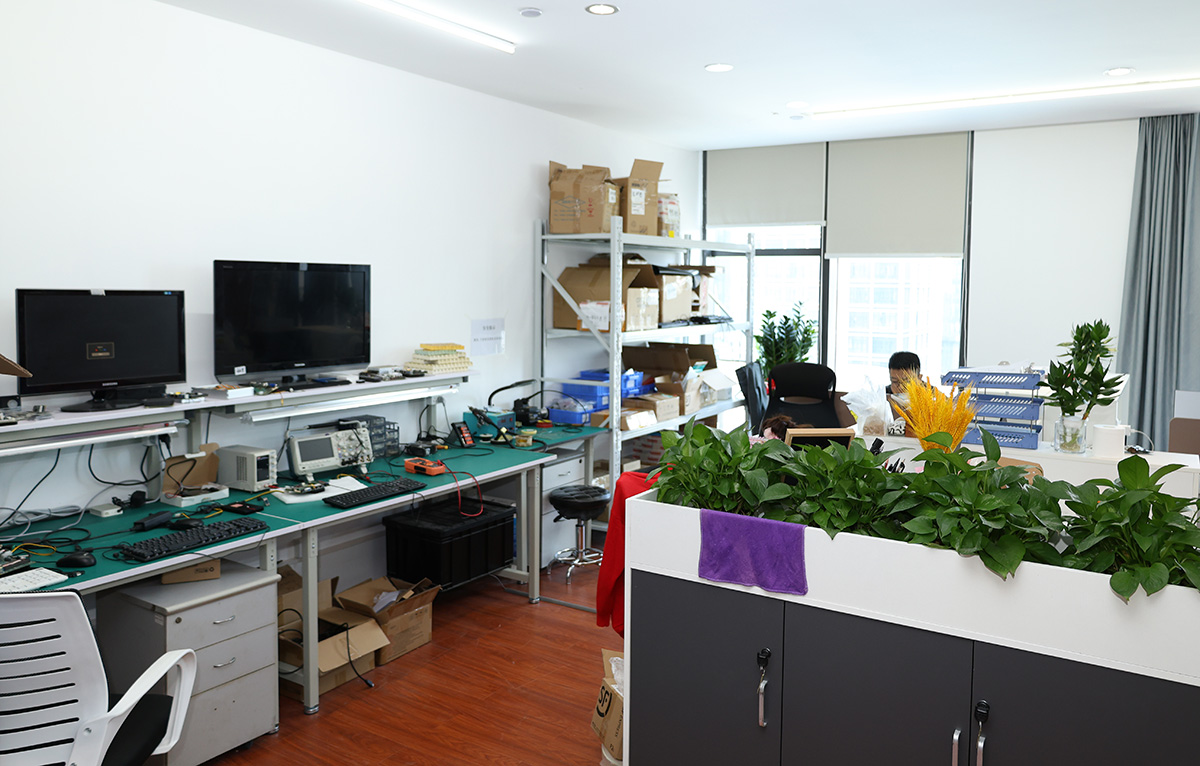
Our core technical team has over 15 years of experience in this industry, and has been focusing on embedded computer research and development, with rich and solid professional expertise. We believe that attitude means everything, since the establishment of YDSTECH, we have always been committed to work with a conscientious, responsible, attentive, professional, prudent and meticulous attitude, which ensures the high-quality output of the products, years of persistence and experience created our strong R&D team.
YDSTECH has set up a comprehensive quality assurance management system, adopting MSA quality system analysis, implementing rolling quality system audit, TQM, SPC process control and other quality management systems, establishing AVL supplier management system to ensure the quality of raw materials, and introducing rolling product reliability tests to ensure overall product reliability.
Discover our comprehensive portfolio of high-reliability embedded platforms, custom-engineered for medical displays, HMI consoles, and smart terminal applications.