Leave Your Message
Selected industrial-grade motherboards tailored for life sciences, continuous environmental qualification, and real-time cold storage supervision.
Navigating Strict FDA 21 CFR Part 11 Compliance, Cryogenic Stability, and Edge Analytics
In modern pharmaceutical manufacturing and biotechnology facilities, process validation and continuous thermal monitoring are fundamental requirements governed by stringent international regulations, including FDA 21 CFR Part 11, EU Annex 11, and current Good Manufacturing Practices (cGMP). At the core of every automated thermal validation logger, cleanroom monitoring terminal, and cryogenic supply chain hub lies an essential component: the industrial-grade medical device motherboard. Unlike generic commercial off-the-shelf boards, an embedded board engineered for pharmaceutical instrumentation must satisfy non-negotiable parameters: zero-downtime operation, broad temperature survival, deterministic multi-sensor interfacing, hardware-root security, and multi-year product lifecycle availability.
The pharmaceutical ecosystem demands total transparency across thermal mapping, lyophilization stages, bioreactor fermentation, and cold-chain storage (ranging from ambient 15°C–25°C down to ultra-low cryogenic -80°C and liquid nitrogen -196°C phases). A single undetected variance of 0.5°C can compromise multi-million dollar biologic batches, inactivate live attenuated vaccines, or invalidate months of clinical trials. Consequently, hardware architects must deploy robust x86 embedded SBCs capable of executing deterministic edge telemetry, high-resolution analog-to-digital signal acquisition, and instant cryptographic signing of audit trails directly at the physical machine layer.
Direct low-latency coupling with RTDs (Pt100/Pt1000) and multi-channel thermocouples. Our industrial x86 architecture mitigates thermal drift, ensuring NIST-traceable telemetry during autoclave sterilization and depyrogenation tunnels.
Onboard TPM 2.0 modules and hardware-level watchdog timers ensure zero lost frames, encrypted local flash persistence during network outages, and cryptographic immutability demanded by international regulatory authorities.
Operating natively from -40°C to +75°C without active cooling. Fanless design eliminates laminar airflow disruption in ISO Class 5 cleanrooms, resisting standard aerosolized vaporized hydrogen peroxide (VHP) cycles.
Lyophilization is among the most sensitive steps in biologic stability. Sublimation requires exact vacuum and shelf temperature coordination over multiple days. Embedded industrial motherboards deployed inside freeze-dryer supervisory systems handle parallel sensor matrices, monitoring product probe temperatures through dual high-speed Ethernet (Intel GbE LAN) controllers and isolated RS-485 interfaces. Wide-temperature boards eliminate motherboard clock drift caused by proximity to compressor units or heating fluid loops, maintaining microsecond-accurate data timestamps.
Advanced cell and gene therapies (CGT) require uncompromised cryogenic transport. Motherboards driving smart cryogenic freezers and mobile transport incubators must start reliably in sub-zero ambient conditions without pre-heating delays. Featuring wide-input DC power (9V–36V) with power-spike protection, our industrial platforms maintain telemetry even when vehicle alternators or battery backup modules experience transient drops, communicating real-time GPS, vibration, and temperature states to centralized cloud validation platforms via integrated M.2 4G/5G modules.
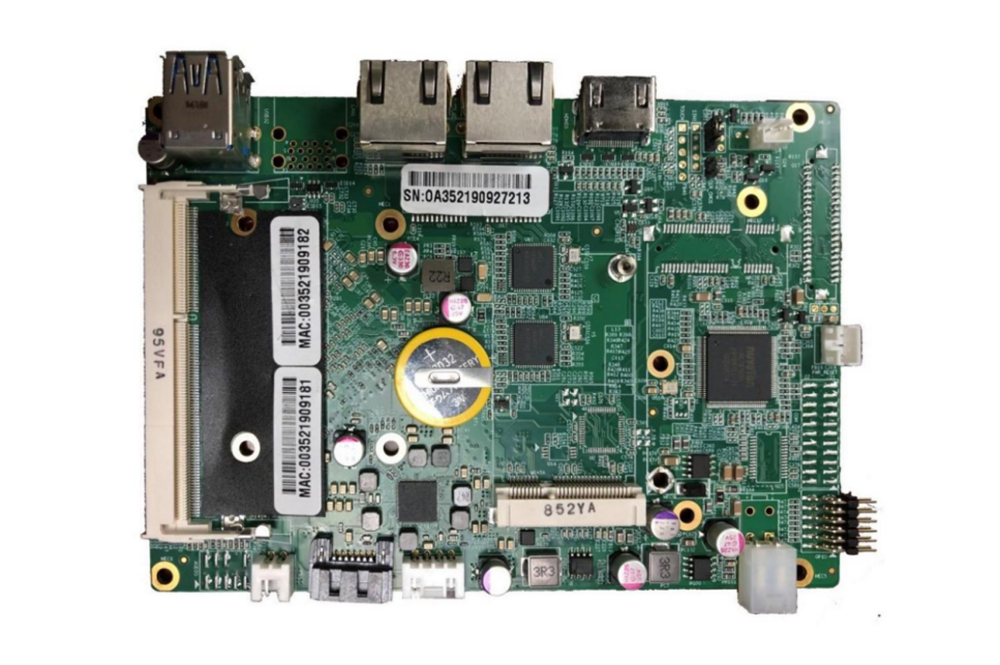
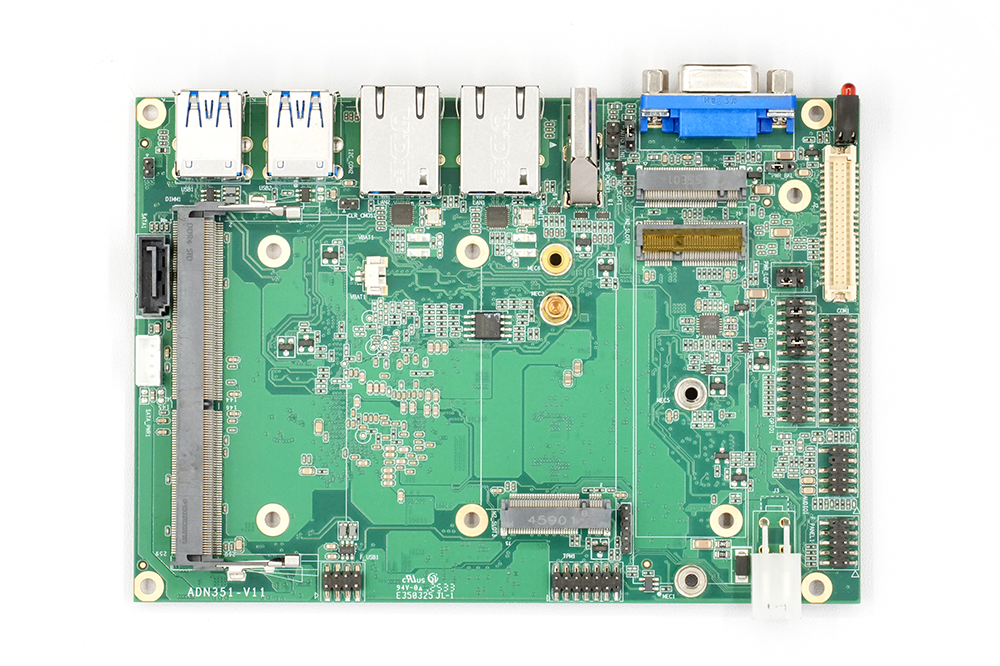
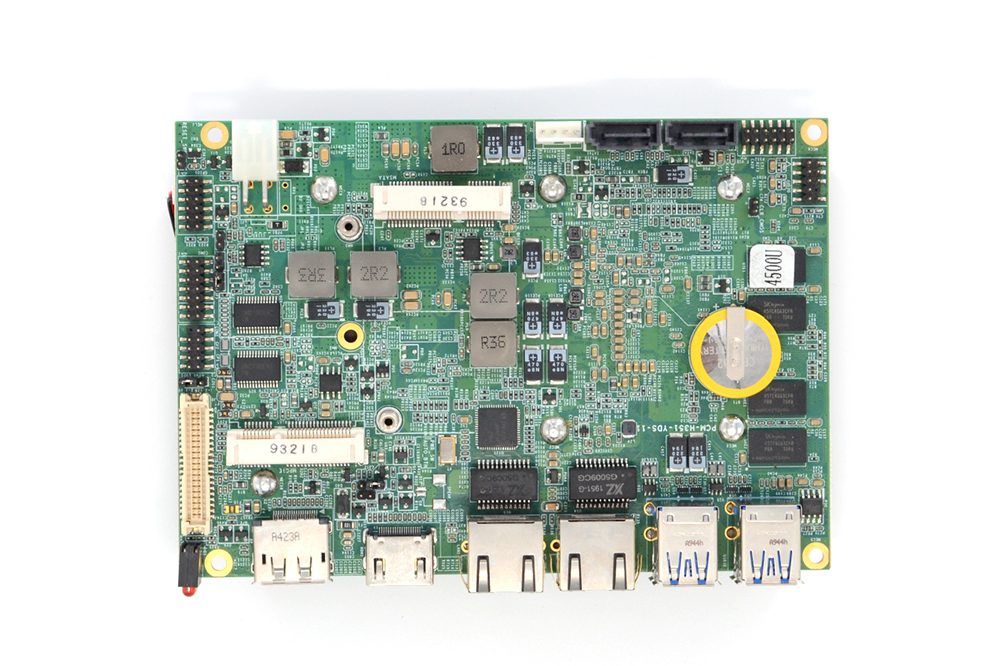
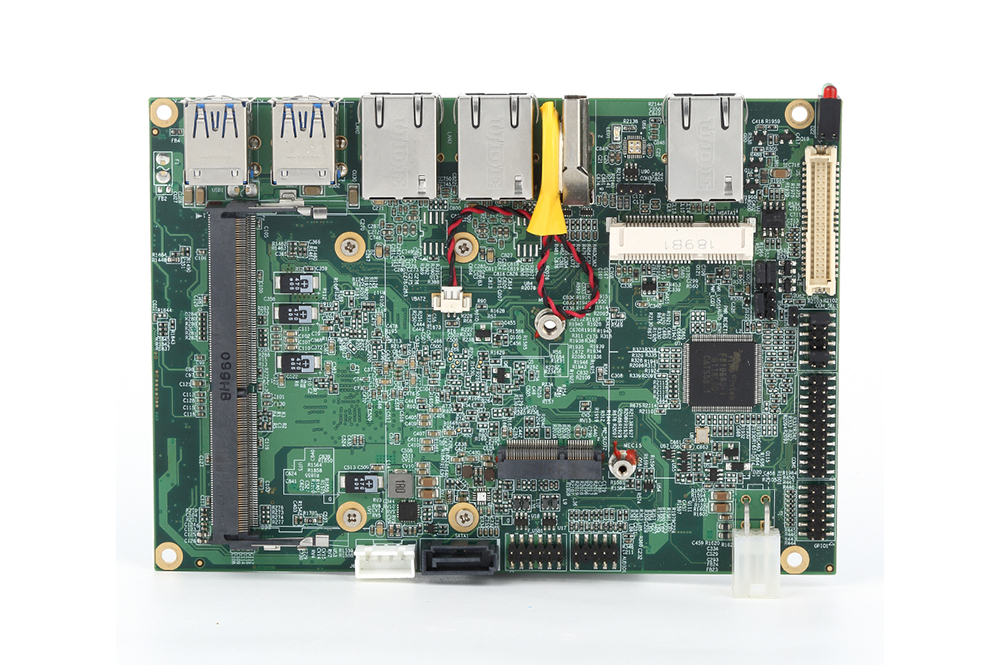
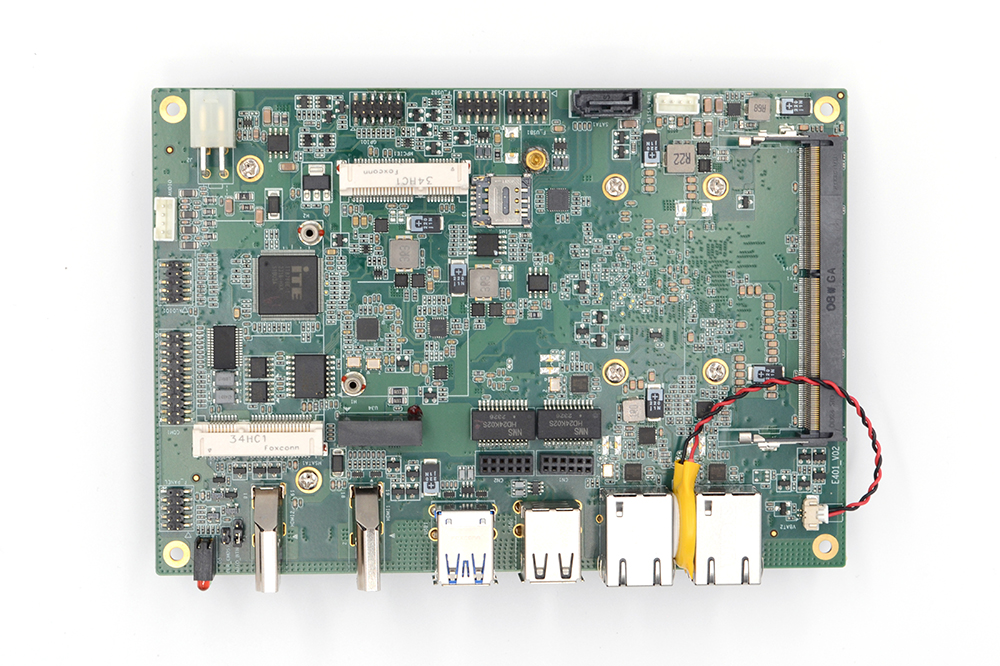
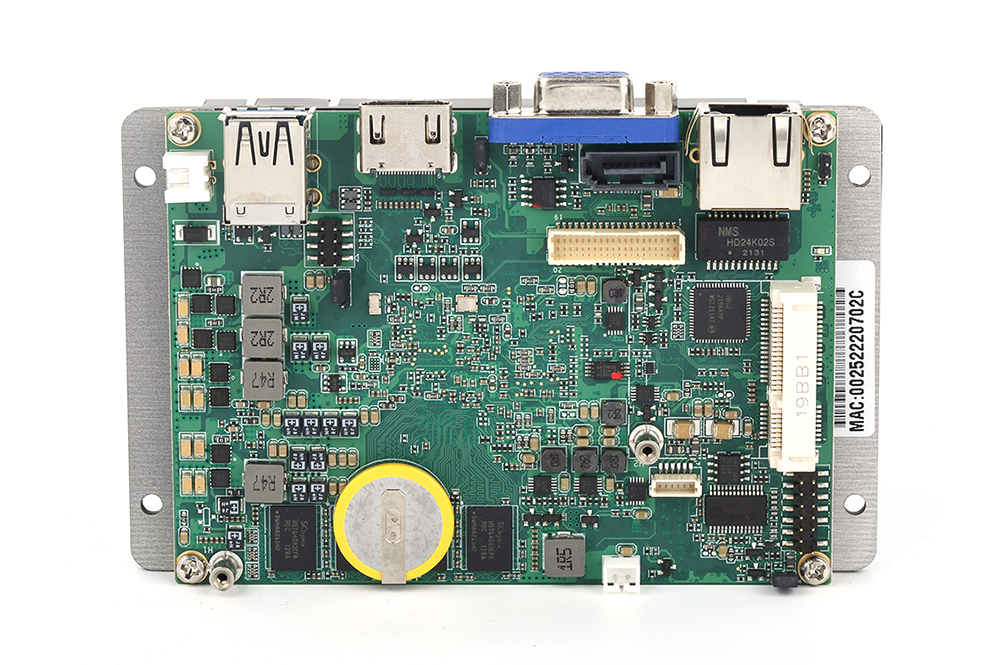
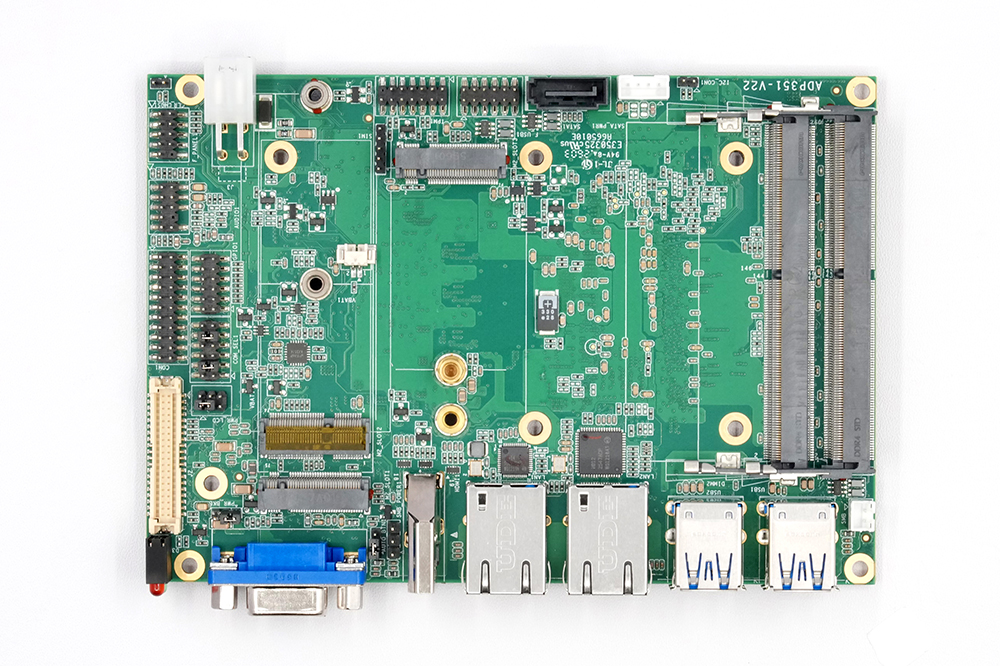
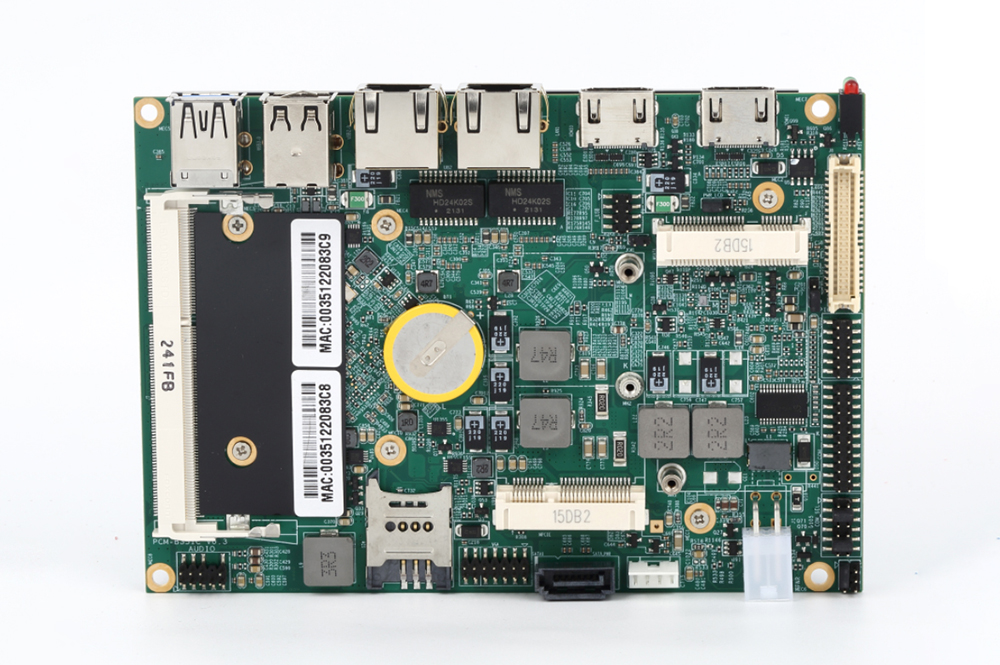
Sterile manufacturing facilities monitor differential pressure, humidity, airborne particulate counts, and ambient temperature simultaneously. Medical motherboards installed within wall-flush HMI touchscreens inside cleanrooms cannot use cooling fans because convection currents redistribute settled particulates. Our conduction-cooled, fanless 2.5-inch and 3.5-inch single-board computers (SBCs) exhaust heat via dedicated heat spreaders to stainless steel enclosures, sustaining smooth multi-display outputs (HDMI/LVDS/eDP) for cleanroom operators while operating 24/7/365 without mechanical degradation.
Shenzhen YDSTECH Electronics Co., Ltd. is a high-tech enterprise specializing in industrial computers. Since the establishment of YDSTECH in 1999, we have been committed to independent research and development, innovation, production and sales of industrial computers, and we own the independent intellectual property rights of our core products.
We consider honesty and pragmatism as our motto and make it our long-term goal to provide customers with cost-effective products. In order to achieve this goal, we work constantly to develop new products, improve our service capabilities and promote the innovation of embedded computer applications to create long-term value and potential growth for our customers.
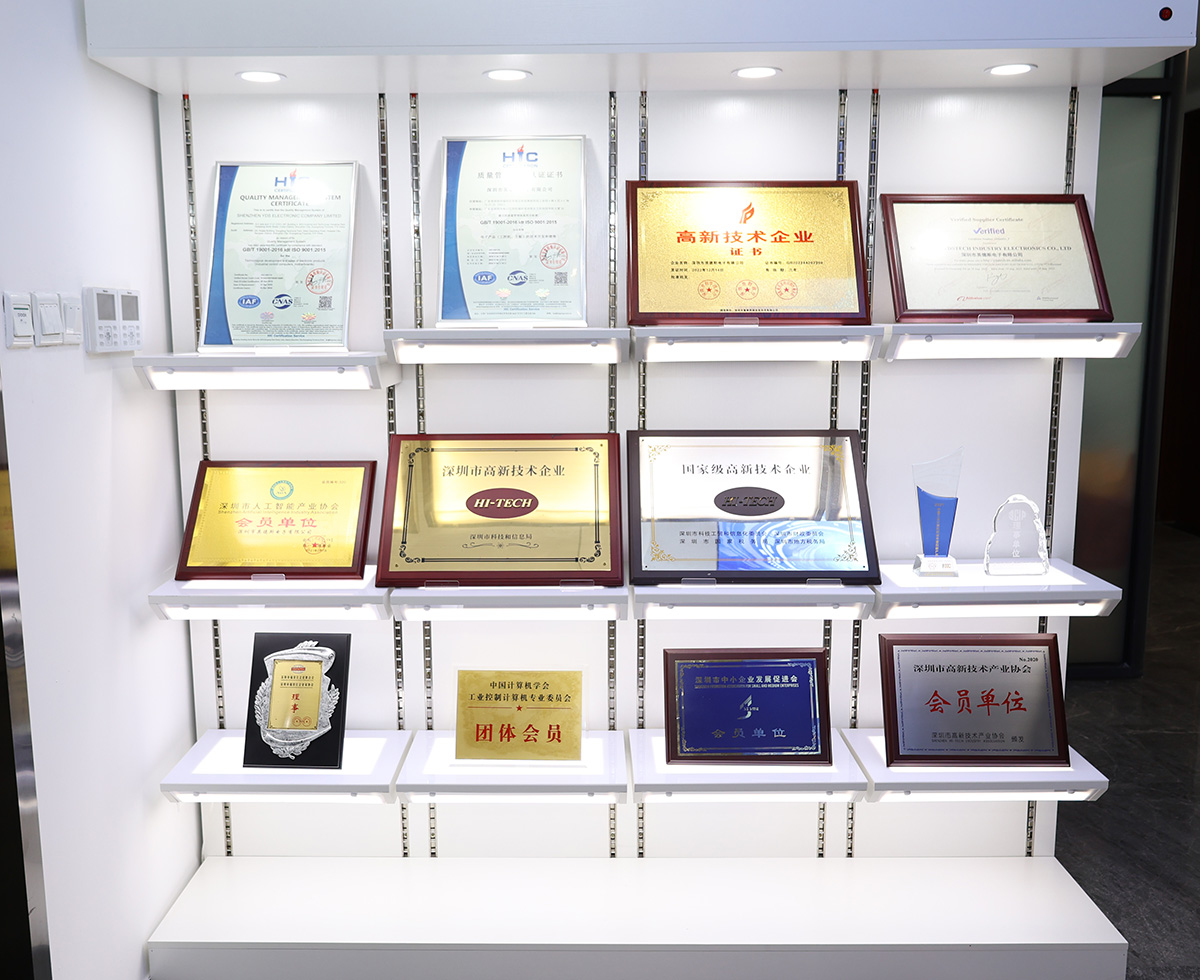
Certified execution ensuring traceable, repeatable, and high-standard embedded hardware delivery.
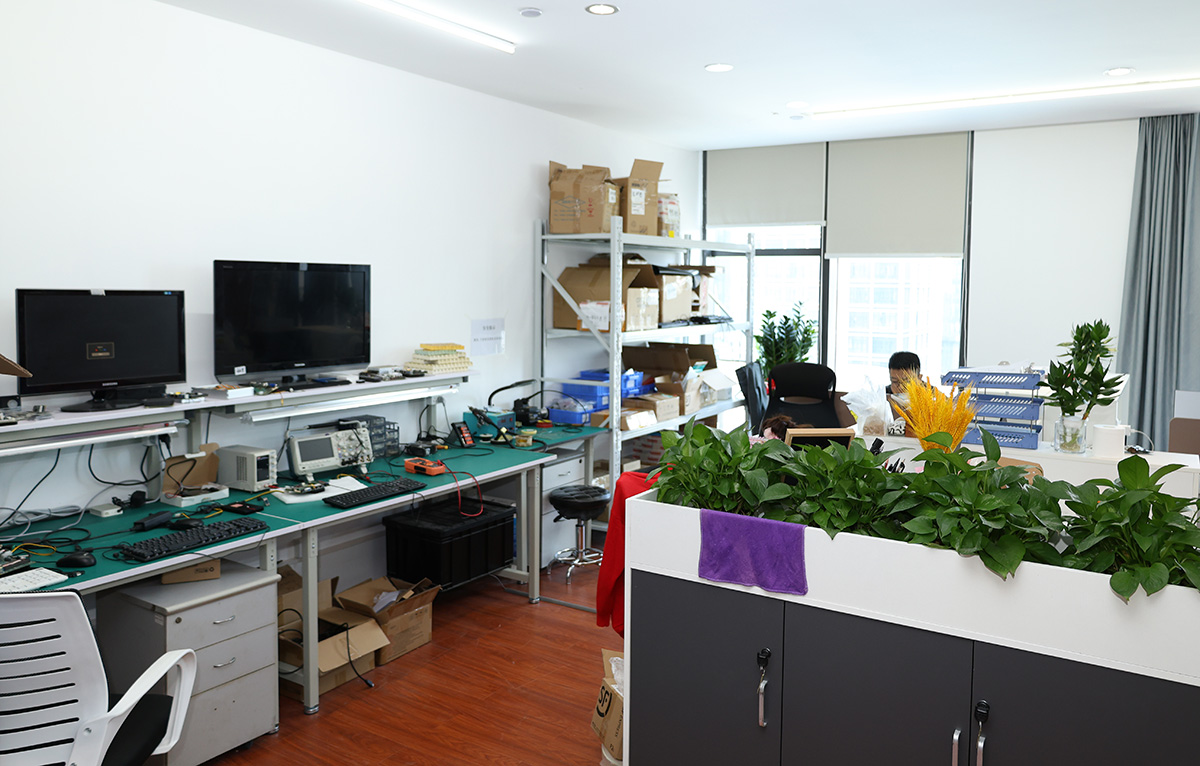
Our core technical team has over 15 years of experience in this industry, and has been focusing on embedded computer research and development, with rich and solid professional expertise. We believe that attitude means everything, since the establishment of YDSTECH, we have always been committed to work with a conscientious, responsible, attentive, professional, prudent and meticulous attitude, which ensures the high-quality output of the products, years of persistence and experience created our strong R&D team.
YDSTECH has set up a comprehensive quality assurance management system, adopting MSA quality system analysis, implementing rolling quality system audit, TQM, SPC process control and other quality management systems, establishing AVL supplier management system to ensure the quality of raw materials, and introducing rolling product reliability tests to ensure overall product reliability.
The convergence of industrial IoT, machine learning at the edge, and personalized medicine is transforming pharmaceutical hardware architecture. Moving beyond simple logging, the next generation of medical device motherboards is designed to execute local inference models. By analyzing high-frequency thermal telemetry, these systems predict valve micro-leaks, compressor failures, or temperature stratification before excursions occur. This predictive capability directly avoids expensive batch destructions.
Simultaneously, the demand for modular form factors—ranging from ultra-compact 2.5-inch boards to feature-rich 3.5-inch SBCs with 12th/13th Gen Intel Core processing—reflects the miniaturization of modern laboratory robotics, portable cold-chain shippers, and automated sample preparation stations. Long-lifecycle guarantees (7 to 10+ years) remain vital, mitigating the expensive re-qualification and software re-validation cycles mandated by medical supervisory authorities.
Industrial motherboards optimized for critical medical computing, automated validation, and thermal oversight.