Leave Your Message
Select high-performance industrial computing boards optimized for high-speed camera interfaces, real-time image processing, and medical-grade reliability.
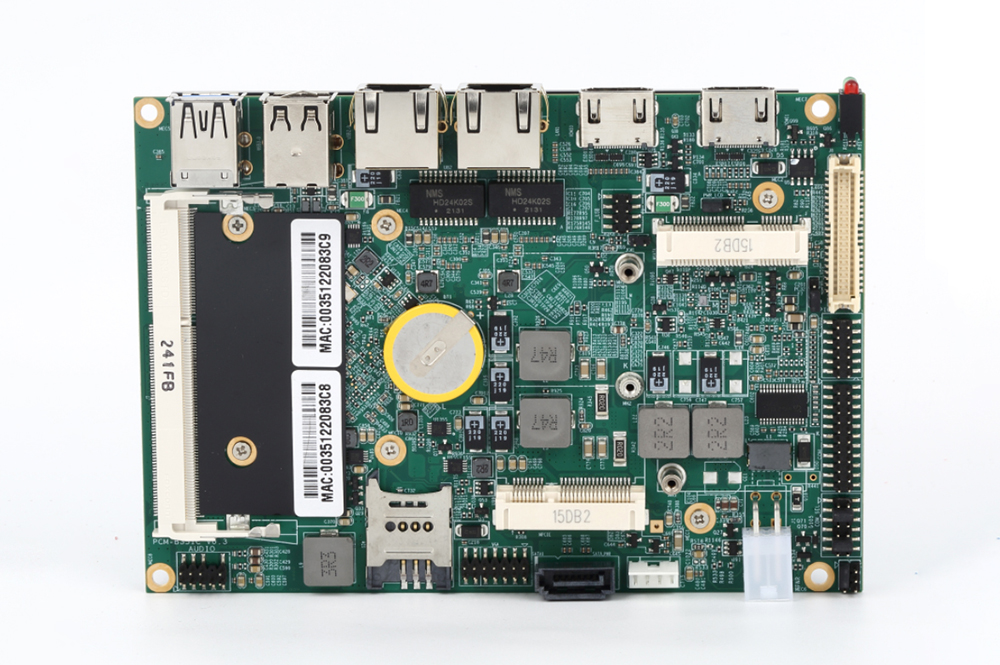
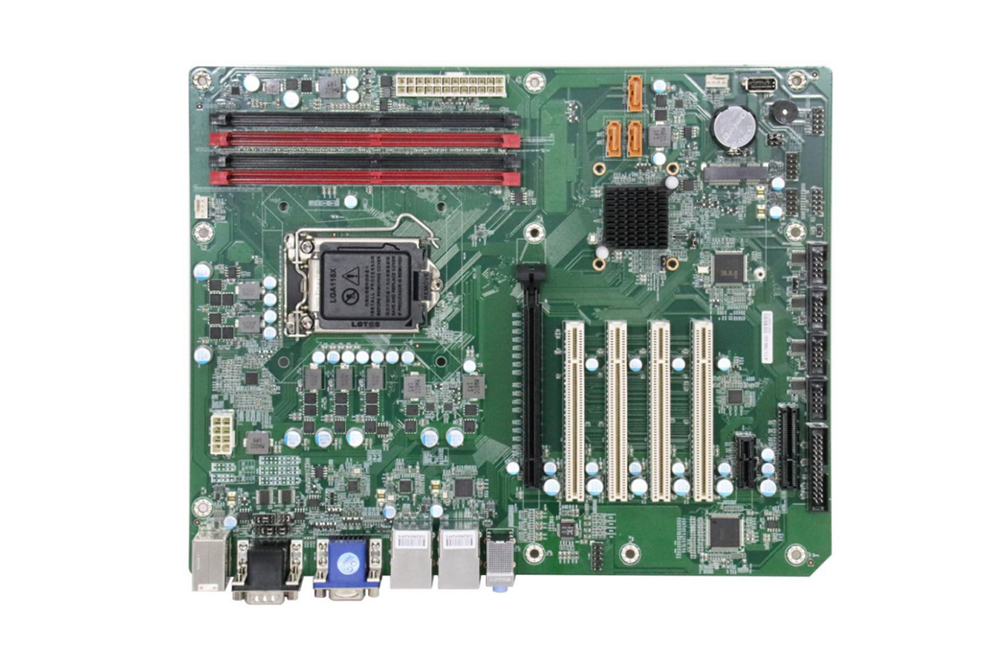
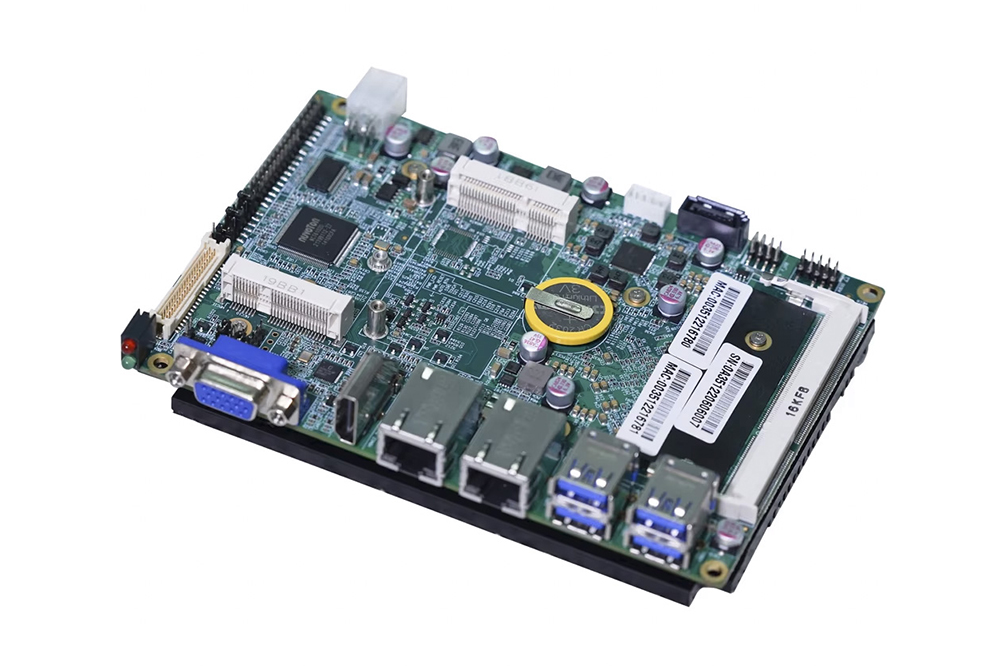
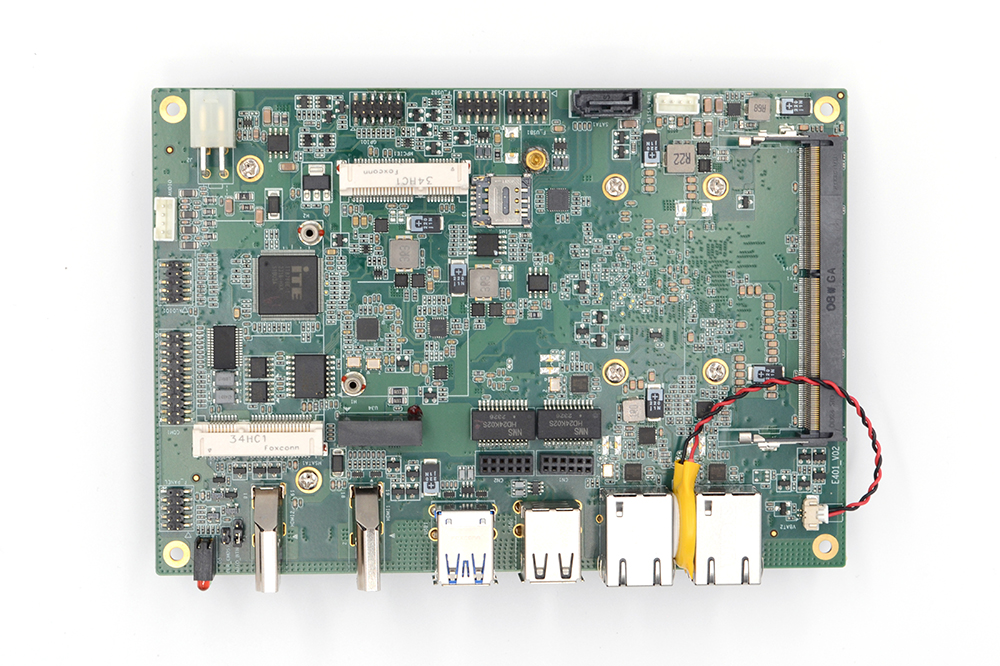
In the highly regulated medical device manufacturing sector, there is zero tolerance for errors. From orthopedic implants and pacemakers to syringes, catheters, and diagnostic assays, every single component must adhere to strict quality standards. Machine vision inspection systems have emerged as the gold standard for quality control, ensuring that 100% of manufactured medical products are inspected with sub-micron accuracy. At the heart of these sophisticated optical inspection systems is the medical device motherboard.
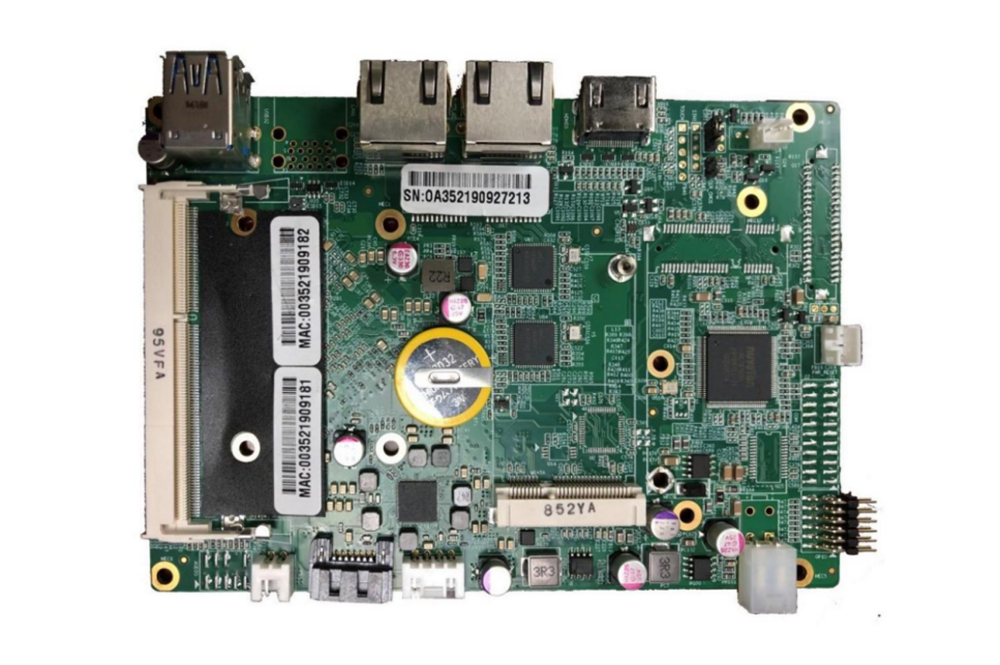
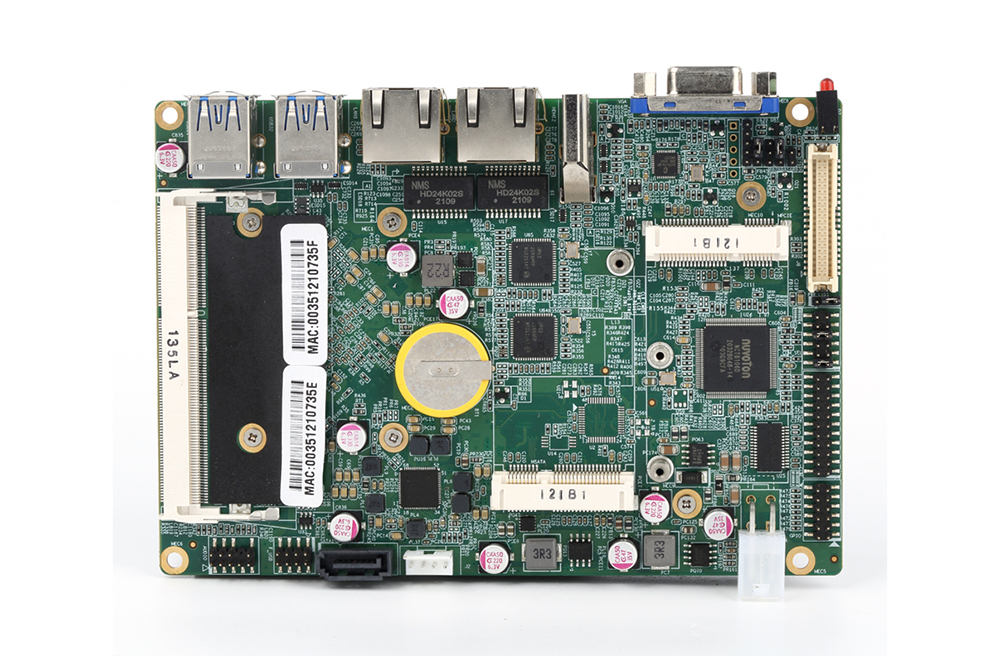
A medical device motherboard designed for machine vision applications is not a standard consumer-grade or generic office computer board. It is a highly specialized, industrial-grade computing platform engineered to handle massive, high-speed data streams from digital cameras, execute complex image-processing algorithms in real-time, and operate continuously in demanding environments. These motherboards act as the central nervous system, connecting high-resolution cameras, lighting controllers, actuators, and factory management networks, all while complying with stringent medical standards such as ISO 13485, CE, and FCC certifications.
The commercial landscape for medical-grade machine vision is expanding rapidly. Valued at billions of dollars globally, the medical device manufacturing automation market is driven by an aging global population, increasing regulatory scrutiny by bodies like the US FDA and European MDR, and the relentless pursuit of manufacturing efficiency. For medical device OEMs, integrating an optimized industrial motherboard into their inspection kiosks is crucial to mitigating risks associated with product recalls, which can cost millions of dollars and damage brand reputation.
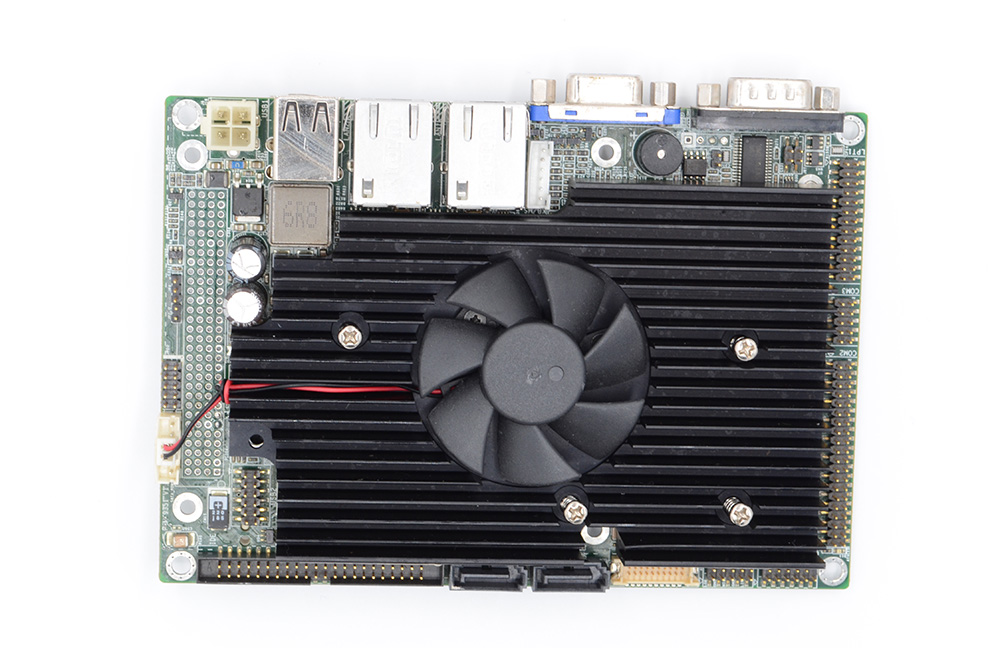
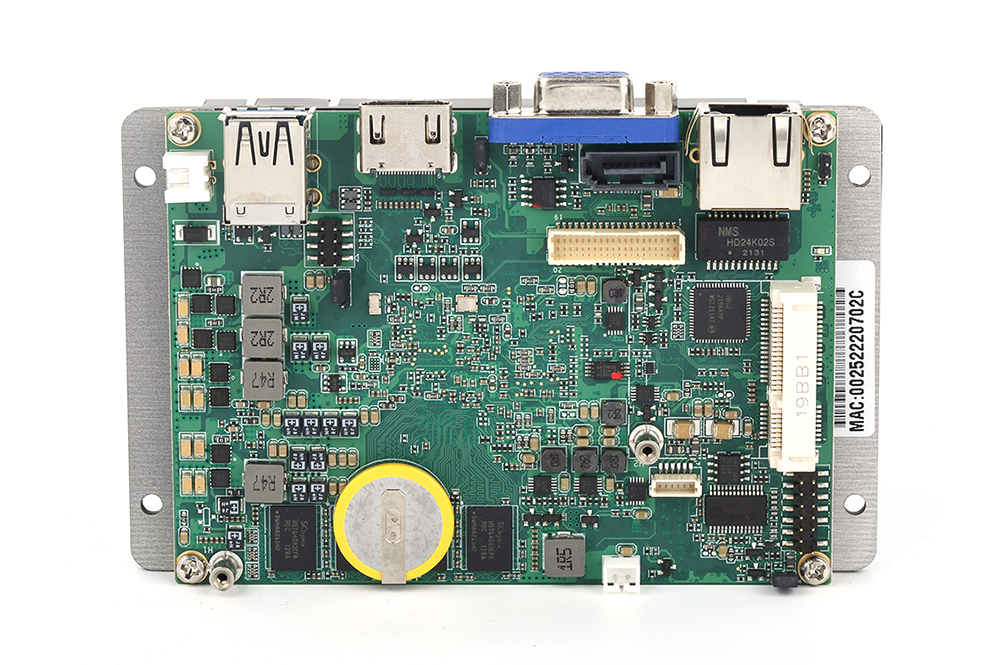
Industrially, the transition toward smart factories and Industry 4.0 has made edge computing power indispensable. Medical device manufacturers are moving away from centralized server-based image processing to localized edge inspection. This shift minimizes latency, reduces bandwidth consumption, and ensures that packaging lines running at hundreds of units per minute can be stopped instantly if a defect is detected. Consequently, demand is surging for small form-factor embedded motherboards (such as 3.5-inch and 2.5-inch single-board computers) that can be integrated directly into compact, sealed inspection terminals.
Exploring where and how medical device motherboards power machine vision systems across the production and diagnostic lifecycle.
Orthopedic implants, such as bone screws and joint replacements, require absolute dimensional accuracy and flawless surface finishes. Machine vision systems utilize high-resolution multi-camera setups powered by industrial motherboards to inspect micro-threads, check for microscopic cracks, and verify surface roughness. The motherboard's high PCIe bandwidth supports dedicated frame grabbers and GPU accelerators to process 3D spatial data in milliseconds.
In liquid filling and packaging lines, machine vision inspects vial fill levels, cap sealing integrity, stopper placement, and label alignment. Utilizing industrial motherboards with rich I/O interfaces (such as dual Gigabit Ethernet and multiple USB 3.0 ports), these systems interface with multiple high-speed cameras to verify barcodes, OCR lot codes, and detect foreign particulates inside sealed glass vials without slowing down the line.
Medical tubing and catheters demand strict outer diameter, inner diameter, and wall thickness consistency. Continuous extrusion processes use laser micrometers and high-speed line scan cameras connected to fanless embedded motherboards. The system performs real-time geometric measurements and automatically adjusts extrusion machinery parameters via industrial digital I/O channels to prevent out-of-tolerance batches.
Beyond the manufacturing floor, machine vision is critical in clinical laboratory settings. In-vitro diagnostics (IVD) systems, automated slide scanners, and blood analyzers rely on embedded motherboards to control precise XYZ gantry motion, manage LED illumination, and capture high-resolution microscopic images of biological samples.
Here, the motherboard must combine computing prowess with extreme electromagnetic compatibility (EMC). It must operate silently without generating electrical noise that could interfere with sensitive diagnostic sensors. Fanless designs are highly preferred in these environments to prevent air turbulence and dust accumulation, ensuring sterile operating conditions and preventing contamination of patient samples.
As machine vision technology evolves, medical device motherboards are adapting to meet new technical challenges. The integration of Artificial Intelligence (AI) and deep learning algorithms for defect classification has fundamentally changed hardware requirements. Traditional rule-based machine vision is increasingly being augmented or replaced by AI models that can detect complex cosmetic defects, such as subtle discoloration or irregular scratches on composite medical plastics, which are notoriously difficult for standard algorithms to identify.
Shenzhen YDSTECH Electronics Co., Ltd. is a high-tech enterprise specializing in industrial computers. Since the establishment of YDSTECH in 1999, we have been committed to independent research and development, innovation, production and sales of industrial computers, and we own the independent intellectual property rights of our core products.
We consider honesty and pragmatism as our motto and make it our long-term goal to provide customers with cost-effective products. In order to achieve this goal, we work constantly to develop new products, improve our service capabilities and promote the innovation of embedded computer applications to create long-term value and potential growth for our customers.
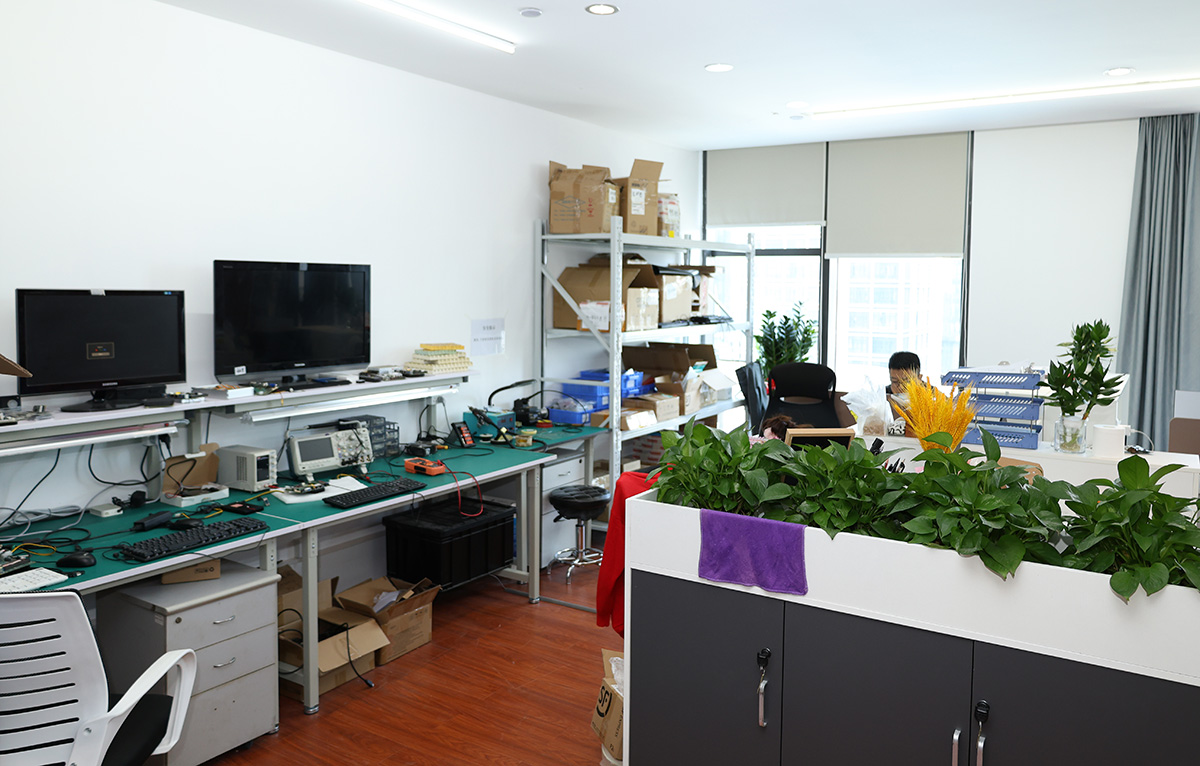
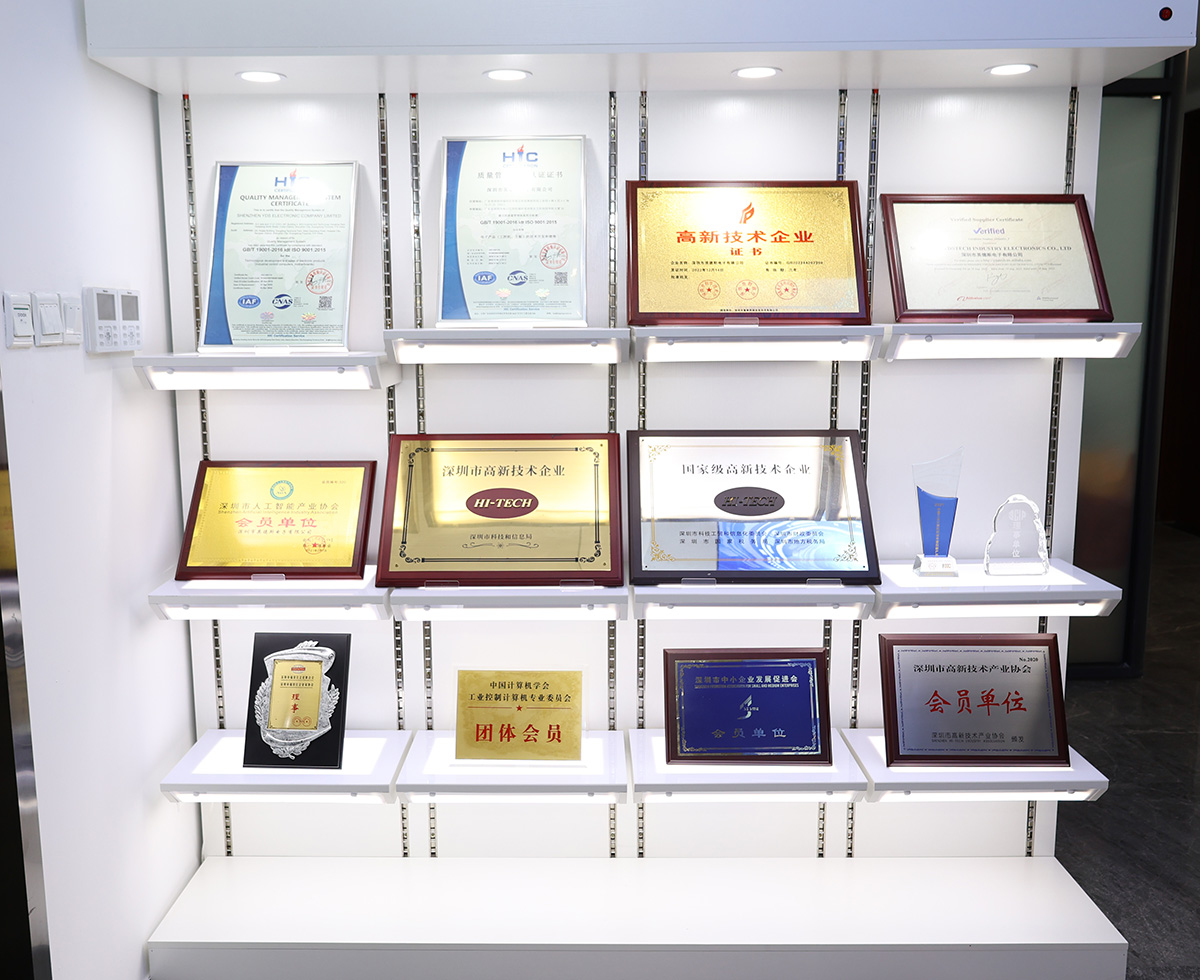
Our core technical team has over 15 years of experience in this industry, and has been focusing on embedded computer research and development, with rich and solid professional expertise. We believe that attitude means everything. Since the establishment of YDSTECH, we have always been committed to working with a conscientious, responsible, attentive, professional, prudent and meticulous attitude, which ensures the high-quality output of the products. Years of persistence and experience created our strong R&D team.
YDSTECH has set up a comprehensive quality assurance management system, adopting MSA quality system analysis, implementing rolling quality system audit, TQM, SPC process control and other quality management systems, establishing AVL supplier management system to ensure the quality of raw materials, and introducing rolling product reliability tests to ensure overall product reliability.
Our manufacturing processes follow strict control plans to meet the high-standard requirements of medical device components. Every motherboard undergoes rigorous environmental stress screening (ESS), including high-temperature burn-in, vibration testing, and functional testing under full peripheral load, ensuring that our products run flawlessly in critical machine vision inspection applications.
Explore our full catalog of high-reliability embedded and ATX motherboards designed for medical-grade machine vision and industrial automation.