Leave Your Message
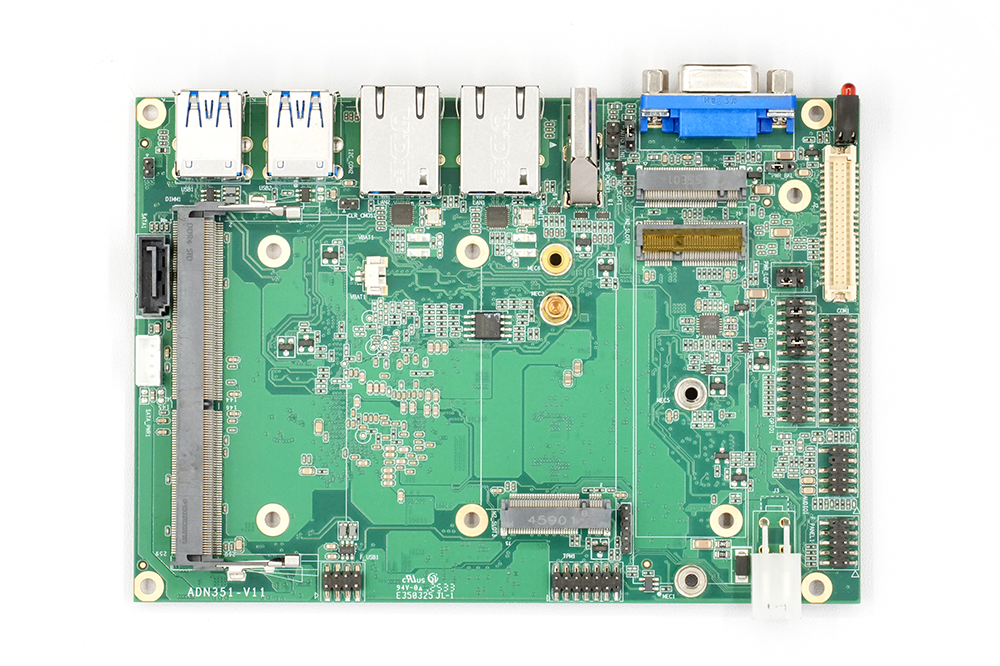
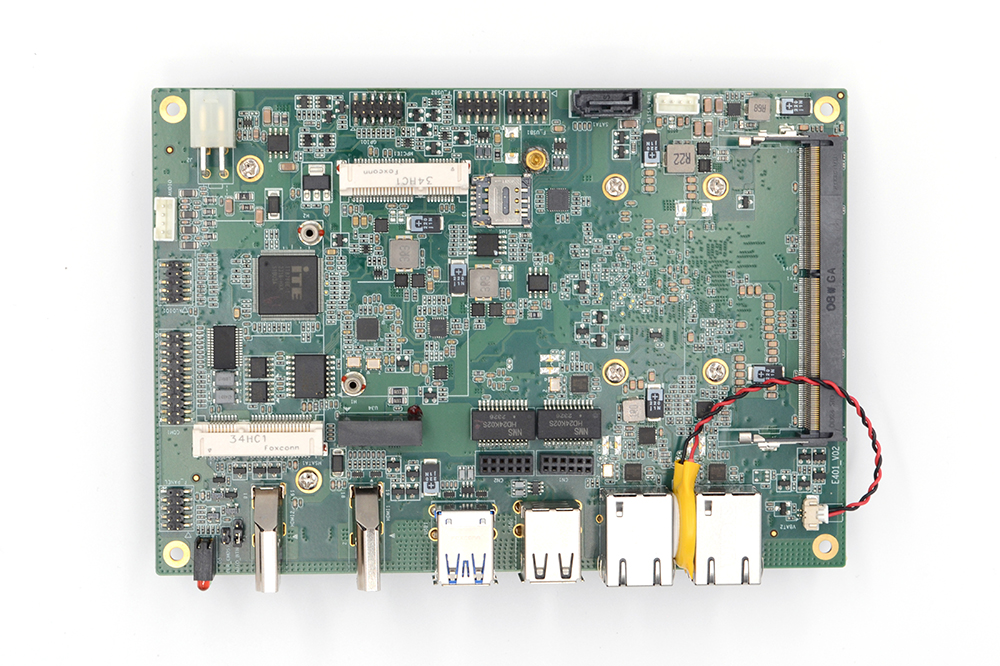
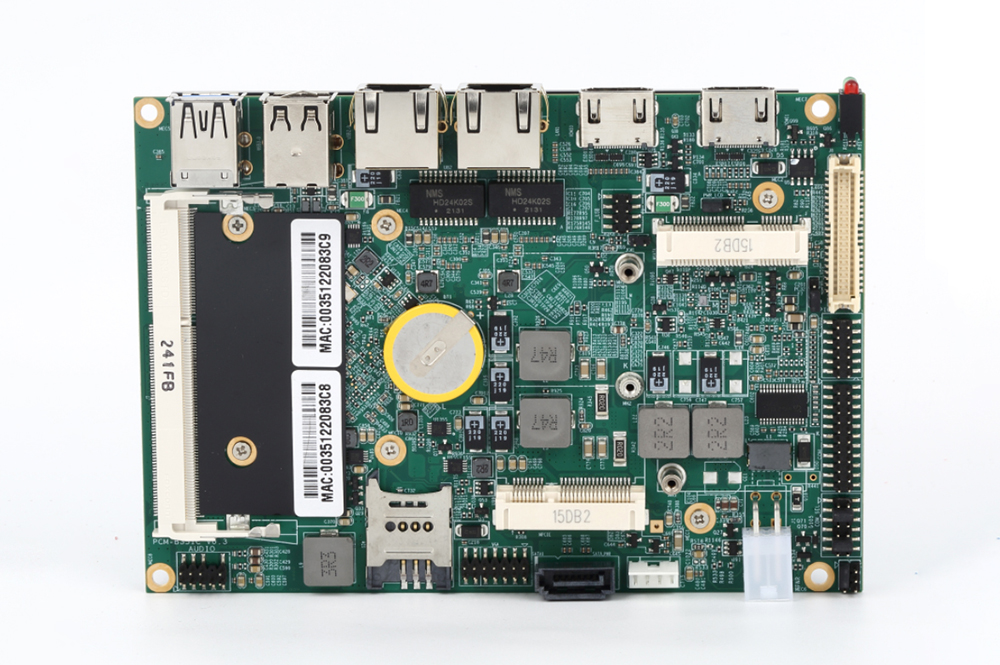
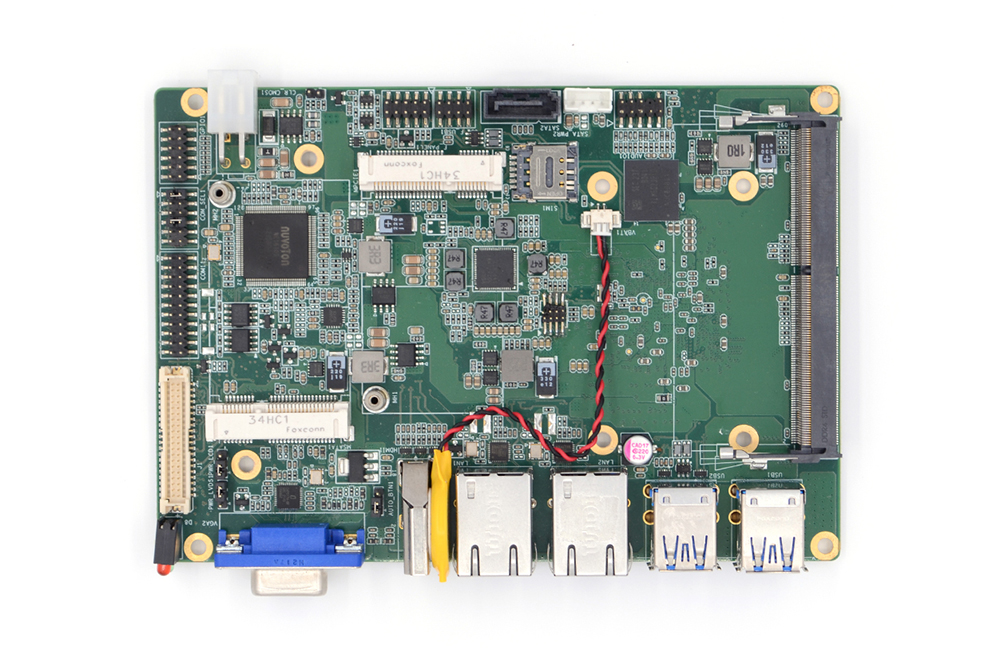
Specially engineered low-latency, wide-temperature platforms designed to converge healthcare-grade reliability with critical electrical power grid monitoring.
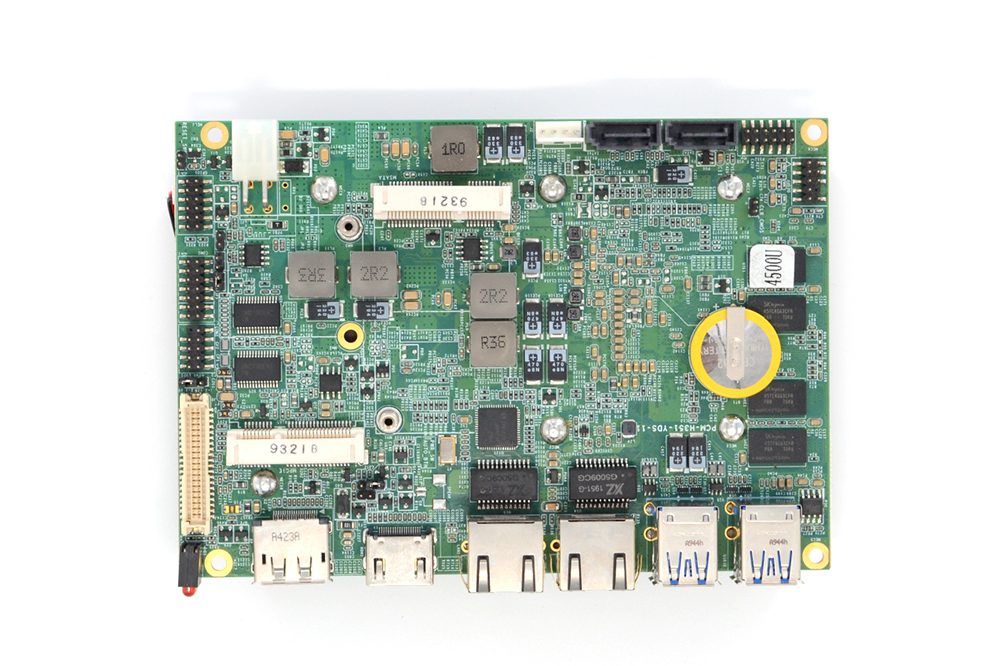
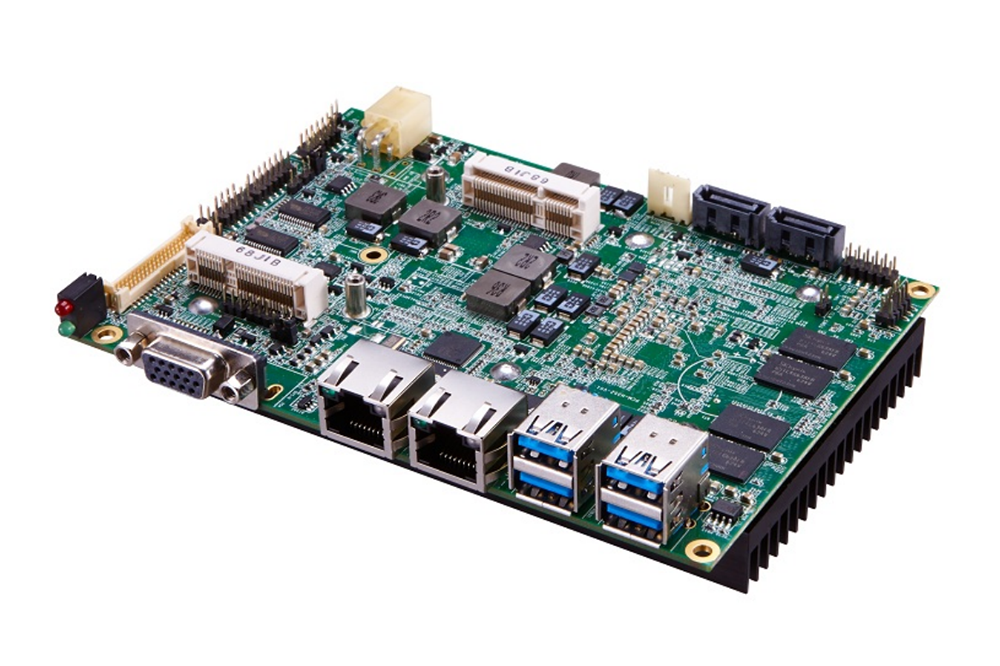
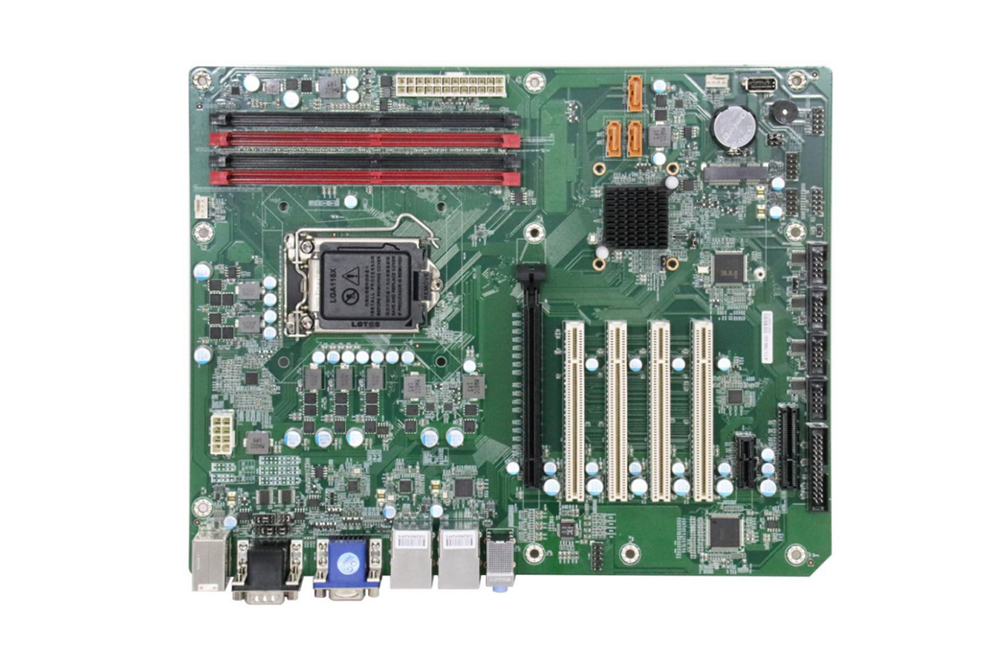
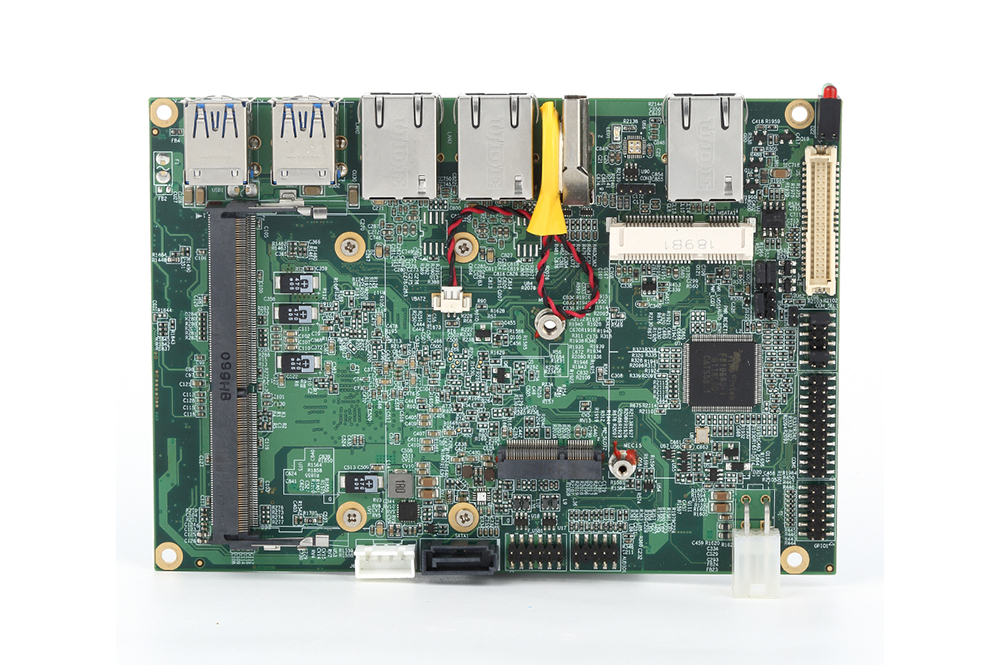
Deploying medical-grade motherboards within energy management systems (EMS) and power substation telemetry environments addresses critical vulnerabilities in electromagnetic noise, signal degradation, and continuous lifecycle operations.
Both high-voltage power substations and surgical operating theaters demand the most stringent electrical isolation, zero-downtime fault tolerance, and comprehensive immunity to transient surges. A medical device motherboard is architected around extreme standards (such as IEC 60601-1-2 for electromagnetic compatibility and low leakage current). When transferred to modern energy management and substation automation frameworks (governed by IEC 61850-3 and IEEE 1613), these medical computing platforms exceed baseline industrial computing durability.
Modern electrical power utilities are transforming from centralized grids into distributed, bi-directional architectures characterized by fluctuating renewable inputs, energy storage systems (BESS), and digital substations. Medical-grade motherboard architectures provide the strict galvanic isolation, ultra-dense sensor connectivity, and deterministic multi-threaded computing required to process high-frequency sampled values without packet jitter or logic corruption.
Digital substations are brutal environments for commercial silicon. Transient high-voltage switching surges, massive electrostatic discharges, induction motors, and atmospheric thermal extremes create a hostile computational perimeter. Typical commercial-grade boards experience clock drift, random memory corruption, or premature thermal throttling when subjected to continuous operations in unventilated outdoor transformer enclosures.
By leveraging high-grade embedded x86 motherboards designed for clinical diagnostic machinery, substation control systems gain unprecedented thermal resilience (-40°C to +85°C), extended product lifecycles of up to 10 to 15 years, and conformal coating support that protects against sulfur dioxide, dust, and condensation. This structural synergy dramatically reduces field maintenance costs, prevents catastrophic blackout events, and equips electrical utilities with high-performance edge computing nodes for predictive maintenance and real-time power analytics.
Rigorous electrostatic discharge (ESD) protection up to ±8kV contact and ±15kV air discharge, accompanied by high dielectric isolation across all digital, analog, and network inputs.
Pure passive conduction cooling engineered to eliminate moving mechanical parts, preventing fan motor failures, eliminating dust intake, and operating reliably in silent, sealed environments.
Onboard TPM 2.0 cryptoprocessors and secure boot mechanisms ensure critical grid assets and healthcare microgrids remain fortified against unauthorized firmware alterations and cyber intrusions.
Examining how high-reliability medical motherboards power mission-critical functions across electrical substations, renewable energy microgrids, and healthcare facility power hubs.
Within primary electrical distribution substations, Remote Terminal Units (RTUs) and protocol converters form the nerve center connecting switchgear, breakers, and transformers to the higher-level SCADA dispatch center. Medical-grade 3.5-inch and ATX boards provide the extensive serial array (RS-232/422/485) and dual or quad independent Ethernet ports necessary to ingest legacy protocols like Modbus-RTU, DNP3, and IEC 60870-5-104, seamlessly transforming them into modern IEC 61850 MMS and GOOSE streams.
The low electromagnetic emission characteristic of medical circuit layout guarantees that sensitive measurement signals—such as CT/PT analog current and voltage transformers—are digitized without harmonic interference or signal corruption caused by the motherboard's own power regulators.
Utility-scale battery energy storage systems (BESS) represent high-fire-risk, high-investment assets requiring microsecond-level monitoring of cell voltages, internal resistances, thermal trends, and state of charge (SoC). Industrial medical motherboards deployed inside Energy Management System (EMS) edge controllers continuously execute advanced state-estimation algorithms.
Operating completely fanless inside NEMA-rated outdoor enclosures, these boards withstand ambient temperature swings ranging from -40°C in sub-zero winters to +75°C under direct solar radiation. The integrated watchdogs, hardware monitoring ICs, and programmable GPIO ports enable instantaneous isolation of battery strings upon detecting off-gas buildup, thermal runaway precursors, or electrical short circuits.
Hospitals are uniquely vulnerable to micro-interruptions, voltage sags, and harmonic distortions. Critical life-support equipment, operating theater ventilators, and medical MRI/CT imagers cannot tolerate even a few cycles of voltage drop. Dual-use medical motherboards govern hospital-specific Automatic Transfer Switches (ATS) and uninterruptible power supply (UPS) banks.
By leveraging real-time operating systems (RTOS) running on multicore Intel x86 architecture, the motherboard orchestrates instantaneous sub-cycle source transfers between utility feeders, rooftop solar arrays, backup diesel generators, and emergency battery reserves without producing transient surges that could disrupt medical electronics in adjacent surgical wings.
Offshore and onshore wind turbine nacelles and solar centralized inverter stations place brutal mechanical vibration and environmental stress on computing hardware. Wind turbine nacelles experience multi-axis continuous vibration and intense magnetic fields from multi-megawatt generators.
Using board-level components tested to strict vibration resistance standards and conformal-coated surface mounts, these motherboards execute pitch control, yaw alignment, and power quality harmonic compensation. Their high MTBF reduces the need for expensive offshore technician visits, maximizing the continuous annual energy yield (AEP) of renewable generation sites.
| Parameter / Requirement | Standard Commercial Motherboard | Standard Industrial Motherboard | Medical-Grade Energy Management Motherboard |
|---|---|---|---|
| Operating Temperature | 0°C to +50°C | -20°C to +60°C | -40°C to +75°C / +85°C (Extreme Range) |
| Electromagnetic Immunity | Commercial FCC Class B | EN 55032 / EN 55024 | IEC 60601-1-2 / IEC 61850-3 / IEEE 1613 Heavy Industrial |
| Galvanic I/O Isolation | None / Negligible | Optional / External Modules | 2.5kV to 4.0kV Onboard Isolation on Serial & LAN |
| Product Availability Cycle | 12 to 18 Months | 3 to 5 Years | 7 to 15 Years Long-Life Roadmap Guarantee |
| Thermal Management | Active Fan Dependent | Active / Semi-Fanless | 100% Solid Conduction Passive Fanless Architecture |
| Watchdog & Telemetry Safety | Basic OS-level reboot | Single-stage hardware timer | Dual-stage programmable watchdog, dynamic voltage/temp telemetry |
Deep-dive into the technical paradigms transforming smart grid substations: hardware virtualization, edge AI diagnostics, and zero-trust cybersecurity architectures.
Historically, an electrical substation deployed dozens of dedicated single-function boxes: separate protective relays, disturbance fault recorders, protocol gateways, human-machine interfaces (HMI), and network monitoring devices. This siloed approach led to sprawling rack cabinets, excessive power consumption, and complicated cabling.
Today, the trend is rapid migration toward **Software-Defined Substations**. High-performance medical device motherboards equipped with Intel Core and Xeon processors run hypervisors (such as VMware ESXi, KVM, or real-time Xen). A single robust motherboard can concurrently execute:
This virtualization dramatically reduces substation capital expenditure (CAPEX) and operating expenditure (OPEX) while ensuring that hardware failures in one software subsystem do not compromise safety-critical protection algorithms.
The integration of high-density solar inverters, electric vehicle (EV) megawatt charging stations, and industrial arc furnaces causes severe harmonic pollution, sub-synchronous oscillations, and unpredictable voltage transients. Traditional threshold-based SCADA systems cannot identify micro-arcing faults or progressive insulation breakdown before catastrophic catastrophic transformer failure occurs.
By leveraging powerful x86 multicore motherboards paired with on-die neural acceleration (such as Intel OpenVINO or discrete low-power edge NPUs), modern substation gateways perform continuous real-time Fast Fourier Transforms (FFT) and high-frequency wavelet decomposition on raw electrical waveforms. Anomaly detection neural networks flag impending transformer bush degradation, switchgear contact wear, or line-to-ground micro-discharges days before an explosive fault occurs.
Furthermore, in energy management applications, edge AI motherboards execute dynamic load forecasting, optimizing battery dispatch schedules based on live wholesale day-ahead electricity prices, weather forecasting satellites, and local building occupancy patterns.
Shenzhen YDSTECH Electronics Co., Ltd. is a high-tech enterprise specializing in industrial computers. Since the establishment of YDSTECH in 1999, we have been committed to independent research and development, innovation, production and sales of industrial computers, and we own the independent intellectual property rights of our core products.
We consider honesty and pragmatism as our motto and make it our long-term goal to provide customers with cost-effective products. In order to achieve this goal, we work constantly to develop new products, improve our service capabilities and promote the innovation of embedded computer applications to create long-term value and potential growth for our customers.
From advanced medical imaging motherboards to ultra-ruggedized energy management computers, our engineering team adheres to stringent global standards, providing custom ODM/OEM motherboards with extended life cycles and guaranteed long-term component availability.
Our commitment to rigorous engineering and quality management is validated by national certifications and deep involvement in premier computing and automation alliances.
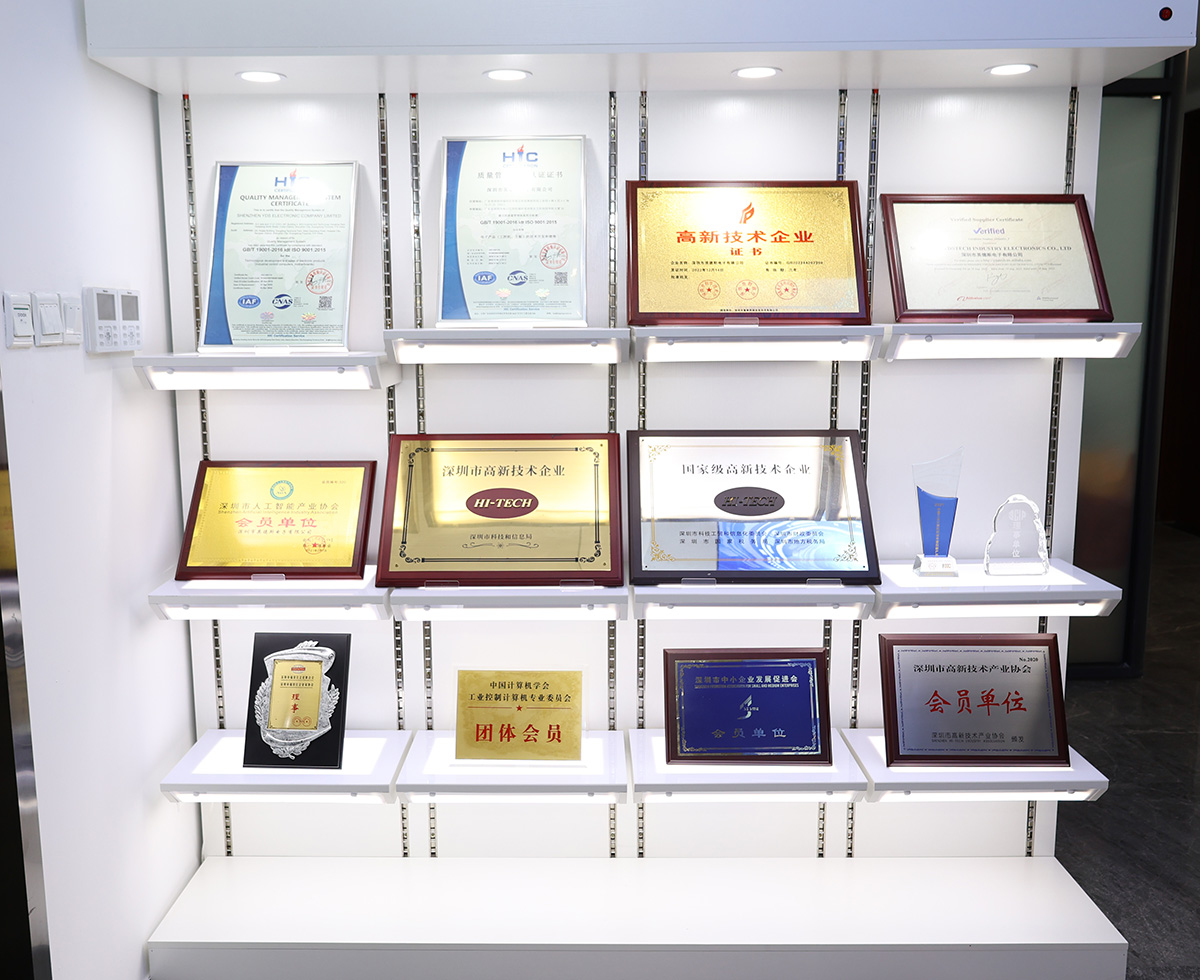
· Certified High-Tech Enterprise
· Shenzhen Software Product And Software Enterprise Evaluation Certified Enterprise
· ISO9001 International Quality System Certified Enterprise
· Member Of Chinese Association Of Automation
· Member Of China Instrumentation Society
· Member Of China Computer Federation
· Director Of Shenzhen Computer Association
· Founding Member Of China Embedded System Industry Alliance
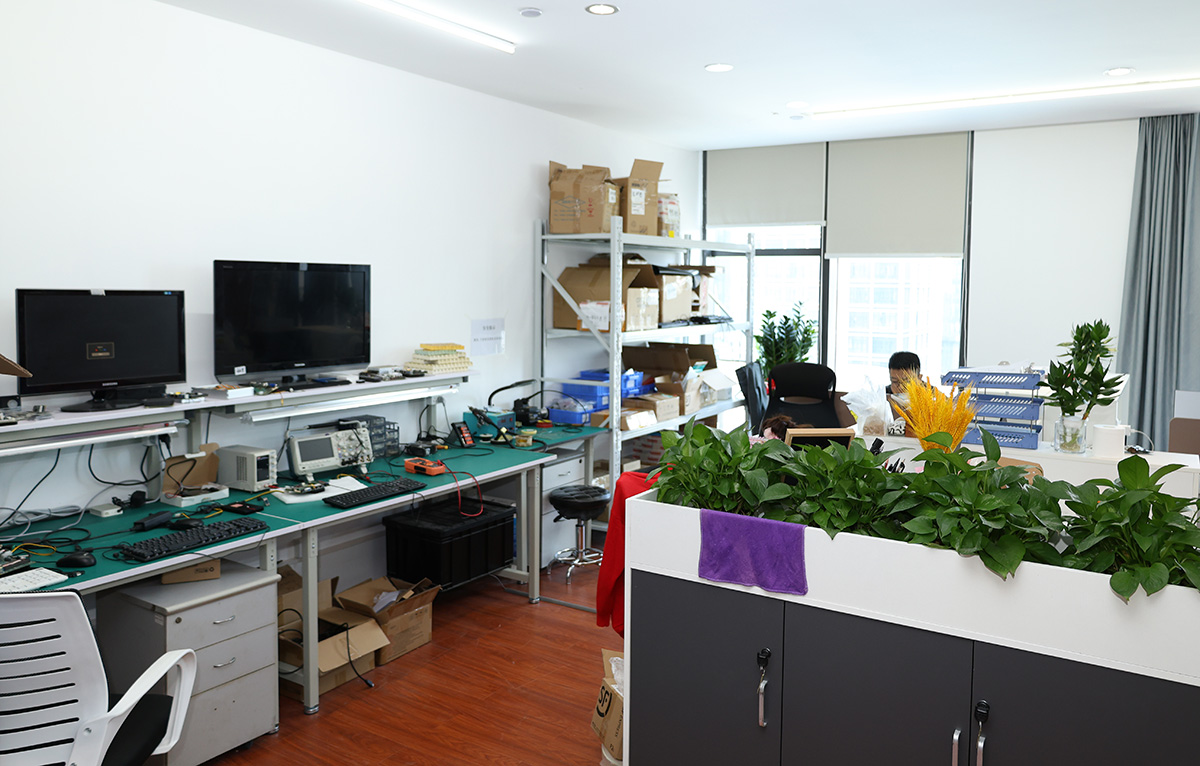
Our core technical team has over 15 years of experience in this industry, and has been focusing on embedded computer research and development, with rich and solid professional expertise. We believe that attitude means everything, since the establishment of YDSTECH, we have always been committed to work with a conscientious, responsible, attentive, professional, prudent and meticulous attitude, which ensures the high-quality output of the products, years of persistence and experience created our strong R&D team.
Our research and design laboratories are equipped with advanced signal integrity test fixtures, thermal shock simulation chambers, and comprehensive electromagnetic pre-compliance testing equipment. This deep technical foundation enables us to optimize PCB trace routing for minimal clock jitter, supreme power efficiency, and long-term durability in both medical equipment and energy substation installations.
YDSTECH has set up a comprehensive quality assurance management system, adopting MSA quality system analysis, implementing rolling quality system audit, TQM, SPC process control and other quality management systems, establishing AVL supplier management system to ensure the quality of raw materials, and introducing rolling product reliability tests to ensure overall product reliability.
Every motherboard undergoes rigorous Burn-In testing, Thermal Cycling (-40°C to +85°C), High Accelerated Life Testing (HALT), and vibration resistance evaluation before packaging, guaranteeing an infinitesimal out-of-box failure rate and rock-solid mission-critical performance in the field.
Engineered for high-reliability medical instruments, power substation telecontrol, microgrid EMS, and harsh-environment edge telemetry computing.