Leave Your Message
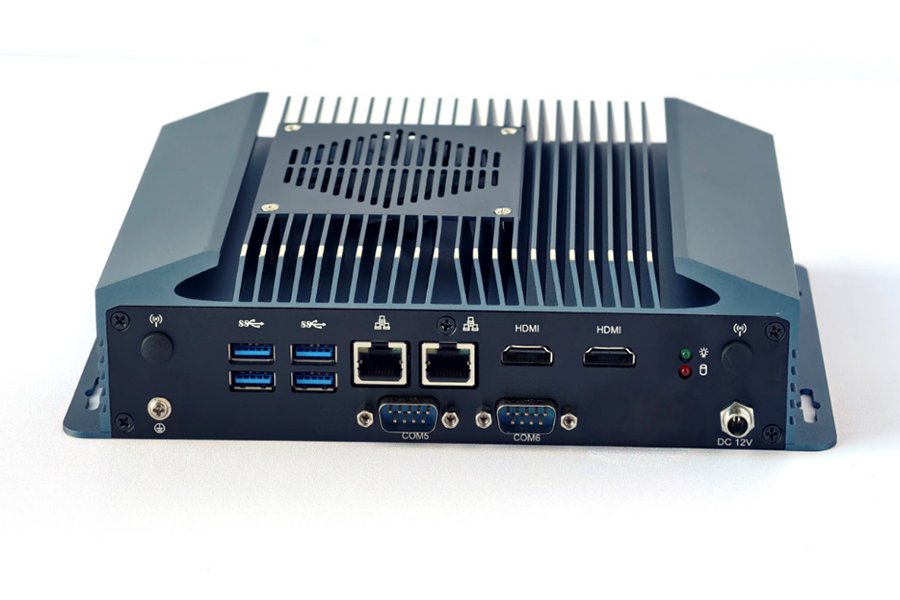
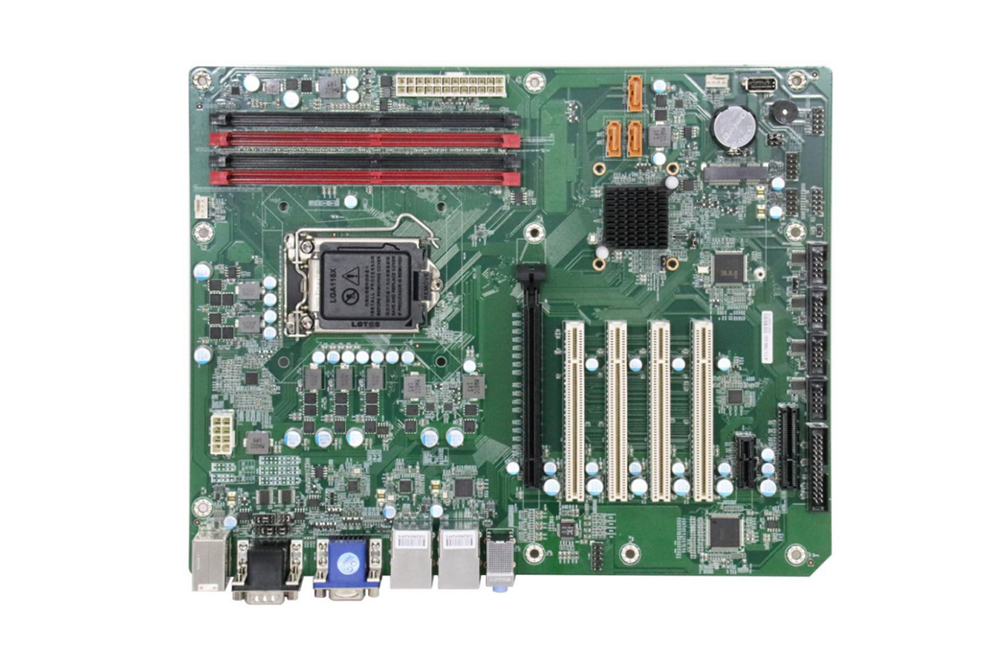
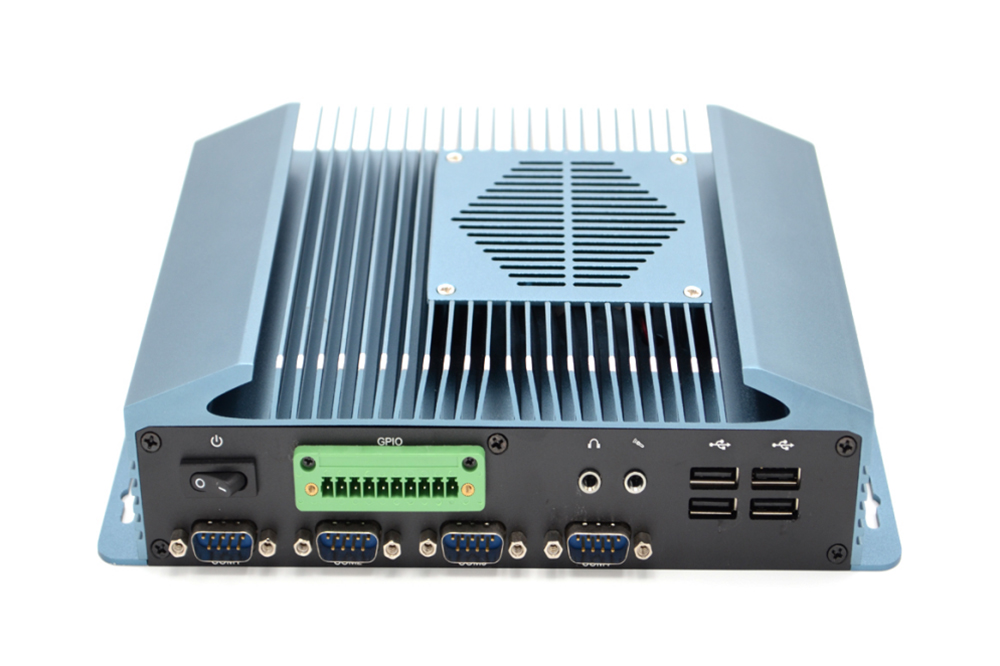
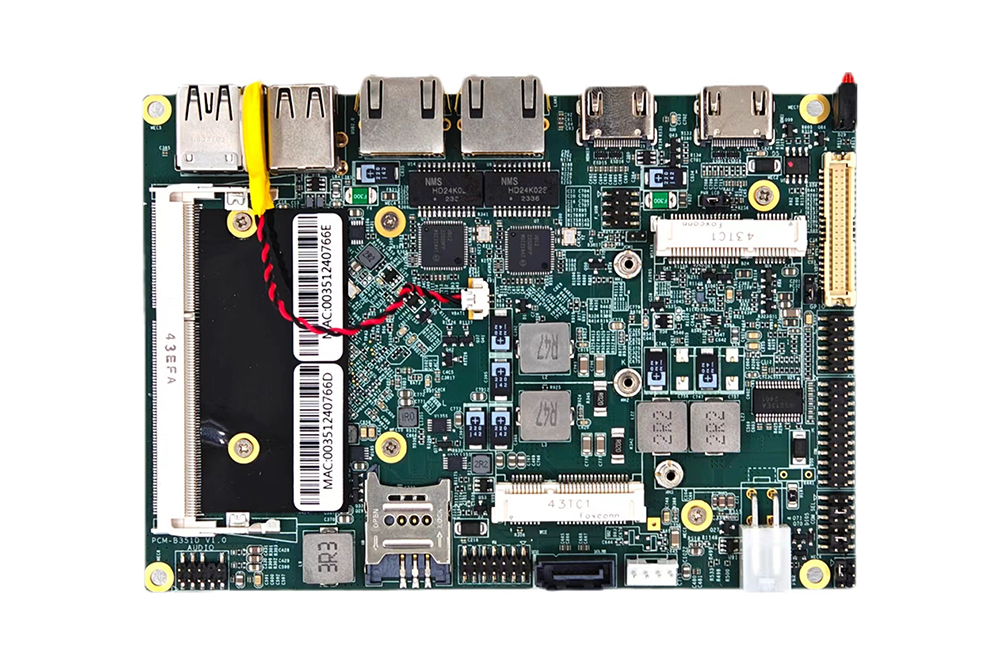
In the pharmaceutical and biotechnology sectors, precision is not merely a benchmark—it is a regulatory and therapeutic mandate. The validation of pharmaceutical processes, particularly those involving temperature-sensitive products like vaccines, biologics, and blood products, requires continuous, fail-safe monitoring systems. At the core of these advanced monitoring systems lies the low temp tolerance motherboard. These specialized industrial motherboards are engineered to operate reliably in sub-zero environments, ensuring that critical data collection, analysis, and transmission remain uninterrupted under extreme thermal stress.
SEO Insight: Modern pharmaceutical validation demands hardware that complies with strict global regulatory standards. Industrial-grade wide-temperature motherboards form the processing foundation for environmental monitoring systems (EMS) that must operate continuously in vaccine storage, cold chain logistics, and laboratory facilities.
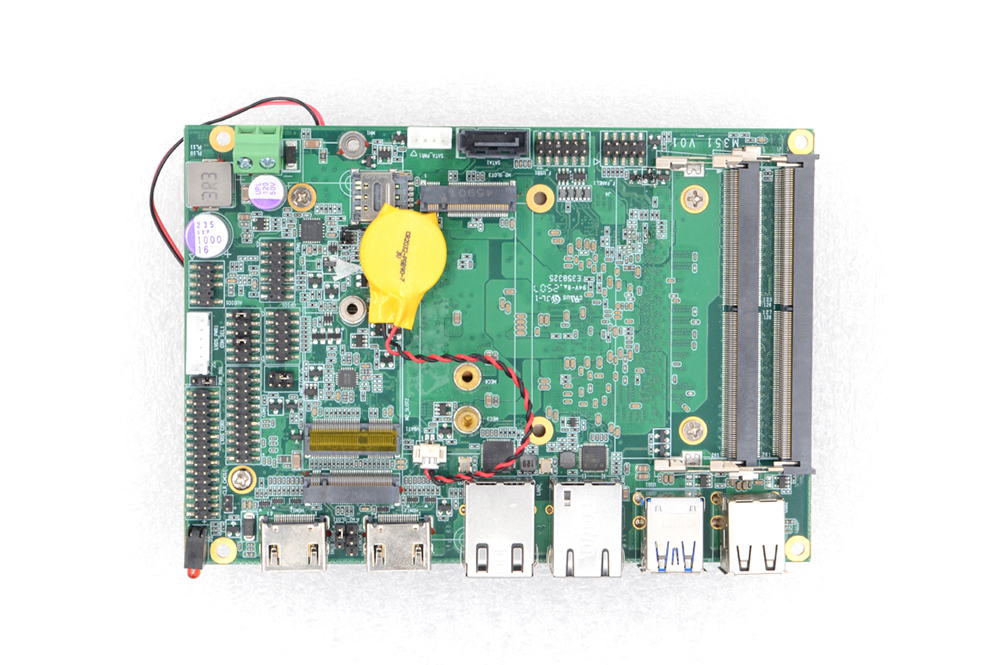
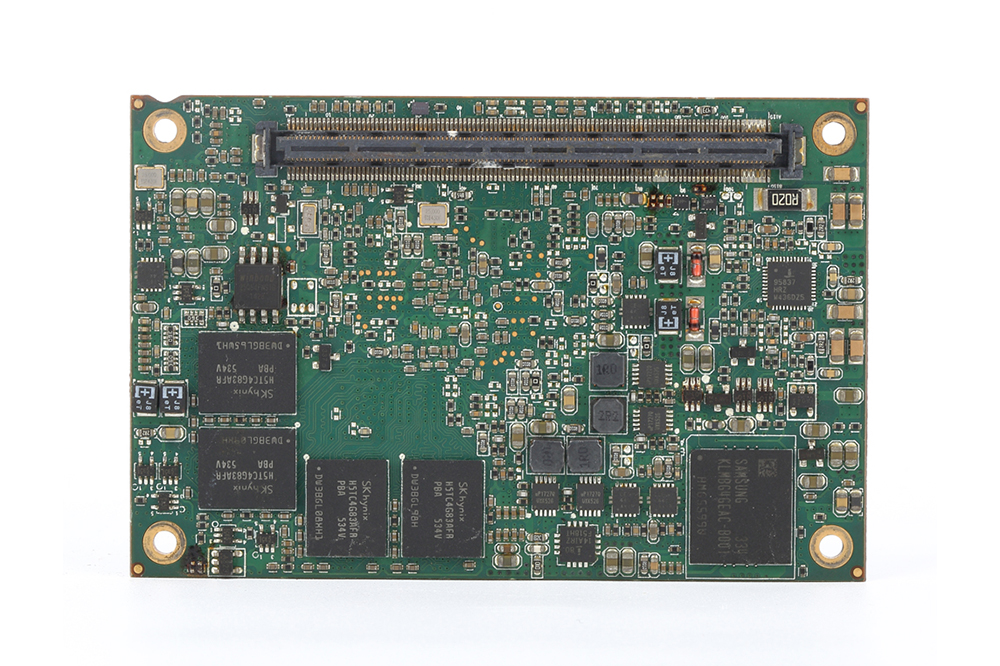
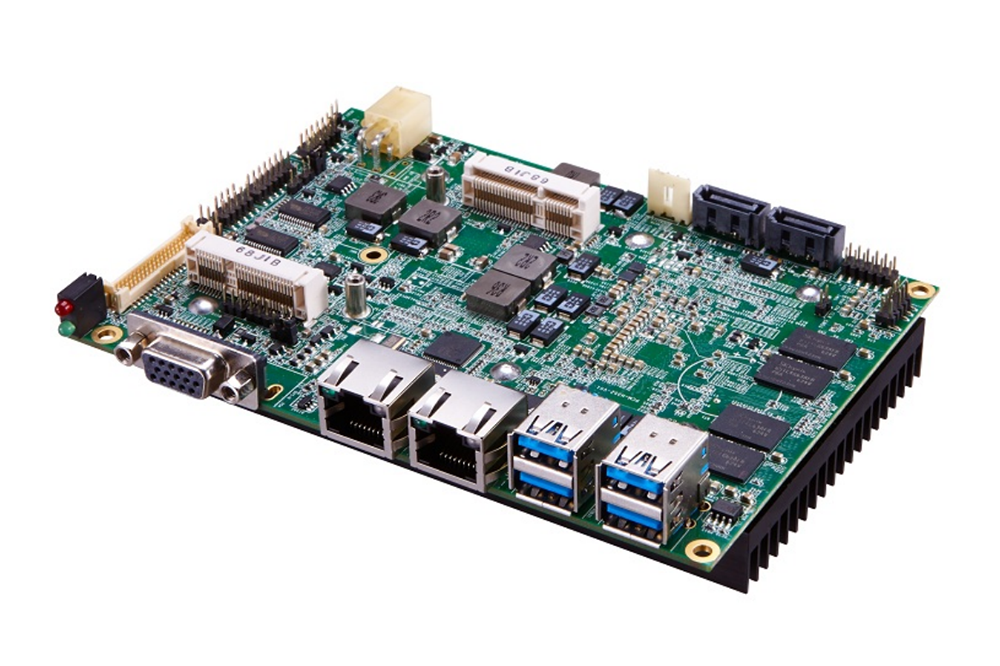
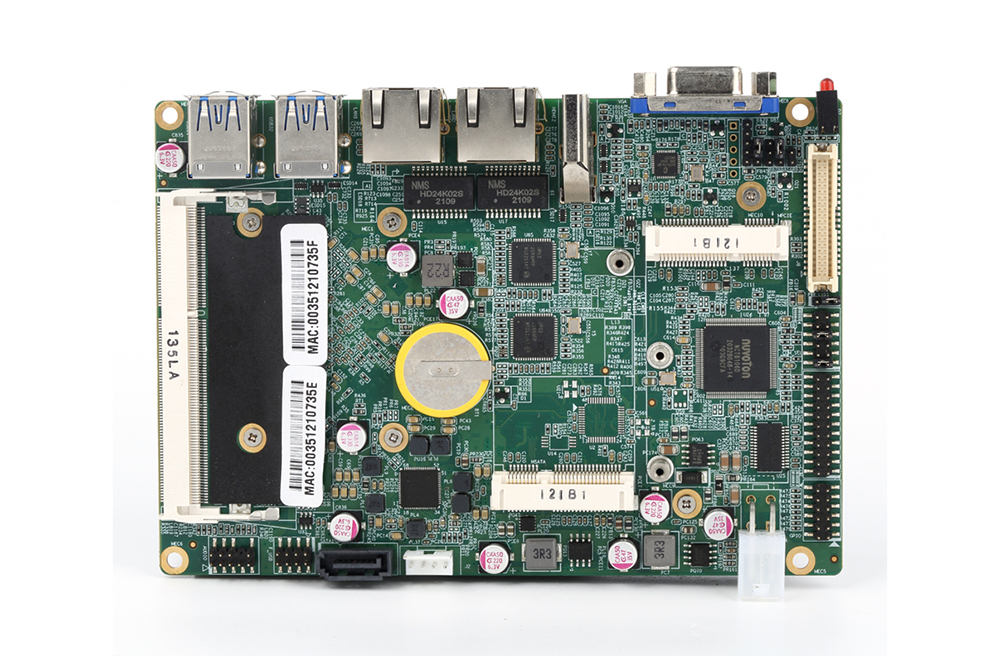
Unlike standard commercial computing platforms that fail when temperatures dip below freezing, low temp tolerance motherboards utilize industrial-grade components designed to withstand temperatures ranging from -40°C to 85°C. This tolerance is vital for systems deployed in proximity to ultra-low temperature (ULT) freezers, walk-in cold rooms, and dry ice shipping containers. Should the processing hardware fail due to cold-induced component degradation, the integrity of the temperature validation record is compromised, potentially leading to the loss of multi-million-dollar pharmaceutical batches and regulatory non-compliance.
Engineered with premium silicon and capacitors to perform flawlessly from -40°C up to +85°C.
Ensures continuous data logging for 21 CFR Part 11 and GAMP 5 validation protocols.
Integrates multiple RS-232/422/485 serial ports and dual LAN for redundant sensor networks.
The global pharmaceutical logistics and manufacturing sectors are experiencing unprecedented growth, driven by the rise of complex biologics, personalized therapies, and mRNA-based vaccines. According to pharmaceutical industry insights, a substantial percentage of newly approved drugs require strict temperature-controlled storage and distribution. This expansion has placed a spotlight on the hardware driving the monitoring infrastructure.
Regulatory bodies such as the US Food and Drug Administration (FDA) and the European Medicines Agency (EMA) enforce stringent guidelines regarding temperature monitoring. FDA 21 CFR Part 11 outlines the criteria under which electronic records and electronic signatures are considered trustworthy and equivalent to paper records. In practice, this means that environmental monitoring systems must maintain an unbroken, tamper-proof audit trail of temperature data. A low temp tolerance motherboard ensures that edge devices located directly inside or adjacent to cold storage units do not freeze, crash, or drop data packets during critical logging intervals.
ULT freezers operating at -80°C are standard in biotechnology labs and distribution centers for storing genetic materials, enzymes, and specialized vaccines. While the primary motherboard is typically installed in an external control panel, the proximity to the cold chamber exposes the electronics to localized draft cold, extreme temperature cycling, and high condensation when freezer doors are opened. A wide-temperature motherboard prevents system instability caused by localized sub-zero microclimates and ensures that real-time sensor data from RTD probes (such as Pt100/Pt1000) is continuously processed and uploaded to the centralized laboratory information management system (LIMS).
Lyophilization is a highly complex preservation process where water is removed from a product after it is frozen and placed under a vacuum, allowing the ice to change directly from solid to vapor. The entire cycle must be meticulously controlled and validated over hours or even days. Industrial computers controlling freeze-dryers rely on robust motherboards that can interface with pressure sensors, vacuum valves, and temperature probes. The motherboard must operate reliably in environments characterized by rapid thermal transitions and high electrical noise from vacuum pumps and compressors, ensuring the cycle recipe runs to completion without interruption.
Pharmaceutical validation extends beyond the factory floor to transport vehicles and shipping containers. Mobile validation systems require compact, rugged, and low-power embedded boards that can tolerate the harsh environments of refrigerated trucks, cargo planes, and marine vessels. These environments subject the hardware to extreme external temperatures (from desert heat to sub-zero high-altitude cargo holds), constant vibrations, and unstable power sources. Embedded boards with wide-temperature support and wide-voltage input capabilities are essential to keeping GPS, cellular communication, and multi-channel temperature loggers active throughout the transit lifecycle.
In sterile manufacturing cleanrooms, air quality, humidity, and temperature must be kept within incredibly narrow ranges to prevent microbial growth and ensure product consistency. HMI (Human-Machine Interface) panels powered by fanless industrial motherboards are installed directly on cleanroom walls. Fanless design is critical here; cooling fans generate air turbulence and particles, which violate cleanroom classification standards. The low temp tolerance motherboard enables fanless, completely sealed designs that can withstand both the cool temperatures of cleanrooms and the harsh chemical sanitization processes (such as Vaporized Hydrogen Peroxide - VHP treatment) used to sterilize the environment.
Shenzhen YDSTECH Electronics Co., Ltd. is a high-tech enterprise specializing in industrial computers. Since the establishment of YDSTECH in 1999, we have been committed to independent research and development, innovation, production and sales of industrial computers, and we own the independent intellectual property rights of our core products.
We consider honesty and pragmatism as our motto and make it our long-term goal to provide customers with cost-effective products. In order to achieve this goal, we work constantly to develop new products, improve our service capabilities and promote the innovation of embedded computer applications to create long-term value and potential growth for our customers.
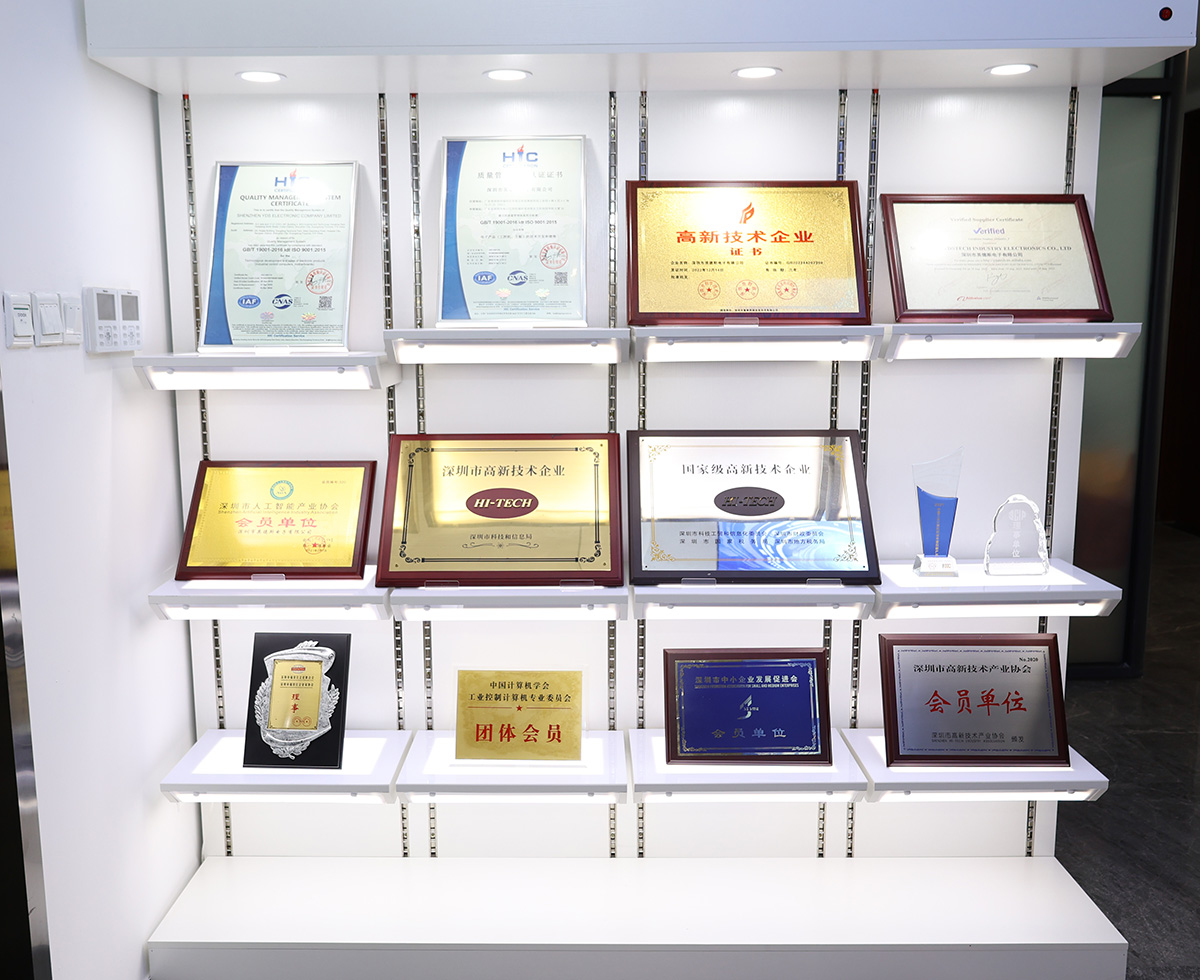
Our core technical team has over 15 years of experience in this industry, and has been focusing on embedded computer research and development, with rich and solid professional expertise. We believe that attitude means everything, since the establishment of YDSTECH, we have always been committed to work with a conscientious, responsible, attentive, professional, prudent and meticulous attitude, which ensures the high-quality output of the products, years of persistence and experience created our strong R&D team.
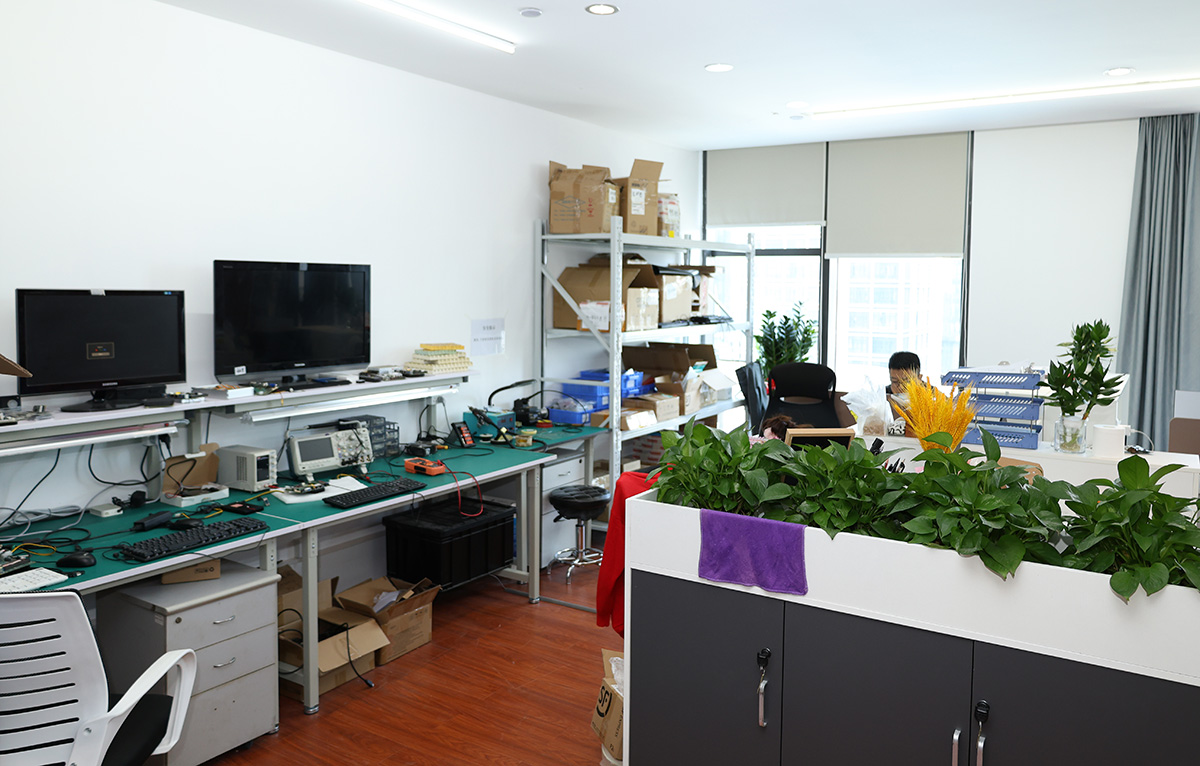
YDSTECH has set up a comprehensive quality assurance management system, adopting MSA quality system analysis, implementing rolling quality system audit, TQM, SPC process control and other quality management systems, establishing AVL supplier management system to ensure the quality of raw materials, and introducing rolling product reliability tests to ensure overall product reliability.
Creating a motherboard that operates reliably in sub-zero environments requires careful component selection and advanced PCB layout techniques. Standard consumer-grade capacitors contain liquid electrolytes that can freeze or lose capacitance at low temperatures, leading to voltage instability and system crashes. Industrial-grade low temp tolerance motherboards utilize solid-state polymer capacitors and specialized low-temperature resistors that maintain stable electrical characteristics down to -40°C.
Additionally, thermal expansion and contraction can place physical stress on solder joints, particularly under large BGA packages like CPUs and chipsets. Industrial motherboards mitigate this through optimized PCB layer stacks, underfill materials beneath critical chips, and specialized soldering profiles that ensure long-term mechanical reliability under thermal cycling. Conformal coating is also applied to protect the circuitry from moisture condensation, which naturally occurs when a cold computing unit is exposed to warmer, humid air.
As the pharmaceutical industry transitions towards Industry 4.0, the role of the low temp tolerance motherboard is evolving. The integration of Edge AI allows local monitoring systems to analyze temperature trends in real-time, predicting potential refrigeration failures before they occur. By running machine learning algorithms directly on the edge computer, systems can detect abnormal compressor vibration or slight temperature decay patterns, alerting maintenance teams to service a freezer before the biological samples inside are compromised.
Furthermore, the rise of IoT-enabled sensors requires motherboards with advanced connectivity options, including high-speed 2.5G Ethernet, Wi-Fi 6, and cellular expansion modules. These interfaces allow for seamless integration with cloud-based validation platforms, providing stakeholders with real-time visibility into global cold chain operations while maintaining compliance with international regulatory frameworks.