Leave Your Message
Engineered to deliver uninterrupted processing power and display control in sub-zero and extreme outdoor environments.
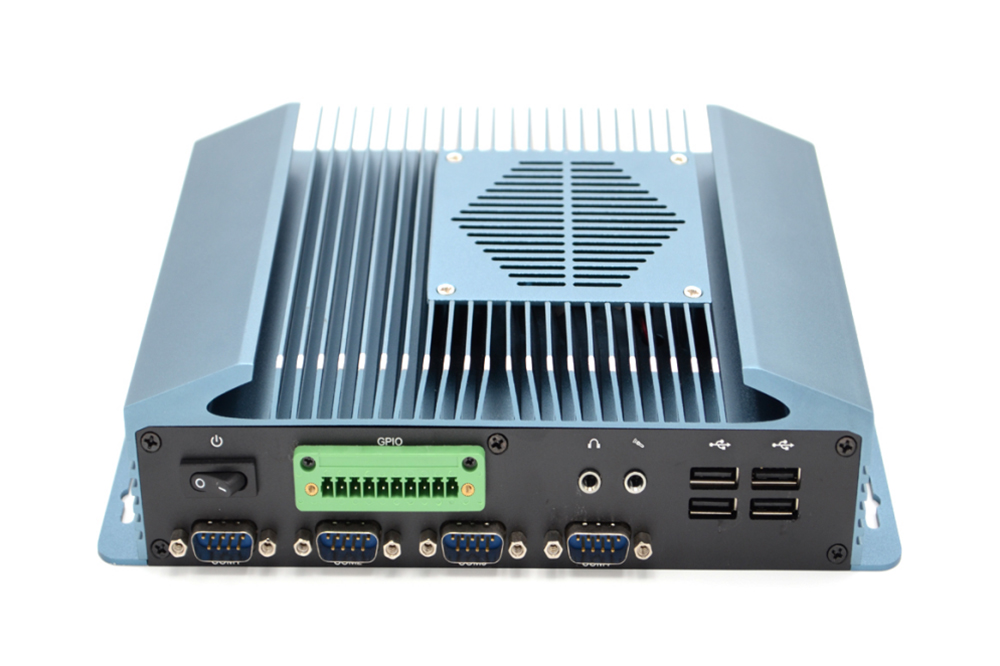
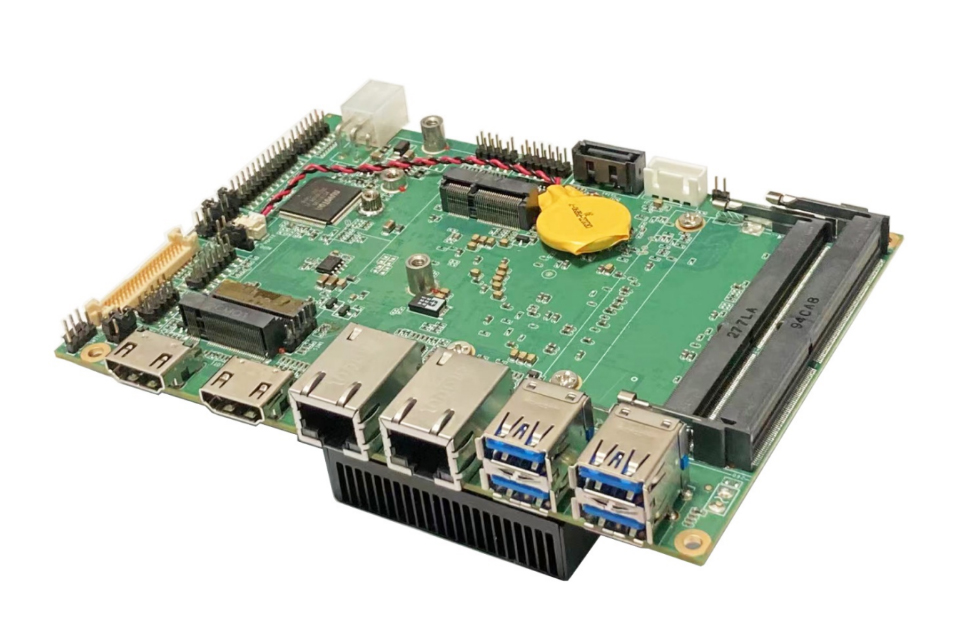
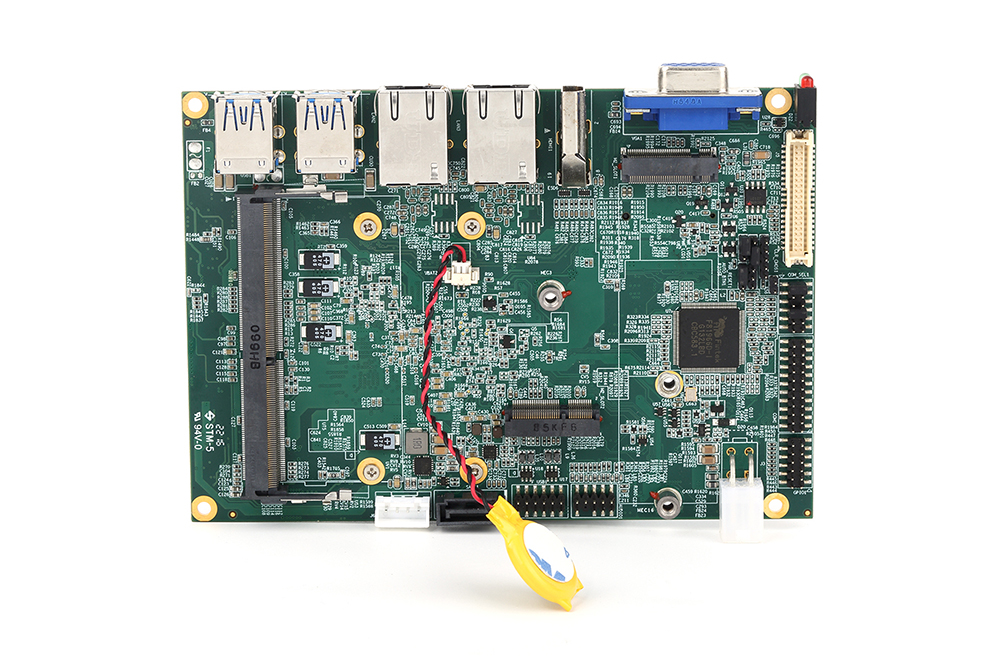
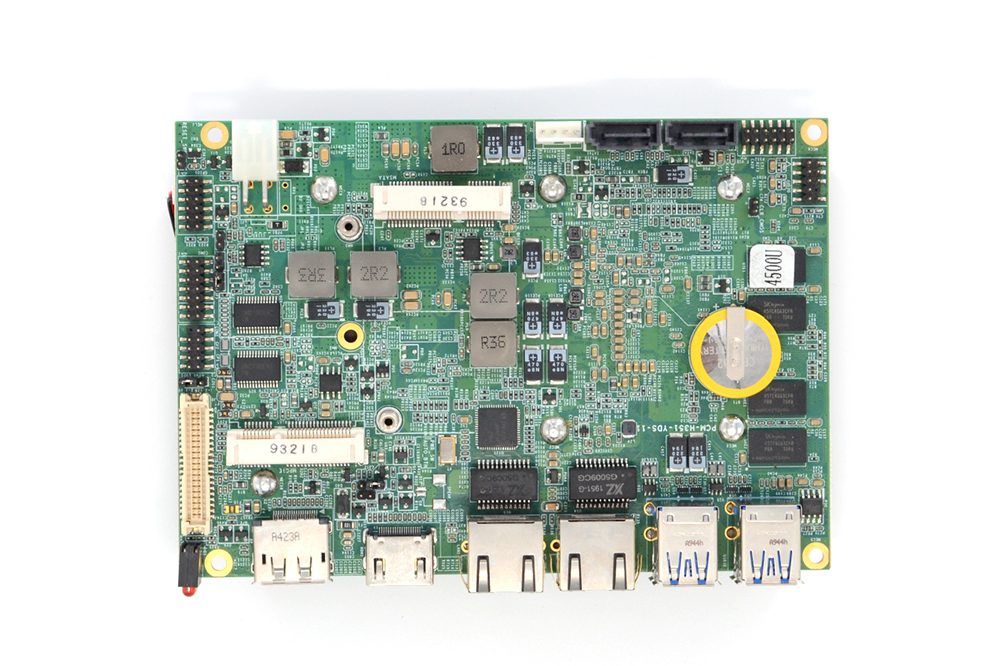
As the modern landscape shifts rapidly toward automation and decentralized smart interfaces, the deployment of outdoor smart terminals, interactive kiosks, and Human-Machine Interfaces (HMIs) has grown exponentially. From high-altitude smart city displays to rugged industrial terminals in freezing arctic ports, these systems must operate continuously under harsh environmental conditions. At the heart of these robust outdoor displays lies a specialized component: the low temp tolerance motherboard.
Standard consumer-grade electronics are designed to operate within a narrow temperature range, typically 0°C to 40°C. When exposed to sub-zero temperatures, standard motherboards experience component contraction, clock frequency instability, capacitor degradation, and cold-boot failures. To counter these challenges, industrial-grade wide-temperature motherboards are engineered to withstand extreme thermal fluctuations, ensuring 24/7/365 operational reliability for outdoor displays and smart terminals.
Industrial Insight: A low temp tolerance motherboard is not merely a standard board with upgraded components; it represents a comprehensive engineering approach involving thermal-simulated PCB layouts, specialized solid-state capacitors, wide-temp power delivery architectures, and advanced conformal coatings to mitigate condensation risks.
The global demand for rugged outdoor terminals is driven by several key commercial and industrial trends:
One of the most significant challenges in low-temperature environments is the "cold boot." When an electronic system is powered off in sub-zero temperatures, the physical properties of the silicon and passive components change. Standard capacitors lose capacitance, and integrated circuits may fail to initialize properly due to timing shifts. Industrial motherboards utilize specialized low-temperature components and custom BIOS/UEFI configurations that allow the system to warm up safely or initialize reliably even at temperatures as low as -40°C.
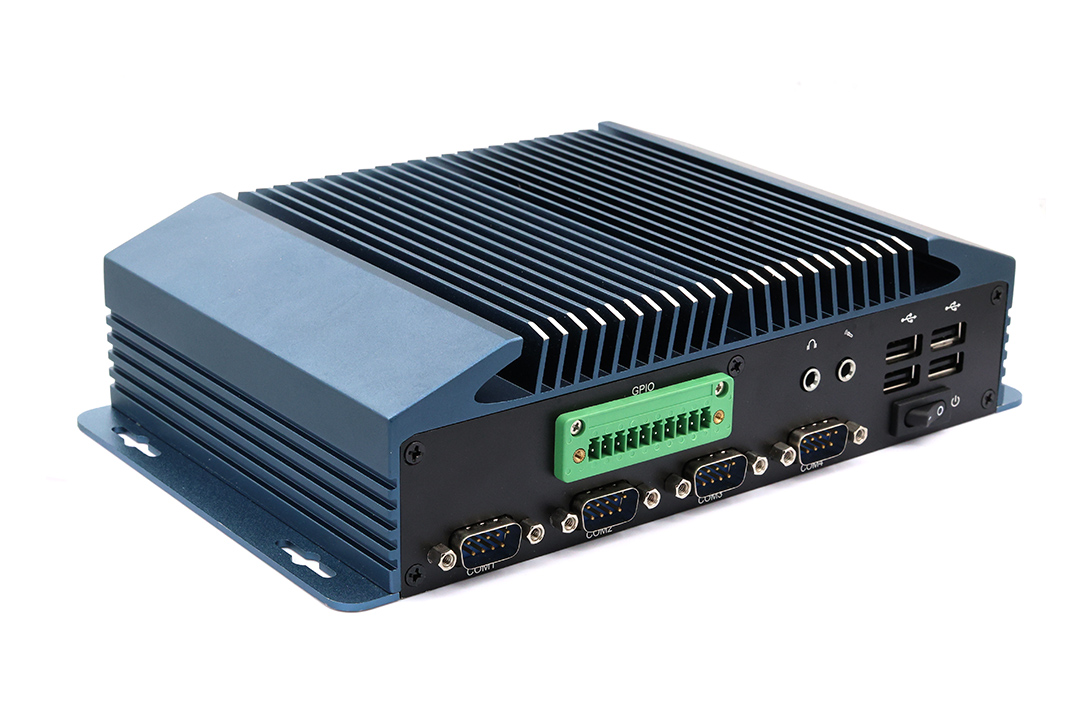
Moving parts like cooling fans are primary points of failure, especially in outdoor environments where dust, moisture, and freezing air can seize bearings. A fanless design is essential for longevity. Low temp tolerance motherboards are engineered with optimized thermal layouts, placing high-heat components (such as the CPU and power phases) in positions where they can easily transfer heat to a passive heatsink or the metal chassis of the HMI enclosure.
When temperatures cycle between freezing nights and warmer days, condensation can form on the surface of the motherboard, leading to short circuits and corrosion. To prevent this, industrial HMI motherboards are designed to support conformal coatings (such as acrylic, polyurethane, or silicone). These thin protective films seal the components against moisture, dust, and chemical contaminants without hindering heat dissipation.
-40°C to 75°C stable operation
Zero moving parts for maximum MTBF
Conformal coating compatibility
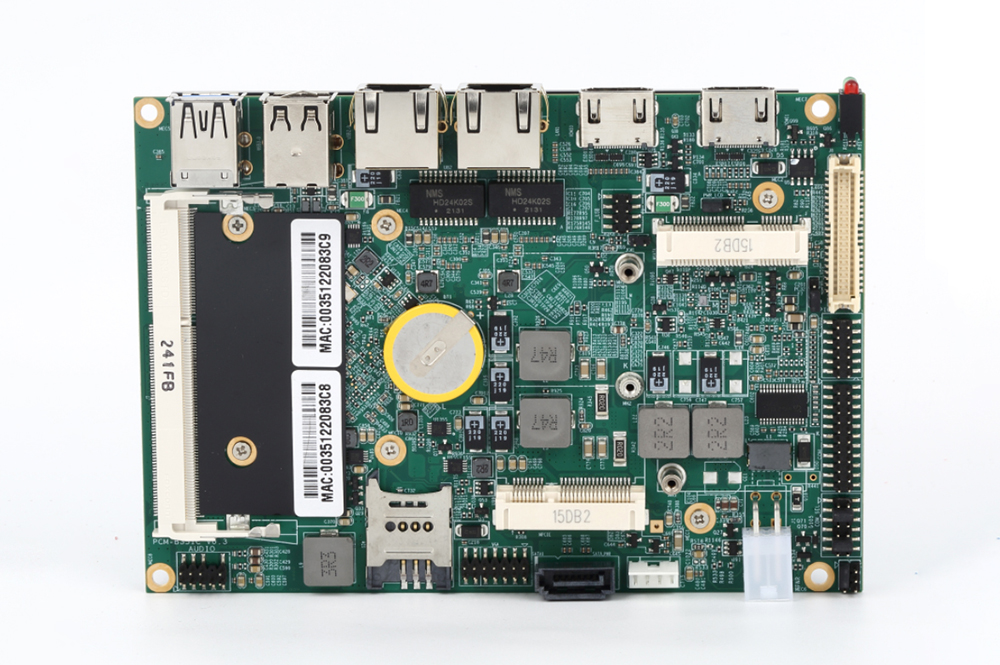
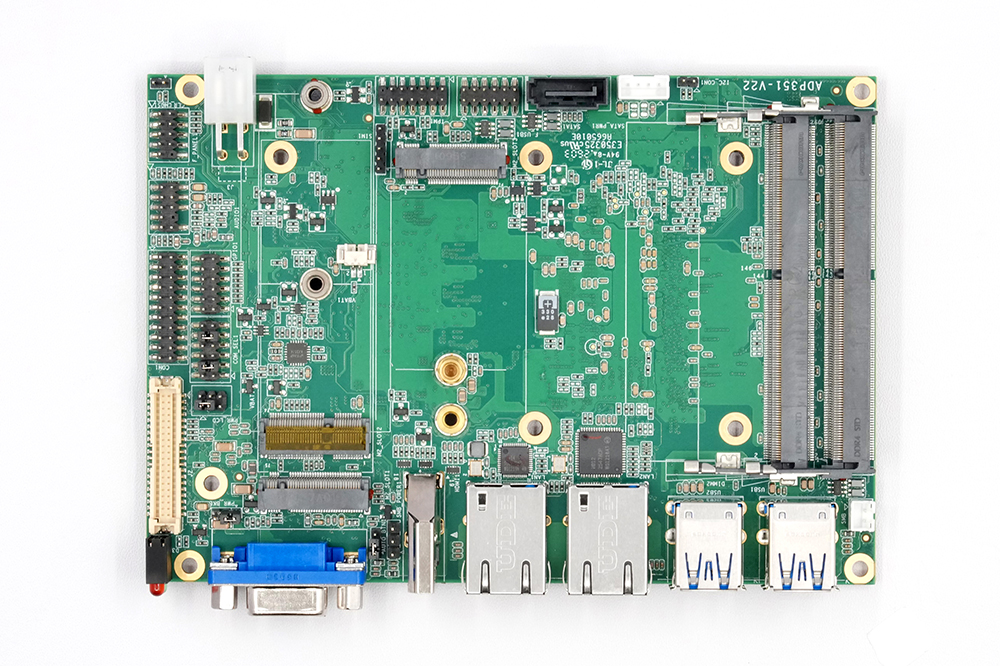
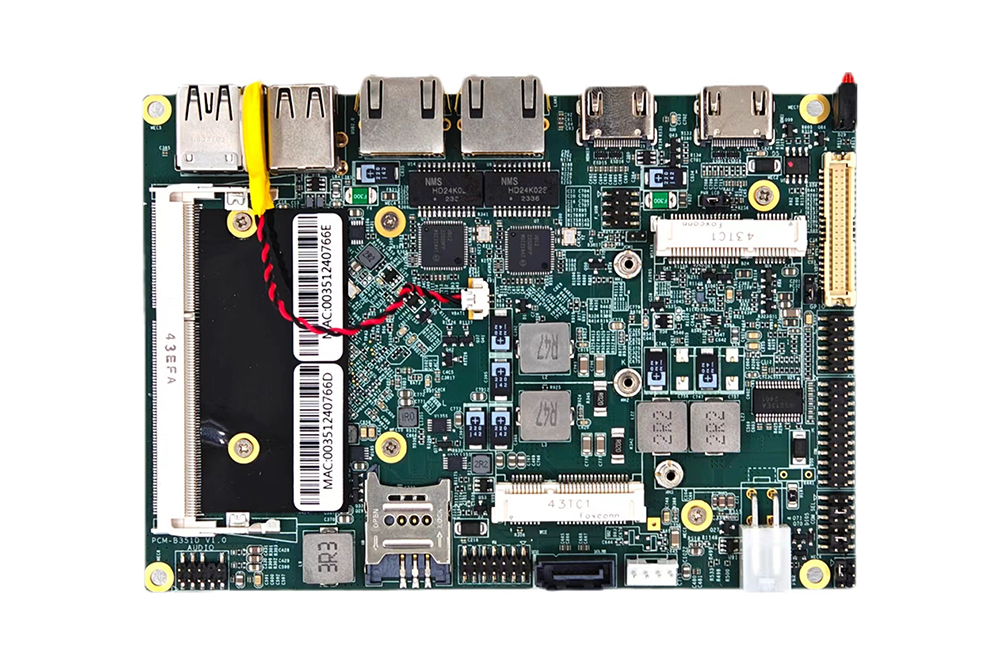
Dual LAN, COM, GPIO, and multi-display
Modern EV charging stations are often located in open-air parking lots exposed to rain, snow, and extreme sub-zero temperatures. These terminals require a high-brightness outdoor display to guide users through the charging process, process payments, and display advertising. A low temp tolerance motherboard ensures that the display driver, touch sensor interface, card reader, and cellular modem remain online, even when ambient temperatures drop to -30°C in winter. The reliability of the motherboard directly impacts the kiosk's uptime, customer satisfaction, and maintenance costs.
In open-pit mining, oil fields, and marine shipping docks, HMIs are used to monitor and control heavy machinery. These environments subject electronics to extreme vibration, dust, and extreme cold. A 3.5-inch wide-temperature SBC with rich industrial interfaces (such as RS-232/485, CAN bus, and isolated GPIO) provides the necessary processing power and durability. The motherboard’s ability to survive continuous mechanical shock and thermal cycling is critical to preventing costly operational downtime.
Toll booths, speed cameras, and electronic road signs are deployed in highly exposed overhead gantries. During winter, these devices must process real-time video analytics and communicate with central traffic control networks. Low-temperature resistant motherboards equipped with high-performance Intel Core processors enable edge AI inference for license plate recognition and vehicle tracking without requiring active cabinet heating systems, reducing overall energy consumption and installation costs.
Shenzhen YDSTECH Electronics Co., Ltd. is a high-tech enterprise specializing in industrial computers. Since the establishment of YDSTECH in 1999, we have been committed to independent research and development, innovation, production and sales of industrial computers, and we own the independent intellectual property rights of our core products.
We consider honesty and pragmatism as our motto and make it our long-term goal to provide customers with cost-effective products. In order to achieve this goal, we work constantly to develop new products, improve our service capabilities and promote the innovation of embedded computer applications to create long-term value and potential growth for our customers.
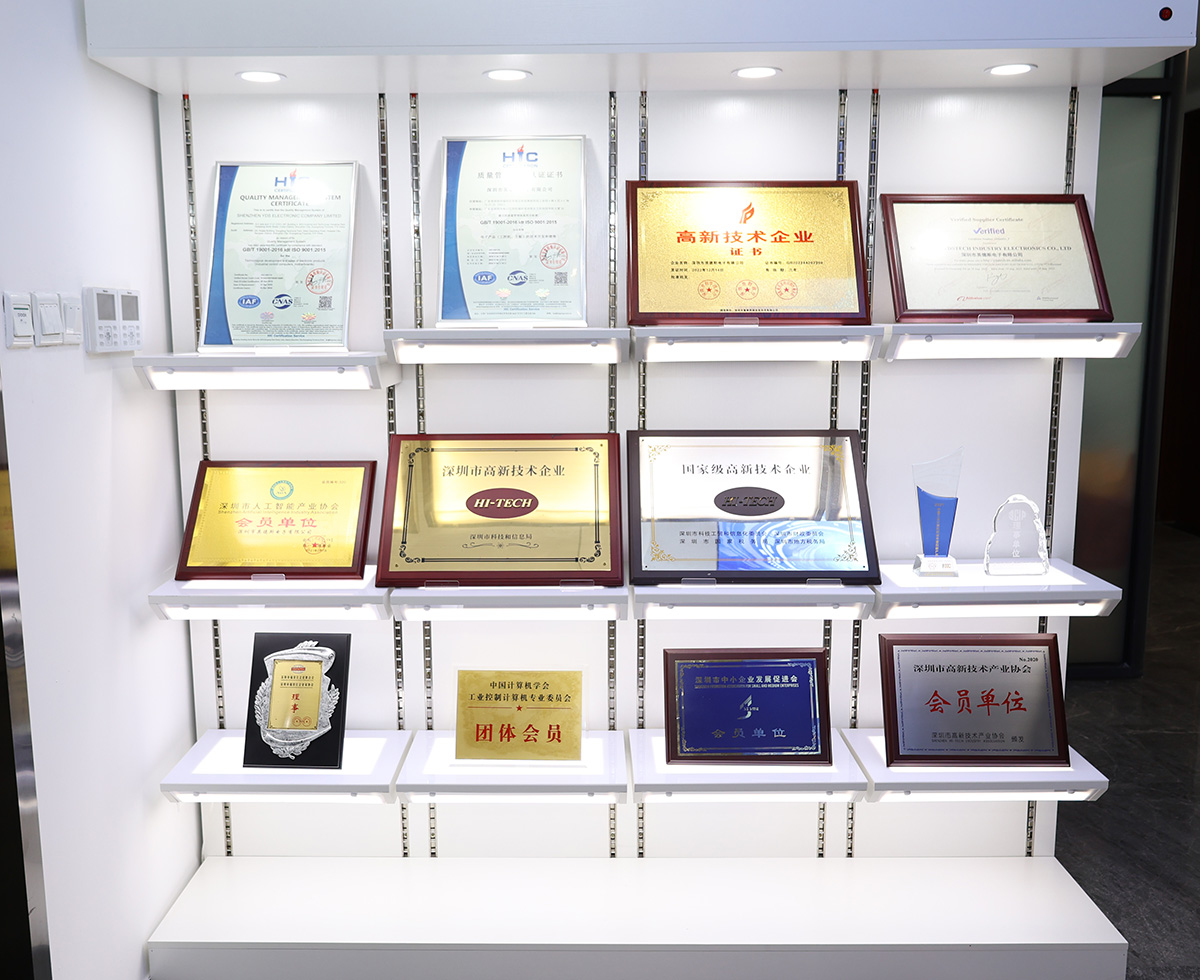
Our commitment to quality is backed by international certifications and active participation in industry associations.
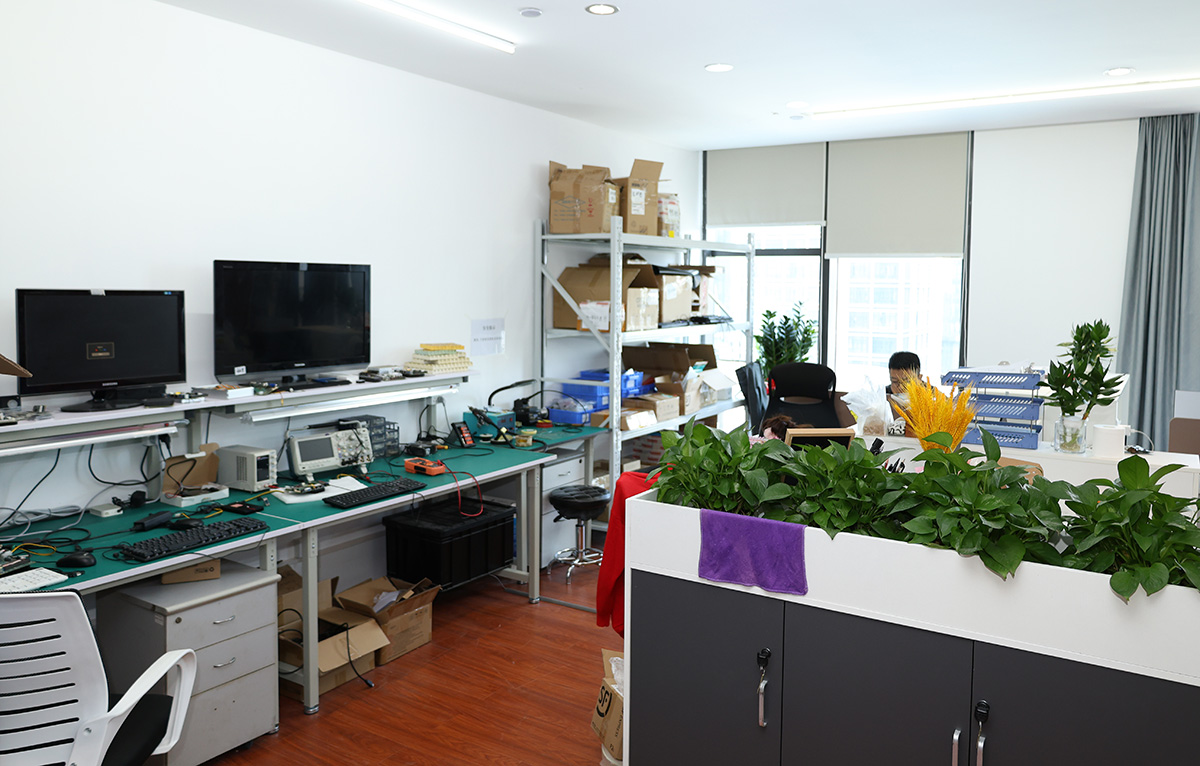
Our core technical team has over 15 years of experience in this industry, and has been focusing on embedded computer research and development, with rich and solid professional expertise. We believe that attitude means everything, since the establishment of YDSTECH, we have always been committed to work with a conscientious, responsible, attentive, professional, prudent and meticulous attitude, which ensures the high-quality output of the products, years of persistence and experience created our strong R&D team.
YDSTECH has set up a comprehensive quality assurance management system, adopting MSA quality system analysis, implementing rolling quality system audit, TQM, SPC process control and other quality management systems, establishing AVL supplier management system to ensure the quality of raw materials, and introducing rolling product reliability tests to ensure overall product reliability.
Explore our full range of low temp tolerance motherboards and fanless industrial computers designed for outdoor HMI and smart terminal displays.