Leave Your Message
Ultra-compact, energy-efficient, and thermally engineered computing cores for next-generation automated robotics
Overcoming thermodynamic and computational boundaries in next-generation automated material handling and extreme edge environments
The global acceleration of smart manufacturing, unmanned warehousing, and intelligent logistics has fundamentally transformed the physical deployment environments for automated guided vehicles (AGVs), autonomous mobile robots (AMRs), and industrial control appliances. While conventional industrial motherboards operate satisfactorily within standard commercial ranges (0°C to 50°C), modern supply chains increasingly demand uninterrupted robotic operation within deep-freeze cold storage facilities (-25°C to -35°C), sub-zero alpine logistics corridors (-40°C), polar marine ports, and unheated outdoor industrial automation plants.
In cold chain pharmaceutical storage and food logistics, automated storage and retrieval systems (AS/RS) and automated forklifts must run 24/7 without electronic failure. In sub-zero conditions, commercial-grade electronics experience significant clock drift, severe component embrittlement, electrolytic capacitor freezing, and erratic cold-boot initialization failures. A low temp tolerance motherboard purpose-built for industrial automation and AGV robot control is no longer a luxury—it is the foundational compute core that prevents catastrophic fleet halts, reduces mean-time-to-repair (MTTR), and guarantees real-time deterministic path planning and safety-critical execution.
Instantaneous cold ignition at -40°C without requiring auxiliary internal heaters. Optimized power distribution networks (PDN) prevent voltage sag during high-torque motor startup.
Tolerates heavy electrical transient spikes and ripple noise induced by dynamic AGV battery charging systems, regenerative braking, and heavy industrial servo actuators.
Specialized nano-coating prevents micro-short circuits when AGVs transition rapidly from freezing cold rooms (-30°C) to warm ambient loading docks (+25°C).
Tailored architectural integration across demanding mission-critical deployments
In modern biopharmaceutical vaccine vaults and frozen food distribution hubs, temperatures are permanently held between -20°C and -35°C. Human labor in such environments is hazardous and cost-prohibitive. Autonomous pallet lifters, shuttle AGVs, and sorting bots powered by low-temperature x86 motherboards handle complex SLAM navigation, 3D LiDAR point cloud processing, and wireless warehouse management system (WMS) synchronization without thermal throttling or thermal shock degradation.
Autonomous transport trucks and outdoor AGVs operating in high-latitude regions (such as Northern Europe, Canada, and Northern China) face ambient winter temperatures plummeting past -30°C coupled with constant physical shock and vibration. Low-temperature tolerant embedded motherboards with solid-state tantalum capacitors, lockable I/O headers, and M.2 NVMe storage survive aggressive ground impacts while maintaining continuous control loop execution.
High-voltage power grid inspection robots patrol unmanned outdoor transformer substations exposed to blistering blizzards, freezing rain, and severe electromagnetic interference (EMI). Industrial wide-temperature motherboards with multi-channel isolated RS485/CAN bus interfaces and dedicated hardware watchdog timers provide bulletproof reliability for telemetry, infrared thermal scanning, and automated anomaly detection.
In industrial freezer manufacturing lines or cryogenic liquid processing facilities, quality inspection cameras require local AI inference capabilities. Integrating low-power wide-temp Intel Core and Elkhart Lake platforms enables real-time edge neural network processing, ensuring immediate identification of packaging faults, barcode reading, and optical alignment without remote server latency.
How low-temp tolerance is achieved from semiconductor selection to mechanical dissipation
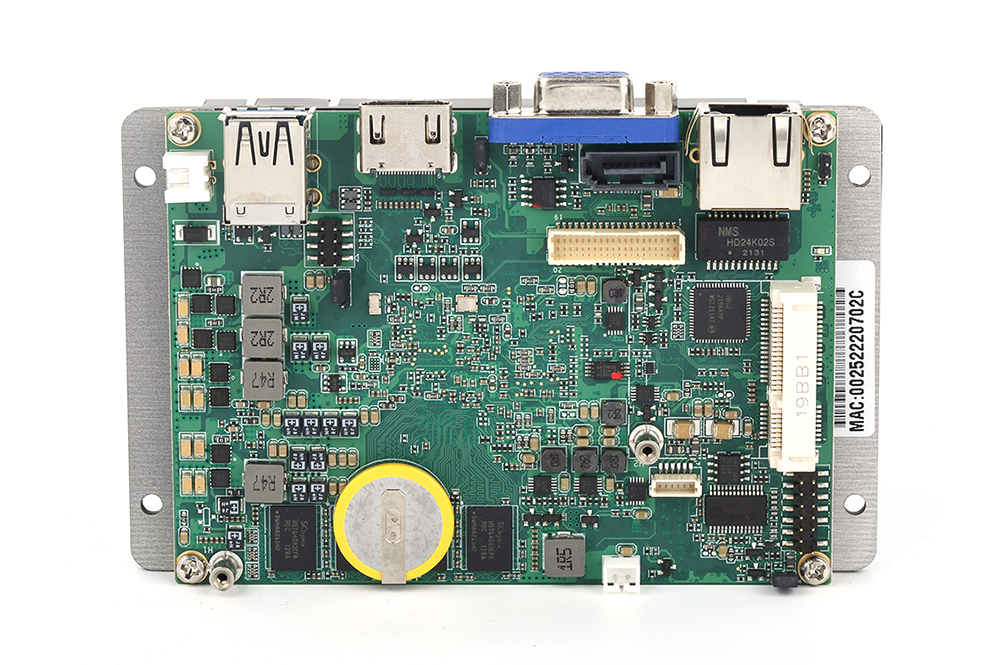
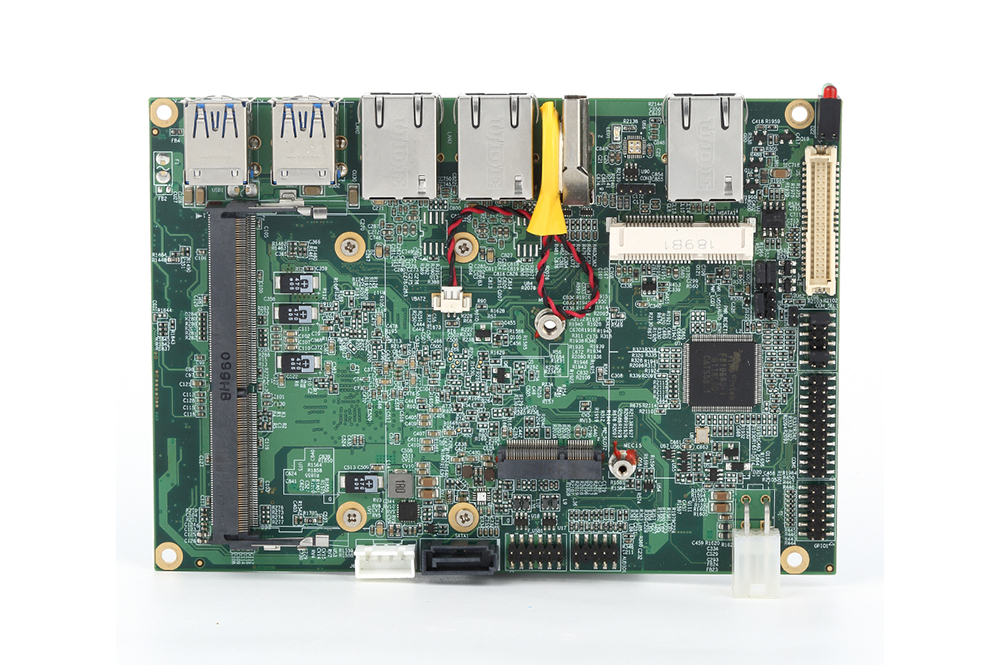
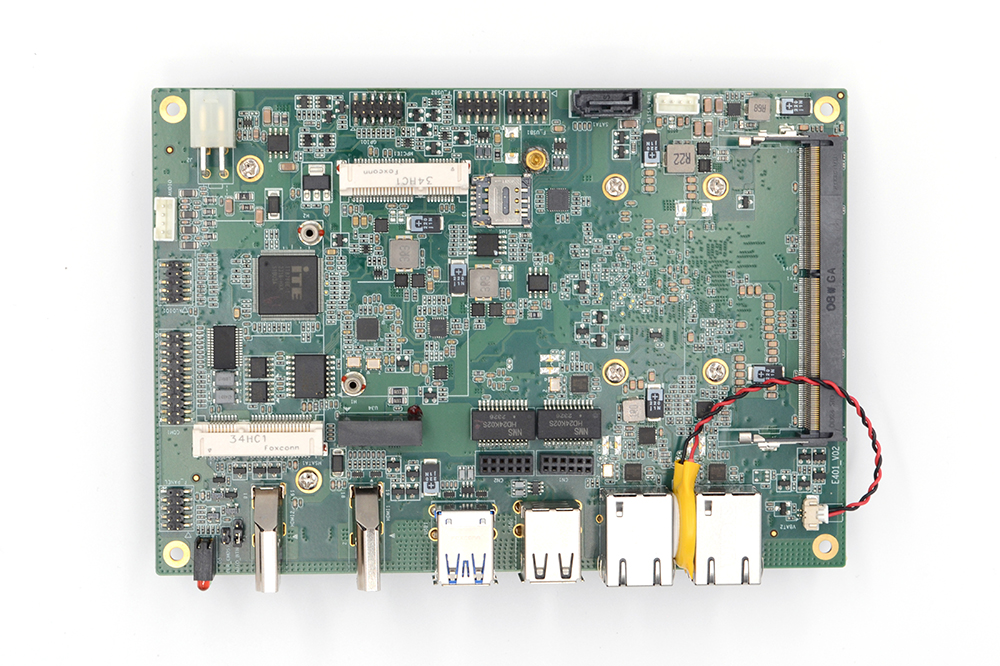
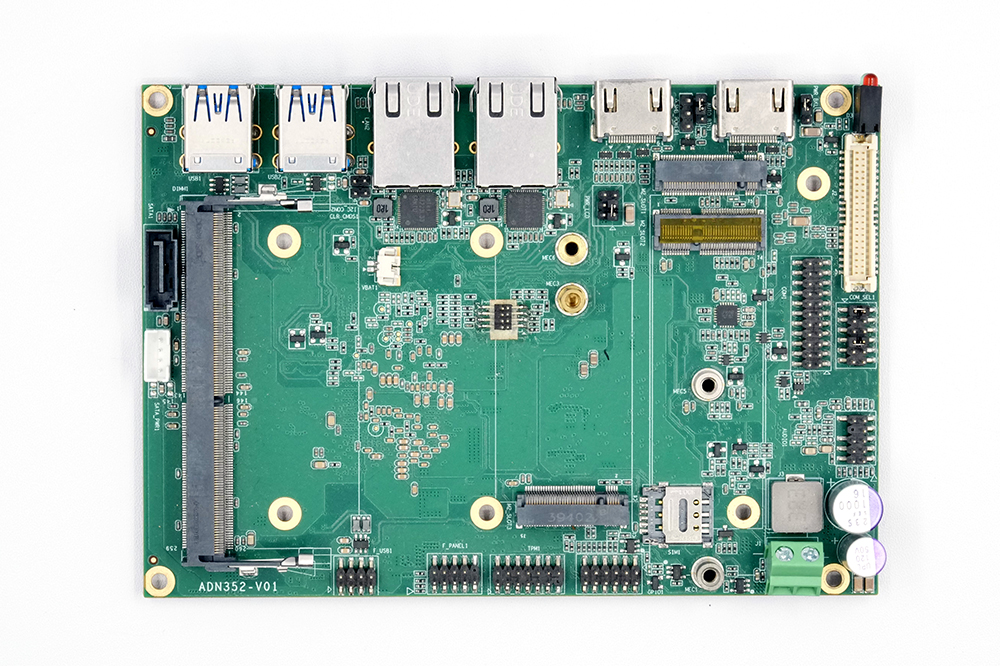
Achieving uncompromising low-temperature tolerance demands an exhaustive, ground-up hardware engineering methodology. Standard commercial motherboards employ liquid electrolytic capacitors, consumer-grade clock oscillators, and FR-4 PCBs prone to micro-delamination under thermal contraction. In contrast, our industrial-grade low-temperature motherboard architectures integrate:
Every active and passive component—ranging from voltage regulator modules (VRMs), clock generators, and power MOSFETs to PHY transceivers—is strictly selected from industrial bins tested to sustain continuous operation between -40°C and +85°C. Solid tantalum and high-end conductive polymer aluminum capacitors replace wet electrolytes, preventing capacitance collapse in freezing operating temperatures.
Differential thermal expansion and contraction can cause trace shearing, solder ball fatigue on BGA packages, and micro-via cracks. YDSTECH boards utilize high-Tg (Glass Transition Temperature > 170°C) PCB materials with 8-to-12 layer balanced stackups and optimized copper balancing, mitigating planar mechanical stress during extreme thermal cycling (-40°C ⇄ +85°C).
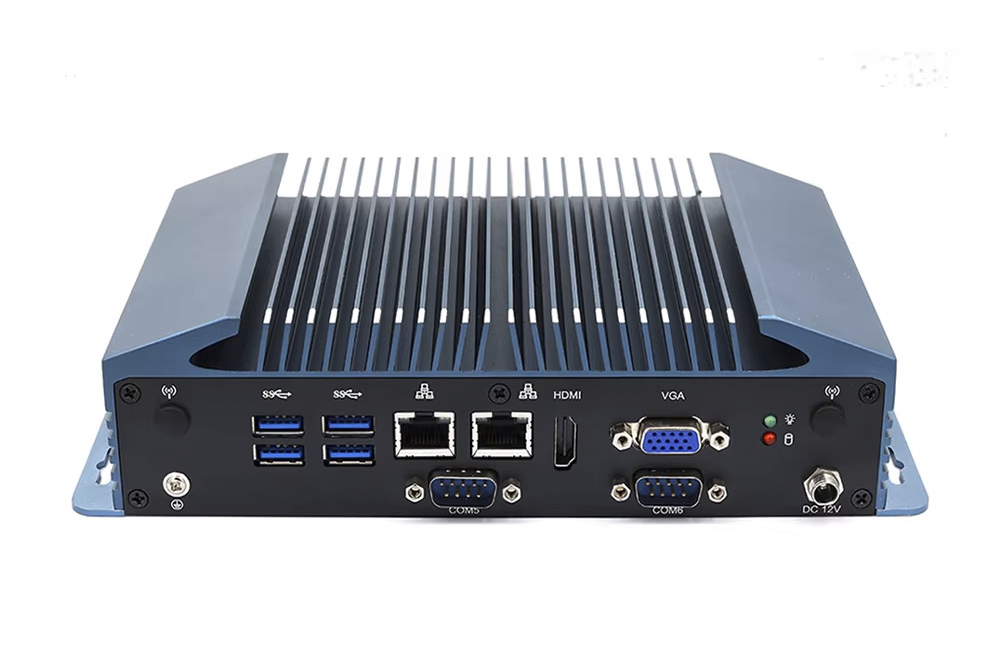
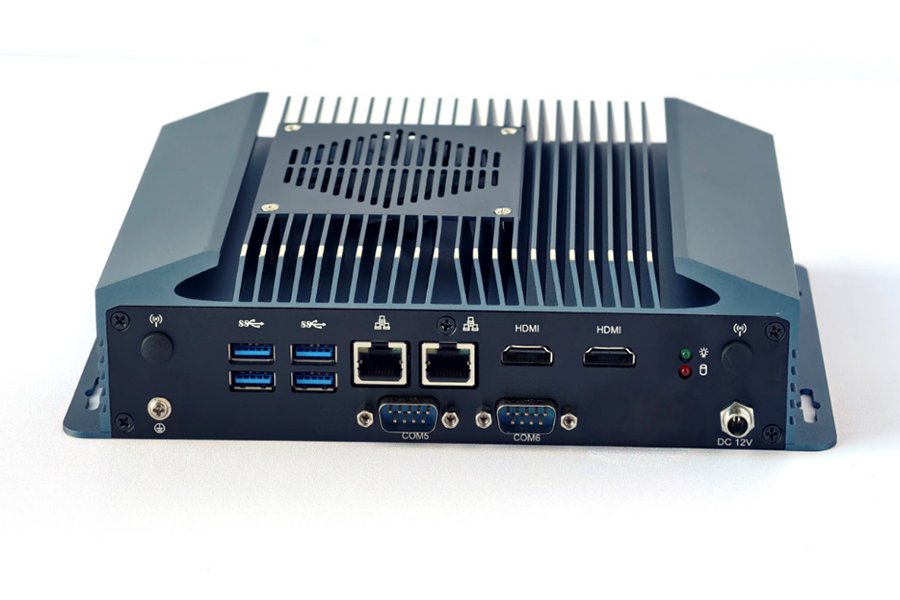
AGV and robotic motion control requires low-jitter communication with motor drives, steering encoders, safety laser scanners, and lift mechanisms. Equipped with dual or quad Intel Gigabit/2.5GbE Ethernet controllers supporting Time-Sensitive Networking (TSN), multiple isolated RS232/422/485 serial interfaces, CAN 2.0B/CANopen buses, and expandable 4G/5G/Wi-Fi 6 modules, our mainboards ensure ultra-reliable distributed control.
Industry-leading pioneer in independent R&D, innovation, and production of embedded industrial computing hardware
Shenzhen YDSTECH Electronics Co., Ltd. is a high-tech enterprise specializing in industrial computers. Since the establishment of YDSTECH in 1999, we have been committed to independent research and development, innovation, production and sales of industrial computers, and we own the independent intellectual property rights of our core products.
We consider honesty and pragmatism as our motto and make it our long-term goal to provide customers with cost-effective products. In order to achieve this goal, we work constantly to develop new products, improve our service capabilities and promote the innovation of embedded computer applications to create long-term value and potential growth for our customers.
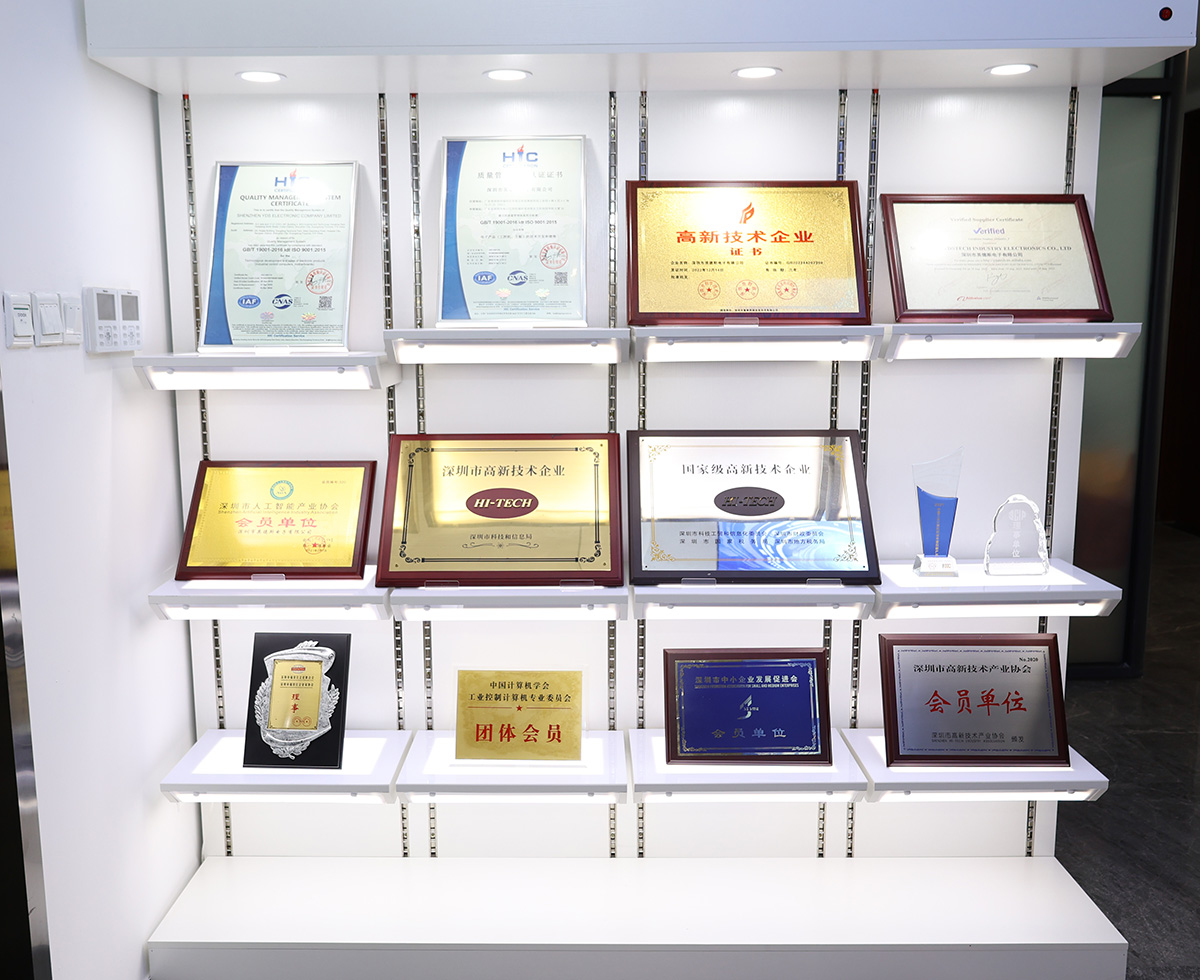
Our core technical team has over 15 years of experience in this industry, and has been focusing on embedded computer research and development, with rich and solid professional expertise. We believe that attitude means everything, since the establishment of YDSTECH, we have always been committed to work with a conscientious, responsible, attentive, professional, prudent and meticulous attitude, which ensures the high-quality output of the products, years of persistence and experience created our strong R&D team.
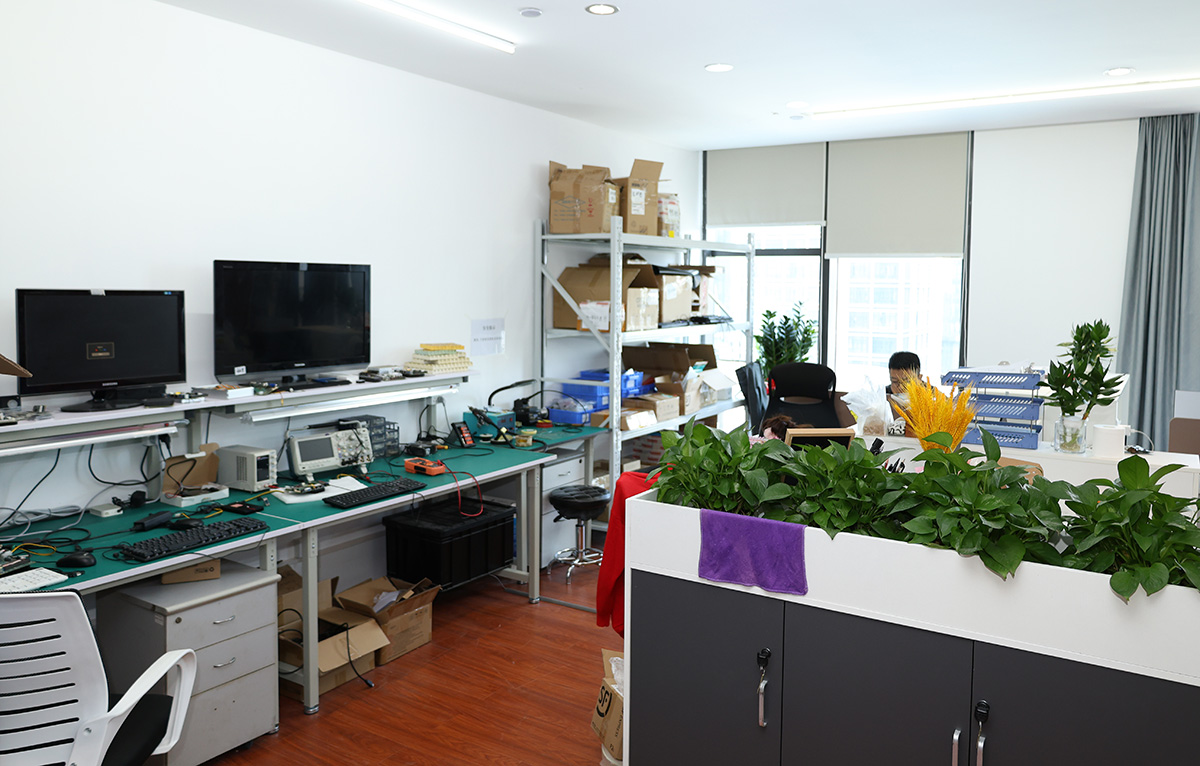
YDSTECH has set up a comprehensive quality assurance management system, adopting MSA quality system analysis, implementing rolling quality system audit, TQM, SPC process control and other quality management systems, establishing AVL supplier management system to ensure the quality of raw materials, and introducing rolling product reliability tests to ensure overall product reliability.
Each low-temperature industrial motherboard undergoes strict climate chamber temperature cycling (-40°C to +85°C), high-acceleration vibration screening (HASS/HALT), continuous burn-in testing under dynamic workload simulations, and conformal coating thickness verification before deployment to customer facilities.
Anticipating the next generation of harsh-environment compute architectures
Looking ahead, the convergence of high-density neural compute engines (NPUs), PCIe Gen 4/Gen 5 expansion, and 5G private networks is transforming AGV and industrial robots from simple path-following automated vehicles into fully autonomous cognitive agents. As edge intelligence scales across cold chain, petrochemical, energy, and automated discrete manufacturing, low temp tolerance motherboards will increasingly incorporate heterogeneous compute dies capable of executing multimodal vision-language-action (VLA) models directly on the robotic platform in real-time.
Moreover, predictive health monitoring and embedded hardware telemetry are becoming standard. Onboard microcontrollers actively log real-time junction temperatures, power rail impedances, mechanical vibration levels, and component degradation markers, allowing facility engineers to forecast maintenance cycles before physical failure occurs in sub-zero operational environments.
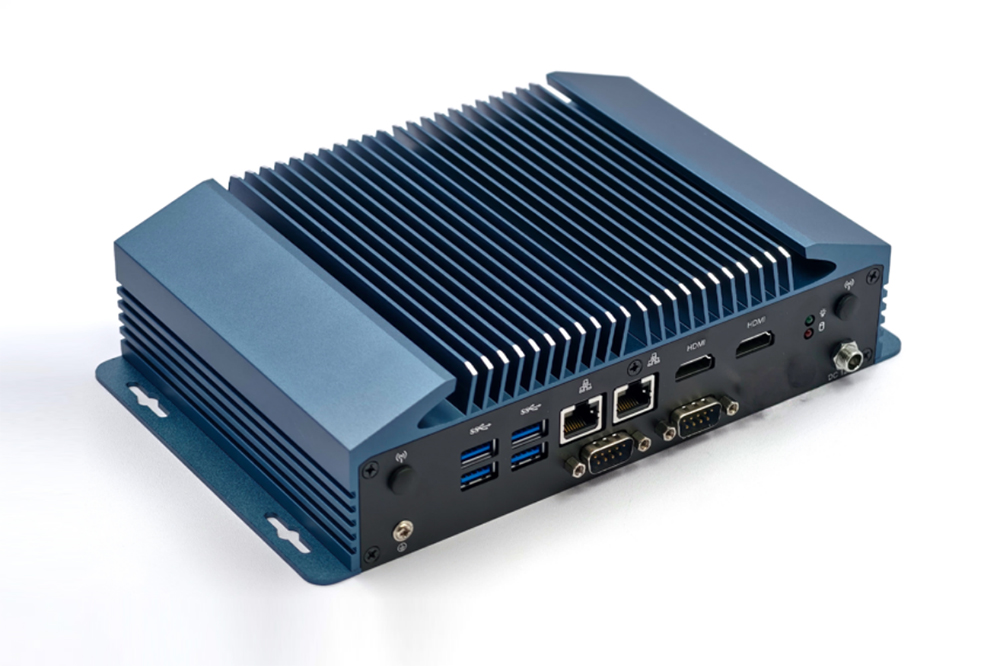
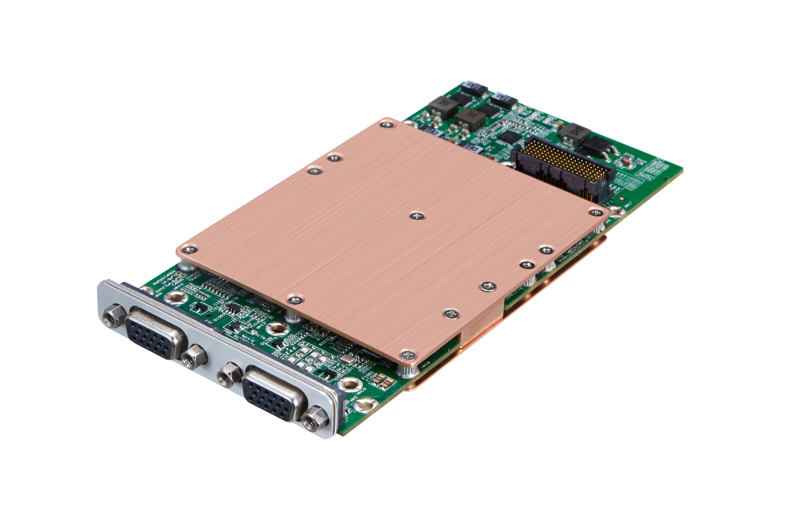
Explore our comprehensive lineup of low-temperature motherboards, embedded box PCs, and specialized GPU cards