Leave Your Message
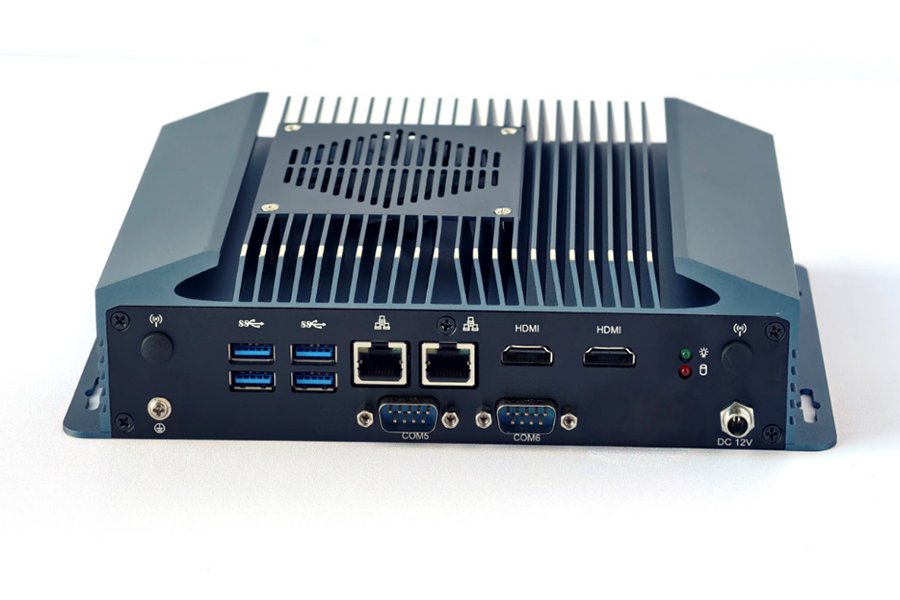
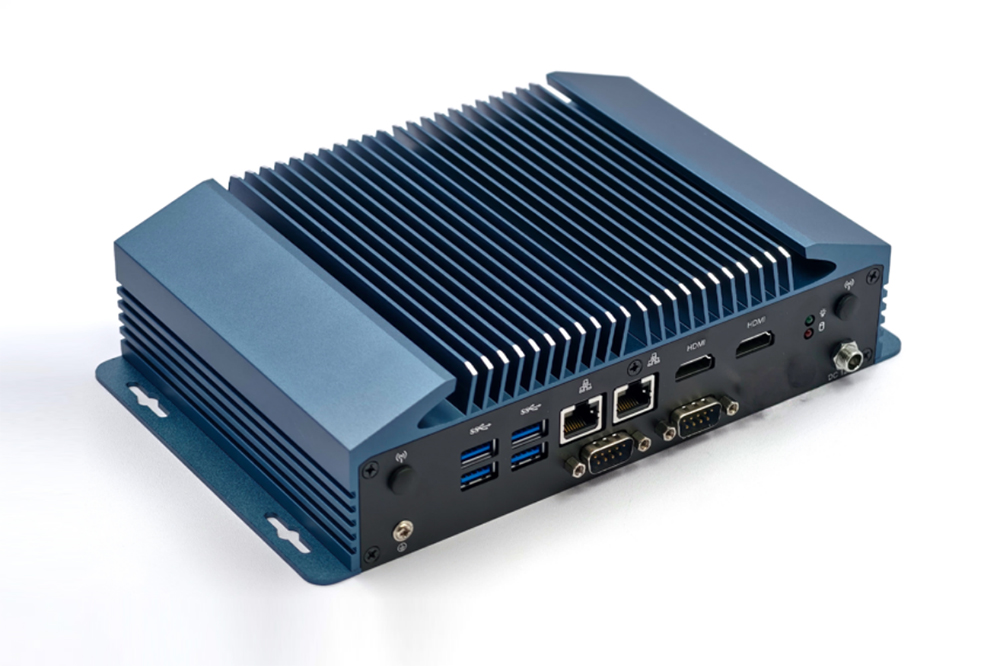
Engineered with industrial grade components, wide-voltage inputs, and conformal protection for immediate deployment in severe low-temperature applications.
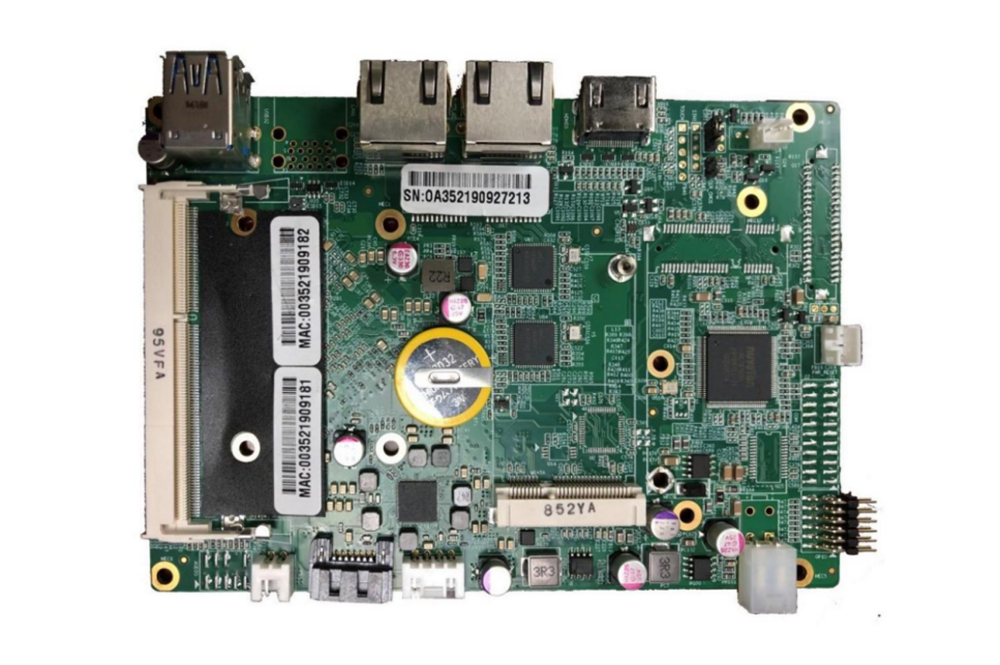
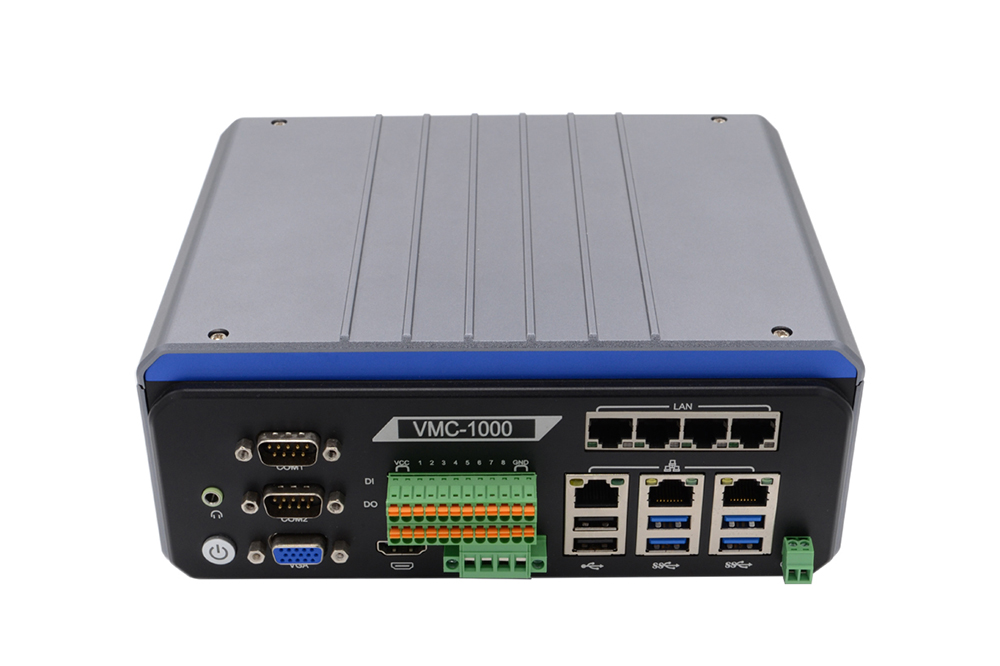
Commercial hardware falters when temperatures drop below freezing. Discover why engineered low-temperature tolerance is non-negotiable for modern infrastructure.
In standard electronics engineering, thermal management predominantly obsesses over dissipation—expelling high thermal design power (TDP) heat to preserve silicon integrity. However, in critical industrial landscapes such as Arctic meteorological monitoring, sub-zero cold-chain warehousing, aerospace logistics, and high-latitude energy generation, the cold threshold poses an equally devastating, often overlooked operational hazard.
When temperatures drop below zero (-20°C, -40°C, down to -50°C), physical semiconductors encounter radical structural and electrochemical anomalies. Traditional electrolytic capacitors undergo electrolyte solidification, leading to rapid capacitance loss and catastrophic Equivalent Series Resistance (ESR) spikes. Solder alloys become brittle, causing micro-cracking under normal operational vibrations. Furthermore, timing clock oscillators drift drastically, disrupting synchronized serial buses, PCI Express lane handshakes, and high-speed memory channels.
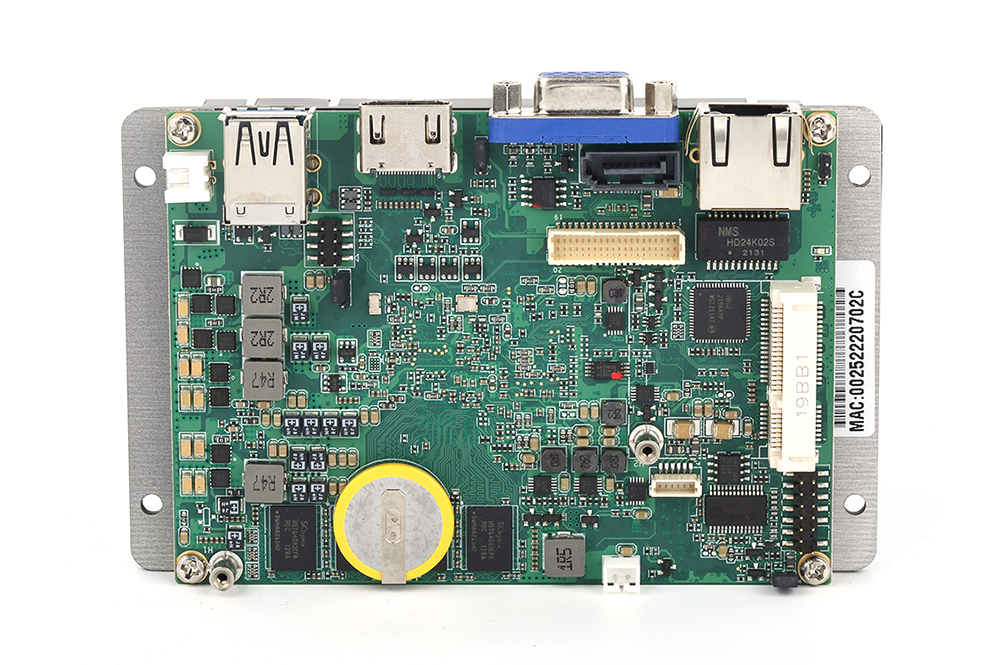
A true Low Temp Tolerance Motherboard is deliberately architecturalized from the bare PCB dielectric substrate up to resist these low-temperature failure modes, guaranteeing cold-boot startup without external pre-heaters.
Starting an x86 architecture at -40°C requires instantaneous surge stabilization. Inrush currents shift exponentially due to cold resistance states across power stages, demanding hardened Voltage Regulator Modules (VRMs) and precision digital PWM controllers designed for harsh environments.
Standard liquid electrolytes freeze solid at -20°C, rendering power rails unstable. YDSTECH motherboards employ exclusively solid-state conductive polymer, high-grade ceramic (MLCC), and specialty tantalum capacitors certified for stable ESR down to -55°C.
Utilizing high-glass transition temperature (Tg > 170°C) FR-4 copper laminates with low CTE (Coefficient of Thermal Expansion), our substrates suppress trace warping and withstand continuous cryogenic-to-high-heat expansion cycles.
Clock drift at low temperatures causes severe system hangs, bit-errors on Gigabit Ethernet, and bus desynchronization. Integrated TCXO oscillators guarantee stable phase jitter and frequency accuracy across wide temperature bounds.
Delving into circuit topology, trace geometry, component qualification, and active conformal barricades.
Engineering a wide-temperature motherboard capable of surviving extreme shifts requires a multi-layered design philosophy. Whether exposed to Siberian oil refineries, Scandinavian wind turbine nacelles, or desert-based solar arrays where nights plummet to sub-zero and afternoons bake in excess of 60°C, thermal cycling fatigue is the leading killer of embedded boards.
The primary point of failure during sub-zero cold start is the DC-DC buck converter. Standard MOSFETs suffer from altered gate-threshold voltages ($V_{th}$) in freezing conditions, causing irregular switching frequencies or fail-to-latch states. Low Temp Tolerance Motherboards utilize automotive-grade (AEC-Q100) or MIL-STD qualified power stage controllers. Inductors are constructed using composite alloy cores that mitigate saturation drop-offs during dense cold operation, ensuring steady 1.05V, 1.8V, and 3.3V core voltages for the central processing unit.
Dielectric constants ($\varepsilon_r$) of printed circuit board base materials fluctuate in wide thermal swings, which disrupts high-frequency differential pairs such as PCIe Gen 4, USB 3.2, and SATA 6Gbps. By standardizing on multi-layer PCBs with optimized copper pour balancing and minimum 30 micro-inch gold plating on critical connector contacts (RAM slots, M.2 sockets, Mini-PCIe pins), oxidation, fretting corrosion, and thermal micro-arcing are effectively neutralized.
| Thermal & Physical Parameters | Commercial Consumer Grade | Industrial Wide-Temp Grade (YDSTECH) |
|---|---|---|
| Operating Temperature | 0°C to +60°C (Unstable near limits) | -40°C to +85°C (True cold start capable) |
| Storage Temperature | -20°C to +70°C | -50°C to +90°C (Extended survivability) |
| Capacitor Technology | Standard Aluminum Wet Electrolytic | Solid Conductive Polymer / High-Temp MLCC |
| PCB Laminate | Standard FR-4 (Tg 130°C - 140°C) | High-Tg (Tg ≥ 170°C) Low CTE Polyimide / Advanced FR-4 |
| Conformal Coating Option | Rarely Supported / Not Offered | IPC-CC-830 Certified Acrylic / Silicone / Parylene |
| Cold Boot Testing | Room temperature verification only | 100% Thermal Chamber Soak & Cold Boot Verification |
A severe by-product of wide temperature operation is the dew point transition. When a motherboard transitions from freezing cold to operational warm states, ambient humidity condenses directly onto copper traces, SMD components, and fine-pitch IC pins. Without protection, this creates galvanic corrosion, electrolytic migration, and devastating short circuits. High-reliability conformal coatings (acrylic, silicone, or polyurethane variants compliant with MIL-I-46058C) form a moisture-impermeable barrier, shielding the bare electronics from frost, dew, chemical vapors, and conductive dust.
Examining field installations across aerospace, smart logistics, energy infrastructure, and industrial vision.
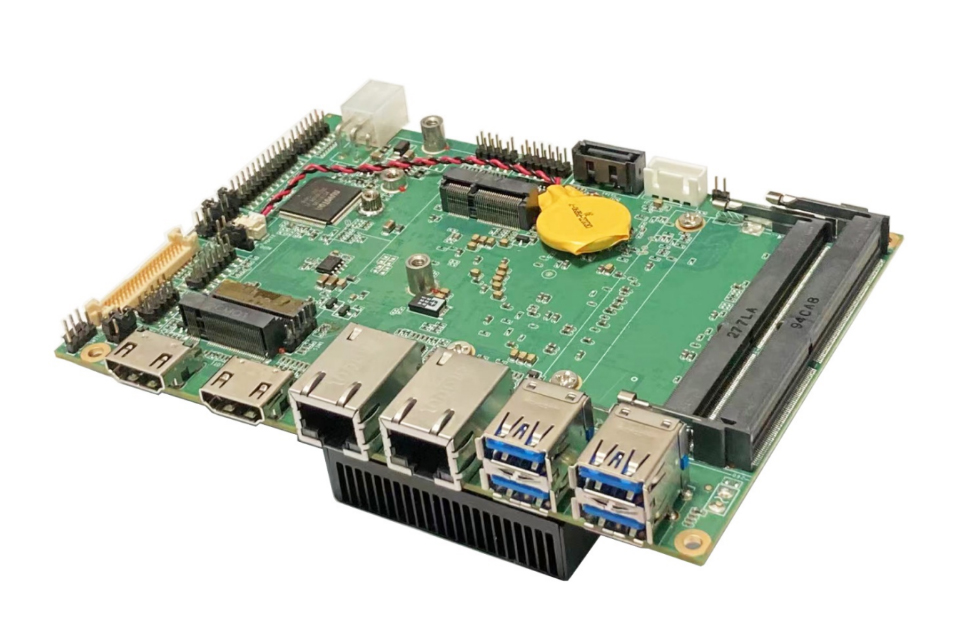
Modern pharmaceutical distribution and flash-frozen food preservation require automated stacker cranes, autonomous mobile robots (AMRs), and edge-sorting vision gateways operating continuously inside deep-freeze facilities maintained at -25°C to -35°C. A typical consumer board will suffer instantaneous freeze-lockups. YDSTECH fanless embedded boards act as the brain of AGVs and sorting carousels, linking via dual Gigabit Ethernet and CAN bus to warehouse management systems (WMS) without ever requiring auxiliary thermal heating jackets.
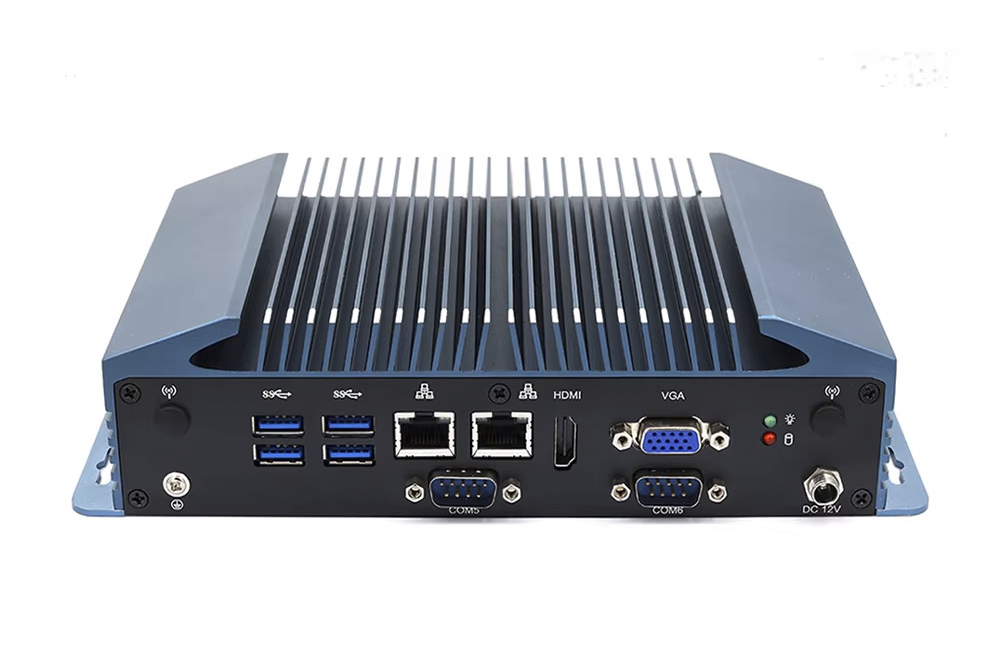
Wind turbine nacelles located in offshore regions, northern steppes, or alpine passes endure violent temperature swings combined with immense vibration and electromagnetic discharge. Supervisory Control and Data Acquisition (SCADA) systems nestled inside the nacelle must manage pitch control, generator RPM telemetry, and power grid synchronization in temperatures plunging to -40°C. Our wide-temperature industrial motherboards integrate robust isolation protection on RS485 and GPIO channels, defending edge nodes against induced surges and electrical noise.
Rolling stock computing is subjected to rigorous EN 50155 requirements, demanding flawless operation amid mechanical shock, continuous vibration, and unconditioned passenger carriage or trackside cabinet environments. In winter conditions across trans-continental railways, trackside video inspection systems and pan-tilt-zoom (PTZ) optical cameras rely on low-temp vision systems like our multi-PoE Fanless Vision Box PC to detect track obstacles, rail deformities, and ice accumulation with zero packet loss.

Permafrost oil drilling rigs and autonomous open-pit haulage trucks operate under relentless, hostile environmental parameters. Systems must process high-definition LiDAR point clouds, machine safety envelopes, and real-time hydraulic metrics. Equipped with rich serial communications (RS232/422/485), multi-LAN, and cellular 4G/5G failover modules, our platforms ensure that telemetry flows steadily back to remote operational centers even during blistering blizzards.
How edge intelligence, heterogeneous architecture, and passive thermodynamic design are rewriting industry boundaries.
The rapid acceleration of Artificial Intelligence is drastically changing edge requirements. Previously, wide-temperature platforms were relegated to low-power, lightweight monitoring tasks running low-frequency x86 or microcontrollers. Today, clients require computer vision, neural-network-driven predictive maintenance, and autonomous decision-making deployed directly in harsh field conditions.
Modern boards integrate 11th, 12th, and 13th Gen Intel Core processors and dedicated Neural Processing Units (NPUs) or MXM/Hailo AI accelerators, bringing real-time object classification to unheated field stations operating down to -40°C.
Vehicular and remote solar systems experience dramatic voltage drops (engine cranking) and surges. Modern boards integrate 9V~36V wide-range DC input with over-voltage, reverse polarity, and surge protection circuits.
With remote harsh environments often lacking wired networking, our motherboards feature M.2 Key B/E slots accommodating multi-carrier 5G NR, Wi-Fi 6E, and satellite telemetry modules for unbroken cloud connectivity.
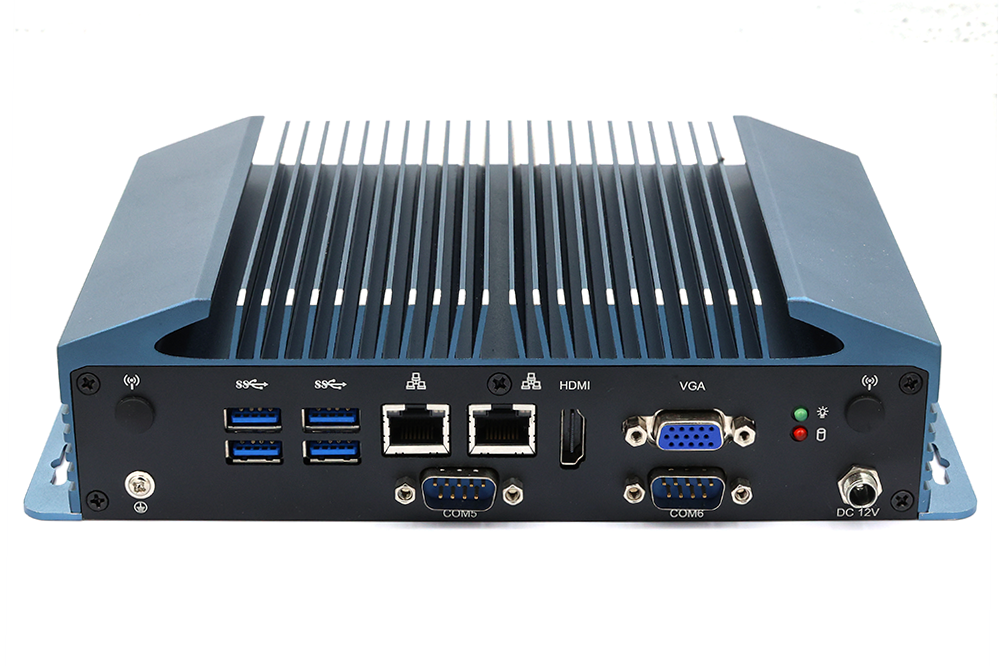
Moving fans are the single most vulnerable mechanical element in extreme cold environments. Fan lubricants freeze and solidify into a viscous sludge at temperatures below -15°C, causing motor seizure, thermal throttling, and subsequent hardware shutdown. YDSTECH champions purely passive, finned-aluminum heat spreading coupled with high-conductivity copper heat pipes. Utilizing Phase Change Materials (PCM) engineered to remain ductile across -40°C to +85°C ensures that thermal interfaces maintain intimate contact with the silicon die, regardless of whether the environment is freezing solid or baking under equatorial sunshine.
Pioneering independent industrial computing and embedded system engineering since 1999.
Shenzhen YDSTECH Electronics Co., Ltd. is a high-tech enterprise specializing in industrial computers. Since the establishment of YDSTECH in 1999, we have been committed to independent research and development, innovation, production and sales of industrial computers, and we own the independent intellectual property rights of our core products.
We consider honesty and pragmatism as our motto and make it our long-term goal to provide customers with cost-effective products. In order to achieve this goal, we work constantly to develop new products, improve our service capabilities and promote the innovation of embedded computer applications to create long-term value and potential growth for our customers.
From custom motherboard layouts, BIOS customization, to ruggedized turnkey box systems, YDSTECH acts as your end-to-end design and manufacturing partner for edge systems operating where standard computers dare not tread.
Validated by national standardization authorities and international quality certifications.
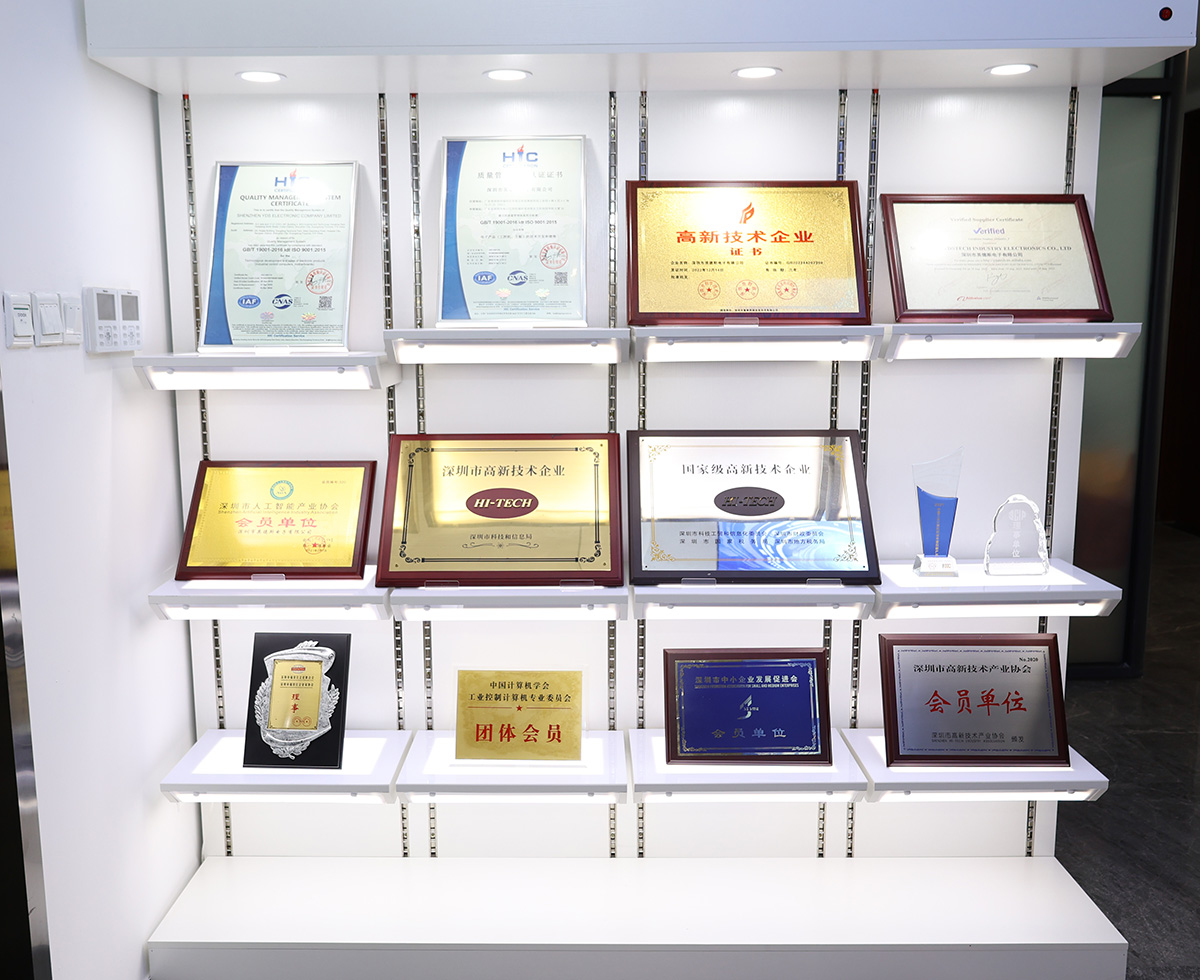
· Certified High-Tech Enterprise
· Shenzhen Software Product And Software Enterprise Evaluation Certified Enterprise
· ISO9001 International Quality System Certified Enterprise
· Member Of Chinese Association Of Automation
· Member Of China Instrumentation Society
· Member Of China Computer Federation
· Director Of Shenzhen Computer Association
· Founding Member Of China Embedded System Industry Alliance
Our core technical team has over 15 years of experience in this industry, and has been focusing on embedded computer research and development, with rich and solid professional expertise. We believe that attitude means everything, since the establishment of YDSTECH, we have always been committed to work with a conscientious, responsible, attentive, professional, prudent and meticulous attitude, which ensures the high-quality output of the products, years of persistence and experience created our strong R&D team.
Our engineering prowess spans schematic design, multi-layer high-frequency PCB routing, BIOS firmware development, signal integrity validation, and custom low-temperature stress testing chambers, ensuring that every production iteration functions flawlessly from day one.
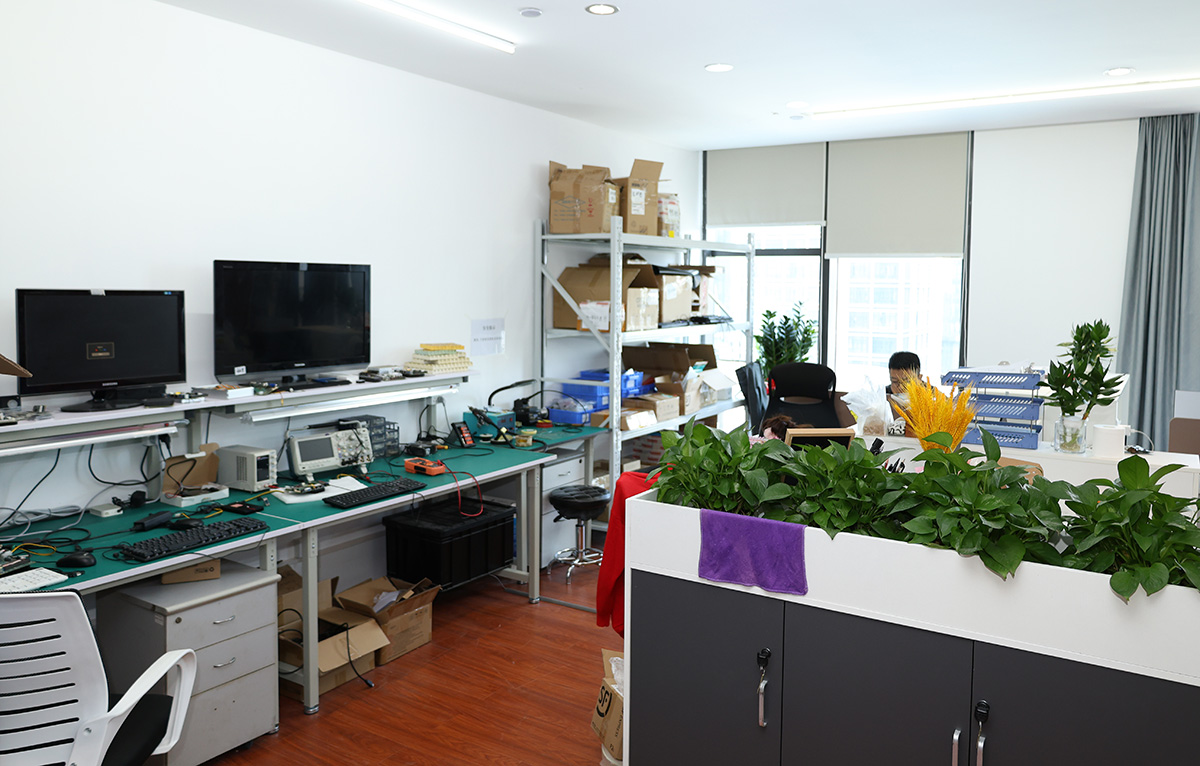
Stringent multi-tier verification ensuring long MTBF across rugged deployments.
YDSTECH has set up a comprehensive quality assurance management system, adopting MSA quality system analysis, implementing rolling quality system audit, TQM, SPC process control and other quality management systems, establishing AVL supplier management system to ensure the quality of raw materials, and introducing rolling product reliability tests to ensure overall product reliability.
Real-time data collection across every SMT assembly line ensures that manufacturing variances are identified and resolved before products enter final thermal soak screening.
Approved Vendor List (AVL) parameters restrict component sourcing exclusively to authentic, tier-one manufacturers whose chips and passives match strict low-temp operating criteria.
Motherboards endure cyclic thermal shock (-40°C to +85°C), 24-hour full-load burn-in chambers, multi-axis harmonic vibration tests, and humidity stress testing to guarantee field reliability.
Explore our complete portfolio of wide-temperature x86 boards, fanless compact computers, and edge vision systems.