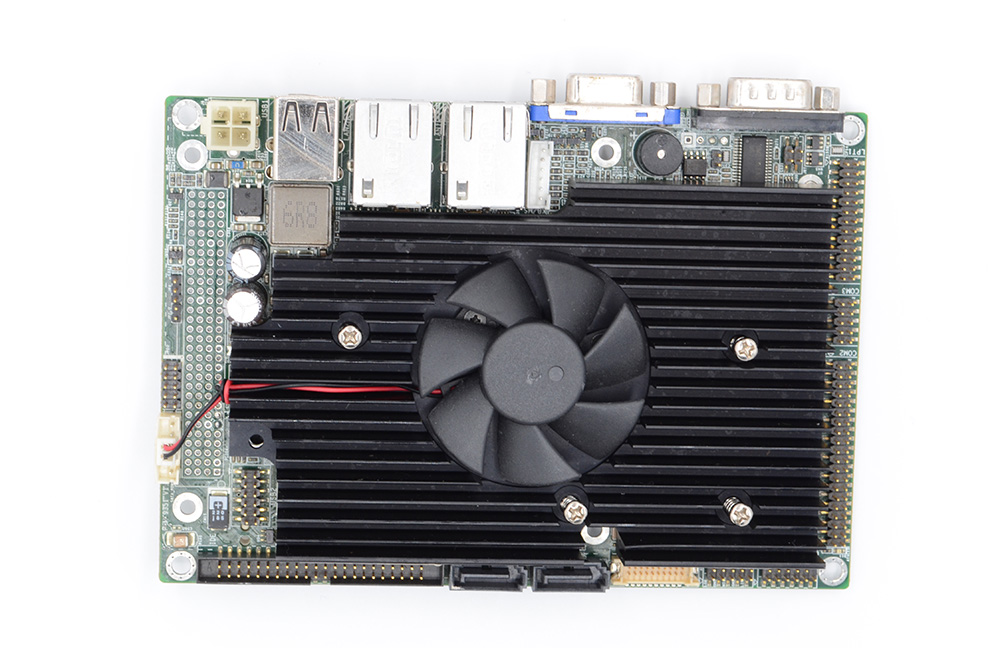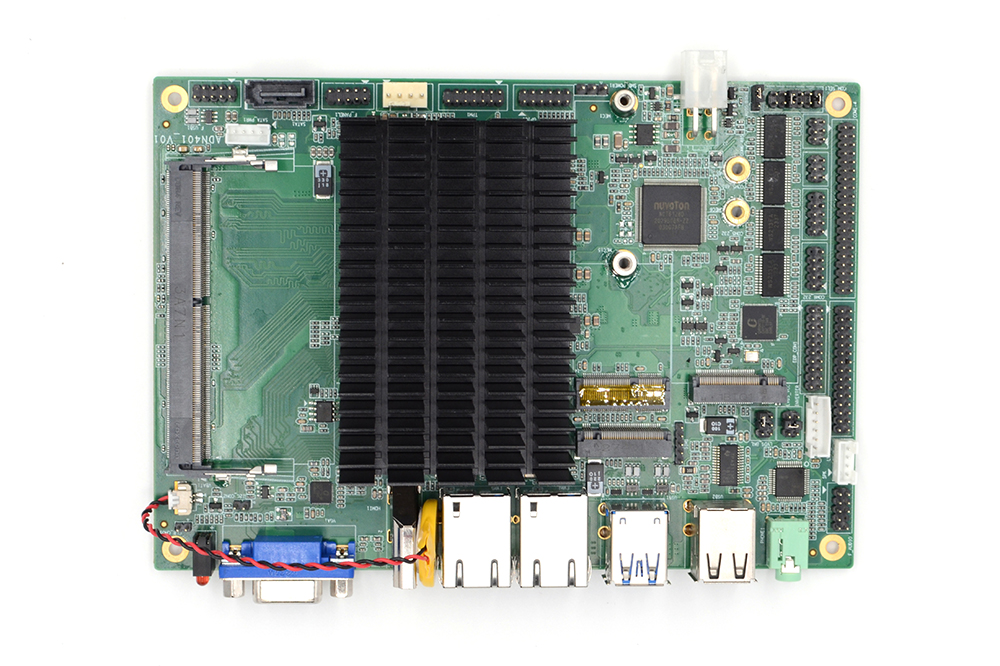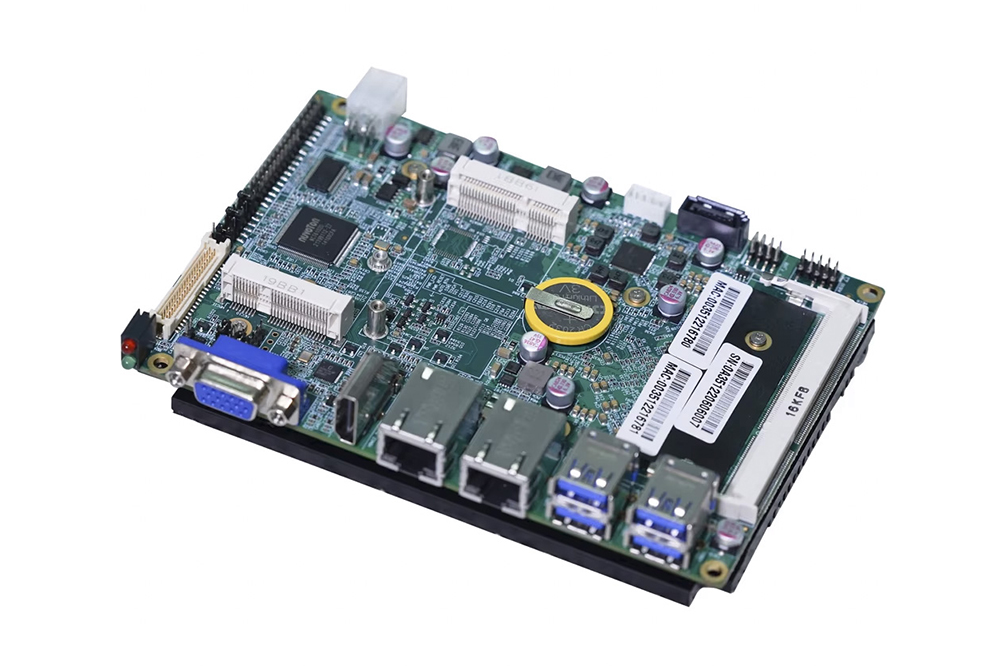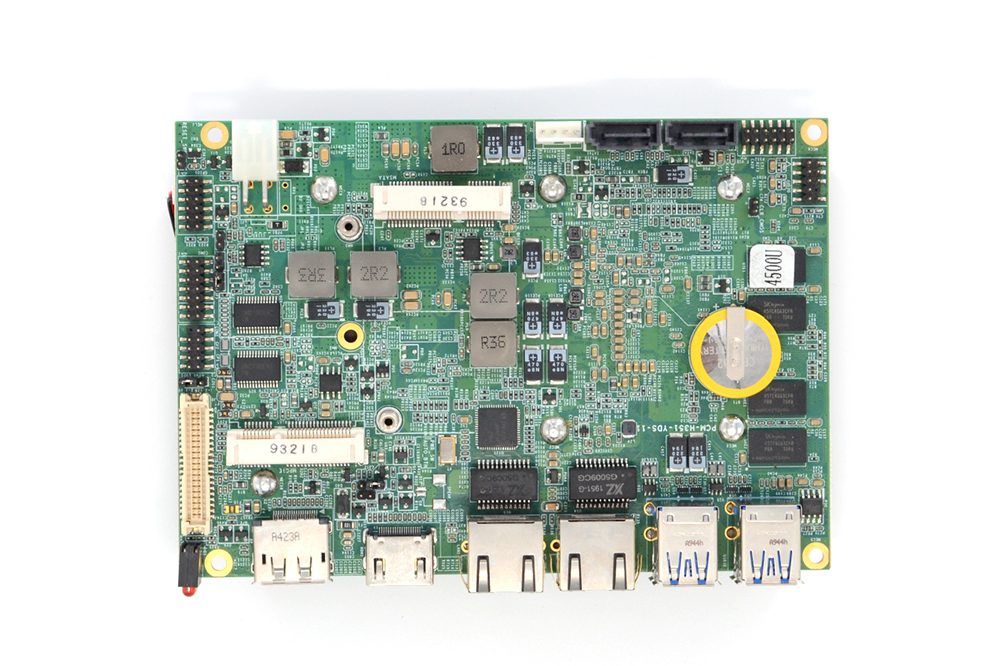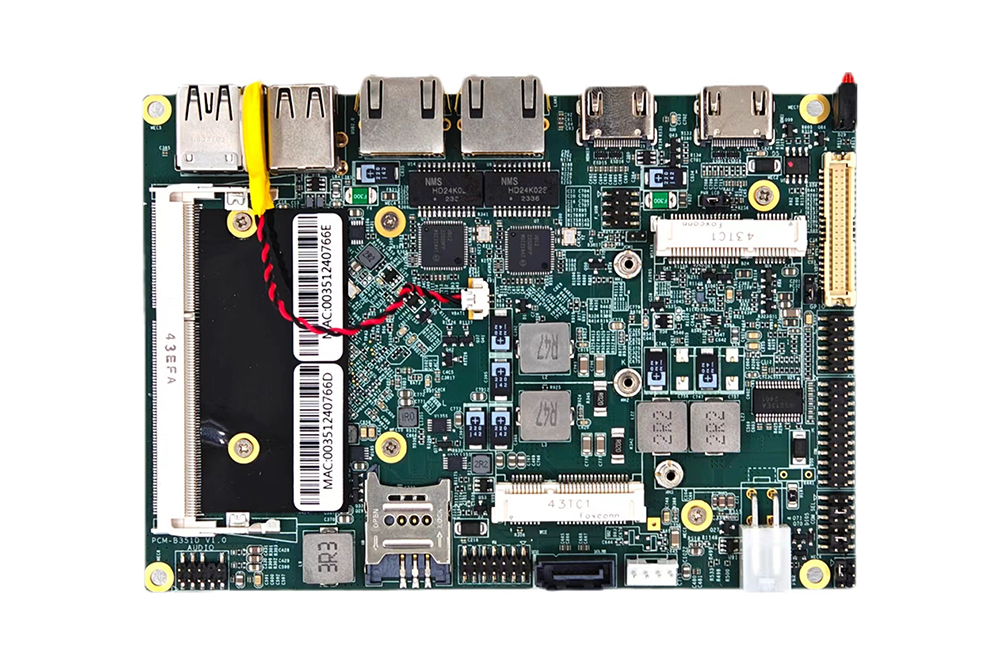
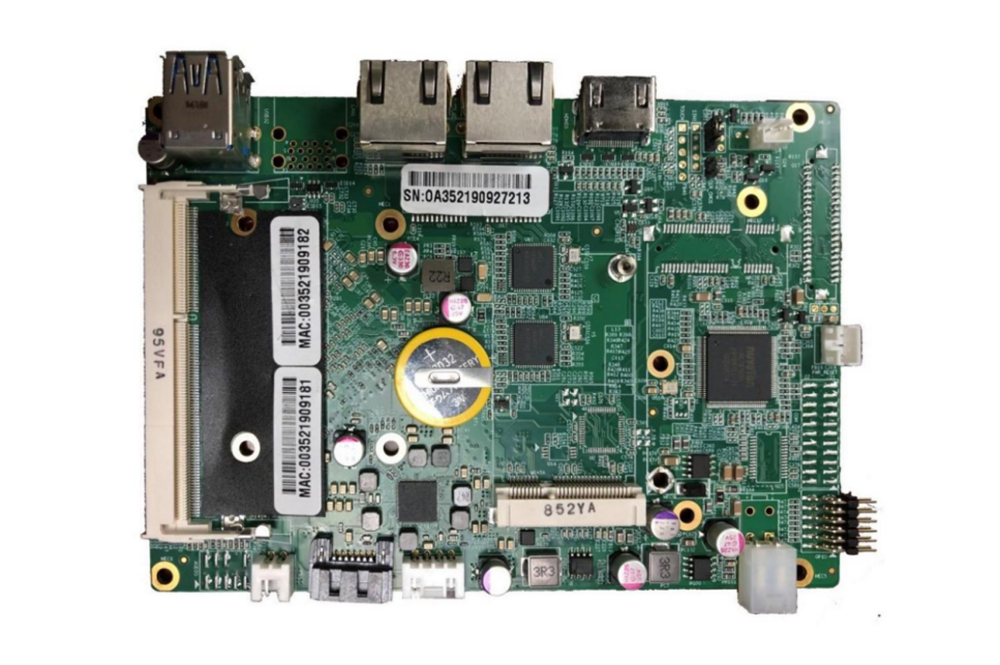
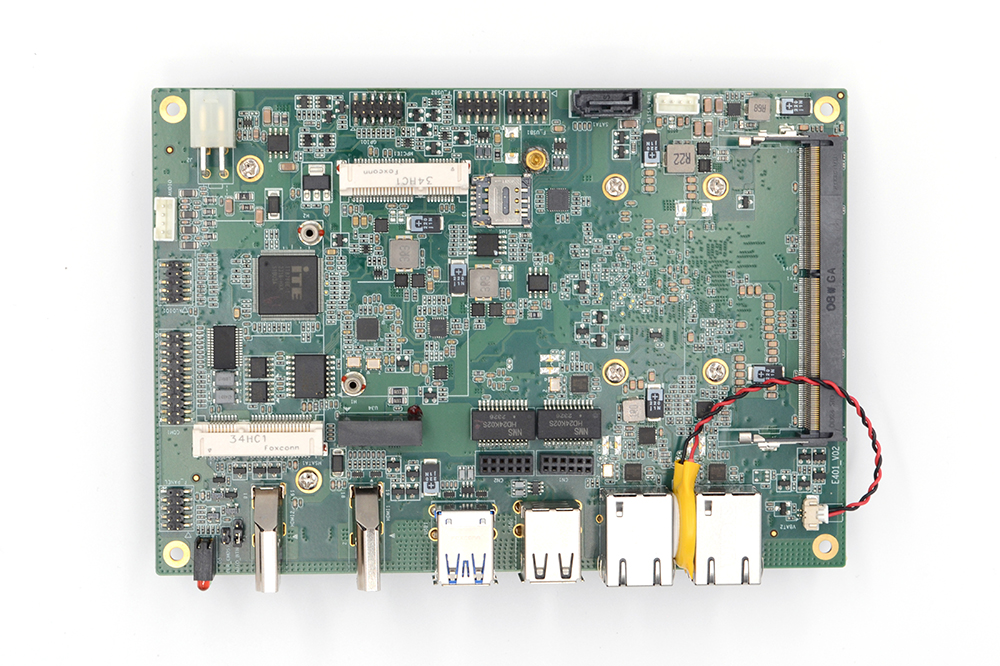
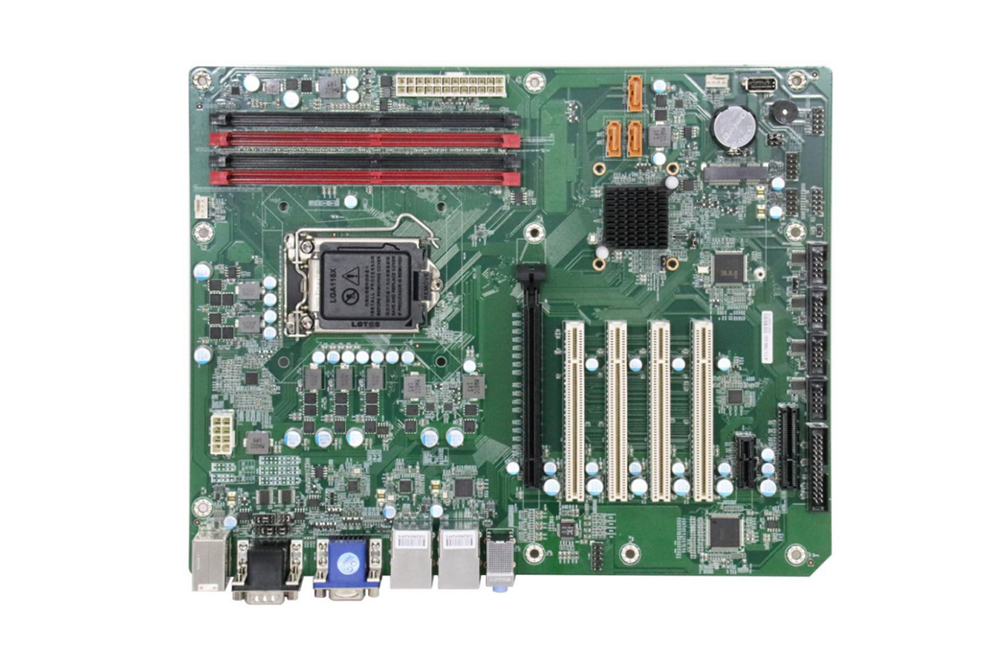
In the modern pharmaceutical industry, maintaining the highest levels of quality control and compliance is not optional—it is a strict regulatory mandate. From the storage of active pharmaceutical ingredients (APIs) to the distribution of delicate biologics and vaccines, environmental factors must be controlled with absolute precision. This is where pharmaceutical validation and temperature monitoring become critical. At the heart of these monitoring systems lies the industrial motherboard, acting as the computational engine that ensures continuous, error-free data acquisition, processing, and transmission.
1. The Commercial and Industrial Landscape
The global pharmaceutical sector is undergoing a massive shift towards biopharmaceuticals, cell therapies, and mRNA-based vaccines. Unlike traditional chemical-based medicines, these advanced biological products are highly sensitive to thermal fluctuations. A minor deviation in temperature during production or storage can render an entire batch ineffective, leading to millions of dollars in losses and potential risks to patient safety. Consequently, the demand for robust, industrial-grade monitoring solutions has skyrocketed.
Furthermore, regulatory bodies such as the US Food and Drug Administration (FDA) and the European Medicines Agency (EMA) enforce strict compliance standards, including FDA 21 CFR Part 11 and EU GMP Annex 11. These regulations demand complete data integrity, audit trails, and validation of all computerized systems involved in drug manufacturing. Industrial motherboards designed specifically for pharmaceutical validation are built to support these high standards by providing reliable hardware-level security, continuous operation, and rich connectivity for specialized sensors.
Why Consumer-Grade Hardware Fails in Pharma Validation
Consumer motherboards lack the component longevity, wide temperature tolerance, and electrostatic discharge (ESD) protection required in industrial environments. Pharmaceutical validation systems require 24/7 uptime in environments ranging from sub-zero cryogenic storage rooms to high-temperature steam sterilization chambers. Only dedicated industrial-grade motherboards can withstand these harsh conditions while offering long-term lifecycle support (often 7 to 10 years) to match regulatory validation cycles.
2. Deep Dive into Application Scenarios
Industrial motherboards are deployed across various critical nodes within the pharmaceutical manufacturing and supply chain ecosystem. Here is a detailed look at where these systems play a pivotal role:
A. Cleanroom Environmental Monitoring Systems (EMS)
Cleanrooms are highly controlled environments where airborne particles, humidity, differential pressure, and temperature are regulated. Industrial motherboards serve as the central processing units for local EMS cabinets. They collect data from dozens of sensors, perform real-time analysis to detect any environmental drift, and display the status on local HMIs (Human-Machine Interfaces) while transmitting the logs to a centralized server. The fanless design of these boards is crucial here, as it prevents the circulation of dust and contaminants within sterile zones.
B. Autoclave and Sterilization Validation
Sterilization processes, such as steam autoclaving, dry heat sterilization, and ethylene oxide (EtO) sterilization, require rigorous validation to prove that all pathogens are destroyed. This involves placing multiple temperature sensors (thermocouples) throughout the chamber to map the heat distribution. The data logging equipment must process multiple analog signals at high speeds. Industrial motherboards equipped with rich serial interfaces (RS-232/485) and high-speed LAN ports facilitate seamless connection to data acquisition modules, ensuring that validation runs are logged with microsecond precision.
C. Ultra-Low Temperature (ULT) Cold Chain Validation
With the rise of modern vaccines requiring storage temperatures as low as -80°C (or even -196°C in liquid nitrogen), cold chain validation has become a major industrial focus. Motherboards with wide temperature support are integrated directly into smart freezers and transport containers. These boards monitor internal temperatures, compressor health, and power status, transmitting alerts immediately if a deviation occurs. The ability of the motherboard to operate reliably in ambient sub-zero temperatures during winter transport or in hot engine compartments during summer logistics is vital.
D. Continuous Thermal Mapping in Warehouses
Pharmaceutical warehouses must undergo seasonal thermal mapping to identify "hot spots" and "cold spots" where medicines should not be stored. Automated mapping arrays utilize industrial motherboards configured as wireless edge gateways. These gateways aggregate temperature and humidity data from distributed sensor nodes, format the data, and securely upload it to cloud-based validation software, creating compliant, tamper-proof PDF reports for regulatory audits.
3. Technical Trends Shaping the Future
As the industry moves towards Pharma 4.0, several key technological trends are emerging in the design of industrial motherboards for validation systems:
- Edge AI and Predictive Analytics: Modern boards are increasingly integrating low-power AI accelerators. This allows temperature monitoring systems to not just log data, but predict when a refrigeration unit is likely to fail based on subtle changes in temperature cycles and power consumption.
- Hardware-Based Security (TPM 2.0): To meet the data integrity requirements of FDA 21 CFR Part 11, motherboards are equipped with Trusted Platform Modules (TPM) to encrypt data at the hardware level, preventing unauthorized tampering with temperature logs.
- Power over Ethernet (PoE): To simplify installation in cleanrooms and large warehouses, newer motherboards support PoE, allowing a single cable to provide both data connectivity and power to remote monitoring terminals.