Leave Your Message
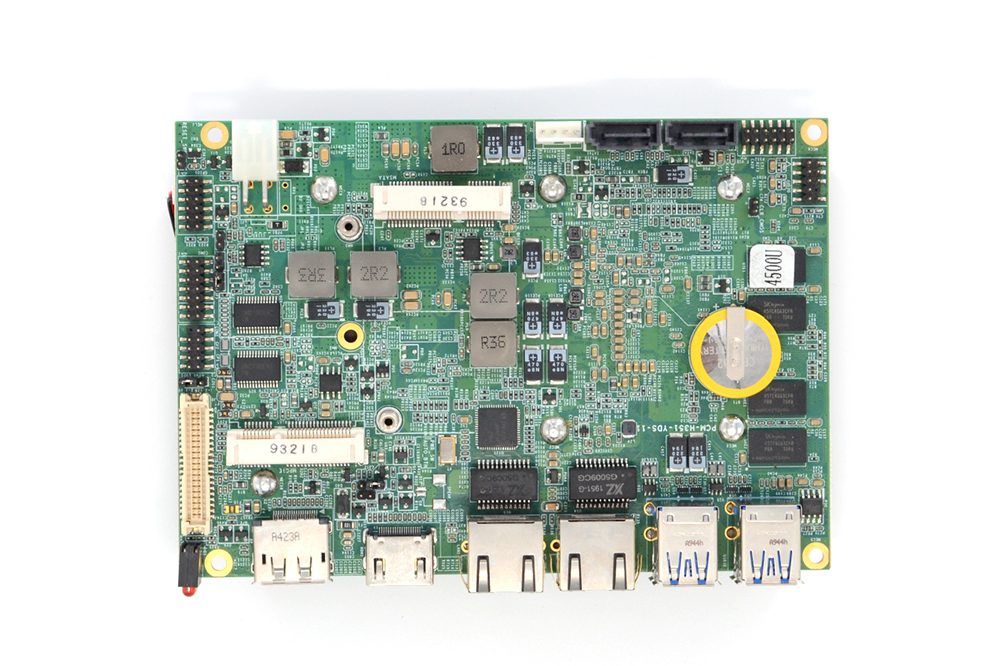
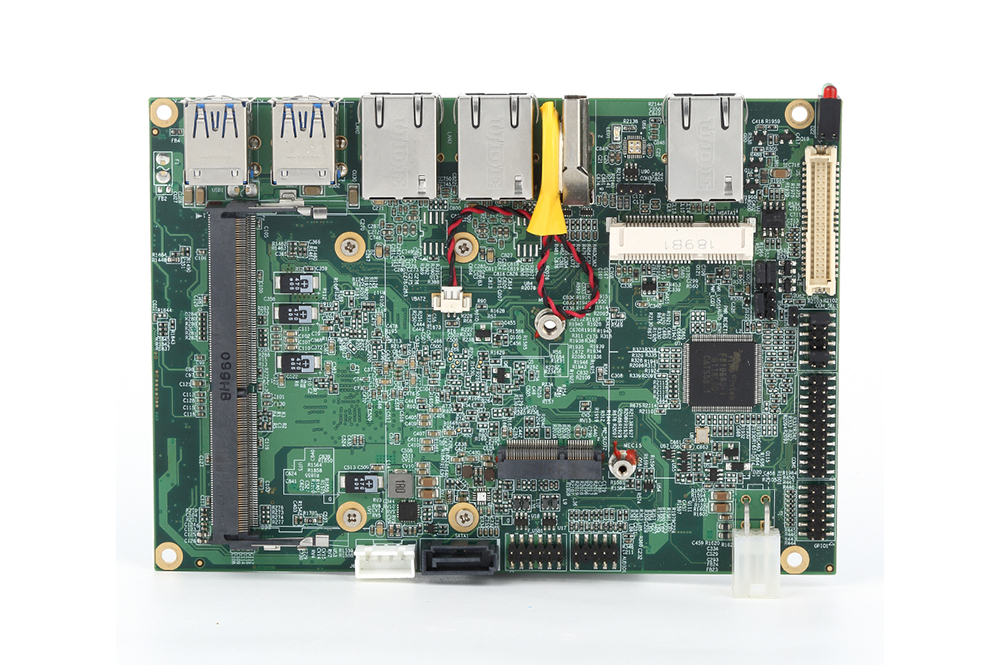
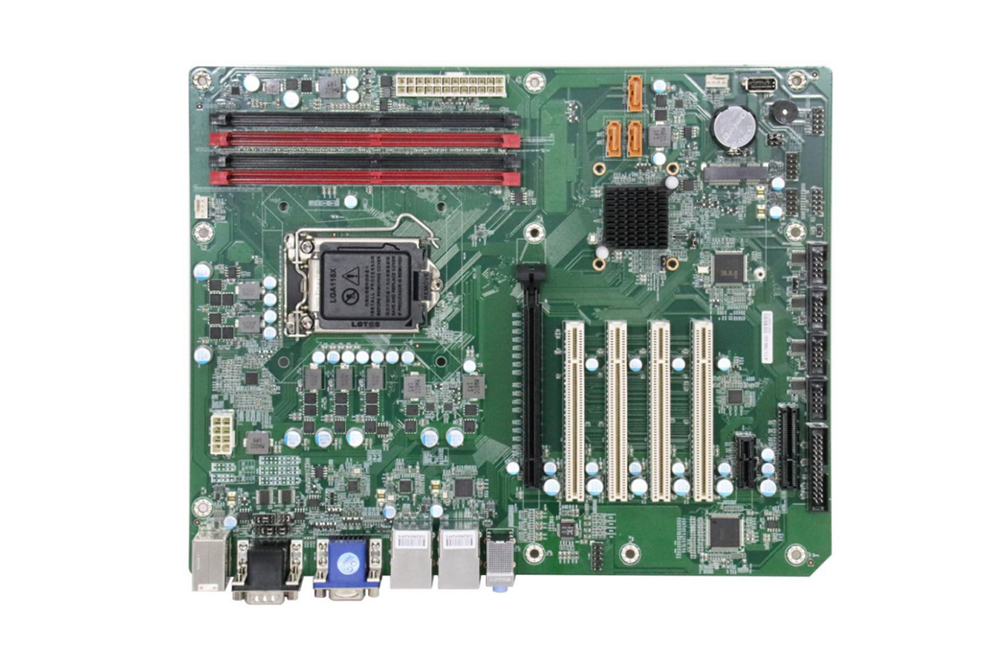
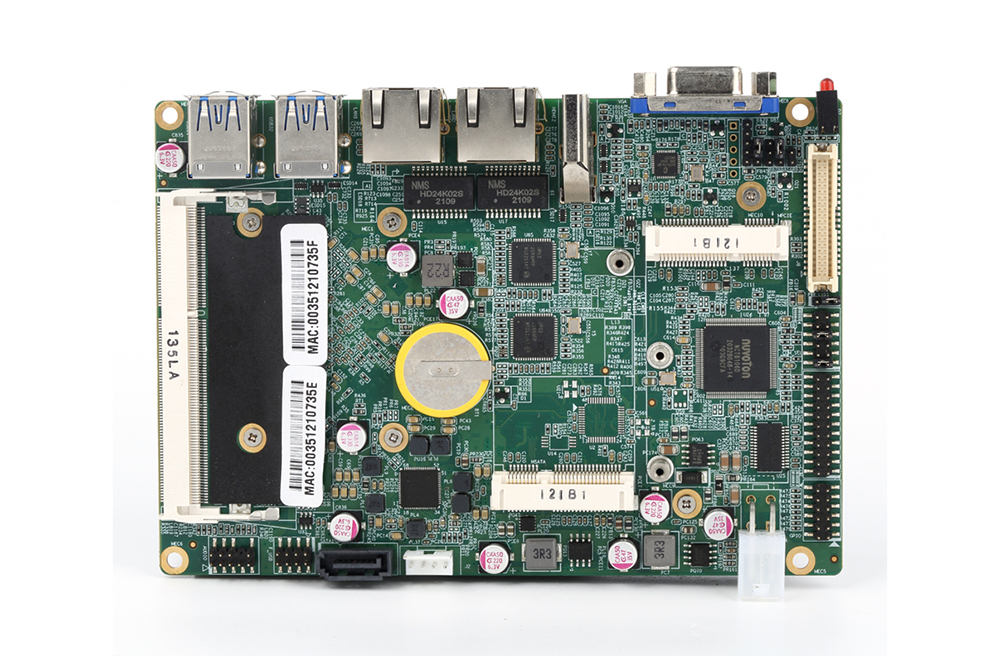
Explore our specialized hardware configurations designed to meet the high data throughput, extreme temperature tolerances, and rich input/output requirements of modern optical inspection systems.
The industrial manufacturing sector is experiencing an unprecedented shift toward zero-defect production lines. Driven by the demands of Industry 4.0, machine vision inspection systems have become the standard for quality assurance in high-speed, high-precision environments. From detecting micro-cracks on semiconductor wafers to verifying packaging labels in food production, these systems rely on a robust computing backbone to process high-resolution visual data in milliseconds.
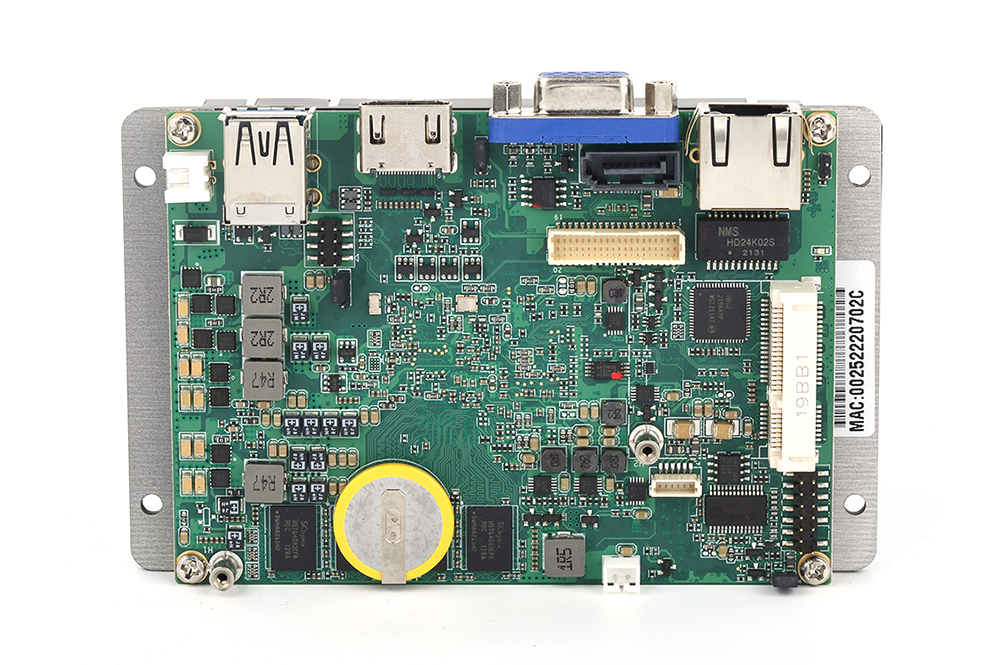
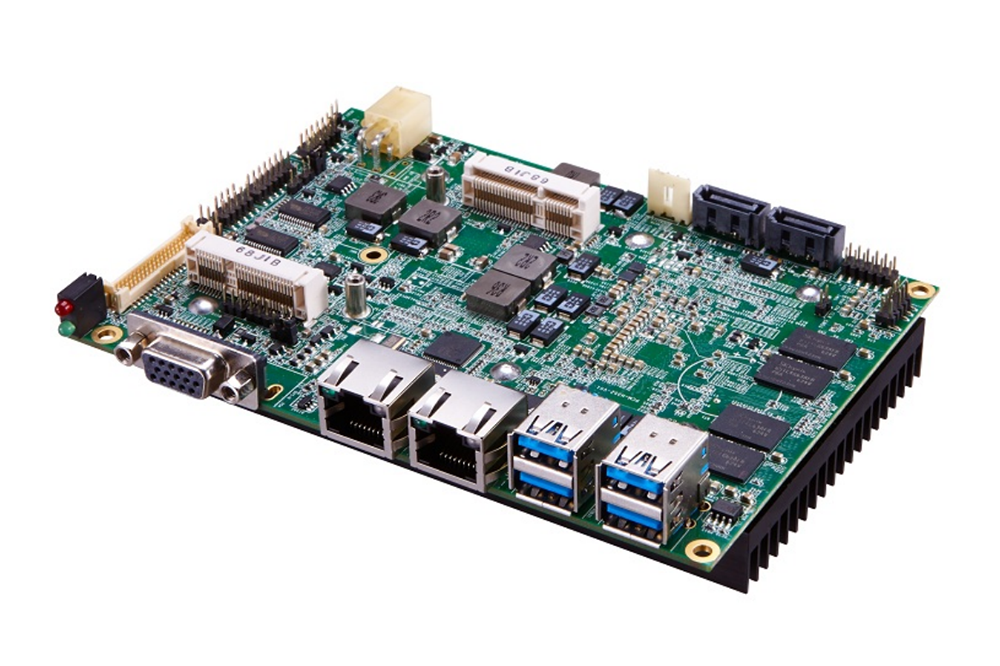
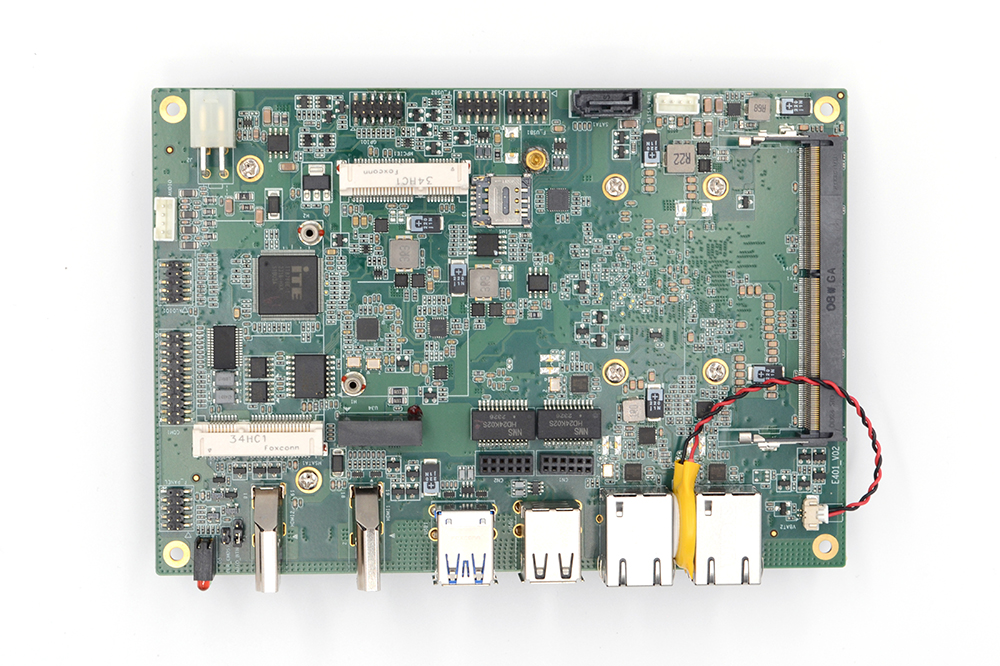
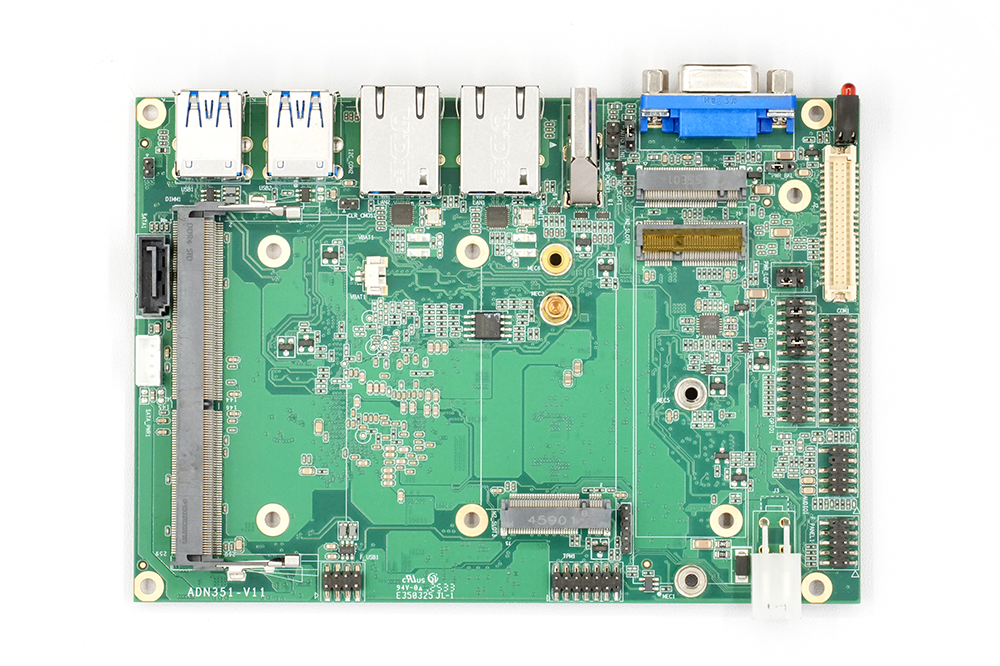
At the heart of every machine vision controller lies its motherboard. Unlike standard commercial motherboards, industrial motherboards are engineered to handle continuous 24/7 operation under volatile conditions. They provide the necessary computing bandwidth, specialized interface options, and environmental resilience required to support complex image processing algorithms and high-speed industrial cameras.
Currently, the market demands smaller footprints, lower power consumption, and advanced edge-AI capabilities. Motherboards with fanless designs, wide temperature tolerances, and integrated hardware accelerators are leading the transition toward smart, decentralized factory floors.
As inspection technologies evolve, motherboard architectures are adapting to support advanced AI models, faster data transmission, and more compact form factors.
Modern vision systems rely heavily on deep learning models for anomaly detection. Motherboards featuring Intel Elkhart Lake or Alder Lake processors provide the necessary vector instructions and onboard GPU capabilities to run inference models directly at the edge, reducing latency and cloud dependency.
High-speed inspection cameras generate massive data streams. Industrial motherboards are designed with dedicated PCIe lanes, high-speed USB 3.2 ports, and Power over Ethernet (PoE+) capabilities to seamlessly interface with GigE Vision, USB3 Vision, and CoaXPress protocols without bottlenecking.
Industrial environments are harsh, characterized by extreme temperatures, dust, and vibration. Specialized motherboards supporting wide operating temperatures (-40°C to +75°C) and wide-voltage DC inputs ensure uninterrupted operation in heavy industrial, automotive, and outdoor settings.
To understand the critical role of the industrial motherboard, we must look at how it functions within specific, demanding industrial applications:
In PCB assembly lines, AOI systems check for component placement, solder joint quality, and alignment defects. This requires capturing high-resolution images of complex boards at rapid intervals. The motherboard must support high-speed DDR4 memory (up to 32GB or 64GB) and multi-core processing to handle the real-time image subtraction algorithms that compare the captured image against a golden template.
In packaging lines, systems must inspect bottle caps, fill levels, and label placement at speeds exceeding 1,000 units per minute. Any processing lag will result in missed defects or line halts. Industrial motherboards with low-latency GPIO (General Purpose Input/Output) allow direct synchronization between the camera trigger, the processing engine, and the rejection actuator mechanisms.
3D vision systems guide robotic arms to locate, pick, and place randomly oriented parts from a bin. This task requires spatial calculations and coordinate mapping. Motherboards configured with multiple display outputs (HDMI, DP, eDP) and expansion slots for dedicated AI accelerator cards (like Mini-PCIe or M.2 TPU modules) enable the robot to calculate trajectory paths in real-time, preventing collisions and optimizing cycle times.
Automotive assembly lines require micrometric precision checkups on welds and chassis dimensions. Due to the proximity to welding equipment, the computing hardware is subjected to high electromagnetic interference (EMI) and vibration. The industrial-grade motherboard's robust PCB design, EMI shielding, and fanless layout protect the system from electrical noise and mechanical wear, maintaining high MTBF (Mean Time Between Failures) rates.
Shenzhen YDSTECH Electronics Co., Ltd. is a high-tech enterprise specializing in industrial computers. Since the establishment of YDSTECH in 1999, we have been committed to independent research and development, innovation, production and sales of industrial computers, and we own the independent intellectual property rights of our core products.
We consider honesty and pragmatism as our motto and make it our long-term goal to provide customers with cost-effective products. In order to achieve this goal, we work constantly to develop new products, improve our service capabilities and promote the innovation of embedded computer applications to create long-term value and potential growth for our customers.
Our core technical team has over 15 years of experience in this industry, and has been focusing on embedded computer research and development, with rich and solid professional expertise. We believe that attitude means everything, since the establishment of YDSTECH, we have always been committed to work with a conscientious, responsible, attentive, professional, prudent and meticulous attitude, which ensures the high-quality output of the products, years of persistence and experience created our strong R&D team.
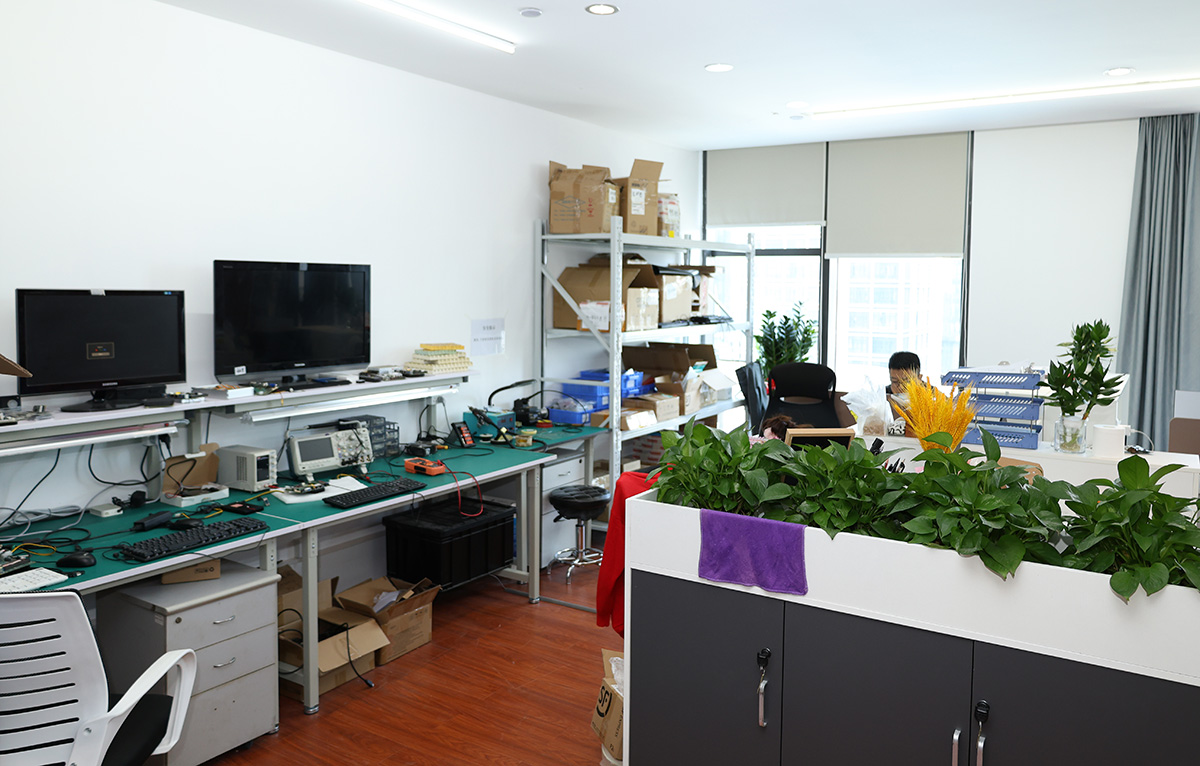
Our commitment to excellence and compliance with international manufacturing and engineering standards is reflected in our professional certifications and active industry roles.
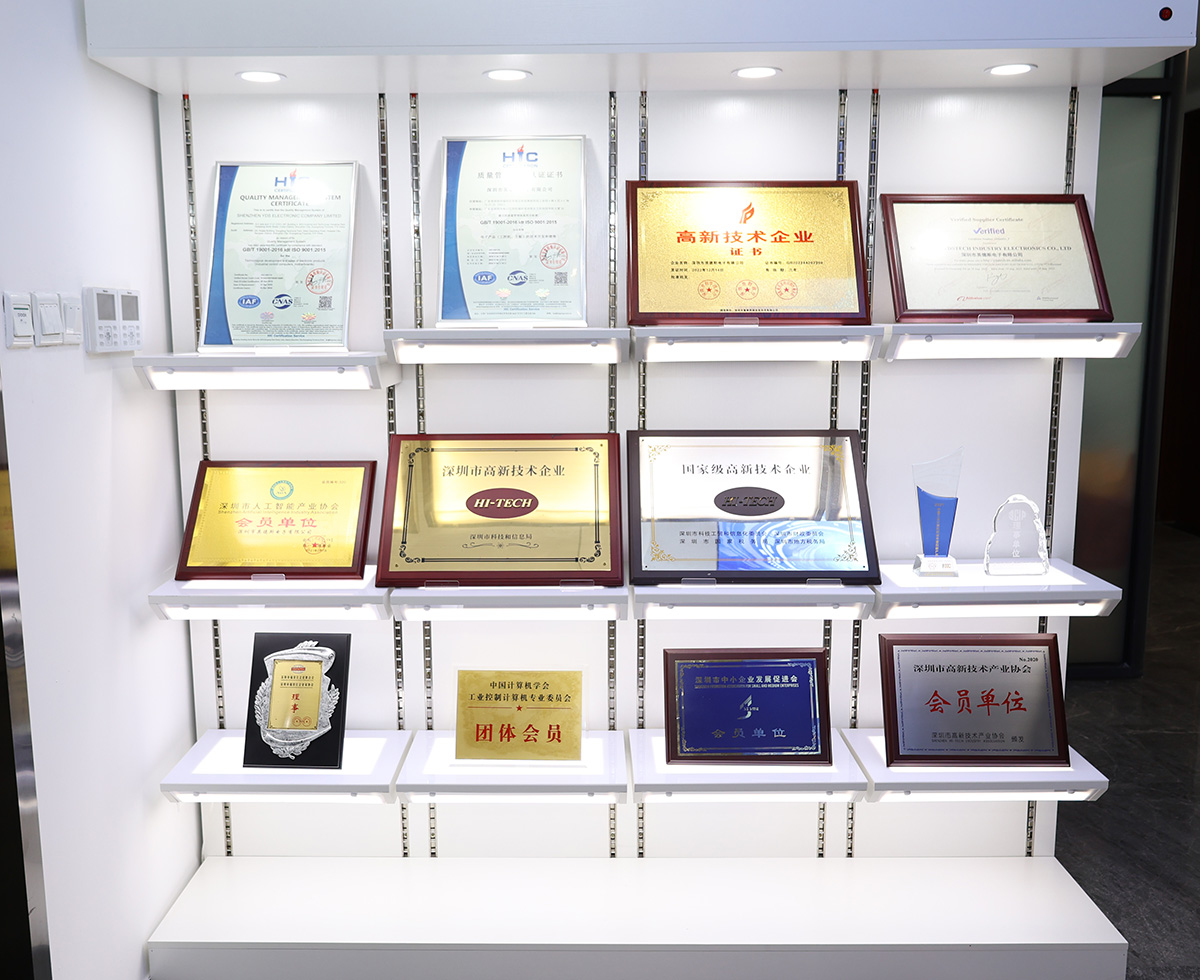
· Certified High-Tech Enterprise
· Shenzhen Software Product And Software Enterprise Evaluation Certified Enterprise
· ISO9001 International Quality System Certified Enterprise
· Member Of Chinese Association Of Automation
· Member Of China Instrumentation Society
· Member Of China Computer Federation
· Director Of Shenzhen Computer Association
· Founding Member Of China Embedded System Industry Alliance
YDSTECH has set up a comprehensive quality assurance management system, adopting MSA quality system analysis, implementing rolling quality system audit, TQM, SPC process control and other quality management systems, establishing AVL supplier management system to ensure the quality of raw materials, and introducing rolling product reliability tests to ensure overall product reliability.
Our motherboards undergo rigorous thermal cycling testing, vibration endurance checks, and long-term burn-in processes. This guarantees that every board integrated into a machine vision inspection system performs consistently without failure, safeguarding your production lines from unexpected downtime.
Browse our full selection of industrial motherboards, featuring multiple form factors, wide temperature ranges, and robust processor platforms optimized for industrial automation and machine vision systems.