Leave Your Message
Engineered to deliver exceptional reliability and high-performance computing in the most demanding industrial and outdoor environments.
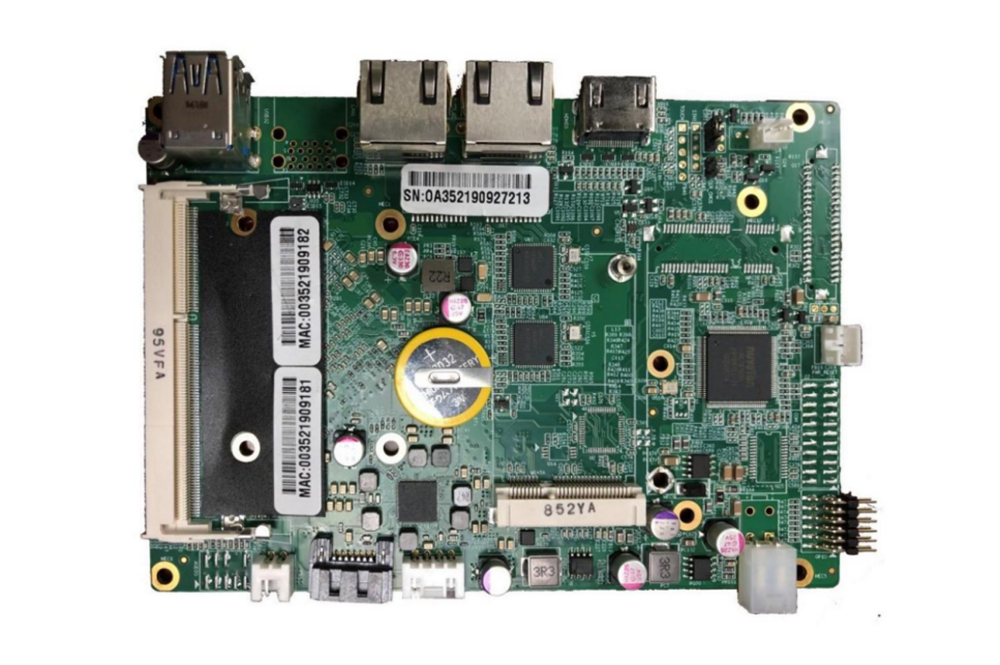
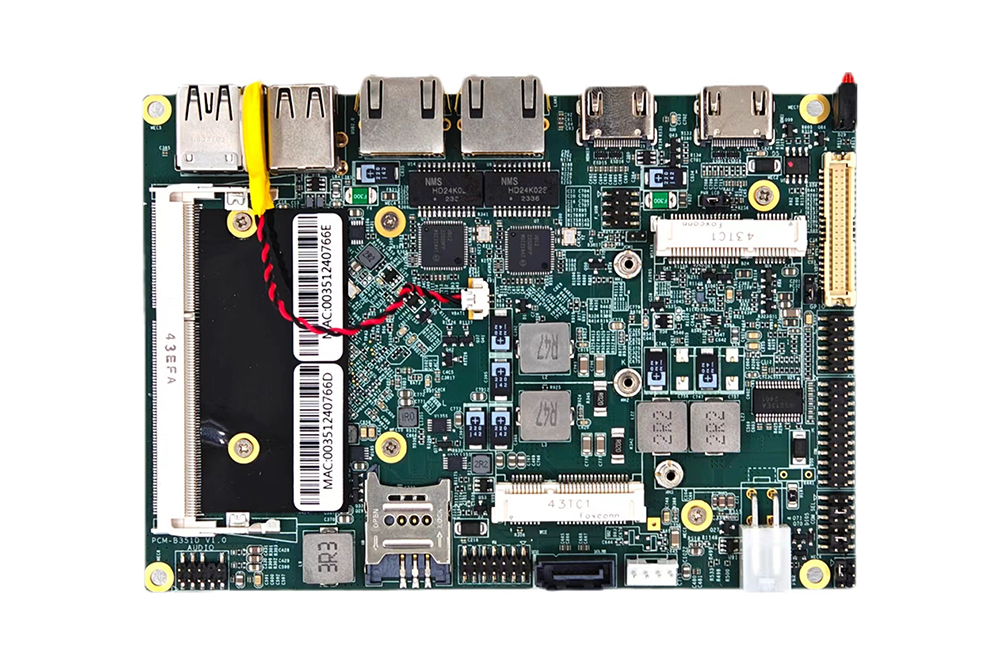
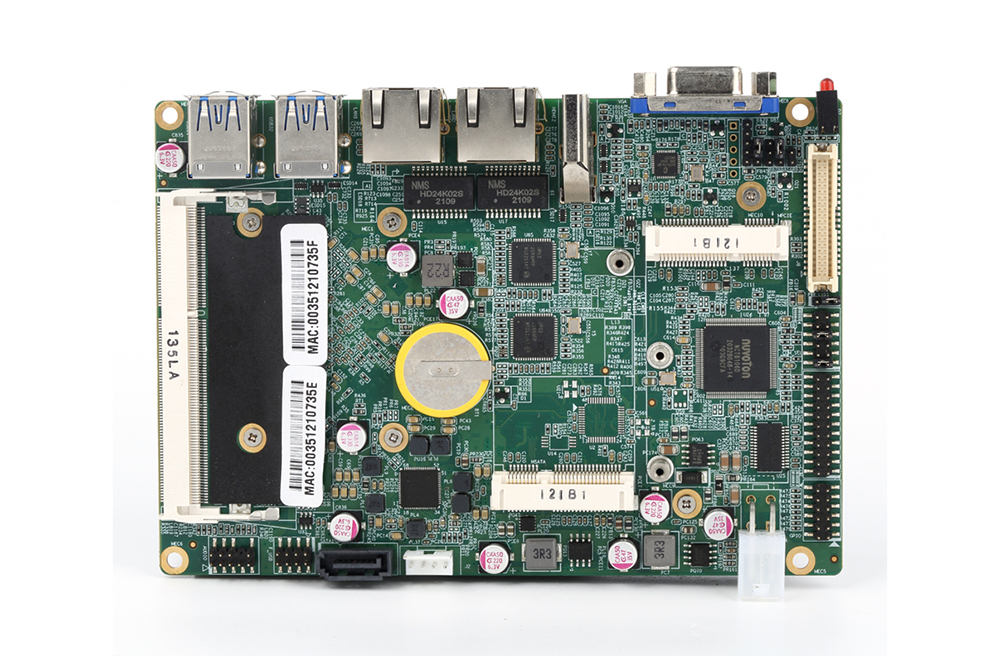
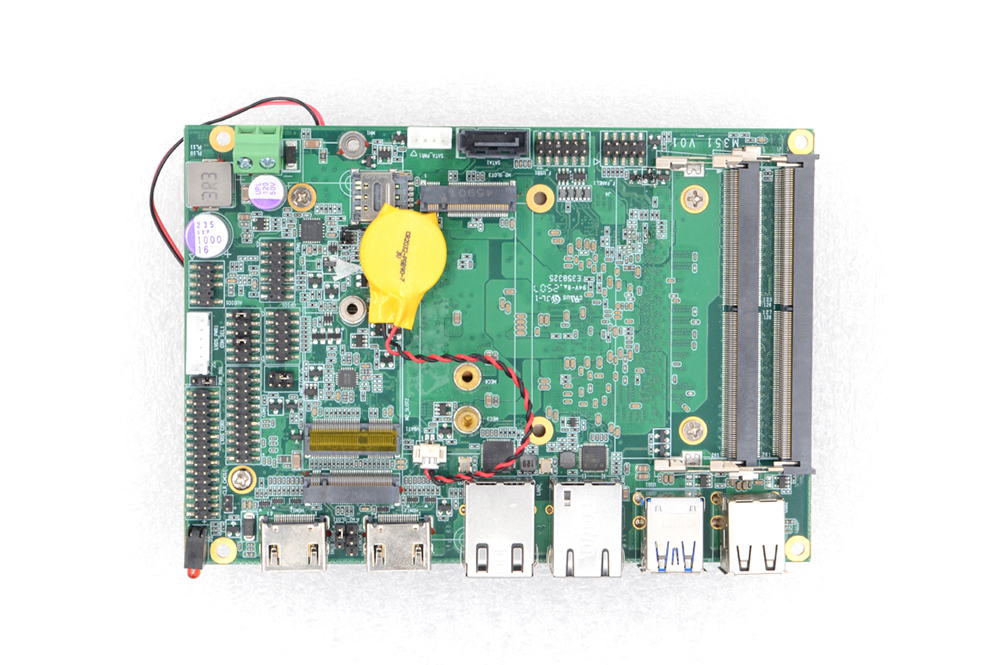
How extreme-environment computing is shifting from niche military applications to the core of global commercial and industrial infrastructure.
The global market for rugged industrial motherboards is experiencing unprecedented growth. Industries such as smart transportation, renewable energy, defense, and heavy manufacturing are upgrading their infrastructure to support real-time data analysis. This transition requires motherboards that offer not only computing power but also extreme physical resilience.
Standard motherboards fail when temperatures drop below 0°C or exceed 40°C. Industrial-grade solutions are engineered to operate continuously in temperatures ranging from -40°C to 85°C. This allows deployments in outdoor kiosks, remote monitoring stations, and extreme climates without the risk of thermal shutdown or component degradation.
In the commercial sector, system failure equates to massive financial losses. An offshore oil rig or a high-speed railway system cannot afford computing downtime. Investing in robust, wide-temperature embedded motherboards drastically reduces maintenance costs and ensures 24/7/365 operational continuity.
Designing a motherboard that operates reliably in harsh environments requires a meticulous approach to component selection, thermal dynamics, and mechanical integrity. It is not simply about adding a heatsink; it is an end-to-end engineering discipline.
Every capacitor, resistor, and integrated circuit on a wide-temperature motherboard is rated for industrial use. Standard electrolytic capacitors are replaced with solid-state, wide-temperature polymer capacitors that will not dry out or burst under high heat, nor lose capacitance in sub-zero environments.
Fans are the most common point of mechanical failure in computers, especially in dusty or humid environments. By utilizing highly efficient thermal designs, industrial motherboards conduct heat away from critical components (like the CPU and chipset) directly to the external chassis through solid aluminum heat spreaders and high-conductivity thermal pads, enabling 100% fanless operation.
To combat humidity, dust, and corrosive air (such as salt spray in marine environments), these boards undergo conformal coating. A specialized polymer film is applied to the PCB surface, sealing electrical components from moisture, conductive dust particles, and chemical contaminants.
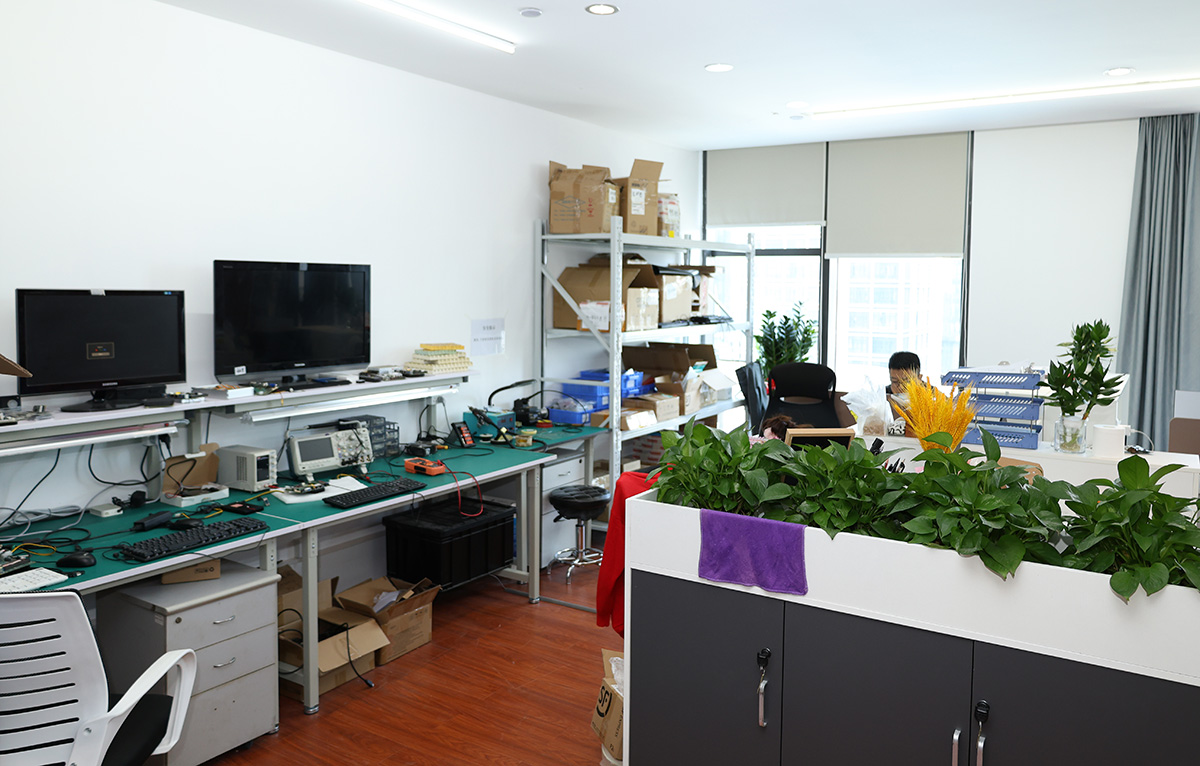
Exploring how wide-temperature industrial motherboards power critical global infrastructure across diverse industries.
In roadside cabinets, toll stations, and onboard railway systems, computing hardware is subjected to constant physical vibration, dust, and extreme temperature shifts. An industrial motherboard with wide-temperature support ensures that traffic management cameras, automated tolling systems, and passenger information displays run continuously without overheating in summer or freezing in winter.
Wind turbines and solar power plants are typically located in remote, desolate areas with harsh climates. Motherboards deployed inside these systems must monitor energy production, control rotor blades, and communicate with the central grid. Given the remote locations, maintenance is costly and difficult; thus, the high reliability of a wide-temperature, fanless motherboard is critical to preventing grid failures.
Factory floors are notorious for high levels of electromagnetic interference (EMI), dust, oil mist, and physical shocks from heavy machinery. Fanless industrial motherboards power human-machine interfaces (HMIs), robotic control units, and automated optical inspection (AOI) systems. Their rugged design prevents dust accumulation inside the chassis, while robust EMI shielding ensures signal integrity.
Exploration and extraction sites feature some of the most dangerous and extreme environments on Earth. Hardware must operate reliably under intense vibration, high humidity, and explosive atmospheres. Industrial motherboards designed with wide-voltage protection and certified ruggedness are used to run safety monitoring systems, drilling control units, and telemetry systems.
Looking ahead at the technological advancements shaping the next generation of industrial motherboards.
The next generation of industrial motherboards incorporates dedicated Neural Processing Units (NPUs) and supports high-speed DDR5 memory. This allows complex machine learning algorithms, such as real-time defect detection or predictive maintenance modeling, to run directly on the edge device without relying on cloud connectivity.
Modern rugged boards are increasingly integrating M.2 expansion slots designed for 5G and Wi-Fi 6E modules. This ensures high-bandwidth, low-latency communication even in remote outdoor installations, facilitating seamless IoT data transmission to centralized management systems.
With processors like Intel Elkhart Lake and Alder Lake-N, industrial motherboards can deliver impressive processing power while keeping TDP (Thermal Design Power) remarkably low. This minimizes heat generation, making fanless design easier and extending the system's overall lifespan.
Industrial projects often require a operational lifespan of 7 to 10 years. Manufacturers are focusing on providing long-term component availability and backward compatibility, ensuring that enterprises can scale their systems without needing to redesign their entire hardware architecture.
A premier high-tech enterprise specializing in the independent research, development, and manufacturing of industrial computers.
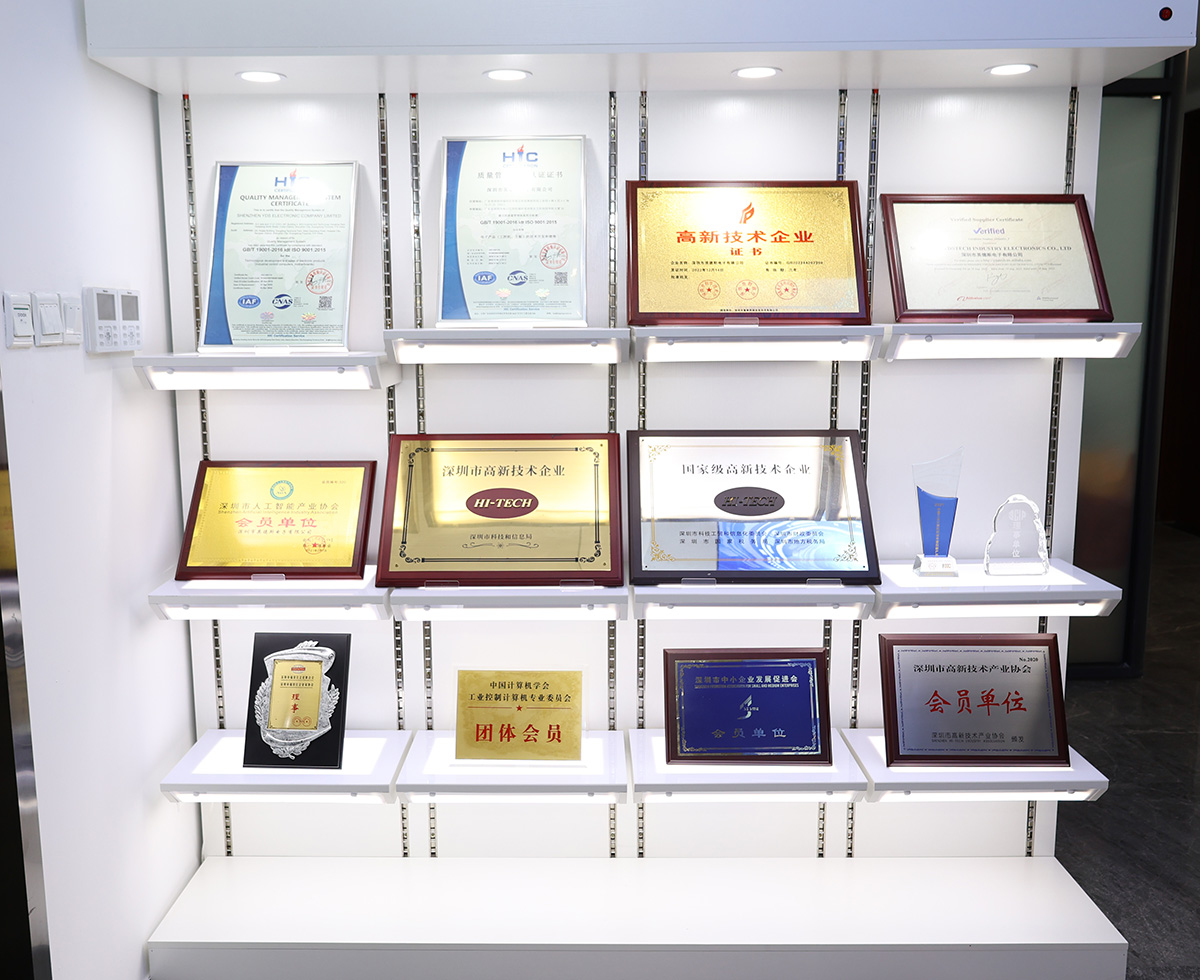
Certified High-Tech Enterprise
Shenzhen Software Product And Software Enterprise Evaluation Certified Enterprise
ISO9001 International Quality System Certified Enterprise
Member Of Chinese Association Of Automation
Member Of China Instrumentation Society
Member Of China Computer Federation
Director Of Shenzhen Computer Association
Founding Member Of China Embedded System Industry Alliance
Our core technical team has over 15 years of experience in this industry, and has been focusing on embedded computer research and development, with rich and solid professional expertise. We believe that attitude means everything, since the establishment of YDSTECH, we have always been committed to work with a conscientious, responsible, attentive, professional, prudent and meticulous attitude, which ensures the high-quality output of the products, years of persistence and experience created our strong R&D team.
YDSTECH has set up a comprehensive quality assurance management system, adopting MSA quality system analysis, implementing rolling quality system audit, TQM, SPC process control and other quality management systems, establishing AVL supplier management system to ensure the quality of raw materials, and introducing rolling product reliability tests to ensure overall product reliability.
Explore our full range of embedded x86 motherboards engineered for wide temperature operation and industrial automation.