Leave Your Message
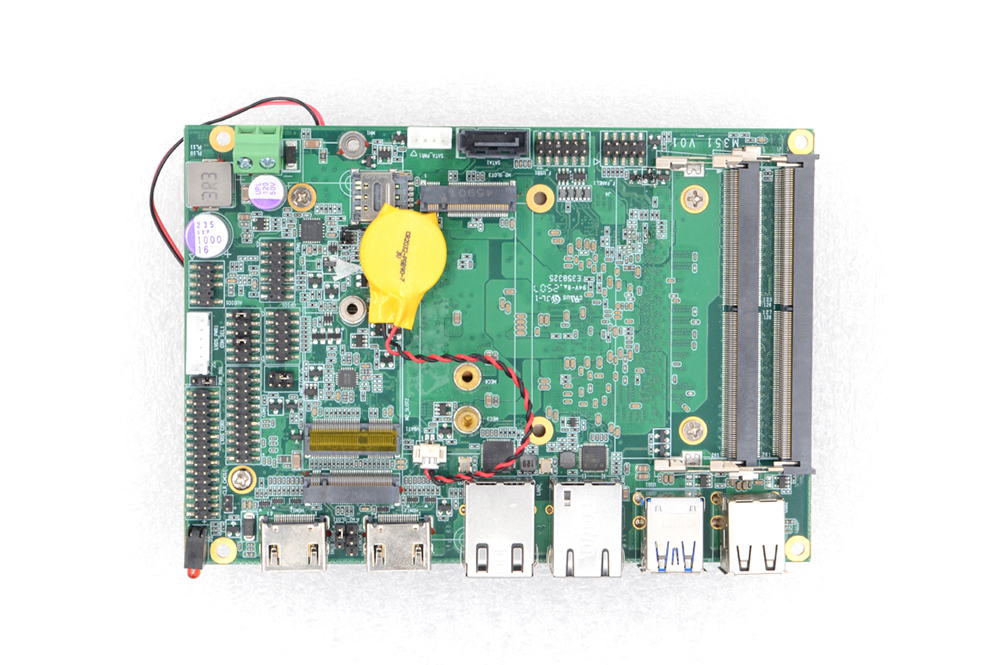
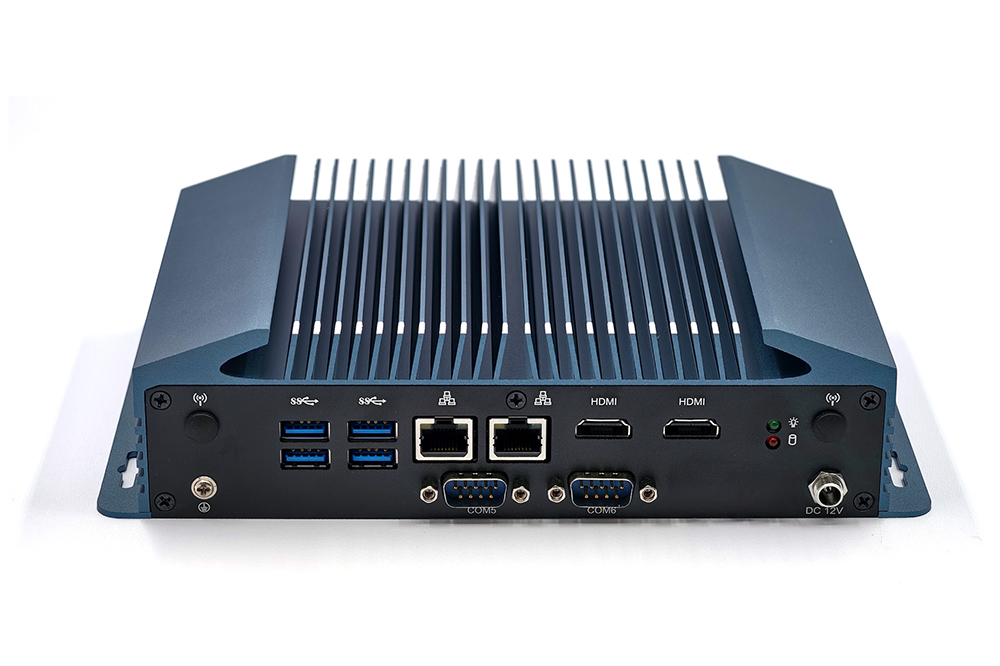
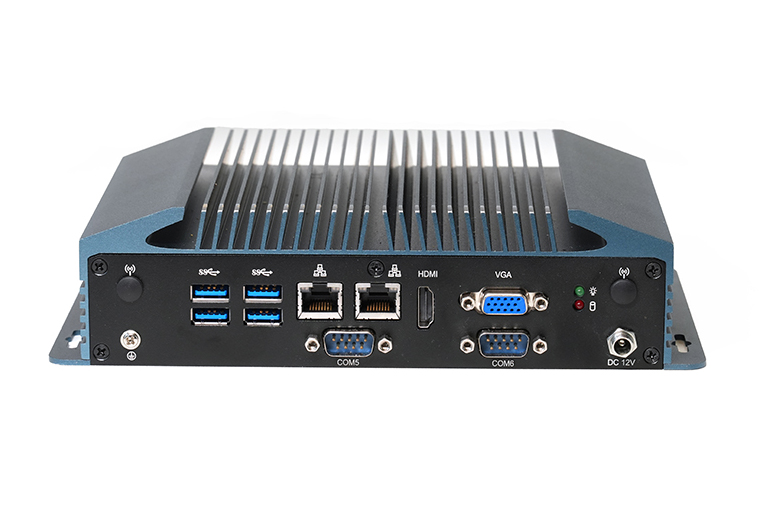
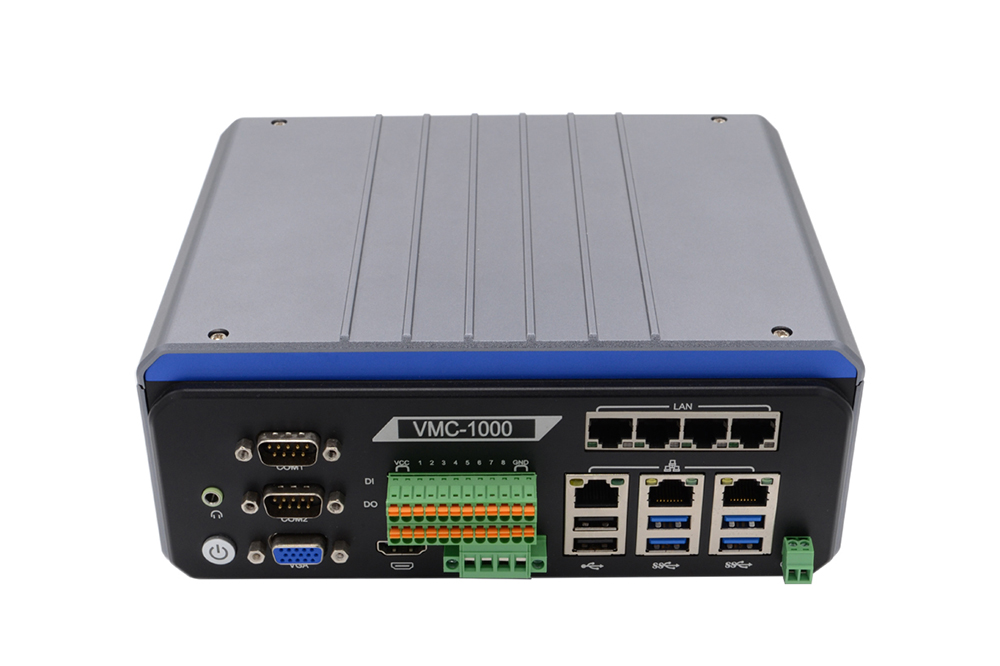
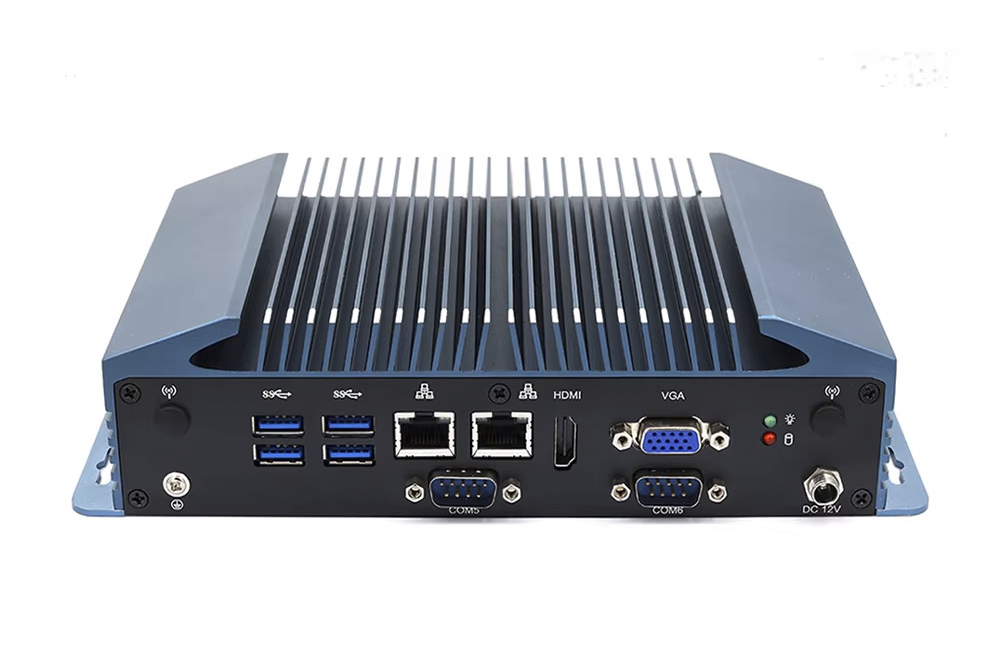
The global healthcare industry is undergoing a rapid digital transformation, driven by the demand for high-precision diagnostic tools, real-time data processing, and space-saving hardware designs. Among these technologies, the Industrial Small Form Factor (SFF) PC has emerged as a cornerstone for modern medical equipment and CT imaging workstations. Historically, large, power-hungry tower computers were the norm in hospital computer rooms. However, clinical environments demand space optimization, sterile operations, and robust reliability. SFF PCs address these demands by delivering server-grade processing power within compact, rugged enclosures that can be seamlessly integrated directly into medical carts, diagnostic consoles, and imaging gantries.
From a commercial perspective, the market for medical-grade computing is expanding at an unprecedented compound annual growth rate (CAGR). The proliferation of advanced diagnostic imaging, such as Computed Tomography (CT), Magnetic Resonance Imaging (MRI), and high-resolution ultrasound, requires localized computing nodes that process high-bandwidth data without relying entirely on cloud networks. This localized edge computing minimizes latency, ensuring that radiologists and surgeons receive critical data instantly. Furthermore, strict regulatory standards, such as the IEC 60601-1 certification for medical electrical equipment safety, have pushed industrial computer manufacturers to develop specialized hardware that features electromagnetic compatibility (EMC), electrostatic discharge (ESD) protection, and fanless thermal management systems.
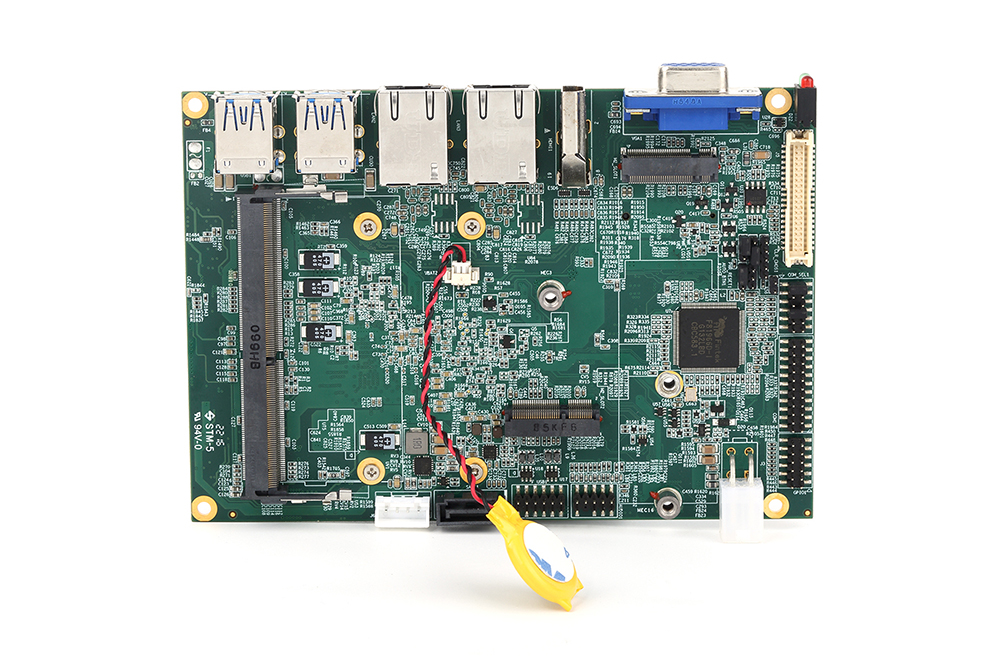
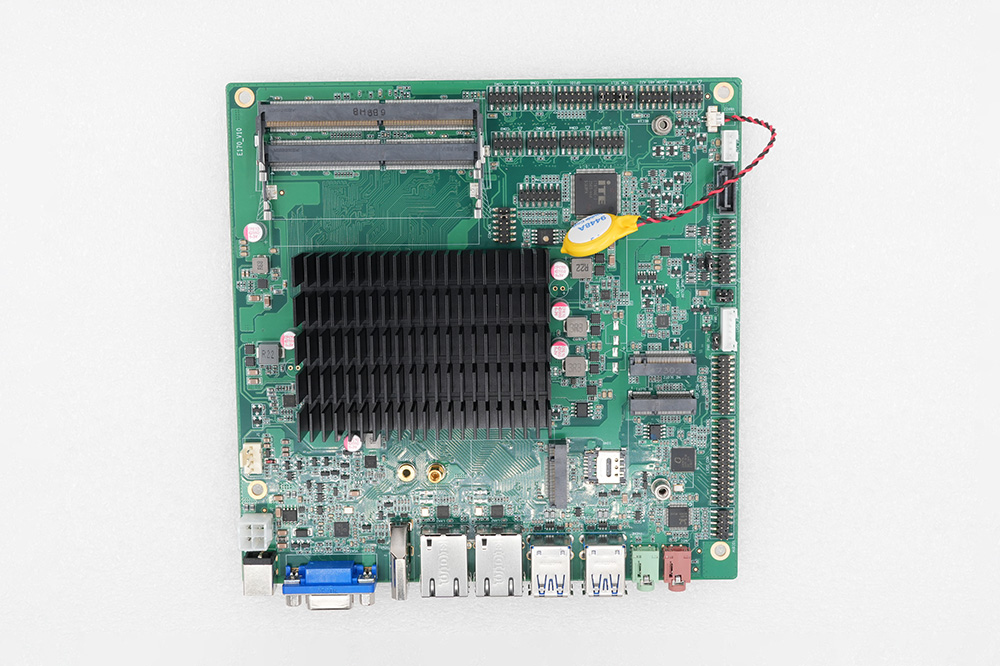
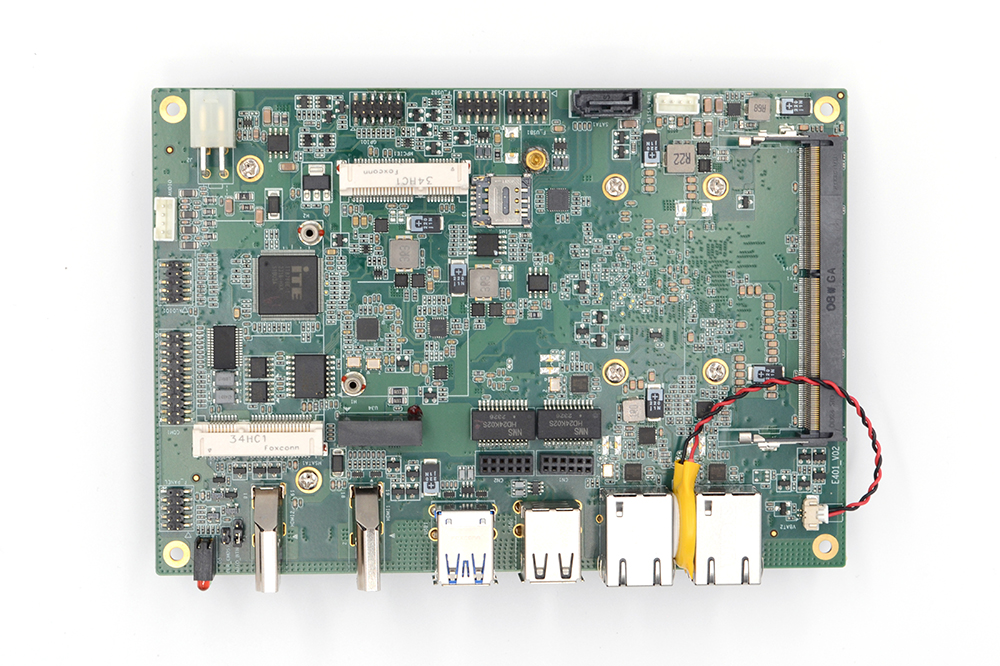
Unlike standard consumer-grade computers, industrial SFF PCs are built with high-quality, long-lifecycle components (typically 7 to 10 years of availability). This longevity is vital for medical device OEMs (Original Equipment Manufacturers) who undergo lengthy and expensive regulatory approval processes. Once a diagnostic system is certified, altering any internal component requires recertification. Therefore, selecting an industrial-grade motherboard and chassis ensures system stability and reduces total cost of ownership (TCO) for hospitals and healthcare providers worldwide.
Advanced electrical isolation design preventing leakage current, ensuring patient and operator safety during imaging procedures.
Equipped with next-generation memory and multi-gigabit Ethernet interfaces to transmit large DICOM images instantly.
Completely sealed, fanless chassis design prevents dust accumulation and cross-contamination in sterile hospital wards.
Computed Tomography (CT) scan workflows represent one of the most computationally demanding environments in clinical medicine. A single CT scan generates hundreds of high-resolution cross-sectional slices that must be reconstructed into detailed 3D models. The processing pipeline requires a robust Industrial SFF PC acting as either the primary acquisition node or the local reconstruction workstation. These computers must process massive amounts of raw sensor data transmitted from the rotating CT gantry. With the integration of Intel Ultra U/H processors and up to 64GB of high-speed DDR5 memory, modern SFF PCs can execute complex mathematical algorithms, such as filtered backprojection and iterative reconstruction, in a fraction of the time required by legacy systems.
Beyond CT image reconstruction, these compact computers are deployed across a variety of critical clinical settings:
In all these scenarios, the ability to operate reliably under continuous 24/7 workloads is paramount. Industrial-grade components ensure that the system does not fail during critical procedures, reducing patient risk and optimizing hospital operational efficiency.
As medical technology advances, the requirements for embedded hardware continue to evolve. The integration of Artificial Intelligence (AI) and Machine Learning (ML) in diagnostic imaging is the most significant trend shaping the industry today. Modern CT imaging workstations no longer just display images; they assist radiologists by highlighting potential anomalies, such as tumors, fractures, or vascular blockages. To achieve this, SFF PCs are increasingly designed with dedicated AI acceleration units (NPUs) or compatible MXM GPU expansion slots. These hardware accelerators allow deep learning models to run locally at the edge, ensuring immediate diagnostic feedback without sending sensitive patient data over the internet, thereby addressing cybersecurity and HIPAA compliance concerns.
Another major trend is the shift towards multi-display diagnostic cockpits. Radiologists typically work with three or four high-resolution, high-contrast monitors to compare current scans with historical patient records. SFF PCs equipped with multiple independent display outputs (such as DisplayPort 1.4 or HDMI 2.1) allow a single compact unit to drive multiple 4K or 8K displays simultaneously. Additionally, the adoption of dual 2.5G or 10G Ethernet ports ensures that gigabyte-sized medical datasets can be pulled from hospital PACS archives in seconds, eliminating workflow bottlenecks.
Finally, environmental resilience remains a key differentiator for industrial hardware. Hospital environments are subject to rigorous sterilization protocols. Fanless computers with IP-rated enclosures protect the internal electronics from liquid ingress during chemical wipe-downs. Furthermore, wide operating temperature support (from -20°C up to 65°C) guarantees stable performance even when these computers are embedded inside poorly ventilated enclosures or situated close to heat-generating diagnostic machinery.
Shenzhen YDSTECH Electronics Co., Ltd. is a high-tech enterprise specializing in industrial computers. Since the establishment of YDSTECH in 1999, we have been committed to independent research and development, innovation, production and sales of industrial computers, and we own the independent intellectual property rights of our core products.
We consider honesty and pragmatism as our motto and make it our long-term goal to provide customers with cost-effective products. In order to achieve this goal, we work constantly to develop new products, improve our service capabilities and promote the innovation of embedded computer applications to create long-term value and potential growth for our customers.
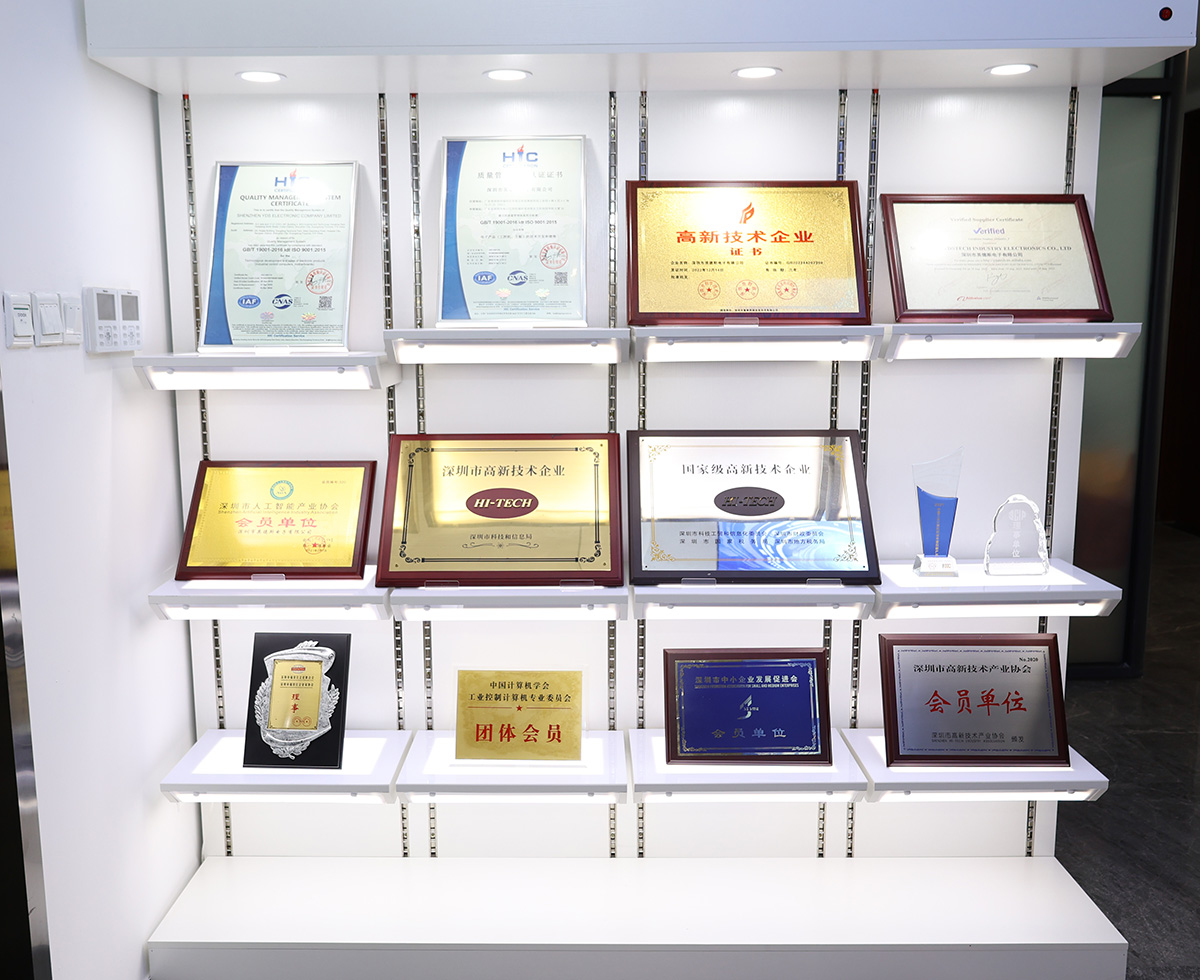
• Certified High-Tech Enterprise
• Shenzhen Software Product And Software Enterprise Evaluation Certified Enterprise
• ISO9001 International Quality System Certified Enterprise
• Member Of Chinese Association Of Automation
• Member Of China Instrumentation Society
• Member Of China Computer Federation
• Director Of Shenzhen Computer Association
• Founding Member Of China Embedded System Industry Alliance
Our core technical team has over 15 years of experience in this industry, and has been focusing on embedded computer research and development, with rich and solid professional expertise. We believe that attitude means everything, since the establishment of YDSTECH, we have always been committed to work with a conscientious, responsible, attentive, professional, prudent and meticulous attitude, which ensures the high-quality output of the products, years of persistence and experience created our strong R&D team.
Our engineers closely follow global technological advancements, integrating cutting-edge chipsets and architectures to create industrial motherboards and systems tailored for critical sectors such as medical imaging, automated manufacturing, and smart transportation.
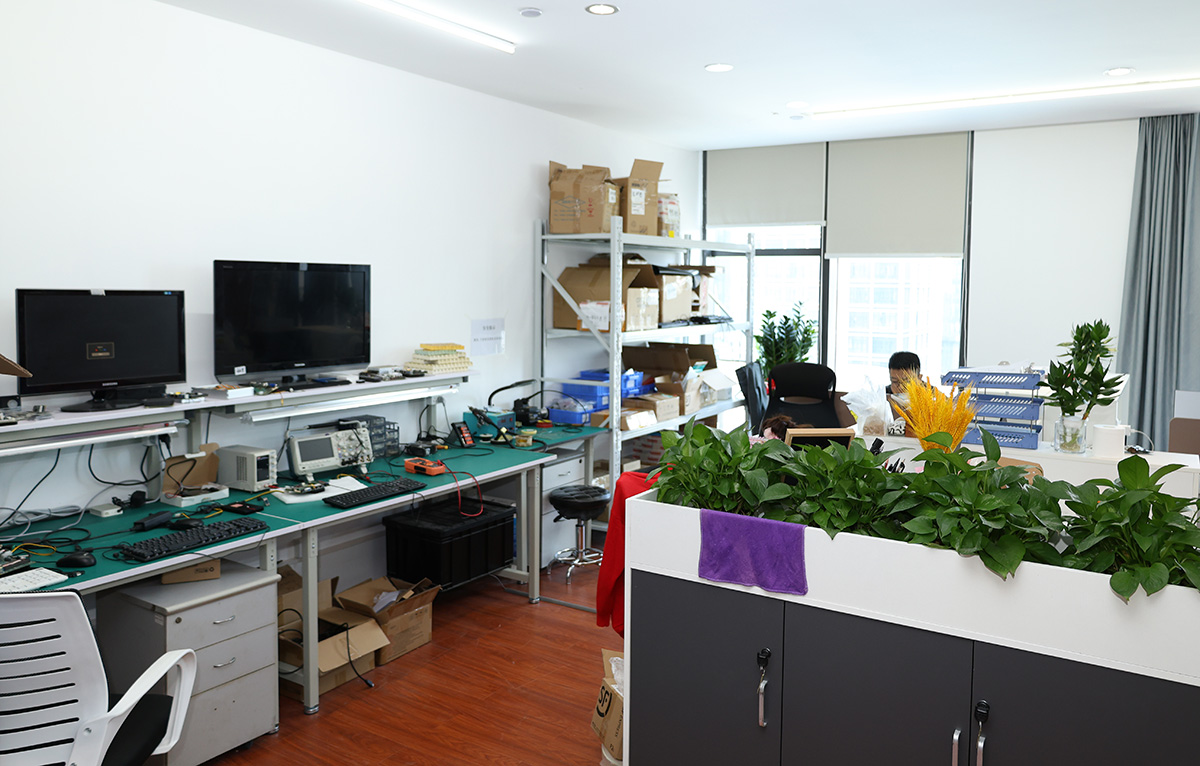
YDSTECH has set up a comprehensive quality assurance management system, adopting MSA quality system analysis, implementing rolling quality system audit, TQM, SPC process control and other quality management systems, establishing AVL supplier management system to ensure the quality of raw materials, and introducing rolling product reliability tests to ensure overall product reliability.
Every product destined for clinical environments undergoes rigorous testing protocols, including high/low-temperature thermal cycling, vibration resilience testing, and electromagnetic compatibility (EMC) evaluations. This ensures that our systems can operate flawlessly alongside highly sensitive medical equipment without causing interference or experiencing downtime.