Leave Your Message
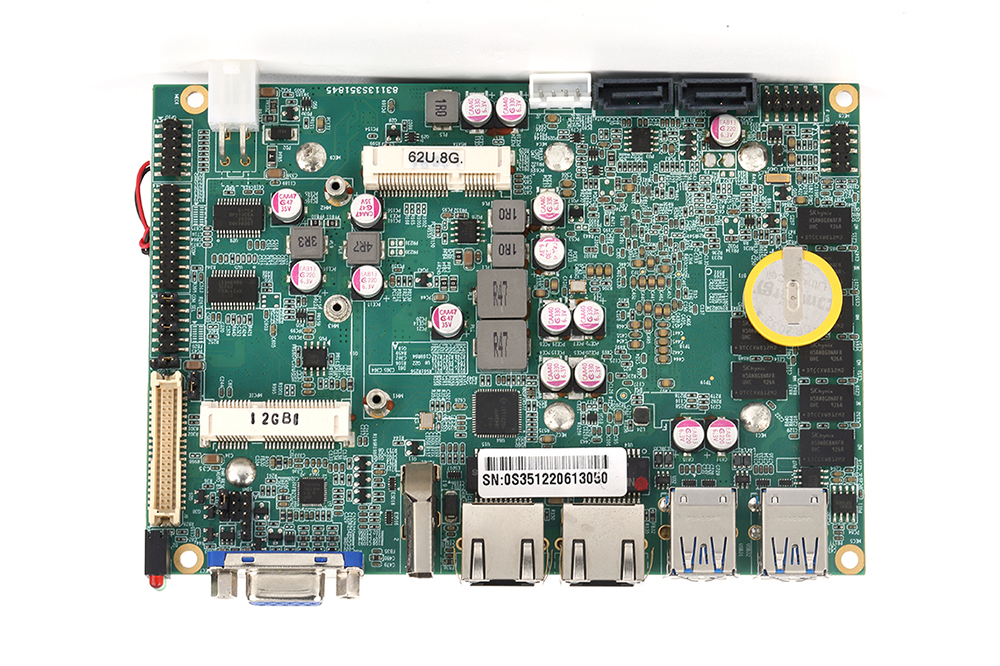
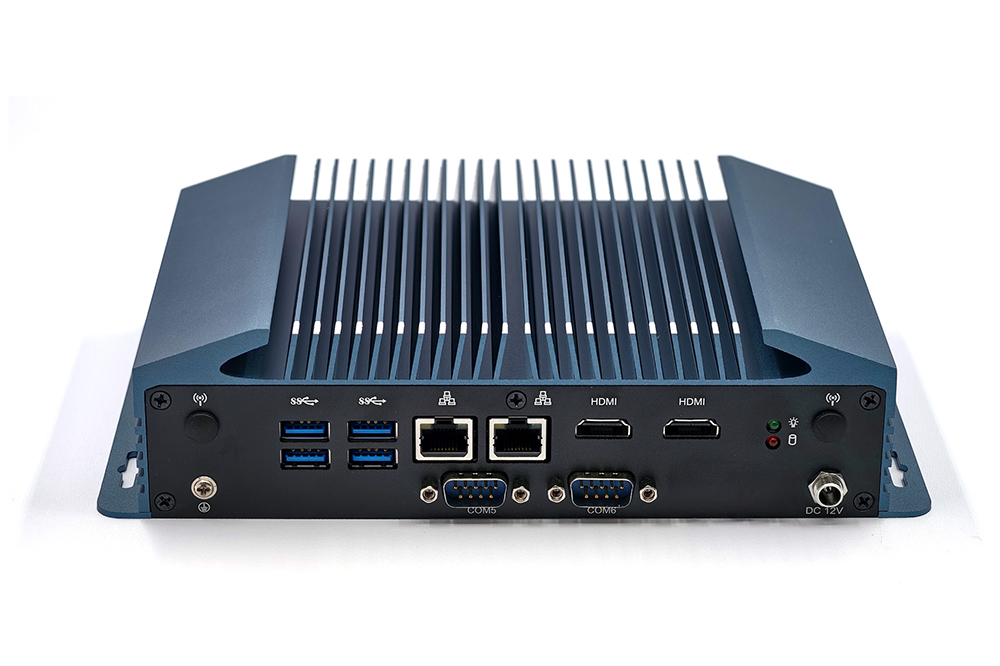
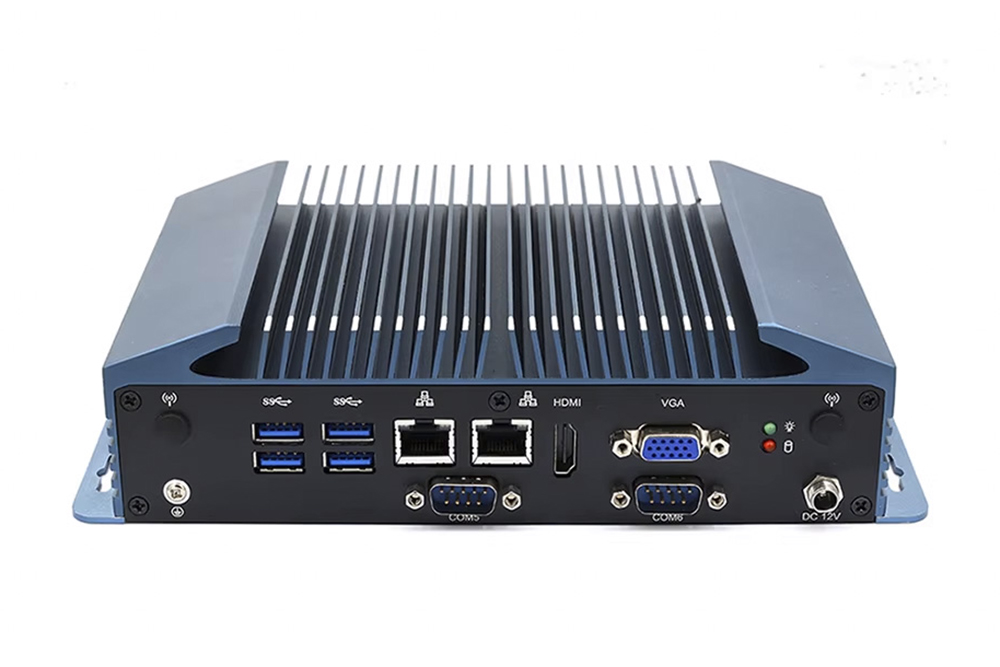
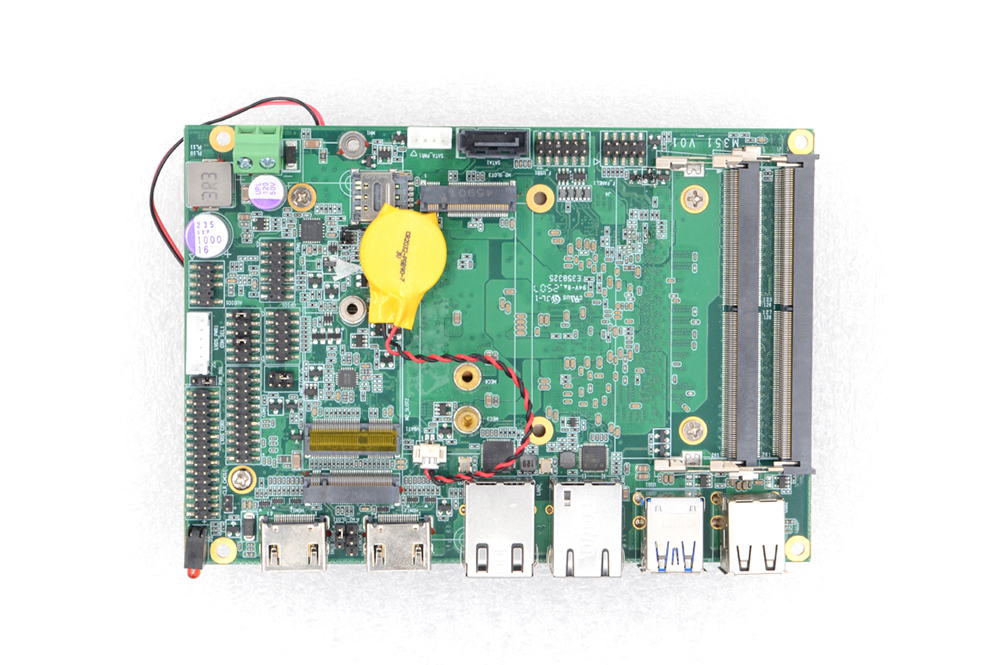
Deploying industrial PC screens in adverse thermal and physical environments demands embedded motherboards and fanless systems built with thermal-dampening layouts, wide-voltage protection, and resilient I/O expansion.
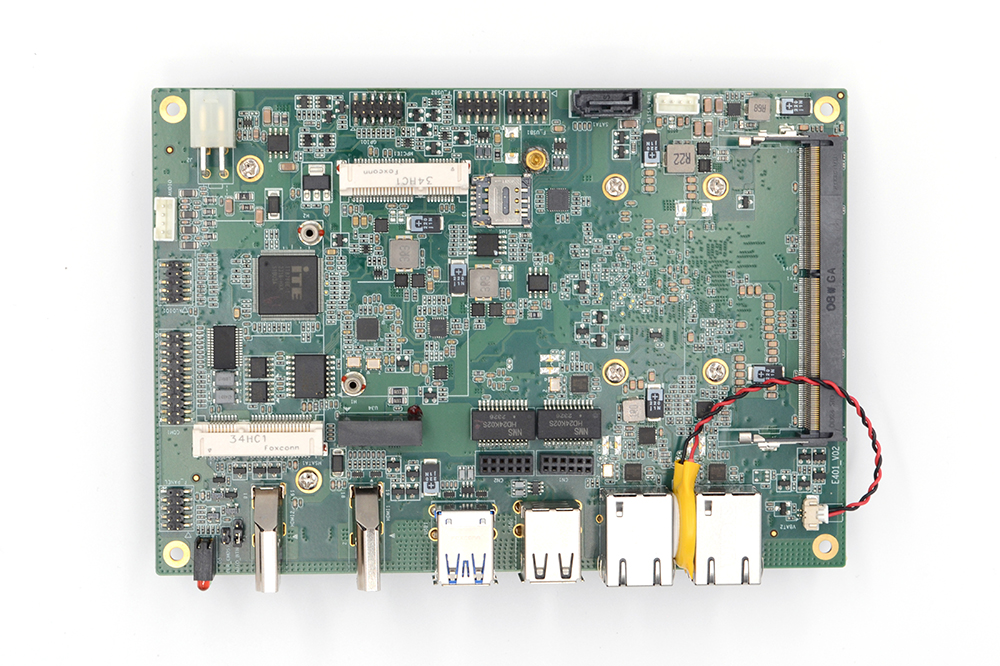
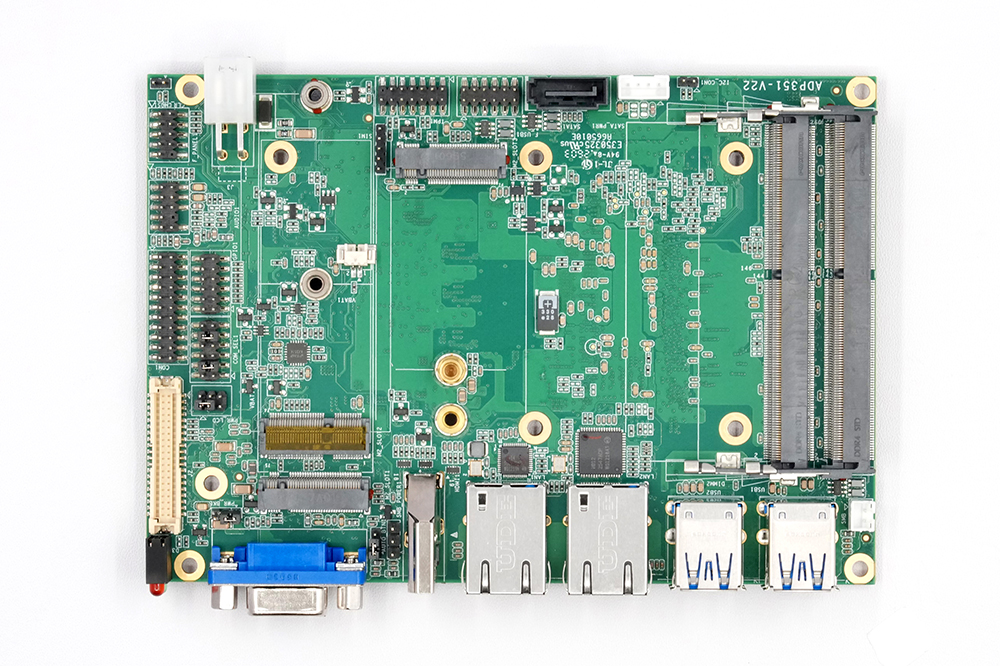
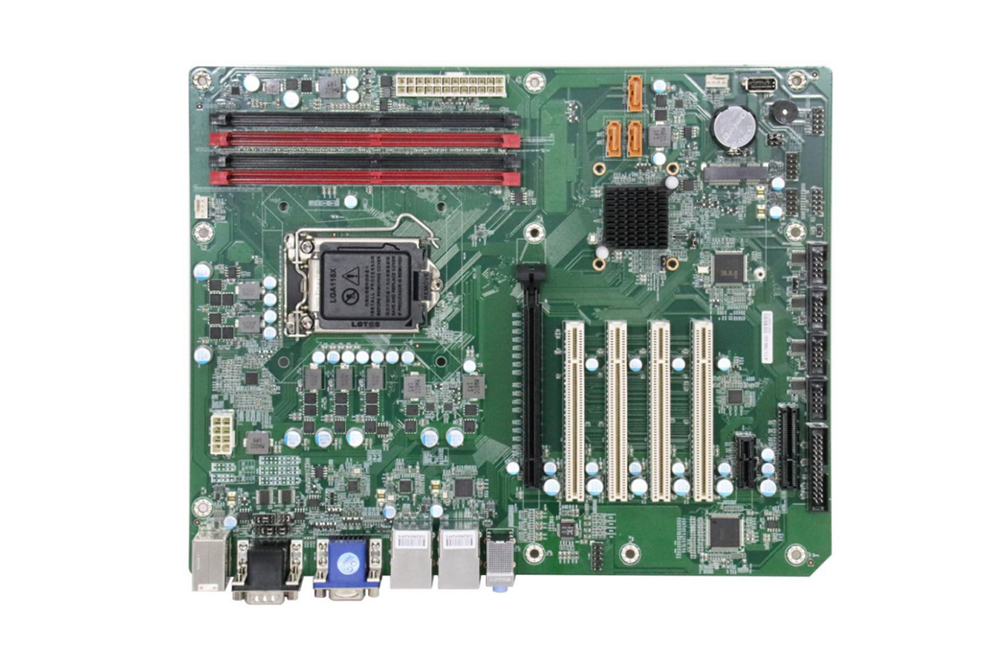
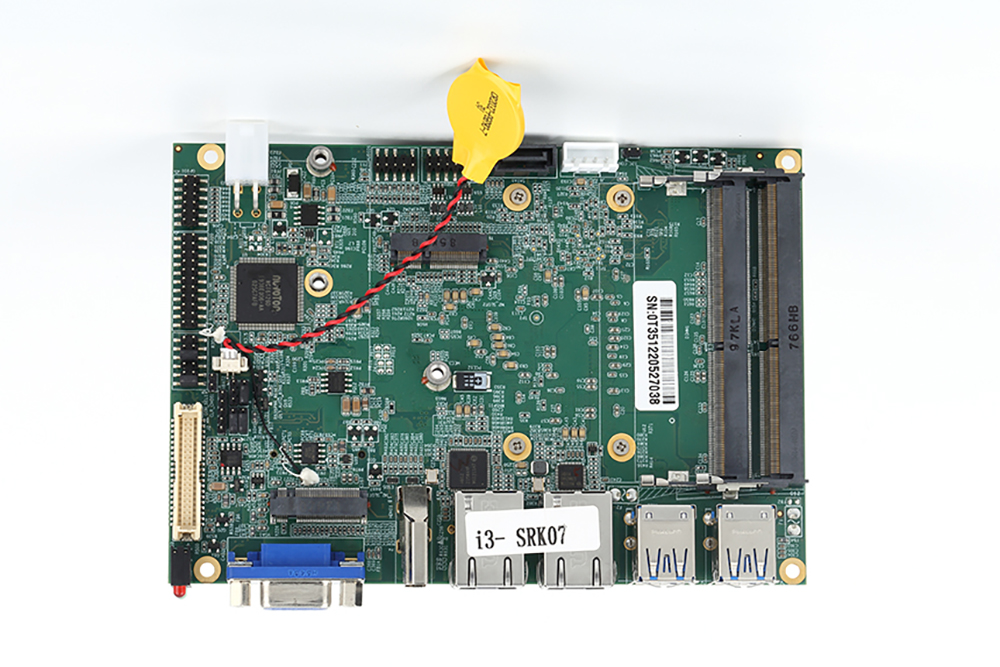
The rapid acceleration of Industry 4.0, autonomous operations, and decentralized edge computing has permanently elevated the functional demands placed on Human-Machine Interfaces (HMIs). Once confined to air-conditioned control rooms, computing screens must now sit directly at the point of action: adjacent to glowing metallurgy furnaces, within sub-zero cold-storage facilities, mounted to vibrating commercial mining haulers, or exposed to open-sky maritime terminals.
Deploying standard commercial-grade displays in these extreme operational theaters inevitably leads to catastrophic failure. Consumer-tier liquid crystals freeze into sluggish states at sub-zero temperatures, while high ambient heat causes thermal isotropic blackout—turning displays unreadable. Furthermore, corrosive airborne particulates, moisture condensation, and unregulated power transients can quickly incapacitate unhardened systems.
An engineered Industrial PC Screen for harsh environments and wide temperature operation eliminates this vulnerability. By uniting wide-temperature liquid crystal fluid, rugged optical bonding, fanless structural dissipation, and conformal-coated high-performance motherboards, these displays deliver uncompromising uptime, slashing the Total Cost of Ownership (TCO) across complex enterprise deployments.
Our specialized industrial PC systems combine intelligent thermal throttling, MIL-STD shock attenuation, and wide DC input ranges (9V-36V) to insulate mission-critical applications against harsh real-world variability.
To endure severe chemical, climatic, and mechanical stresses, every touchpanel and embedded computing layer is designed according to stringent industrial reliability criteria.
Equipped with specialized wide-temperature liquid crystal molecules and integrated automatic thermal-foil heaters, our panels operate reliably from -40°C cold starts up to +85°C high ambient environments without solar isotropic solar blackout.
Optically clear resin (OCR) fills the internal air gap between the touch sensor and LCD panel. This eliminates internal condensation, prevents fogging, boosts structural shock resistance by 300%, and maximizes sunlight contrast ratio.
Machined aluminum alloy front bezels and corrosion-resistant gaskets safeguard internal motherboards against pressurized steam washdowns, airborne hydrocarbons, conductive metal filings, and external projectile impacts up to IK08-IK10.
Custom Projected Capacitive (PCAP) firmware algorithms overcome false touches caused by water droplets, salt spray, or process chemicals, supporting uninterrupted interaction with thick industrial leather, nitrile, and insulated winter gloves.
Explore how wide-temperature industrial PC screens overcome unique physical challenges across global harsh-environment deployments.
Remote substations and offshore drilling platforms require 24/7 continuous operation under intense solar radiation, corrosive marine salt-fog, and extreme thermal swings. Utilizing high-nit transflective LED backlighting, wide-voltage transient suppression, and sealed I/O ports, these screens empower technicians with instant SCADA visualization without risk of component failure.
In automated stamping, CNC machining, and steel rolling mills, equipment experiences chronic high-frequency harmonic vibration, abrasive dust, and intense electromagnetic interference (EMI). Fanless industrial touchscreens eliminate cooling intake vents, sealing out conductive airborne particles while delivering high-speed deterministic fieldbus control.
Food, beverage, and pharmaceutical manufacturing facilities mandate strict hygiene and high-pressure chemical washdowns (IP69K). Concurrently, rapid transfers between blast freezers (-30°C) and humid packaging rooms create severe internal condensation risks, which are neutralized through optically bonded displays and anti-corrosive stainless steel chassis.
Open-pit mining excavators, autonomous haulage trucks, and port straddle carriers demand touch monitors that comply with MIL-STD-810H standards for shock and sustained vibration. Reinforced glass substrates combined with locking industrial connectors ensure display stability during intense vehicle shock profiles.
Commercial megawatt EV fast-charging stations and outdoor railway ticketing terminals endure direct sun exposure and sub-zero winter blasts. Fitted with auto-dimming ambient light sensors, anti-glare etching, and vandal-resistant surface chemistry, these screens deliver optimal clarity and dependable multi-touch response 365 days a year.
Sterile cleanroom manufacturing requires screen surfaces that withstand aggressive wipe-downs using alcohol, bleach, and hydrogen peroxide vapors. Flat, seamless edge-to-edge true-flat designs prevent microbial entrapment, offering surgeons and pharmaceutical technicians seamless glove-operable user interfaces.
How artificial intelligence, innovative material sciences, and ultra-high-efficiency silicon architectures are redefining harsh-environment visualization.
Modern rugged touch systems are evolving from simple display terminals into intelligent edge compute nodes. By incorporating Intel Core Ultra processors featuring dedicated Neural Processing Units (NPUs), industrial PC screens now run real-time machine vision inspection, operator posture tracking, and localized anomaly detection right at the edge without cloud latency.
Traditional CCFL and conventional edge-lit LED backlights generate substantial heat, complicating passive thermal envelopes. The adoption of localized Mini-LED dimming arrays provides extraordinary dynamic range, 1500+ nits daylight visibility, and up to 40% lower thermal dissipation, greatly increasing the operational life of wide-temperature assemblies.
Next-gen panel architectures incorporate embedded internal environmental sensors that monitor internal temperature, relative humidity, voltage ripple, and backlight degradation. This telemetry is transmitted to centralized monitoring platforms, allowing proactive maintenance before catastrophic failure occurs in the field.
A pioneering high-tech enterprise specializing in robust, dependable industrial computer solutions since 1999.
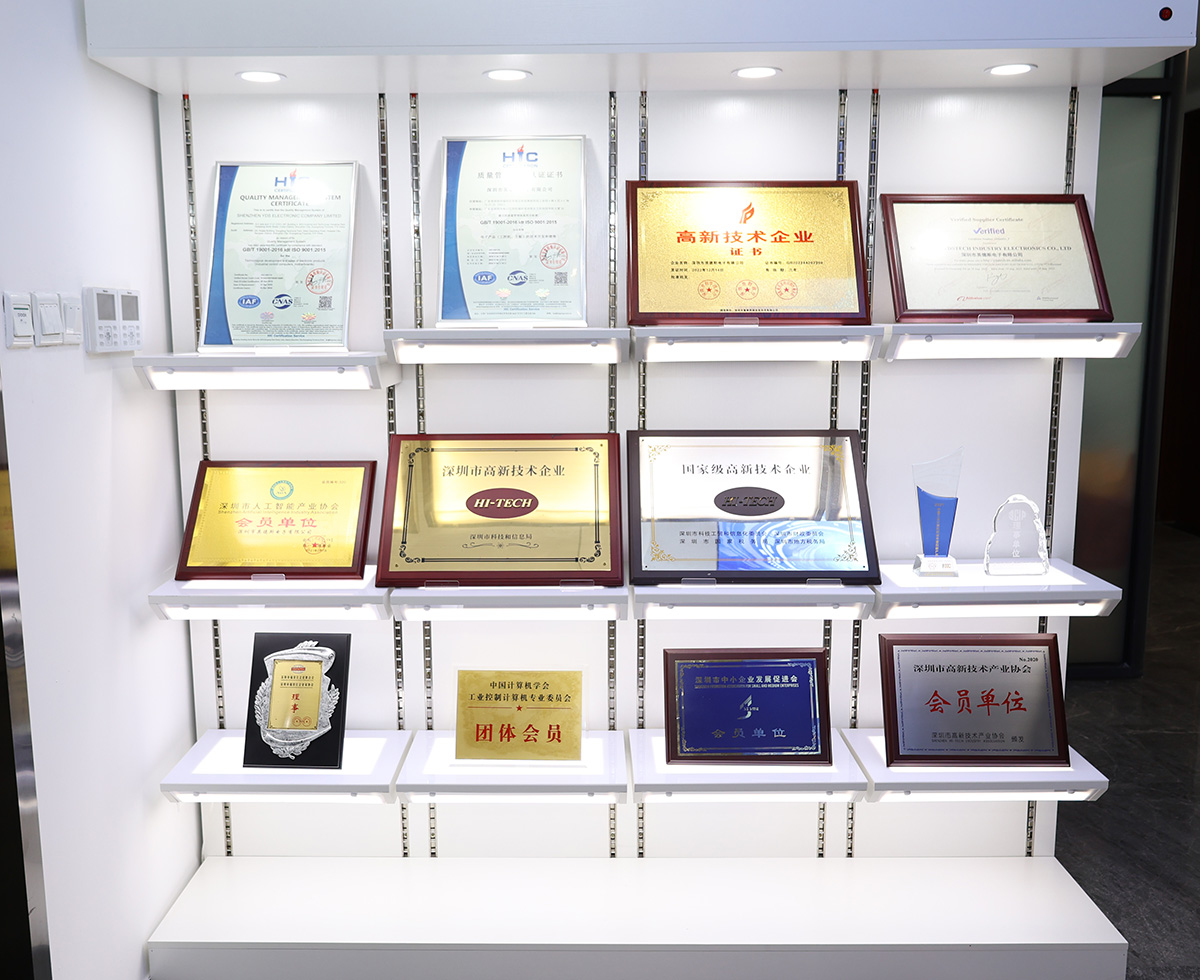
· Certified High-Tech Enterprise
· Shenzhen Software Product And Software Enterprise Evaluation Certified Enterprise
· ISO9001 International Quality System Certified Enterprise
· Member Of Chinese Association Of Automation
· Member Of China Instrumentation Society
· Member Of China Computer Federation
· Director Of Shenzhen Computer Association
· Founding Member Of China Embedded System Industry Alliance
Our core technical team has over 15 years of experience in this industry, and has been focusing on embedded computer research and development, with rich and solid professional expertise. We believe that attitude means everything, since the establishment of YDSTECH, we have always been committed to work with a conscientious, responsible, attentive, professional, prudent and meticulous attitude, which ensures the high-quality output of the products, years of persistence and experience created our strong R&D team.
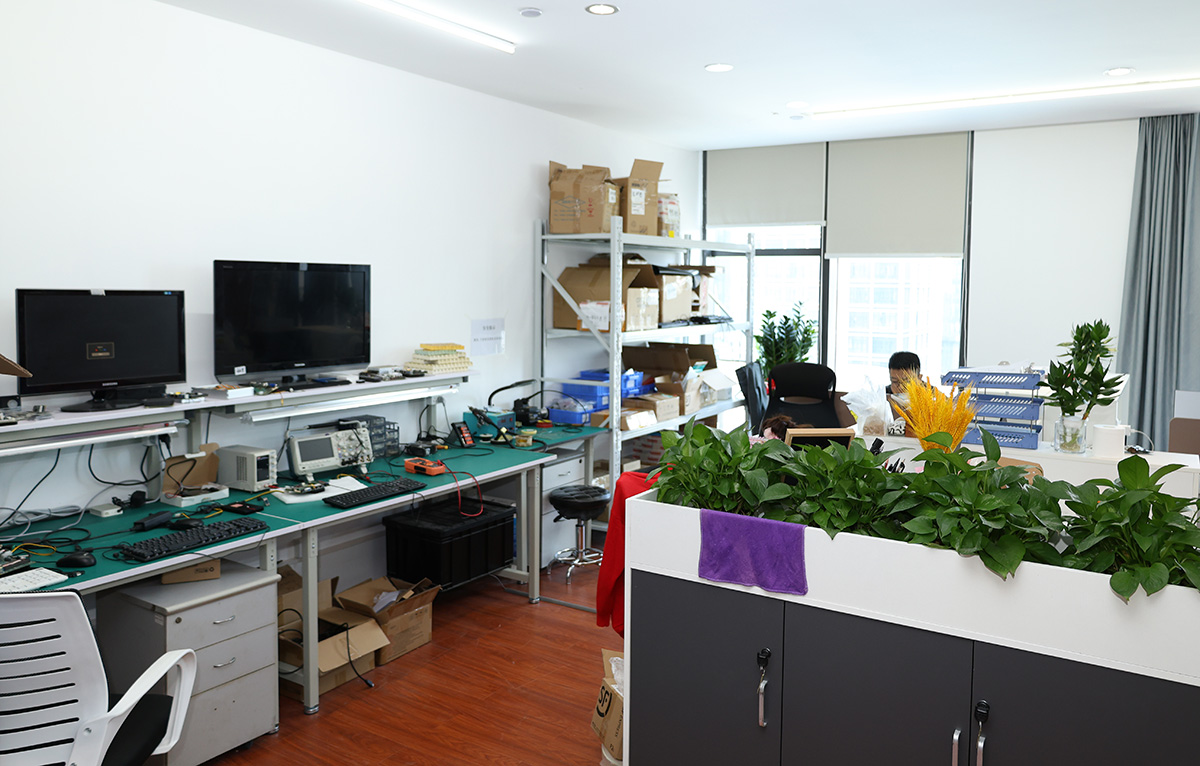
YDSTECH has set up a comprehensive quality assurance management system, adopting MSA quality system analysis, implementing rolling quality system audit, TQM, SPC process control and other quality management systems, establishing AVL supplier management system to ensure the quality of raw materials, and introducing rolling product reliability tests to ensure overall product reliability.
Explore our full line of wide-temperature, fanless, and high-performance embedded systems designed to drive critical industrial human-machine interfaces.