Leave Your Message
Explore our top-tier industrial PC boards optimized for traffic cameras, roadside units, and edge computing nodes in demanding transportation environments.
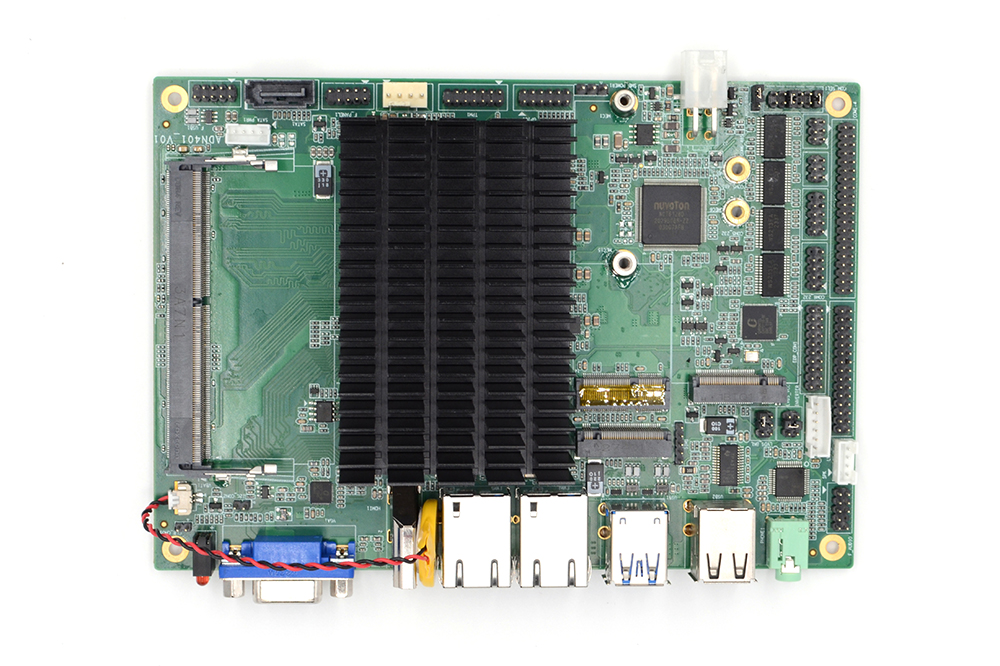
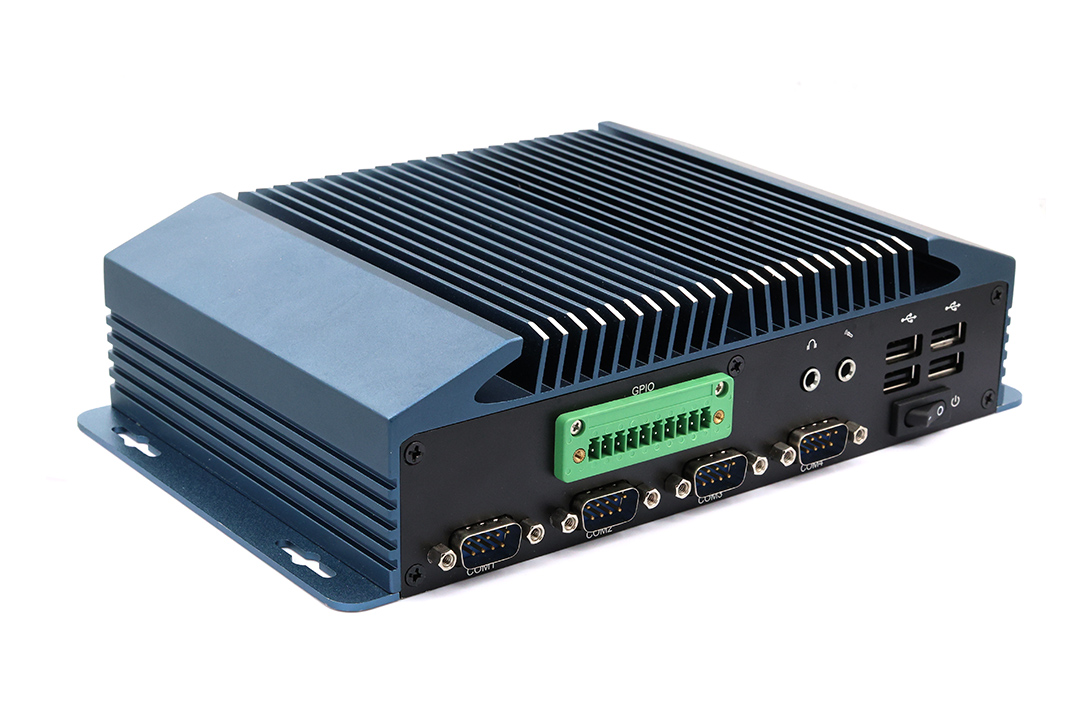
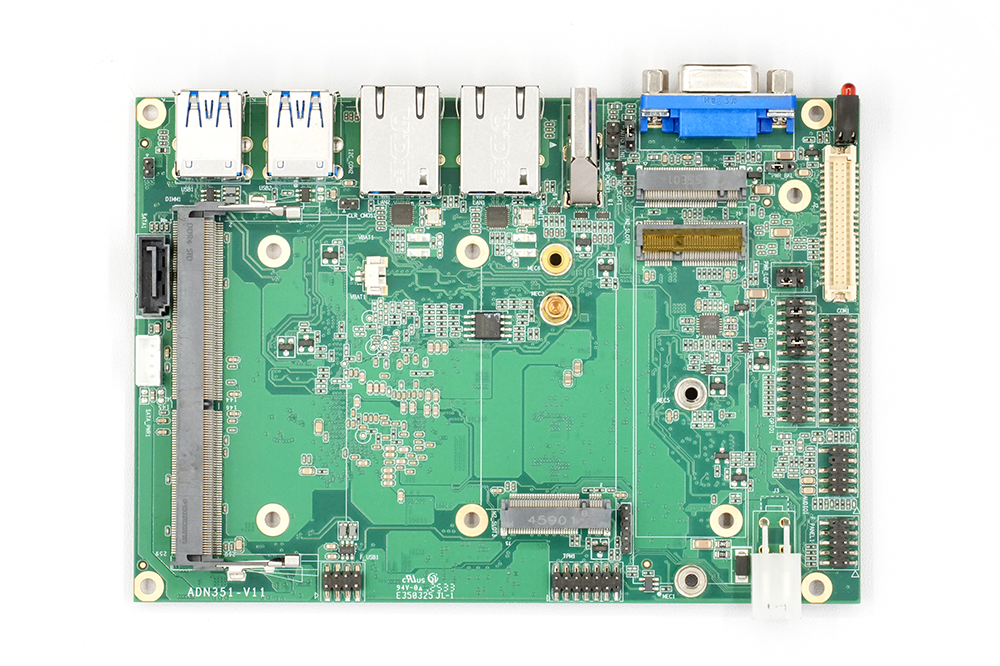
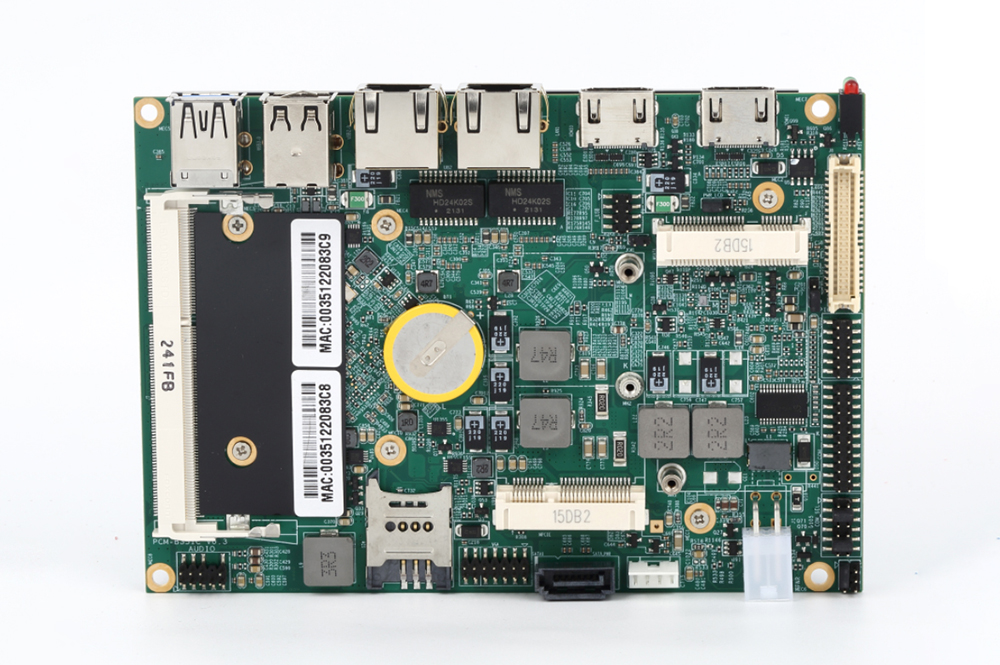
The rapid evolution of modern urban ecosystems has catalyzed a paradigm shift in how global cities manage mobility, safety, and transit efficiency. At the heart of this transformation lies the field of Intelligent Transportation Systems (ITS) and Smart Traffic Monitoring. These systems rely on continuous, real-time data collection, processing, and communication at the edge. To orchestrate this complex network of sensors, cameras, radar detectors, and automated toll booths, the underlying hardware must possess exceptional processing power, unwavering reliability, and specialized environmental resilience.
This is where the Industrial PC Board (IPCB) plays a pivotal and irreplaceable role. Acting as the computational engine for roadside units (RSUs), traffic signal controllers, and in-vehicle systems, industrial motherboards are the unsung heroes of modern smart transportation infrastructure. Unlike consumer-grade hardware, these boards are meticulously designed to handle the rigorous physical demands of outdoor environments while running advanced edge AI algorithms for real-time traffic optimization.
Enables real-time license plate recognition, anomaly detection, and traffic flow optimization directly at the intersection node.
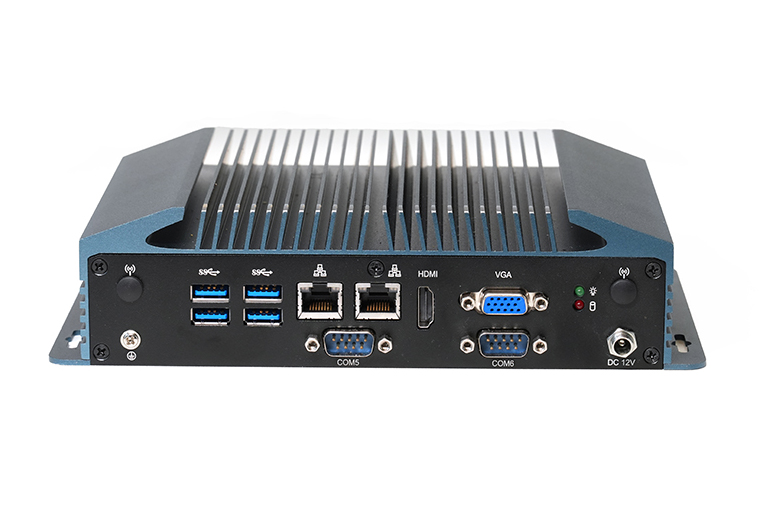
Wide temperature operation (-40°C to +75°C) and fanless architectures prevent downtime caused by extreme weather and dust.
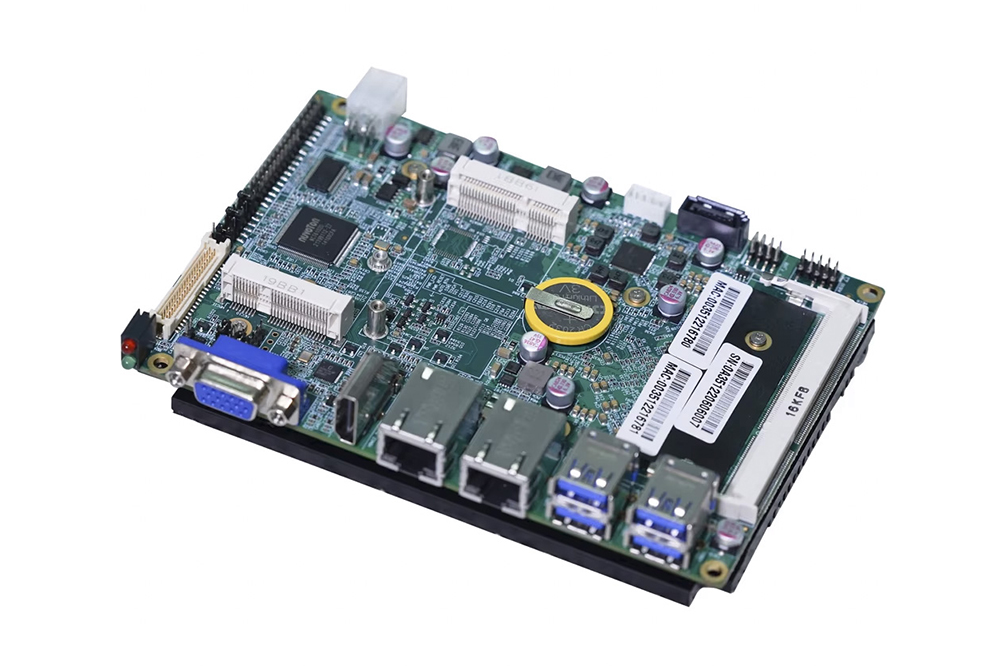
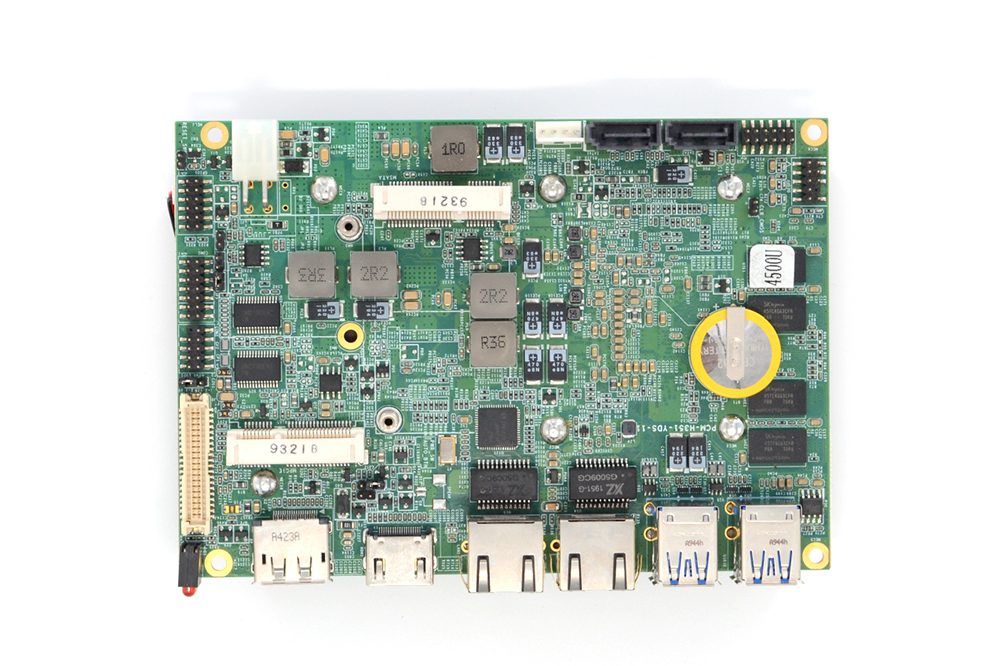
Equipped with dual gigabit LANs, multiple serial ports, and GPIOs to interface seamlessly with diverse sensor arrays.
The global smart transportation market is experiencing unprecedented expansion. Driven by rapid urbanization, the proliferation of Internet of Things (IoT) devices, and the integration of Artificial Intelligence at the edge, the demand for industrial-grade computing solutions is growing at a compound annual growth rate (CAGR) exceeding 10% over the next decade. Municipalities and transport authorities worldwide are investing heavily in upgrading legacy road systems to reduce carbon emissions, alleviate traffic congestion, and enhance pedestrian safety.
This commercial push is heavily supported by national policies and smart city initiatives, which mandate the deployment of adaptive traffic control systems, automated speed enforcement, and real-time transit tracking. For hardware manufacturers and system integrators, this represents a massive commercial opportunity. Standard consumer-grade computer boards are fundamentally unsuited for these applications; they fail under the extreme temperature fluctuations, continuous vibration, and dusty outdoor environments characteristic of roadside installations. Consequently, industrial-grade PC boards, engineered specifically for rugged environments, have become a high-value commodity in the global industrial computing market.
1. Shift to Edge AI Computing: Traditional traffic monitoring systems relied heavily on transmitting raw video streams back to centralized cloud servers. This approach is no longer viable due to high bandwidth costs and latency. Modern industrial PC boards are equipped with onboard AI accelerators (NPUs/GPUs) that process video analytics at the edge, identifying accidents, speed violations, and traffic counts in real time.
2. The Rise of V2X (Vehicle-to-Everything) Communication: As autonomous and connected vehicles gain traction, roadside units (RSUs) must communicate directly with vehicles. Industrial PC boards serve as the core processor within these RSUs, managing ultra-low-latency data exchange via 5G and C-V2X protocols to coordinate vehicle movements and warn of hazards.
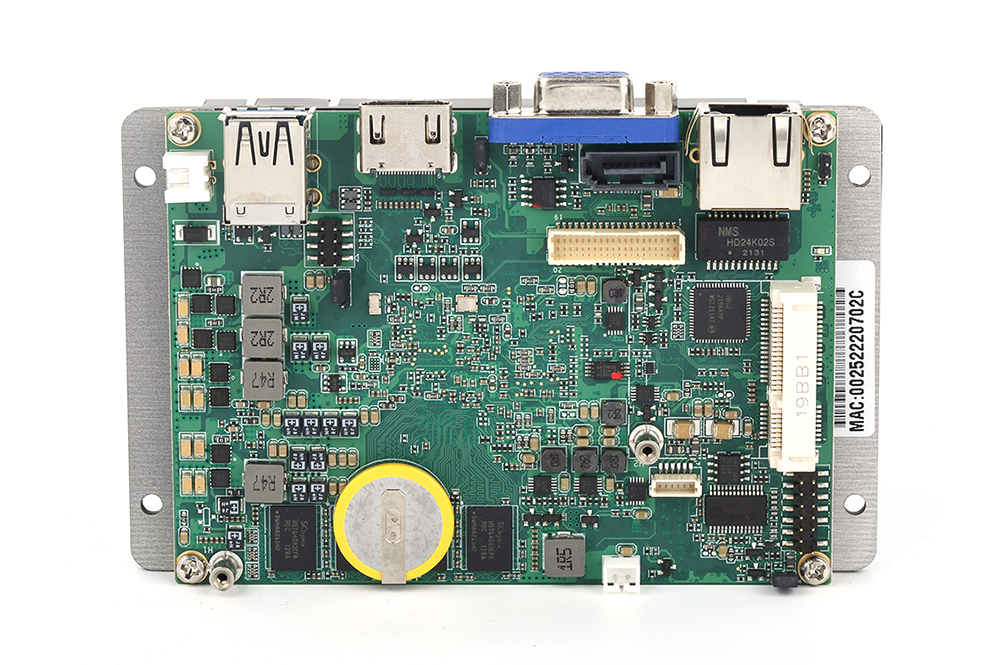
3. Fanless and Ultra-Compact Form Factors: Space constraints inside roadside cabinets and vehicle dashboards have driven the demand for smaller form factors, such as 3.5-inch and 2.5-inch motherboards. Fanless architectures are mandatory to eliminate the mechanical failure point of cooling fans and prevent dust accumulation inside the chassis.
Traditional pre-timed traffic signals are rapidly being replaced by adaptive systems that dynamically adjust green light phases based on real-time vehicle queues and pedestrian flow. An Industrial PC Board deployed inside an intersection control cabinet acts as the local brain. It interfaces with inductive loops, radar sensors, and overhead cameras via high-speed LAN and serial connections. By running advanced algorithms locally, the board can calculate optimal signal timings in milliseconds, drastically reducing vehicle idle times, fuel consumption, and greenhouse gas emissions. The low-latency processing capability of these boards ensures that traffic flows smoothly even during unexpected bottlenecks or peak rush hours.
Modern highways and congestion-charging zones rely on automated systems to identify vehicles and process toll payments without requiring drivers to stop. ALPR systems require high-resolution cameras to capture images of vehicles moving at highway speeds. The connected Industrial PC Board must quickly process these high-definition video frames, perform optical character recognition (OCR) to extract license plate numbers, cross-reference the data with central databases, and trigger enforcement or billing events. This process demands multi-core processing power, high-speed DDR4 memory, and multiple Gigabit Ethernet interfaces (often with Power over Ethernet, or PoE) to power and communicate with the cameras.
Public transit buses, trains, and emergency response vehicles are mobile data hubs. In-vehicle industrial computers are used to run fleet management software, track GPS locations, manage onboard CCTV surveillance, and drive digital passenger information displays. These computers must be built on compact, vibration-resistant motherboards (often conforming to standards like EN50155) to withstand the constant shock and vibration of moving vehicles. Furthermore, they must feature wide-voltage power input designs with ignition sensing capabilities to handle the power fluctuations and start-stop cycles of vehicle engines.
With the integration of Artificial Intelligence, modern traffic monitoring goes beyond simple recording. Edge AI computers powered by high-performance industrial motherboards can analyze live video streams to detect anomalies such as traffic accidents, stopped vehicles on highways, wrong-way drivers, or debris on the road. By identifying these incidents within seconds, the system can automatically alert emergency services and update digital variable message signs (VMS) to warn oncoming drivers, preventing secondary collisions and saving lives. This requires industrial boards with high thermal efficiency to support dedicated AI accelerators (like VPUs or entry-level GPUs) alongside the main CPU.
Shenzhen YDSTECH Electronics Co., Ltd. is a high-tech enterprise specializing in industrial computers. Since the establishment of YDSTECH in 1999, we have been committed to independent research and development, innovation, production and sales of industrial computers, and we own the independent intellectual property rights of our core products.
We consider honesty and pragmatism as our motto and make it our long-term goal to provide customers with cost-effective products. In order to achieve this goal, we work constantly to develop new products, improve our service capabilities and promote the innovation of embedded computer applications to create long-term value and potential growth for our customers.
Our core technical team has over 15 years of experience in this industry, and has been focusing on embedded computer research and development, with rich and solid professional expertise. We believe that attitude means everything, since the establishment of YDSTECH, we have always been committed to work with a conscientious, responsible, attentive, professional, prudent and meticulous attitude, which ensures the high-quality output of the products, years of persistence and experience created our strong R&D team.
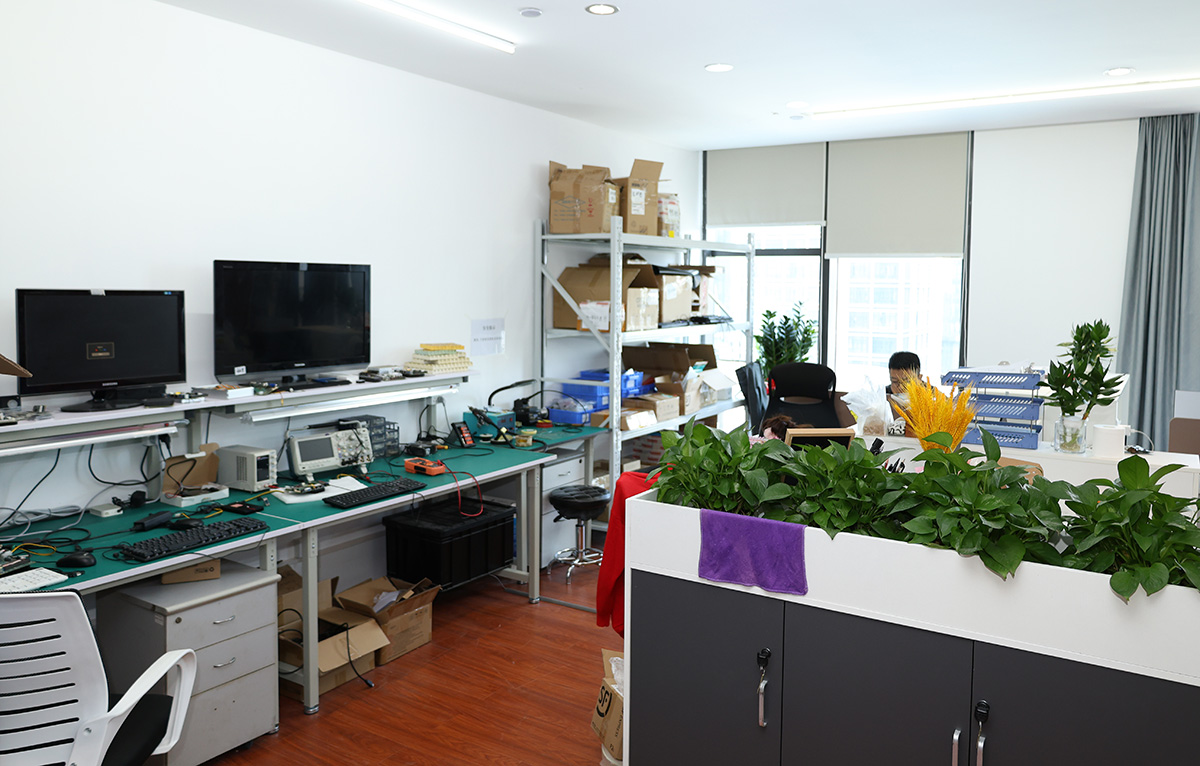
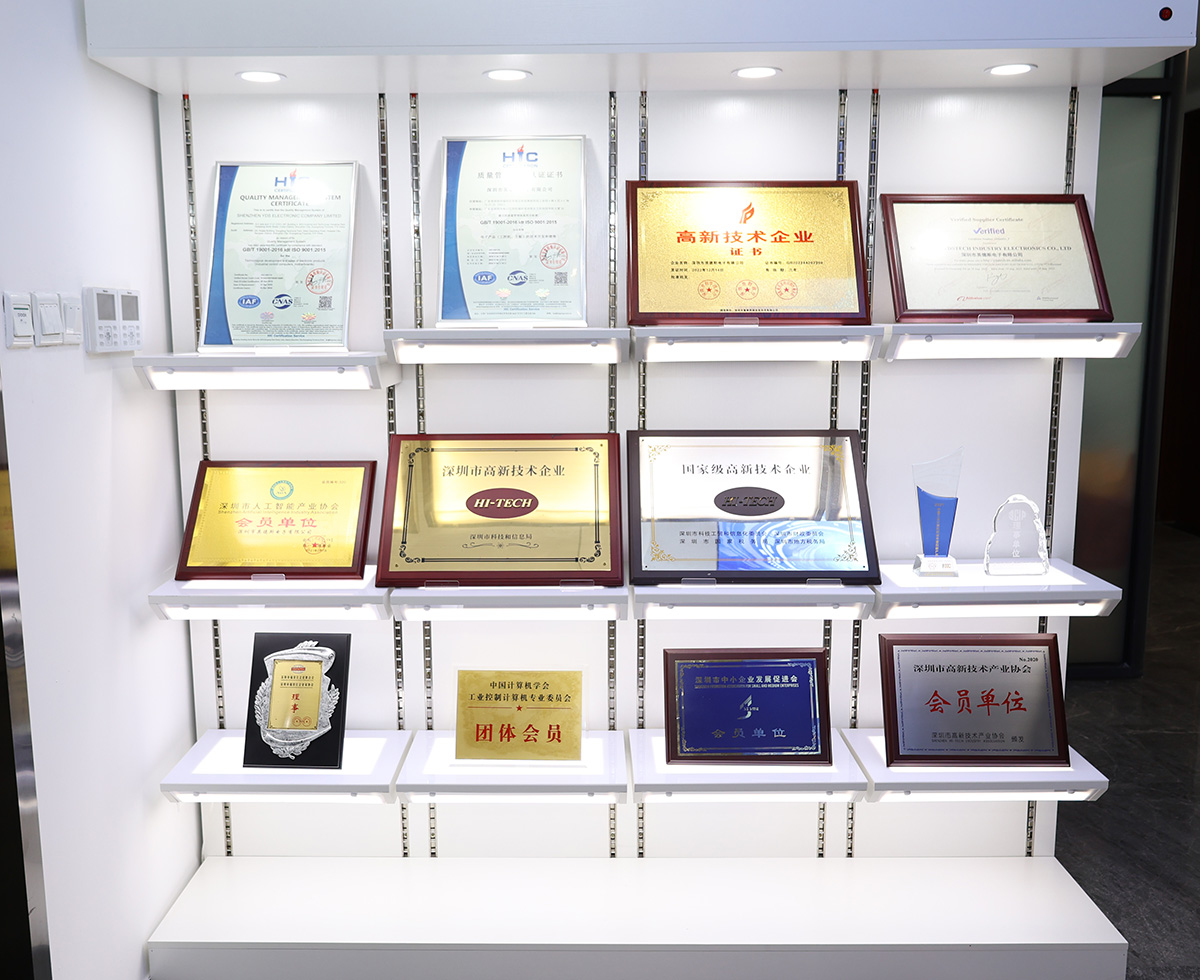
YDSTECH has set up a comprehensive quality assurance management system, adopting MSA quality system analysis, implementing rolling quality system audit, TQM, SPC process control and other quality management systems, establishing AVL supplier management system to ensure the quality of raw materials, and introducing rolling product reliability tests to ensure overall product reliability.
Discover our complete portfolio of high-performance industrial motherboards and fanless computers designed for traffic management, intelligent transportation systems, and industrial automation.