Leave Your Message
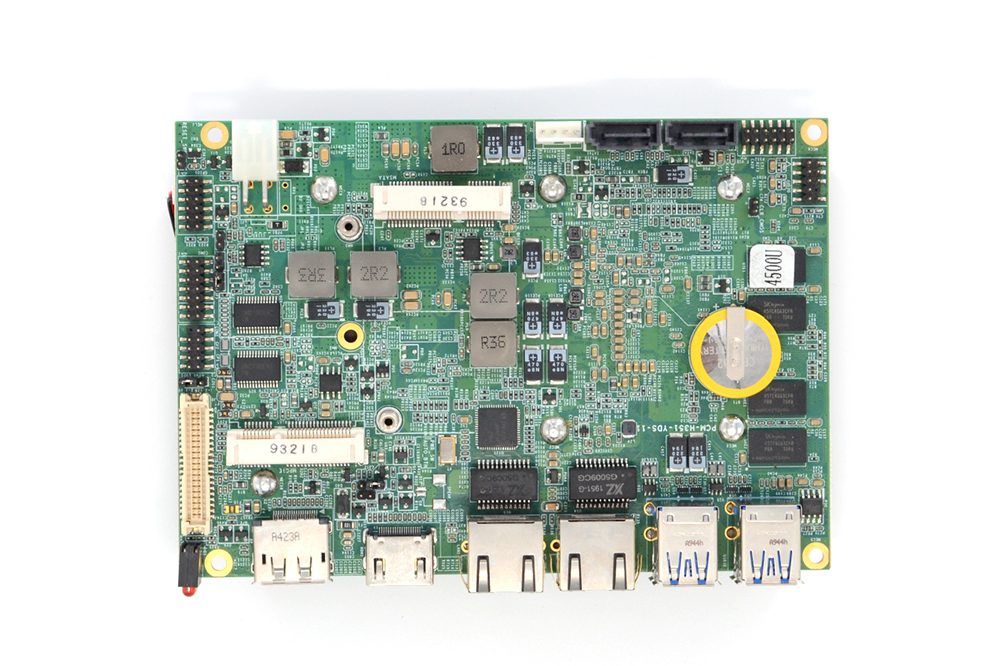
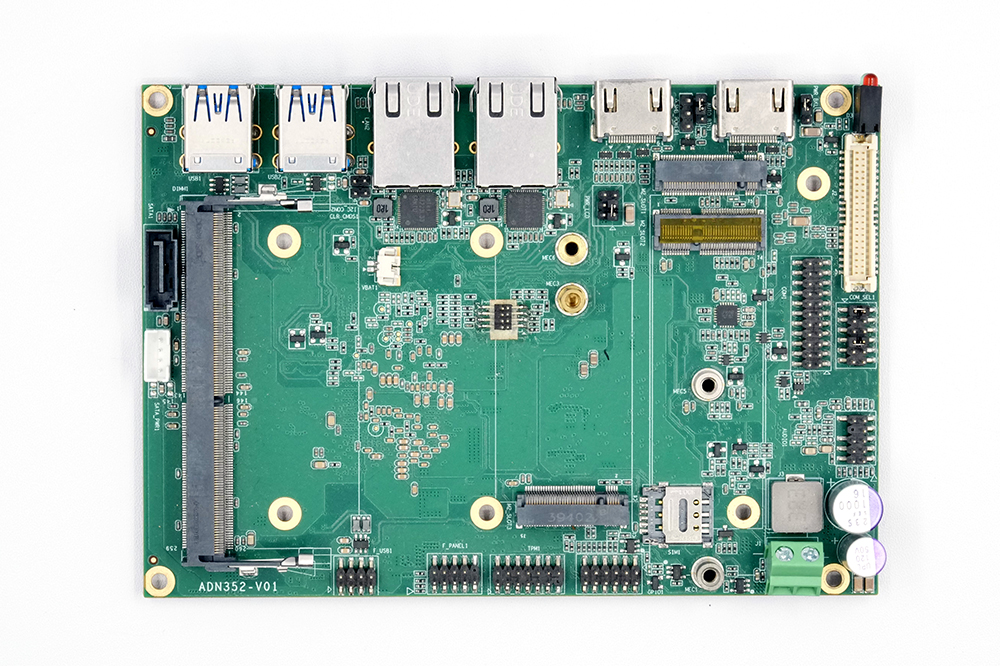
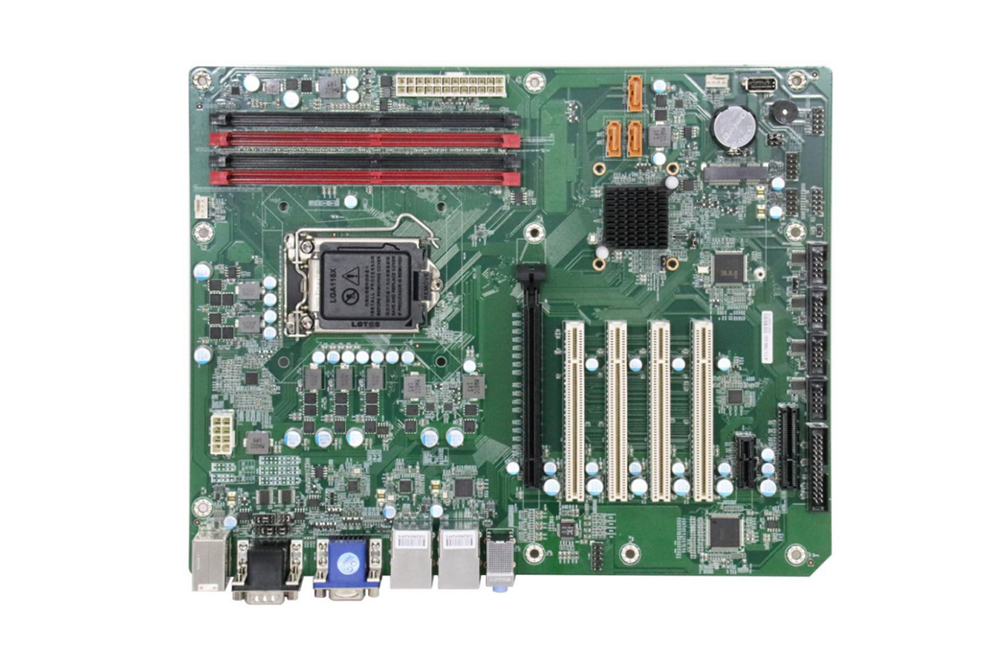
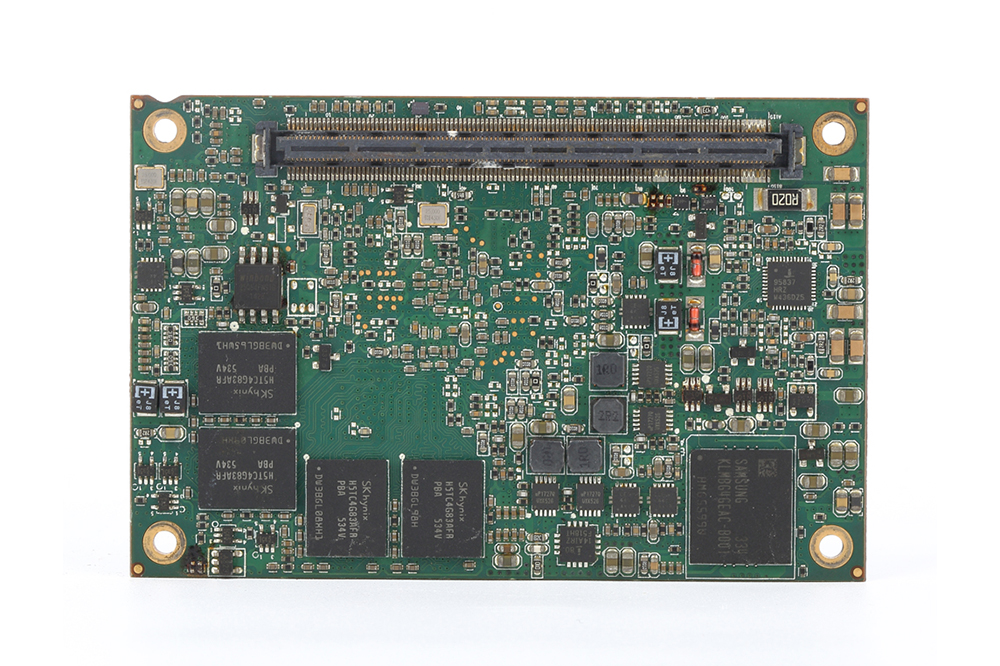
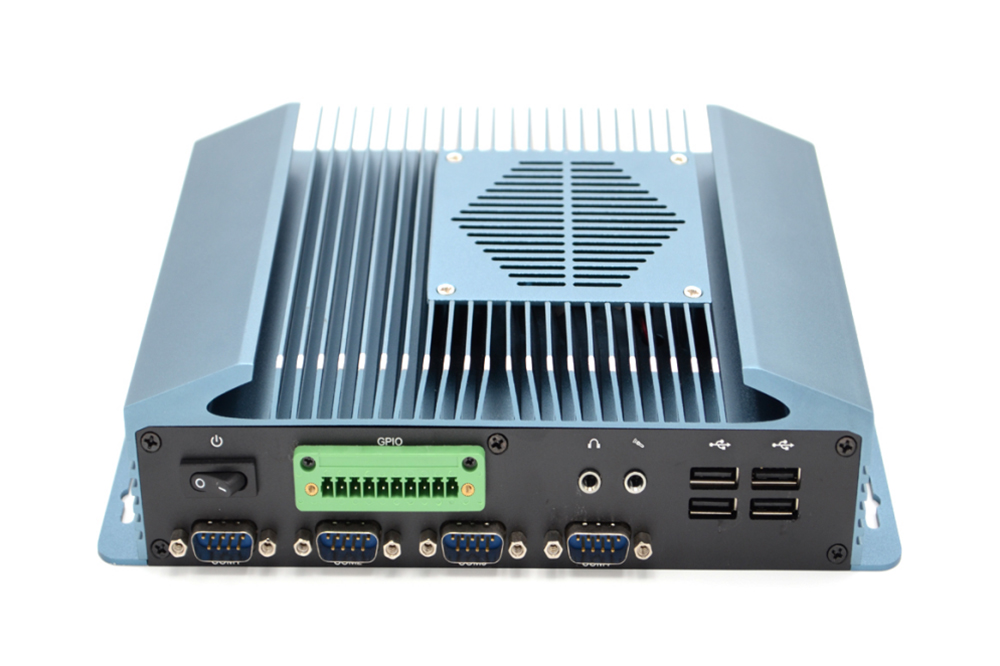
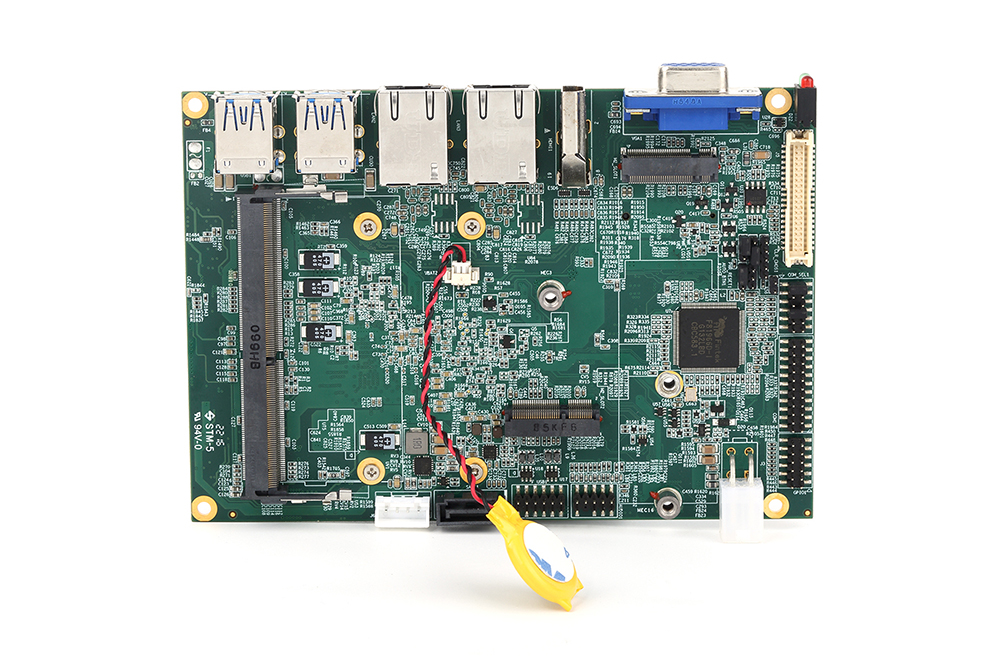
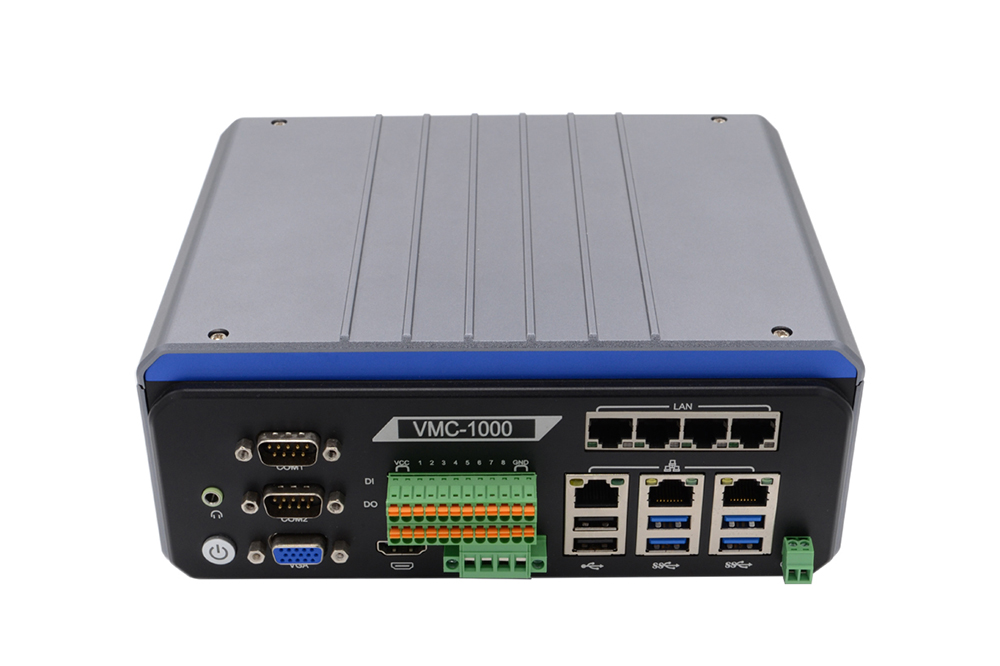
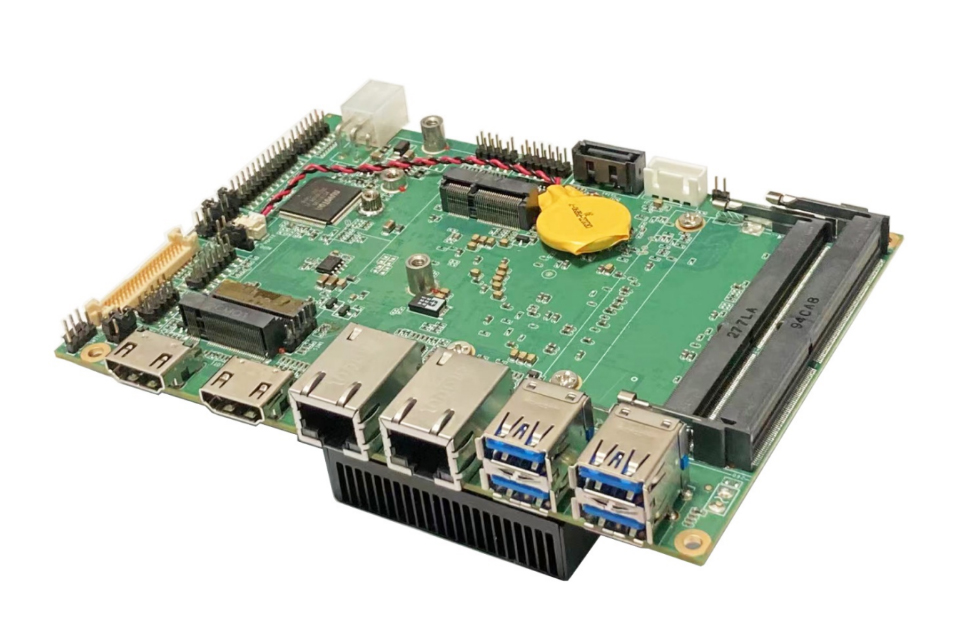
In the pharmaceutical manufacturing sector, precision is not merely a goal; it is a strict regulatory mandate. The validation of manufacturing facilities, storage warehouses, autoclaves, and cold chain logistics requires continuous, uninterrupted temperature monitoring. An Industrial PC Board For Pharmaceutical Validation And Temperature Monitoring serves as the computational heart of these critical processes. Regulatory bodies such as the US Food and Drug Administration (FDA) under 21 CFR Part 11 and the European Medicines Agency (EMA) under Annex 11 demand absolute data integrity, traceability, and robust system validation. Commercial off-the-shelf consumer computers are ill-equipped to handle the harsh environmental conditions of sterilization chambers, cleanrooms, and cryogenic storage facilities, making specialized industrial motherboards an absolute necessity.
Pharmaceutical validation processes expose monitoring equipment to extreme conditions. Autoclaves use high-pressure steam at temperatures exceeding 121°C, while cryogenic freezers store biologic samples at temperatures as low as -80°C or even -196°C. While the sensors themselves are placed inside these environments, the data acquisition systems and industrial computer boards processing these signals must operate reliably in adjacent environments where temperatures can still fluctuate wildly. Standard PC components degrade rapidly under thermal stress, leading to system crashes, data loss, and validation failures that can cost manufacturers millions of dollars in lost batches and regulatory non-compliance.
The global market for pharmaceutical validation is transitioning from centralized, legacy PLC-based systems to decentralized, smart edge computing systems. Modern pharmaceutical facilities utilize hundreds of temperature sensors (RTDs, thermocouples) distributed across vast cleanrooms and warehouses. By utilizing high-performance x86 industrial motherboards, engineers can deploy edge-computing units that perform real-time data analysis, local database logging, and secure cryptographic signing directly at the point of measurement. This ensures that even in the event of a network outage, data integrity remains uncompromised, fulfilling the ALCOA+ (Attributable, Legible, Contemporaneous, Original, Accurate) data integrity standards required by GAMP5.
Validation of sterilization equipment requires thermal mapping—placing multiple sensors throughout a chamber to locate the "cold spots" that might fail to sterilize products. An industrial PC board designed for this task must interface with high-density analog-to-digital converters (ADCs) to read multiple thermocouple inputs simultaneously. It requires robust I/O interfaces, such as isolated RS-485, CAN bus, and multiple Gigabit Ethernet ports, to transmit data to the central validation software without electromagnetic interference from the heavy machinery of the autoclave itself.
In cleanrooms, maintaining the correct temperature, humidity, and differential pressure is critical to preventing microbial contamination. Industrial PC boards power the HMI (Human-Machine Interface) panels mounted directly on cleanroom walls. These boards must be fanless to prevent air turbulence that could disturb laminar airflow and spread particulates. The fanless design also guarantees that no dust or chemical sanitizers (like vaporized hydrogen peroxide) are sucked into the computer housing, protecting the internal circuitry from corrosion and short circuits.
With the rise of advanced therapeutics like mRNA vaccines and cell therapies, the demand for ultra-low temperature storage has skyrocketed. Validation systems must monitor freezers operating at -80°C. Industrial motherboards with wide temperature support (operating down to -40°C or up to +85°C) are deployed in the control units of these specialized freezers. They manage the cooling compressors, log internal temperatures, and trigger automated alarms via local network connections if the temperature deviates even slightly from the validated parameters.
The future of pharmaceutical validation lies in the integration of AI-driven predictive maintenance and cloud-based digital twins. By analyzing temperature trends over time, an industrial PC board running edge AI algorithms can predict when an autoclave heater band or a freezer compressor is likely to fail *before* it occurs. This proactive approach prevents batch losses and minimizes unplanned downtime. Furthermore, the transition to 64-bit multi-core architectures allows industrial PCs to run complex virtualization environments, isolating the validated monitoring software from other network communication tasks, thereby simplifying the re-validation process when software updates are required.
Shenzhen YDSTECH Electronics Co., Ltd. is a high-tech enterprise specializing in industrial computers. Since the establishment of YDSTECH in 1999, we have been committed to independent research and development, innovation, production and sales of industrial computers, and we own the independent intellectual property rights of our core products.
We consider honesty and pragmatism as our motto and make it our long-term goal to provide customers with cost-effective products. In order to achieve this goal, we work constantly to develop new products, improve our service capabilities and promote the innovation of embedded computer applications to create long-term value and potential growth for our customers.
For over two decades, YDSTECH has engineered rugged, high-reliability industrial computing platforms. Our hardware is designed to meet the strict environmental, thermal, and electrical demands of modern pharmaceutical validation and industrial automation processes worldwide.
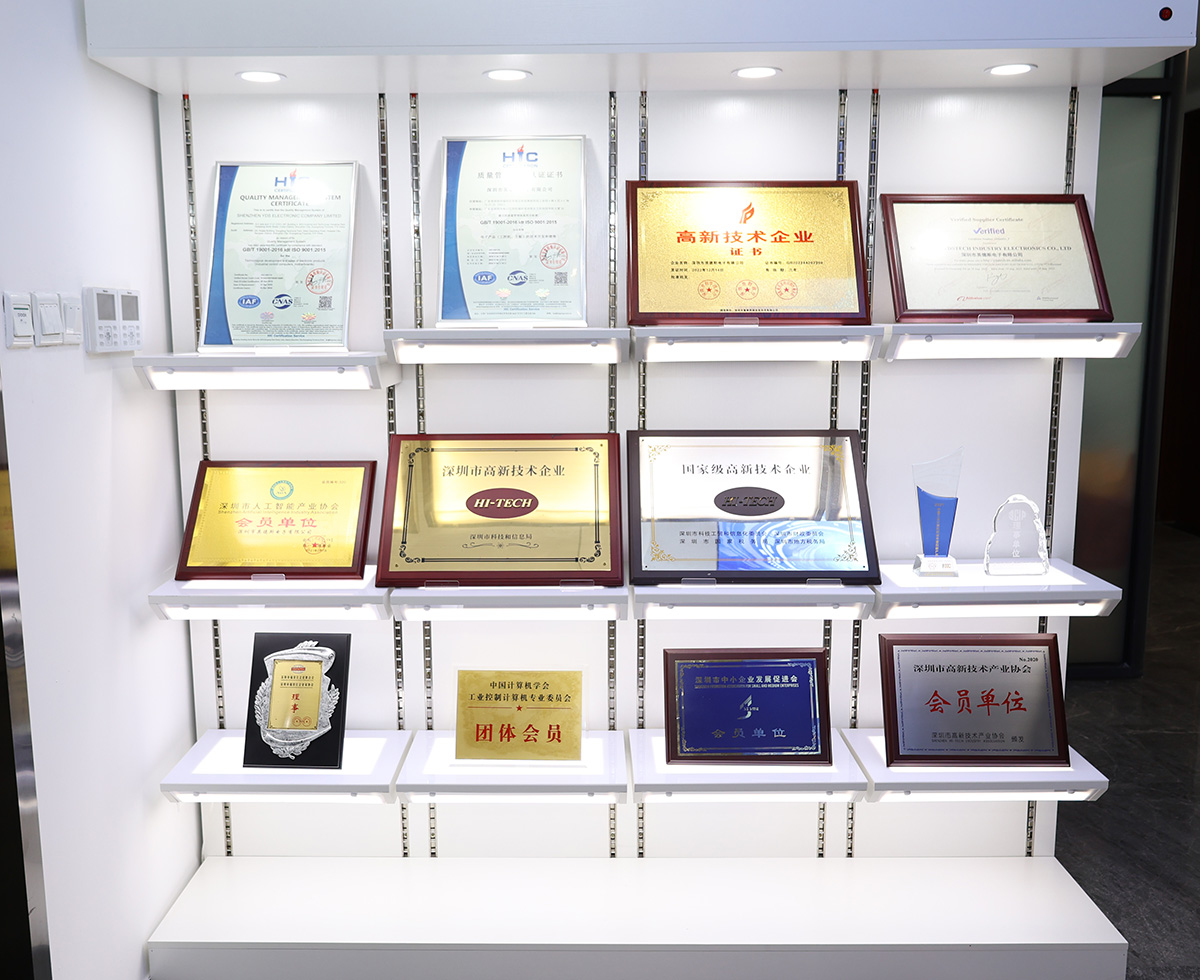
Certified High-Tech Enterprise
Shenzhen Software Product And Software Enterprise Evaluation Certified Enterprise
ISO9001 International Quality System Certified Enterprise
Member Of Chinese Association Of Automation
Member Of China Instrumentation Society
Member Of China Computer Federation
Director Of Shenzhen Computer Association
Founding Member Of China Embedded System Industry Alliance
Our core technical team has over 15 years of experience in this industry, and has been focusing on embedded computer research and development, with rich and solid professional expertise. We believe that attitude means everything, since the establishment of YDSTECH, we have always been committed to work with a conscientious, responsible, attentive, professional, prudent and meticulous attitude, which ensures the high-quality output of the products, years of persistence and experience created our strong R&D team.
This deep R&D expertise allows us to customize industrial PC boards specifically tailored for pharmaceutical validation, ensuring seamless integration with specialized sensors, custom validation software, and unique enclosure footprints required by sterile cleanroom environments.
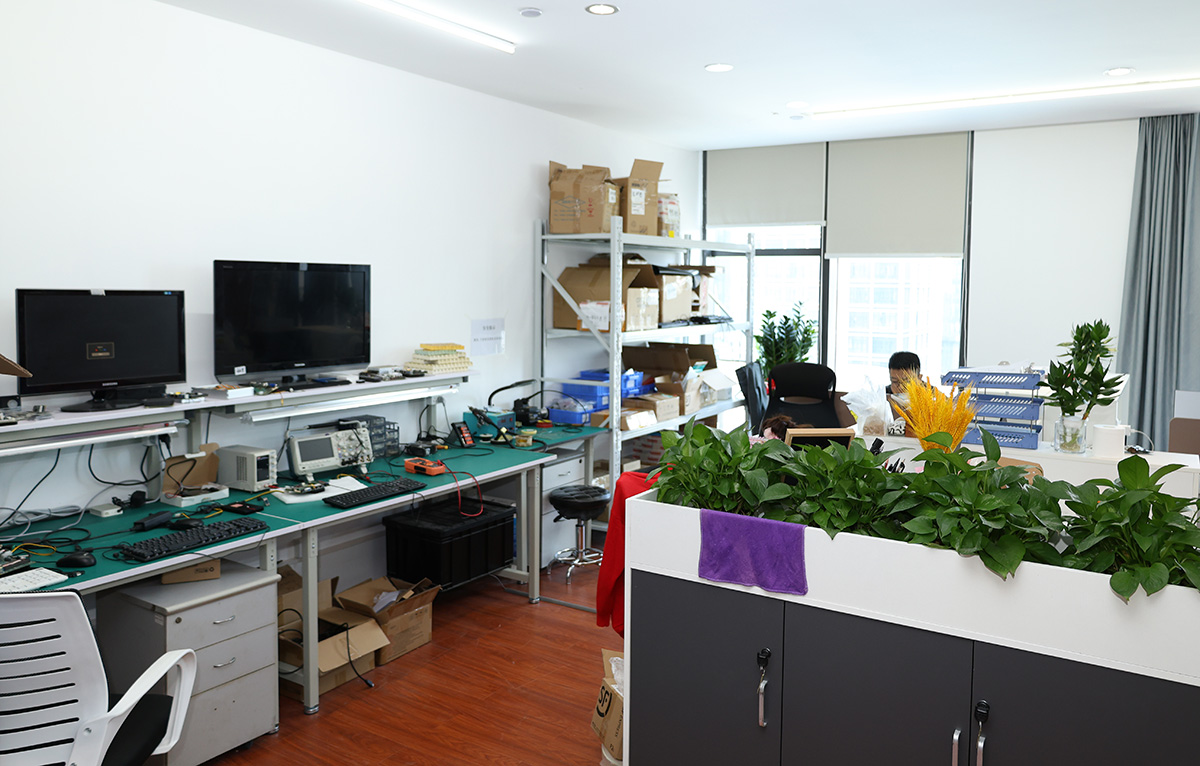
YDSTECH has set up a comprehensive quality assurance management system, adopting MSA quality system analysis, implementing rolling quality system audit, TQM, SPC process control and other quality management systems, establishing AVL supplier management system to ensure the quality of raw materials, and introducing rolling product reliability tests to ensure overall product reliability.
For pharmaceutical applications, our strict QA protocols guarantee that every board shipped matches the exact hardware revision validated by the customer, eliminating the risk of unexpected hardware changes that could invalidate FDA-certified medical systems.