Leave Your Message
Compact, power-efficient, and thermally optimized industrial PC boards and embedded systems purpose-built for low-latency Edge AI, SCADA communication, and rugged industrial deployments.
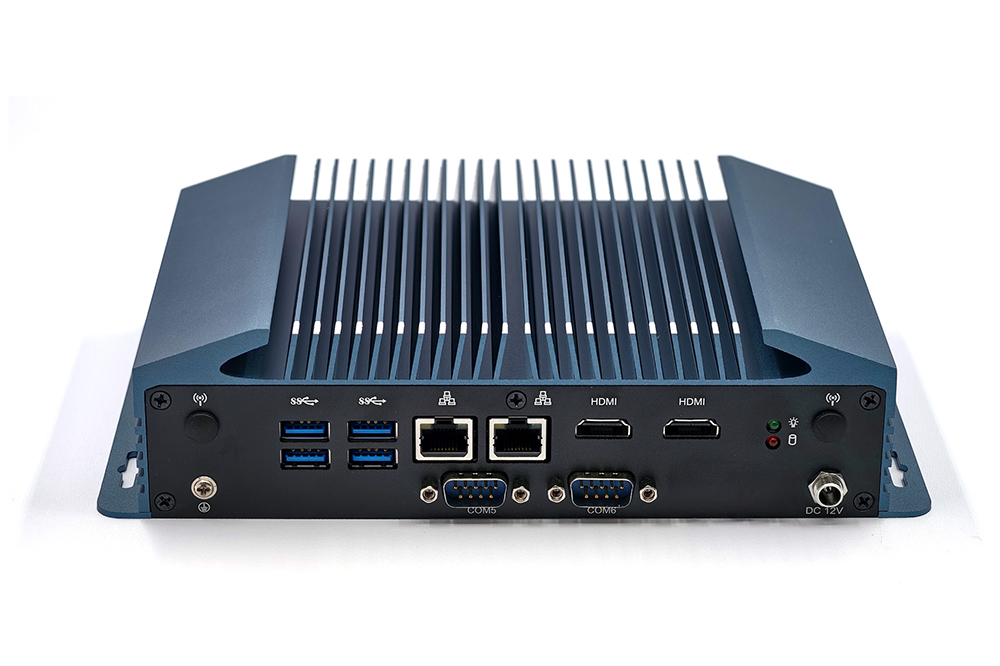
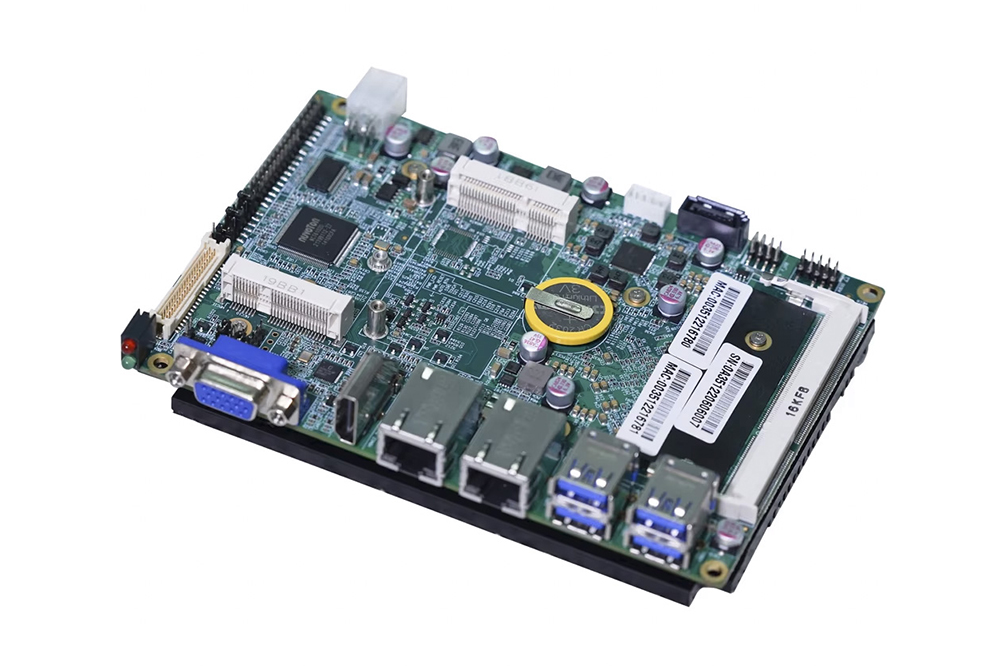
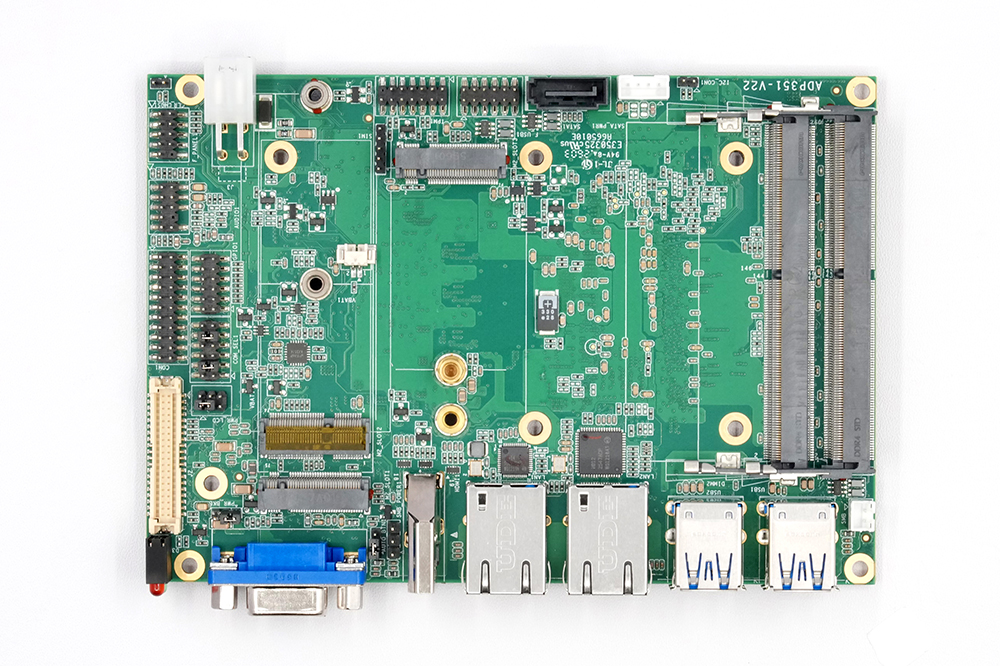
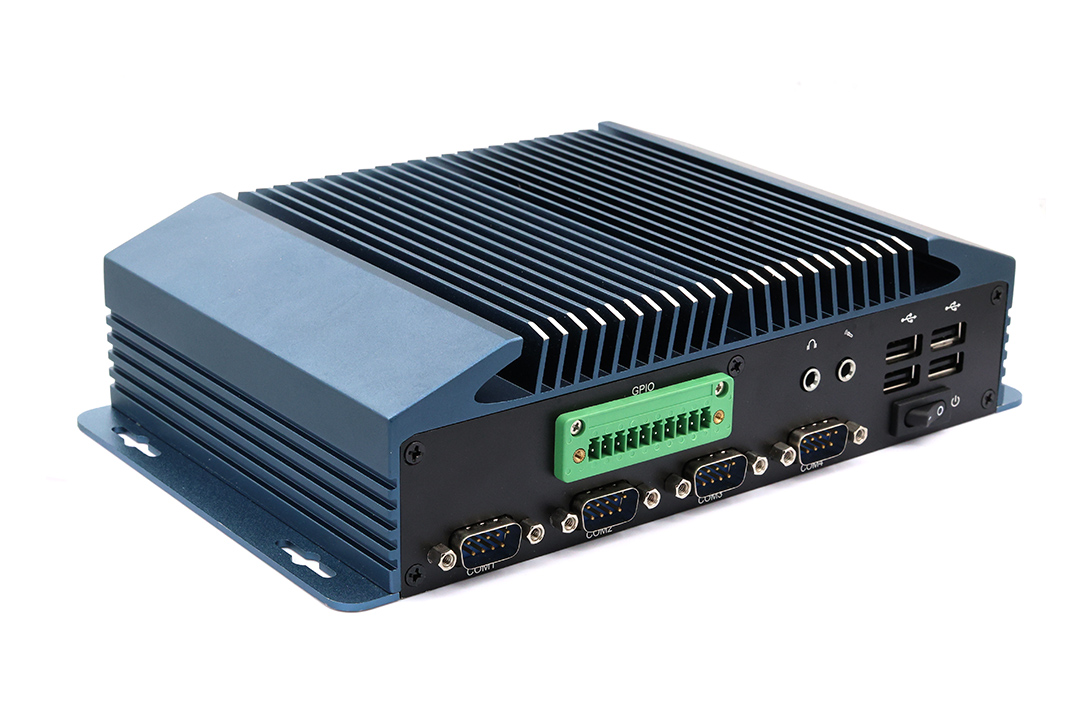
Modern smart factories, autonomous systems, and distributed energy networks demand compute power right at the data generation source.
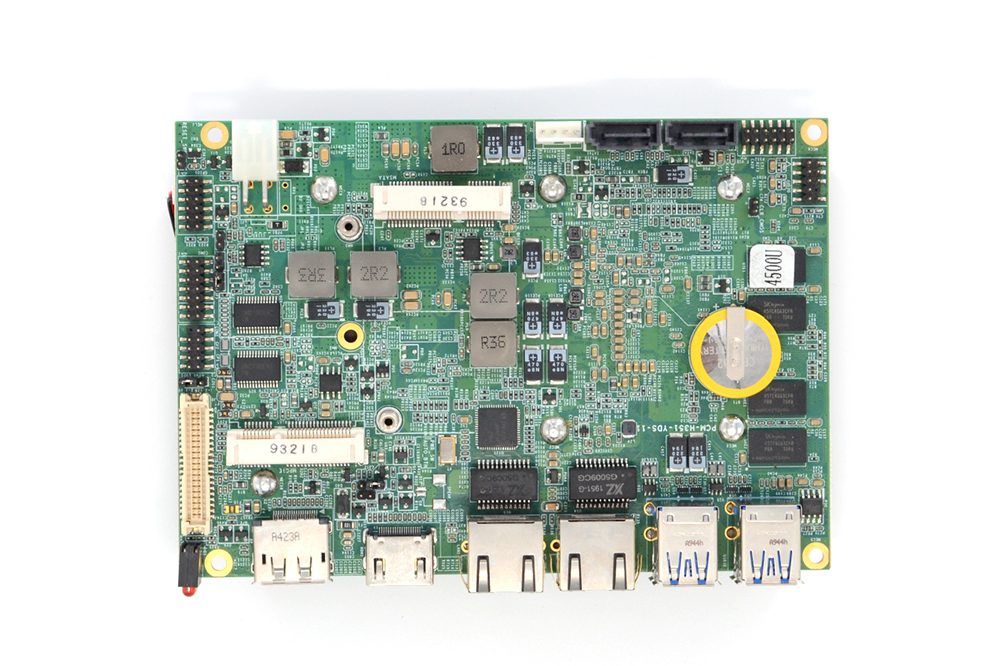
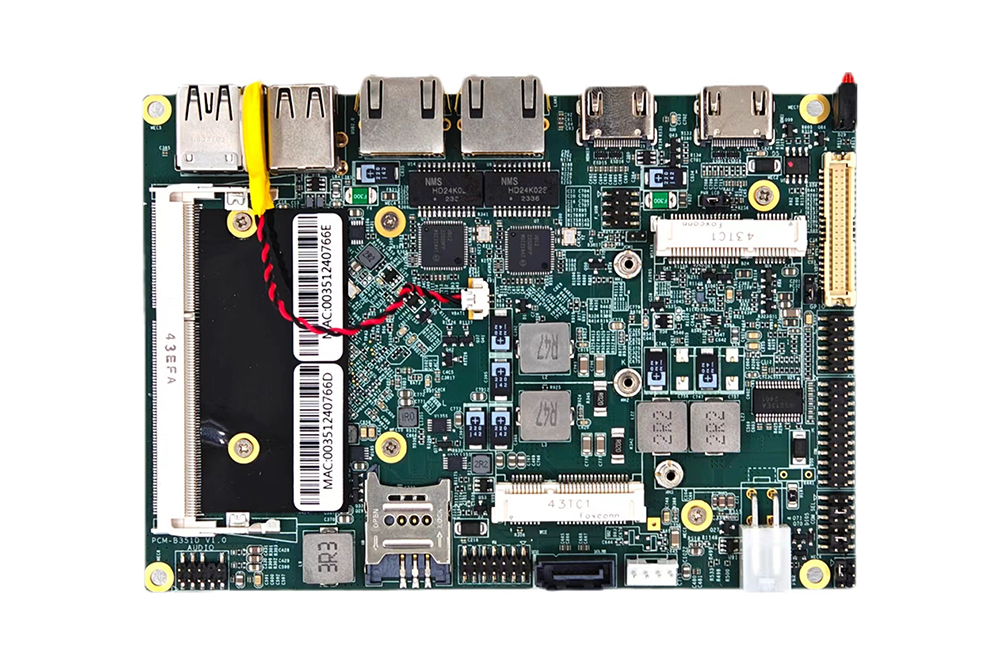
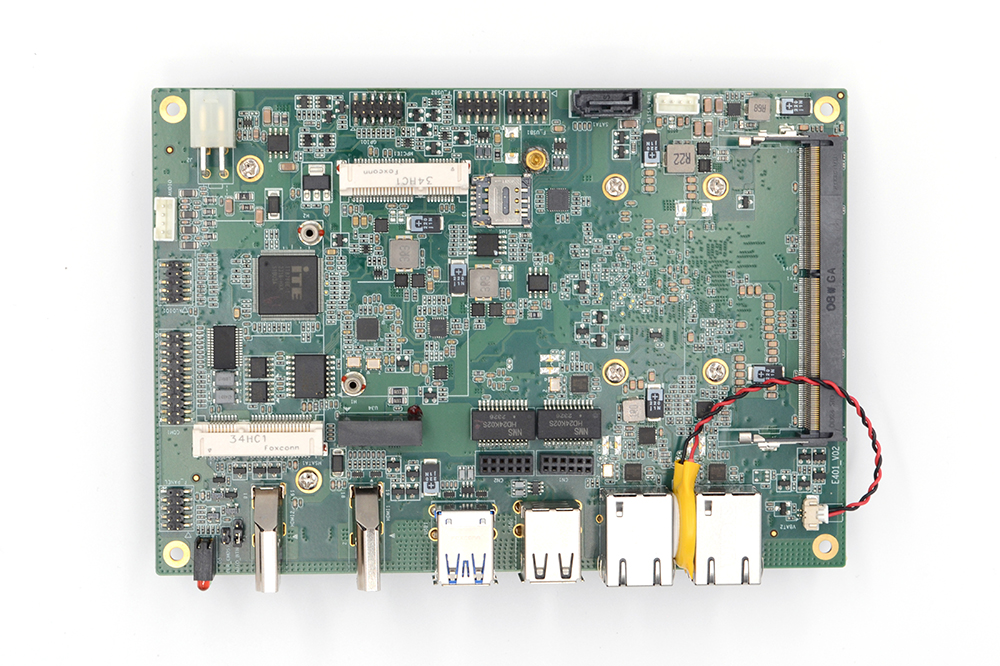
The convergence of Operational Technology (OT) and Information Technology (IT) has completely revolutionized the operational mandates of industrial computing. Traditionally, computing boards deployed in automation environments served strictly as static programmable controllers or basic data aggregators. Today, the rapid proliferation of the Industrial Internet of Things (IIoT), real-time computer vision, predictive maintenance algorithms, and decentralized cloud architectures has necessitated a profound transformation. The modern Industrial PC Board For Edge Computing And IoT Gateway Applications is no longer just a rugged controller; it is an intelligent, autonomous node capable of complex analytics, localized machine learning inference, and seamless multi-protocol translation.
According to current market intelligence, global industrial edge computing deployment is expanding at a compound annual growth rate exceeding 25%. This explosion is driven by four indispensable technical requisites: deterministic low latency, strict data sovereignty and cybersecurity, substantial reduction in expensive cloud bandwidth overhead, and continuous operational integrity under zero-connectivity or intermittent network conditions. When smart sensors, robotic arms, PLC arrays, and high-resolution industrial cameras generate terabytes of telemetry data every minute, transmitting raw payloads to remote centralized cloud servers introduces unacceptable latency and cost. An industrial PC motherboard designed specifically for edge processing resolves this bottleneck by filtering, analyzing, and acting upon telemetry in sub-millisecond cycles directly on the shop floor.
Equipped with scalable multi-core x86 silicon (from power-efficient Intel Atom & Celeron to performance-driven 12th/13th Gen Intel Core), facilitating parallel execution of OS tasks, virtualized PLC containers, and AI inference engines.
Bridges the OT/IT divide with native support for legacy serial fieldbuses (RS-232/422/485, Modbus RTU, CAN-bus) and modern real-time Ethernet protocols including OPC UA, MQTT, PROFINET, and EtherCAT.
Fanless passive dissipation architectures, high MTBF industrial-grade solid capacitors, wide temperature endurance (-40°C to +85°C), and hardware watchdog timers ensuring continuous 24/7/365 uninterrupted execution.
A comprehensive look into the thermal, electrical, and topological design parameters required for harsh operating environments.
Unlike commercial-grade desktop or client motherboards, an industrial PC board deployed within an IoT gateway or edge compute node must endure extreme mechanical shock, high vibrational strain, electromagnetic interference (EMI), electrostatic discharge (ESD), and erratic ambient thermal profiles. Engineering an x86 platform for these challenges involves specialized circuit topologies and component selection.
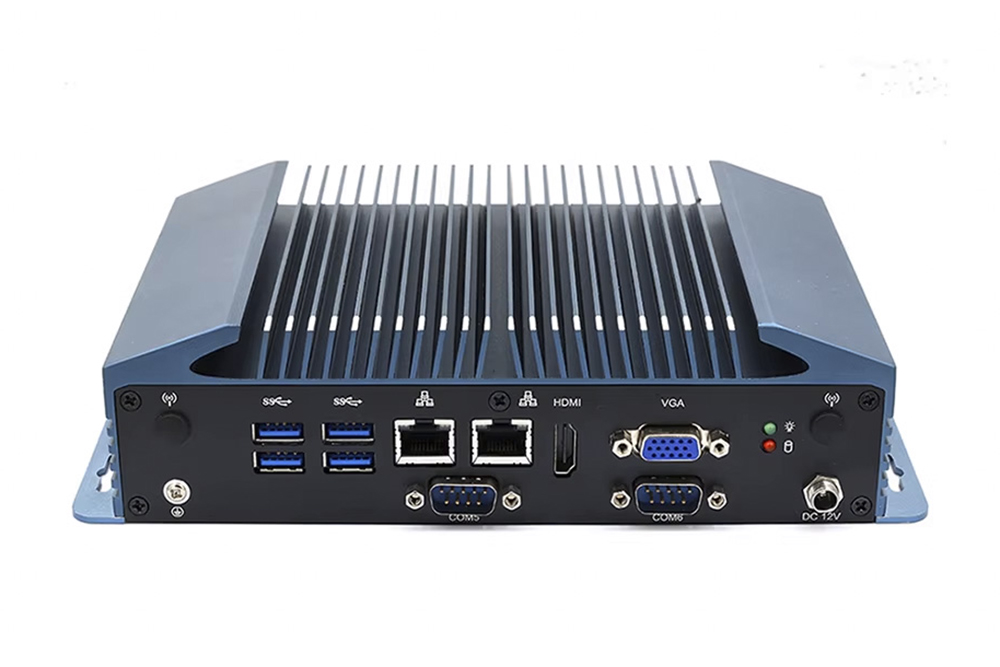
Mechanical cooling fans are notoriously the primary point of failure in dirty industrial environments containing airborne particulates, metal dust, oil mist, and moisture. Industrial motherboards engineered by YDSTECH utilize customized aluminum heat-sink blocks and solid copper heat spreaders that route thermal energy directly to the chassis casing. By maintaining an ultra-low Thermal Design Power (TDP) budget while delivering high compute density, these boards operate reliably across wide temperature ranges from -20°C up to +70°C (with extended military/rugged ranges reaching -40°C to +85°C). This passive dissipation eliminates mechanical moving parts, dramatically elevating the Mean Time Between Failures (MTBF).
A true edge IoT gateway motherboard must serve as a universal communication nexus. YDSTECH industrial boards incorporate a dense matrix of high-speed and legacy I/O configurations:
• Independent Gigabit/2.5GbE Ethernet Controllers: Dual or Quad Intel i210/i225 LAN ports supporting Wake-on-LAN, jumbo frames, and IEEE 1588 Time-Sensitive Networking (TSN) for deterministic synchronization.
• Galvanically Isolated Serial Ports: Multiple RS-232, RS-422, and RS-485 interfaces with auto flow control and 2.5kV isolation protection against ground loops and power surges.
• Flexible M.2 & Mini PCIe Expansion: Support for M.2 Key-B (5G/4G cellular modems with SIM sockets), M.2 Key-E (Wi-Fi 6 / Bluetooth 5.2), and M.2 Key-M (NVMe PCIe Gen3/Gen4 solid-state storage & NPU AI accelerators).
• Programmable Digital I/O (GPIO): 8-bit to 16-bit isolated GPIO for direct interfacing with optocouplers, sensors, relays, and emergency stop triggers.
Industrial electrical grids are plagued by voltage fluctuations, transient spikes, brownouts, and inductive kickbacks from high-power electric motors. Our industrial PC boards incorporate wide-voltage DC input capabilities (typically ranging from 9V to 36V DC) accompanied by transient voltage suppression (TVS), over-voltage protection (OVP), over-current protection (OCP), and reverse-polarity safeguards. Furthermore, hardware-level Watchdog Timers ensure that if a firmware or OS lockup occurs due to sudden EMI events, the gateway board executes an automated self-recovery reset without requiring physical technician intervention.
Discover how high-reliability industrial motherboards power mission-critical automated infrastructures across diverse industrial domains.
In automated electronics assembly lines, high-speed vision systems require instant defect identification at cycle times under 50 milliseconds. Utilizing our 12th/13th Gen Intel Core 3.5-inch industrial motherboards equipped with high-throughput USB 3.2 and Gigabit PoE interfaces, industrial PCs capture multiple synchronous camera streams, perform localized neural network defect classification via OpenVINO, and trigger pneumatic rejection actuators via low-latency onboard GPIO.
Solar photovoltaic plants and transformer substations require resilient IoT gateway computers capable of polling hundreds of inverters, battery management systems (BMS), and power meters across serial RS-485 Modbus networks. Our wide-temperature fanless mini PCs continuously ingest multi-drop serial telemetry, convert data streams into encrypted MQTT and OPC UA protocols, and securely push real-time diagnostic packets to central SCADA management servers over 4G/5G.
Warehouse logistics AGVs and autonomous disinfection robots operate in dynamic spaces where instantaneous spatial mapping (SLAM), LiDAR data aggregation, and motor encoder control are paramount. YDSTECH compact 3.5" and 4" embedded boards provide multi-sensor connectivity (LiDAR, ultrasonic, depth cameras) combined with robust vibration damping, enabling smooth autonomous routing and obstacle avoidance under battery power.
Roadside edge computing units (RSUs) mounted in traffic junction cabinets experience extreme diurnal temperature swings and high electromagnetic noise. Our wide-temperature x86 microcomputers run ANPR (Automatic Number Plate Recognition) algorithms, control dynamic traffic signal sequences, and communicate with Connected Vehicle (V2X) systems with zero downtime and remote out-of-band management capability.
A trusted global manufacturing and R&D powerhouse in the industrial computing and embedded system arena.
Shenzhen YDSTECH Electronics Co., Ltd. is a high-tech enterprise specializing in industrial computers. Since the establishment of YDSTECH in 1999, we have been committed to independent research and development, innovation, production and sales of industrial computers, and we own the independent intellectual property rights of our core products.
We consider honesty and pragmatism as our motto and make it our long-term goal to provide customers with cost-effective products. In order to achieve this goal, we work constantly to develop new products, improve our service capabilities and promote the innovation of embedded computer applications to create long-term value and potential growth for our customers.
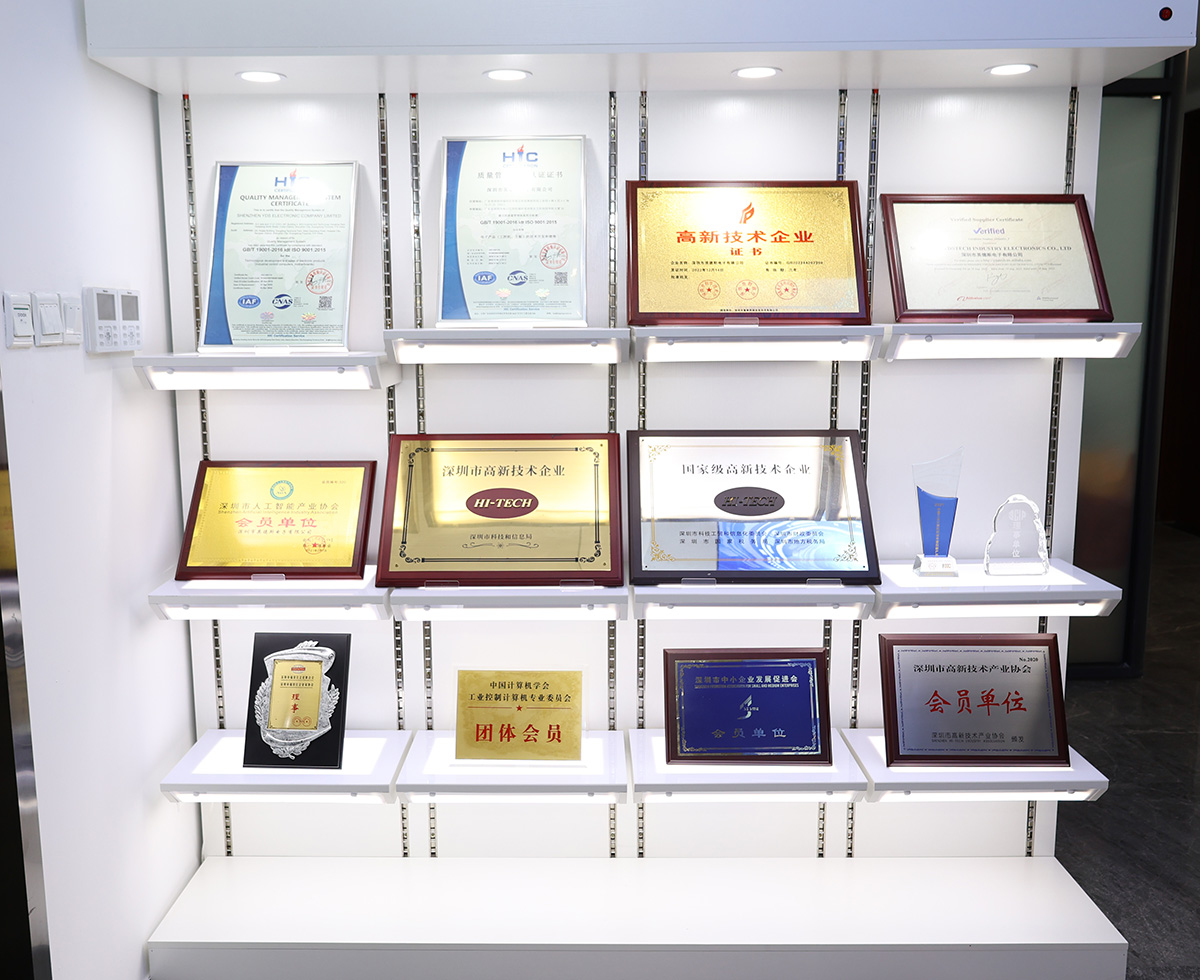
YDSTECH adheres to the most stringent international standards for industrial product design, software evaluation, and quality compliance:
Certified High-Tech Enterprise
Shenzhen Software Product And Software Enterprise Evaluation Certified Enterprise
ISO9001 International Quality System Certified Enterprise
Member Of Chinese Association Of Automation
Member Of China Instrumentation Society
Member Of China Computer Federation
Director Of Shenzhen Computer Association
Founding Member Of China Embedded System Industry Alliance
Our core technical team has over 15 years of experience in this industry, and has been focusing on embedded computer research and development, with rich and solid professional expertise. We believe that attitude means everything, since the establishment of YDSTECH, we have always been committed to work with a conscientious, responsible, attentive, professional, prudent and meticulous attitude, which ensures the high-quality output of the products, years of persistence and experience created our strong R&D team.
From schematic layout, high-speed multi-layer PCB impedance simulation, to BIOS/UEFI custom firmware optimization and thermal finite-element analysis (FEA), our R&D engineers deliver rapid OEM/ODM customization cycles to match unique project dimensions, power envelopes, and I/O header pinouts.
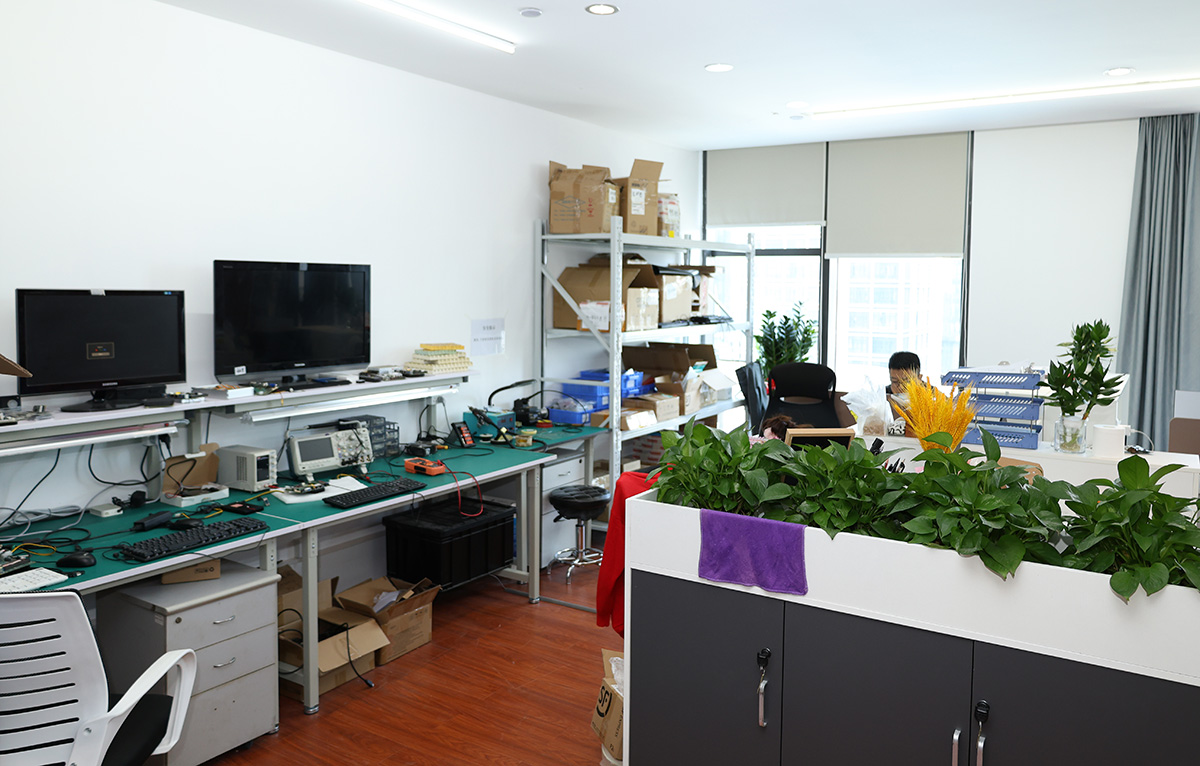
YDSTECH has set up a comprehensive quality assurance management system, adopting MSA quality system analysis, implementing rolling quality system audit, TQM, SPC process control and other quality management systems, establishing AVL supplier management system to ensure the quality of raw materials, and introducing rolling product reliability tests to ensure overall product reliability.
Every single industrial PC motherboard and edge gateway computer undergoes rigorous stress validation prior to shipment, including 100% full-load thermal chamber burn-in at elevated temperatures, electrical drop/shock testing, harmonic vibration profiling, electrostatic discharge immunity tests (IEC 61000-4-2), and high-pot isolation verifications.
Discover our full lineup of industrial x86 single board computers and rugged fanless computers designed for scalable IoT edge architecture.