Leave Your Message
Engineered with industrial silicon, thermal dissipation chassis, and comprehensive I/O for wide-temperature mobile deployment.
Industrial mobile PCs bridge computing power with mechanical durability to thrive in conditions that would cause standard consumer systems to fail instantly.
Continuous mission readiness tested across sub-zero freezing and high ambient temperatures (-20°C to +70°C and extended industrial ranges).
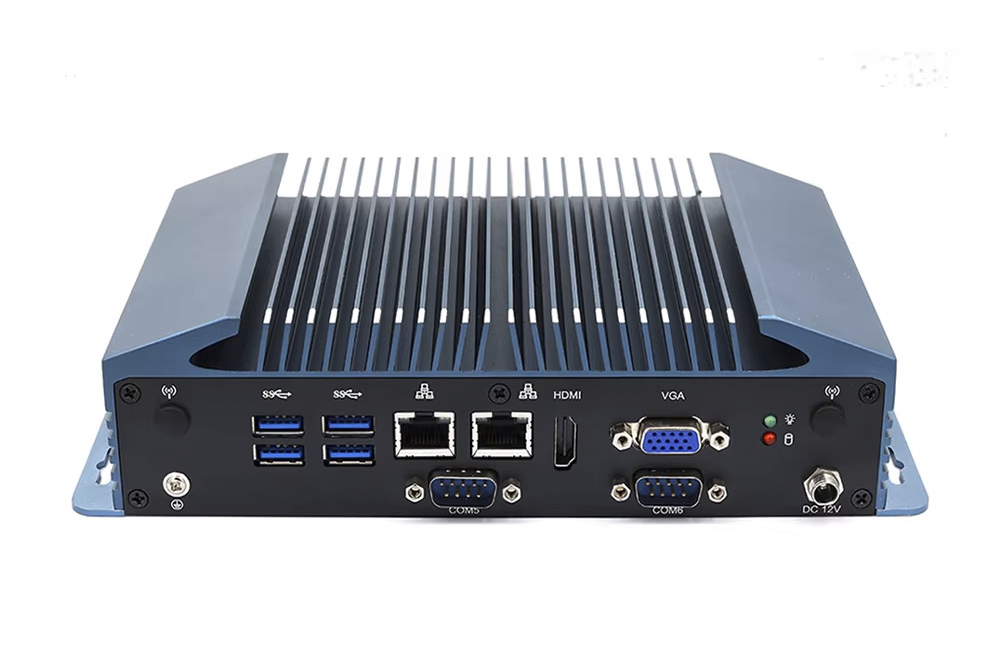
Sealed aluminum-alloy chassis with integrated heat pipes, preventing ingress of airborne dust, conductive moisture, and corrosive particles.
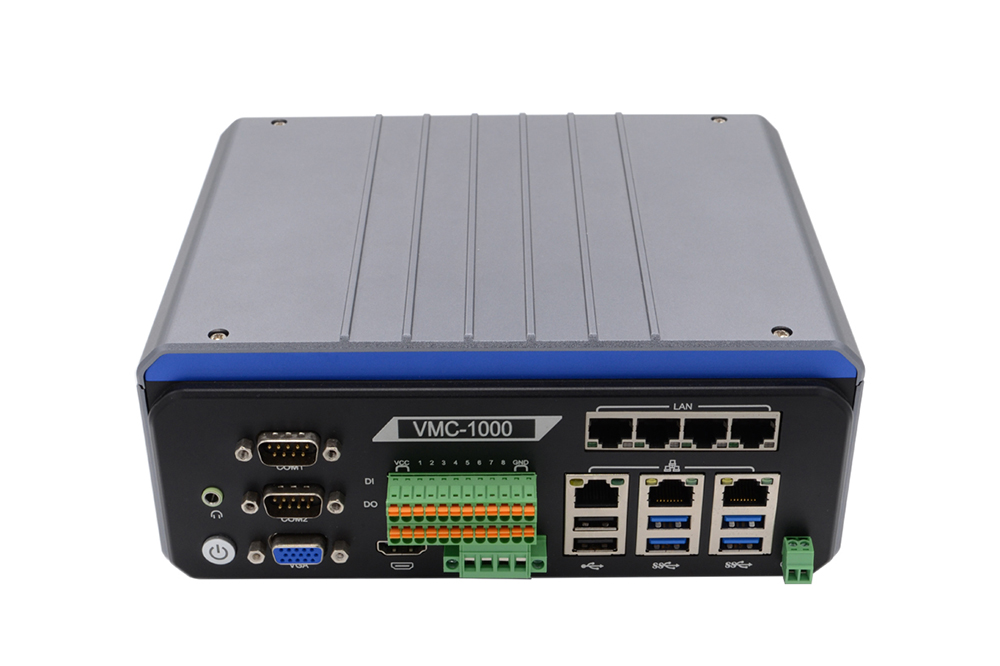
Isolated RS-232/422/485 serial ports, Power-over-Ethernet (PoE) GigE LAN, digital GPIO, and CAN bus for synchronized field telemetry.
Integrated transient suppression with intelligent power ignition sensing, supporting unstable DC inputs from 9V to 36V DC for vehicular operation.
The rapid transformation of modern industry toward Industry 4.0, autonomous robotics, smart mining, and remote digital infrastructure has dramatically shifted computing demands from air-conditioned server rooms directly to the tactical edge. Industrial Mobile PCs designed for harsh environments and wide temperature operation now act as the foundational hardware layer powering AI vision, telematics, machine-to-machine (M2M) communication, and automated control in severe climates.
Unlike standard commercial computers that quickly succumb to thermal throttling, solder fatigue, condensation, and vibrational damage, specialized rugged mobile PCs incorporate rigorous thermal engineering, high-grade semiconductor selection, and mechanically hardened enclosures. These purpose-built architectures ensure uninterrupted operation under continuous thermal stress, electrical surges, high g-force shock, and fluctuating ambient conditions.
Achieving stable 24/7 reliability across extreme environmental profiles requires a comprehensive, holistic approach to hardware architecture and structural design:
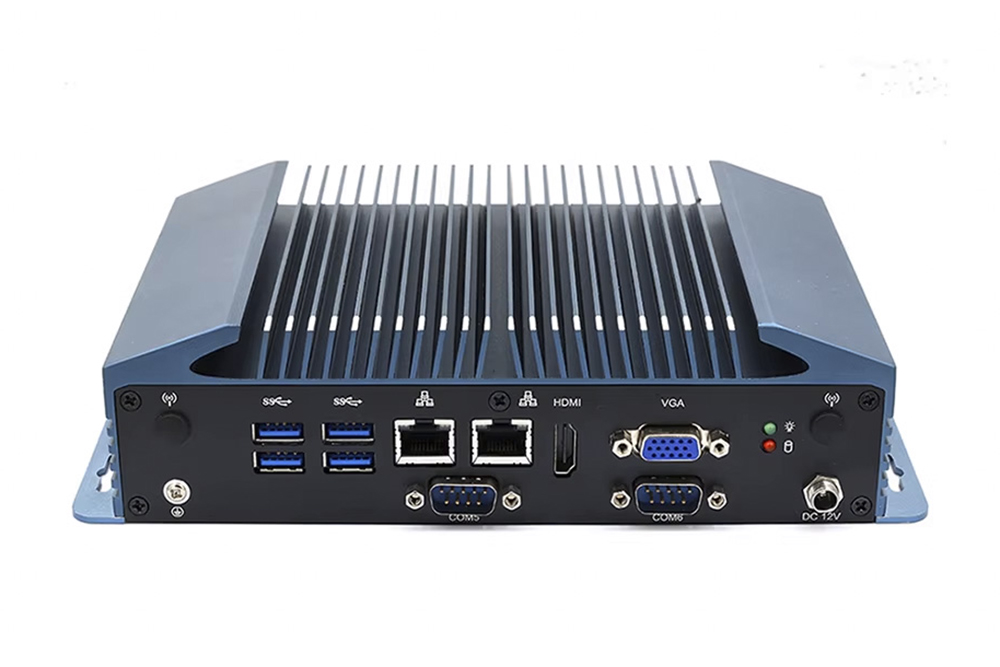
Mechanical cooling fans represent one of the primary points of failure in dirty industrial environments. Dust accumulation, bearing seizure, and debris ingress inevitably lead to thermal catastrophic failure. Advanced industrial mobile PCs eliminate active fans entirely, utilizing high-conductivity aluminum heatsinks and copper heat pipes connected directly to high-TDP processor dies. By treating the outer chassis itself as an expansive heat radiator, heat is efficiently channeled away through conduction and natural convection, maintaining critical junction temperatures well within safe thresholds even at high ambient heat.
Standard electronic parts degrade rapidly when subjected to sub-zero cold or prolonged high temperatures. Rugged industrial platforms deploy wide-temperature grade components certified for operational ranges between -40°C and +85°C. Solid electrolytic dielectric capacitors are implemented to prevent liquid electrolyte evaporation or freeze-induced dielectric cracking. Furthermore, wide-temp memory modules (DDR4/DDR5) and conformal coating applied across PCB traces protect critical circuitry against moisture oxidation, salt mist corrosion, and chemical atmospheric vapors.
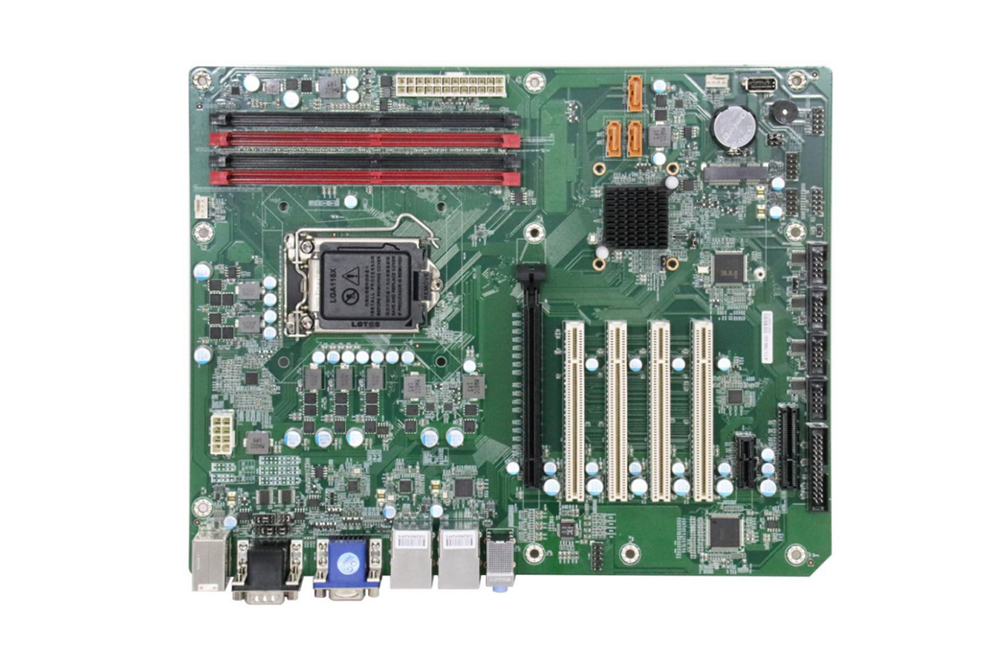
Mobile platforms mounted on heavy mobile machinery, commercial utility fleets, agricultural equipment, or Autonomous Mobile Robots (AMRs) encounter continuous mechanical vibration and sudden shock impulses. Industrial motherboards and fanless systems are engineered with reinforced PCB thicknesses, surface-mounted on-board components, locking M12 and screw-type I/O connectors, and internal anti-vibration damping rails. These structural safeguards prevent micro-fractures in solder balls, ribbon cable detachments, and interface disconnects during heavy-duty operations.
Mobile power grids in industrial vehicles and off-grid generator systems frequently experience voltage drops, cold-cranking dips, load dumps, and electrical spikes. An effective industrial mobile computer integrates wide DC input circuitry (typically 9V to 36V or 12V to 48V) with built-in TVS (Transient Voltage Suppressor) diodes, reverse polarity protection, and intelligent ignition delay controls. This allows the system to boot smoothly upon engine turn-on, absorb electrical transients, and execute clean operating system shutdowns when external primary power drops.
Delivering uncompromised processing power, AI visual inference, and uninterrupted telematics across harsh deployment scenarios.
Equipped on automated guided vehicles and warehouse mobile robots navigating varying indoor-outdoor environments. High-performance x86 processing handles simultaneous SLAM navigation, LIDAR object avoidance, and real-time fleet communication via high-bandwidth wireless interfaces.
Designed for industrial automation production lines and mobile robotic arms requiring instant visual quality control. Dedicated multi-port PoE Gigabit LAN interfaces drive multiple high-resolution industrial cameras while low-latency GPIO triggers ensure deterministic defect sorting.
Endures severe mechanical pounding, intense dust clouds, and scorching desert or freezing arctic quarry environments. Acts as the central in-cab telemetry computer for heavy excavators, automated drill rigs, and earthmovers, handling GPS, engine diagnostics, and fleet safety analytics.
Compliant with demanding rolling-stock transit standards, providing galvanic isolation on serial and CANbus interfaces. Handles passenger information systems, onboard surveillance recording, rolling stock monitoring, and long-range cellular connectivity under wide voltage swings.
Deployed in remote pipeline monitoring stations, solar farm switchyards, and drilling platforms exposed to severe weather and chemical contaminants. Provides uninterrupted local data aggregation, edge analytics, and emergency shut-off controls without needing active HVAC cooling.
Installed within unconditioned roadside cabinets for Intelligent Transportation Systems (ITS), license plate recognition (ALPR), traffic signal management, and security surveillance, operating reliably through freezing winters and blazing summer heat waves.
The industrial computing paradigm has evolved from basic data logging and programmable logic control into sophisticated distributed edge AI processing. As modern industrial facilities and field operations implement deep learning vision models, predictive maintenance algorithms, and autonomous navigation, edge computing hardware must deliver immense compute density without exceeding strict thermal or spatial envelopes.
Industrial Mobile PCs are increasingly incorporating hybrid heterogeneous processor architectures, pairing high-efficiency x86 multi-core CPUs with integrated Neural Processing Units (NPUs) or discrete embedded GPU acceleration modules. This allows complex machine vision inference, such as thermal hotspot detection, safety perimeter intrusion monitoring, and high-speed defect classification, to occur on-premise in real time with microsecond latency, drastically reducing cloud bandwidth reliance and maintaining total operational security.
In industrial, commercial, and defense procurement, product longevity and revision stability are just as crucial as ruggedness. While consumer hardware undergoes rapid component changes and product discontinuations every 12 to 18 months, leading industrial computer manufacturers offer guaranteed 7 to 15-year product lifecycle availability. This strict lifecycle management ensures that original equipment manufacturers (OEMs) and system integrators can deploy, certify, and support their automation platforms for years without facing costly redesigns or software compatibility issues.
When evaluated over a 5 to 10-year deployment horizon, the total cost of ownership (TCO) of ruggedized, wide-temperature industrial mobile PCs is substantially lower than commercial-grade alternatives. Minimized downtime, eliminated maintenance visits for clogged fan replacements, and resilience against electrical surges directly translate into maximum equipment uptime and sustained operational profitability.
Shenzhen YDSTECH Electronics Co., Ltd. is a high-tech enterprise specializing in industrial computers. Since the establishment of YDSTECH in 1999, we have been committed to independent research and development, innovation, production and sales of industrial computers, and we own the independent intellectual property rights of our core products.
We consider honesty and pragmatism as our motto and make it our long-term goal to provide customers with cost-effective products. In order to achieve this goal, we work constantly to develop new products, improve our service capabilities and promote the innovation of embedded computer applications to create long-term value and potential growth for our customers.
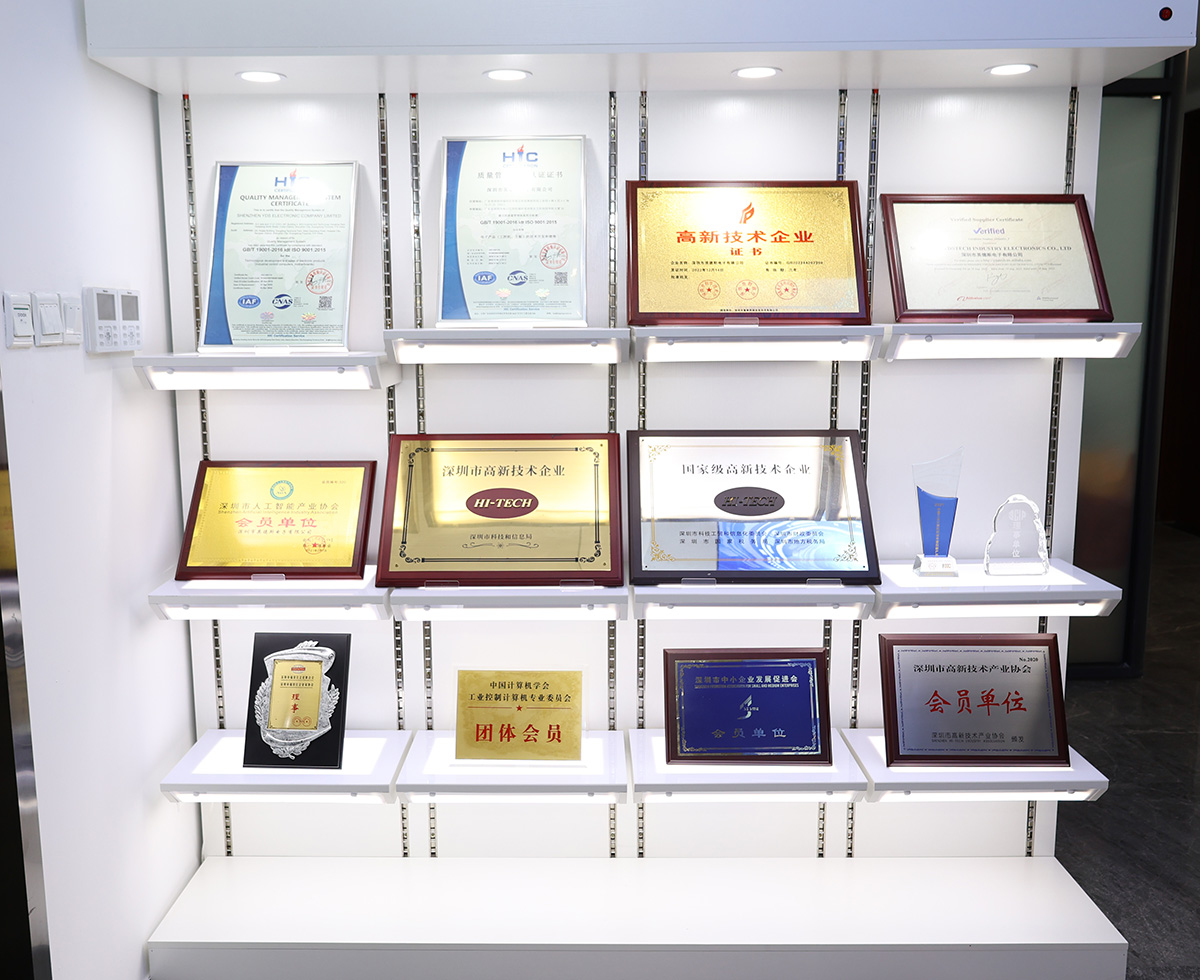
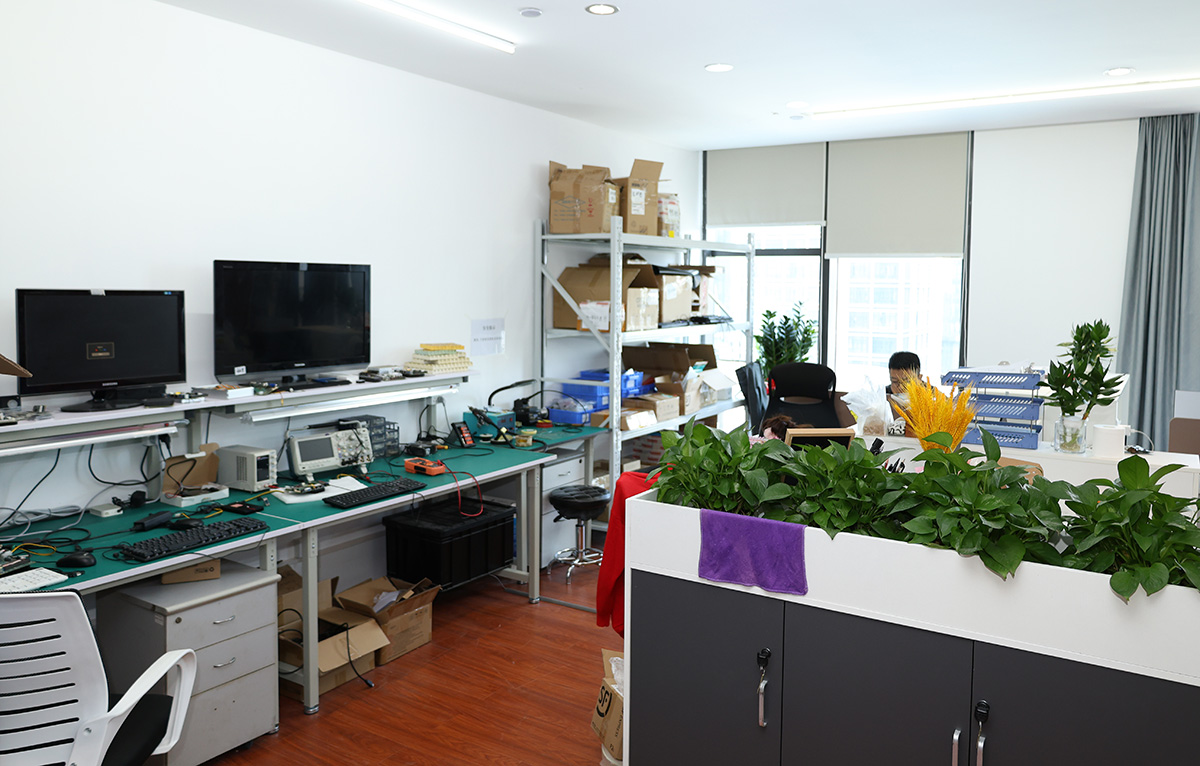
Our core technical team has over 15 years of experience in this industry, and has been focusing on embedded computer research and development, with rich and solid professional expertise. We believe that attitude means everything, since the establishment of YDSTECH, we have always been committed to work with a conscientious, responsible, attentive, professional, prudent and meticulous attitude, which ensures the high-quality output of the products, years of persistence and experience created our strong R&D team.
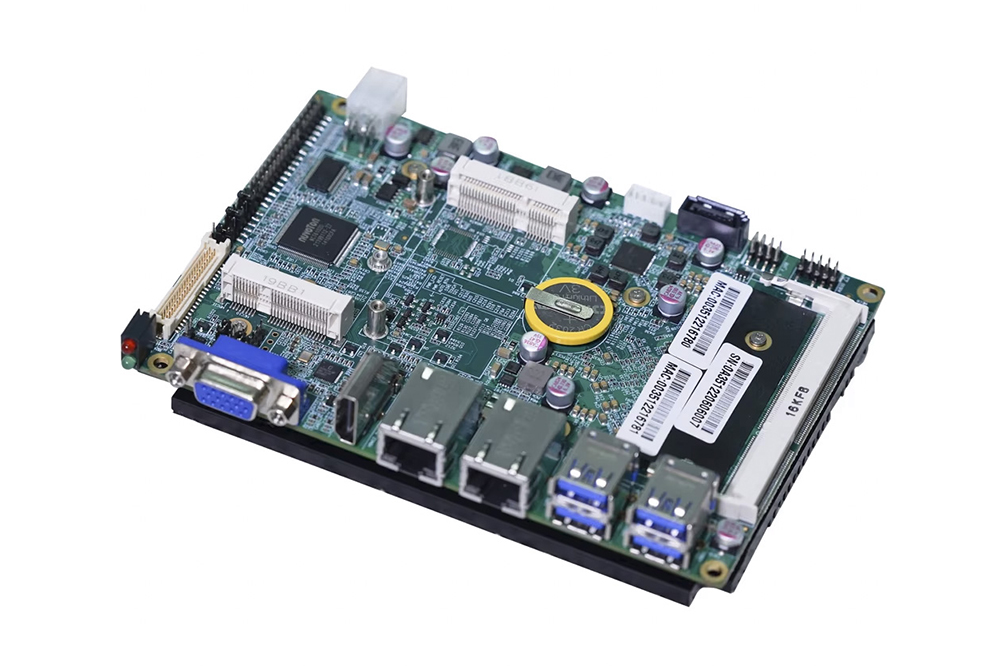
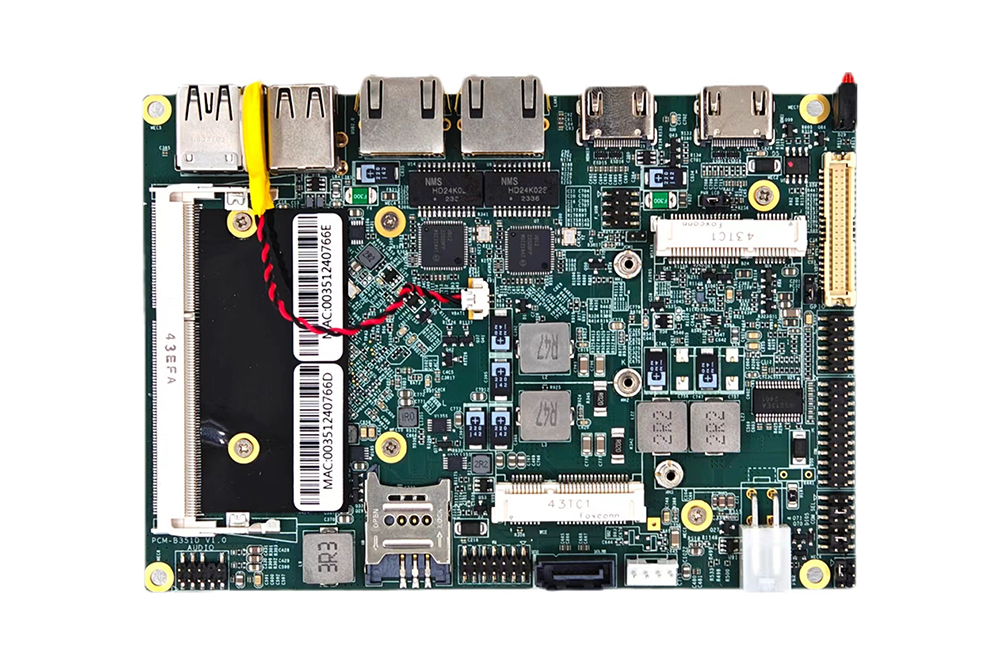
Select from our extensive family of fanless mini PCs, embedded 3.5"/4" boards, and standard ATX platforms engineered for extreme durability.