Leave Your Message
Explore our primary fanless industrial PCs and high-performance motherboards designed for outdoor HMI environments.
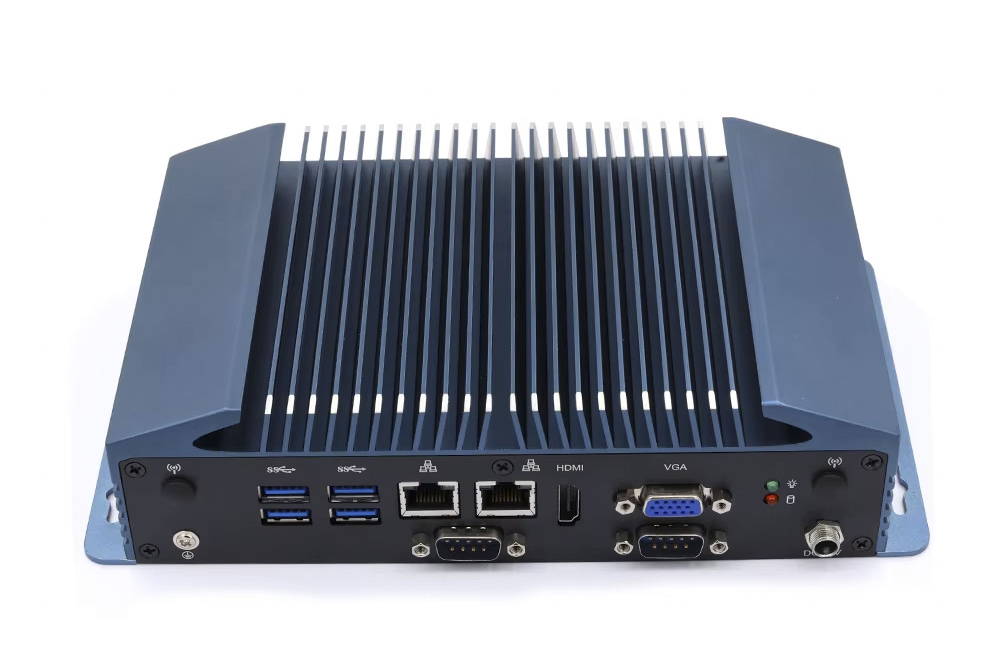
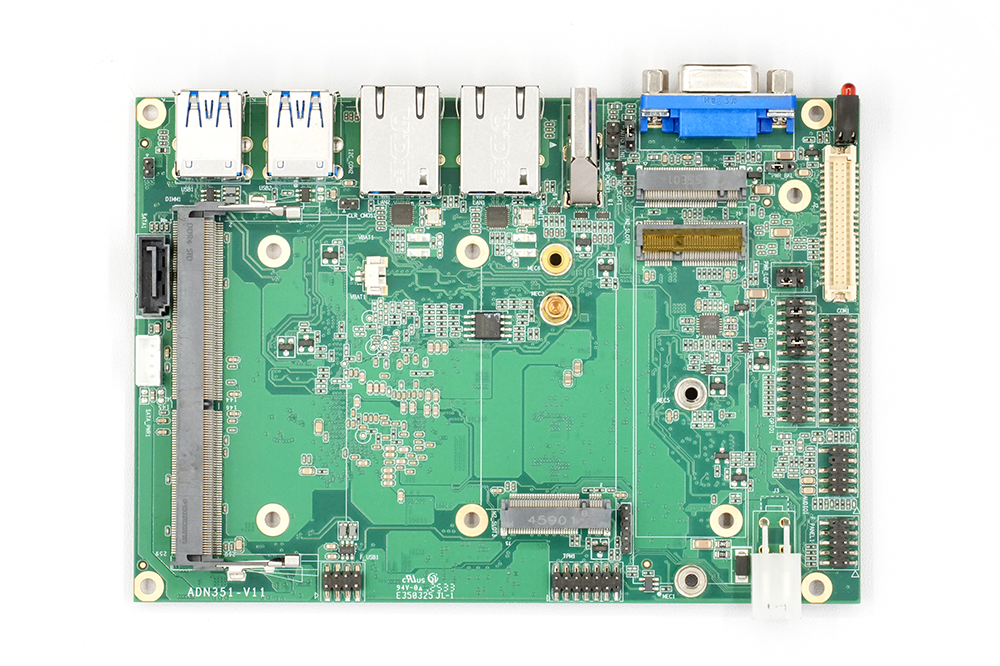
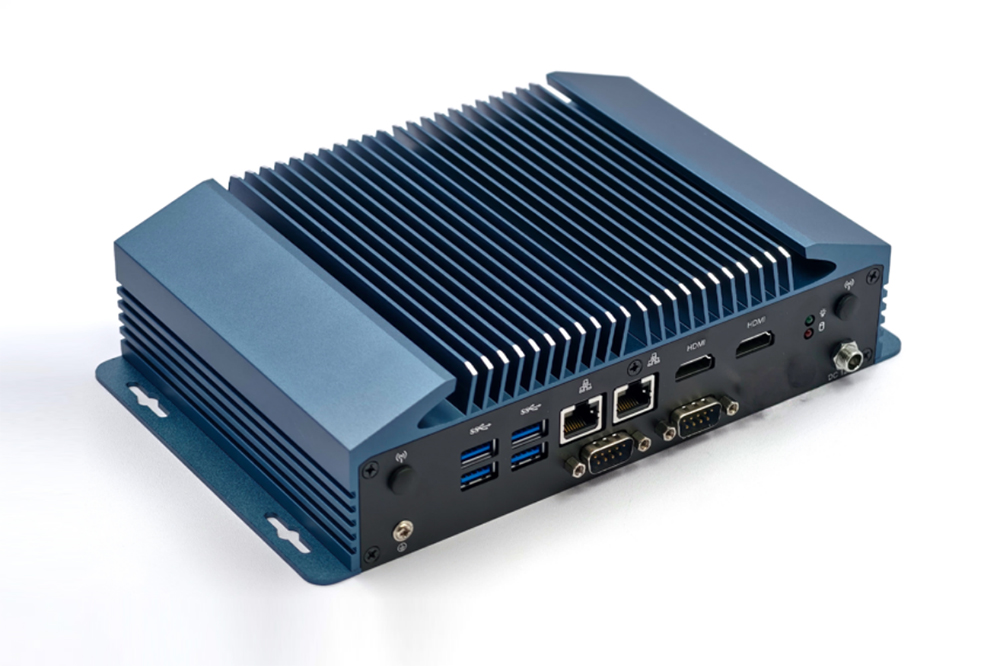
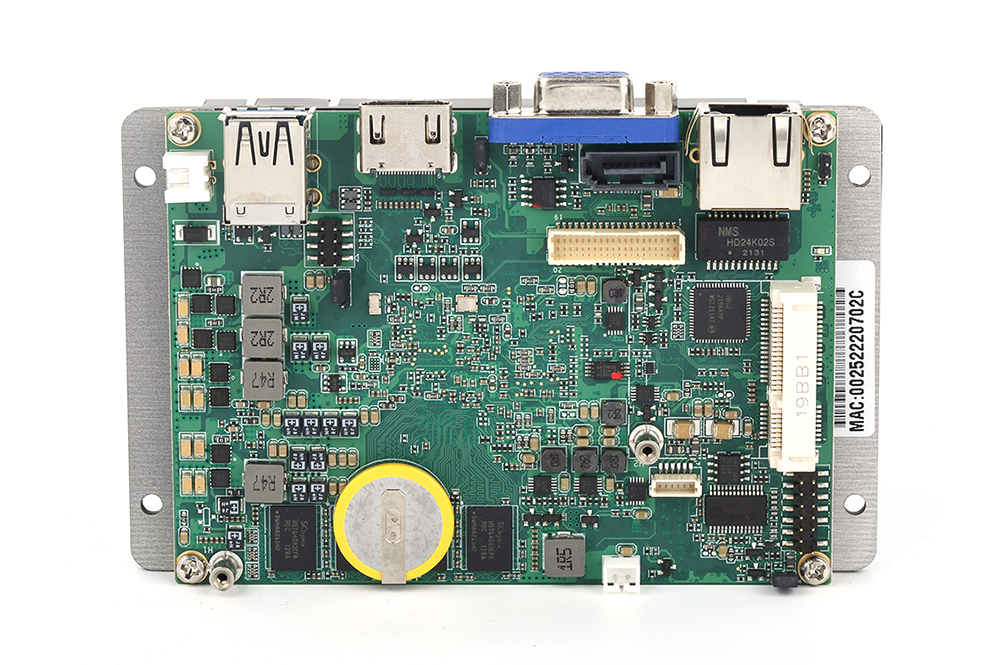
An in-depth exploration of how industrial embedded box PCs are revolutionizing outdoor human-machine interfaces and smart terminal networks worldwide.
In the modern era of IoT and smart cities, the demand for outdoor Human-Machine Interfaces (HMIs) and interactive smart terminals has surged exponentially. These systems are no longer simple static displays; they have evolved into complex, data-driven hubs. From electric vehicle (EV) charging stations, smart parking meters, and public transit information boards to interactive wayfinding kiosks and smart grid monitoring panels, outdoor terminals require continuous operation under unforgiving environmental conditions. At the heart of these critical applications sits the Industrial Embedded Box PC—a specialized computing engine designed to survive where consumer-grade hardware fails instantly.
Unlike indoor deployments, outdoor HMI installations face extreme temperature fluctuations, high relative humidity, direct solar radiation, dust infiltration, and mechanical vibrations. Consequently, system architects must prioritize thermal efficiency, rugged construction, and rich connectivity when selecting their computing hardware. The seamless integration of fanless embedded computers ensures that these public-facing terminals maintain optimal uptime, delivering critical services without interruption.
Engineered to operate reliably in temperatures ranging from -40°C to +75°C, preventing thermal shutdown under scorching sun or freezing winter conditions.
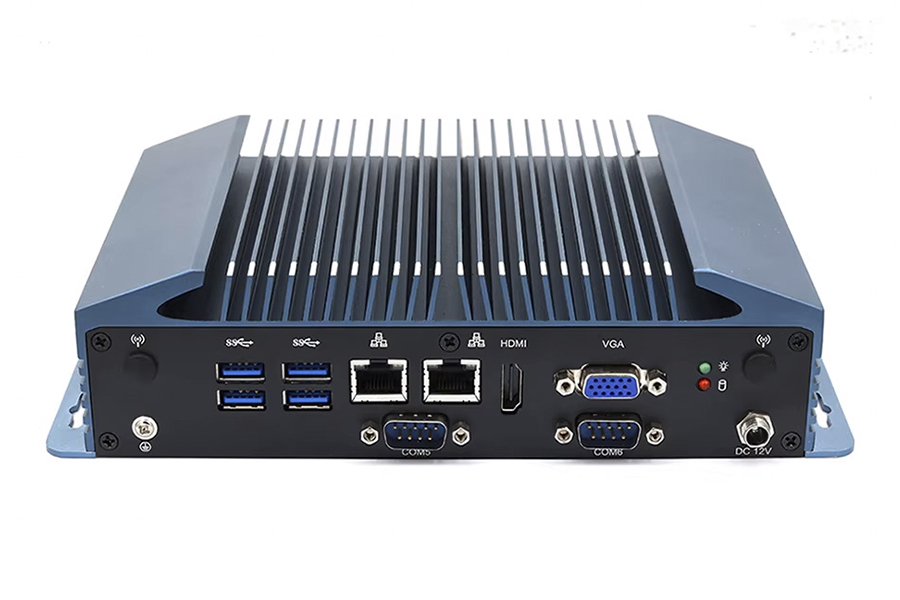
Eliminating moving parts reduces failure points, prevents dust accumulation, and creates a completely sealed system against moisture and external debris.
Equipped with dual Ethernet, multi-serial RS232/RS485, GPIO, and USB ports to interface directly with sensors, payment terminals, and display controllers.
Deploying smart terminals in outdoor environments presents unique commercial and engineering hurdles. One of the most significant issues is heat management. Solar load can raise internal cabinet temperatures far beyond the ambient air temperature. Standard computers will throttle their CPUs or fail altogether when exposed to these conditions. To counter this, industrial embedded box PCs utilize advanced passive cooling techniques, routing heat away from key silicon components directly to the heavy-duty aluminum chassis. This maintains stable processing speeds even during peak summer heatwaves.
Furthermore, power quality in outdoor settings is notoriously unstable. Fluctuations, surges, and electrical noise from nearby industrial machinery can corrupt data or destroy delicate internal components. Industrial-grade x86 motherboards mitigate this risk by integrating wide-range DC power inputs, over-voltage protection, and isolation designs. This guarantees continuous computing operations, protecting the initial capital investment and significantly lowering the total cost of ownership (TCO) for smart terminal operators.
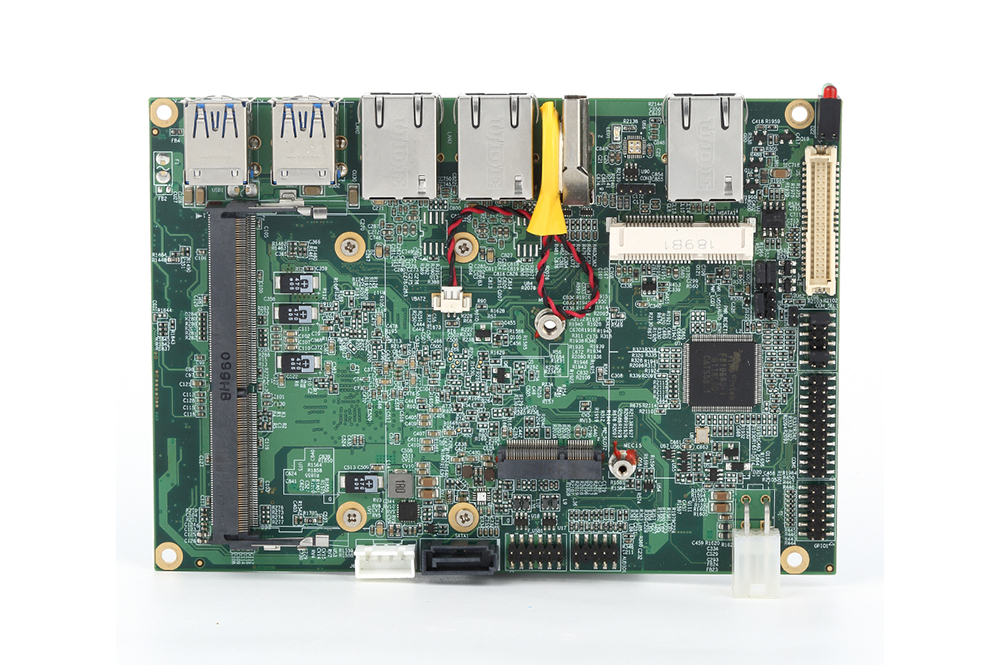
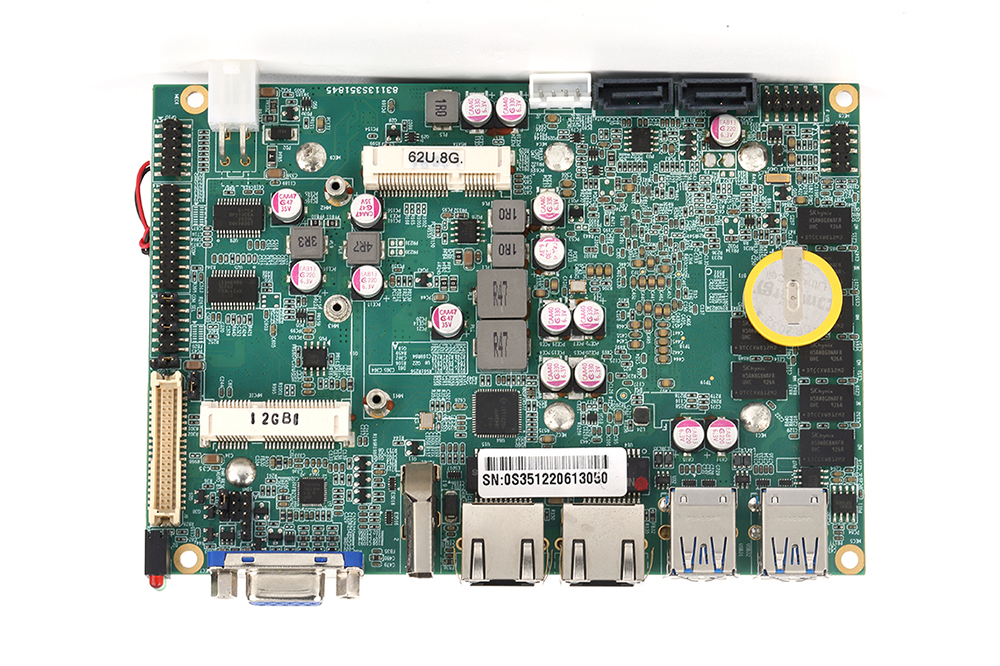
1. Smart Grid Control and Energy Management Terminals: High-performance boards like the 3.5 Inch Motherboard for Smart Grid Control are deployed inside outdoor distribution boxes and substation kiosks. They acquire real-time telemetry data, process power grid metrics at the edge, and feed status updates back to central control units. Their wide temperature tolerance guarantees they remain operational during critical power events, regardless of external weather.
2. Interactive Outdoor Kiosks & Digital Signage: Modern outdoor kiosks require dynamic media playback paired with user interaction capabilities. Industrial PCs with high-performance integrated graphics drive high-brightness displays (often exceeding 1500 nits) while running touch-screen interfaces, processing digital payments, and hosting security cameras. Fanless designs ensure that dust and atmospheric pollutants do not ingress into the computer chassis over years of operation.
3. EV Charging Infrastructure: As electric vehicle adoption accelerates, EV charging stations have become critical public infrastructure. An embedded box PC inside the charger handles the user interface, processes credit card or RFID payments, communicates with the vehicle's battery management system, and reports usage metrics via 4G or 5G networks. The ability to expand connectivity options makes these PCs indispensable for modern smart charging networks.
The future of outdoor HMI is heavily intertwined with Edge AI and advanced communication protocols. Modern smart terminals are increasingly required to perform local inference—such as recognizing license plates, analyzing user demographics for targeted advertising, or detecting security anomalies without relying on cloud latency. Leveraging modern low-power architectures like Intel Elkhart Lake and Alder Lake, modern embedded PCs deliver the necessary compute-per-watt envelope to support machine learning models directly at the edge.
Additionally, the rollout of 5G cellular networks allows outdoor terminals to transmit high-definition video feeds, receive over-the-air (OTA) updates, and coordinate with neighboring infrastructure in real time. Embedded systems featuring M.2 expansion slots for 5G modules and SIM card integration are rapidly becoming the industry standard, ensuring that deployed hardware remains future-proof for the next decade of technological advancements.
Shenzhen YDSTECH Electronics Co., Ltd. is a high-tech enterprise specializing in industrial computers. Since the establishment of YDSTECH in 1999, we have been committed to independent research and development, innovation, production and sales of industrial computers, and we own the independent intellectual property rights of our core products.
We consider honesty and pragmatism as our motto and make it our long-term goal to provide customers with cost-effective products. In order to achieve this goal, we work constantly to develop new products, improve our service capabilities and promote the innovation of embedded computer applications to create long-term value and potential growth for our customers.
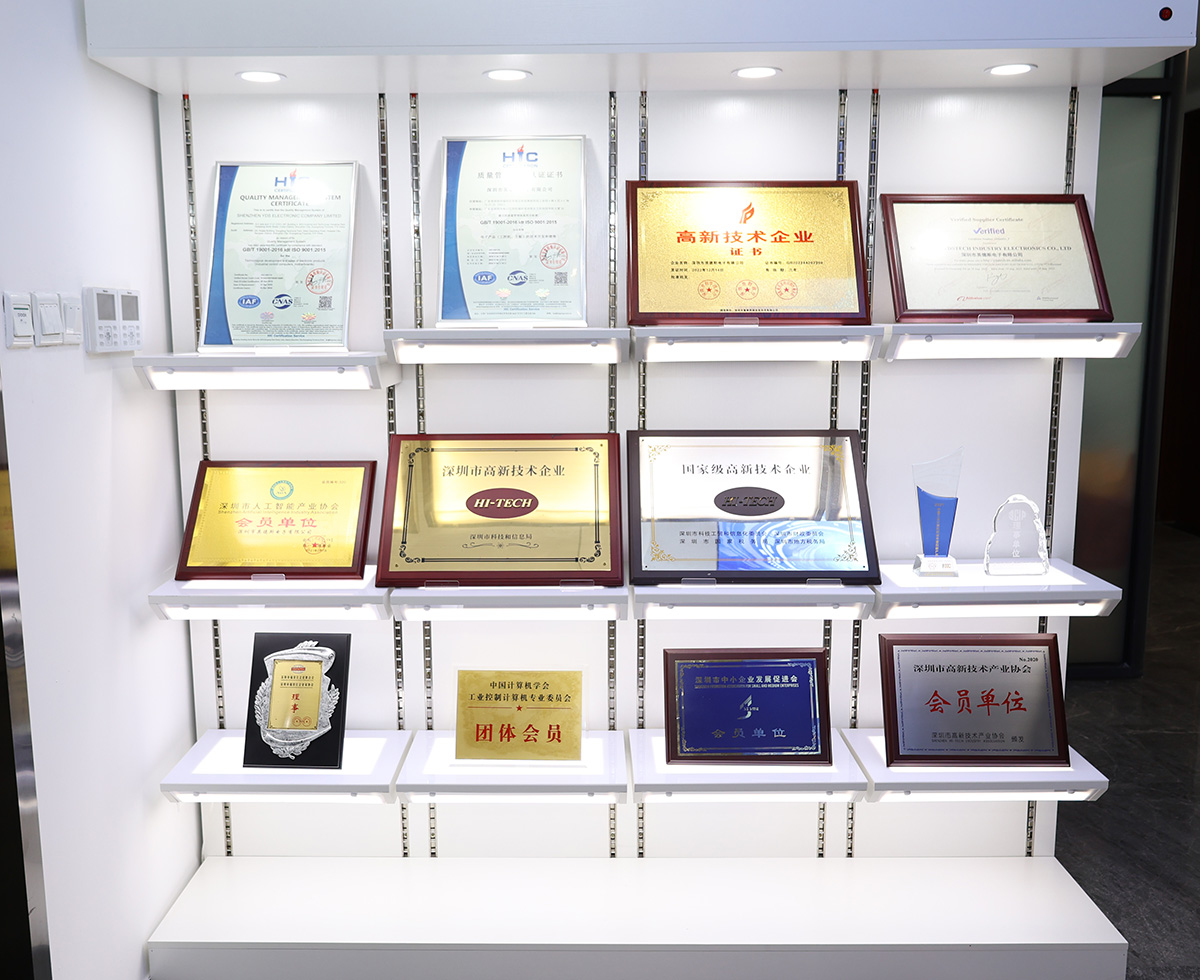
Recognized industry standards and organizational memberships highlighting our commitment to quality.
Our core technical team has over 15 years of experience in this industry, and has been focusing on embedded computer research and development, with rich and solid professional expertise. We believe that attitude means everything, since the establishment of YDSTECH, we have always been committed to work with a conscientious, responsible, attentive, professional, prudent and meticulous attitude, which ensures the high-quality output of the products, years of persistence and experience created our strong R&D team.
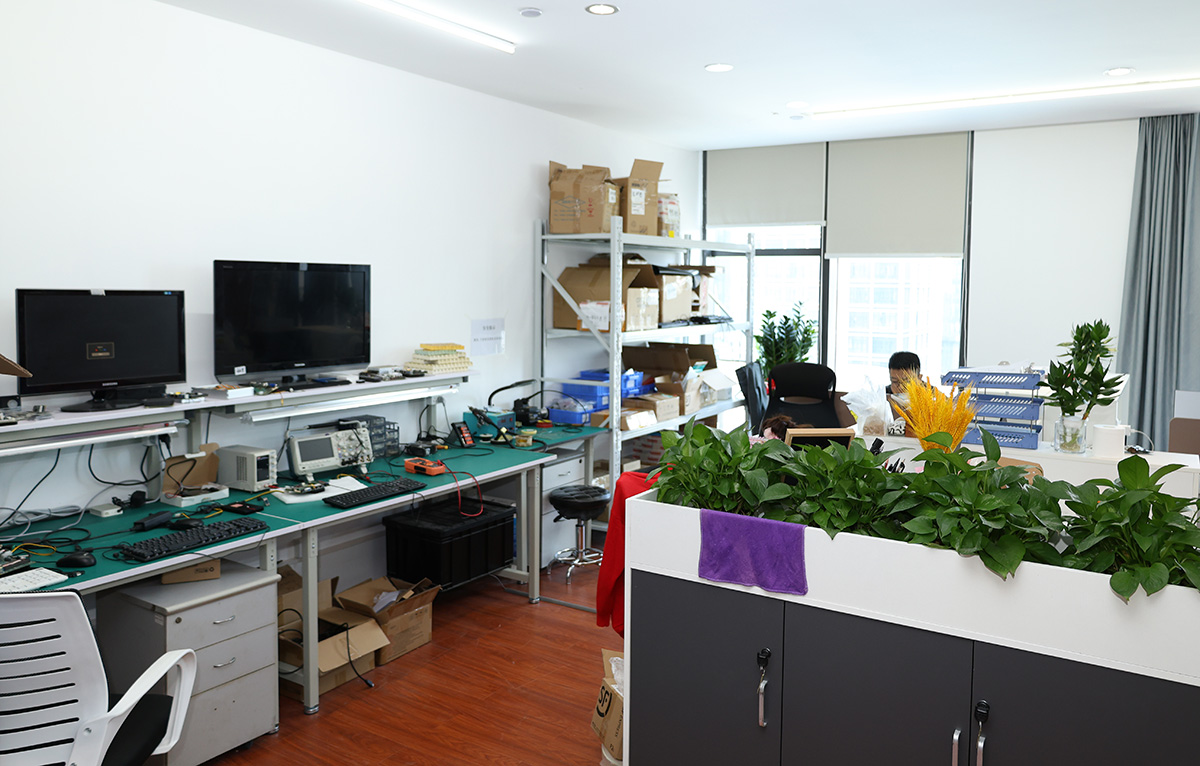
YDSTECH has set up a comprehensive quality assurance management system, adopting MSA quality system analysis, implementing rolling quality system audit, TQM, SPC process control and other quality management systems, establishing AVL supplier management system to ensure the quality of raw materials, and introducing rolling product reliability tests to ensure overall product reliability.
Explore our full catalog of high-performance industrial motherboards and fanless box PCs.