Leave Your Message
High-performance, wide-temperature embedded systems engineered for critical smart grid applications and real-time energy data acquisition.
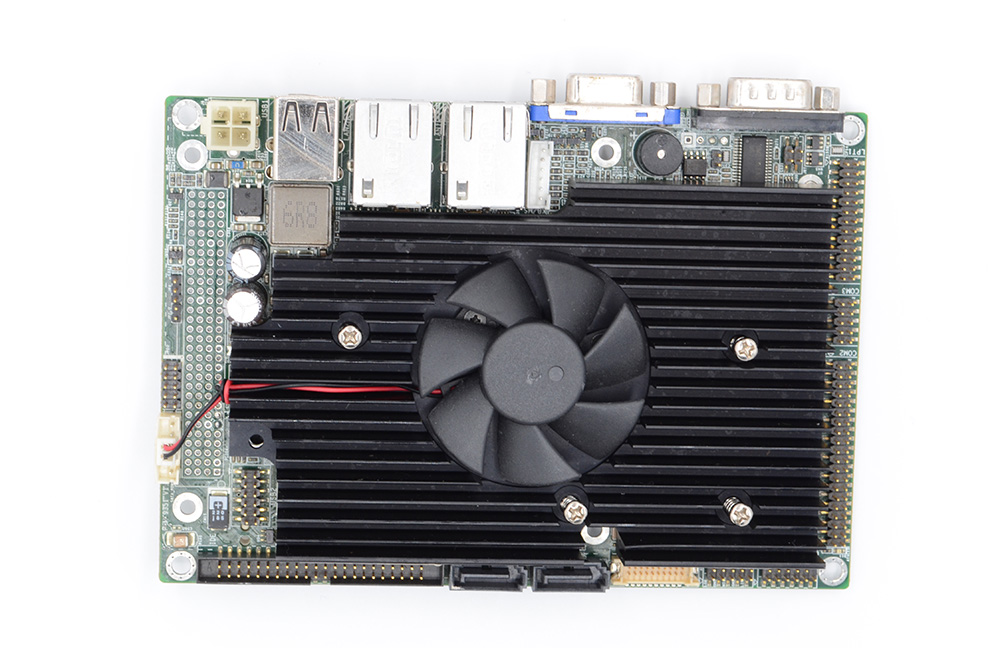
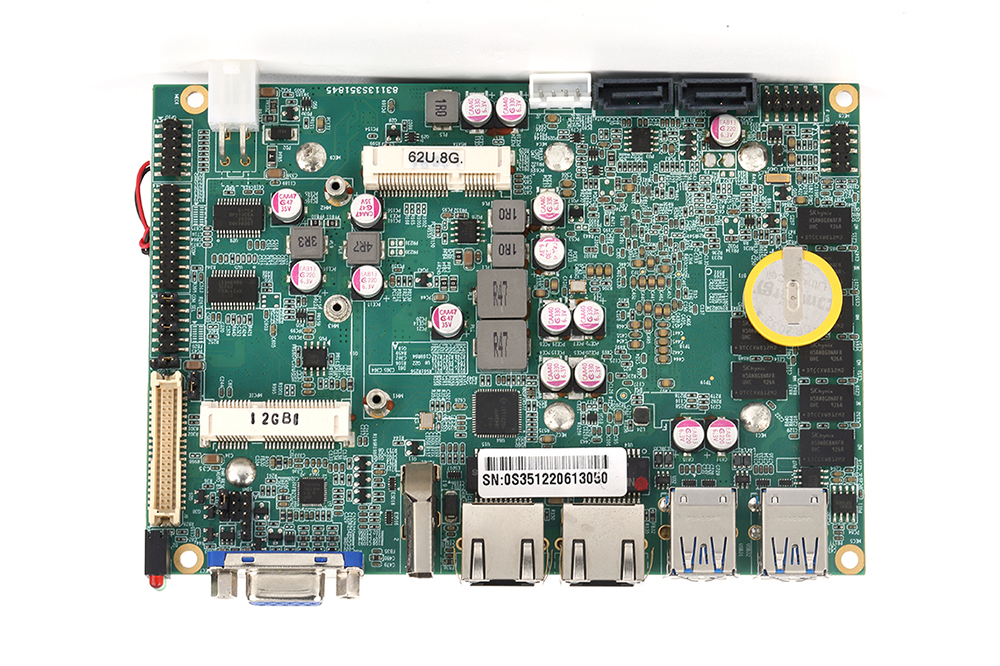
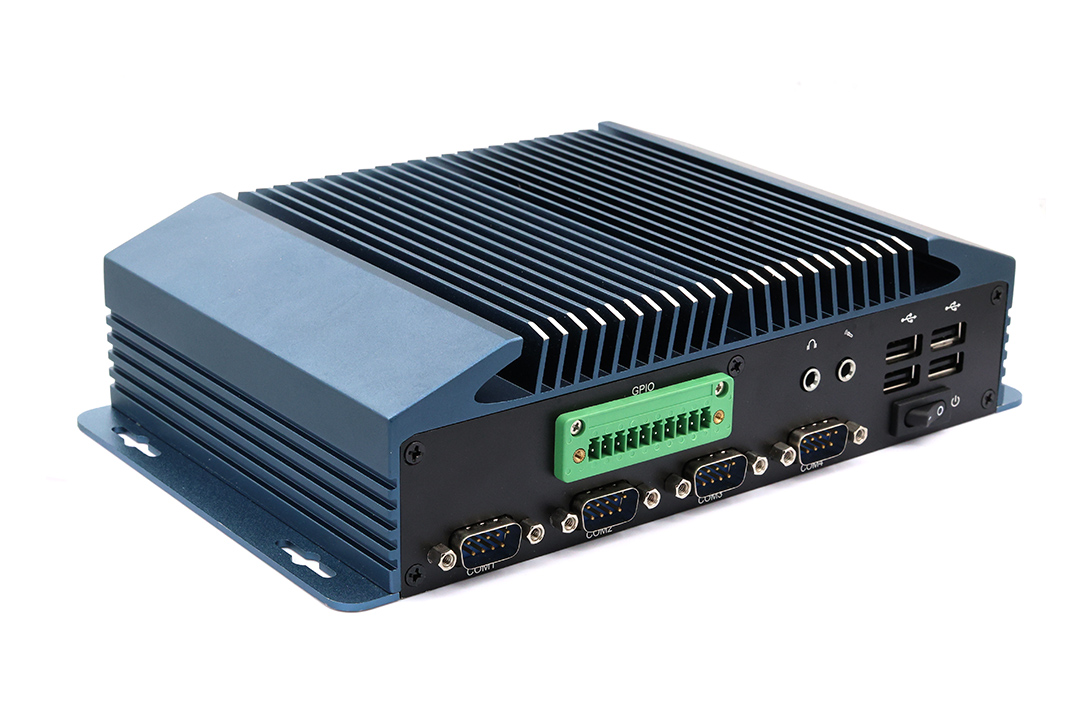
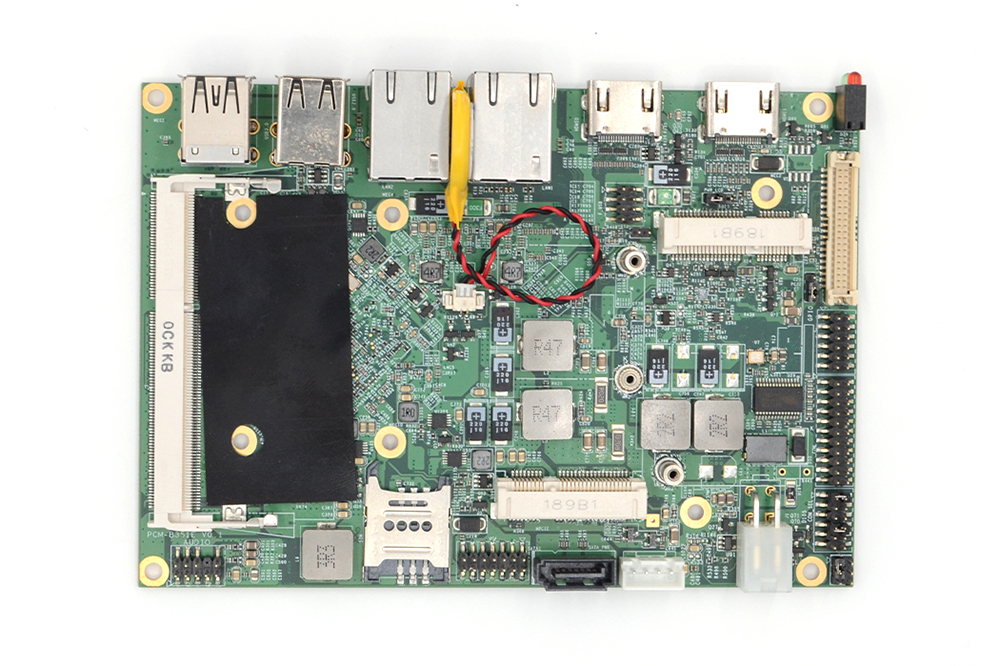
Modern electrical grids are undergoing their most significant transformation since inception. The rapid integration of renewable energy sources, distributed energy storage systems (BESS), electric vehicle charging stations, and localized microgrids has turned traditional, unidirectional power distribution networks into highly dynamic, complex multi-directional ecosystems. To maintain stability, ensure grid resilience, and prevent critical equipment failures, utility providers and industrial operators are increasingly deploying edge intelligence. The cornerstone of this decentralized intelligence is the **Industrial Embedded Box PC**.
Power substations act as the critical nodes of this system, transforming voltage levels and routing power from generation sources to end consumers. Monitoring these substations requires robust, real-time data processing capabilities at the edge. A failure in a substation can lead to catastrophic grid instability and severe economic losses. Consequently, the demand for specialized, high-reliability embedded hardware has surged. These systems are no longer simple data loggers; they are powerful computers capable of executing complex automation algorithms, converting communication protocols, and hosting local AI models for predictive maintenance.
Designed to operate seamlessly within modern substation automation frameworks, ensuring interoperability between diverse Intelligent Electronic Devices (IEDs).
Engineered with rugged components to withstand extreme operating temperatures ranging from -40°C to +75°C without thermal throttling.
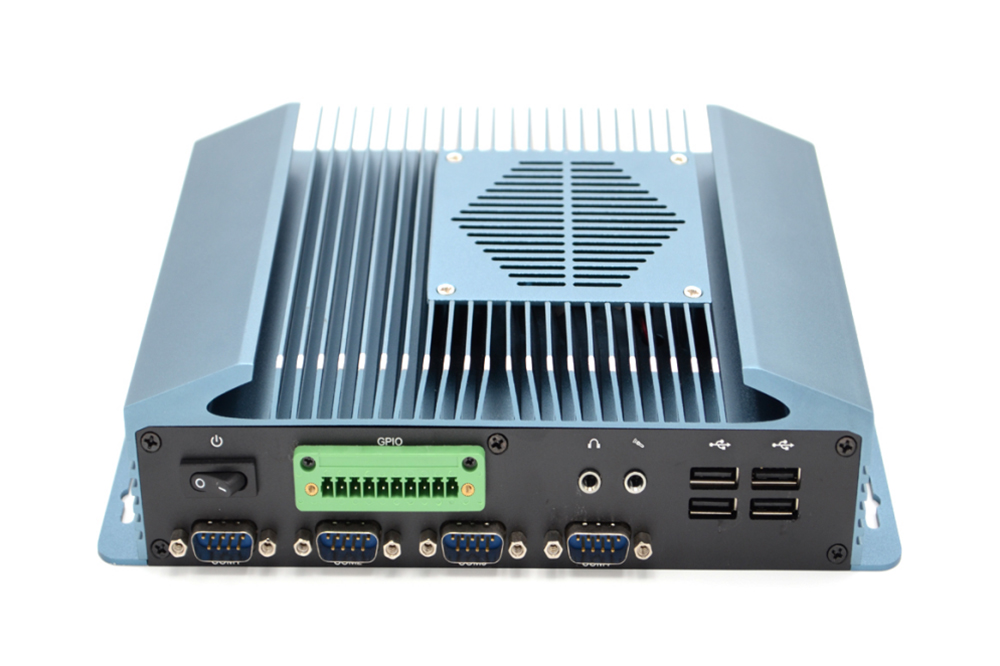
Eliminates dust accumulation and mechanical failure points, significantly increasing the system's Mean Time Between Failures (MTBF).
One of the primary challenges in substation monitoring is communication. Legacy substation equipment often relies on older protocols such as Modbus RTU, DNP3, or IEC 60870-5-104. Modern control centers, on the other hand, operate on the unified IEC 61850 standard. Industrial Embedded Box PCs act as high-performance communication gateways. They ingest raw serial and Ethernet data from transformers, circuit breakers, and protective relays, translate it into standard-compliant formats, and securely transmit it to centralized SCADA systems or cloud-based analytics platforms. With multiple isolated LAN and COM ports, these systems prevent electrical noise from disrupting critical data streams.
Power transformers and switchgears are extremely high-value assets. Monitoring their operational parameters—such as oil temperature, dissolved gas levels (DGA), winding vibration, and load profiles—is essential to prevent catastrophic failures. Embedded PCs installed inside substation cabinets collect high-frequency analog and digital sensor data. By applying edge analytics, these systems can detect subtle deviations from normal operation, triggering alarms before a physical breakdown occurs. This shift from reactive to predictive maintenance saves utility operators millions in unplanned outages and replacement costs.
As solar and wind power generation grows, Battery Energy Storage Systems (BESS) are becoming integral to grid stability, smoothing out intermittent supply. Embedded computers serve as the brain of BESS control units. They interface with Battery Management Systems (BMS), monitor cell temperatures, state of charge (SoC), and state of health (SoH), and coordinate with bidirectional power inverters to dispatch electricity to the grid when demand peaks. The need for real-time response times makes rugged, low-latency x86 embedded computers the ideal choice for this role.
Non-linear loads, such as industrial motor drives and EV fast chargers, can introduce harmonic distortion and voltage fluctuations into the power grid. Embedded PCs equipped with high-speed data acquisition boards continuously sample voltage and current waveforms. Performing real-time Fast Fourier Transforms (FFT), they calculate Total Harmonic Distortion (THD), detect voltage sags or swells, and send correction signals to active harmonic filters, ensuring the delivery of clean, stable power to sensitive industrial consumers.
The industrial computing market is witnessing a rapid convergence of edge computing and artificial intelligence. In substation monitoring, Edge AI is being deployed for visual inspection and safety monitoring. By integrating GPU or VPU accelerators into fanless embedded computers, operators can run real-time computer vision models on-site. This enables automatic detection of thermal anomalies on busbars, verification of physical switch status, and detection of unauthorized personnel or safety violations within unmanned facilities.
Furthermore, the industry is moving away from single-purpose hardware towards "Software-Defined Substations." Traditionally, a substation required separate physical boxes for RTUs, gateways, and security firewalls. Modern multicore Industrial Embedded Box PCs utilize virtualization technologies (such as hypervisors and Docker containers) to host multiple virtual machines on a single physical unit. A single rugged PC can simultaneously run a virtualized RTU, an IEC 61850 gateway, and a cybersecurity firewall, drastically reducing hardware acquisition costs, simplifying maintenance, and improving overall system efficiency.
Cybersecurity has also become a critical priority for national energy infrastructures. Embedded PCs designed for energy management are now equipped with hardware-based security features like Trusted Platform Module (TPM 2.0), secure boot capabilities, and hardware-accelerated encryption engines. These features ensure that the firmware and data transmission remain secure against sophisticated cyber threats, safeguarding the grid from malicious tampering.
Shenzhen YDSTECH Electronics Co., Ltd. is a high-tech enterprise specializing in industrial computers. Since the establishment of YDSTECH in 1999, we have been committed to independent research and development, innovation, production and sales of industrial computers, and we own the independent intellectual property rights of our core products.
We consider honesty and pragmatism as our motto and make it our long-term goal to provide customers with cost-effective products. In order to achieve this goal, we work constantly to develop new products, improve our service capabilities and promote the innovation of embedded computer applications to create long-term value and potential growth for our customers.
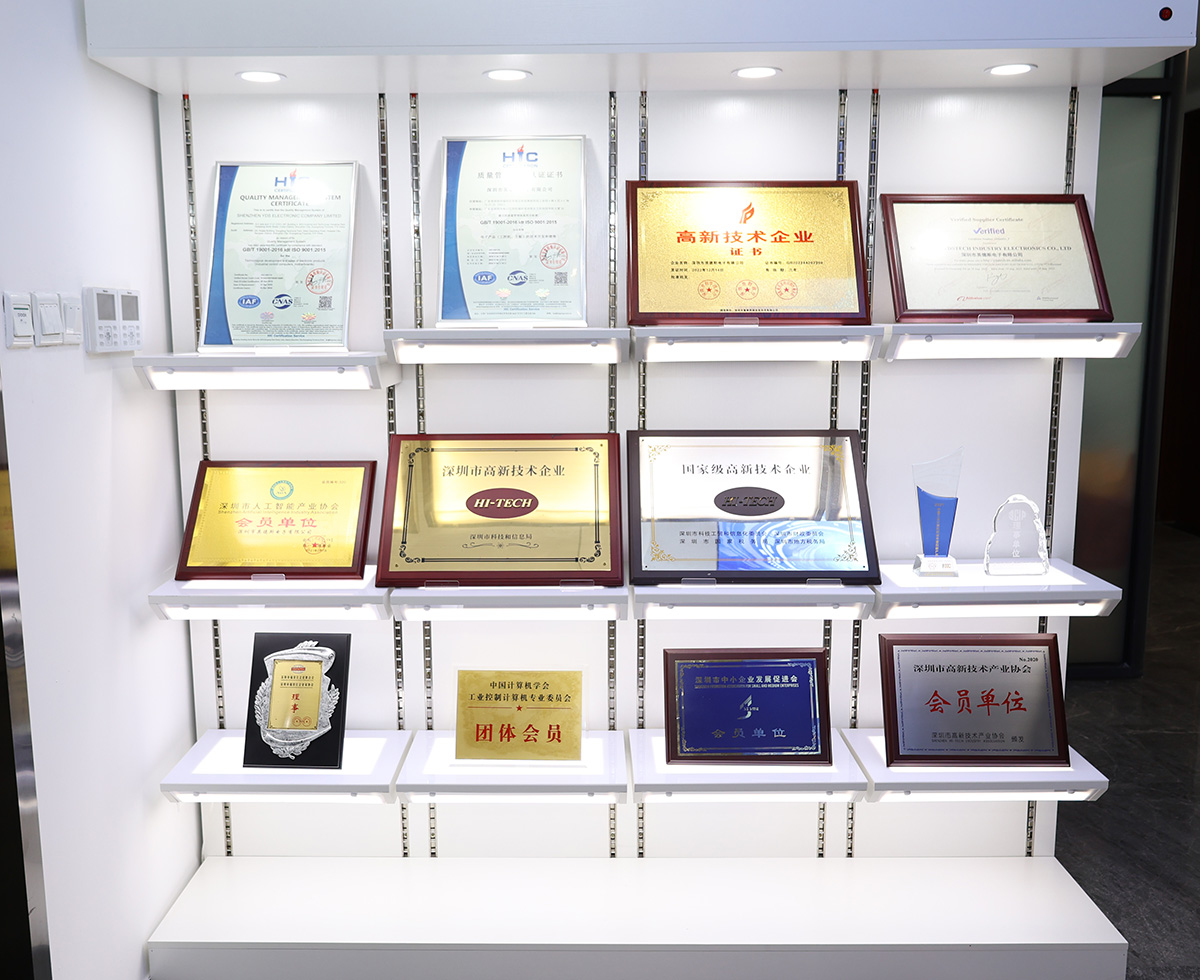
Our core technical team has over 15 years of experience in this industry, and has been focusing on embedded computer research and development, with rich and solid professional expertise. We believe that attitude means everything, since the establishment of YDSTECH, we have always been committed to work with a conscientious, responsible, attentive, professional, prudent and meticulous attitude, which ensures the high-quality output of the products, years of persistence and experience created our strong R&D team.
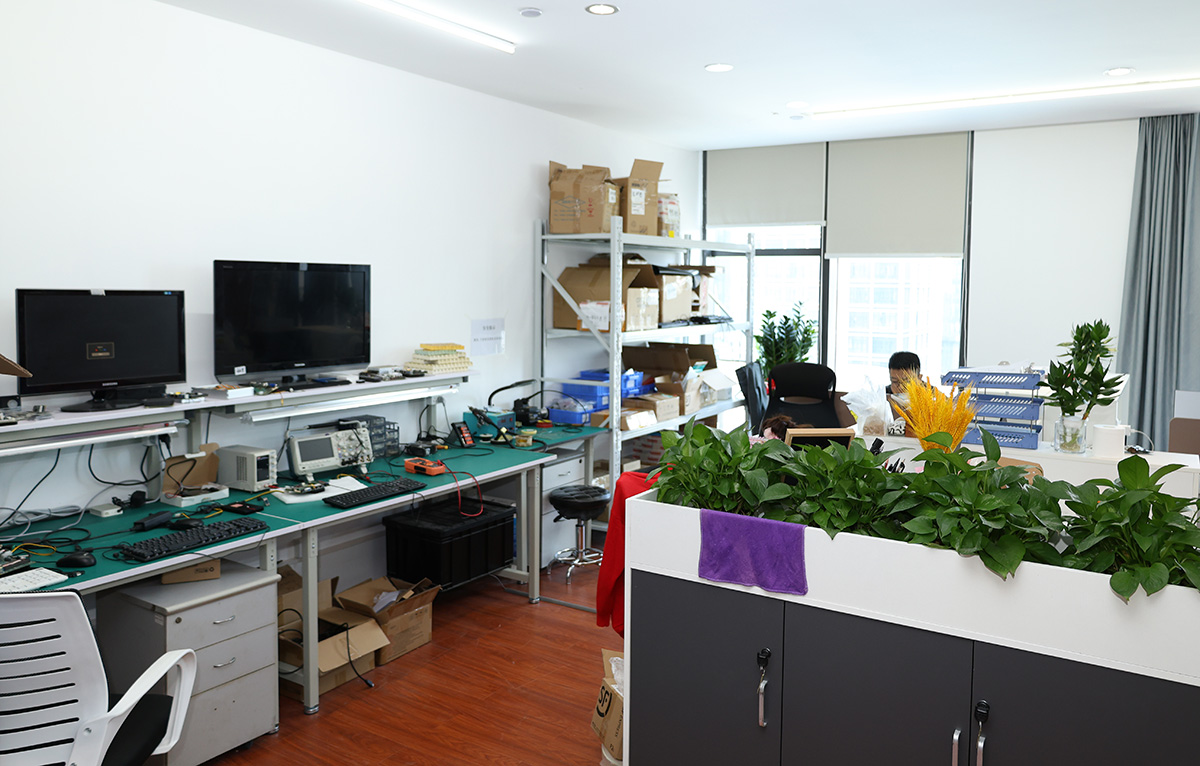
YDSTECH has set up a comprehensive quality assurance management system, adopting MSA quality system analysis, implementing rolling quality system audit, TQM, SPC process control and other quality management systems, establishing AVL supplier management system to ensure the quality of raw materials, and introducing rolling product reliability tests to ensure overall product reliability.
Explore our full line of industrial-grade embedded boards and computers designed for demanding power automation and monitoring tasks.