Leave Your Message
Engineered to meet the stringent demands of regulatory compliance and thermal validation systems.
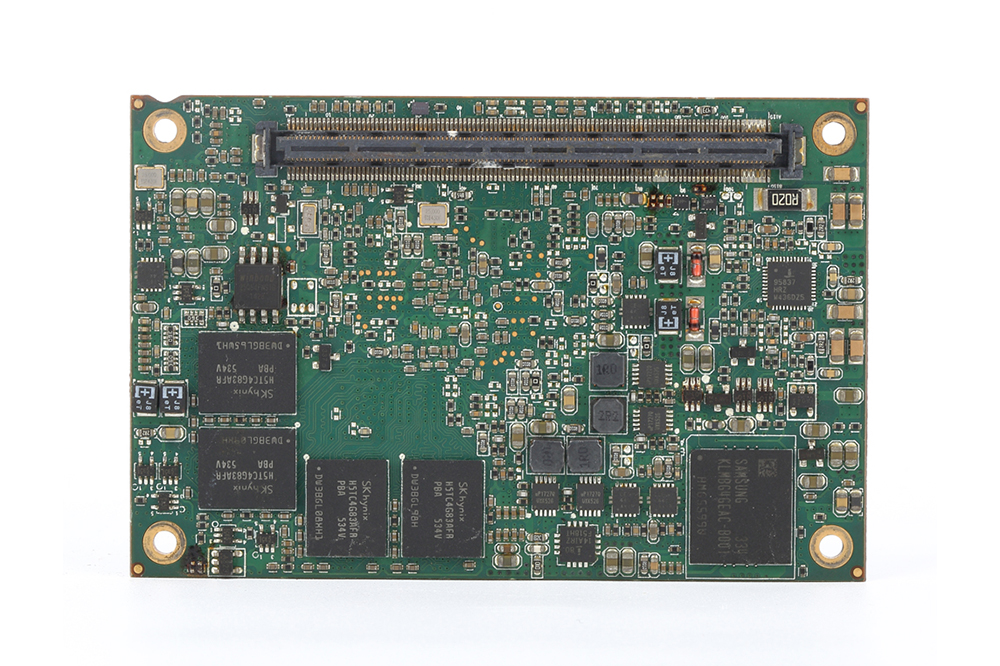
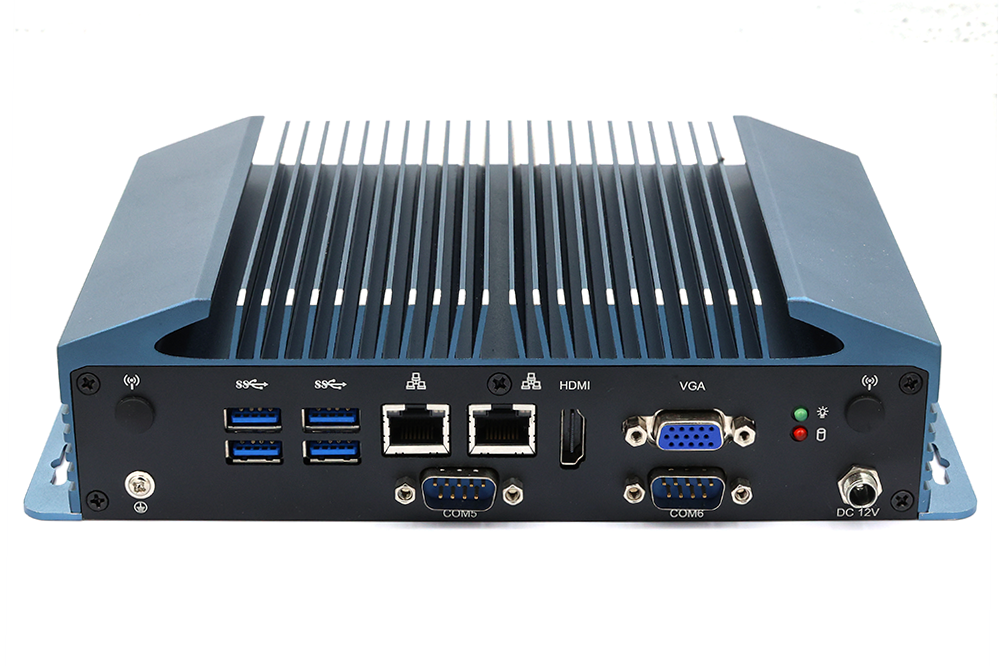
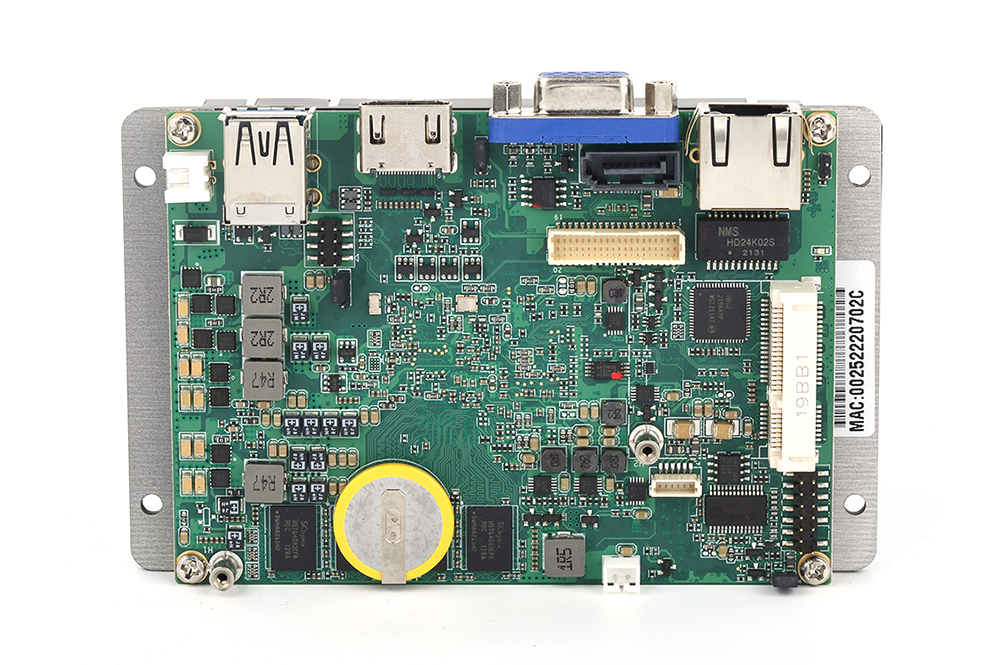
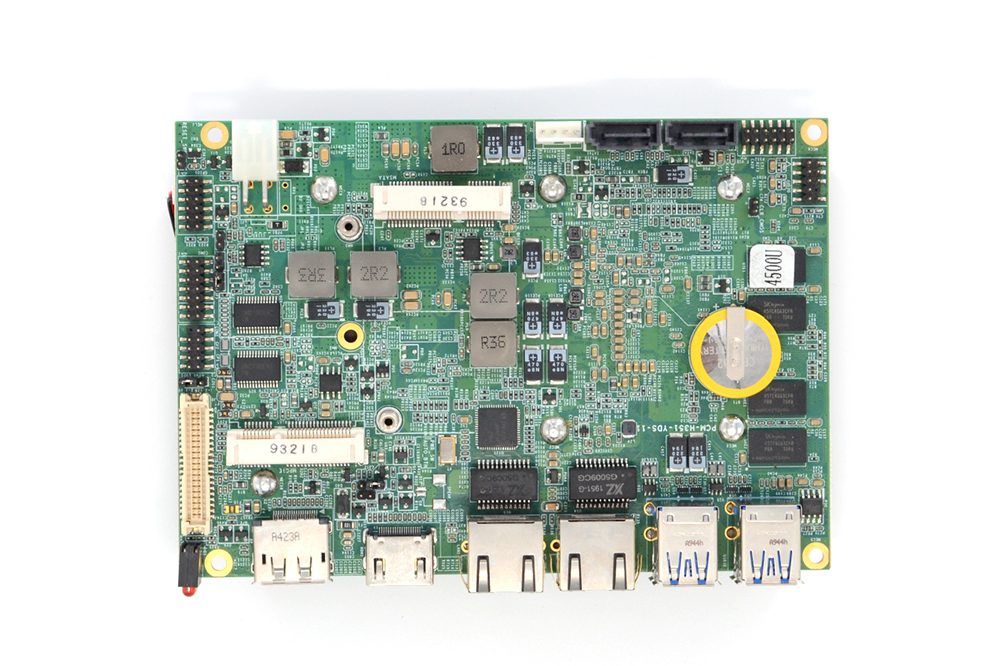
In the highly regulated pharmaceutical manufacturing sector, precision is not merely a goal—it is a legal mandate. The process of pharmaceutical validation requires comprehensive proof that every system, instrument, and environment operates consistently within defined parameters. Among these parameters, temperature is perhaps the most critical. From the formulation of active pharmaceutical ingredients (APIs) to the storage of fragile biologics and vaccines, temperature variations of even a fraction of a degree can compromise product efficacy, endanger patient safety, and result in millions of dollars in losses. At the heart of the hardware systems that monitor, record, and validate these thermal conditions lies the industrial desktop motherboard.
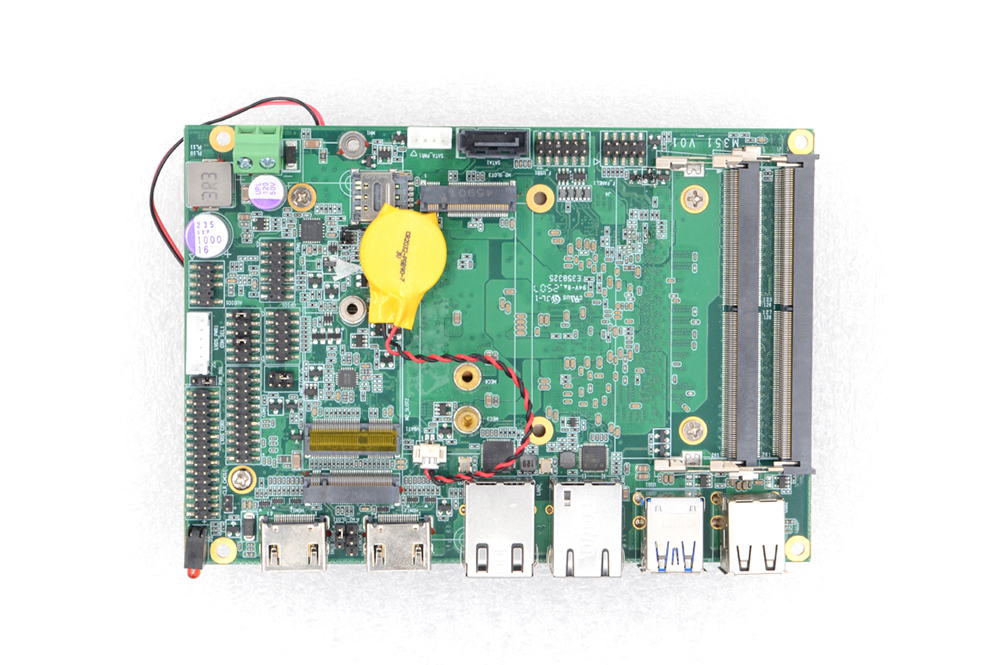
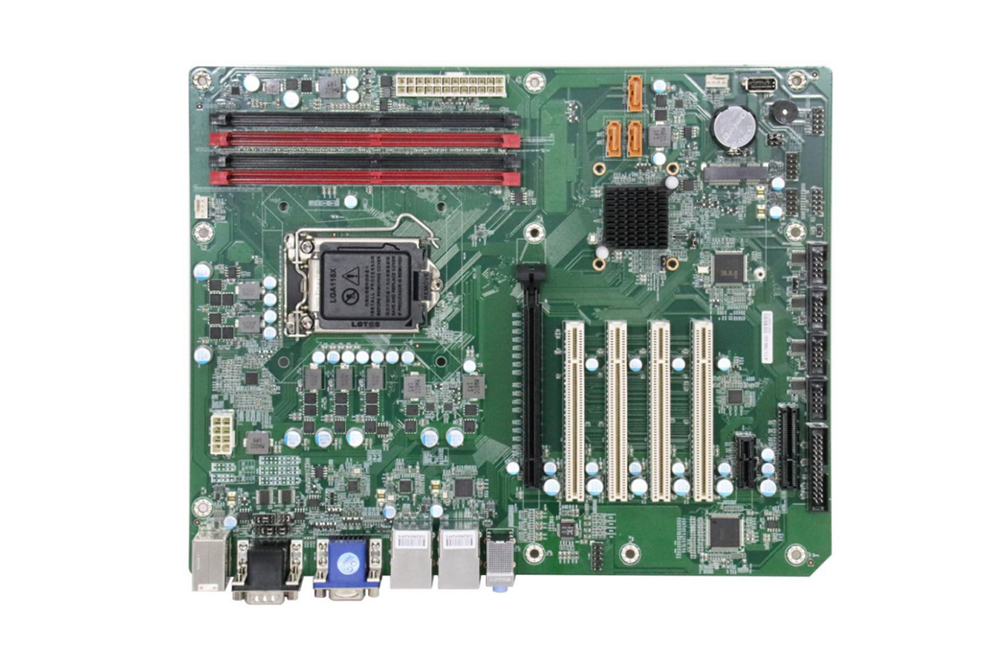
Unlike commercial-grade alternatives, industrial motherboards are engineered to handle the rigorous duty cycles, harsh environments, and stringent data integrity requirements of the life sciences industry. They serve as the central processing hub for complex thermal validation systems, interfacing with high-precision RTD (Resistance Temperature Detector) sensors, thermocouples, and data loggers. These boards must operate continuously, often in environments where standard computers would quickly fail due to extreme temperatures, electromagnetic interference, or chemical cleaning agents.
Ensures seamless alignment with FDA 21 CFR Part 11 and EU Annex 11 requirements for electronic records and data integrity.
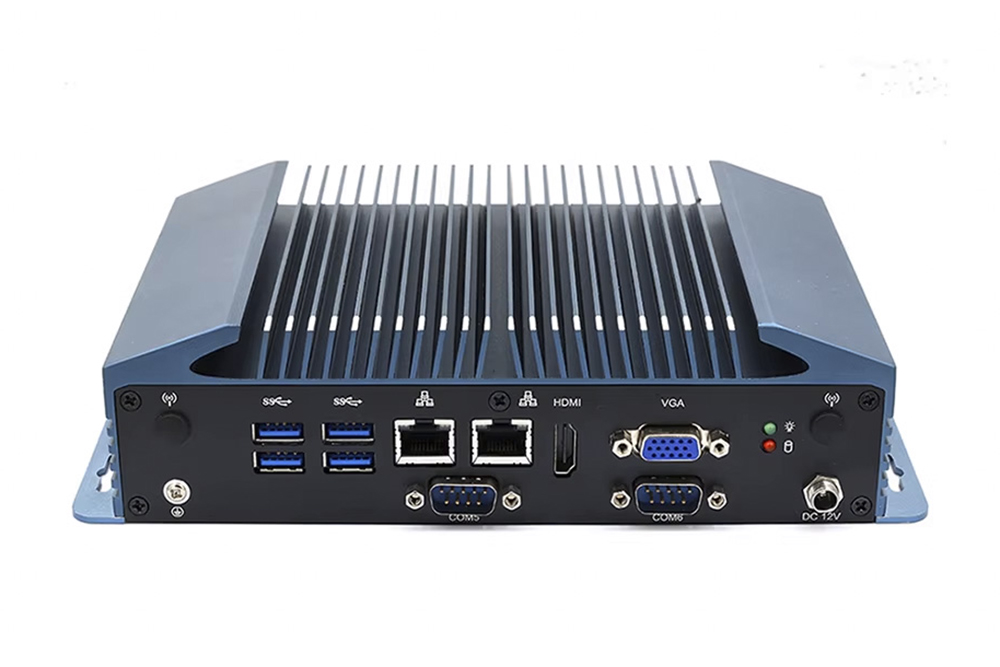
Fanless design, high MTBF components, and watchdog timers prevent unexpected downtime during critical batch validation.
Engineered to operate reliably across wide temperature envelopes, supporting both cryogenic storage and high-heat sterilization.
The pharmaceutical industry is undergoing a massive digital transformation, often referred to as Pharma 4.0. The integration of Internet of Things (IoT) sensors, cloud computing, and real-time analytics is reshaping how validation is conducted. Historically, validation was a periodic, paper-based exercise where technicians manually recorded temperatures. Today, regulatory bodies like the FDA (Food and Drug Administration) and the EMA (European Medicines Agency) expect continuous validation. This shift has driven the demand for robust computing hardware capable of processing vast amounts of environmental data in real time.
From a commercial standpoint, the cost of validation is a significant portion of a pharmaceutical plant's operational expenditure. Any interruption in data collection during a validation cycle can invalidate the entire test, requiring the batch to be discarded or re-processed. Consequently, system integrators and pharmaceutical manufacturers are prioritizing hardware reliability over initial acquisition costs. This has created a robust market for industrial desktop motherboards and embedded PCs that offer long lifecycle support (typically 7 to 10 years), preventing the need for frequent, costly system re-certifications when hardware components become obsolete.
"The transition to continuous validation and real-time monitoring demands industrial-grade compute platforms that guarantee zero data loss. In pharmaceutical validation, a gap in data is equivalent to a failed batch."
Sterilization processes, such as steam autoclaving and dry heat sterilization, operate at temperatures ranging from 121°C to over 250°C. Validating these systems requires inserting multiple thermal sensors inside the chambers to map the heat distribution. The industrial motherboard powering the validation system must interface with specialized analog-to-digital converters (ADCs) to translate thermocouple readings into precise temperature values. Because these systems are often located directly on the cleanroom floor, the motherboard must be housed in a fanless, sealed enclosure to prevent particle emission, necessitating highly efficient passive cooling designs that run reliably under elevated ambient temperatures.
The rise of mRNA vaccines and advanced cell therapies has introduced the challenge of maintaining an ultra-cold chain, with storage temperatures dropping to -80°C or even -196°C in liquid nitrogen freezers. Monitoring these cryogenic environments requires specialized, wide-temperature-tolerant motherboards that can process inputs from remote RTD sensors without lag. If a freezer's temperature begins to drift, the motherboard-based system must instantly trigger local and network-based alarms, log the event to a tamper-proof database, and switch to battery backup power if a utility failure occurs.
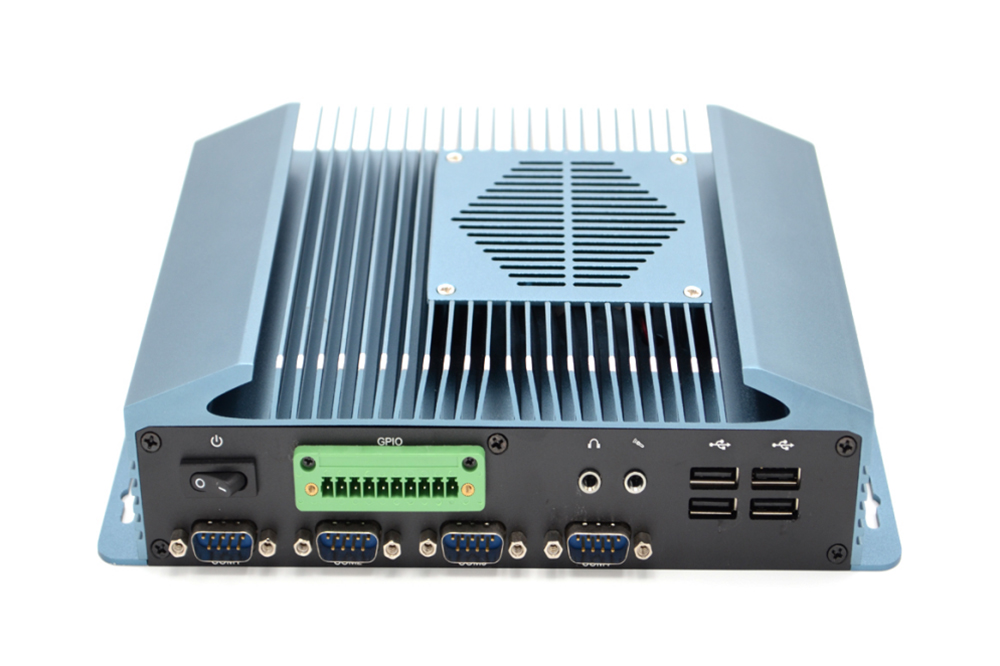
Cleanrooms require strict control over temperature, humidity, differential pressure, and airborne particulates. A centralized Environmental Monitoring System (EMS) utilizes industrial motherboards with rich I/O connectivity—including multiple RS-232/485 serial ports, dual Gigabit Ethernet, and GPIO interfaces—to collect data from dozens of sensors distributed throughout the facility. The motherboard must run 24/7, processing this data to ensure the cleanroom remains within its qualified state. Dual LAN ports are critical here to provide network redundancy, ensuring that sensor data is simultaneously sent to local storage and the centralized SCADA system without interruption.
As we look to the future, several technological trends are shaping the design of industrial motherboards for the pharmaceutical sector:
A Pioneer in Industrial Computing and Embedded Hardware Solutions Since 1999
Shenzhen YDSTECH Electronics Co., Ltd. is a high-tech enterprise specializing in industrial computers. Since the establishment of YDSTECH in 1999, we have been committed to independent research and development, innovation, production and sales of industrial computers, and we own the independent intellectual property rights of our core products.
We consider honesty and pragmatism as our motto and make it our long-term goal to provide customers with cost-effective products. In order to achieve this goal, we work constantly to develop new products, improve our service capabilities and promote the innovation of embedded computer applications to create long-term value and potential growth for our customers.
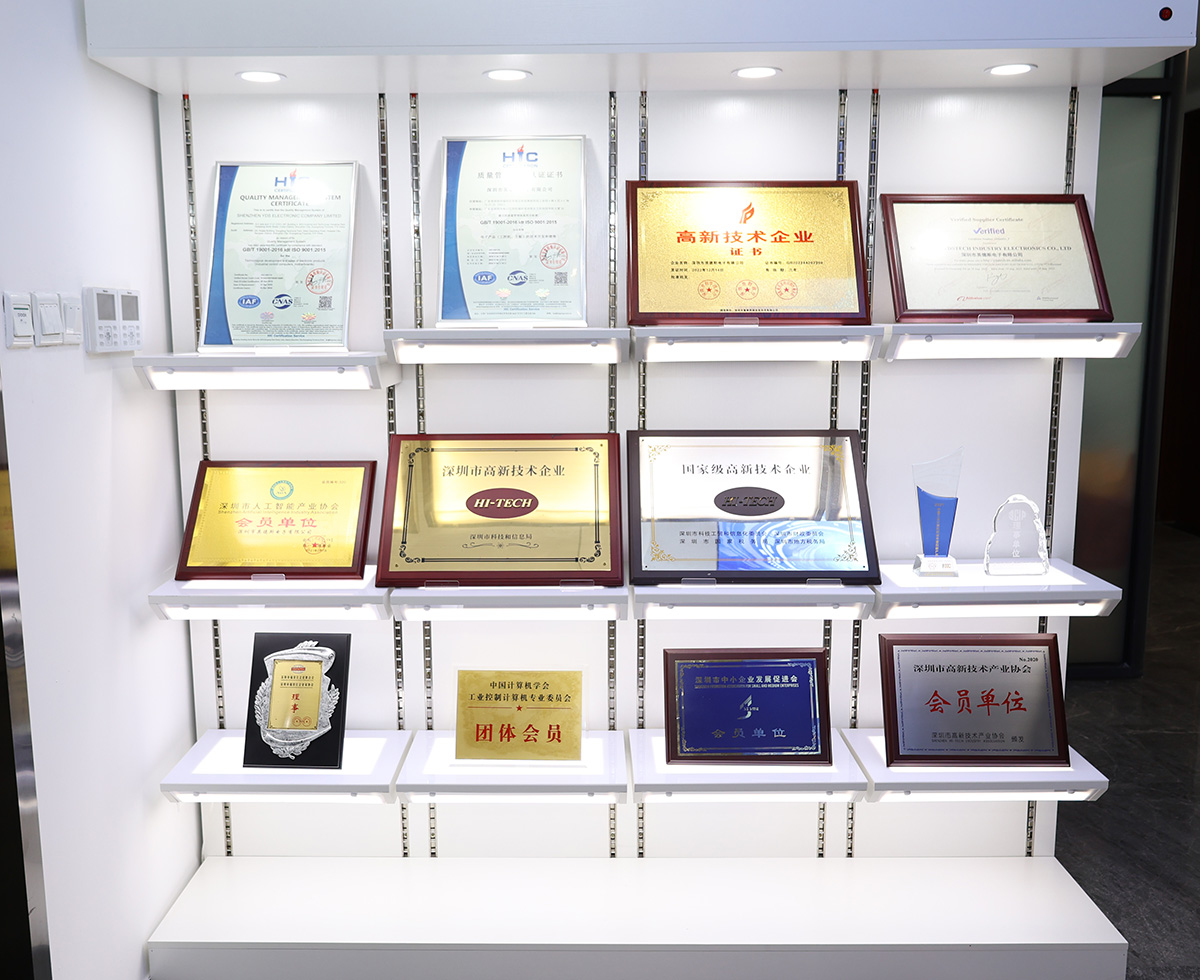
Industry-recognized standards and memberships reflecting our commitment to quality.
Certified High-Tech Enterprise
Shenzhen Software Product And Software Enterprise Evaluation Certified Enterprise
ISO9001 International Quality System Certified Enterprise
Member Of Chinese Association Of Automation
Member Of China Instrumentation Society
Member Of China Computer Federation
Director Of Shenzhen Computer Association
Founding Member Of China Embedded System Industry Alliance
Our core technical team has over 15 years of experience in this industry, and has been focusing on embedded computer research and development, with rich and solid professional expertise. We believe that attitude means everything, since the establishment of YDSTECH, we have always been committed to work with a conscientious, responsible, attentive, professional, prudent and meticulous attitude, which ensures the high-quality output of the products, years of persistence and experience created our strong R&D team.
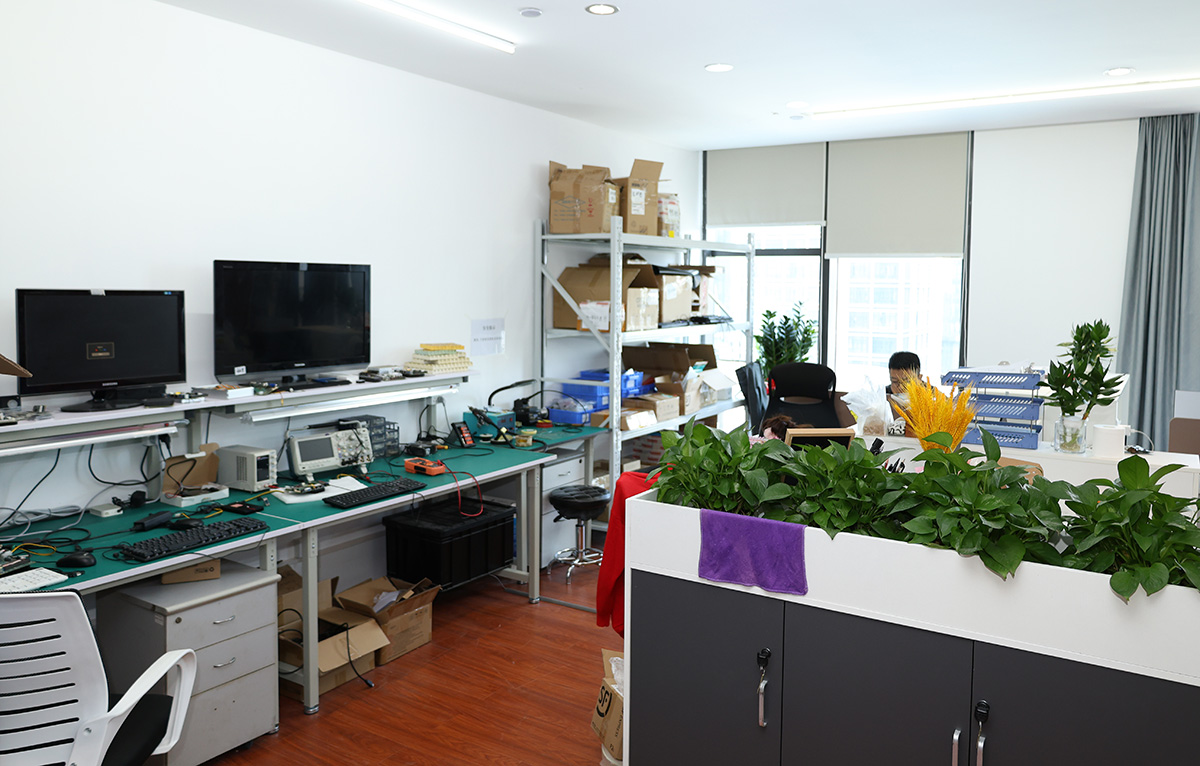
YDSTECH has set up a comprehensive quality assurance management system, adopting MSA quality system analysis, implementing rolling quality system audit, TQM, SPC process control and other quality management systems, establishing AVL supplier management system to ensure the quality of raw materials, and introducing rolling product reliability tests to ensure overall product reliability.
Explore our full line of industrial motherboards and PCs optimized for validation, monitoring, and high-reliability processing.