Leave Your Message
The global retail landscape is undergoing a monumental paradigm shift. Driven by rapid advancements in the Internet of Things (IoT), artificial intelligence (AI), and edge computing, traditional bricks-and-mortar stores are transforming into highly connected, interactive, and automated environments. At the heart of this revolution are smart retail systems and interactive self-service kiosks. These systems range from self-checkout terminals and automated ticketing booths to interactive digital signage and intelligent vending machines. To deliver seamless, secure, and responsive user experiences, these applications demand robust computing power. This is where the industrial computing motherboard plays an indispensable role, serving as the reliable engine that drives next-generation retail infrastructure.
In today's fast-paced commercial environment, retailers face dual pressures: escalating operational costs (including labor shortages and rising wages) and the need to meet modern consumer expectations for speed, convenience, and personalization. Interactive self-service kiosks have shifted from being a premium convenience to an absolute operational necessity. According to recent market studies, the global self-service kiosk market is projected to reach tens of billions of dollars by the end of the decade, with smart retail being the fastest-growing vertical.
Unlike consumer-grade computers, hardware deployed in retail environments must withstand continuous, round-the-clock operation. Self-service kiosks are frequently located in high-traffic zones, semi-outdoor areas, or completely outdoor environments such as gas stations, drive-thrus, and transit hubs. These locations expose the computing core to extreme temperature fluctuations, dust, humidity, and physical vibration. Consequently, the industrial computing motherboard has emerged as the standard specification for system integrators. By offering high thermal tolerance, low power consumption, and long-term component availability, industrial motherboards ensure that retail operations experience minimal downtime, thereby maximizing return on investment (ROI) and customer satisfaction.
Enables real-time facial recognition, demographic detection, and personalized customer interactions directly at the retail terminal.
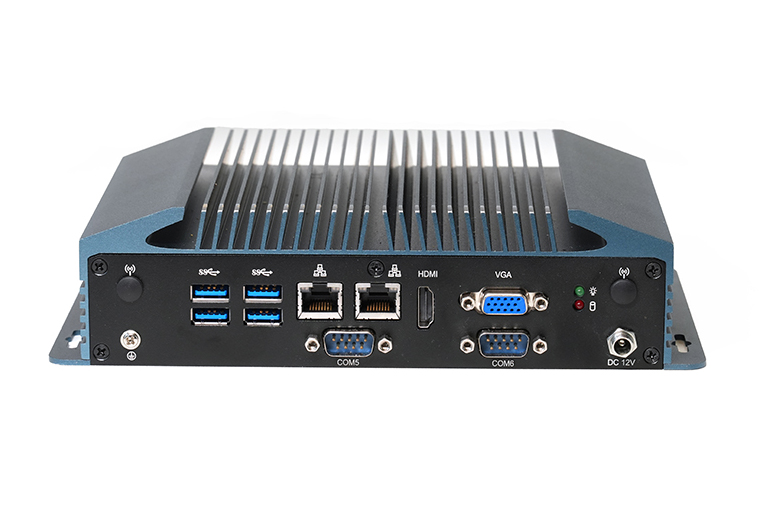
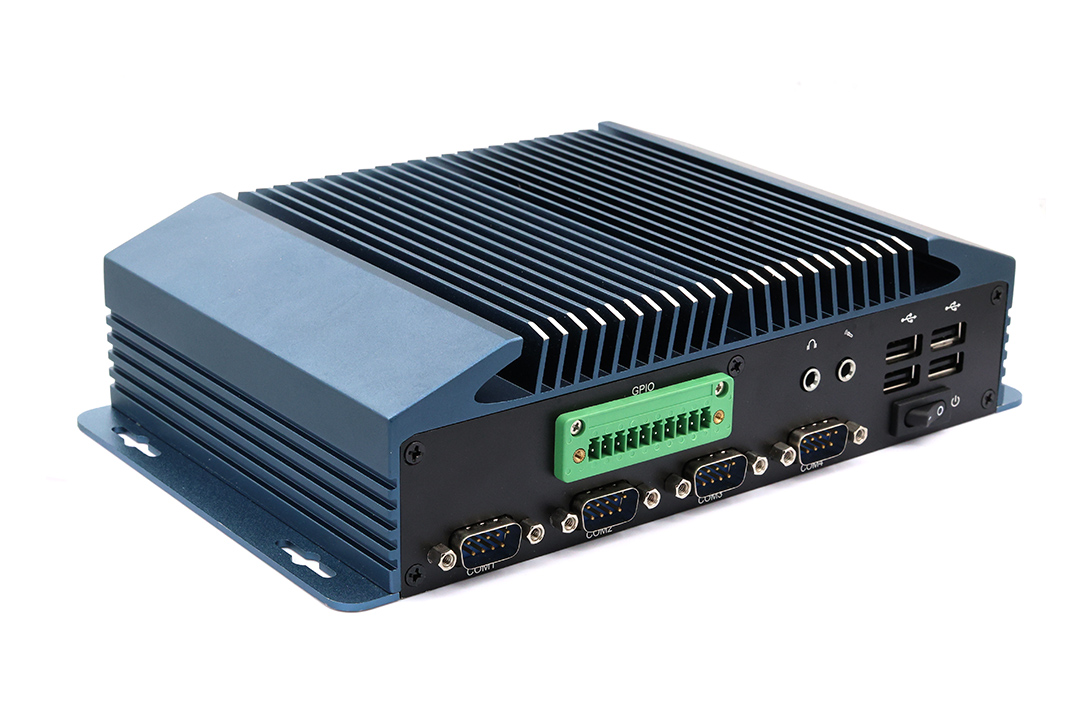
Fanless designs, wide temperature tolerances (-40°C to 75°C), and robust components ensure 24/7 continuous operation.
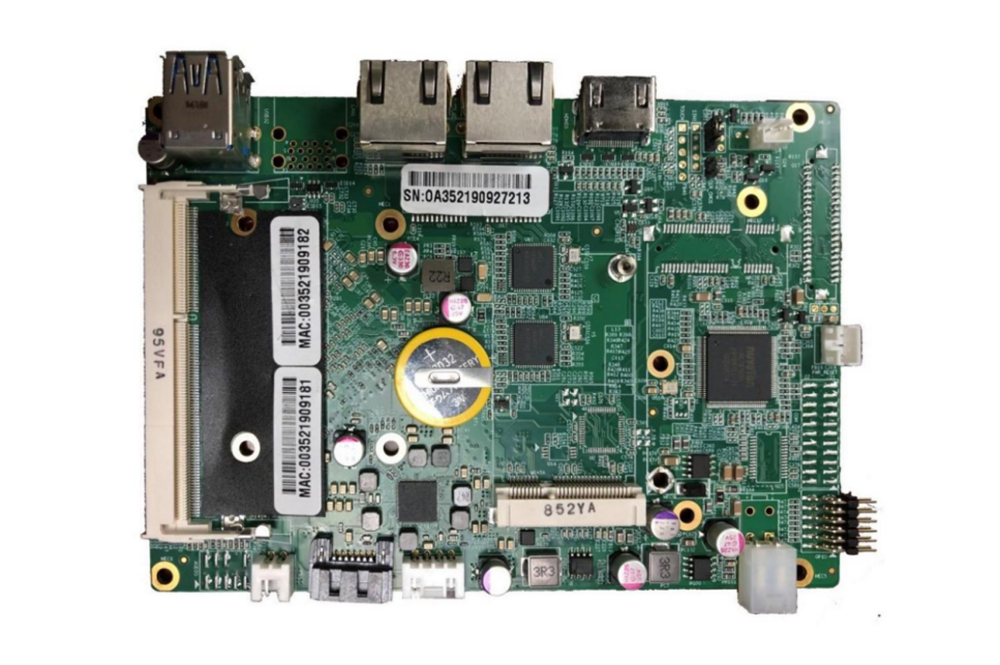
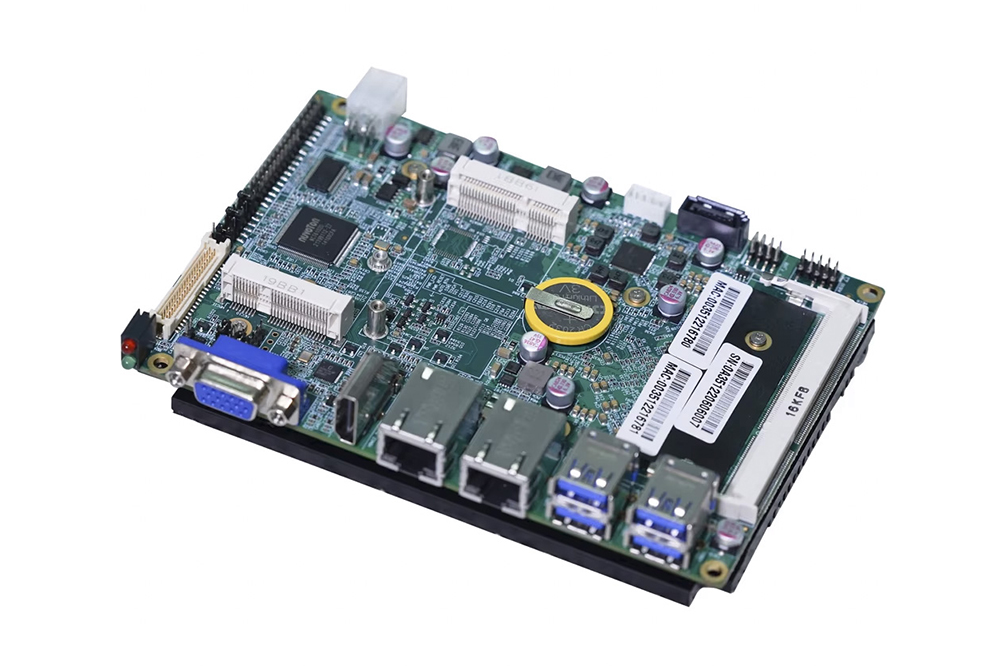
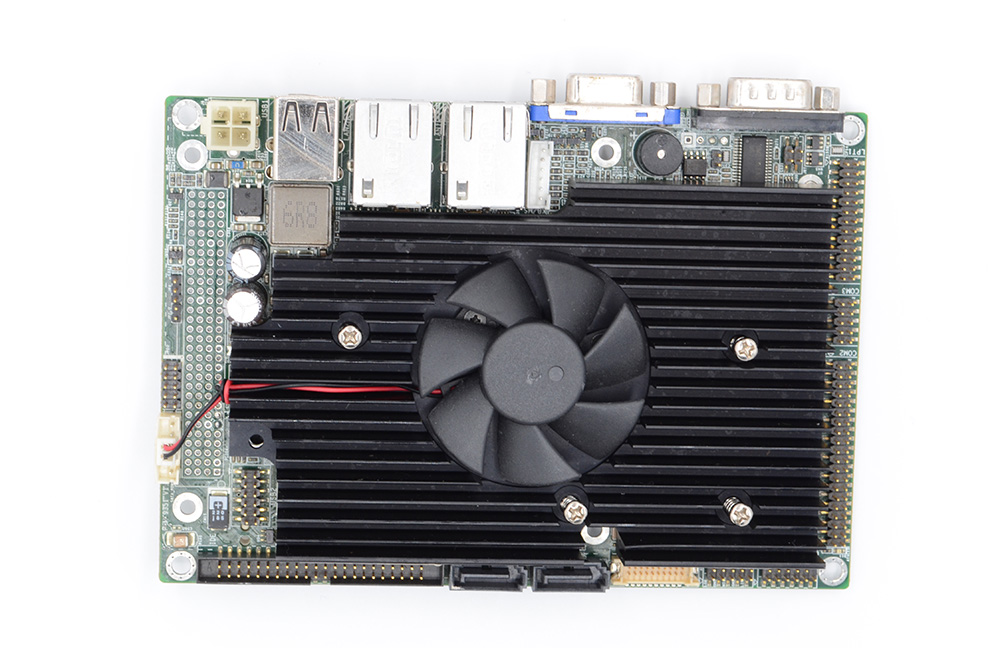
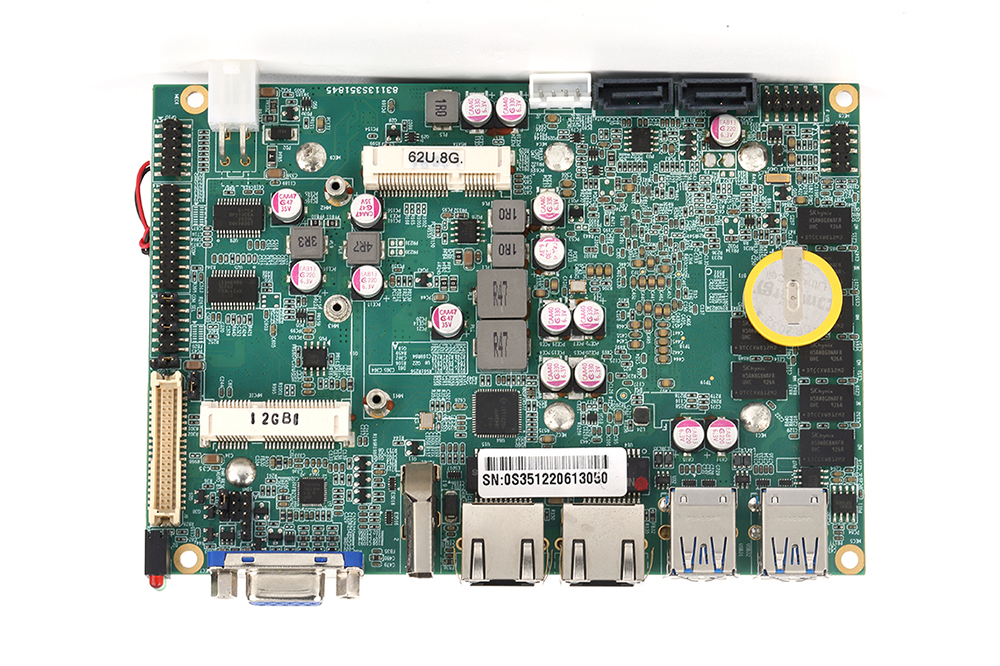
Abundant COM, USB, LAN, and GPIO ports to seamlessly integrate payment terminals, printers, scanners, and sensors.
To fully understand the critical role of industrial-grade computing hardware, it is helpful to analyze the specific demands of key smart retail applications:
Modern self-checkout systems are far more complex than simple barcode scanners. They integrate multi-spectral cameras, weight sensors, security scales, receipt printers, NFC payment terminals, and cash management modules. The industrial motherboard powering these terminals must process inputs from all these peripherals simultaneously. High-speed USB and serial (COM) ports are essential for reliable communication with legacy and modern peripherals. Furthermore, integrated graphics processing units (GPUs) enable smooth graphical user interfaces (GUIs) that guide customers through the checkout process, reducing transaction times and queues.
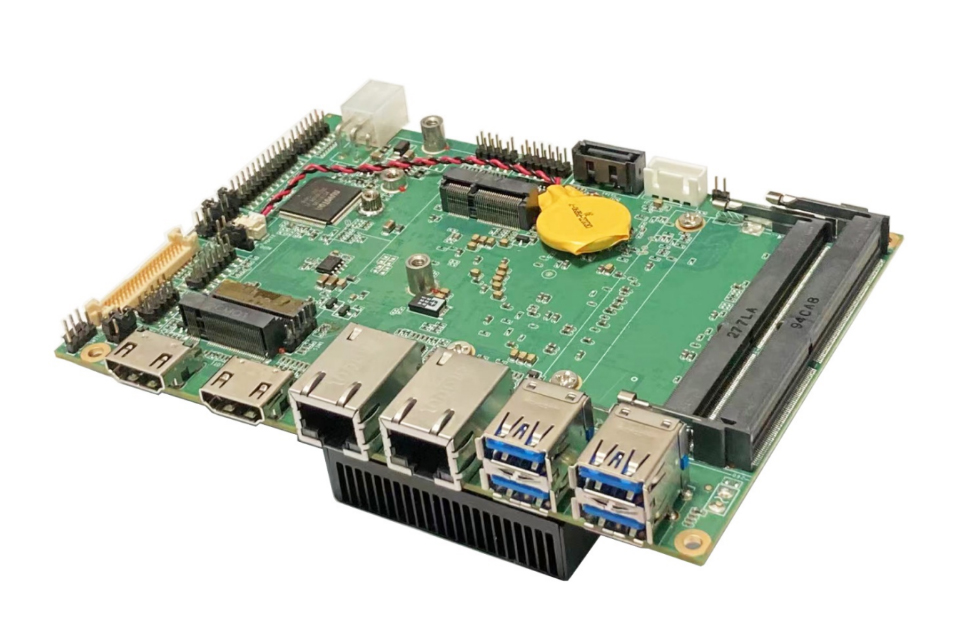
Typically found in large shopping malls, airports, and amusement parks, interactive wayfinding kiosks require high-definition or ultra-high-definition (4K/8K) displays, often across multiple screens. Industrial motherboards equipped with advanced display interfaces (such as HDMI, DisplayPort, and eDP) allow a single system to drive multiple independent displays. These boards must also support touch-screen interfaces (capacitive or resistive) and offer high-performance network connectivity (dual Gigabit Ethernet, Wi-Fi, or 5G modules) to download real-time directory updates and promotional advertisements from the cloud.
Smart vending machines and micro-markets operate autonomously in diverse environments, from air-conditioned offices to dusty subway stations. They require compact, low-power, and fanless embedded motherboards. A fanless design prevents dust accumulation inside the chassis, which is a leading cause of hardware failure in public spaces. Furthermore, these motherboards must feature wide temperature support to withstand cold winters and hot summers, ensuring that payment processing, inventory tracking, and refrigeration controls remain fully functional under all conditions.
The integration of AI at the edge has revolutionized digital signage. Modern displays do not just loop pre-recorded videos; they actively analyze the audience. By utilizing integrated cameras and edge AI algorithms running on high-performance industrial motherboards (such as those powered by Intel Core U-Series or Tiger Lake processors), the system can detect the age range, gender, and emotional response of passersby. This data allows the kiosk to dynamically adjust the displayed content to target the specific demographic in real-time, significantly increasing advertising conversion rates while collecting valuable offline analytics for retailers.
As the smart retail industry matures, several key technological trends are shaping the development of future industrial computing motherboards:
Shenzhen YDSTECH Electronics Co., Ltd. is a premier high-tech enterprise specializing in the research, development, and manufacturing of industrial computers. Since our establishment in 1999, YDSTECH has been committed to independent research and development, innovation, production, and sales of industrial computers. We proudly own the independent intellectual property rights of our core products, ensuring that we deliver state-of-the-art technology tailored to the evolving needs of the global market.
We consider honesty and pragmatism as our motto and make it our long-term goal to provide customers with highly cost-effective products. In order to achieve this goal, we work constantly to develop new products, improve our service capabilities, and promote the innovation of embedded computer applications. By doing so, we create long-term value and potential growth for our partners and customers worldwide.
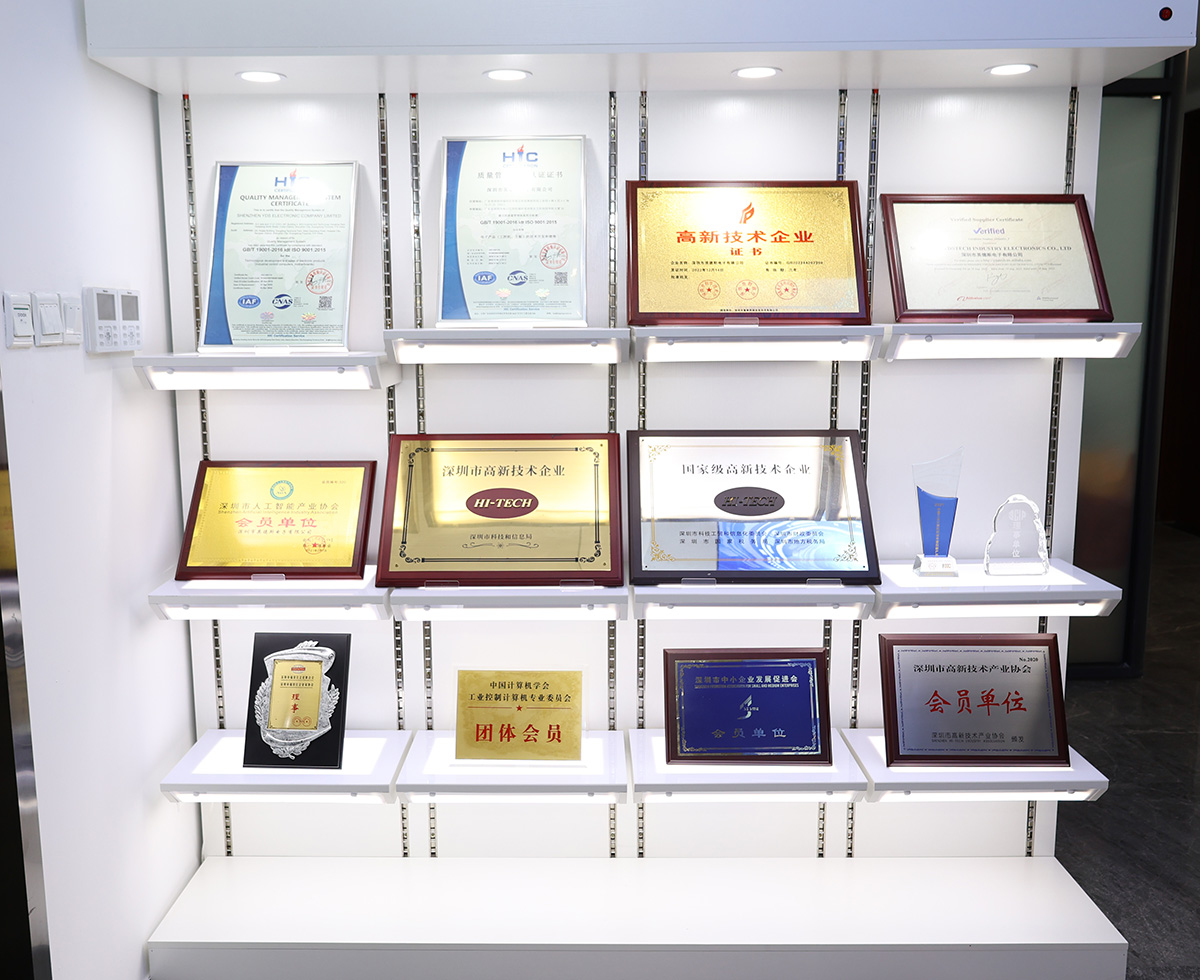
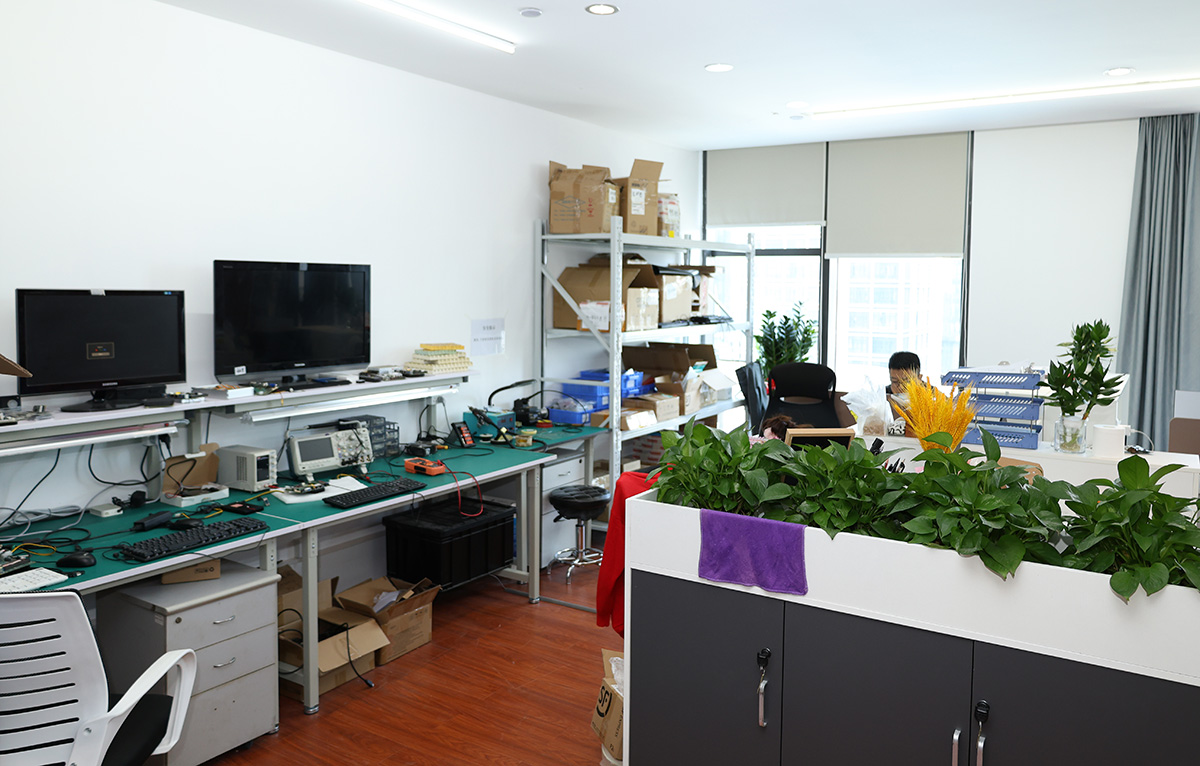
Our core technical team has over 15 years of experience in this industry, focusing on embedded computer research and development with rich and solid professional expertise. We believe that attitude means everything. Since the establishment of YDSTECH, we have always been committed to working with a conscientious, responsible, attentive, professional, prudent, and meticulous attitude. This commitment ensures the high-quality output of our products. Years of persistence and experience have created our strong, resilient R&D team, capable of delivering custom hardware solutions for complex smart retail deployments.
YDSTECH has established a comprehensive quality assurance management system. We adopt MSA quality system analysis, implement rolling quality system audits, TQM (Total Quality Management), and SPC (Statistical Process Control) systems. Additionally, we have established an AVL supplier management system to guarantee the quality of raw materials and introduce rolling product reliability tests to ensure overall product reliability. Our rigorous QA processes guarantee that every industrial motherboard leaving our facility is fully optimized for long-term, trouble-free operation in demanding retail and kiosk environments.