Leave Your Message
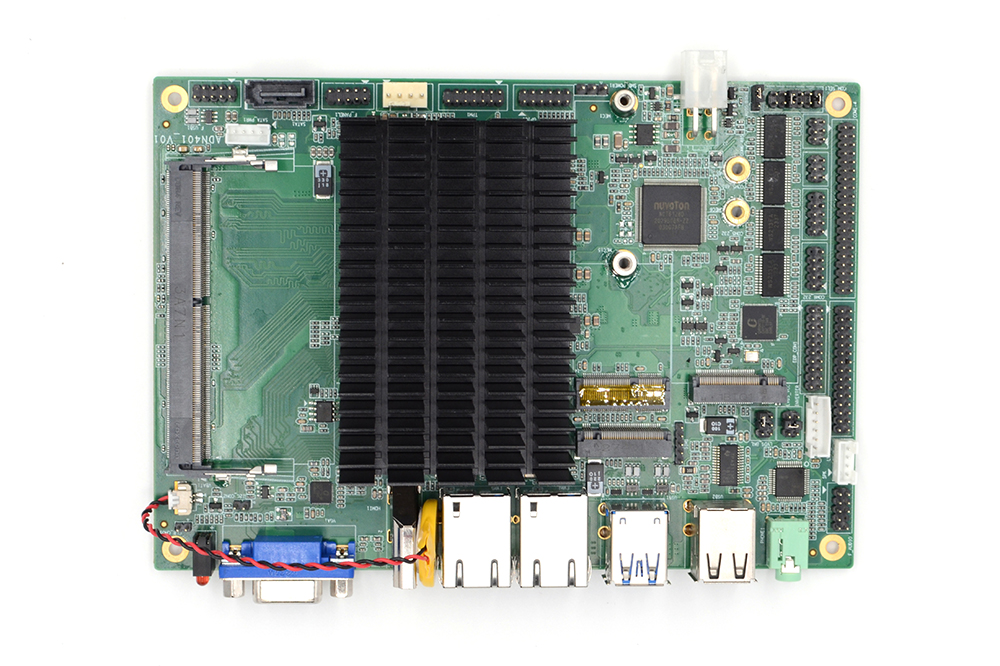
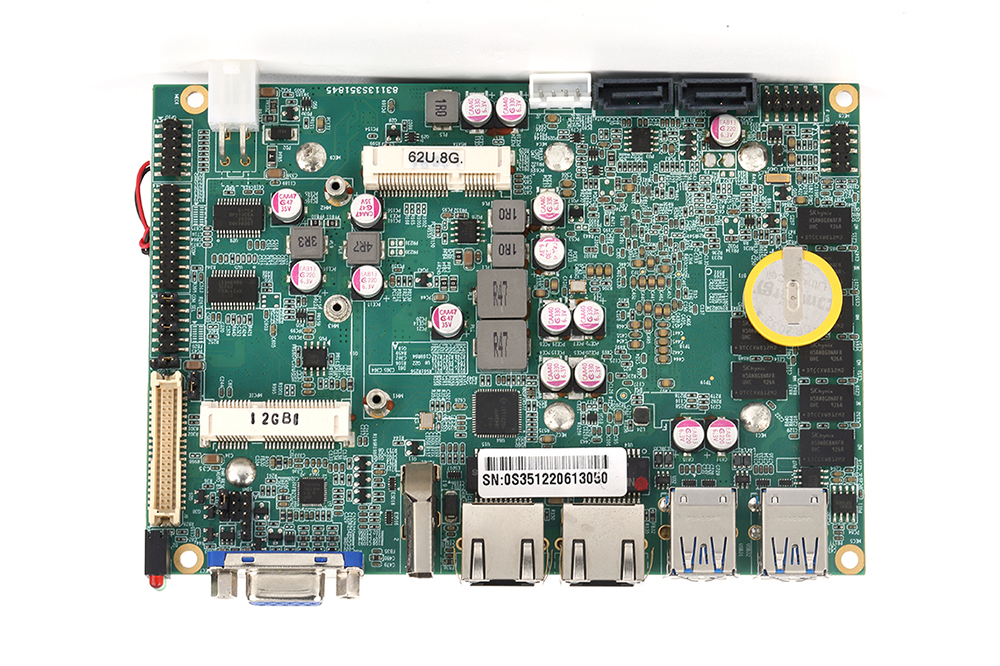
In the pharmaceutical and biotech industries, accuracy is not simply a metric of performance—it is a regulatory mandate and a prerequisite for patient safety. Pharmaceutical validation, particularly thermal validation, ensures that manufacturing processes, sterilization chambers, and cold chain storage spaces maintain precise environmental parameters. At the core of these validation systems are industrial computing motherboards. Unlike consumer-grade hardware, these specialized mainboards are designed to withstand continuous 24/7 operation, extreme thermal fluctuations, and corrosive cleanroom sanitization agents, all while delivering zero-downtime data acquisition.
Modern pharmaceutical facilities operate under stringent global guidelines, including the FDA's 21 CFR Part 11 and the European Union’s GMP Annex 11. These regulations demand absolute data integrity, audit trails, and electronic signatures. Any interruption in temperature monitoring during vaccine storage, autoclave sterilization, or lyophilization (freeze-drying) can result in the immediate disposal of multi-million dollar batches. Consequently, the industrial motherboards driving these validation systems must feature robust watchdog timers, redundant network connections (Dual Gigabit LAN), and support for secure TPM 2.0 modules to prevent data loss or manipulation.
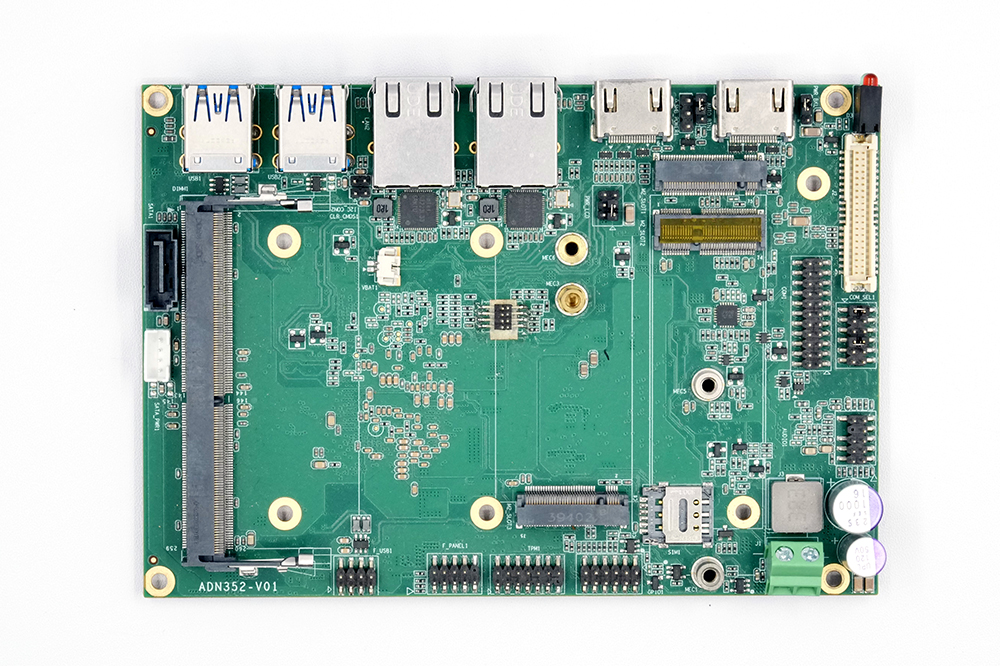
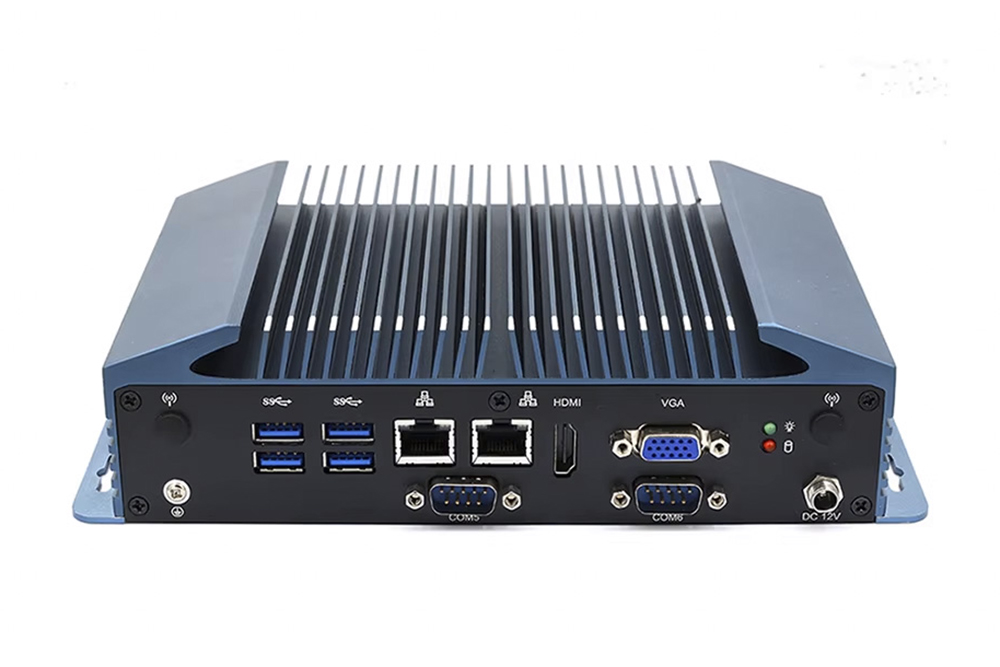
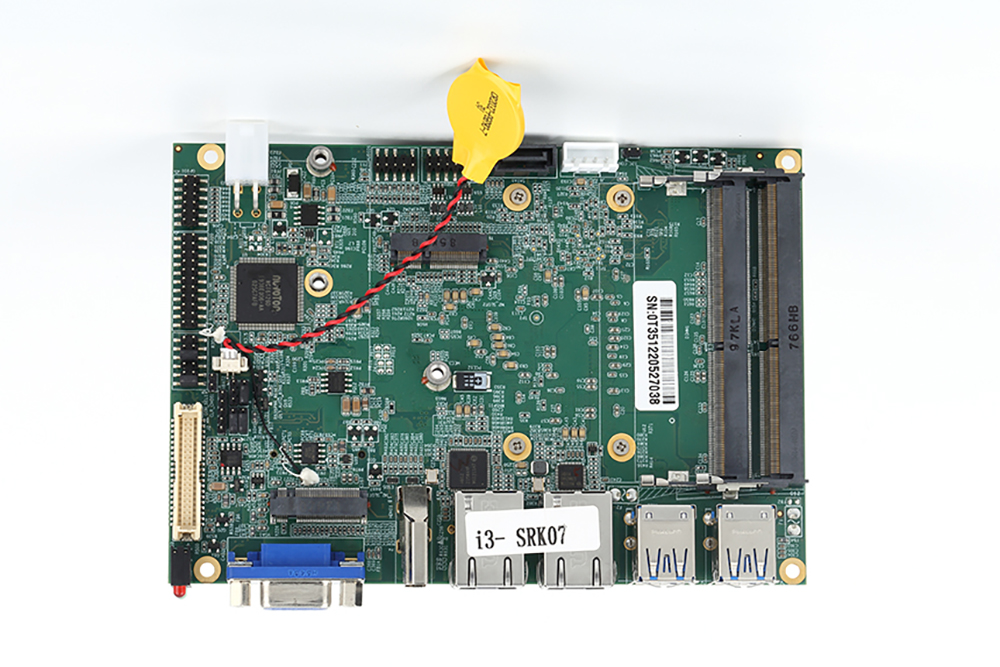
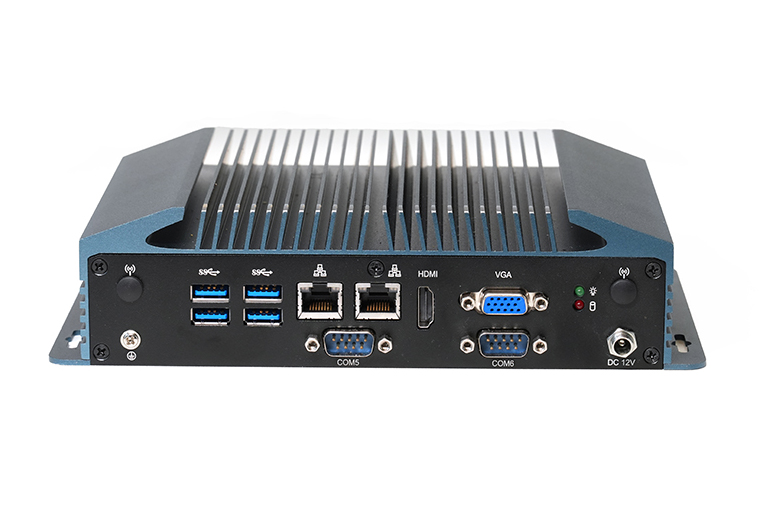
Hardware architecture designed to support continuous, tamper-proof data logging, meeting FDA 21 CFR Part 11 requirements for electronic records.
Engineered to operate reliably in extreme environments, from cryogenic storage monitoring (-80°C) to autoclave sterilization validation (+134°C).
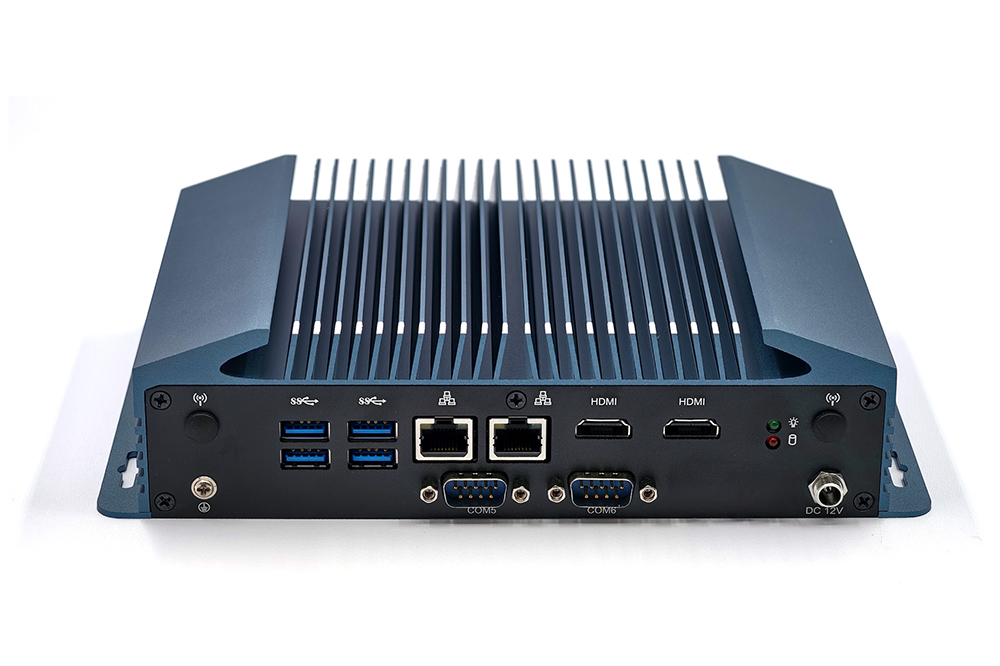
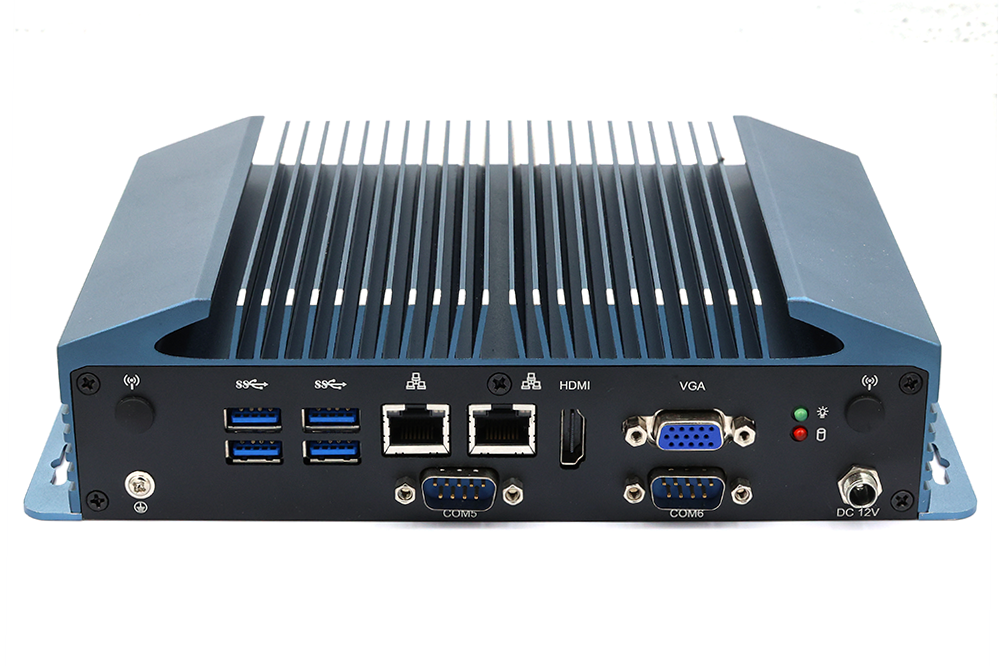
Rich serial ports (RS232/425/485) and GPIO interfaces facilitate seamless integration with high-precision RTD sensors and thermocouples.
The pharmaceutical validation sector is shifting from retrospective data analysis to real-time predictive monitoring. Traditionally, validation data was collected by data loggers and analyzed post-process. Today, edge-computing motherboards process complex thermodynamic algorithms locally, identifying temperature deviations before they lead to process failures. By embedding low-power, high-efficiency Intel x86 processors directly into cleanroom terminals, manufacturers can achieve real-time Mean Kinetic Temperature (MKT) calculations and trigger instantaneous alarms.
Furthermore, the integration of AI-enabled IoT gateways allows for predictive maintenance of refrigeration units and autoclaves. Industrial motherboards equipped with high-speed DDR4 memory and expansion slots for AI accelerators (such as M.2 modules) can analyze micro-vibrations and power draw anomalies in cooling compressors. This proactive approach ensures that validation systems are never compromised by hardware failures, preserving the continuity of critical pharmaceutical operations.
Sterilization processes require exposure to saturated steam at high temperatures (typically 121°C or 134°C) for specific durations. Validation systems utilize high-accuracy thermocouples connected to data acquisition units. The industrial motherboard inside the acquisition unit must continuously compile readings from dozens of channels without latency. A single dropped data point can invalidate the entire cycle. Using wide-temperature 3.5-inch mainboards ensures that even if placed near the heat-radiating autoclave chamber, the system operates flawlessly without thermal throttling.
Cleanrooms require strict control of temperature, relative humidity, differential pressure, and airborne particulates. Industrial motherboards running EMS applications are integrated into wall-mounted HMI panels. These systems must be fanless to prevent the circulation of dust particles and must feature rich I/O options (such as multiple USB and COM ports) to interface with particle counters, differential pressure sensors, and temperature transmitters. Dual LAN support allows for one network to handle sensor data collection while the other communicates securely with the facility's SCADA system.
Biologics, vaccines, and cell therapies require ultra-low temperature (ULT) storage, sometimes reaching -80°C or lower. Monitoring systems must run uninterrupted 365 days a year. Industrial PCs powered by low-power x86 motherboards are deployed as local gateways. They monitor the temperature sensors, manage local visual displays, and communicate with cloud-based monitoring portals. In the event of a power outage, these low-power boards can run on small UPS backup systems for extended periods, ensuring continuous logging and alerting.
Shenzhen YDSTECH Electronics Co., Ltd. is a high-tech enterprise specializing in industrial computers. Since the establishment of YDSTECH in 1999, we have been committed to independent research and development, innovation, production and sales of industrial computers, and we own the independent intellectual property rights of our core products.
We consider honesty and pragmatism as our motto and make it our long-term goal to provide customers with cost-effective products. In order to achieve this goal, we work constantly to develop new products, improve our service capabilities and promote the innovation of embedded computer applications to create long-term value and potential growth for our customers.
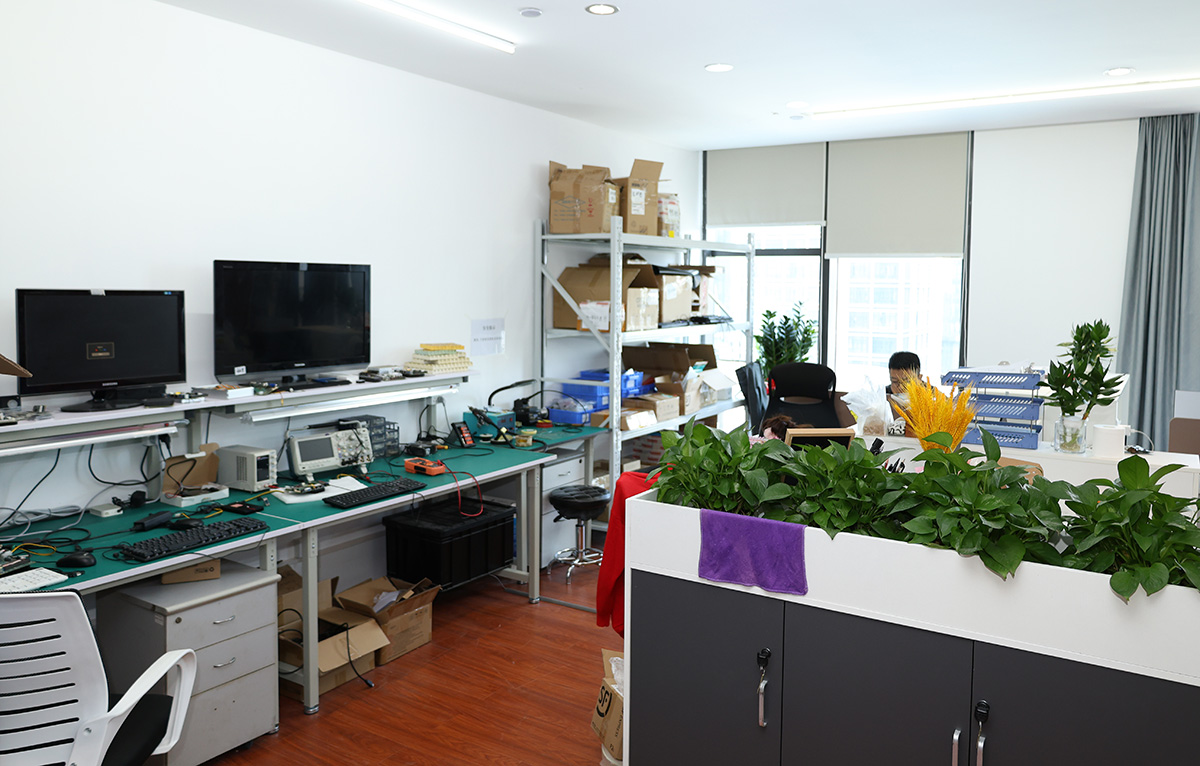
Our core technical team has over 15 years of experience in this industry, and has been focusing on embedded computer research and development, with rich and solid professional expertise. We believe that attitude means everything, since the establishment of YDSTECH, we have always been committed to work with a conscientious, responsible, attentive, professional, prudent and meticulous attitude, which ensures the high-quality output of the products, years of persistence and experience created our strong R&D team.
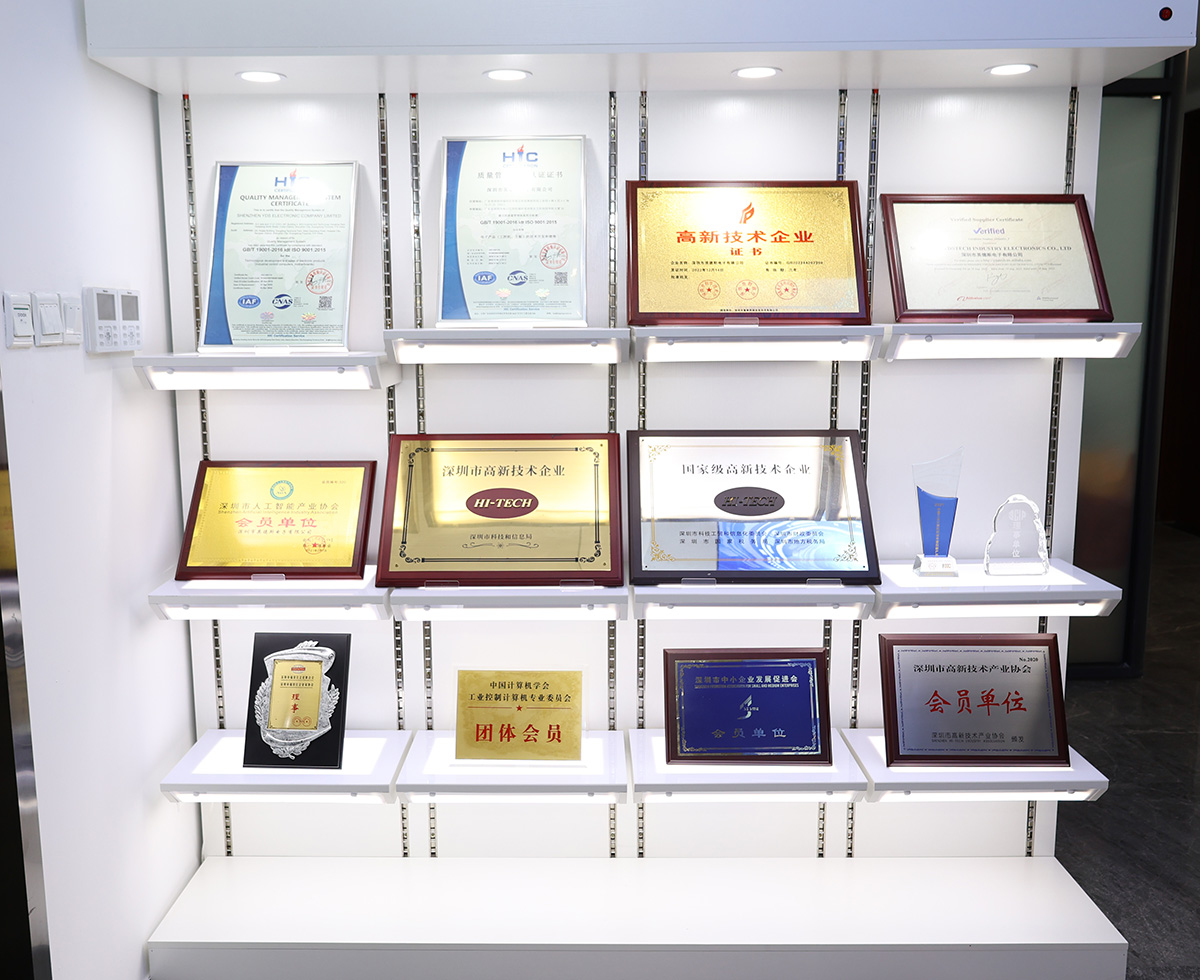
YDSTECH has set up a comprehensive quality assurance management system, adopting MSA quality system analysis, implementing rolling quality system audit, TQM, SPC process control and other quality management systems, establishing AVL supplier management system to ensure the quality of raw materials, and introducing rolling product reliability tests to ensure overall product reliability.