Leave Your Message
High-bandwidth, wide-temperature, and ultra-reliable processing units engineered specifically for demanding optical inspection pipelines.
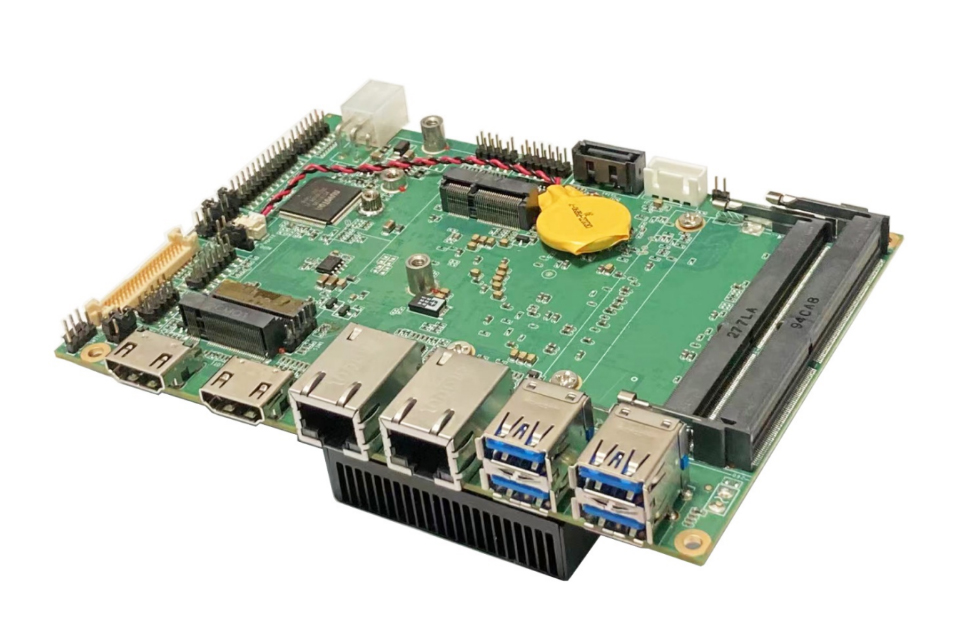
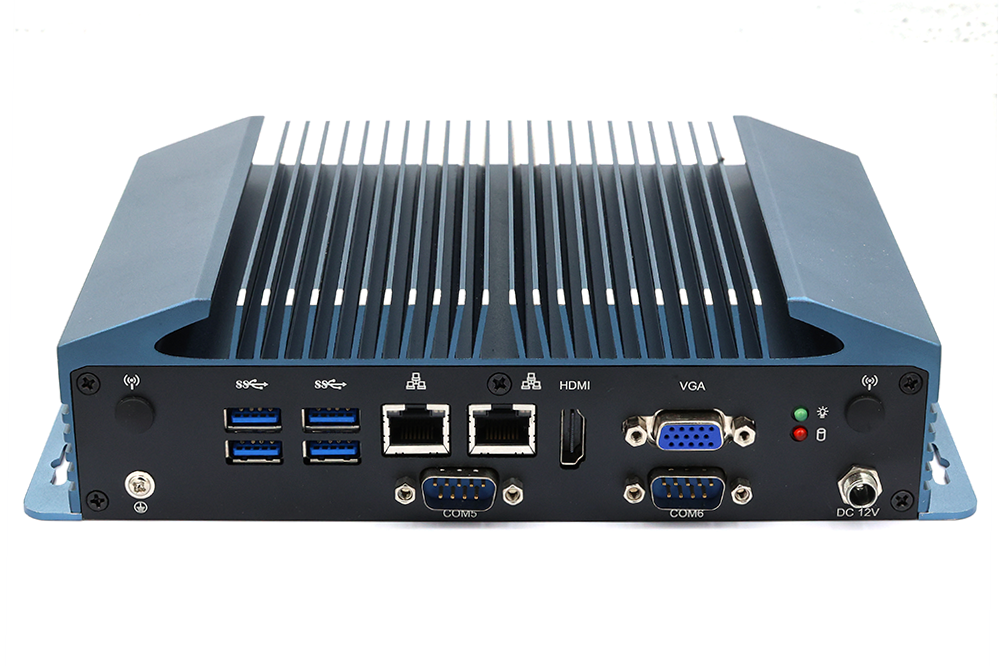
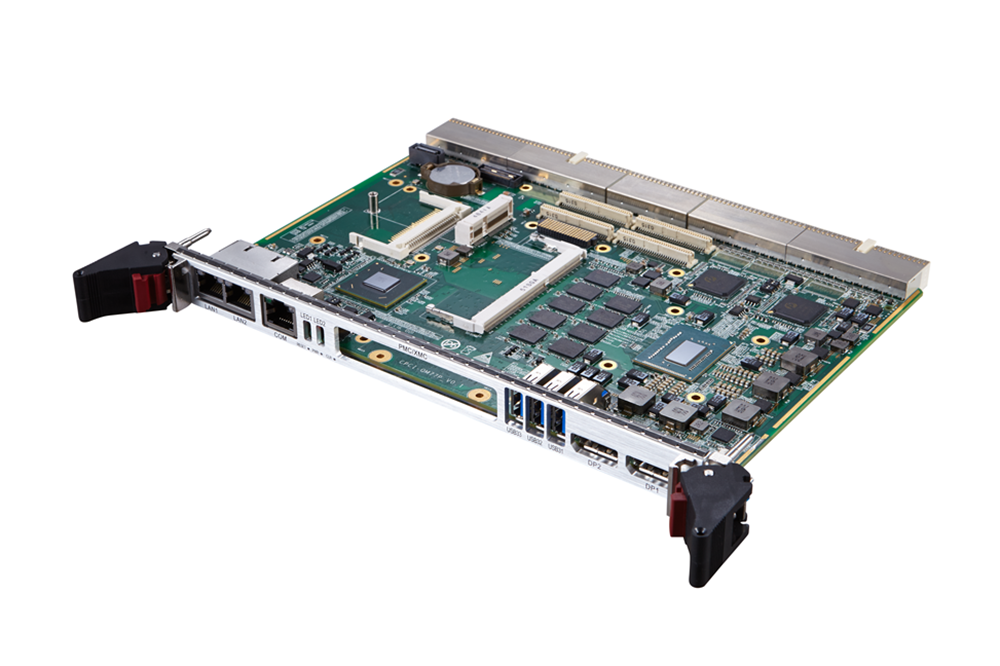
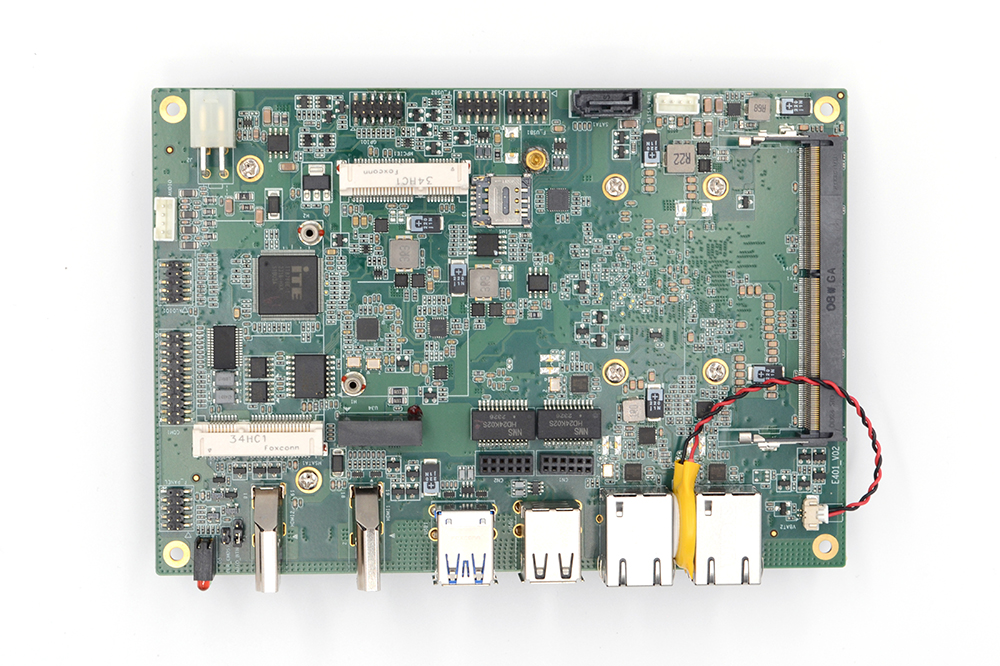
In modern manufacturing, quality control has evolved from a manual, sampling-based inspection process to 100% automated real-time monitoring. Driven by the demands of Industry 4.0, zero-defect initiatives, and rapid production line speeds, Machine Vision Inspection Systems have become critical infrastructure. At the core of these sophisticated systems sits the Industrial Automation PC (IPC)—the central processing brain that handles high-speed image capture, complex algorithmic processing, and real-time decision output.
Unlike standard office computers, an industrial PC operating in a machine vision environment must withstand hostile conditions. Factory floors are characterized by high levels of electromagnetic interference (EMI), airborne particulate matter, intense vibrations from heavy machinery, and extreme temperature fluctuations. A failure in the industrial computer results in immediate production line downtime, which can cost enterprises thousands of dollars per minute. Consequently, hardware reliability, long-term lifecycle support, and robust I/O capabilities are non-negotiable requirements for industrial operations.
Did You Know? According to industry research, over 65% of unexpected downtime in automated inspection systems is caused by environmental factors affecting the control hardware. Utilizing dedicated wide-temperature, fanless industrial computers dramatically reduces failure rates by up to 80% over standard commercial systems.
Today's business landscape requires manufacturers to scale production while maintaining micro-millimeter precision. From detecting micro-cracks in semiconductor wafers to inspecting high-speed bottle capping on beverage lines, machine vision applications demand continuous computation. Consequently, the market is shifting towards decentralized edge processing, where the industrial PC is situated directly inside or adjacent to the machine enclosure, driving the need for ultra-compact and thermal-efficient single-board computers (SBCs) and mini PCs.
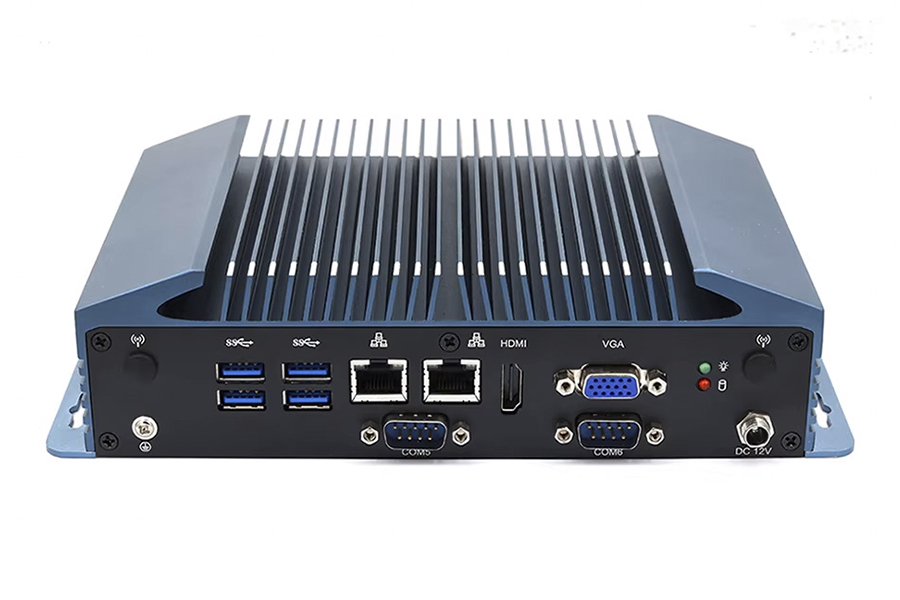
Industrial PCs feature industrial-grade capacitors, solid-state designs, and fanless cooling to run continuously without thermal throttling or hardware fatigue.
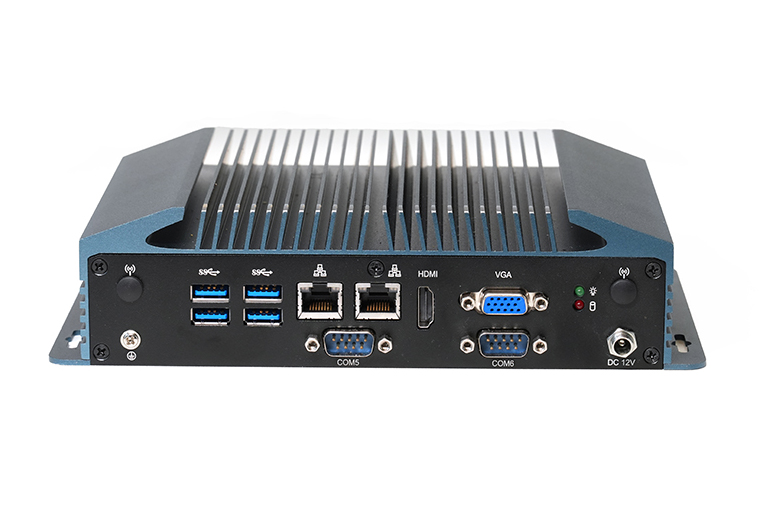
Equipped with multiple dedicated Intel Gigabit LAN ports and USB 3.0 controller chips to ensure zero-packet loss during high-speed image capture.
Engineered to operate reliably in harsh environments, supporting wide temperature ranges from -40°C up to +75°C.
Guaranteed component availability for 7 to 10 years, ensuring consistency in system certification and avoiding costly redesign cycles.
The architecture of industrial automation PCs is rapidly evolving to support the next generation of machine vision. Key developments include:
Modern machine vision is transitioning from rule-based pixel analysis to Deep Learning-based AI models. This shift requires processors that can handle parallel workloads. By integrating 11th Gen Intel Tiger Lake-U and Elkhart Lake architectures, modern IPCs leverage built-in Intel Iris Xe Graphics and vector neural network instructions (VNNI) to run AI inference locally. This eliminates the latency of cloud computing and ensures instant pass/fail triggering on the line.
High-resolution cameras (such as 10MP to 50MP sensors) and high-frame-rate line-scan cameras generate immense data streams. Industrial computers must offer dedicated PCI Express lanes, multiple GigE Vision ports (often supporting Power over Ethernet - PoE), and USB3 Vision interfaces. A dedicated LAN controller for each port prevents data bottlenecks, ensuring that frames are not dropped during processing.
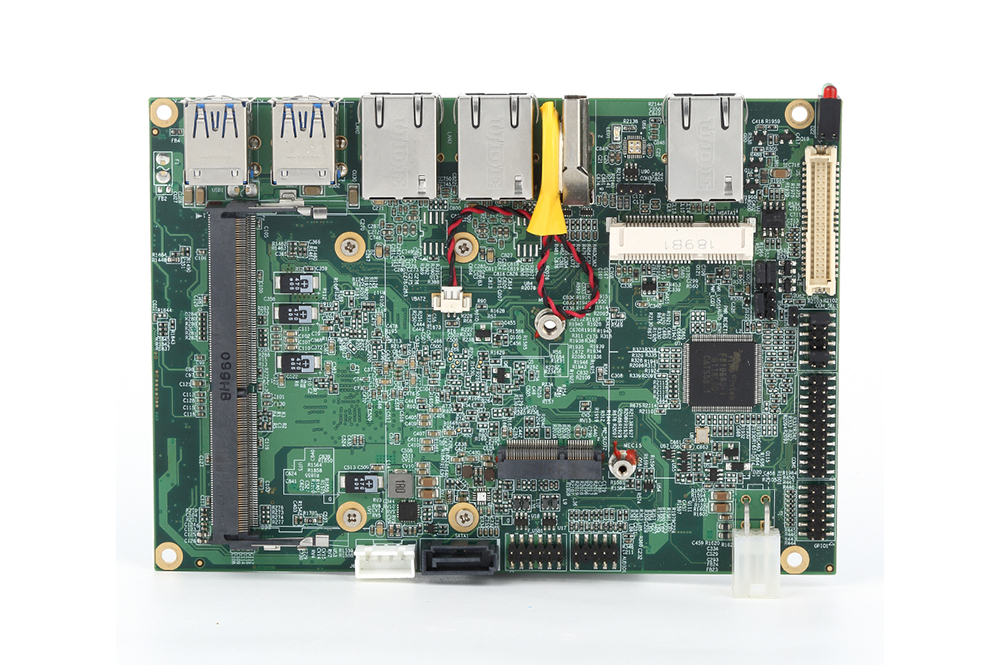
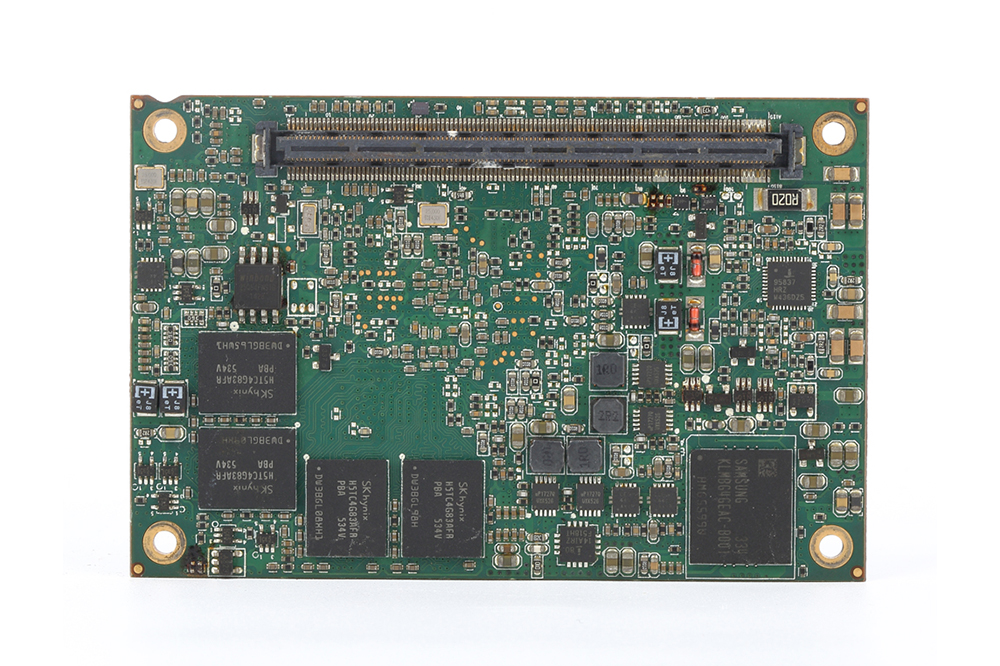
Enclosure space is premium in modern factory layouts. Single Board Computers (SBCs) in 3.5-inch formats or COM Express modules allow system integrators to build vision controllers directly into robotic arms, conveyor systems, or compact control cabinets without compromising processing performance.
Deep Dive: Application Scenario - Automated Optical Inspection (AOI) in SMT Lines
In Surface Mount Technology (SMT) assembly, components are placed and soldered at micro-second speeds. An AOI system utilizes an 11th Gen Intel CPU-based industrial mini PC connected to high-resolution cameras. The system captures images of every solder joint, analyzes them using deep-learning defect algorithms, and sends an immediate stop signal via onboard GPIO ports to the PLC if a defect is found, preventing the waste of subsequent components.
Factory environments are plagued by electrical surges, motor-induced vibration, and electrostatic discharge. Modern IPCs feature isolated GPIO, isolated COM ports, and wide-range DC power inputs (9V to 36V) with over-voltage and over-current protection, ensuring the internal computational hardware remains safe from external electrical anomalies.
A premier manufacturer and designer of embedded industrial computer solutions since 1999.
Shenzhen YDSTECH Electronics Co., Ltd. is a high-tech enterprise specializing in industrial computers. Since the establishment of YDSTECH in 1999, we have been committed to independent research and development, innovation, production and sales of industrial computers, and we own the independent intellectual property rights of our core products.
We consider honesty and pragmatism as our motto and make it our long-term goal to provide customers with cost-effective products. In order to achieve this goal, we work constantly to develop new products, improve our service capabilities and promote the innovation of embedded computer applications to create long-term value and potential growth for our customers.
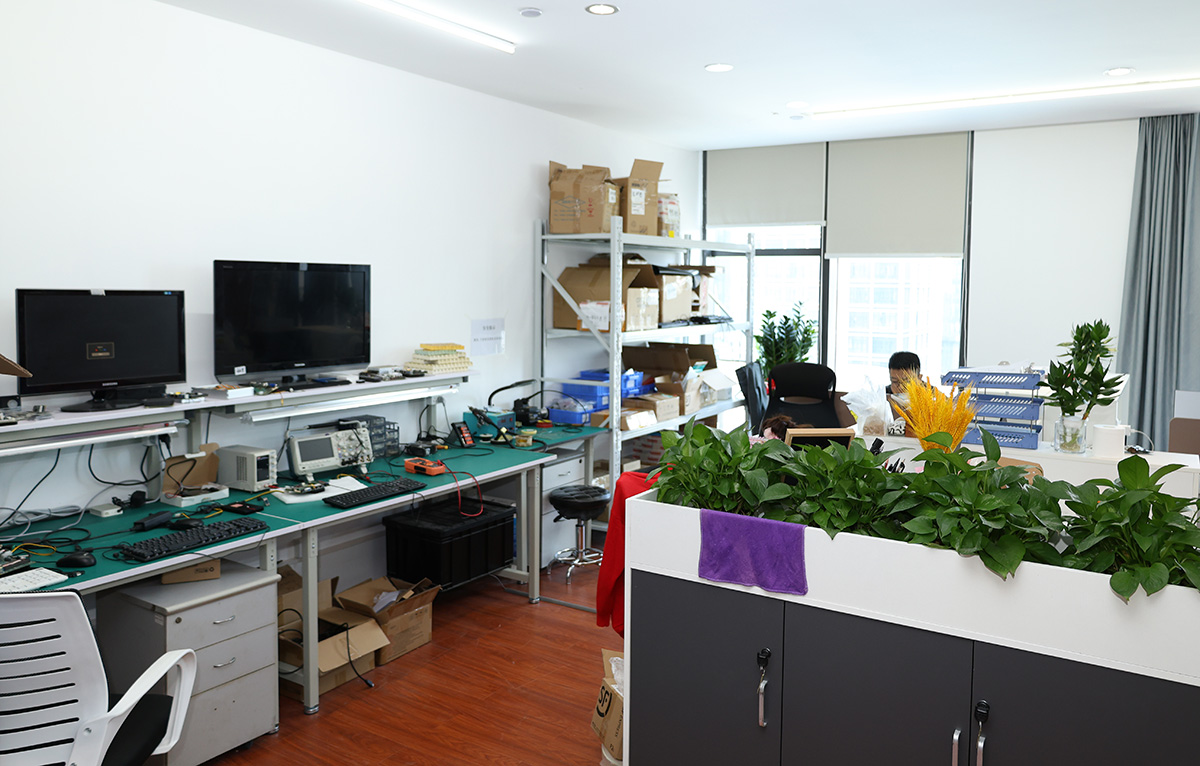
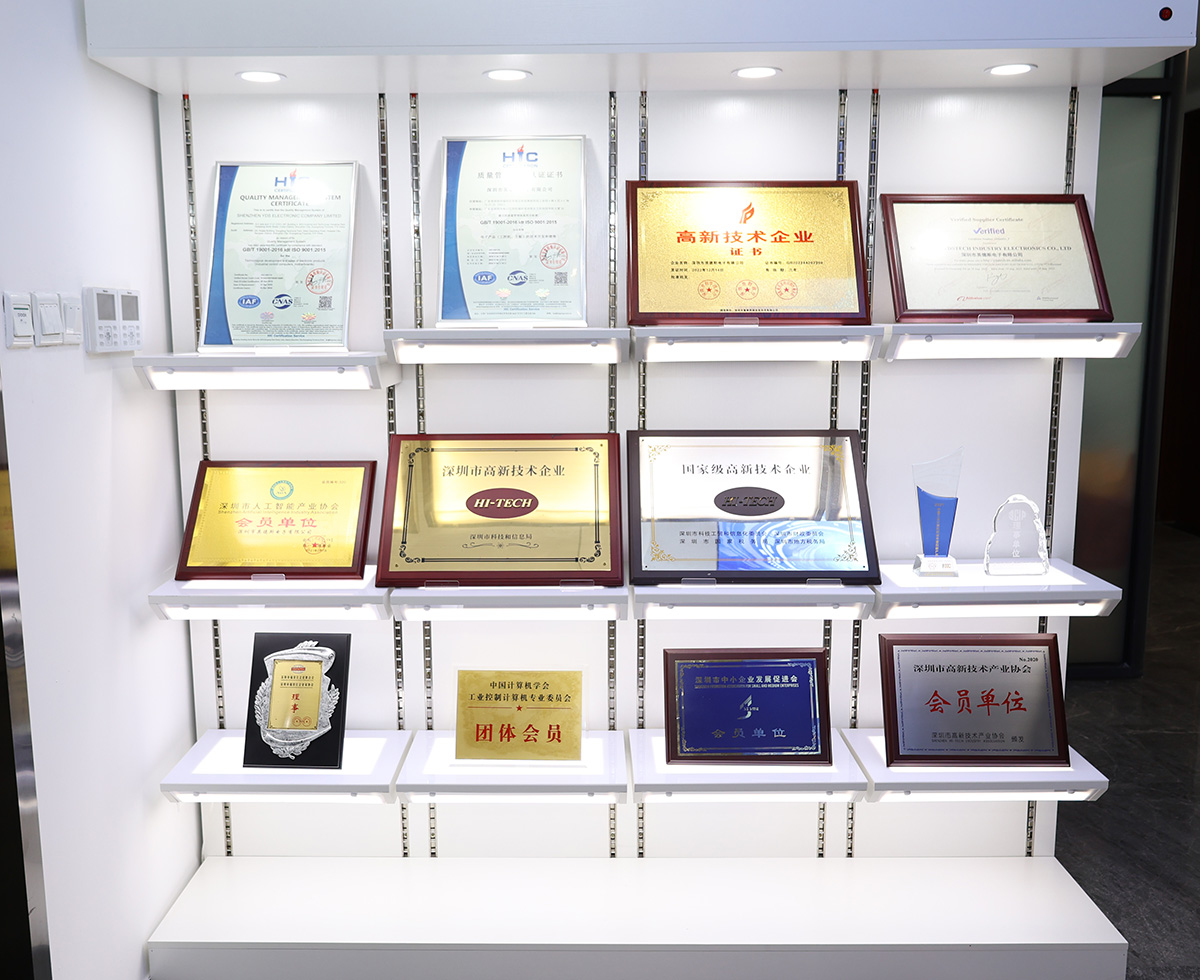
Our core technical team has over 15 years of experience in this industry, and has been focusing on embedded computer research and development, with rich and solid professional expertise. We believe that attitude means everything, since the establishment of YDSTECH, we have always been committed to work with a conscientious, responsible, attentive, professional, prudent and meticulous attitude, which ensures the high-quality output of the products, years of persistence and experience created our strong R&D team.
YDSTECH has set up a comprehensive quality assurance management system, adopting MSA quality system analysis, implementing rolling quality system audit, TQM, SPC process control and other quality management systems, establishing AVL supplier management system to ensure the quality of raw materials, and introducing rolling product reliability tests to ensure overall product reliability.
Explore our complete range of industrial motherboards, single-board computers, and fanless mini PCs built for precision machine vision inspection.