Leave Your Message
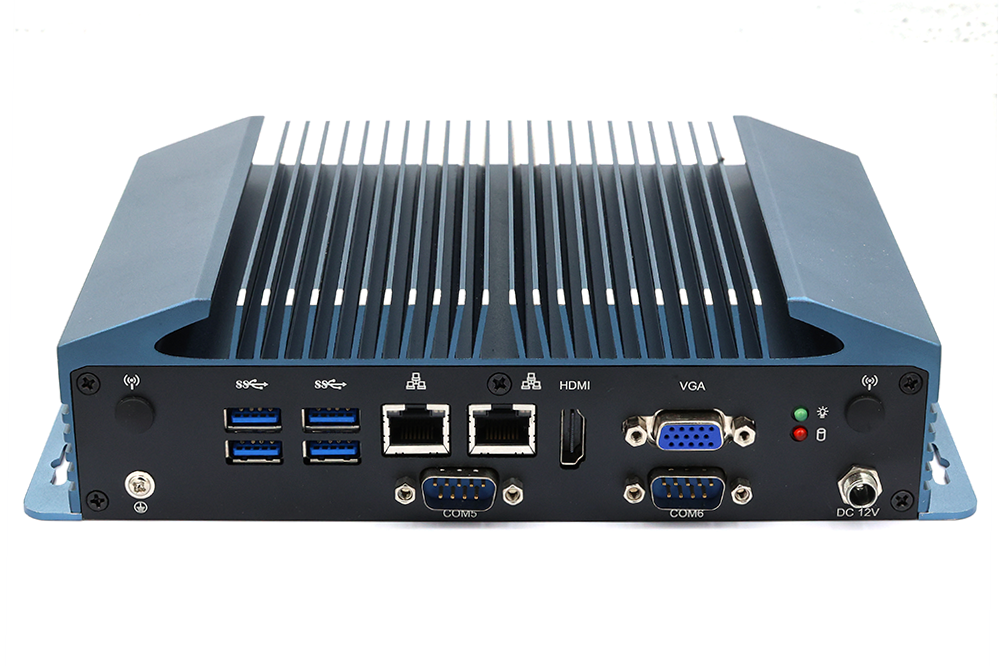
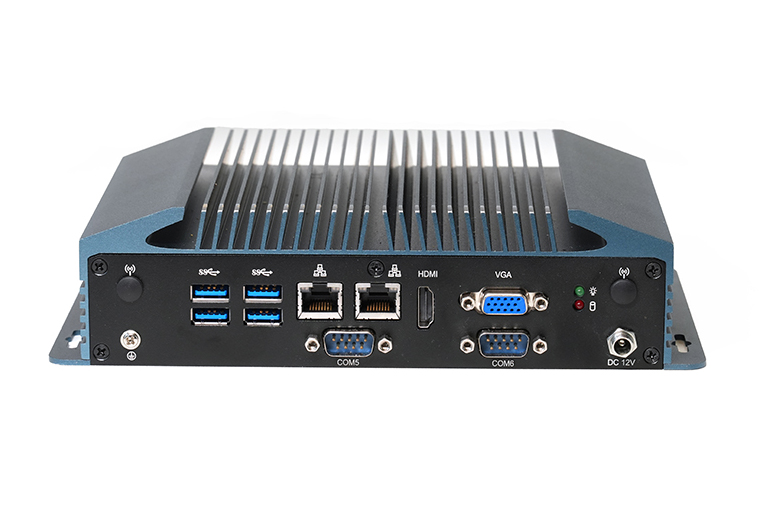
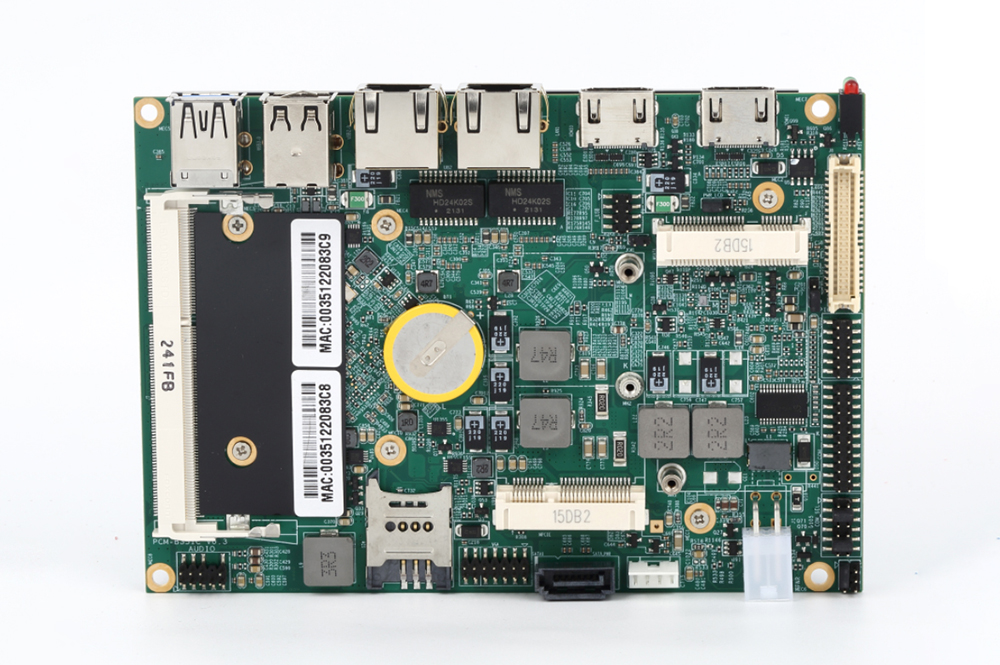
Featured fanless embedded x86 motherboards deployed across high-speed tolling, electronic traffic surveillance, and roadside ITS controller cabinets.
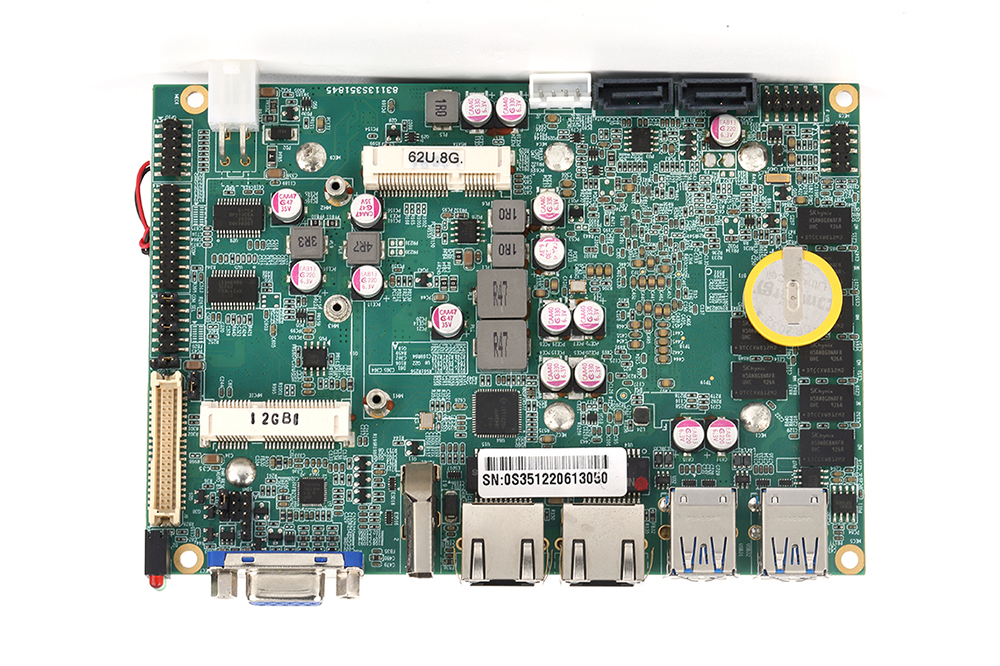
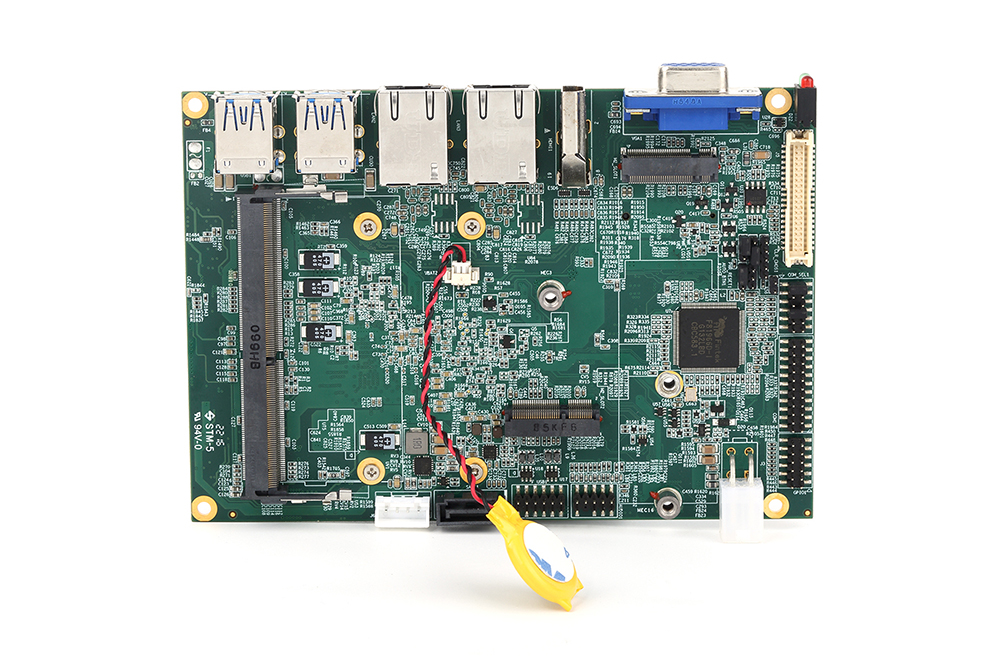
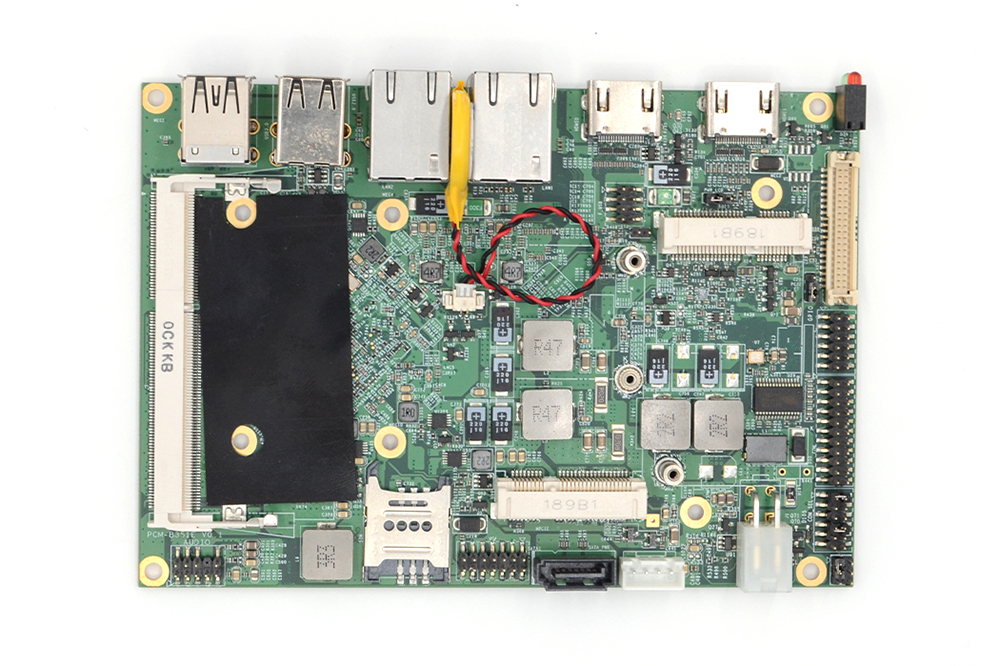
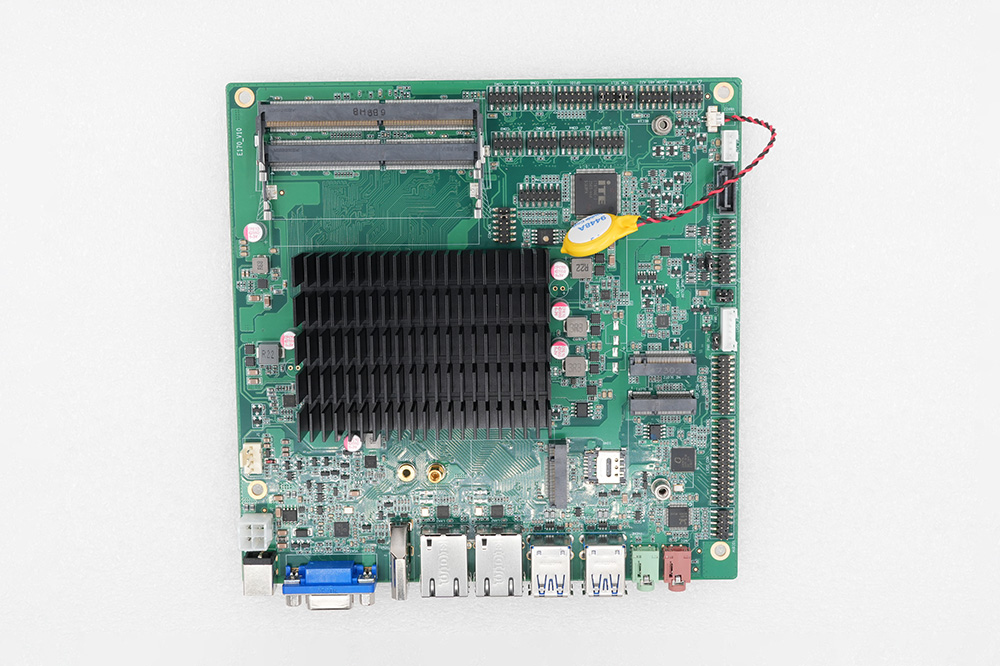
Purpose-built computing resilience meeting rigorous roadside, trackside, and vehicular operational standards.
Engineered for sustained -40°C to +85°C junction extremes inside unconditioned roadside cabinets and severe climates.
Multi-drop RS-485, isolated CAN bus 2.0B, and high-speed GPIO for real-time actuation of signal phasing and VMS signage.
Dual & Quad Intel Gigabit LAN with TSN support for multi-camera video analytics, ANPR, and radar-LiDAR temporal fusion.
Hardware watchdog timers, wide DC voltage input (9-36V) with transient suppression, and conformal coating against salt-fog.
Across the globe, metropolitan transit authorities, national highway administrations, and smart city planners are undergoing an unprecedented digital overhaul. Urban congestion, carbon reduction targets, and the escalating need for roadway safety have accelerated the transition from static, time-of-day traffic light scheduling toward real-time, sensor-driven Intelligent Transportation Systems (ITS). At the architectural epicenter of this evolution lies the modern industrial automation control board. Historically, roadside traffic cabinets relied upon rudimentary programmable logic controllers (PLCs) or single-loop detectors that possessed negligible local compute capability, simply reporting occupancy pulses to distant central servers over constrained serial links.
In contrast, current traffic monitoring deployments demand immediate, edge-level data processing. Advanced Automated Number Plate Recognition (ANPR), high-definition video incident detection (AID), vehicle-to-infrastructure (V2I/C-V2X) telematics, and dynamic intersection control require embedded compute platforms capable of multi-stream video decoding, neural network inferencing, and deterministic input/output (I/O) switching. Commercial desktop motherboards fail rapidly in these operating conditions due to thermal throttling, electrolytic capacitor degradation, and vibration-induced component fatigue. Consequently, specialized industrial automation control boards engineered with ruggedized x86 and ARM architectures have emerged as the foundational pillar for municipal transportation networks.
The commercial market for smart transportation hardware is experiencing monumental growth, fueled by government-backed infrastructure modernization bills across North America, Europe, and the Asia-Pacific region. Industry projections indicate that edge computing investments within traffic management will surpass multi-billion-dollar thresholds within the current decade. However, the commercial criteria for procurement have grown far more stringent than in conventional IT deployments:
Roadside cabinets situated adjacent to highways or urban intersections present some of the most aggressive environmental threats to microelectronics. Unlike climate-controlled server rooms, roadside enclosures experience dramatic ambient temperature swings, solar radiation load, humidity condensation, airborne particulate ingress, and continuous mechanical vibrations caused by heavy commercial vehicles.
To survive and maintain uninterruptible operational integrity, an industrial automation control board for smart transportation must incorporate uncompromising hardware design principles:
1. Fanless Thermal Dissipation and Wide Operating Temperatures: Forced-air cooling with internal fans represents the single most common failure vector in embedded hardware due to dust accumulation and bearing seizure. Industrial boards employ conduction cooling utilizing customized aluminum heat spreaders and passive chassis heatsinks. Combined with industrial-grade silicon, wide-temperature solid capacitors, and low-ESR chokes, these motherboards reliably operate across a broad spectrum of -40°C to +85°C.
2. Wide DC Voltage Input with Comprehensive Transient Protection: Power grids supplying roadside installations frequently suffer from severe voltage sags, surges, and electrical noise caused by industrial machinery or lightning strikes. Robust industrial control boards integrate wide-range DC input modules (such as 9V to 36V DC) accompanied by TVS (Transient Voltage Suppressor) diodes, over-voltage protection (OVP), over-current protection (OCP), and reverse-polarity protection to safeguard core logic circuitry.
3. High-Density, Isolated Industrial Interfaces: Roadside hardware must interface simultaneously with a plethora of legacy and next-generation field devices. High-performance industrial boards provide multiple optically isolated RS-232/422/485 serial ports to prevent ground loops from damaging sensitive silicon, isolated digital inputs and outputs (GPIO) for relay controls, and CAN bus 2.0B interfaces for direct vehicular telemetry.
The versatility of x86 embedded industrial motherboards enables their widespread integration across diverse traffic engineering domains. Below is an exhaustive breakdown of how these boards function across real-world transportation infrastructures:
At complex signalized junctions, the industrial automation board functions as the brain of the Advanced Traffic Controller (ATC) cabinet. Integrating with real-time video detection cameras, radar detectors, and pedestrian sensors, the board runs local optimization algorithms (such as SCOOT or SCATS frameworks) to adjust phase splits and cycle lengths on the fly, dramatically minimizing queue lengths and vehicle idle emissions.
Highway open-road tolling systems eliminate toll plazas by capturing vehicular data at full highway speeds (up to 160 km/h). Industrial boards coordinate high-speed optical trigger sensors, synchronize overhead laser scanners for vehicle volumetric classification, command RFID tag transceivers, and trigger ultra-fast ANPR capture cameras with microsecond precision.
Highway tunnels present acute safety risks where smoke, stopped vehicles, wrong-way drivers, or pedestrian intrusion demand sub-second alarm generation. Equipped with multi-core processors and hardware-accelerated deep learning decoding, industrial automation boards process IP camera streams at the tunnel edge, immediately signaling emergency ventilation and variable message signs (VMS).
As Cooperative Intelligent Transport Systems (C-ITS) advance, Roadside Units (RSUs) act as the wireless bridge between approaching vehicles and highway infrastructure. Industrial control boards handle low-latency C-V2X / DSRC packet processing, encrypt broadcasted Signal Phase and Timing (SPaT) messages, and fuse localized sensor data to broadcast high-priority collision warnings.
As the smart transportation sector evolves, edge computing hardware is progressing toward greater heterogeneous integration. The traditional separation between control logic (PLC/RTU) and video analytics (NVR/Industrial PC) is rapidly converging into a single unified edge computing platform. Modern industrial motherboards now incorporate dedicated Neural Processing Units (NPUs) and high-density DDR4/DDR5 system memory, providing the tera-operations per second (TOPS) necessary to execute complex Vision Transformers (ViT) directly in roadside enclosures. Furthermore, the integration of M.2 expansion sockets supporting 5G RedCap (Reduced Capability) and Wi-Fi 6 modules ensures seamless, multi-gigabit wireless backhaul to central traffic management centers without necessitating dedicated fiber runs for every remote sensor post.
Shenzhen YDSTECH Electronics Co., Ltd. is a high-tech enterprise specializing in industrial computers. Since the establishment of YDSTECH in 1999, we have been committed to independent research and development, innovation, production and sales of industrial computers, and we own the independent intellectual property rights of our core products.
We consider honesty and pragmatism as our motto and make it our long-term goal to provide customers with cost-effective products. In order to achieve this goal, we work constantly to develop new products, improve our service capabilities and promote the innovation of embedded computer applications to create long-term value and potential growth for our customers.
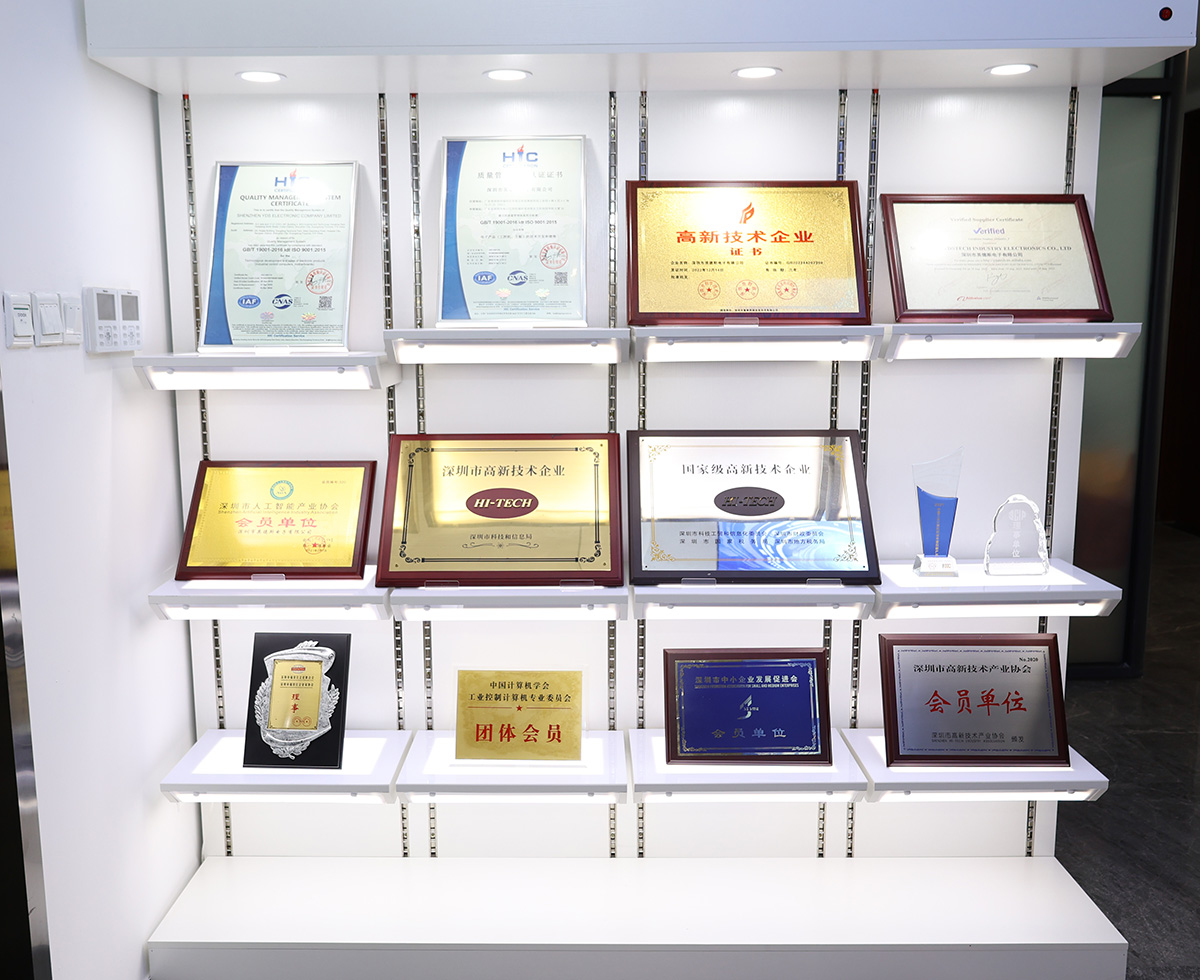
· Certified High-Tech Enterprise
· Shenzhen Software Product And Software Enterprise Evaluation Certified Enterprise
· ISO9001 International Quality System Certified Enterprise
· Member Of Chinese Association Of Automation
· Member Of China Instrumentation Society
· Member Of China Computer Federation
· Director Of Shenzhen Computer Association
· Founding Member Of China Embedded System Industry Alliance
Our core technical team has over 15 years of experience in this industry, and has been focusing on embedded computer research and development, with rich and solid professional expertise. We believe that attitude means everything, since the establishment of YDSTECH, we have always been committed to work with a conscientious, responsible, attentive, professional, prudent and meticulous attitude, which ensures the high-quality output of the products, years of persistence and experience created our strong R&D team.
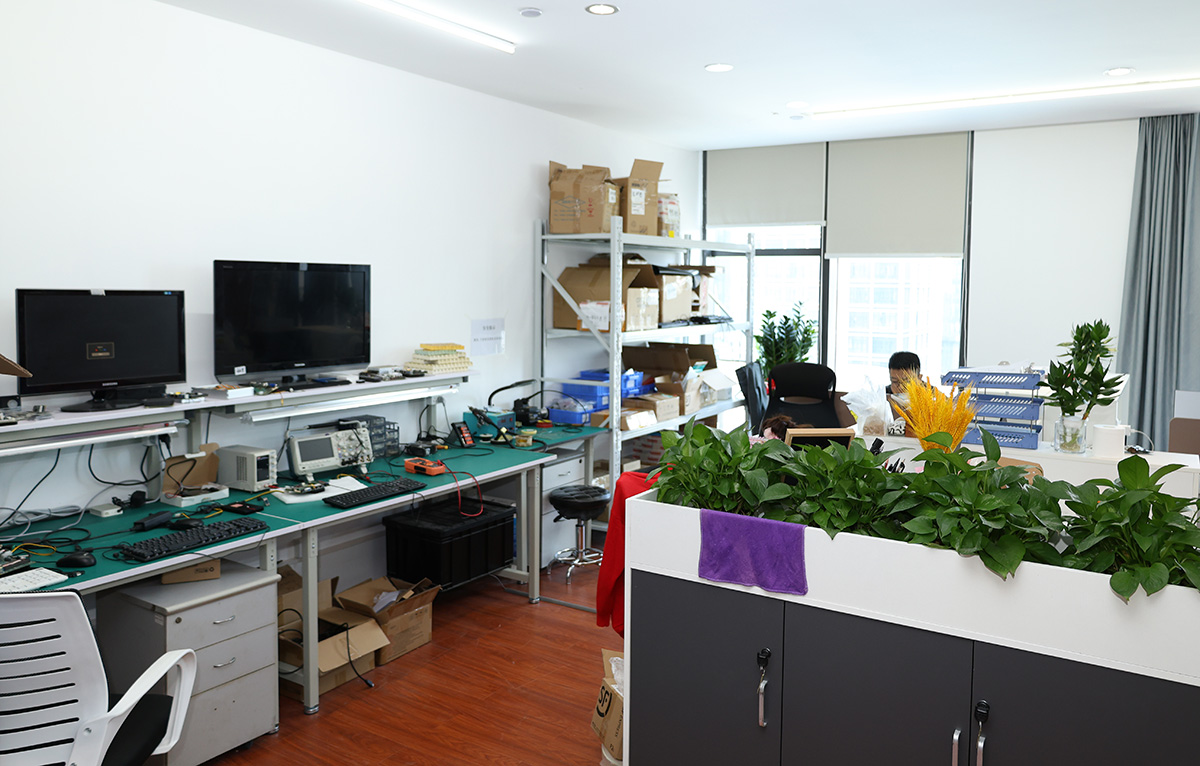
YDSTECH has set up a comprehensive quality assurance management system, adopting MSA quality system analysis, implementing rolling quality system audit, TQM, SPC process control and other quality management systems, establishing AVL supplier management system to ensure the quality of raw materials, and introducing rolling product reliability tests to ensure overall product reliability.
Every embedded board intended for traffic monitoring infrastructure undergoes extreme temperature chamber cycling (-40°C to +85°C), dynamic sinusoidal vibration testing (5-500Hz), electrical fast transient (EFT) burst immunity, and electro-static discharge (ESD) screening to ensure uncompromised field performance.
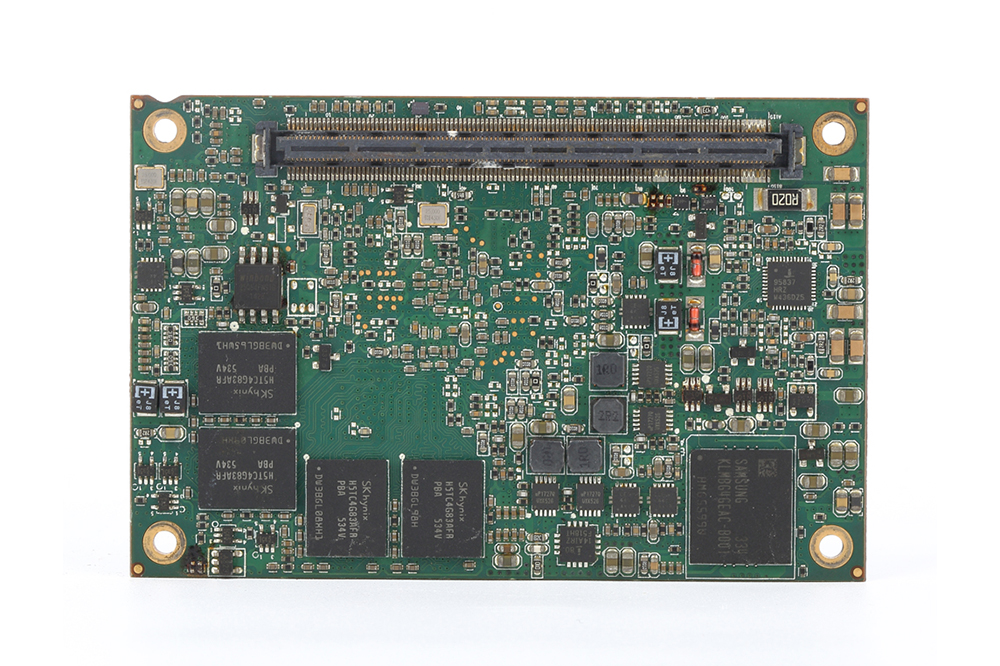
Comprehensive selection of x86 embedded motherboards, COM Express modules, and rugged box PCs tailored for traffic monitoring, smart tolling, and intelligent automation.