Leave Your Message
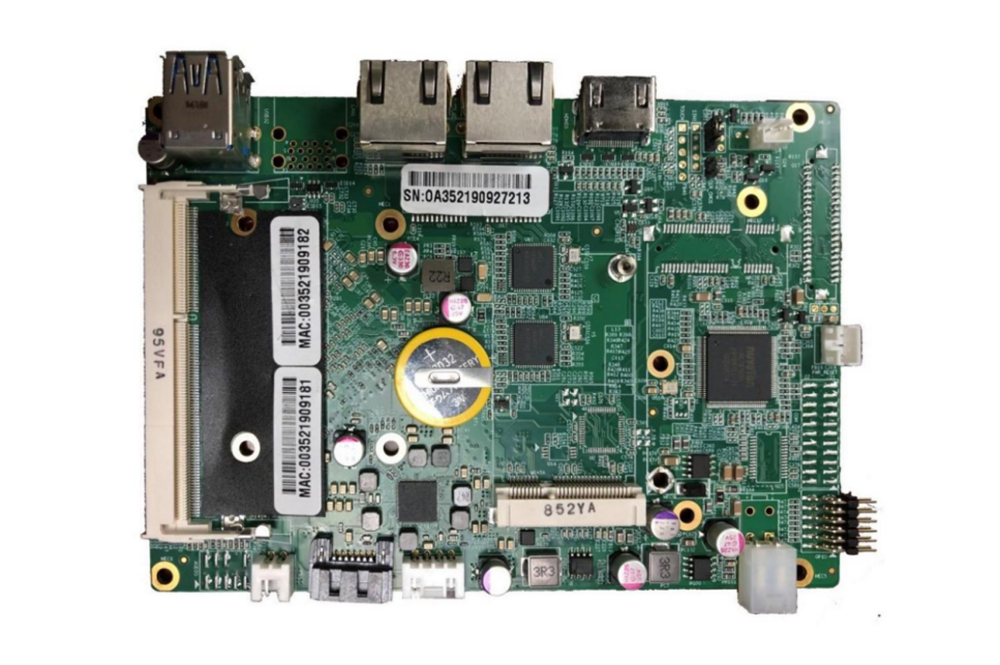
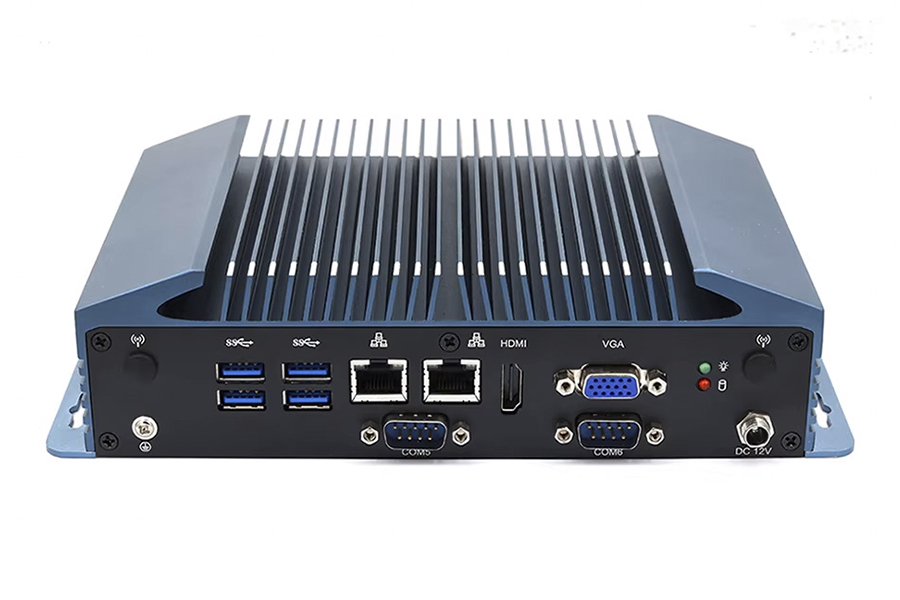
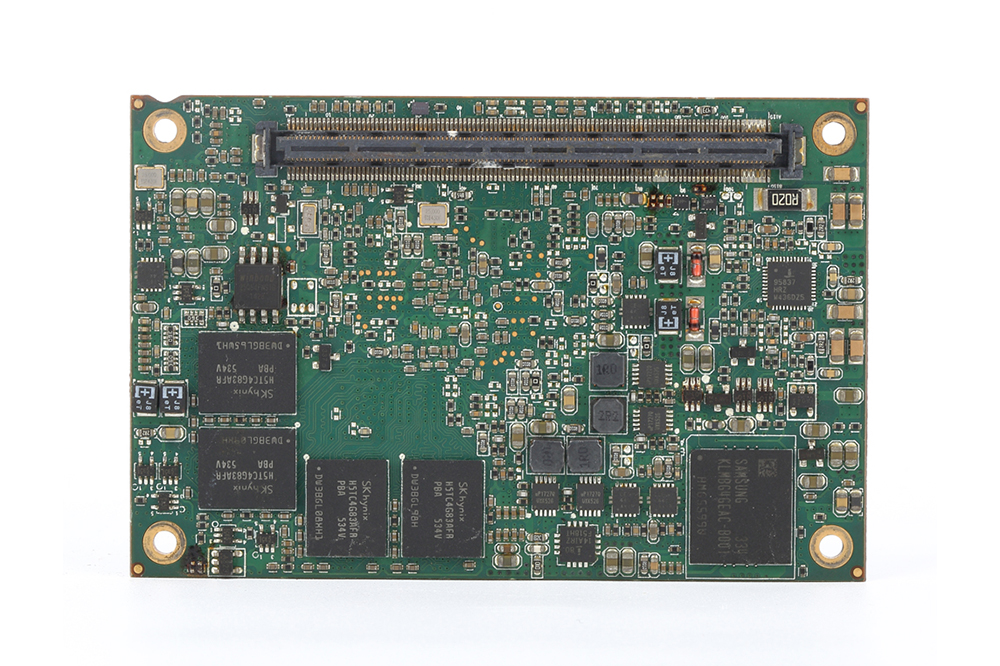
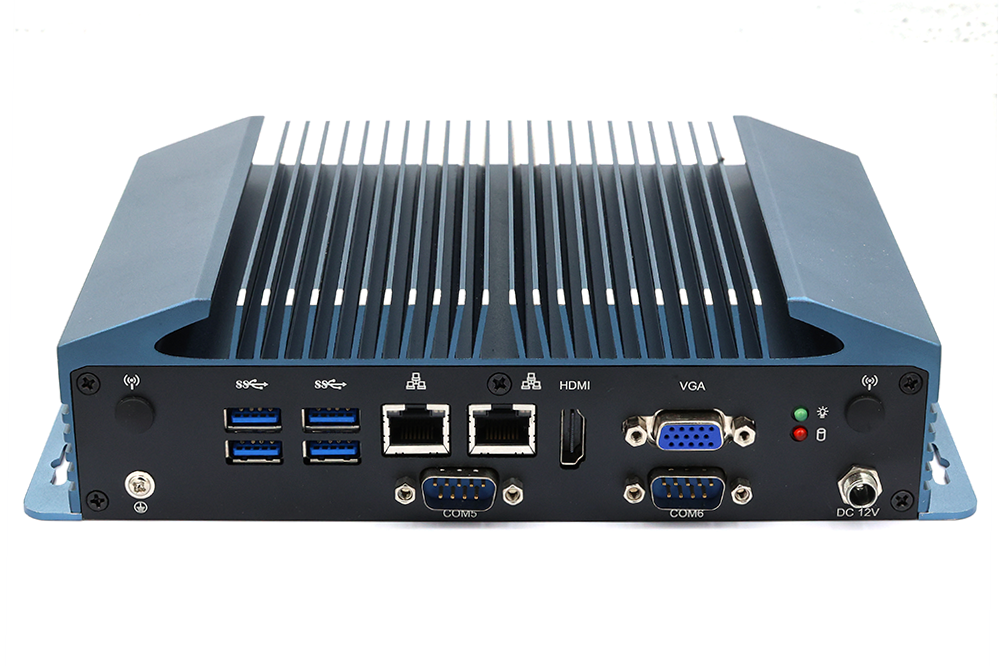
The global manufacturing landscape is undergoing a paradigm shift driven by Industry 4.0, where automation is no longer just about executing repetitive tasks but about doing so with intelligent perception. At the heart of this revolution are machine vision inspection systems. These systems serve as the "eyes and brain" of modern production lines, replacing manual inspection to deliver unprecedented speed, precision, and repeatability. However, the performance of any machine vision system is heavily bounded by its underlying hardware. The industrial automation control board operates as the central processing engine, coordinating data acquisition, high-speed computation, and real-time execution.
In sectors such as semiconductor fabrication, automotive assembly, consumer electronics, and pharmaceutical packaging, the demand for zero-defect manufacturing has accelerated the deployment of high-resolution, high-frame-rate cameras. Processing the massive amount of visual data generated by these cameras requires industrial-grade motherboards and embedded PCs that can handle heavy parallel computing without latency. Consumer-grade hardware falls short under these demands, lacking the necessary physical durability, long-term availability, and real-time processing capabilities required on the factory floor.
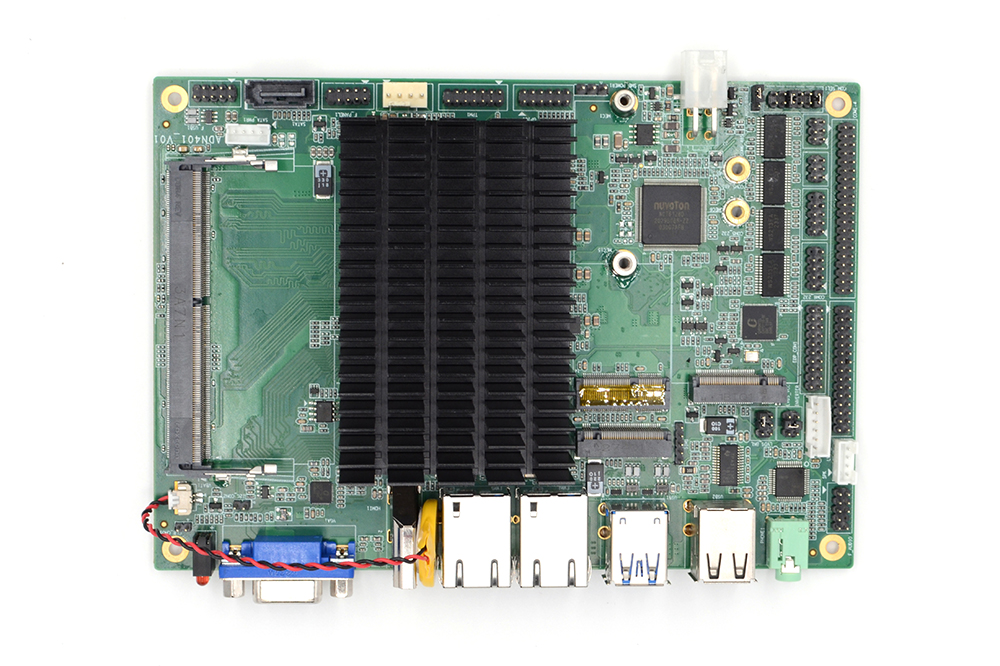
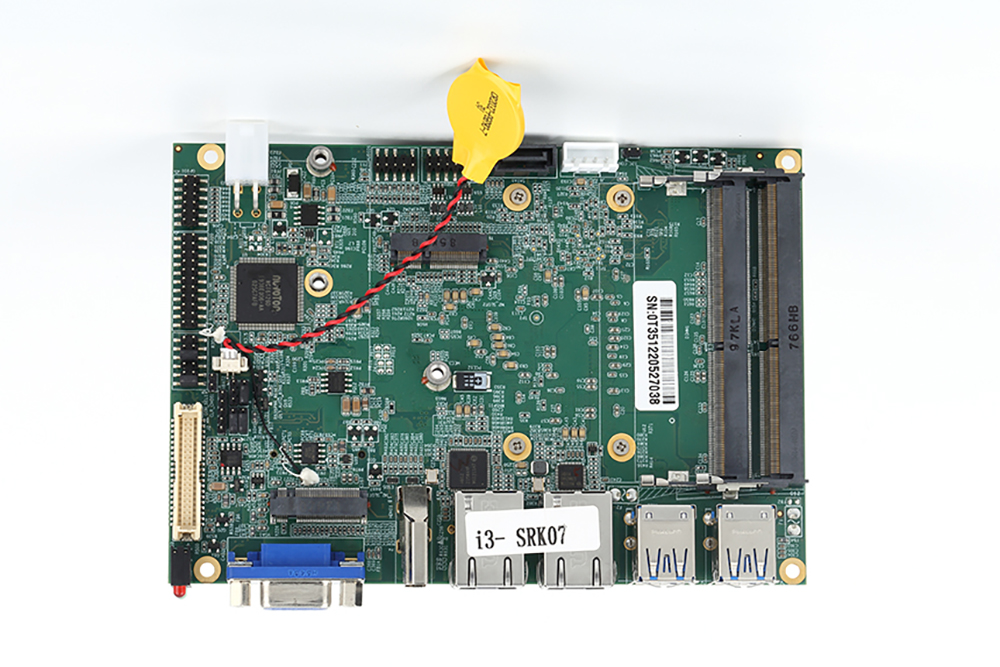
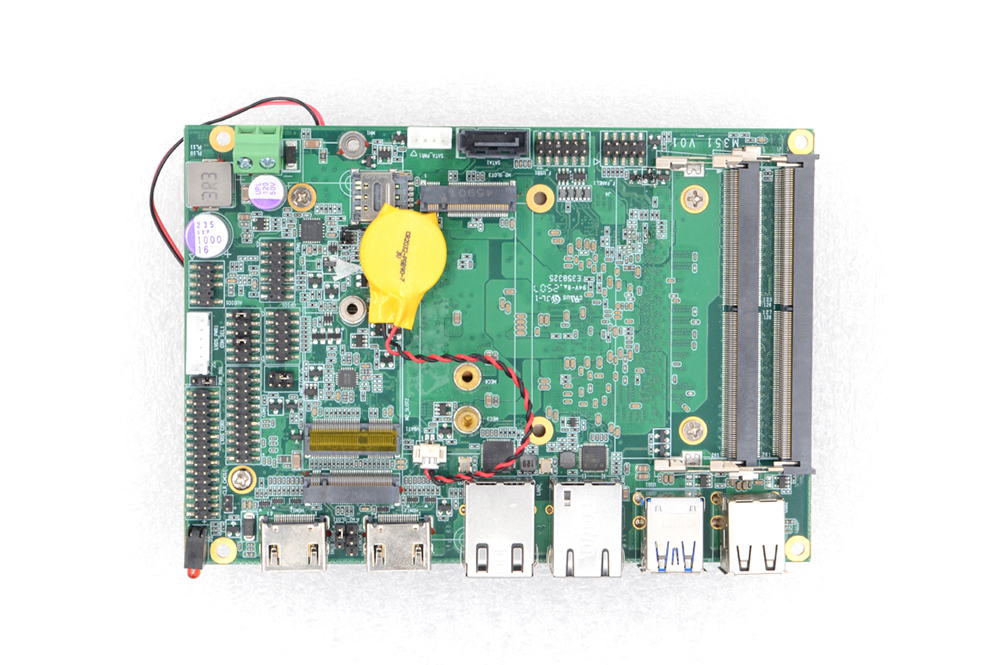
Utilizing multi-core x86 architectures to process multi-channel, high-resolution visual inputs with minimal latency.
Equipped with dedicated GigE Vision, USB3 Vision, and high-speed PCIe expansion slots for seamless camera integration.
As a result, specialized industrial control boards have emerged as a critical product class. Designed to operate in wide temperature ranges, resist electromagnetic interference, and withstand continuous physical shock and vibration, these boards bridge the gap between complex software algorithms (such as OpenCV, Halcon, or custom deep learning models) and physical actuators like robotic arms, pneumatic ejectors, and PLCs.
To successfully run a machine vision inspection system, an industrial automation control board must satisfy several rigorous technical benchmarks. First and foremost is computational throughput. Visual inspection algorithms—ranging from traditional pattern matching and dimensional measurement to modern convolutional neural networks (CNNs)—are highly resource-intensive. Control boards equipped with high-performance processors, such as Intel's Tiger Lake or Ultra series CPUs, provide the multi-threaded performance necessary to analyze images in milliseconds.
Second, deterministic latency and I/O synchronization are crucial. When a product moves down a high-speed conveyor belt, the camera must trigger at the exact microsecond the product passes the lens. The control board's General Purpose Input/Output (GPIO) ports must support low-latency hardware triggers, and the system must process the image and output a pass/fail signal to a reject gate without software-induced jitter.
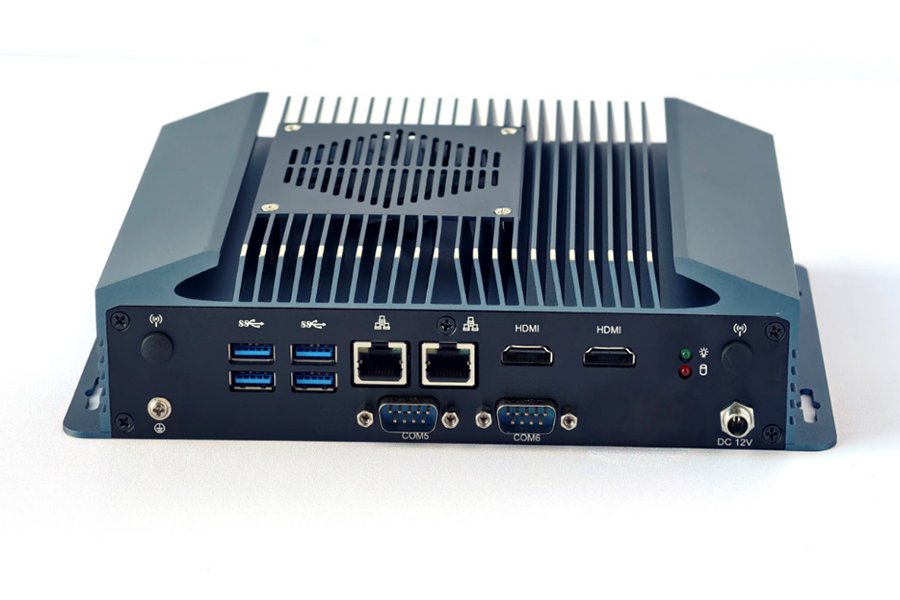
Third, environmental resilience defines the physical design of these boards. Unlike air-conditioned data centers, industrial environments expose electronics to dust, oil mist, high humidity, and extreme temperatures. A fanless design is highly preferred to eliminate mechanical failure points, relying instead on advanced passive cooling systems. Wide temperature operation, typically spanning from -20°C to 60°C or even -40°C to 70°C, ensures that the control board remains stable whether deployed in a cold storage food facility or next to a hot steel forge.
Engineered to operate reliably in harsh thermal conditions ranging from -40°C to 70°C without thermal throttling.
Ultra-low latency digital I/O for real-time synchronization between cameras, strobe lights, and physical actuators.
In Surface Mount Technology (SMT) lines, components are placed onto printed circuit boards at speeds of tens of thousands of parts per hour. Automated Optical Inspection (AOI) systems are deployed at multiple stages—post-paste printing, post-placement, and post-reflow—to identify solder bridging, missing components, polarity reversals, and misalignment.
An industrial control board optimized for AOI must support high-speed data transfer interfaces, such as multiple Gigabit Ethernet ports or dedicated PCIe frame grabber cards. High-bandwidth dual-channel DDR4 or DDR5 RAM is essential to handle the massive image buffers stream from 12MP or 25MP cameras. The control board processes these high-resolution images, runs sub-pixel edge detection, and compares the physical board layout with CAD reference data in real-time, ensuring that defective boards are flagged before moving to the next production step.
Unlike traditional 2D vision, which requires parts to be neatly organized on a flat surface, 3D vision allows robots to identify, locate, and pick randomly oriented parts from a deep bin. This application is widely used in automotive assembly lines and logistics centers. The 3D vision system projects structured light or uses time-of-flight (ToF) sensors to generate a point cloud representation of the scene.
Processing 3D point clouds requires significant spatial calculation and geometry mapping. Industrial control boards deployed in 3D robotic guidance applications often feature powerful CPU-GPU hybrid architectures. The board must calculate the optimal collision-free path for the robotic arm and transmit coordinates via industrial Ethernet protocols (such as EtherCAT or PROFINET) to the robot controller, all within a cycle time of under a second.
In food processing and pharmaceutical packaging, speed is paramount. Inspection systems must verify label alignment, barcode readability, fill-levels, and detect foreign contaminants at speeds exceeding 600 units per minute. In pharmaceutical packaging, 100% verification of blister pack contents is mandatory to comply with strict regulatory standards.
For these high-speed applications, compact embedded boards or Mini PCs are integrated directly into the packaging machinery. The control board utilizes onboard hardware-timed GPIO to trigger a high-speed air-blast or reject arm to discard defective packages without slowing down the line. The fanless design ensures that the computer is sealed against dust and can withstand washdown procedures common in food and drug manufacturing.
Heavy industries, such as steel rolling mills, glass manufacturing, and chemical processing, require continuous surface defect inspection under extreme conditions. The environment is hot, dusty, and prone to high electromagnetic interference (EMI).
Here, a wide-temperature, fan-cooled or fanless industrial Mini PC is deployed at the edge. The control board runs deep learning models optimized for edge inference, detecting micro-cracks, surface scratches, or chemical anomalies on materials moving at high speeds. Dual LAN ports allow the system to receive camera data on an isolated network segment while transmitting diagnostic telemetry to the plant-wide SCADA system or cloud database.
The future of industrial automation control boards for machine vision is defined by three major trends: AI acceleration at the edge, higher interface bandwidth, and miniaturization. As rule-based vision algorithms are increasingly replaced by deep learning, modern control boards are integrating dedicated Neural Processing Units (NPUs) or low-power GPU modules. This allows complex AI inference, such as organic defect classification and texture anomaly detection, to occur directly on the motherboard without requiring power-hungry discrete graphics cards.
Furthermore, as camera technology advances toward higher resolutions and faster frame rates (such as 10G/25G GigE and CoaXPress 2.0), the bandwidth between the physical port and the CPU must scale accordingly. Future industrial motherboards will rely heavily on PCIe Gen 5 architectures and high-speed DDR5 memory to prevent data bottlenecks. Finally, the trend toward modularity and miniaturization—exemplified by COM Express and 4-inch SBC form factors—allows manufacturers to embed high-performance computing power directly into compact machine enclosures or even directly onto robotic end-effectors, saving valuable cabinet space.
Shenzhen YDSTECH Electronics Co., Ltd. is a premier high-tech enterprise specializing in the design, development, and manufacture of industrial computers and embedded boards. Since our establishment in 1999, YDSTECH has been committed to independent research and development, innovation, and global sales of industrial computing solutions. We own the independent intellectual property rights of our core products, ensuring that our clients receive cutting-edge, secure, and proprietary technology tailored to modern industrial demands.
We consider honesty and pragmatism as our motto and make it our long-term goal to provide customers with highly cost-effective, reliable products. In order to achieve this goal, we work constantly to develop new products, improve our service capabilities, and promote the innovation of embedded computer applications. By doing so, we create long-term value and sustained growth potential for our customers worldwide.
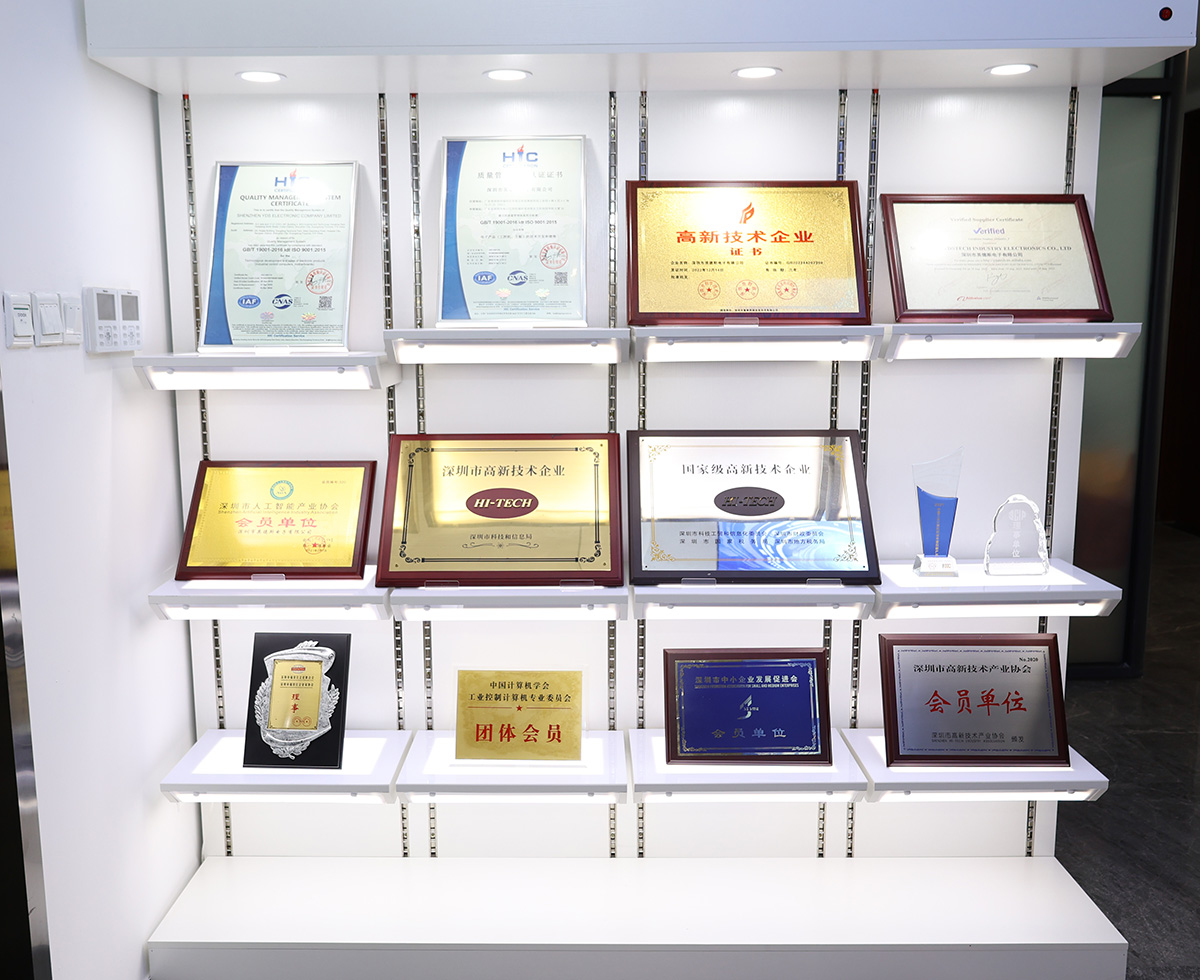
Over the past two decades, YDSTECH has established itself as an industry leader, earning numerous national and international certifications that attest to our engineering prowess and commitment to quality:
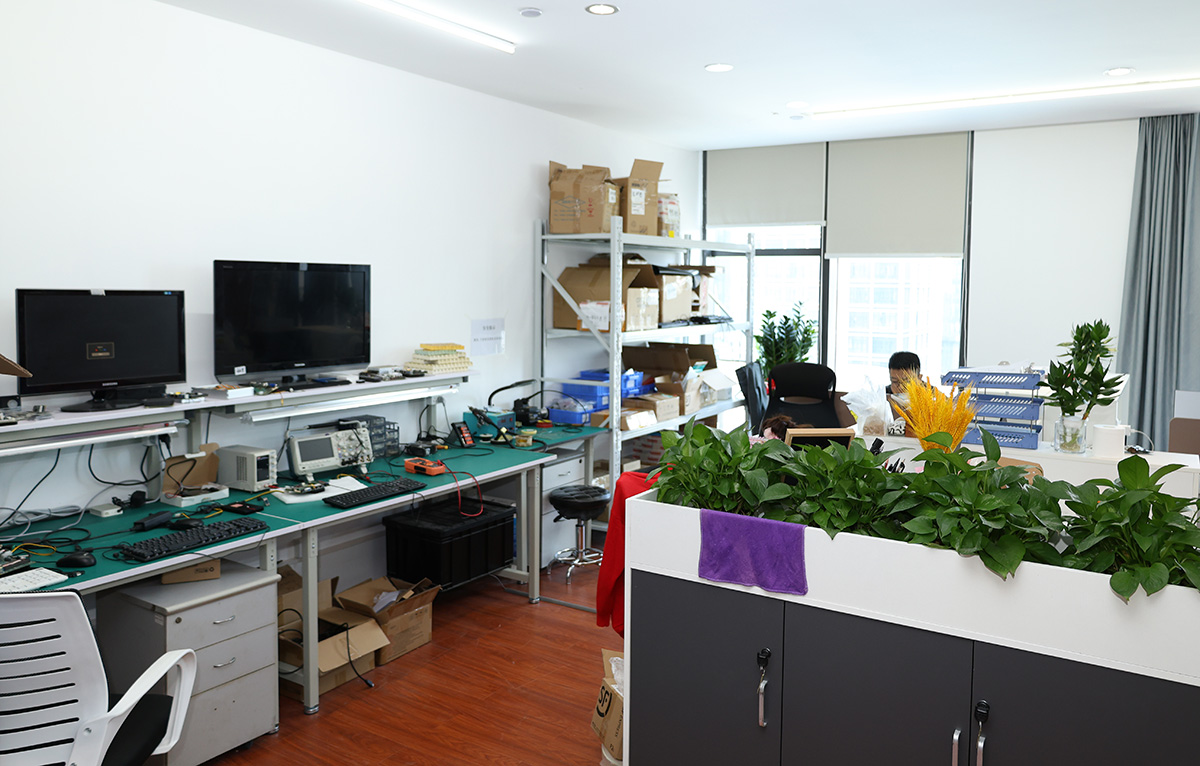
Our core technical team has over 15 years of experience in the industrial computing industry. We have focused intensely on embedded computer research and development, building a rich and solid foundation of professional expertise. At YDSTECH, we believe that attitude means everything.
Since our founding, we have always committed ourselves to working with a conscientious, responsible, attentive, professional, prudent, and meticulous attitude. This disciplined approach ensures high-quality product output. Years of persistence, continuous learning, and hands-on experience have created our strong, versatile R&D team, capable of delivering custom board-level designs and complete system integrations for complex machine vision applications.
To meet the uncompromising reliability standards of industrial automation, YDSTECH has established a comprehensive quality assurance management system. We adopt MSA (Measurement System Analysis) quality system analysis, implement rolling quality system audits, and enforce Total Quality Management (TQM) alongside SPC (Statistical Process Control) process monitoring.
We have established a rigorous Approved Vendor List (AVL) supplier management system to guarantee the quality and consistency of raw materials from the source. Furthermore, we introduce rolling product reliability tests—including high/low temperature operation, thermal shock, vibration, drop, and EMI/EMC testing—to ensure overall product reliability and longevity in the field.