Leave Your Message
The global healthcare industry is undergoing a rapid digital transformation, driven by advancements in medical imaging, real-time diagnostic processing, and AI-assisted clinical workflows. At the heart of this evolution lies the demand for robust, highly reliable, and sterile computing hardware. Traditional consumer-grade PCs are no longer sufficient to meet the rigorous demands of operating rooms, diagnostic labs, and radiology departments. Consequently, the medical sector has embraced industrial-grade Fanless Embedded Box PCs as the definitive standard for medical equipment and CT imaging workstations.
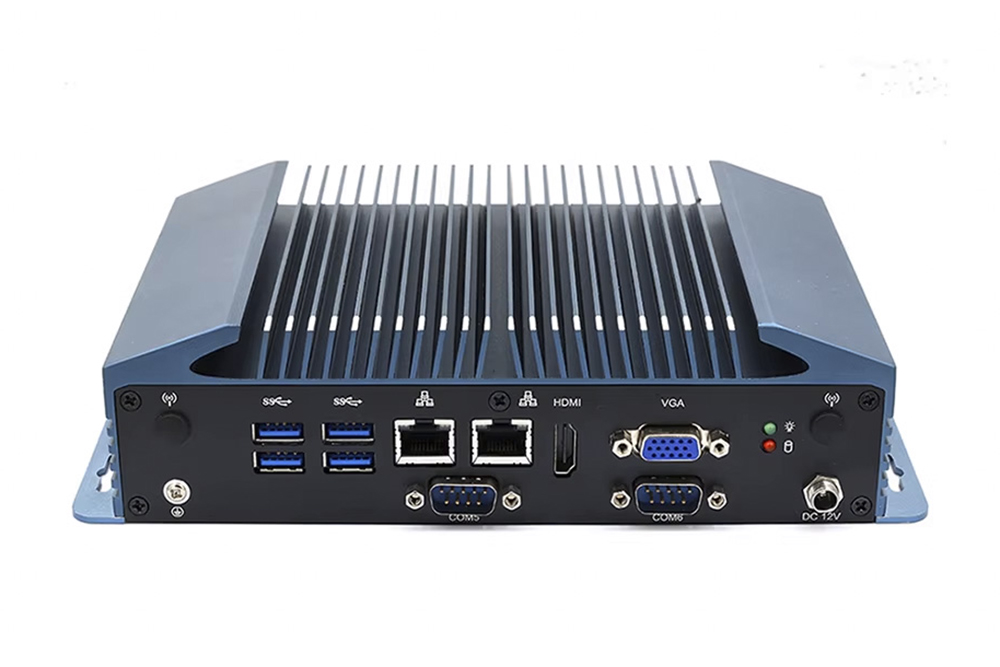
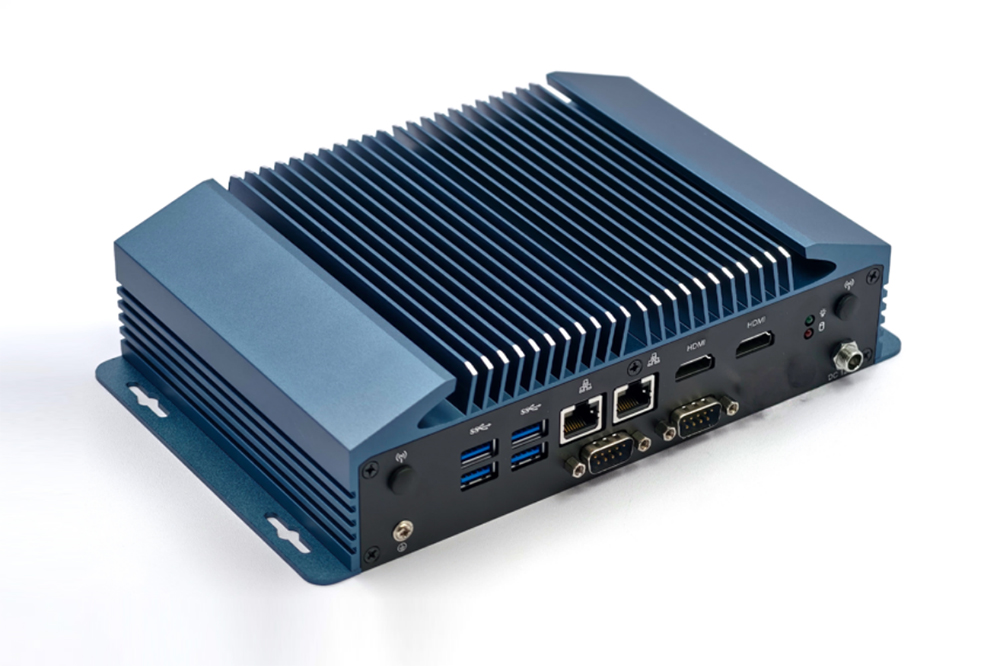
A Fanless Embedded Box PC represents the pinnacle of thermal engineering, combining high-performance x86 architectures with passive cooling mechanisms. By eliminating mechanical fans, these systems eliminate the single most common point of hardware failure while addressing the critical challenges of modern clinical environments: noise reduction, dust prevention, thermal efficiency, and long-term operational stability.
For Computed Tomography (CT) imaging workstations, the requirements are exceptionally demanding. CT scanners generate massive streams of raw data that must be processed, reconstructed, and rendered into high-resolution 3D images in real-time. The computing core must operate continuously with zero latency, providing radiologists with precise visual data to make life-saving decisions. Our fanless systems are engineered to handle these complex mathematical computations while maintaining a silent, sterile footprint directly adjacent to the diagnostic equipment.
Standard cooling fans draw in dust, lint, and airborne pathogens, circulating them throughout sterile clinical spaces. Fanless PCs utilize conduction cooling, transferring heat directly to an aluminum chassis, preventing contamination and ensuring 24/7 reliability.
The medical computing market is experiencing exponential growth, driven by the integration of edge computing and AI diagnostics. Standardizing on industrial-grade hardware ensures long-term product lifecycles, reducing hospital maintenance and certification costs.
High-throughput data acquisition boards paired with multi-core processors enable seamless 3D image reconstruction. Support for multiple high-definition displays allows radiologists to view detailed scans side-by-side with zero lag.
Operating rooms and intensive care units require dead-silent operations to maintain patient comfort and surgeon focus. Completely sealed chassis structures allow for regular chemical sanitization without risking internal component damage.
Computed Tomography is one of the most computationally intensive fields in modern medicine. A CT scanner rotates around a patient, taking thousands of X-ray measurements from different angles. The raw data must be processed using complex algorithms (such as Filtered Back Projection or Iterative Reconstruction) to compile 2D slices and 3D volumetric models. The Fanless Embedded Box PC acts as the local computing node, interfacing directly with the data acquisition system (DAS) via high-speed PCIe lanes or Gigabit Ethernet. By utilizing high-performance multi-core processors and up to 32GB of high-speed DDR4 RAM, these embedded PCs ensure that image reconstruction is completed in seconds, accelerating clinical workflows and reducing patient wait times.
In operating theaters, airborne contamination is a critical hazard. Traditional computers utilize high-speed fans that create turbulent airflow, distributing microscopic dust particles and bacteria throughout the sterile zone. Fanless embedded PCs solve this problem entirely. Utilizing a completely sealed chassis, heat is dissipated passively through heat pipes to external aluminum fins. This design allows the computer to be integrated into surgical carts, navigation systems, or mounted directly on walls without disturbing the sterile airflow. Surgical navigation systems use these computers to process real-time spatial coordinates from optical tracking cameras, rendering the precise location of surgical instruments relative to the patient's pre-operative CT scans.
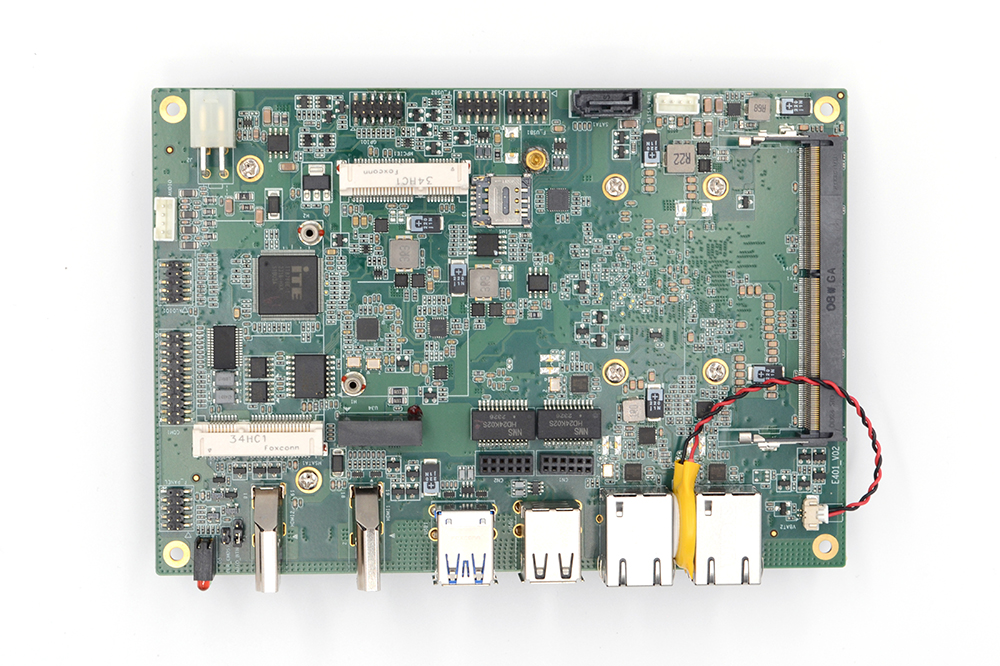
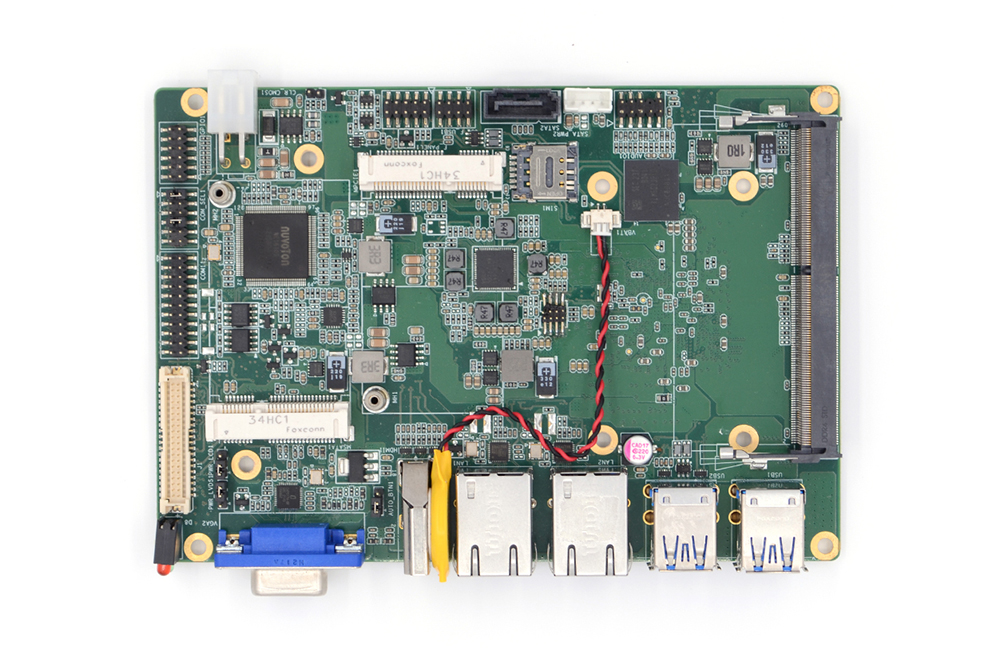
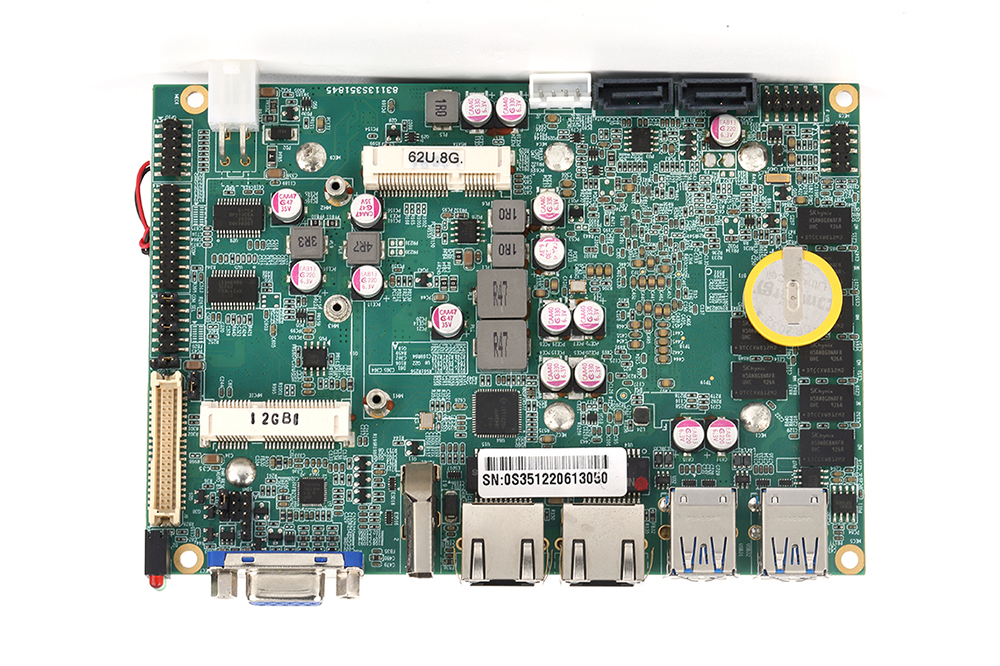
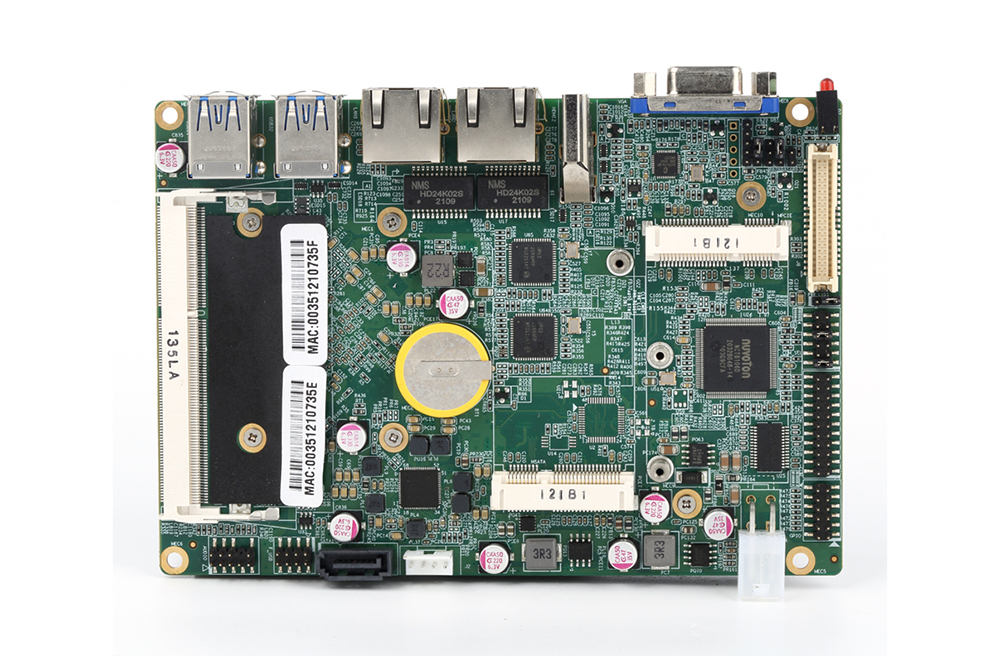
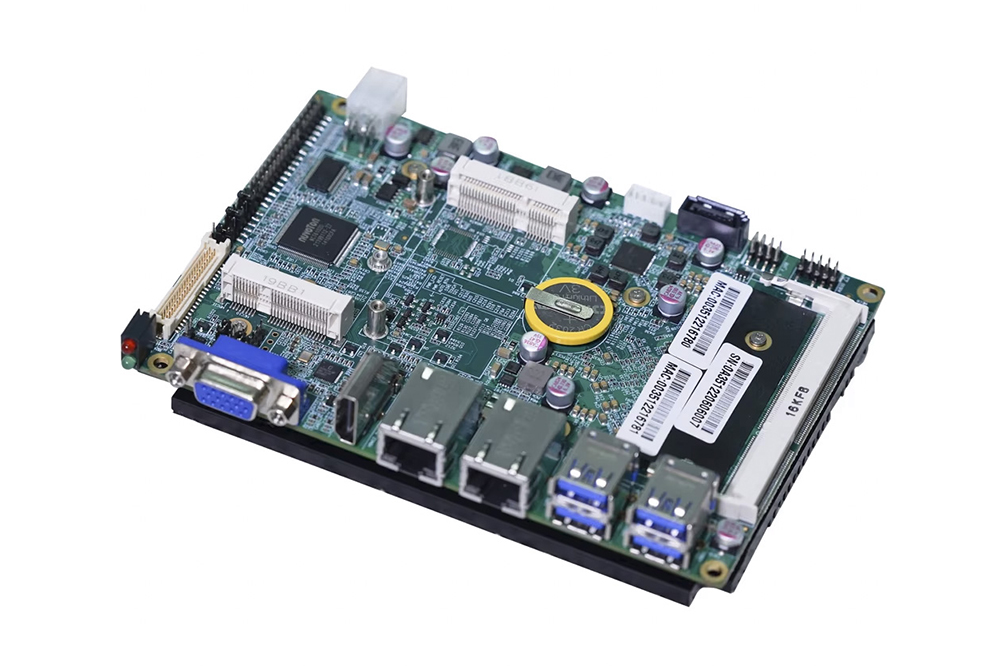
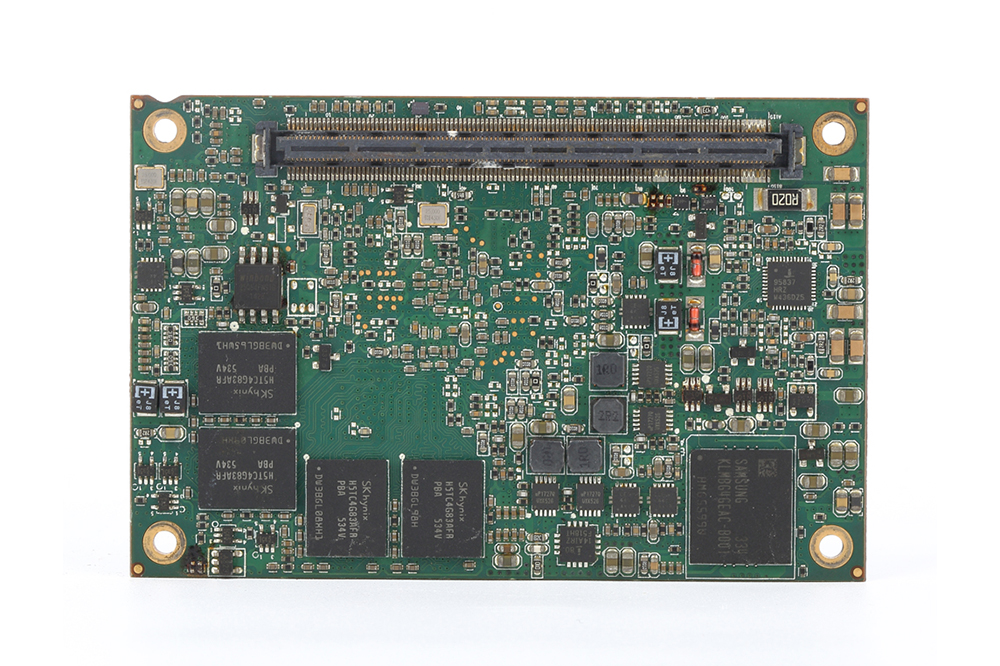
Ultrasound machines and multi-parameter patient monitors require compact, low-power, yet highly reliable computing platforms. The integration of 3.5-inch industrial motherboards and COM Express modules allows medical equipment manufacturers to design smaller, mobile diagnostic carts. These systems operate continuously, monitoring vital signs, ECG signals, and blood oxygen levels. The absolute reliability of fanless hardware ensures that patient monitoring is never interrupted by a mechanical fan failure, which could lead to system overheating and unexpected downtime in critical care situations.
As we look to the future, the integration of Artificial Intelligence (AI) at the edge is set to revolutionize medical diagnostics. Edge AI accelerators integrated within Fanless Embedded Box PCs will allow real-time diagnostic assistance, automatically highlighting potential anomalies in CT scans or ultrasound feeds before the radiologist even reviews them. Furthermore, the expansion of 5G connectivity will enable high-definition, low-latency tele-surgery and remote consultations, allowing specialists to guide local surgeons in real-time. To support these trends, embedded PCs will continue to shrink in form factor while scaling up in processing power, utilizing next-generation low-power architectures like Intel Elkhart Lake and Core U-series processors.
Shenzhen YDSTECH Electronics Co., Ltd. is a high-tech enterprise specializing in industrial computers. Since the establishment of YDSTECH in 1999, we have been committed to independent research and development, innovation, production and sales of industrial computers, and we own the independent intellectual property rights of our core products.
We consider honesty and pragmatism as our motto and make it our long-term goal to provide customers with cost-effective products. In order to achieve this goal, we work constantly to develop new products, improve our service capabilities and promote the innovation of embedded computer applications to create long-term value and potential growth for our customers.
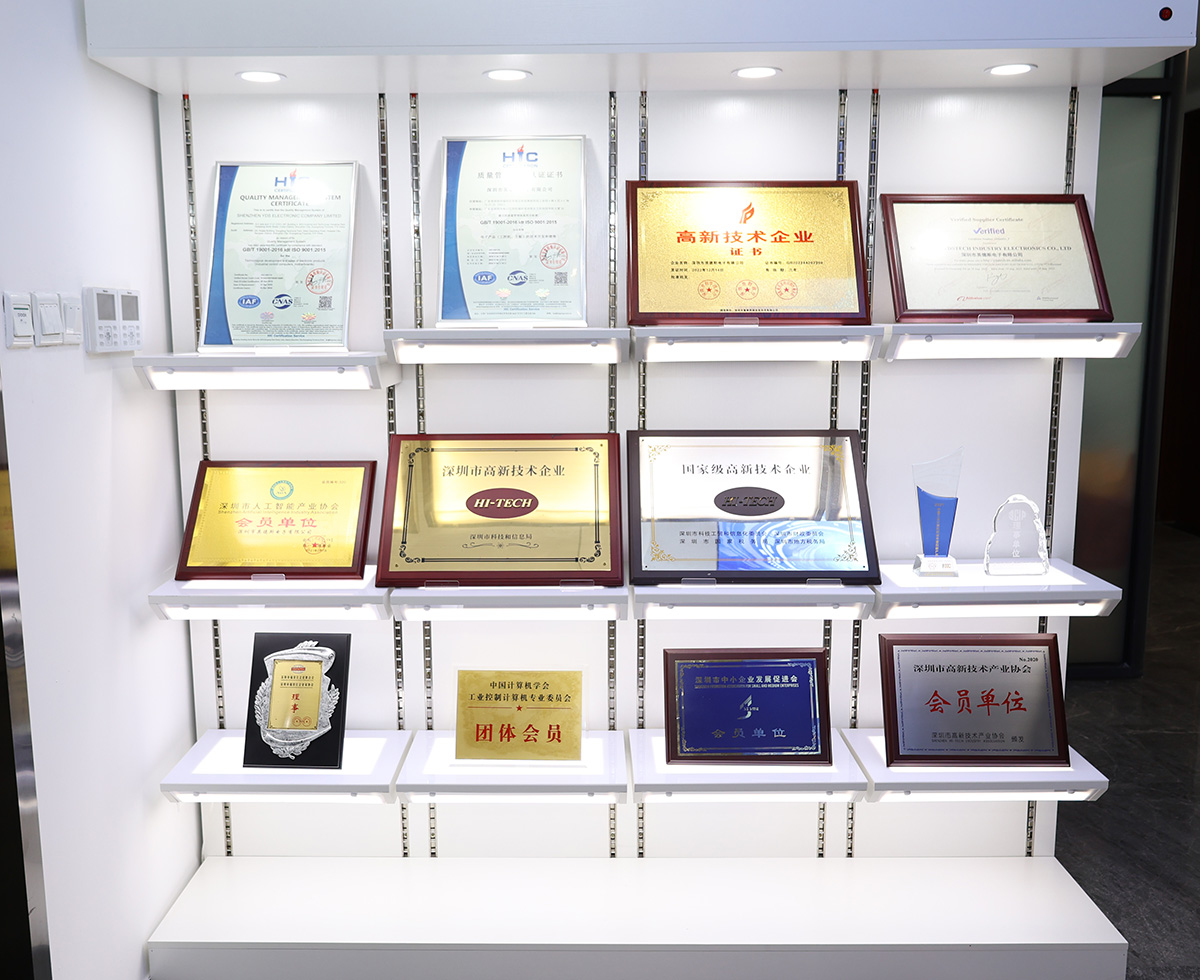
· Certified High-Tech Enterprise
· Shenzhen Software Product And Software Enterprise Evaluation Certified Enterprise
· ISO9001 International Quality System Certified Enterprise
· Member Of Chinese Association Of Automation
· Member Of China Instrumentation Society
· Member Of China Computer Federation
· Director Of Shenzhen Computer Association
· Founding Member Of China Embedded System Industry Alliance
Our core technical team has over 15 years of experience in this industry, and has been focusing on embedded computer research and development, with rich and solid professional expertise. We believe that attitude means everything, since the establishment of YDSTECH, we have always been committed to work with a conscientious, responsible, attentive, professional, prudent and meticulous attitude, which ensures the high-quality output of the products, years of persistence and experience created our strong R&D team.
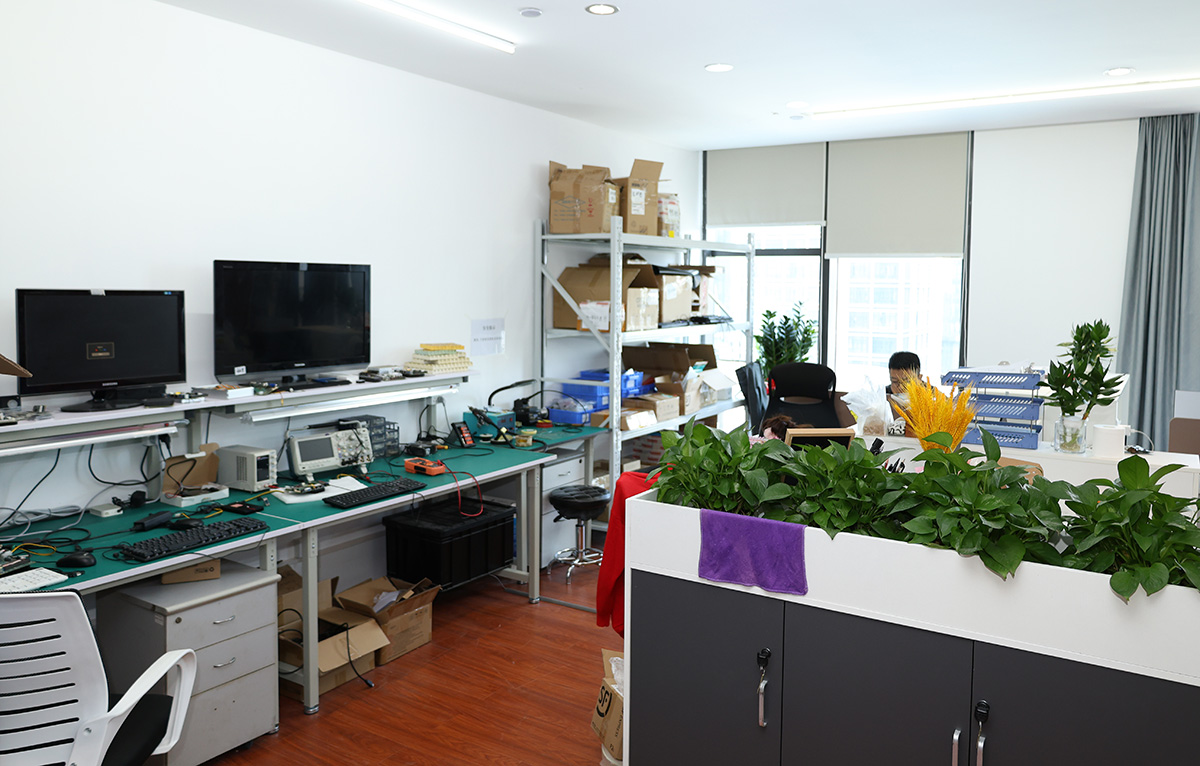
YDSTECH has set up a comprehensive quality assurance management system, adopting MSA quality system analysis, implementing rolling quality system audit, TQM, SPC process control and other quality management systems, establishing AVL supplier management system to ensure the quality of raw materials, and introducing rolling product reliability tests to ensure overall product reliability.