Leave Your Message
High-performance, thermal-resilient computing engines precision-crafted for sub-zero operations, furnace-side industrial robotics, and rugged field installations.
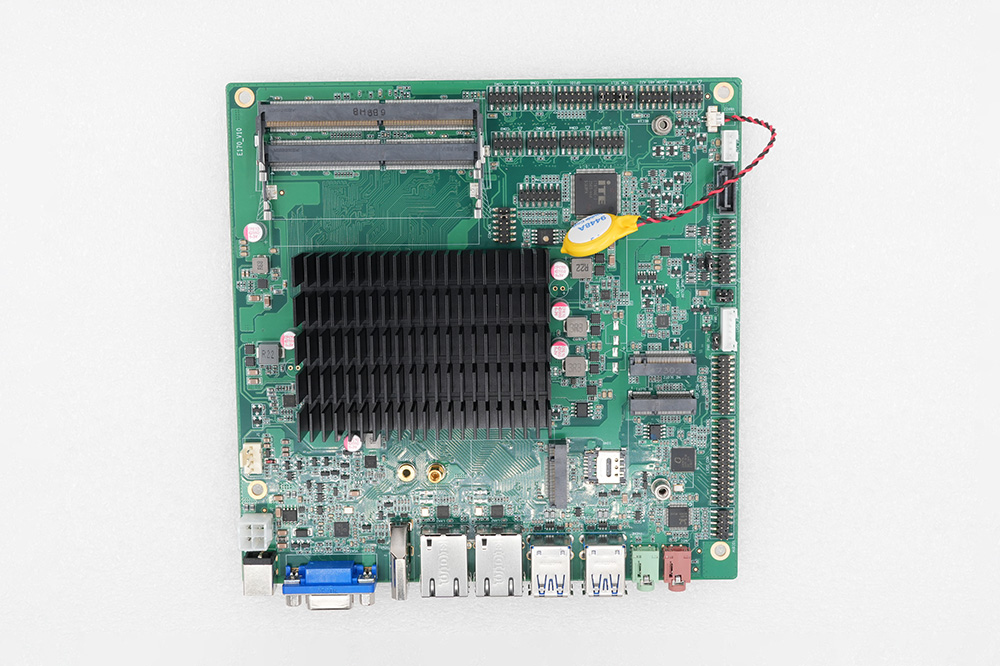
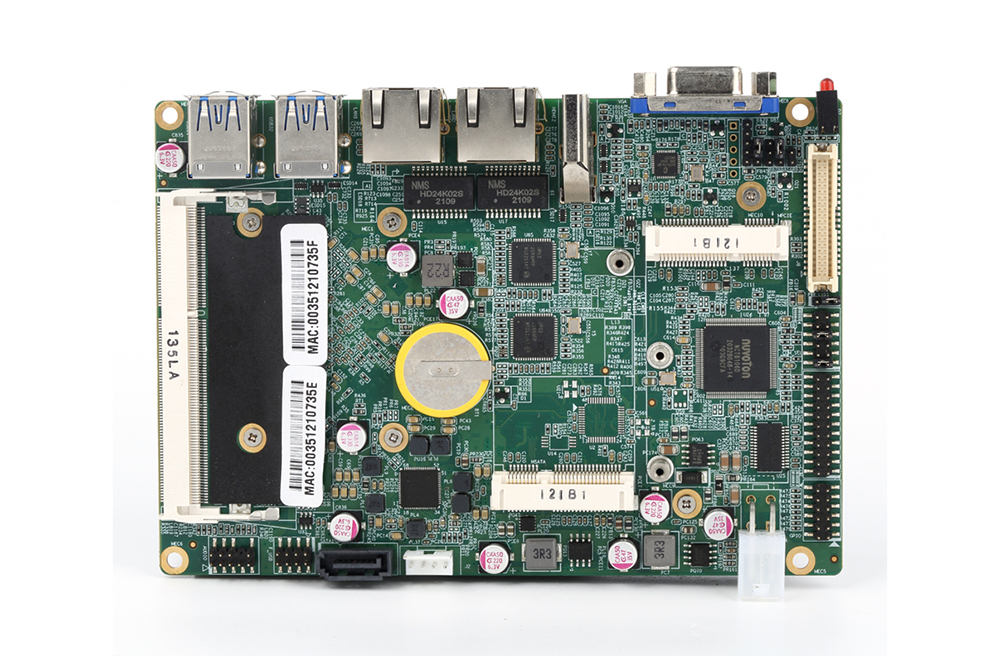
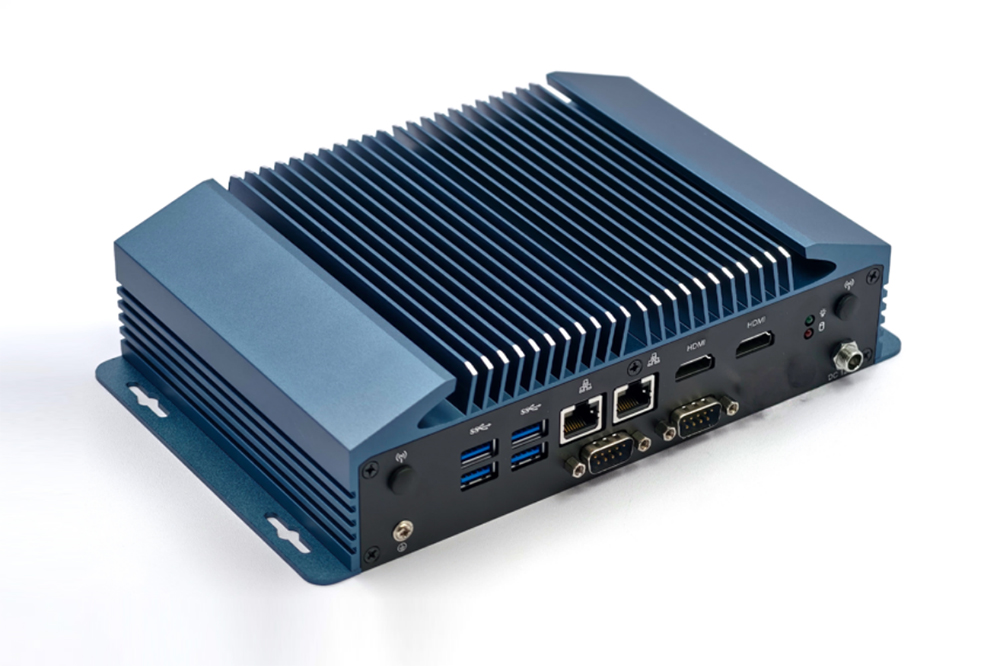
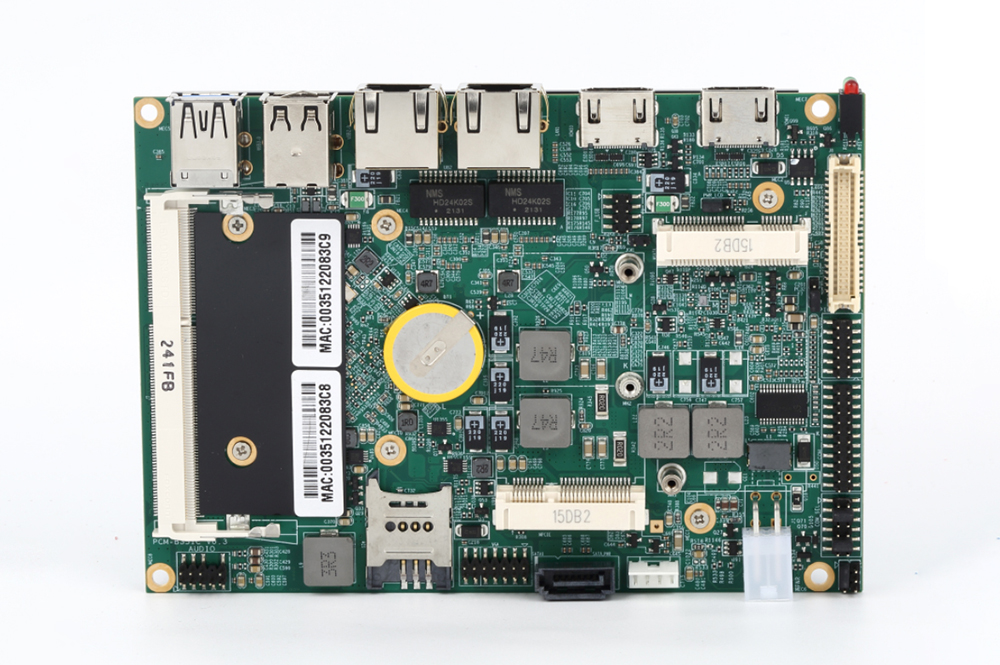
Industrial grade silicon, wide-temperature solid tantalum capacitors, and thermal potting ensure seamless cold starts and sustained high-heat output.
Zero fan apertures eliminate dust, conductive filings, caustic vapors, and moisture condensation, maximizing system MTBF in unmonitored deployments.
Integrated 9V to 36V DC wide-input regulation with reverse polarity guard, over-voltage clamp, and surge suppressors designed for volatile dirty power lines.
Multi-core x86 compute arrays running real-time neural inferencing, rich isolated RS-485, CAN bus, quad display channels, and high-speed 5G/4G expansion.
In modern smart manufacturing, automated energy distribution, and outdoor edge infrastructure, computing hardware is continuously pushed beyond the hospitable boundaries of air-conditioned server rooms. Industrial facilities encounter intense vibrational stresses, heavy concentrations of particulate matter, severe thermal swings, and unstable power grids. Conventional commercial microcomputers rely heavily on mechanical cooling fans to mitigate processor junction heat. However, in harsh industrial deployment, mechanical fans represent the single most catastrophic point of failure: bearings seize under airborne grit, fan blades gather conductive debris, and atmospheric moisture precipitates corrosion on motherboard surface traces.
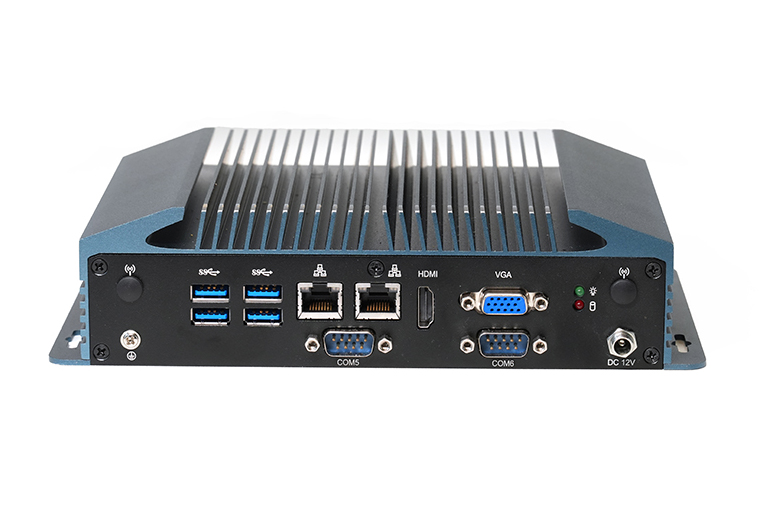
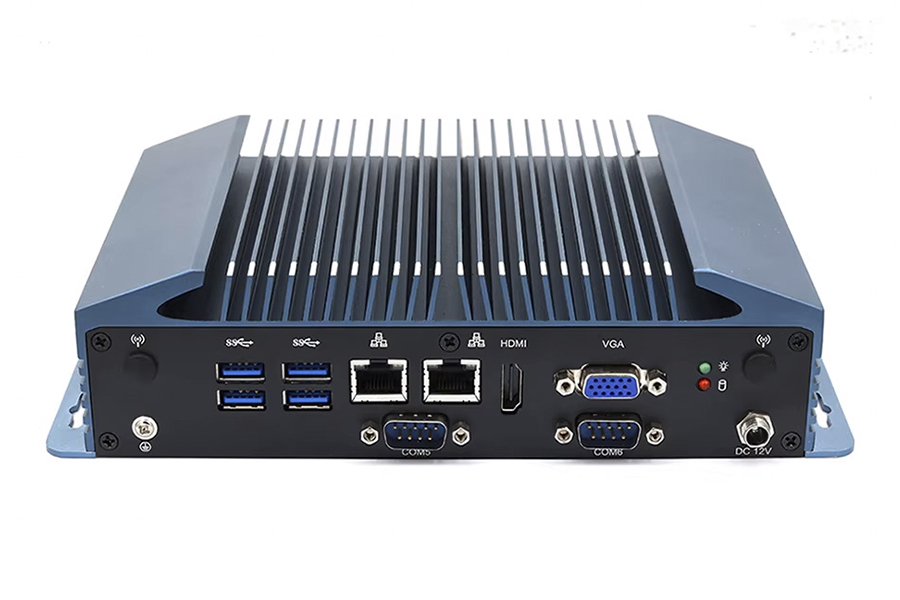
The adoption of the Fanless Embedded Box PC represents a strategic technological pivot toward uncompromised operational continuity. By removing all rotary mechanical mechanisms and enclosing processing architectures inside high-integrity aluminum extrusion chassis, engineers have eradicated premature component breakdown. In tandem, wide-temperature operation has transformed from a niche military specification into a baseline requirement for industrial edge computing. From high-altitude renewable energy wind turbines exposed to arctic conditions down to -40°C, to roadside intelligent transportation cabinets baking in midsummer desert temperatures exceeding +70°C, fanless embedded computers deliver uninterrupted computational determinism.
How modern thermodynamic modeling, heat-pipe routing, and all-aluminum fin geometries facilitate continuous processor turbo frequencies without thermal throttling.
Passive cooling is fundamentally an exercise in thermal impedance management. In an enterprise-grade Fanless Embedded Box PC, heat generated by the x86 SoC (System-on-Chip) die is drawn rapidly into a precision-machined pure copper heat spreader. This heat spreader interfaces with the silicon via high-performance phase-change thermal interface materials (TIM) exhibiting low thermal resistance. Sealed sintered copper heat pipes containing deionized liquid are strategically routed to transfer thermal energy directly from the core to the exterior chassis.
The enclosure itself serves as a massive passive heat sink. Fabricated from 6063-T5 aluminum alloy, its exterior features deep vertical and horizontal extruded fins specifically spaced to stimulate natural laminar air convection. Even in stagnant ambient air environments, this geometry creates an upward chimney effect, drawing ambient cooler air over the lower fins and exhausting warmed air through natural buoyancy.
Achieving genuine wide temperature resilience requires meticulous component screening extending far beyond the main processor. Shenzhen YDSTECH Electronics implements exhaustive criteria across the entire bill of materials (BOM):
| Design Parameter | Commercial Desktop / Office PC | YDSTECH Rugged Fanless Box PC |
|---|---|---|
| Operating Temperature | 0°C to +35°C (Narrow threshold) | -40°C to +85°C (True Industrial Wide-Temp) |
| Cooling Mechanism | Active high-RPM intake/exhaust fans | 100% Passive conduction finned aluminum enclosure |
| Vibration & Shock | 0.5G vibration, easily dislodges sockets | 5Grms random vibration, 50G peak shock (MIL-STD-810H) |
| Power Input Flexibility | Fixed ATX 12V / 110-220V AC narrow range | Wide DC 9V–36V with transient & reverse surge clamp |
| Ingress Protection | Unsealed vents; vulnerable to moisture & grit | Sealed unibody housing (IP40 to IP65 compliant) |
| Mean Time Between Failures | ~15,000 to 25,000 Hours | >100,000 Hours Continuous 24/7/365 Runtime |
Beyond thermal extremes, industrial hardware must neutralize severe mechanical shocks, high-voltage surges, and electromagnetic interference.
Heavy mobile machinery, marine vessels, and railway coaches subject electronic equipment to intense, continuous mechanical fatigue. Standard circuit boards and expansion sockets quickly experience intermittent pin disconnects under sustained harmonics. YDSTECH Fanless Embedded Box PCs feature reinforced chassis bracing, soldered down onboard processors, securely locked SO-DIMM clips, and M.2 NVMe slots anchored with anti-vibration standoffs. For field cabling, all serial I/O, Ethernet, and power terminals utilize robust screw-lock DB9, M12 industrial circular plugs, or terminal-block connectors to prevent wiring loosening.
In manufacturing plants packed with multi-kilowatt variable frequency drives (VFD), robotic welding arcs, and large inductive electric motors, the electrical environment is saturated with electromagnetic noise and severe voltage spikes. A robust industrial box PC must offer:
Examining how rugged fanless box PCs resolve mission-critical bottlenecks across four high-demand operational sectors.
Railway rolling stock environments demand strict EN 50155 compliance. Box PCs mounted in locomotive equipment bays face constant track vibration, wide temperature swings from subterranean tunnels to alpine passes, and dirty 24V/72V/110V DC battery power. YDSTECH fanless mini computers with Elkhart Lake or multi-core processors act as centralized Edge IoT gateways, aggregating wheel-bearing vibration telemetry, processing forward-facing obstacle detection video, and routing predictive maintenance data over dual 5G cellular arrays.
Foundries and automotive pressing facilities feature ambient air saturated with metallic airborne dust, coolant mist, and radiant heat that easily exceeds 60°C. Standard desktop units inevitably suffer short circuits within weeks. A sealed, fanless aluminum chassis creates an impermeable barrier against airborne particles while isolated RS-485 serial ports communicate reliably with furnace programmable logic controllers (PLCs) and multi-axis articulated robots.
Located in remote desert solar arrays or offshore wind turbine nacelles, embedded hardware must operate entirely unassisted for years. High summer solar radiation can elevate sealed cabinet temperatures above 70°C, while winter blizzards induce deep freezing. Rugged wide-temperature x86 boards perform real-time maximum power point tracking (MPPT) data aggregation, remote SCADA control, and grid frequency balancing without requiring field visits.
Roadside traffic signal cabinets undergo extreme diurnal temperature cycling and continuous exposure to vehicle exhaust fumes. Utilizing low-power high-efficiency Intel multi-core SoCs, YDSTECH fanless box PCs interface with IP traffic cameras, process deep learning optical vehicle counting and license plate recognition algorithms locally at the intersection, and synchronize traffic lights in real time to diminish grid congestion.
Bridging the gap between high-TDP neural network inferencing and passively cooled industrial enclosures.
The industrial embedded computer market is undergoing a seismic revolution driven by Edge Artificial Intelligence. Historically, rugged box PCs were tasked with simple data acquisition, protocol conversion, and deterministic serial device control. Today, industrial operators require localized computer vision, acoustic anomaly detection, and automated defect sorting at 60 frames per second directly on the assembly line.
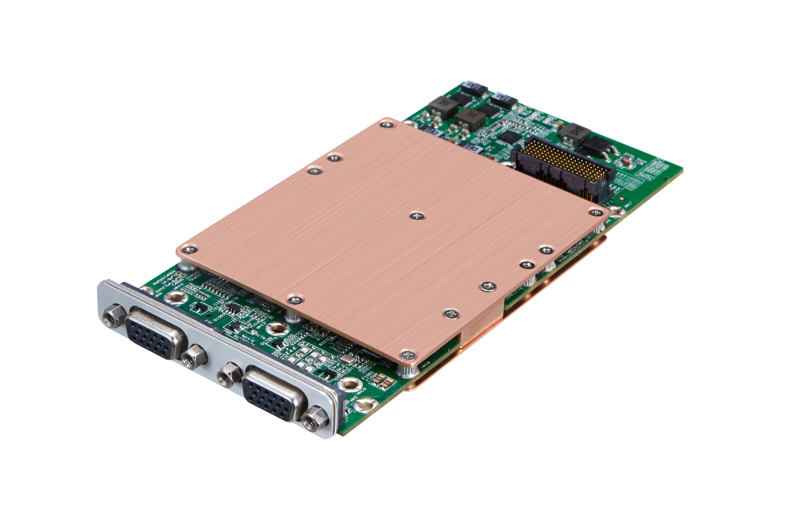
Running compute-intensive deep learning models generates substantial thermal density. To maintain wide operating temperature envelopes without fans, YDSTECH engineers incorporate heterogeneous computing architectures. By utilizing power-optimized x86 processors paired with dedicated neural processing units (NPUs) or compact high-efficiency embedded GPU expansion cards (such as the high-temp X86 embedded GPU card with dedicated GDDR5 memory), AI workloads achieve outstanding performance-per-watt metrics. Intelligent dynamic power-throttling algorithms monitor onboard thermal sensors in microsecond intervals, intelligently distributing algorithmic loads across CPU, GPU, and VPU execution units to maintain continuous operation without exceeding enclosure thermal dissipation capacity.
Shenzhen YDSTECH Electronics Co., Ltd. is a high-tech enterprise specializing in industrial computers. Since the establishment of YDSTECH in 1999, we have been committed to independent research and development, innovation, production and sales of industrial computers, and we own the independent intellectual property rights of our core products.
We consider honesty and pragmatism as our motto and make it our long-term goal to provide customers with cost-effective products. In order to achieve this goal, we work constantly to develop new products, improve our service capabilities and promote the innovation of embedded computer applications to create long-term value and potential growth for our customers.
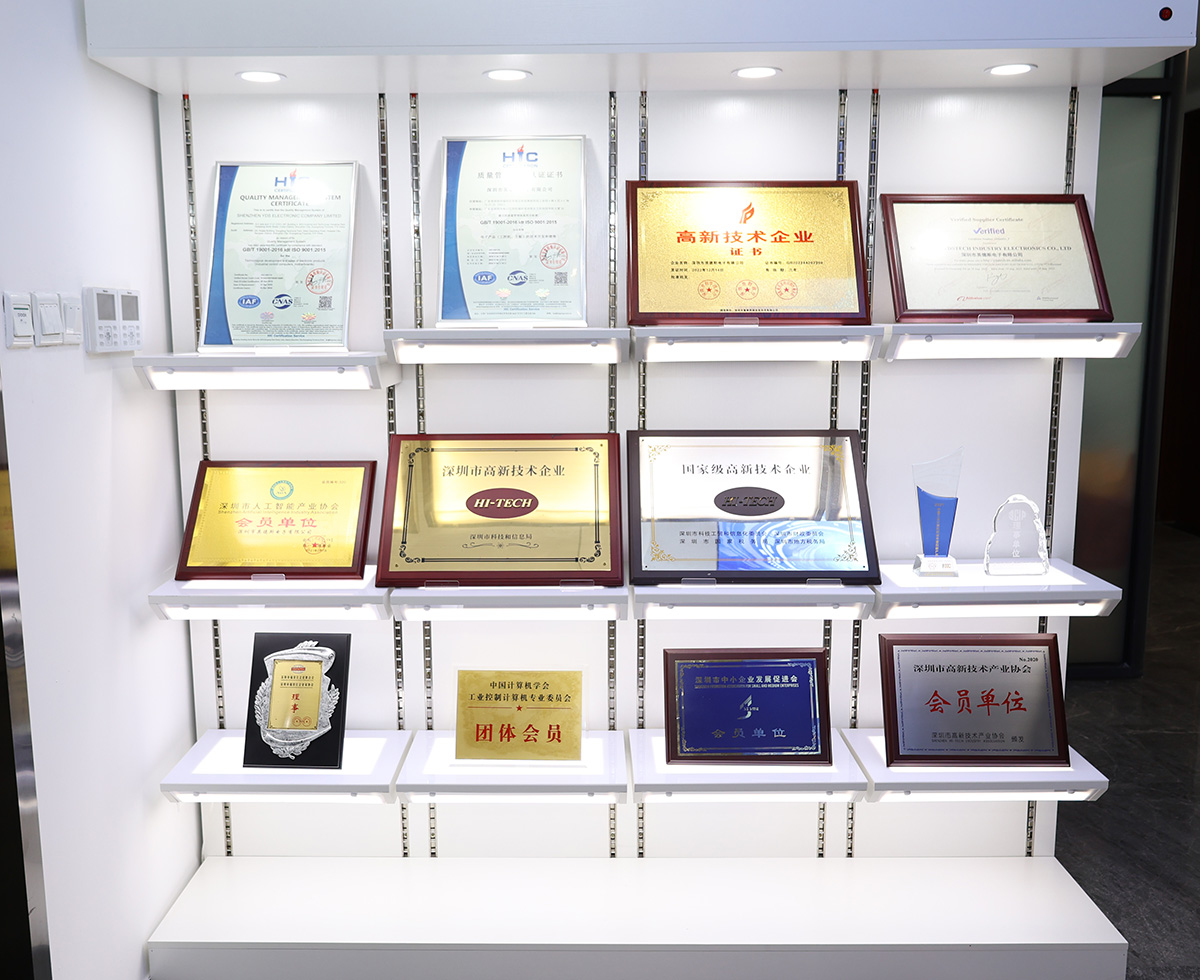
Validated credentials affirming our commitment to rigorous quality control, software engineering excellence, and national industry standards.
· Certified High-Tech Enterprise
· Shenzhen Software Product And Software Enterprise Evaluation Certified Enterprise
· ISO9001 International Quality System Certified Enterprise
· Member Of Chinese Association Of Automation
· Member Of China Instrumentation Society
· Member Of China Computer Federation
· Director Of Shenzhen Computer Association
· Founding Member Of China Embedded System Industry Alliance
Our core technical team has over 15 years of experience in this industry, and has been focusing on embedded computer research and development, with rich and solid professional expertise. We believe that attitude means everything, since the establishment of YDSTECH, we have always been committed to work with a conscientious, responsible, attentive, professional, prudent and meticulous attitude, which ensures the high-quality output of the products, years of persistence and experience created our strong R&D team.
From custom carrier board topology design, BIOS and firmware tailoring, to precision mechanical chassis thermal simulation, our internal R&D engineers streamline the development lifecycle from initial schematic concept to full mass production.
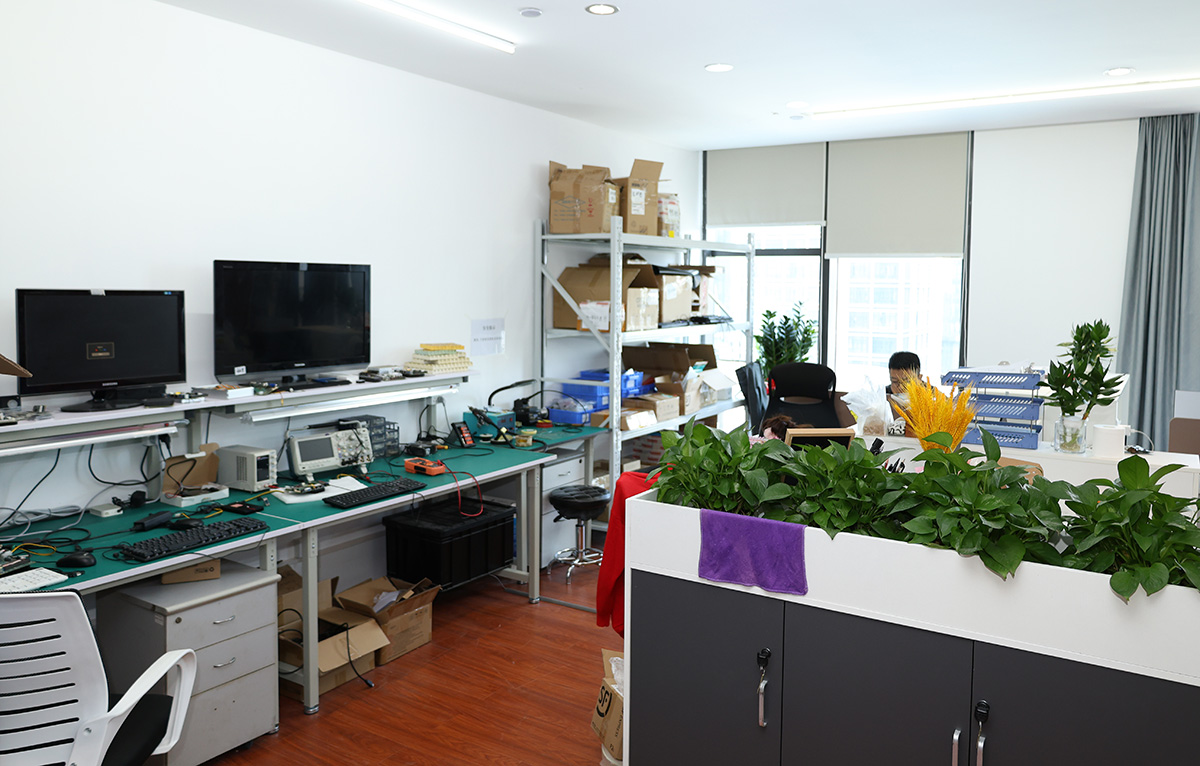
YDSTECH has set up a comprehensive quality assurance management system, adopting MSA quality system analysis, implementing rolling quality system audit, TQM, SPC process control and other quality management systems, establishing AVL supplier management system to ensure the quality of raw materials, and introducing rolling product reliability tests to ensure overall product reliability.
100% of manufactured units undergo 48-hour continuous full-load thermal chamber burn-in cycling across -40°C to +85°C prior to final packing.
Highly Accelerated Life Testing validates mechanical boundaries, multi-axis harmonic vibration response, and extreme thermal shock endurance.
Strict Approved Vendor List (AVL) screening guarantees zero counterfeit silicon and verified tier-1 wide-temp components across all motherboard assemblies.
Statistical Process Control tracks SMT solder paste thickness, reflow oven profiles, and automated optical inspections (AOI) with meticulous traceability.
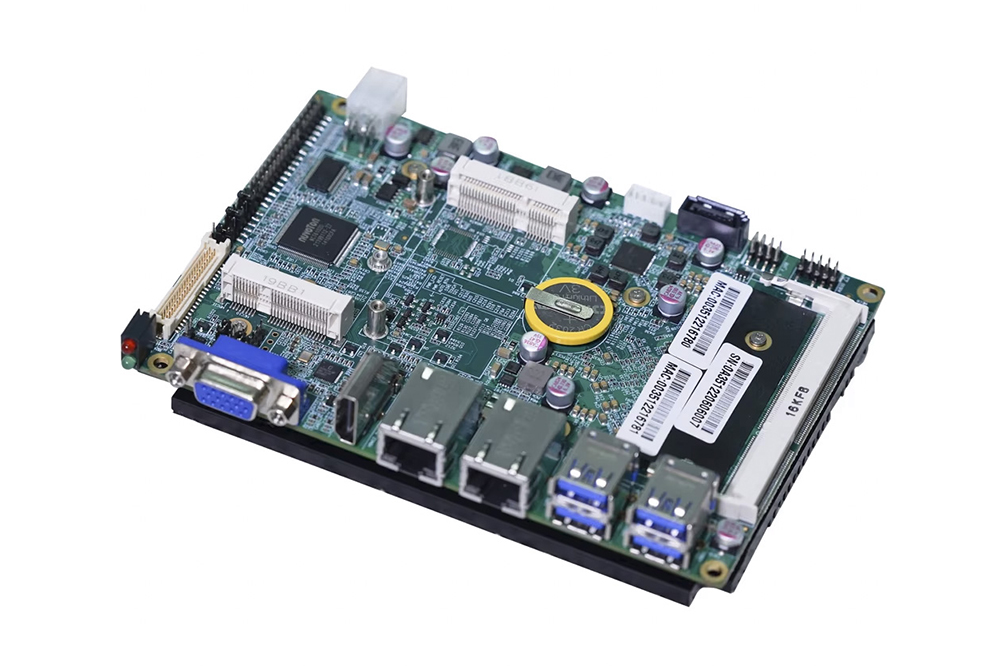
Explore our complete lineup of fanless wide-temperature embedded box PCs, high-temperature embedded graphics cards, and compact 3.5-inch industrial motherboards.