Leave Your Message
High-performance fanless platforms engineered specifically for real-time edge processing and gateway integration
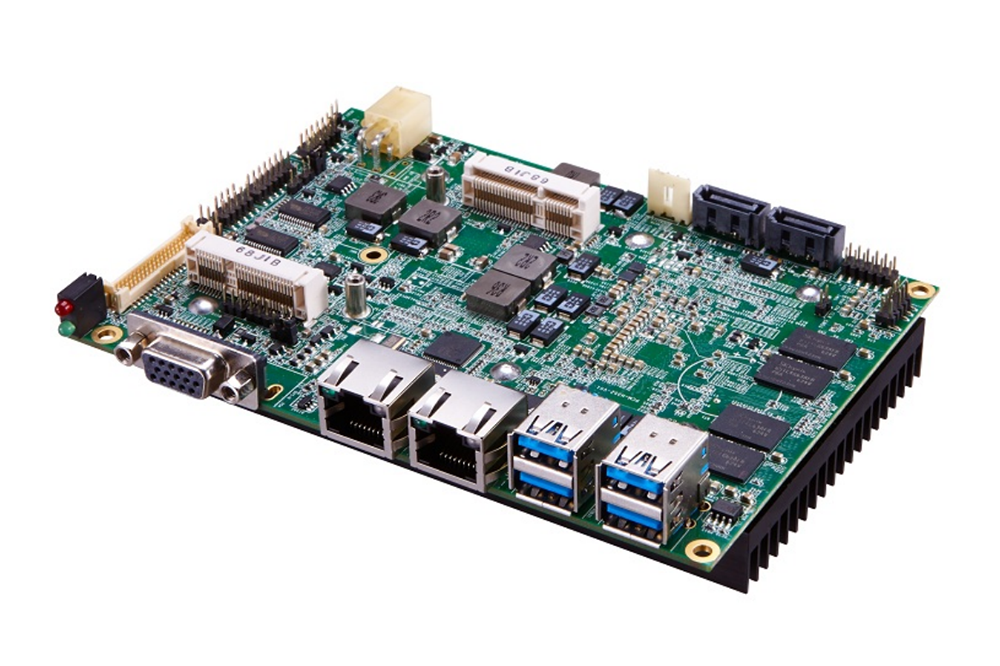
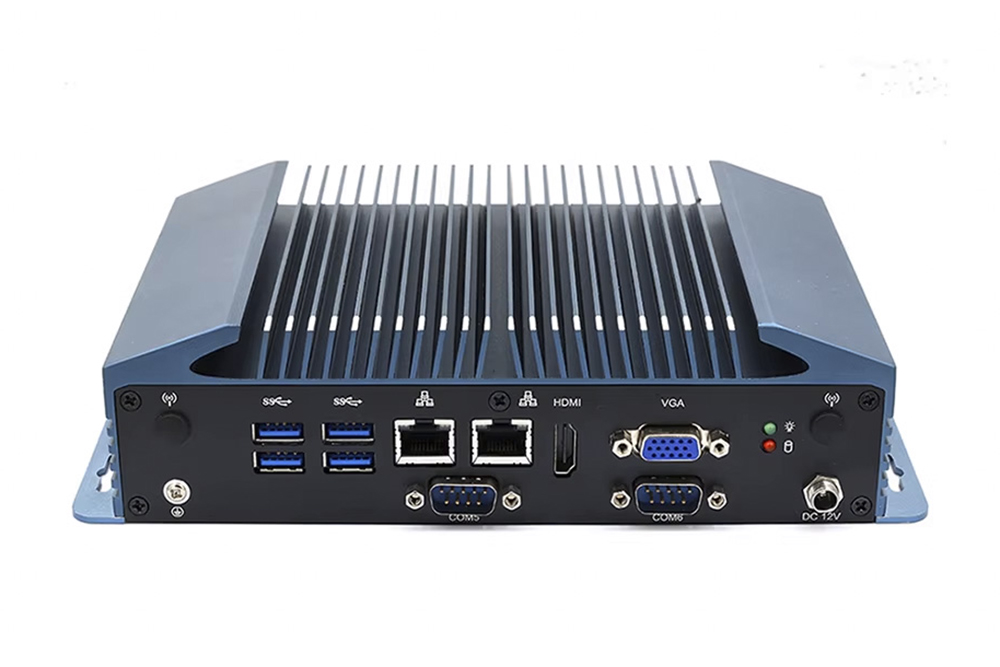
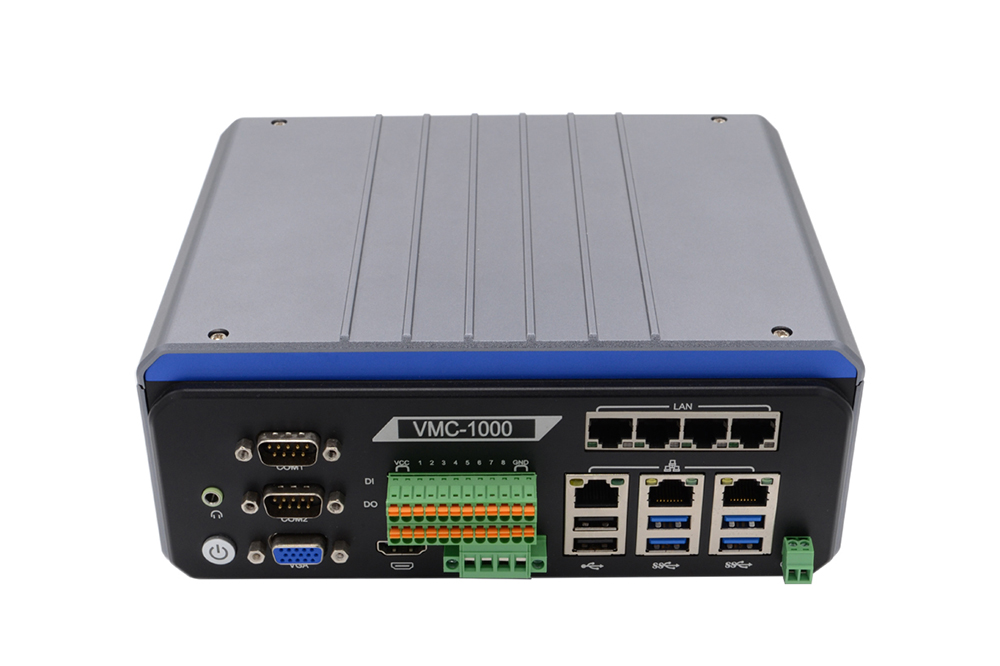
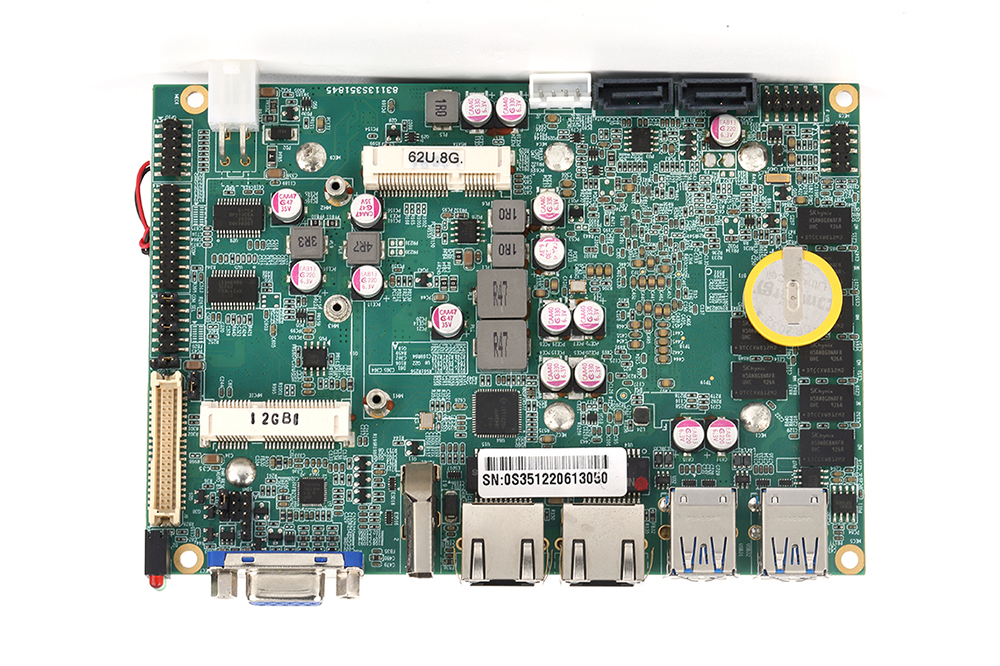
In the era of Industry 4.0 and the Industrial Internet of Things (IIoT), the traditional cloud-centric computing model is facing critical bottlenecks. The sheer volume of data generated by factory sensors, smart grid nodes, and autonomous systems has made uploading all raw data to the cloud impractical. Bandwidth costs, high latency, and data privacy concerns have driven the industrial sector toward a decentralized architecture. This is where Fanless Embedded Box PCs emerge as the foundational hardware for Edge Computing and IoT Gateway applications.
Edge computing brings processing power, storage, and networking capabilities closer to the physical site of data generation. By processing data locally, decisions can be made in milliseconds rather than seconds. For critical applications such as robotic control, predictive maintenance, and real-time anomaly detection, this latency reduction is the difference between seamless operation and catastrophic system failure.
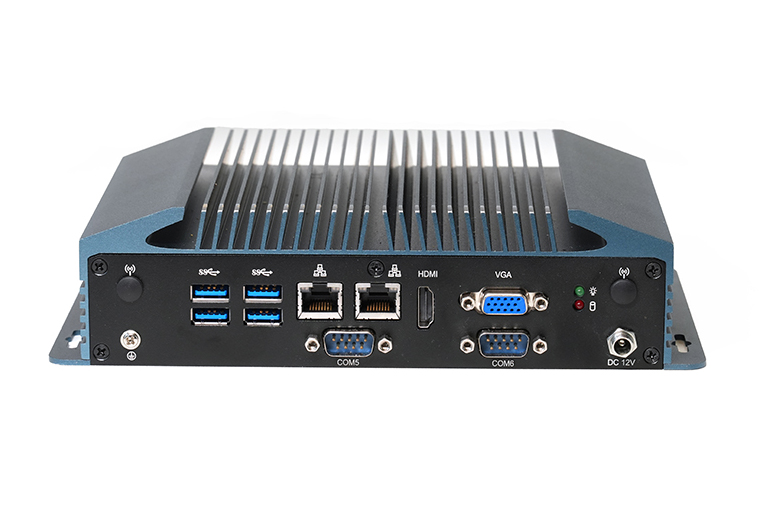
Traditional desktop computers rely on active cooling fans to manage heat. In industrial environments, fans are the primary point of failure. They draw in airborne contaminants like dust, grease, and moisture, which settle on internal circuits and cause thermal throttling or electrical shorts. A fanless embedded box PC utilizes passive cooling, transferring heat directly from the CPU to the aluminum chassis. This sealed design ensures complete protection against harsh environmental factors, providing unmatched reliability and extending the system's operational lifespan.
Fanless embedded box PCs are highly versatile platforms that can be customized for a wide variety of industrial and commercial applications. Below, we explore the primary fields where these systems act as the brain of local operations.
In automated manufacturing lines, thousands of sensors monitor temperature, pressure, vibration, and speed. A fanless embedded PC acts as an IoT Gateway, aggregating this multi-protocol data (such as Modbus, EtherCAT, and Profinet), translating it into unified formats, and transmitting key metrics to the enterprise cloud. Simultaneously, it runs local control algorithms to execute real-time adjustments on the factory floor, minimizing latency and maximizing production efficiency.
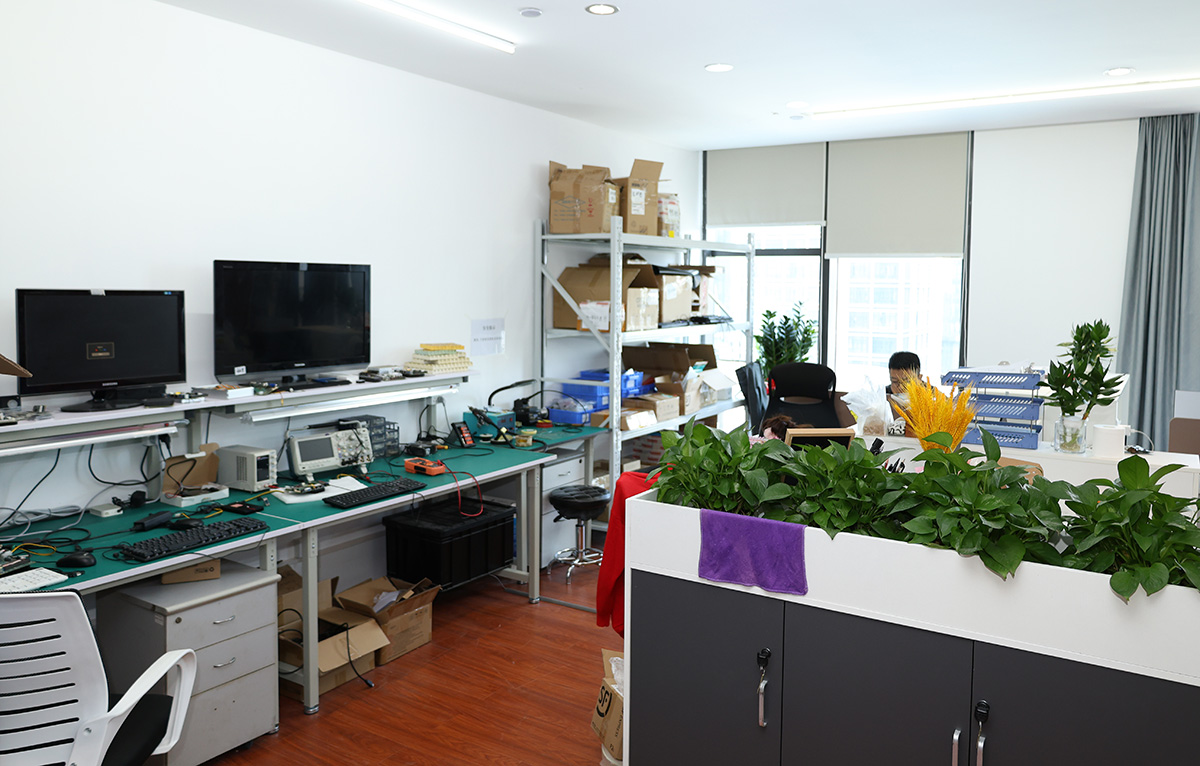
Quality control is increasingly driven by AI. High-performance fanless PCs equipped with dedicated Power over Ethernet (PoE) ports are connected to high-resolution industrial cameras. The system runs deep learning models locally to inspect products for defects, verify assembly steps, and read barcodes at high speeds. Because processing occurs entirely on the edge, defective products can be identified and sorted off the line in milliseconds, reducing waste and ensuring consistent quality.
Utility substations, wind farms, and solar power plants require continuous monitoring in highly electromagnetic and temperature-volatile environments. Fanless embedded PCs serve as smart grid controllers, monitoring power quality, managing inverter outputs, and predicting equipment failures. Their robust design ensures they are immune to electromagnetic interference (EMI) and can withstand the harsh outdoor conditions of remote energy sites.
From fleet management and passenger information systems to autonomous trains, embedded computers must handle continuous vibration and unstable power inputs. Fanless PCs designed with wide-voltage input capabilities and ignition control are installed directly in vehicles to manage GPS tracking, onboard surveillance cameras, and sensor communication, keeping public and commercial transit safe and connected.
As technology progresses, the demands placed on edge computing hardware continue to grow. Modern fanless PCs are evolving to meet these challenges through several key advancements:
The integration of dedicated AI accelerators, such as NPUs (Neural Processing Units) or integrated Intel Iris Xe graphics, allows fanless PCs to execute complex machine learning models directly on the edge. This enables advanced applications like real-time facial recognition, predictive maintenance forecasting, and complex spatial analytics without relying on cloud resources.
With the rollout of 5G and Wi-Fi 6, IoT gateways can now handle massive data streams wirelessly. Modern fanless PCs feature multiple M.2 expansion slots to support high-speed wireless modules, ensuring seamless communication between localized edge nodes and centralized management systems, even in remote or mobile installations.
As edge devices become more interconnected, they also become potential targets for cyber threats. Security is no longer just a software concern. Modern industrial PCs incorporate hardware-based security features, including TPM 2.0 (Trusted Platform Module) chips, secure boot, and hardware-encrypted storage, ensuring the integrity of critical industrial operations and sensitive data.
Shenzhen YDSTECH Electronics Co., Ltd. is a high-tech enterprise specializing in industrial computers. Since the establishment of YDSTECH in 1999, we have been committed to independent research and development, innovation, production and sales of industrial computers, and we own the independent intellectual property rights of our core products.
We consider honesty and pragmatism as our motto and make it our long-term goal to provide customers with cost-effective products. In order to achieve this goal, we work constantly to develop new products, improve our service capabilities and promote the innovation of embedded computer applications to create long-term value and potential growth for our customers.
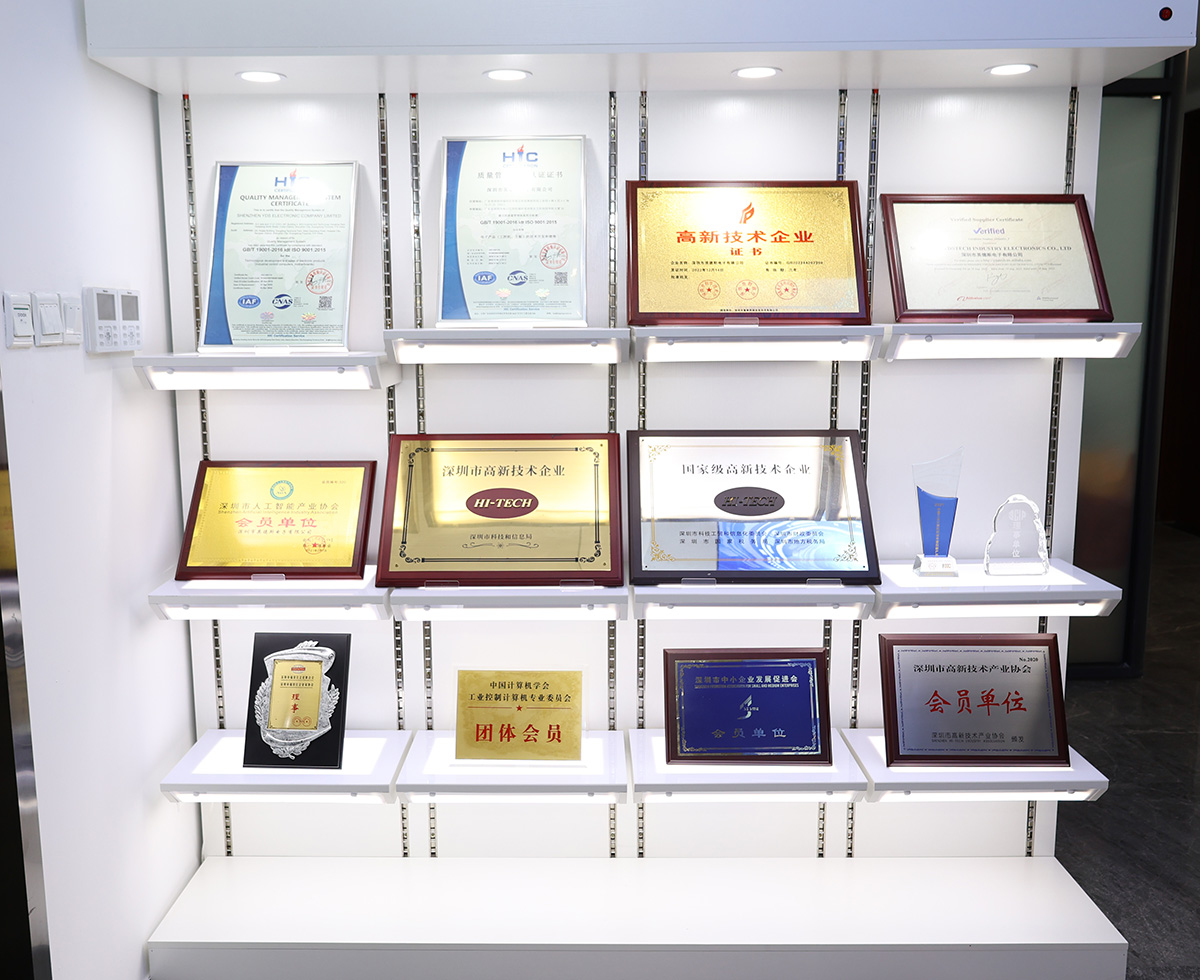
Our core technical team has over 15 years of experience in this industry, and has been focusing on embedded computer research and development, with rich and solid professional expertise. We believe that attitude means everything, since the establishment of YDSTECH, we have always been committed to work with a conscientious, responsible, attentive, professional, prudent and meticulous attitude, which ensures the high-quality output of the products, years of persistence and experience created our strong R&D team.
YDSTECH has set up a comprehensive quality assurance management system, adopting MSA quality system analysis, implementing rolling quality system audit, TQM, SPC process control and other quality management systems, establishing AVL supplier management system to ensure the quality of raw materials, and introducing rolling product reliability tests to ensure overall product reliability.
Explore our comprehensive portfolio of boards, motherboards, and fanless box PCs designed for industrial applications