Leave Your Message
High-reliability industrial computational units engineered specifically to support continuous validation systems and sterile laboratory operations.
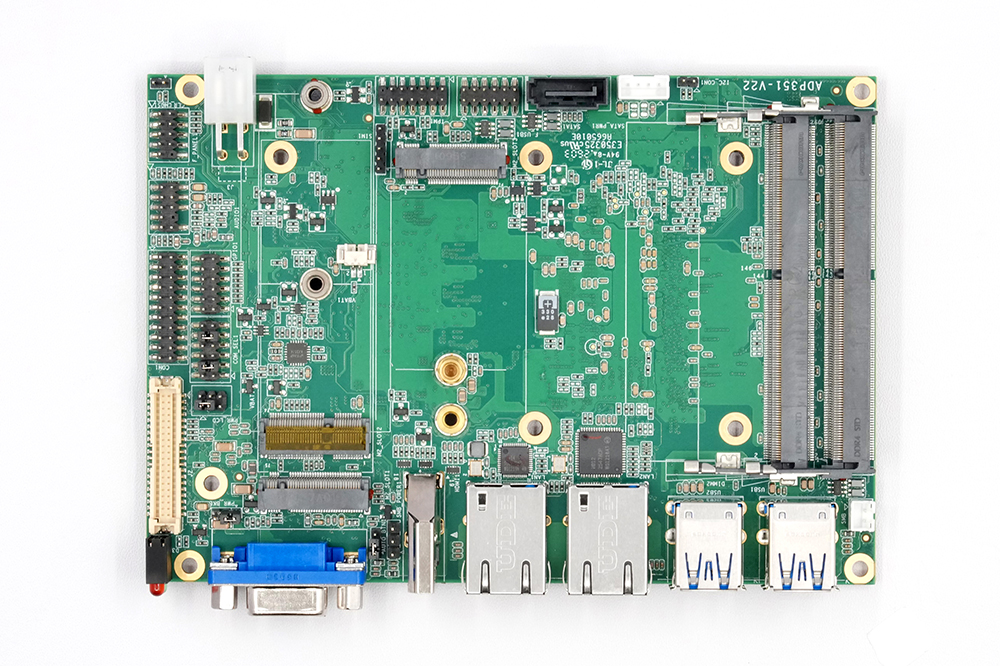
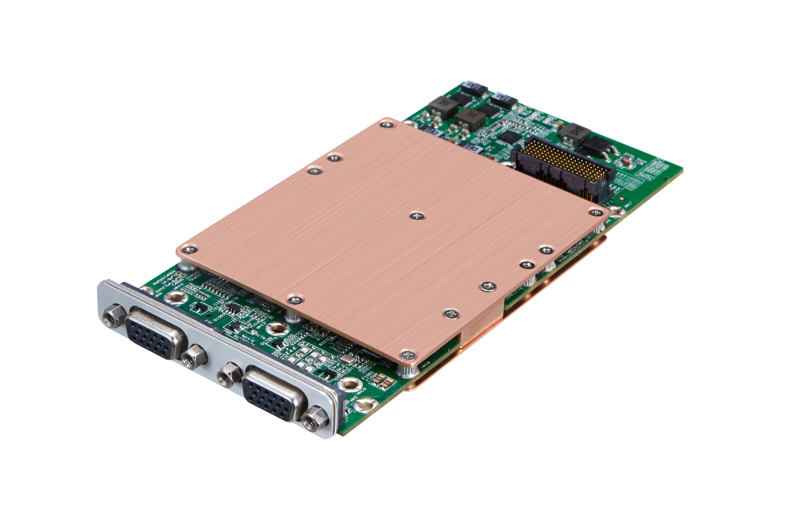
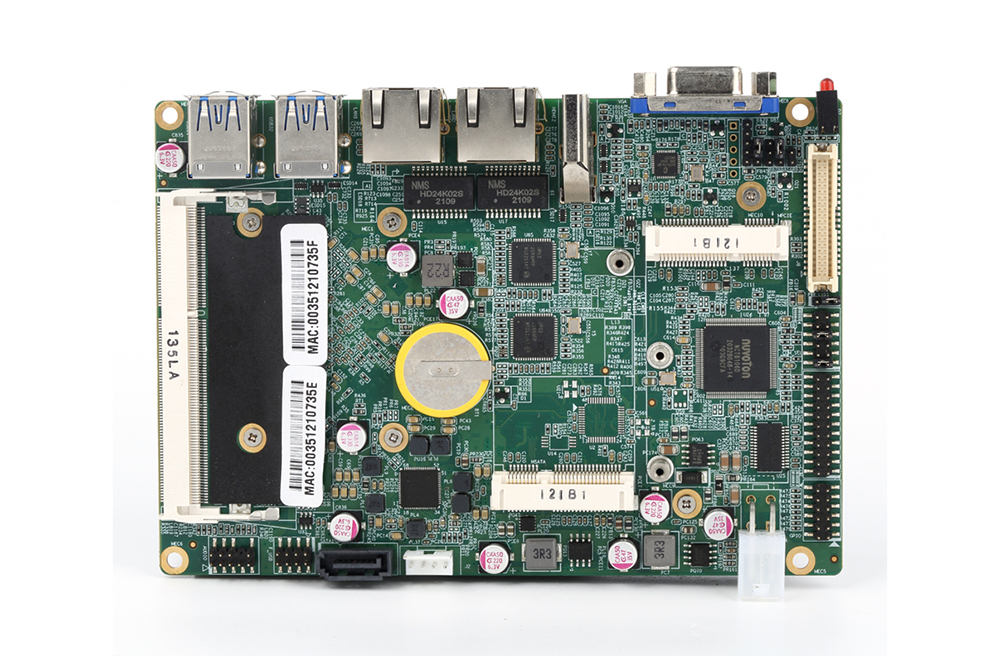
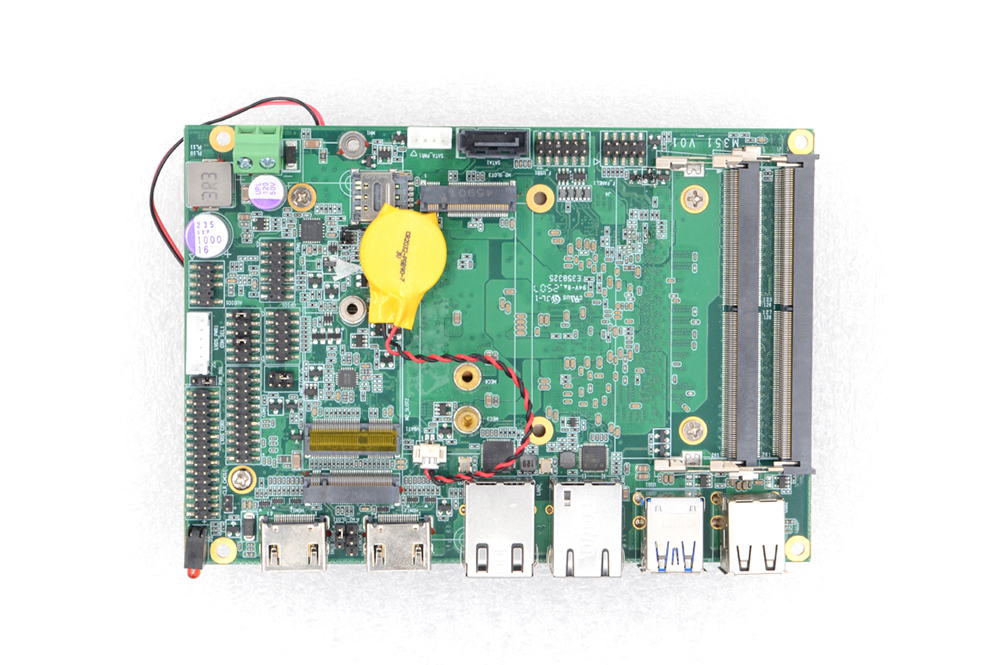
In modern pharmaceutical manufacturing and logistics, validation is not merely a quality control step; it is a strict legal requirement. Regulatory bodies such as the Food and Drug Administration (FDA) in the United States and the European Medicines Agency (EMA) enforce strict mandates—such as FDA 21 CFR Part 11 and EU Annex 11—to guarantee that pharmaceutical products are manufactured, stored, and distributed under highly controlled environmental conditions. Temperature excursions during the production of biologics, vaccines, or active pharmaceutical ingredients (APIs) can alter chemical profiles, reduce efficacy, or introduce hazardous degradation products.
To prevent these risks, the industry relies heavily on sophisticated Temperature Monitoring Systems (TMS) and Thermal Validation systems. At the heart of these architectures lies the embedded PC motherboard. Standard consumer-grade computer boards are fundamentally inadequate for these roles. They lack the long-term component lifecycle support, electrostatic discharge (ESD) protection, and the ability to operate continuously in extreme thermal environments. An industrial-grade embedded PC motherboard serves as the processing hub that gathers data from hundreds of RTDs (Resistance Temperature Detectors) and thermocouples, processes the signals with ultra-low latency, and securely logs the data to ensure an unalterable audit trail.
Under FDA 21 CFR Part 11, electronic records must be secure, attributable, and traceable. A failure in the monitoring PC can lead to "data gaps," which can invalidate an entire batch of pharmaceutical products worth millions of dollars. Industrial embedded motherboards prevent this by integrating hardware-level watchdog timers (WDT), Trusted Platform Modules (TPM 2.0) for encryption, and redundant storage configurations (such as RAID or dual NVMe/SATA interfaces) to guarantee zero data loss during power fluctuations or system stresses.
The global pharmaceutical validation and cold chain monitoring market is experiencing rapid expansion. This growth is propelled by the rise of personalized medicine, cell and gene therapies, and mRNA-based vaccines, all of which require complex, low-temperature handling. For instance, mRNA vaccines require storage temperatures ranging from -70°C to -80°C, demanding highly reliable ultra-low temperature (ULT) freezers integrated with smart monitoring systems.
Consequently, the industrial landscape is shifting from simple, localized data-logging devices to fully integrated, IoT-enabled edge computing platforms. Pharmaceutical companies are upgrading their legacy systems to smart, automated, and connected platforms that can predict equipment failure before it occurs. Embedded PC motherboards designed with advanced connectivity (such as dual 2.5G Ethernet, Wi-Fi 6E, and 5G expansion slots) enable real-time telemetry from remote warehouse facilities directly to centralized Cloud ERP systems. This transition requires hardware that can run 24/7/365 without active maintenance, driving manufacturers to seek out fanless, wide-temperature embedded boards that minimize dust accumulation and mechanical wear.
1. Fanless and Sealed Enclosures: In sterile cleanroom environments, air turbulence and particle generation must be kept to an absolute minimum. Fanless embedded motherboards utilize passive cooling techniques, allowing the entire monitoring system to be sealed in IP65-rated or IP67-rated stainless steel enclosures that can withstand aggressive chemical washdowns (using agents like Vapourised Hydrogen Peroxide - VHP).
2. Edge AI and Predictive Maintenance: Modern validation systems do not just record temperature anomalies; they predict them. By running lightweight machine learning models on advanced embedded CPUs (such as Intel Ultra or Core processors), the motherboard can analyze subtle temperature drift patterns and alert operators before a refrigeration unit fails.
3. Long Lifecycle Availability: Pharmaceutical validation processes are lengthy and costly. Once a system is validated, changing a single hardware component can trigger a requirement for complete re-validation. Thus, embedded motherboards must offer a guaranteed supply lifecycle of 7 to 15 years.
The application of embedded PC motherboards spans several critical areas within the pharmaceutical production lifecycle, each demanding specific technical capabilities from the underlying hardware.
Autoclaves use high-pressure steam at temperatures typically between 121°C and 134°C to sterilize equipment and containers. Validation of this process requires placing multiple temperature sensors inside the chamber to map the heat distribution. The data-logging system must interface with these sensors, requiring a motherboard with extensive serial communication interfaces (RS-232/422/485) or high-density analog-to-digital expansion cards. The motherboard must operate reliably in the vicinity of the autoclave, where ambient temperatures and humidity levels can fluctuate significantly.
Lyophilization is used to preserve heat-sensitive biological materials by freezing them and then reducing the surrounding pressure to allow the frozen water to sublime. This process involves extremely low temperatures (down to -80°C) and deep vacuum conditions. The control systems for lyophilizers require embedded motherboards that support wide-temperature ranges (-40°C to +75°C or higher) to ensure that control loops remain active and data logging is continuous, preventing batch crystallization failures.
Stability chambers test how environmental factors affect pharmaceutical products over long periods, sometimes lasting several years. The monitoring systems must run continuously without system crashes or memory leaks. Embedded PC motherboards with ECC (Error-Correcting Code) memory support and robust watch-dog timers are critical here to ensure the system automatically recovers from minor software faults without interrupting the validation study.
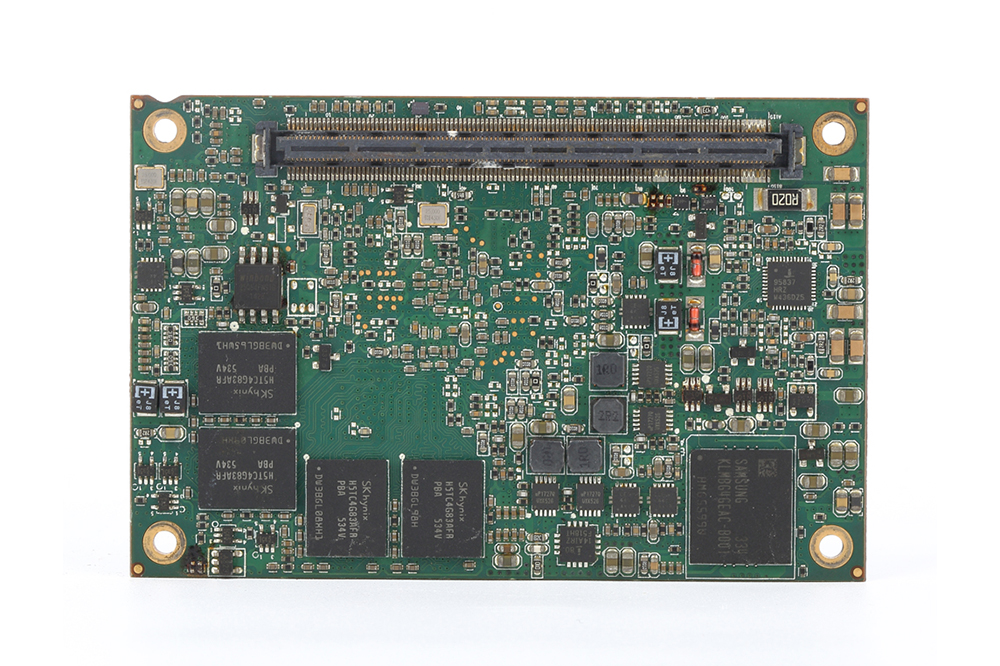
From the manufacturing plant to the pharmacy, vaccines and biopharmaceuticals must remain within a strict temperature range. Mobile validation units installed on delivery trucks or shipping containers use compact, low-power embedded motherboards (such as 3.5-inch or COM Express form factors). These boards must withstand constant vibration and shock while running off battery power, logging GPS coordinates, and communicating via cellular networks to provide real-time location and temperature updates.
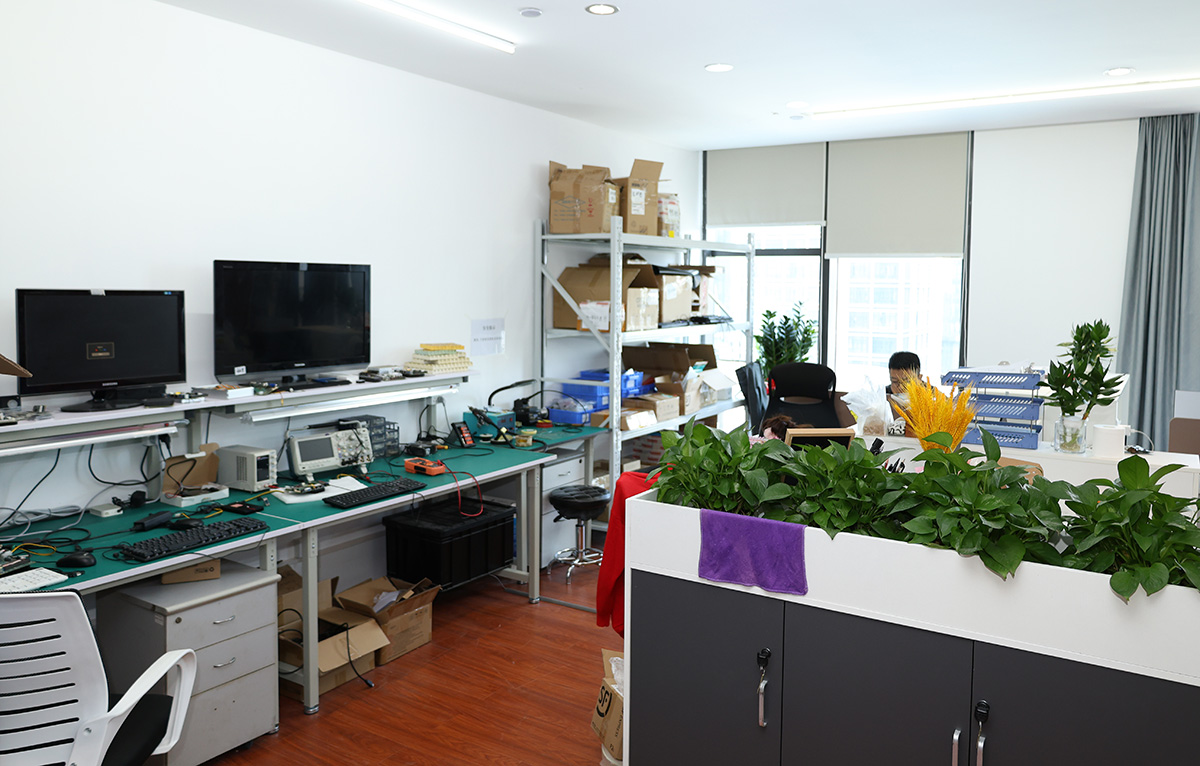
Shenzhen YDSTECH Electronics Co., Ltd. is a high-tech enterprise specializing in industrial computers. Since the establishment of YDSTECH in 1999, we have been committed to independent research and development, innovation, production and sales of industrial computers, and we own the independent intellectual property rights of our core products.
We consider honesty and pragmatism as our motto and make it our long-term goal to provide customers with cost-effective products. In order to achieve this goal, we work constantly to develop new products, improve our service capabilities and promote the innovation of embedded computer applications to create long-term value and potential growth for our customers.
Certified High-Tech Enterprise
Shenzhen Software Product Evaluation Certified
ISO9001 Quality System Certified
Member of Chinese Association of Automation
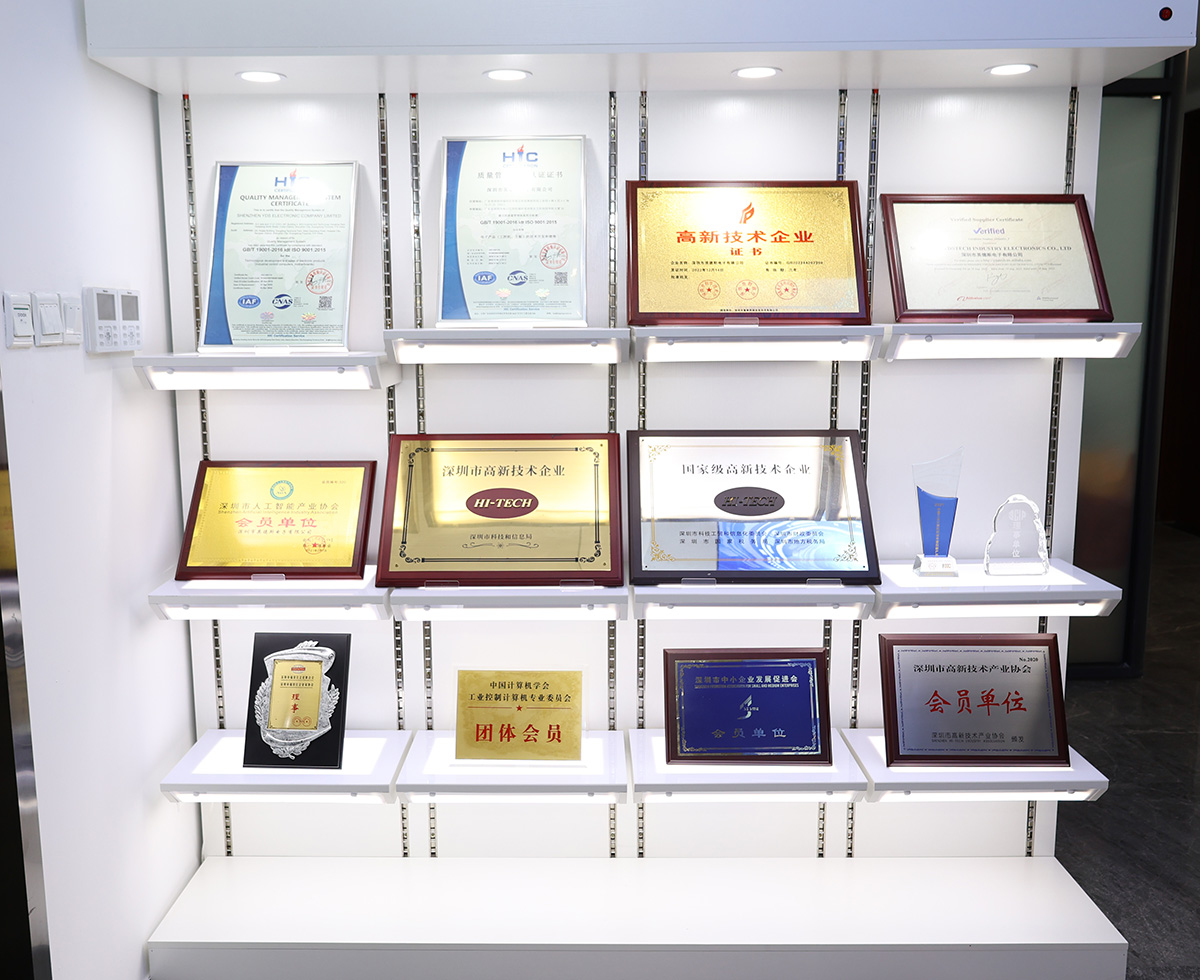
Our core technical team has over 15 years of experience in this industry, and has been focusing on embedded computer research and development, with rich and solid professional expertise. We believe that attitude means everything, since the establishment of YDSTECH, we have always been committed to work with a conscientious, responsible, attentive, professional, prudent and meticulous attitude, which ensures the high-quality output of the products, years of persistence and experience created our strong R&D team.
YDSTECH has set up a comprehensive quality assurance management system, adopting MSA quality system analysis, implementing rolling quality system audit, TQM, SPC process control and other quality management systems, establishing AVL supplier management system to ensure the quality of raw materials, and introducing rolling product reliability tests to ensure overall product reliability.
Member of China Instrumentation Society
Member of China Computer Federation
Director of Shenzhen Computer Association
Founding Member of China Embedded System Industry Alliance
Robust testing including vibration, thermal shock, and EMI/EMC compliance
Explore our full range of industrial motherboards and graphics cards engineered to maintain data integrity and system reliability in demanding pharmaceutical validation environments.