



Leave Your Message
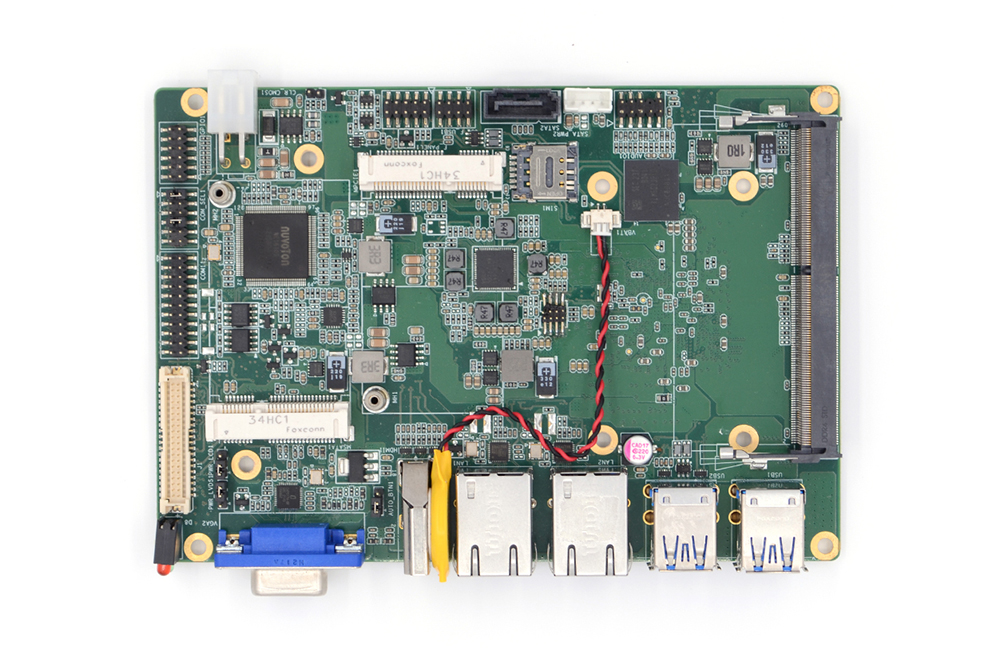
Wide temperature range of -40℃ to +85℃, equipped with Dual Gigabit Ethernet and Multi-Serial Ports for reliable outdoor roadside cabinets.
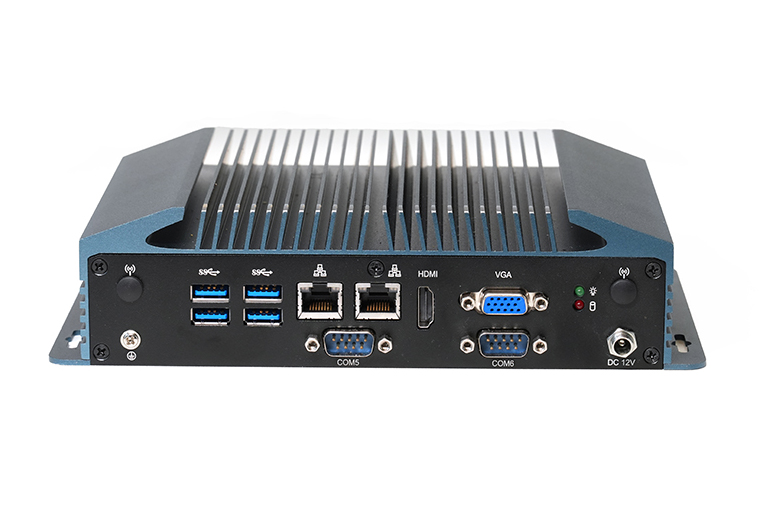
Supports Multi-Core CPUs, up to 32GB DDR4, featuring rich serial connectivity and Dual LAN I/O ports for real-time traffic data processing.
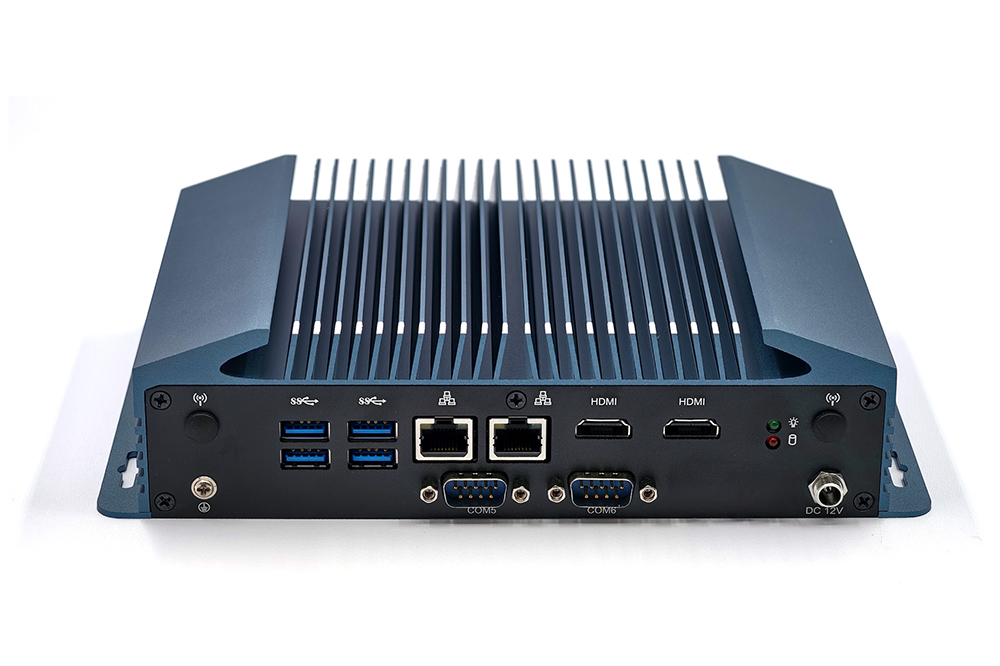
Wide temperature operation with Celeron CPU, DDR4 RAM, Dual LAN, and multiple RS485/232 serial ports for multi-sensor integration.
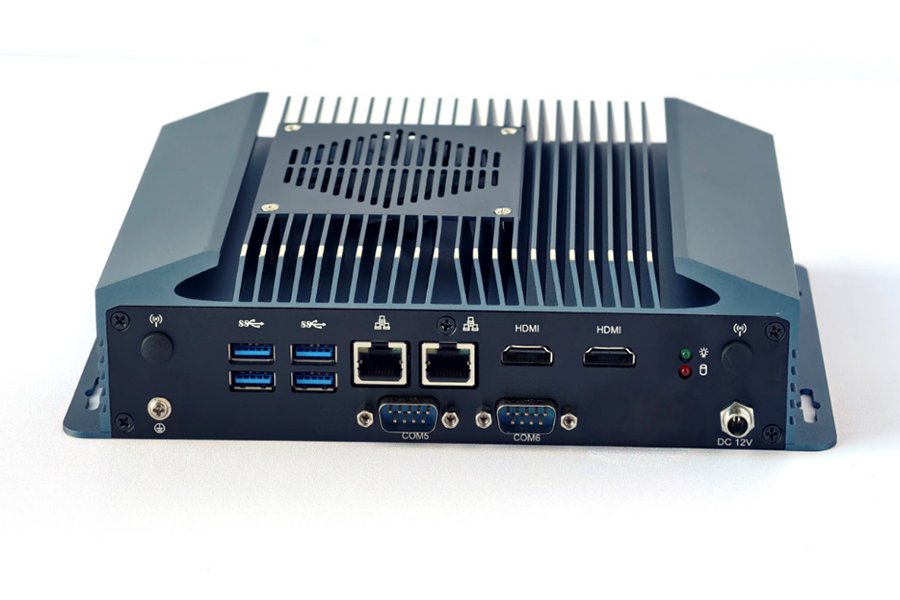
-40℃ to 70℃ wide temperature capability, Ultra CPU support, up to 64GB DDR4, with multi-serial and Gigabit Ethernet interfaces.
Modern cities are expanding at an unprecedented rate, and with this growth comes the critical challenge of managing urban mobility. Intelligent Transportation Systems (ITS) have emerged as the primary solution to mitigate traffic congestion, improve road safety, and lower carbon emissions. At the heart of these complex networks lies the **Embedded PC Industrial**. Unlike standard commercial computers, industrial embedded PCs are specifically engineered to handle the rigorous, continuous, and unpredictable demands of outdoor roadside installations, vehicle-mounted systems, and subway monitoring hubs.
As traffic monitoring shifts from simple video recording to real-time AI-powered analytics, the demand for robust edge computing hardware has skyrocketed. Embedded systems must now process high-definition video feeds, run complex License Plate Recognition (LPR) algorithms, communicate with cloud infrastructure, and interface with physical traffic signals—all simultaneously. This shift from centralized cloud processing to localized edge intelligence is driving the development of highly specialized, wide-temperature, fanless industrial computers.
The global market for Intelligent Transportation Systems is undergoing a massive transformation. Historically, traffic monitoring relied on manual reviews or basic inductive loop sensors buried under the asphalt. Today, the integration of the Internet of Things (IoT), artificial intelligence, and V2X (Vehicle-to-Everything) communications has created a dynamic ecosystem. Governments and municipal authorities globally are investing billions of dollars to upgrade their transit networks to support autonomous driving, connected vehicles, and adaptive traffic signals.
In this expanding market, the **Embedded PC Industrial** serves as the critical hardware layer. Industrial PC manufacturers are designing boards and mini PCs that offer long-term availability (often up to 10-15 years), ensuring that municipal investments are protected from rapid technological obsolescence. Furthermore, compliance with transportation standards (such as EN50155 for railways and e-Mark for in-vehicle systems) has become a crucial benchmark for hardware deployment. This commercial reality has pushed companies to innovate in thermal management, vibration resistance, and power supply stability.
By moving AI workloads from the cloud to the edge, traffic management systems can achieve sub-millisecond response times. This is vital for safety-critical applications such as collision avoidance, pedestrian detection at crosswalks, and emergency vehicle preemption. The localized processing also ensures that systems remain functional even if network connectivity to the central cloud server is temporarily lost.
Automated License Plate Recognition (ALPR) is a cornerstone of modern law enforcement, speed enforcement, and parking management. An embedded PC deployed at a toll gate or highway gantry must continuously capture high-resolution images from multiple cameras, extract plate numbers, cross-reference them with databases, and trigger gate barriers. These systems require high-performance multi-core processors, rich PoE (Power over Ethernet) LAN interfaces to power the cameras directly, and GPIO ports to interact with physical barriers and loop sensors. Our vision-focused embedded PCs are tailored precisely to handle these multi-channel video inputs with low latency.
Traditional traffic lights operate on fixed timers, often causing unnecessary delays when roads are clear. Intelligent Traffic Signal Control systems utilize embedded computers installed inside roadside cabinets. These computers collect real-time data from radar, cameras, and inductive loops to calculate real-time traffic density. Using adaptive algorithms, the embedded PC dynamically adjusts the duration of green lights, coordinates green waves across multiple intersections, and prioritizes public transit or emergency vehicles. The extreme temperature variation in roadside cabinets demands a motherboard that can withstand temperatures ranging from -40°C to +85°C without thermal throttling.
On buses, trains, and subways, embedded computers are used for vehicle tracking, driver behavior monitoring, passenger counting, and multimedia display control. These systems must operate under constant vibration and shock, requiring specialized M.2 or Mini-PCIe storage and wireless communication modules (5G, Wi-Fi, GPS). A multi-display output is essential for PIS, allowing the system to run digital signage, route maps, and advertising screens simultaneously while maintaining a stable connection to the vehicle's CAN bus system.
As autonomous driving technology matures, the infrastructure must adapt. Roadside Units (RSUs) act as communication gateways between autonomous vehicles and the road network. They broadcast real-time information about traffic light phases, road hazards, and construction zones to oncoming vehicles. This application demands embedded PCs with ultra-low latency, advanced cryptographic chips for secure data transmission, and high compatibility with 5G and C-V2X protocols. Our next-generation industrial motherboards with support for modern Intel processors provide the processing headroom needed for these safety-critical systems.
Looking forward, several key trends will shape the design and deployment of industrial computers in smart transportation:
Shenzhen YDSTECH Electronics Co., Ltd. is a high-tech enterprise specializing in industrial computers. Since the establishment of YDSTECH in 1999, we have been committed to independent research and development, innovation, production and sales of industrial computers, and we own the independent intellectual property rights of our core products.
We consider honesty and pragmatism as our motto and make it our long-term goal to provide customers with cost-effective products. In order to achieve this goal, we work constantly to develop new products, improve our service capabilities and promote the innovation of embedded computer applications to create long-term value and potential growth for our customers.
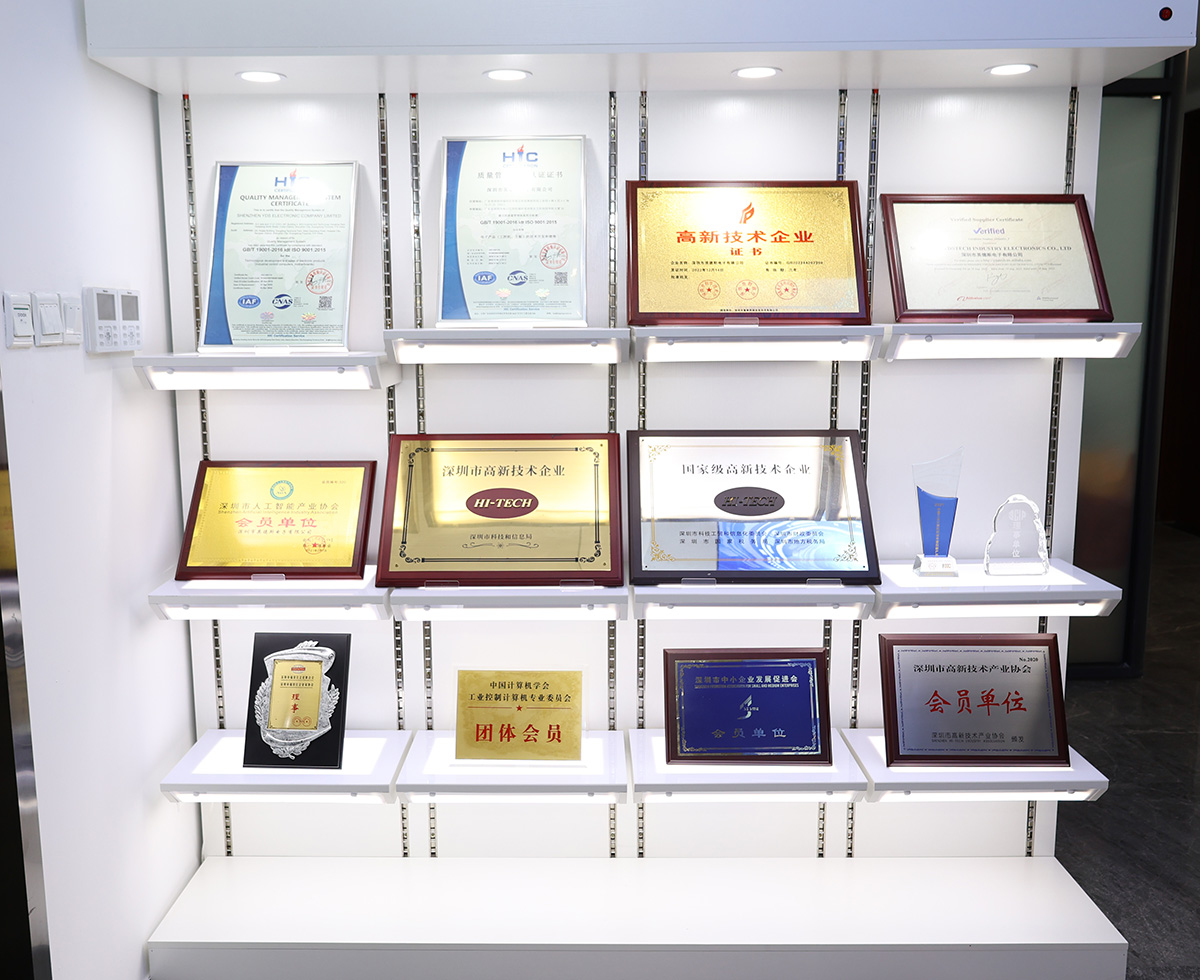
Over decades of dedication, YDSTECH has earned prestigious certifications and active memberships in leading national automation and computing organizations.
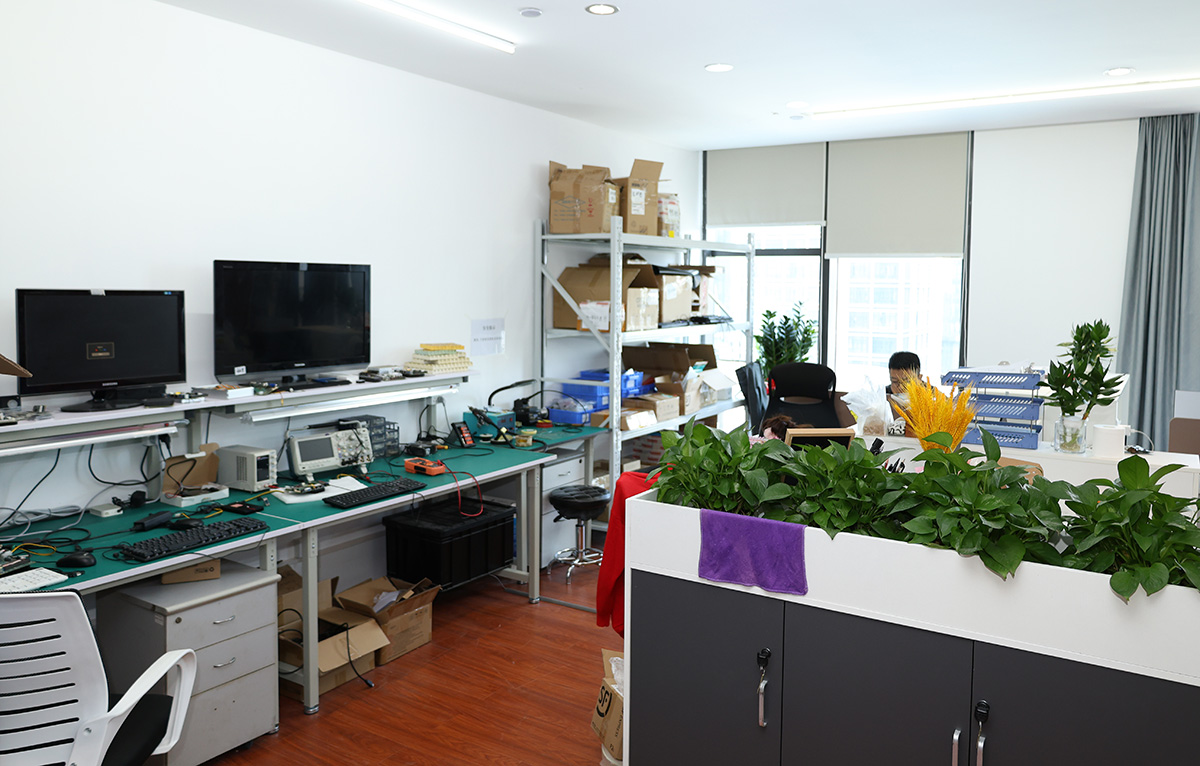
Our core technical team has over 15 years of experience in this industry, and has been focusing on embedded computer research and development, with rich and solid professional expertise. We believe that attitude means everything, since the establishment of YDSTECH, we have always been committed to work with a conscientious, responsible, attentive, professional, prudent and meticulous attitude, which ensures the high-quality output of the products, years of persistence and experience created our strong R&D team.
YDSTECH has set up a comprehensive quality assurance management system, adopting MSA quality system analysis, implementing rolling quality system audit, TQM, SPC process control and other quality management systems, establishing AVL supplier management system to ensure the quality of raw materials, and introducing rolling product reliability tests to ensure overall product reliability.
-40℃~+85℃ Wide-Temp with Dual Gigabit Ethernet & Multi-Serial Ports.
Wide Temp Support, Multi-Core CPU Up to 32GB DDR4, Rich Serial & Dual LAN.
Celeron CPU, DDR4 RAM, Dual LAN, Multi RS485/232 Serial Ports.
-40~70℃ Wide Temp, Ultra CPU, 64GB DDR4, Multi Serial & Gigabit Ethernet.
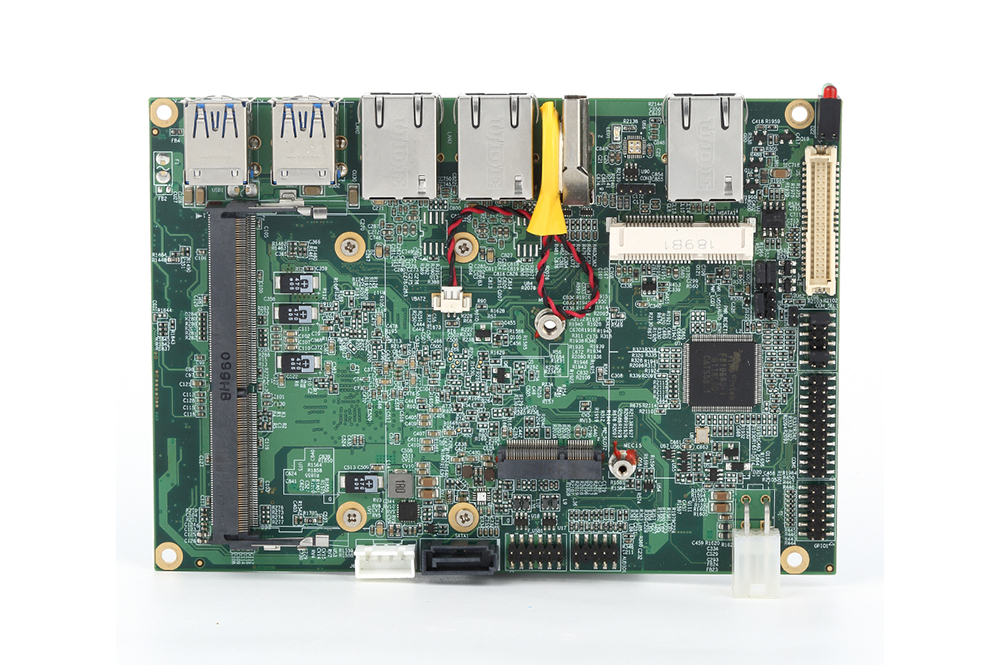
Wide Temp -40℃~+75℃ & Multi-Display Output for passenger terminals.
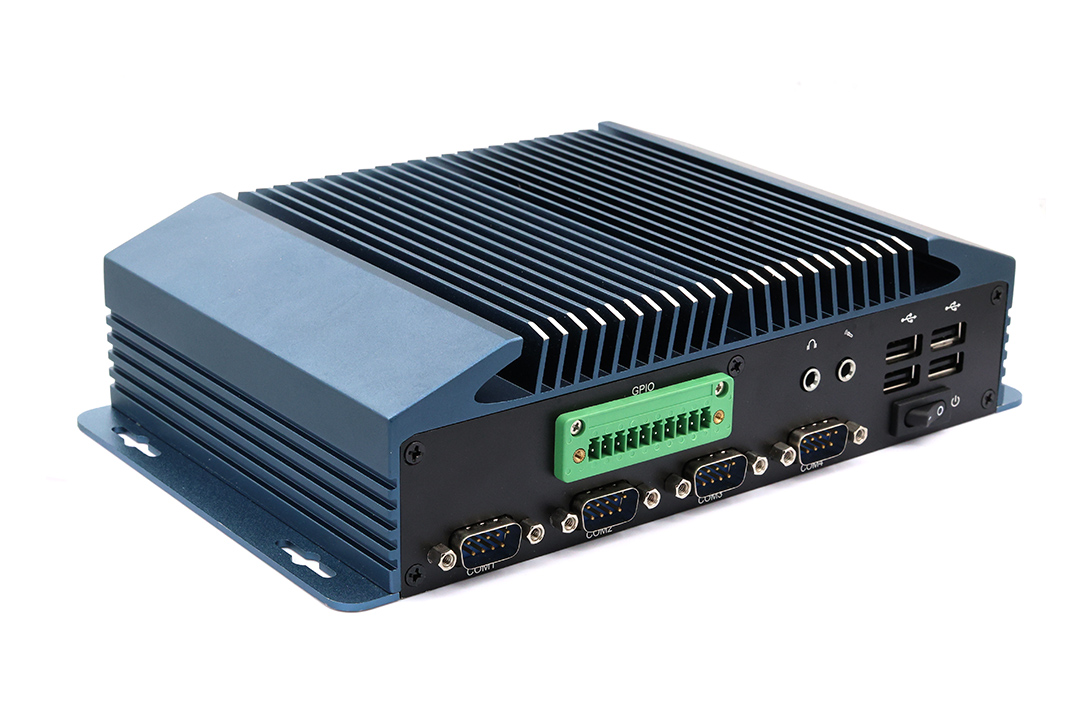
Low Power Atom CPU, 8GB DDR3L, Rich Serial GPIO, Dual Gigabit Ethernet.
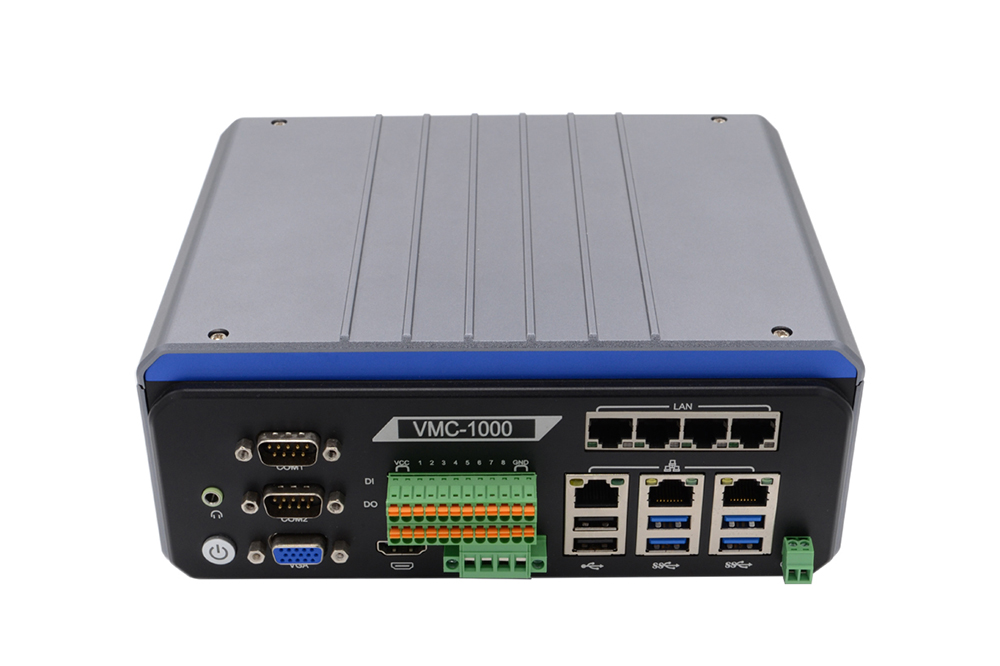
Wide Temp -20~65°C, Intel CPU, Up to 32GB DDR4, Rich POE LAN & GPIO.
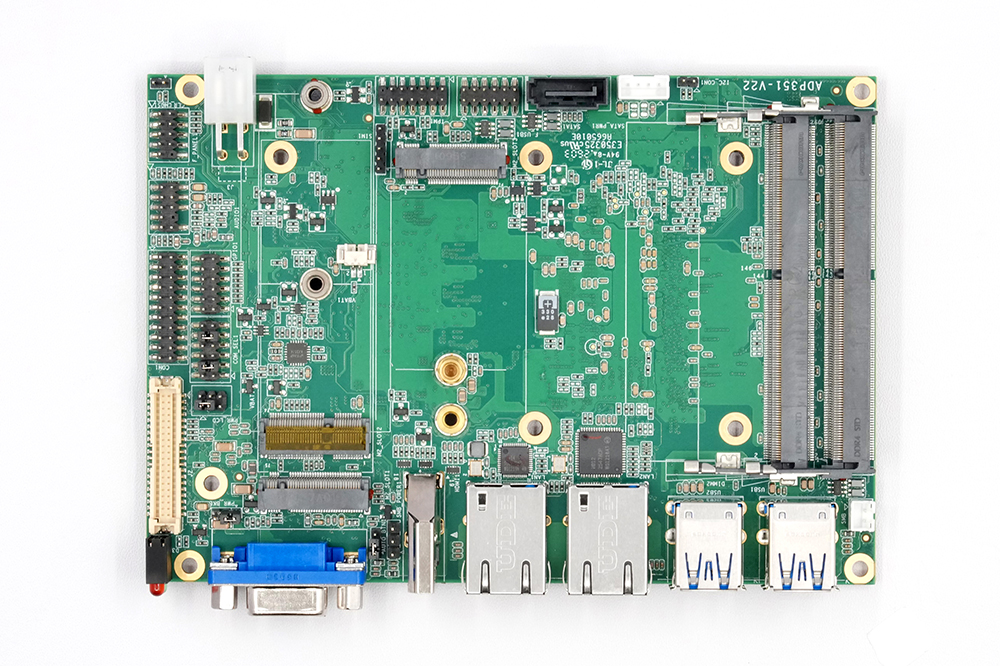
High-performance design supporting 12th & 13th Gen Intel Core Processors.