Leave Your Message
Explore our leading industrial embedded platforms optimized specifically for real-time edge processing, protocol conversion, and data telemetry within power distribution and energy management networks.
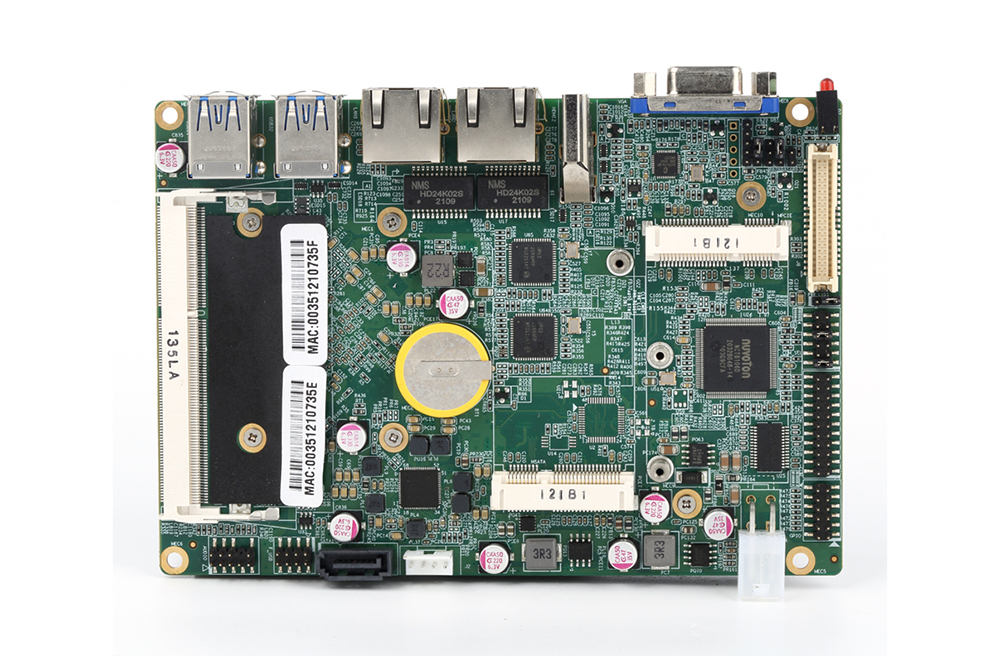
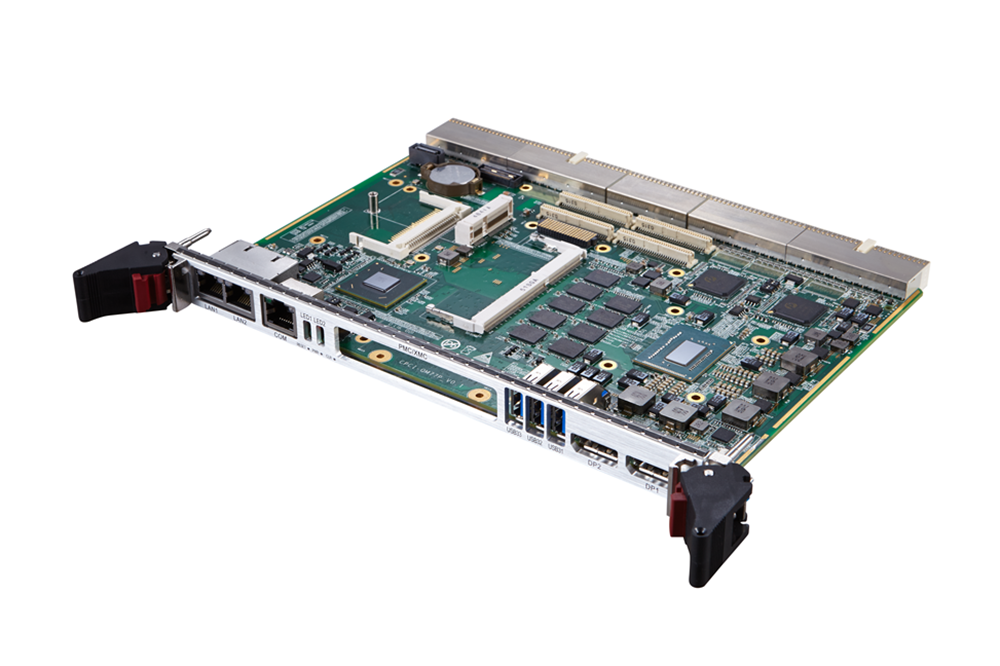
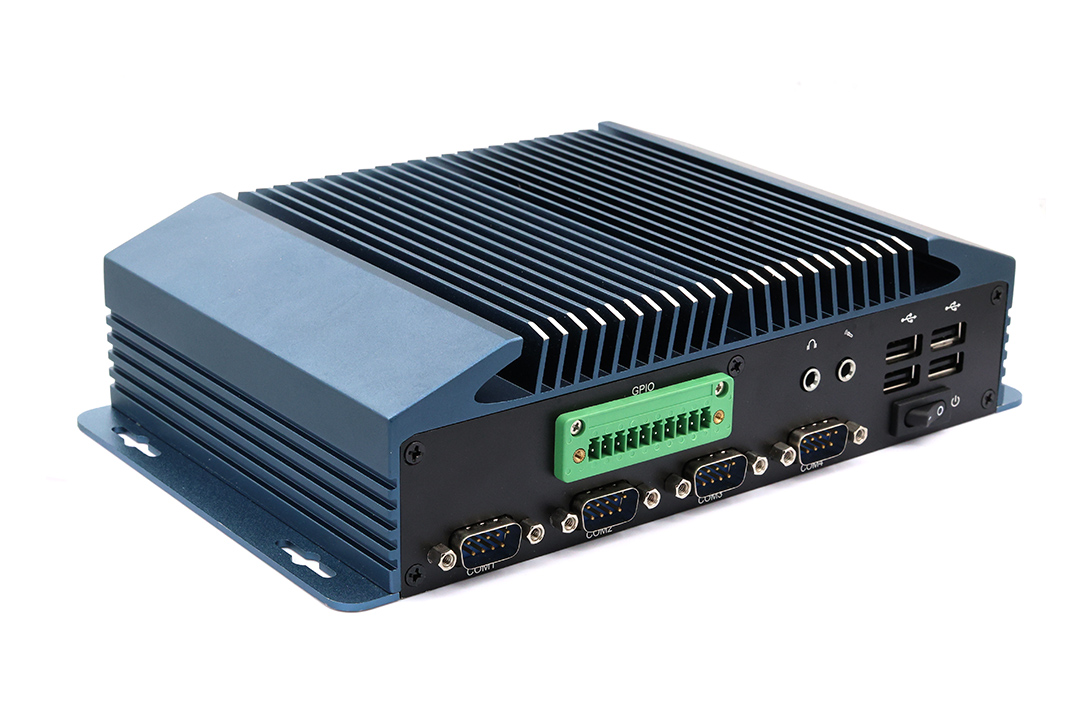
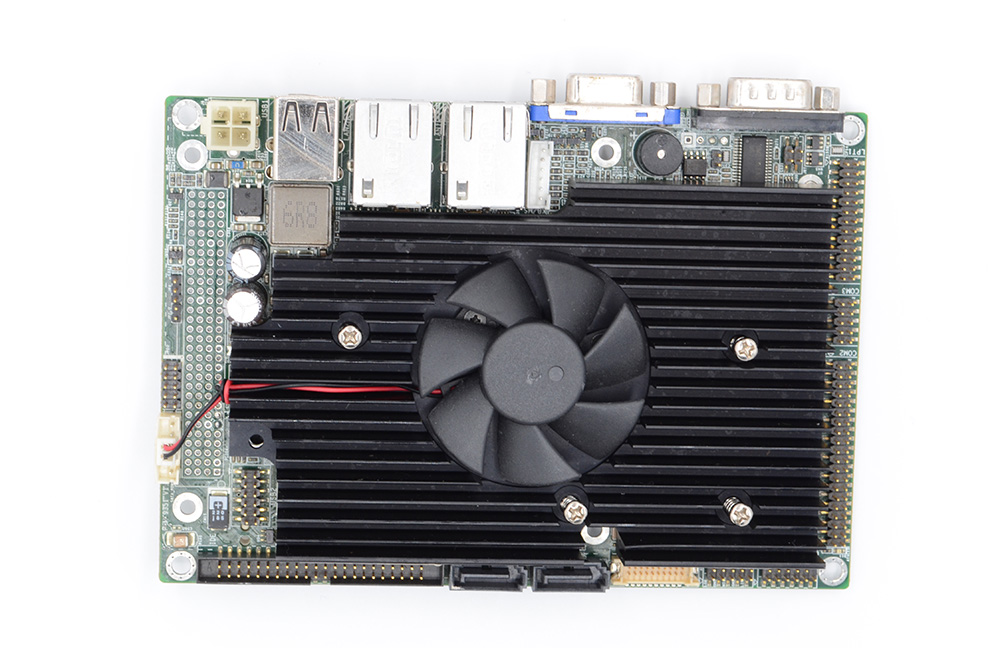
The global energy landscape is undergoing a paradigm shift. With the rapid integration of distributed renewable energy sources such as solar photovoltaics, wind farms, and battery energy storage systems (BESS), modern power grids are evolving from unidirectional distribution systems into highly complex, bidirectional networks. This transformation has elevated the importance of real-time monitoring and intelligent management at power substations.
Embedded PC Industrial units have transitionally moved from simple data logging devices to the central nervous system of modern substations. Historically, substations relied on isolated, proprietary hardware systems that were difficult to update and maintain. Today, the industrial status demands open-architecture, x86-based embedded systems that comply with global standards like IEC 61850-3 and IEEE 1613. These standards dictate strict electromagnetic compatibility (EMC), electrostatic discharge (ESD) immunity, and operational reliability under extreme temperatures ranging from -40°C to 85°C.
From a commercial perspective, utilities and grid operators are investing heavily in retrofitting older substations with smart electronic devices (IEDs) driven by industrial-grade embedded computers. This investment is fueled by the need to prevent catastrophic grid failures, optimize transmission efficiency, and reduce operational expenditures through predictive maintenance. The market demand for high-reliability embedded platforms is at an all-time high, prompting manufacturers to engineer systems with fanless thermal designs, ECC memory, and robust solid-state storage.
As technology progresses, several major trends are shaping the design and implementation of Embedded PCs in energy management systems.
Processing massive telemetry data locally at the substation reduces latency and WAN bandwidth consumption. Embedded PCs with integrated GPUs or AI accelerators are now deployed to perform real-time anomaly detection, thermal image analysis, and immediate fault isolation at the grid edge.
Rather than deploying separate physical boxes for RTUs, firewalls, and gateway protocols, modern substations utilize powerful multi-core x86 embedded computers to run multiple virtual machines (VMs) or containers. This consolidation minimizes hardware footprint and simplifies maintenance.
Uninterruptible operations are non-negotiable. The industry trend heavily favors fanless architectures to eliminate mechanical failure points. Furthermore, the inclusion of Error-Correcting Code (ECC) memory prevents system crashes caused by single-bit errors, which are common in high-radiation or high-EMC environments.
At the core of modern substation automation is the IEC 61850 standard, which defines communication protocols for electrical devices. Embedded PCs act as communication gateways and bay-level controllers. They ingest data from Merging Units (MUs) and Intelligent Electronic Devices (IEDs) across the process bus, convert protocols (such as Modbus or DNP3 to IEC 61850 MMS/GOOSE), and securely relay critical command parameters back to the centralized SCADA system. This requires low-latency ethernet ports and high-performance processing to handle real-time packet filtering.
Renewable energy generation is inherently intermittent. Embedded industrial computers are deployed inside solar combiner boxes, wind turbine nacelles, and Battery Energy Storage Systems (BESS). They monitor state-of-charge (SoC), cell temperatures, and inverter efficiency in real-time. By executing edge control algorithms, these embedded systems can rapidly adjust power output or charge cycles to stabilize the grid during sudden load drops or generation surges.
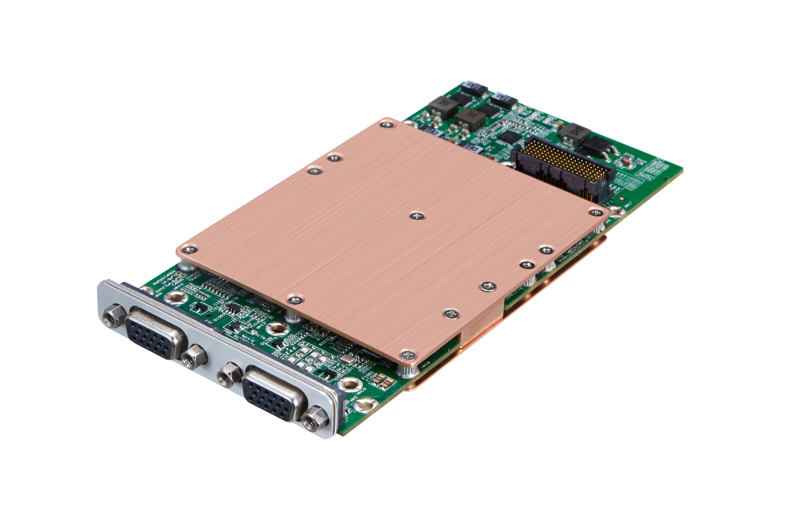
Transformers and high-voltage switchgear are prone to thermal runaways and physical wear. Advanced monitoring setups deploy high-temperature embedded GPU cards connected to thermal cameras and acoustic sensors. The embedded PC analyzes video feeds and audio frequencies locally to detect hot spots or abnormal corona discharges. Security alerts are triggered instantly, allowing operators to schedule maintenance before a catastrophic blackout occurs.
Shenzhen YDSTECH Electronics Co., Ltd. is a premier high-tech enterprise specializing in the research, development, and manufacture of industrial computers. Since our establishment in 1999, YDSTECH has been committed to independent innovation, production, and sales of embedded computing systems. We hold independent intellectual property rights for our core product lines, ensuring that our clients receive cutting-edge, proprietary technology tailored to demanding industrial requirements.
We consider honesty and pragmatism as our motto and make it our long-term goal to provide customers with highly cost-effective products. In order to achieve this goal, we work constantly to develop new products, improve our service capabilities, and promote the innovation of embedded computer applications to create long-term value and potential growth for our global customer base.
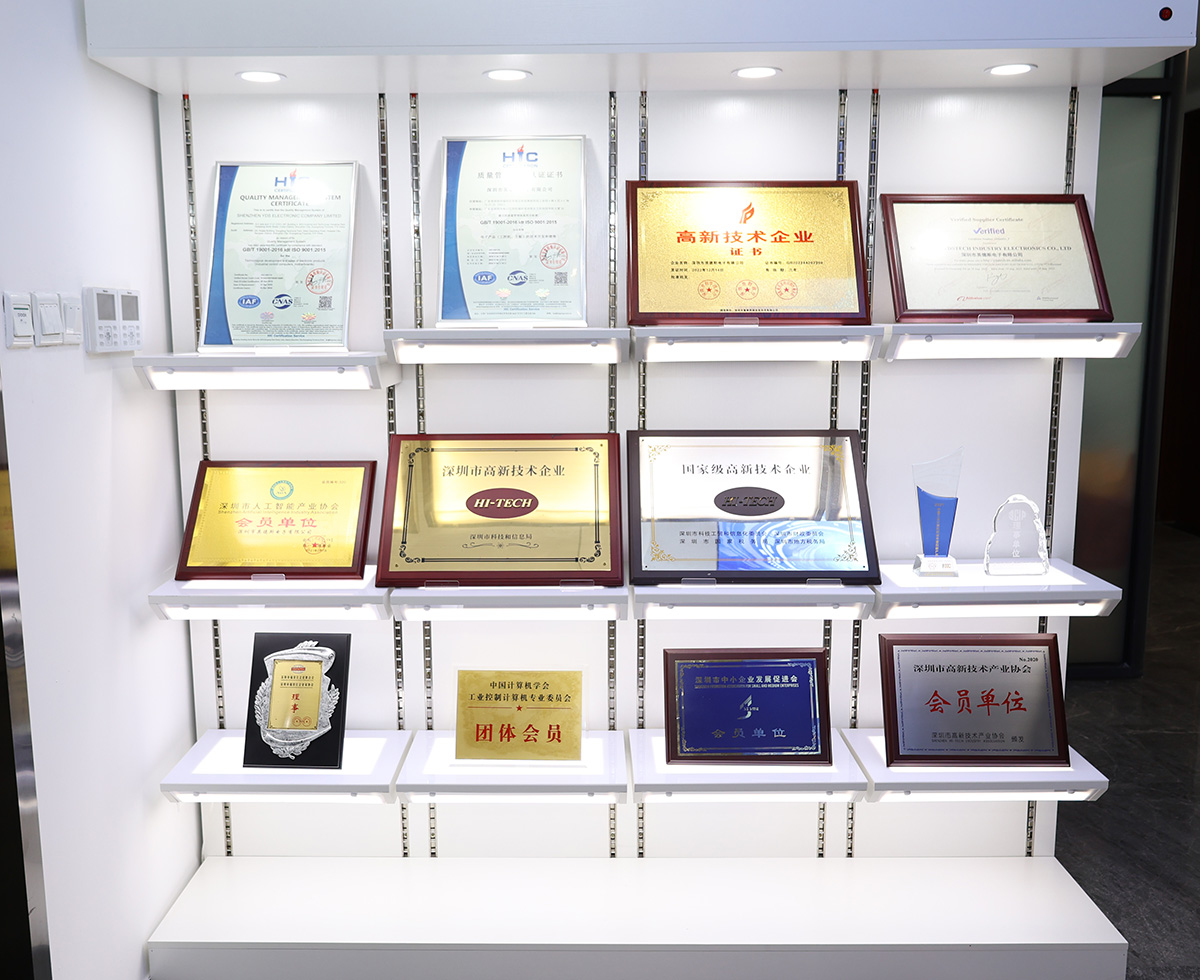
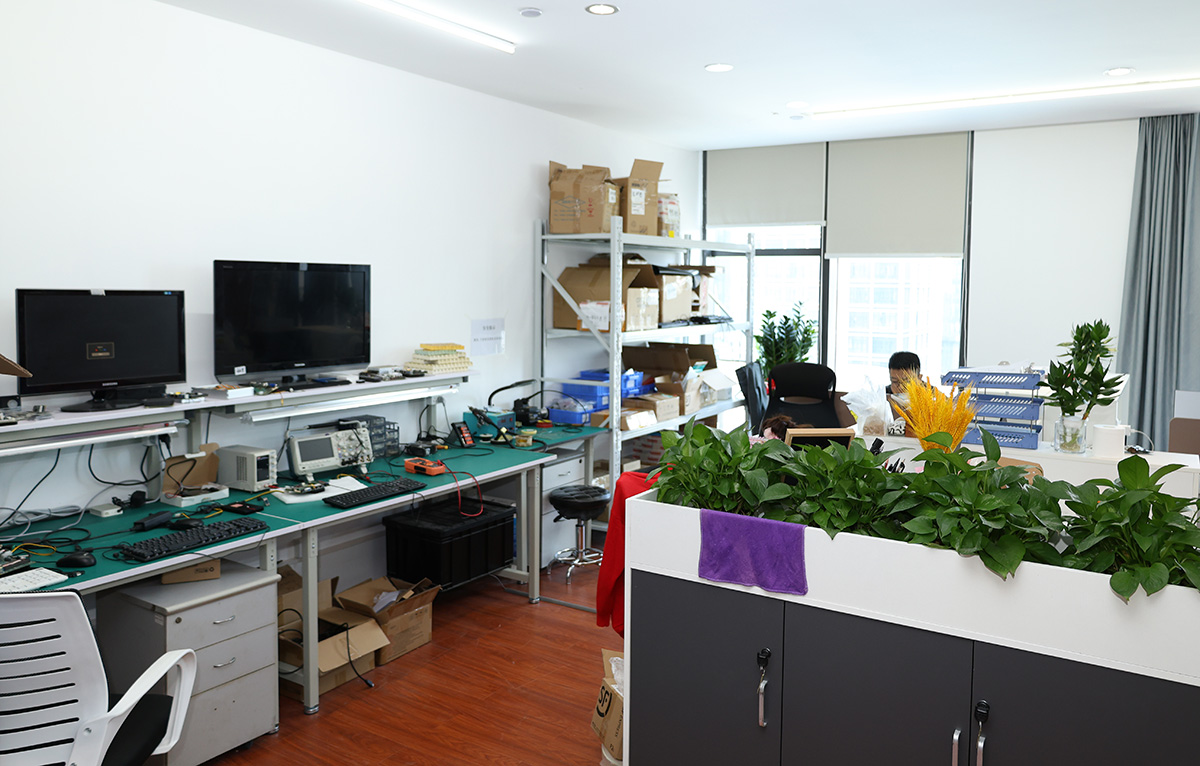
Our core technical team possesses over 15 years of industry experience, focusing exclusively on embedded computer research and development. This depth of experience equips us with rich and solid professional expertise. We believe that attitude means everything. Since the establishment of YDSTECH, we have maintained a conscientious, responsible, attentive, professional, prudent, and meticulous attitude. This commitment ensures the high-quality output of our products, and years of persistence have created our strong, capable R&D team.
To guarantee reliability in harsh environments like power substations, YDSTECH has established a comprehensive quality assurance management system. We adopt MSA quality system analysis, implement rolling quality system audits, and enforce TQM (Total Quality Management) and SPC (Statistical Process Control) systems. Additionally, we have established an AVL supplier management system to ensure the quality of raw materials and introduce continuous product reliability tests to guarantee overall product durability and performance.
Browse our complete catalog of industrial motherboards, fanless computers, and add-on cards designed for substation automation, remote monitoring, and real-time smart grid operations.