Leave Your Message
High-reliability x86 industrial computer systems engineered for self-checkout, digital signage, and automated point-of-sale environments.
The global retail landscape has undergone a monumental shift toward automated, frictionless experiences. Consumer expectations demand swift service, zero queuing delays, and intuitive interactions. At the heart of this operational transformation lies the industrial-grade embedded panel PC for smart retail and interactive self-service kiosks. Unlike commercial tablet alternatives or standard desktop computers, embedded panel PCs are specifically engineered to withstand uninterrupted 24/7/365 usage in harsh, high-traffic commercial settings.
Smart retail deployments require more than mere digital display panels. Contemporary kiosks function as distributed edge computing nodes capable of managing multi-threaded transactional protocols, processing biometrics, executing high-speed localized analytics, and synchronizing inventory logs with cloud-based enterprise resource planning (ERP) frameworks in real time. Deploying robust x86 architecture within self-service terminals ensures system responsiveness, deterministic processing, and hardware longevity that commercial off-the-shelf consumer devices cannot achieve.
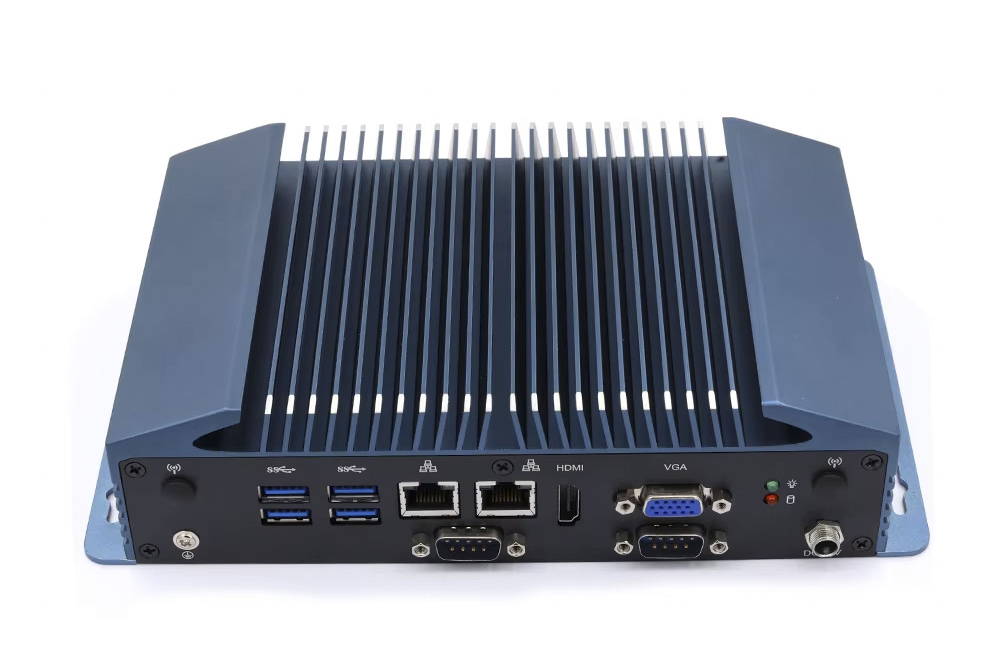
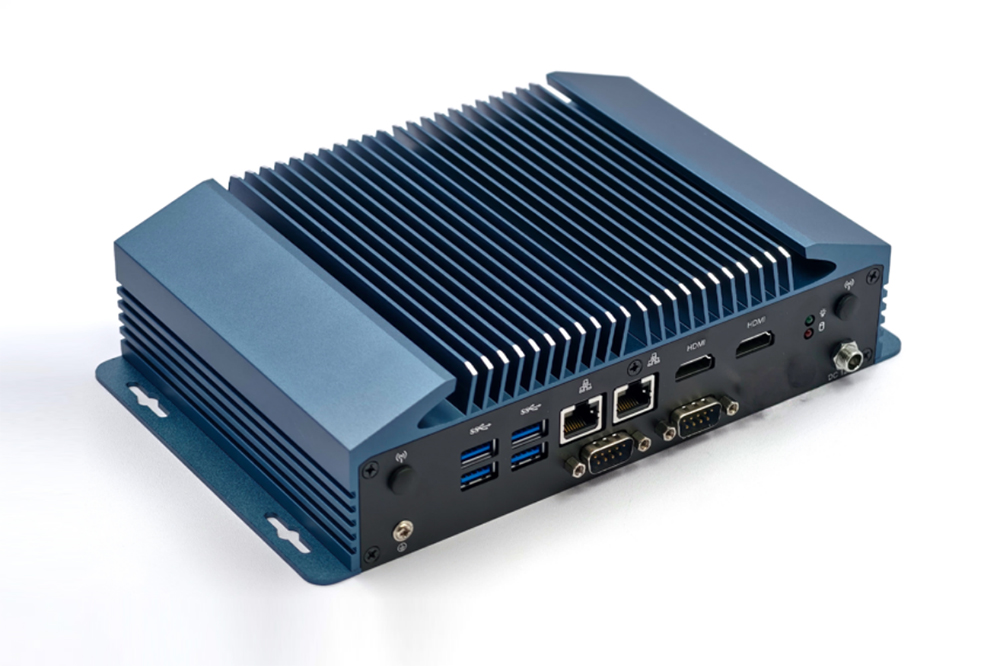
Passive cooling enclosures eliminate internal dust intake, preventing thermal throttling and drastically reducing mechanical maintenance costs across continuous 24/7 store environments.
Equipped with native RS-232/422/485 serial ports, high-power USB lines, dual Gigabit LAN, and digital I/O to interface smoothly with receipt printers, cash validators, and 3D scanners.
Designed with high-bandwidth architecture and GPU support to manage real-time facial recognition payment, footfall telemetry, dynamic pricing algorithms, and edge-level inventory tracking.
The versatility of industrial embedded computers allows system integrators and retailers to design tailored interactive systems across an expanding variety of consumer touchpoints. Below are key commercial deployment scenarios where embedded panel PCs and industrial computing motherboards demonstrate vital technical advantages.
In high-throughput grocery and convenience stores, self-checkout kiosks operate constantly under intense usage. These machines integrate scale sensors, multi-plane barcode imagers, encrypted payment processing pads, and secondary advertising displays. An embedded computing platform powered by reliable multi-core x86 processors manages these peripheral data streams without latency. Low-power, fanless operation protects components from airborne lint, debris, and grease typical in convenience retail and supermarket environments, ensuring mean time between failures (MTBF) surpasses enterprise milestones.
Self-ordering kiosks in the food service sector must satisfy demanding hygiene and environmental criteria. Enclosures require IP65-rated front bezels to withstand chemical cleaning solutions, accidental beverage spills, and variable ambient temperatures near commercial kitchens. Outdoor drive-thru kiosks face extreme thermal variances, from scorching summer afternoons to freezing winters. Industrial wide-temperature motherboards (operating reliably from -40°C to +85°C) guarantee that kiosk screens never dim, freeze, or suffer from hardware failure during critical peak order hours.
Automated locker systems and AI-enabled smart vending units are deployed in public transportation hubs, office buildings, and outdoor street corners. These headless or touch-driven terminals require continuous connectivity over 4G/5G cellular modules, hardware watchdog timers to automatically recover from system anomalies, and rich serial/GPIO buses to govern relay solenoids, drop sensors, and locking mechanisms without requiring on-site IT technicians.
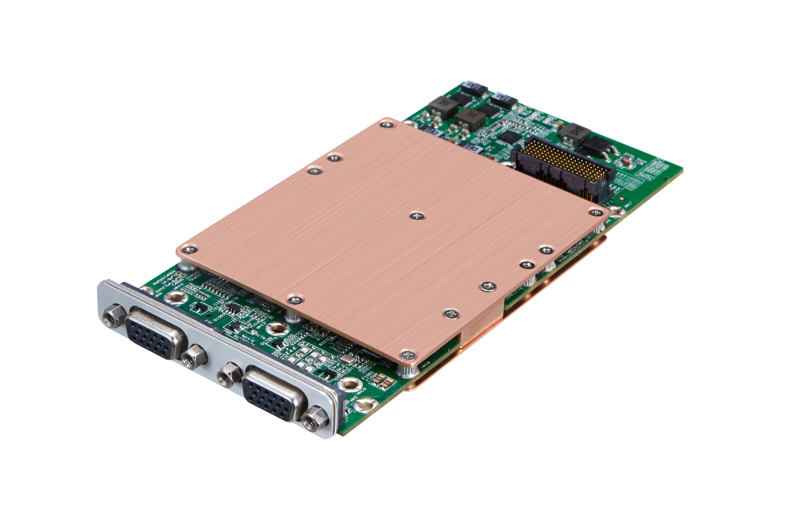
Luxury shopping complexes, airport terminals, and healthcare facilities increasingly rely on large-format interactive wayfinding kiosks. These setups combine multi-touch interactive maps with integrated high-resolution video streams and local AI voice bots. Adding dedicated embedded GPU display cards provides the graphical horsepower needed for fluid 4K renderings, concurrent dual-screen management, and responsive vector map operations, creating a premium guest interaction.
Navigating the technological advancements steering self-service hardware architectures toward unprecedented efficiency.
Modern self-checkouts are evolving from passive input screens into cognitive platforms. Embedded panel PCs equipped with integrated neural processing units (NPUs) or dedicated low-power GPUs process real-time overhead camera feeds. These vision algorithms cross-examine scanned items against physical merchandise appearances on the bagging platform, actively identifying non-scans, ticket-switching, or misidentified fresh produce without interrupting honest shoppers.
Retail networks often encompass thousands of geographically dispersed terminals. Downtime directly correlates to immediate revenue loss. Next-generation embedded platforms adopt out-of-band remote manageability, enabling IT administrators to monitor internal system temperatures, push over-the-air firmware updates, diagnose peripheral health, and power-cycle hung OS instances remotely, significantly reducing costly field technician dispatches.
Shenzhen YDSTECH Electronics Co., Ltd. is a high-tech enterprise specializing in industrial computers. Since the establishment of YDSTECH in 1999, we have been committed to independent research and development, innovation, production and sales of industrial computers, and we own the independent intellectual property rights of our core products.
We consider honesty and pragmatism as our motto and make it our long-term goal to provide customers with cost-effective products. In order to achieve this goal, we work constantly to develop new products, improve our service capabilities and promote the innovation of embedded computer applications to create long-term value and potential growth for our customers.
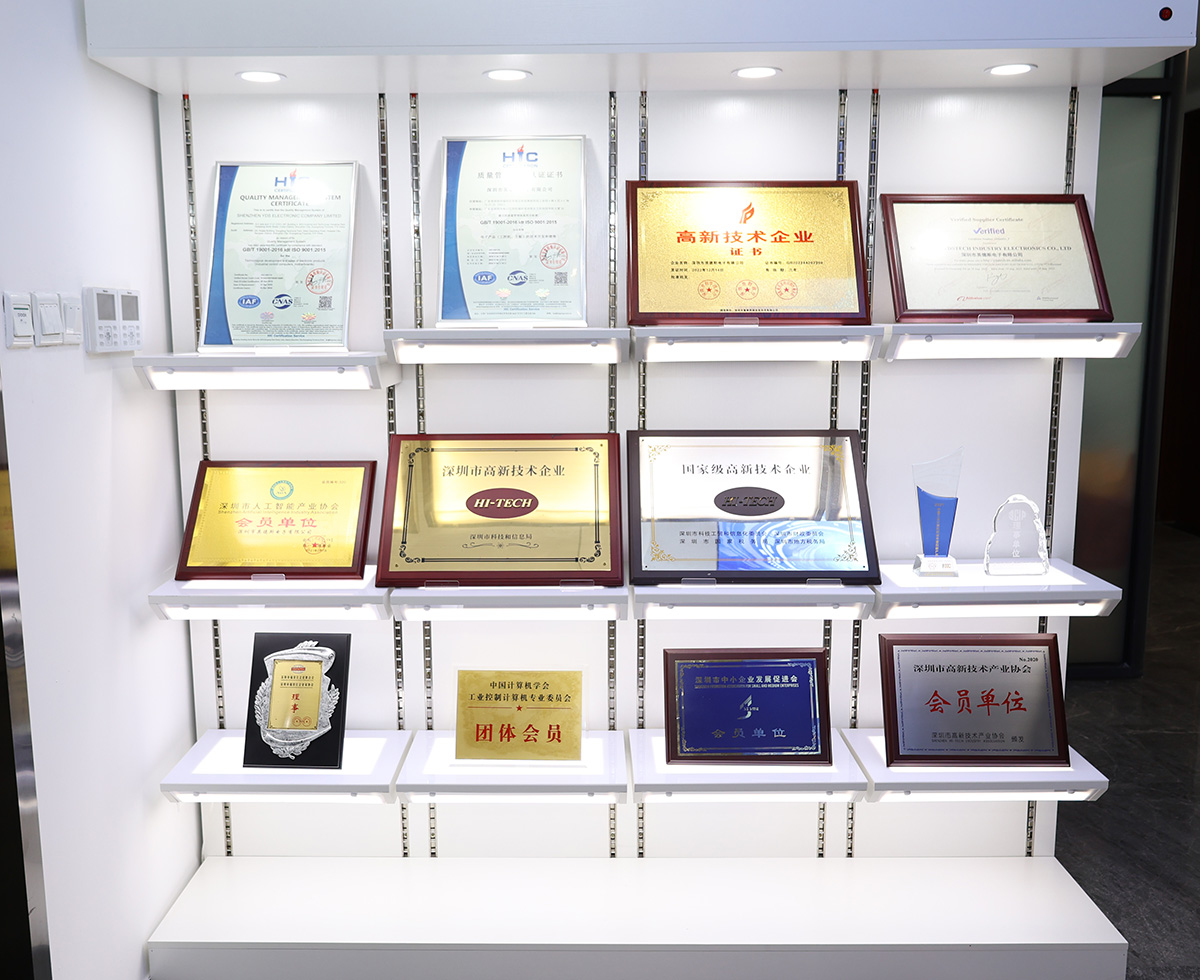
Our core technical team has over 15 years of experience in this industry, and has been focusing on embedded computer research and development, with rich and solid professional expertise. We believe that attitude means everything, since the establishment of YDSTECH, we have always been committed to work with a conscientious, responsible, attentive, professional, prudent and meticulous attitude, which ensures the high-quality output of the products, years of persistence and experience created our strong R&D team.
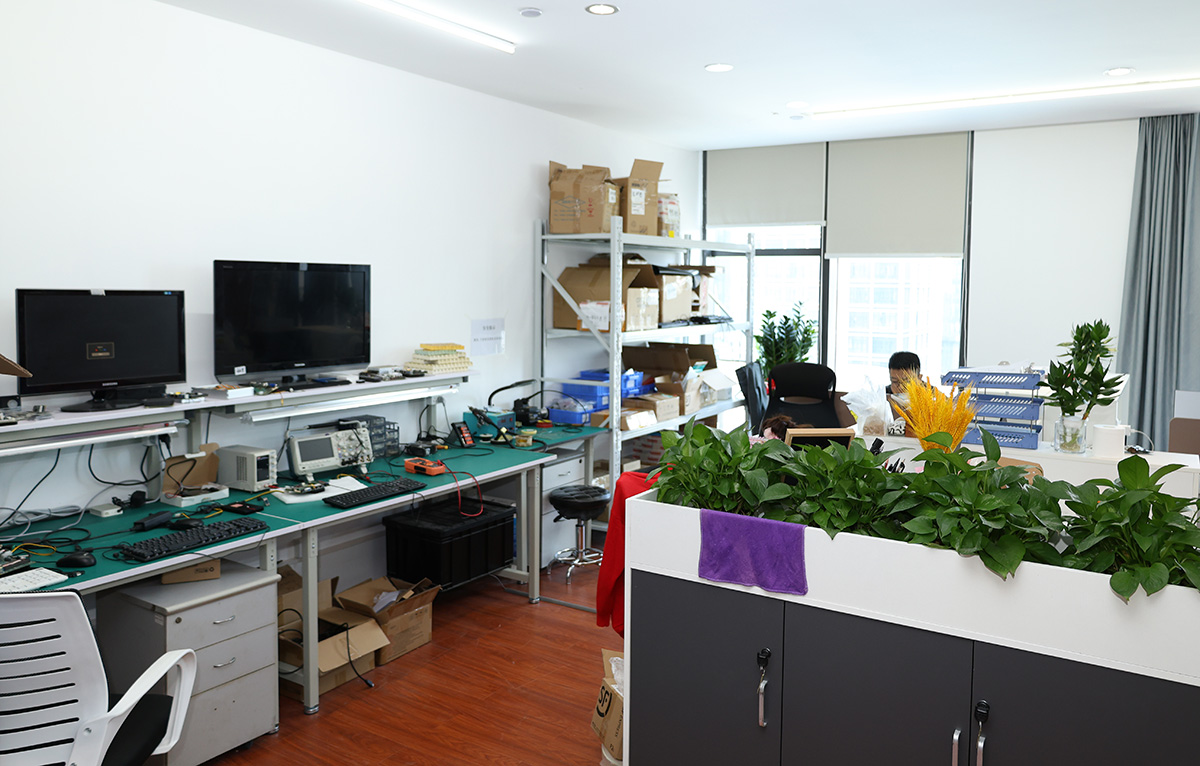
YDSTECH has set up a comprehensive quality assurance management system, adopting MSA quality system analysis, implementing rolling quality system audit, TQM, SPC process control and other quality management systems, establishing AVL supplier management system to ensure the quality of raw materials, and introducing rolling product reliability tests to ensure overall product reliability.
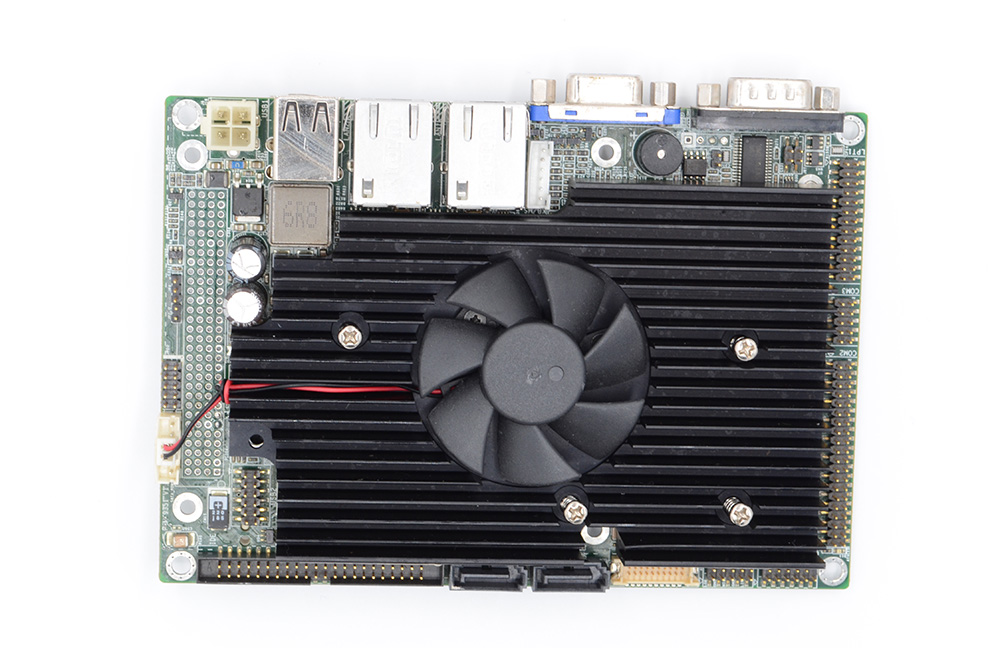
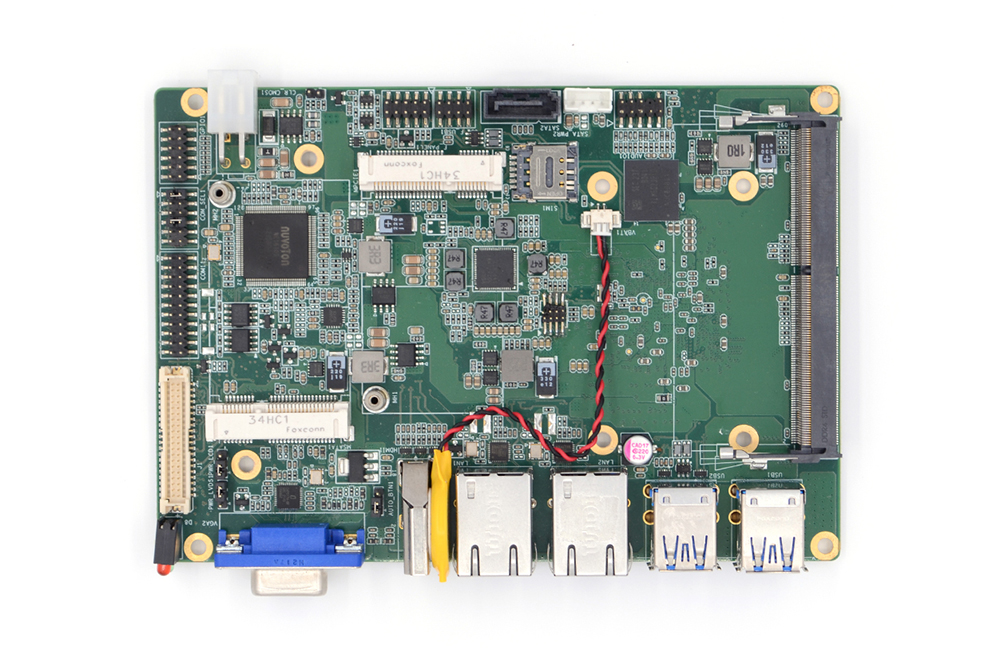
Discover our comprehensive lineup of embedded motherboards, fanless box computers, and graphics solutions engineered for continuous mission-critical deployments.