Leave Your Message
Ruggedized x86 hardware platforms optimized for pharmaceutical autoclave testing, cleanroom telemetry, and cryogenic thermal data acquisition.
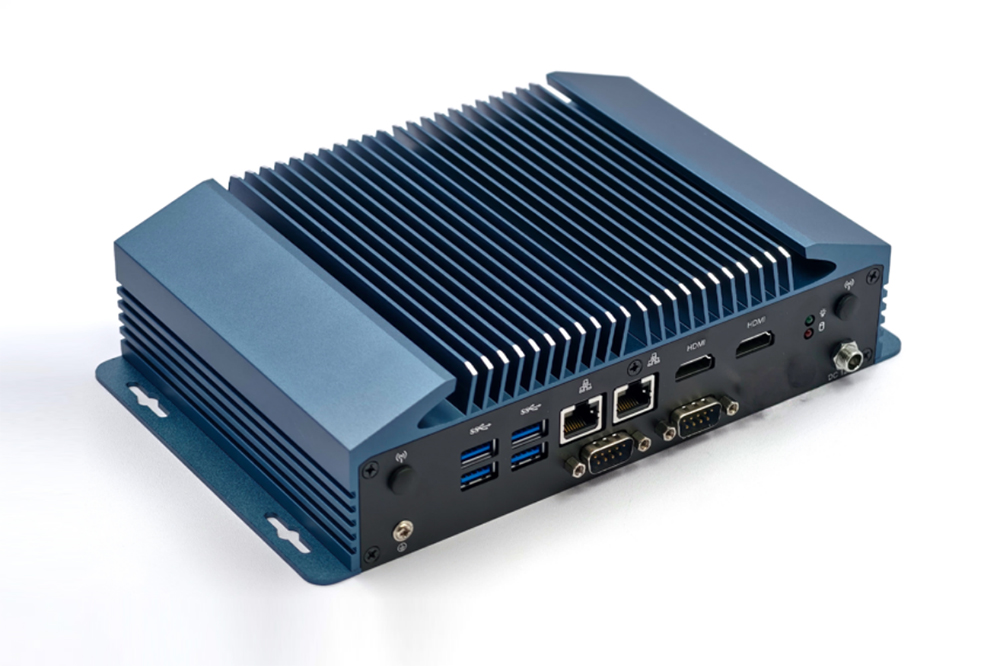
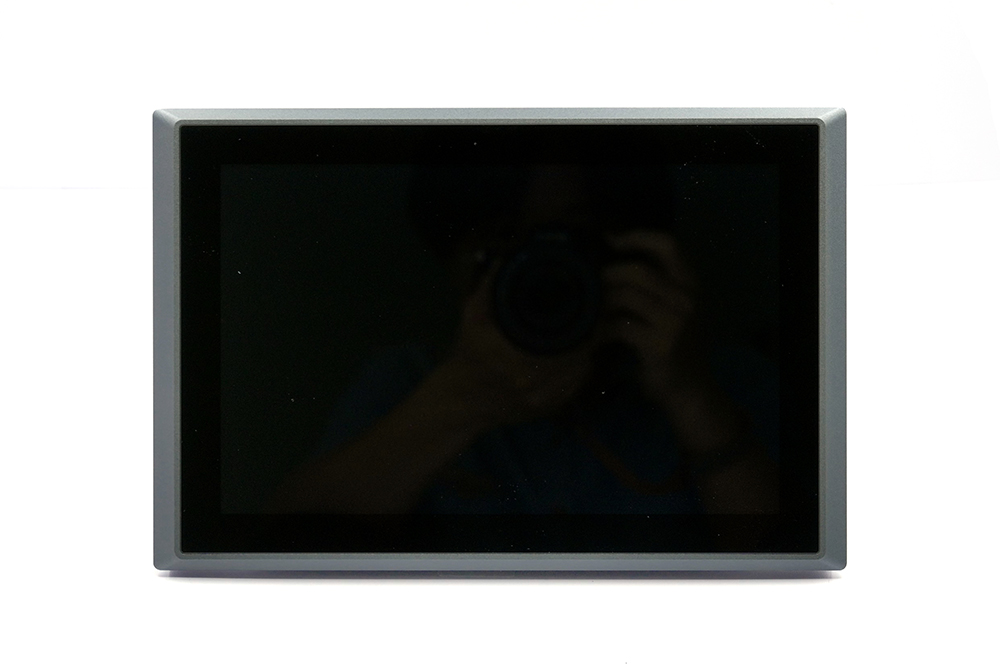
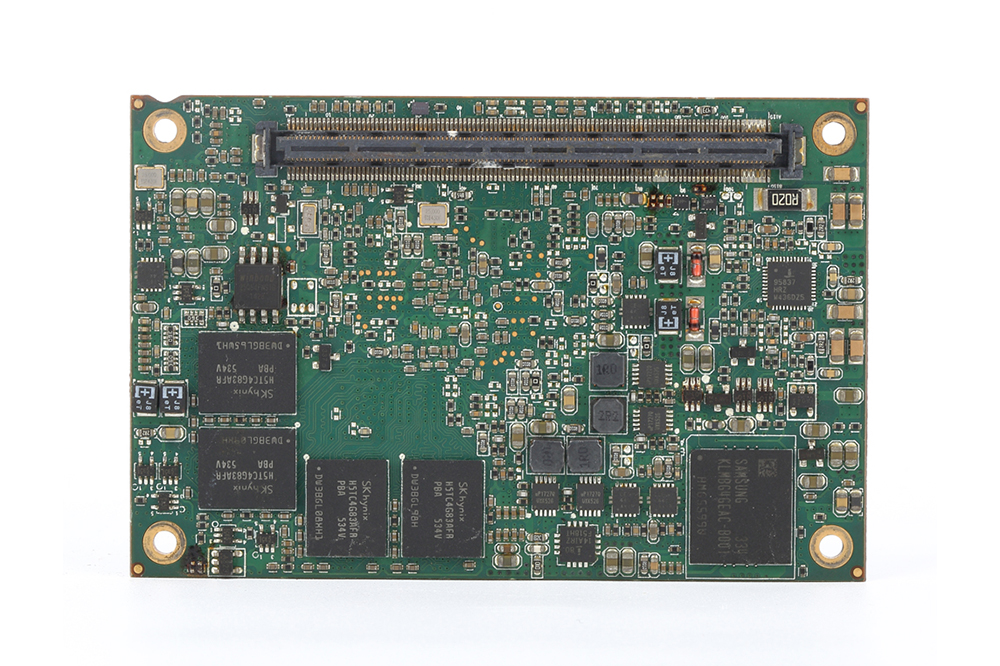
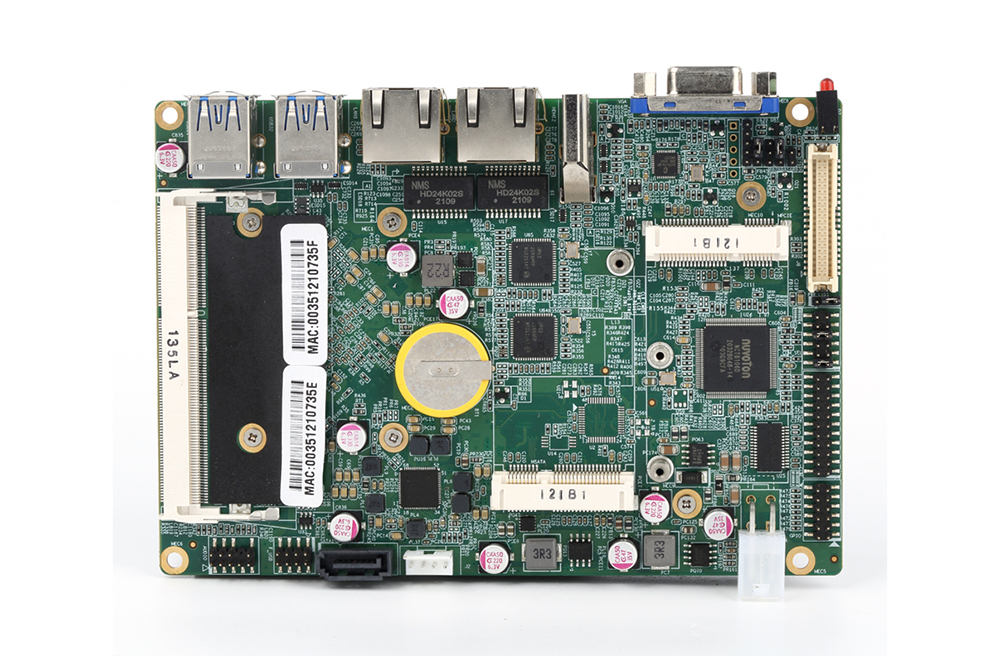
Navigating stringent biopharmaceutical standards with continuous thermal verification and immutable audit trails.
Within modern biopharmaceutical manufacturing, continuous temperature regulation and rigorous validation protocols are not merely operational preferences; they are life-saving regulatory mandates. From upstream cell culture kinetics to downstream sterile filling and active cold-chain logistics, thermal fluctuations can irreversibly compromise molecular stability, potency, and protein folding structures.
Global regulatory bodies, notably the US FDA (21 CFR Part 11), the European Medicines Agency (EU GMP Annex 11), and the WHO Good Distribution Practices (GDP), mandate complete data integrity, continuous electronic records, and rigorous validation lifecycles (IQ/OQ/PQ). Consequently, contemporary pharmaceutical plants are moving away from disconnected dataloggers toward intelligent, continuous embedded Panel PC architectures integrated directly onto the manufacturing floor.
Industrial embedded Panel PCs serve as both human-machine interfaces (HMI) and edge telemetry gateways. Under ISPE GAMP 5 principles, these computational platforms provide validated operating environments that decouple low-level sensor buses from high-level enterprise MES/SCADA networks, ensuring unalterable raw data capture across all stages of production validation.
Addressing physical contamination, corrosive sanitization agents, and wide thermal variations with industrial computing.
Pharmaceutical cleanrooms undergo periodic decontamination using vaporized hydrogen peroxide (VHP), peracetic acid, and isopropyl alcohol. Embedded panel PCs feature seamless 316L stainless steel bezels and true-flat capacitive touchscreens that resist corrosive washdowns while preventing microbial colonization.
Mechanical fans create turbulent airflow, recirculating particulate contaminants in ISO Class 5 cleanrooms. Utilizing conduction-based passive heatsinks and wide-temp components (-40°C to +85°C), our embedded systems operate uninterrupted in extreme thermal mapping environments.
Real-time validation requires simultaneous data polling from dozens of RTD PT100 and calibrated thermocouple channels. Integrated galvanically isolated RS485, CAN bus, and dual Gigabit Ethernet ports prevent ground-loop noise and guarantee micro-Kelvin measurement accuracy.
From single-use bioreactors to ultra-low temperature cryogenic repositories, exploring real-world industrial deployments.
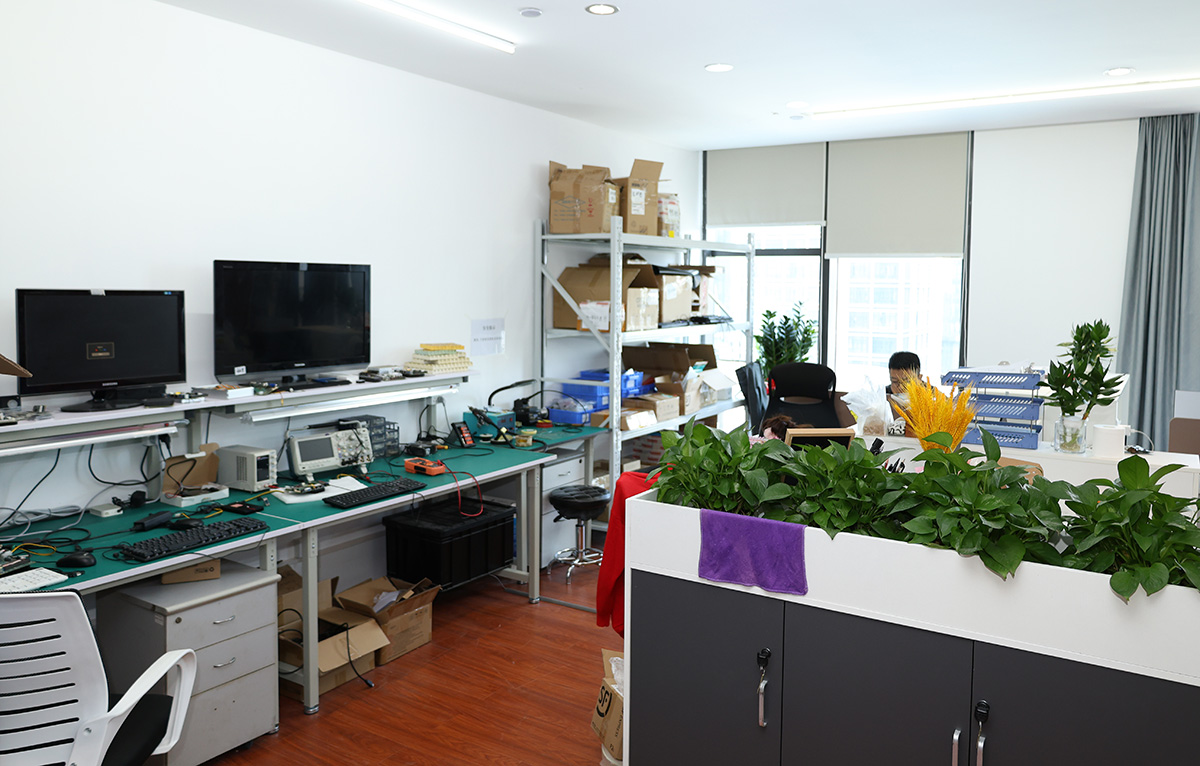
Freeze-drying (lyophilization) is critical for preserving volatile mRNA vaccines and recombinant therapeutic proteins. The transition through freezing, primary drying (sublimation), and secondary drying requires precise shelf temperature control and chamber vacuum validation.
Our wide-temperature embedded systems act as local validation controllers, interfacing with multi-channel thermocouple pucks inside the freeze dryer chamber. Real-time temperature offset calculations and pressure-dependent sublimation rate algorithms ensure uniform batch crystallization while logging immutable cycle reports directly to the enterprise data lake.
In Grade A/B aseptic formulation suites, differential pressure, relative humidity, and air temperature must remain within narrow psychrometric bands. Flush-mounted stainless panel PCs provide glove-operable operator interaction points, displaying dynamic heat maps, live laminar flow velocity, and immediate out-of-spec (OOS) visual alarms.
Cellular therapies (CAR-T) and stem cell master banks demand continuous storage at -80°C or within liquid nitrogen vapor phases (-150°C to -196°C). In these settings, sudden thermal excursions can destroy irreplaceable patient-specific cellular batches.
Equipped with onboard 4G/5G cellular redundancy, battery-backed RTC, and fail-safe hardware watchdogs, embedded mini PCs aggregate sensor feeds from distributed cryo-vessels. They maintain non-volatile local buffer storage during network dropouts, ensuring zero data loss during mission-critical thermal audits.
Transitioning from reactive thermal datalogging to autonomous, predictive thermal equilibrium control.
Modern embedded x86 motherboards run local edge inference engines capable of predicting cooling compressor degradation or insulation breaches hours before actual temperatures cross validated critical upper thresholds.
Deterministic Ethernet (Time-Sensitive Networking) coupled with OPC UA enables seamless communication between cleanroom HMIs and enterprise cloud platforms without violating IT/OT air-gap security boundaries.
With life sciences representing high-value targets for cyber intrusion, embedded panel PCs leverage TPM 2.0 cryptoprocessors, secure boot sequences, and encrypted storage partitions to secure batch audit recipes.
Pioneering embedded computing, industrial motherboard engineering, and rugged panel innovations since 1999.
Shenzhen YDSTECH Electronics Co., Ltd. is a high-tech enterprise specializing in industrial computers. Since the establishment of YDSTECH in 1999, we have been committed to independent research and development, innovation, production and sales of industrial computers, and we own the independent intellectual property rights of our core products.
We consider honesty and pragmatism as our motto and make it our long-term goal to provide customers with cost-effective products. In order to achieve this goal, we work constantly to develop new products, improve our service capabilities and promote the innovation of embedded computer applications to create long-term value and potential growth for our customers.
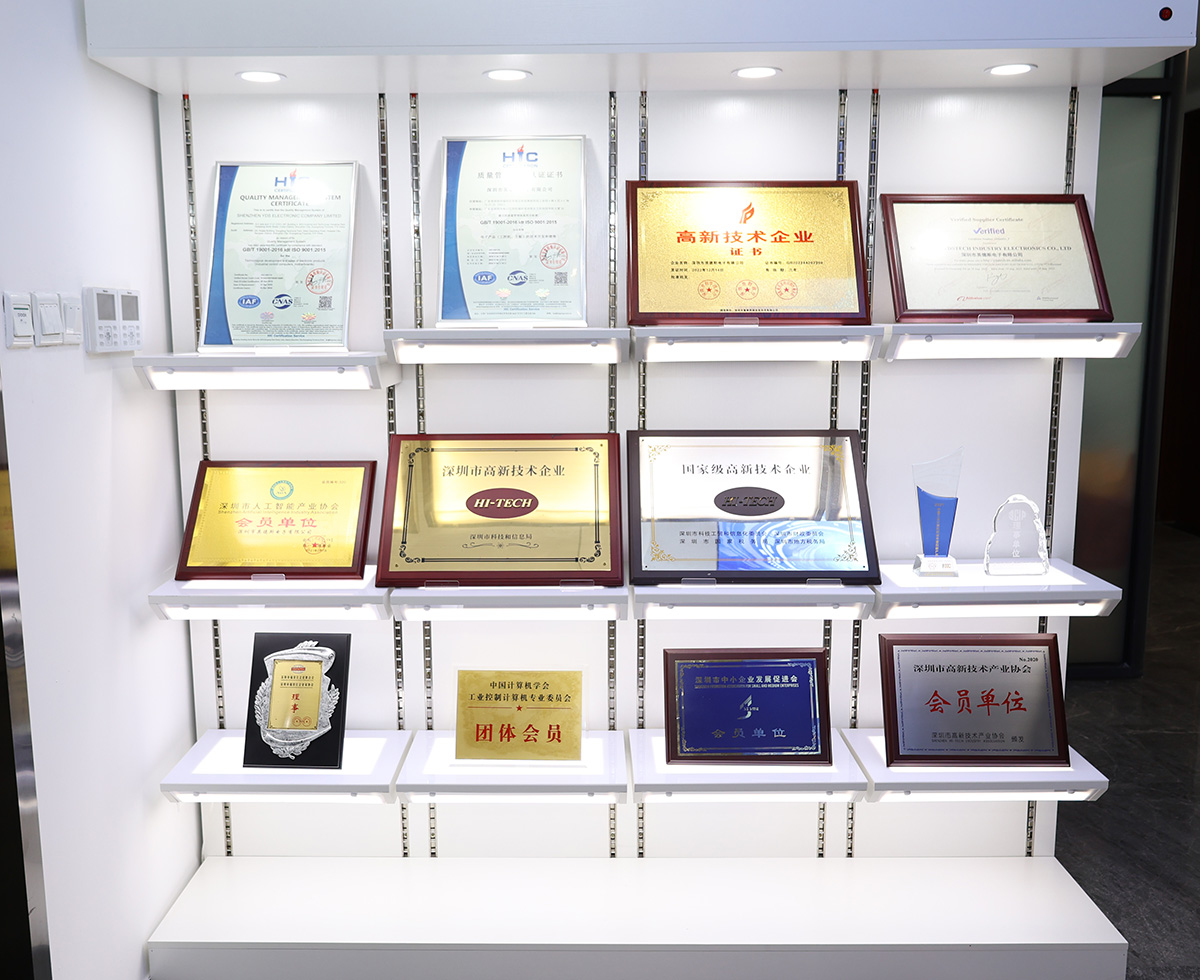
Our core technical team has over 15 years of experience in this industry, and has been focusing on embedded computer research and development, with rich and solid professional expertise. We believe that attitude means everything, since the establishment of YDSTECH, we have always been committed to work with a conscientious, responsible, attentive, professional, prudent and meticulous attitude, which ensures the high-quality output of the products, years of persistence and experience created our strong R&D team.
YDSTECH has set up a comprehensive quality assurance management system, adopting MSA quality system analysis, implementing rolling quality system audit, TQM, SPC process control and other quality management systems, establishing AVL supplier management system to ensure the quality of raw materials, and introducing rolling product reliability tests to ensure overall product reliability.
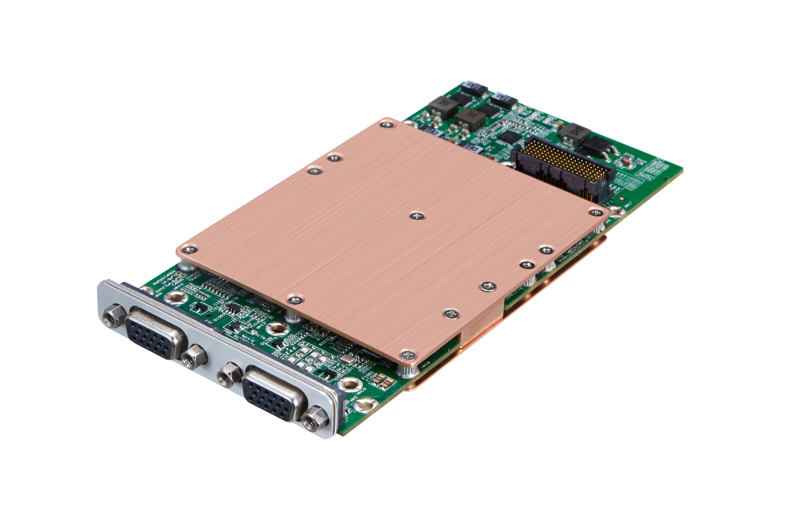
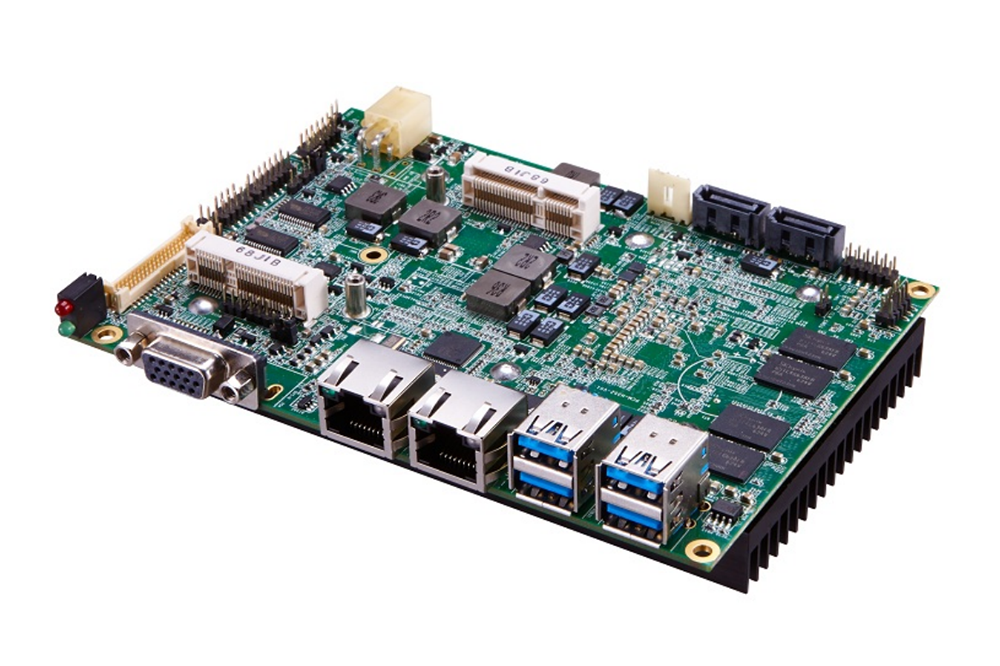
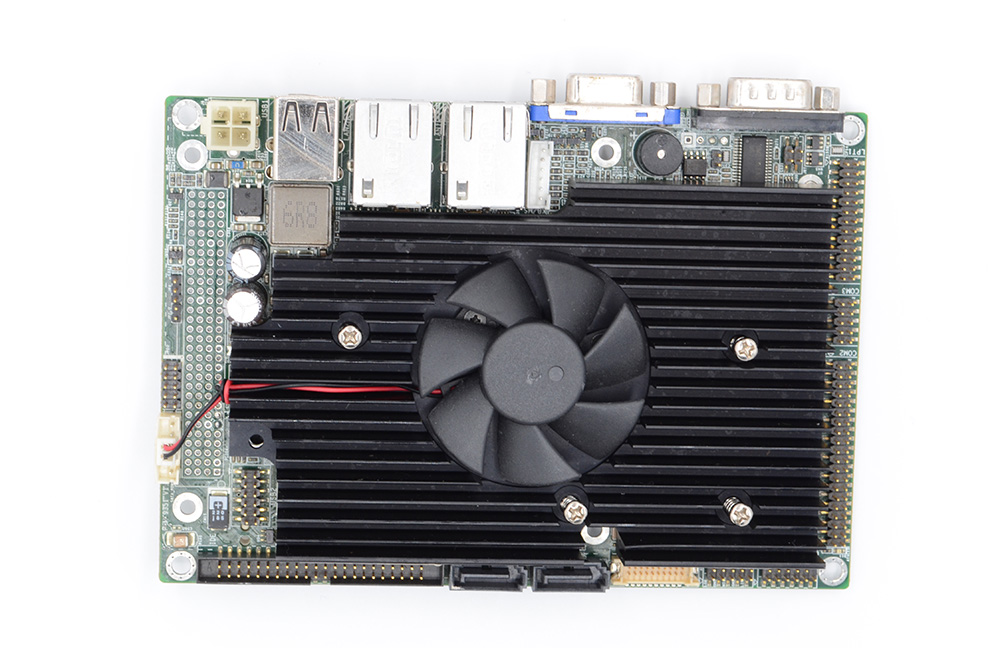
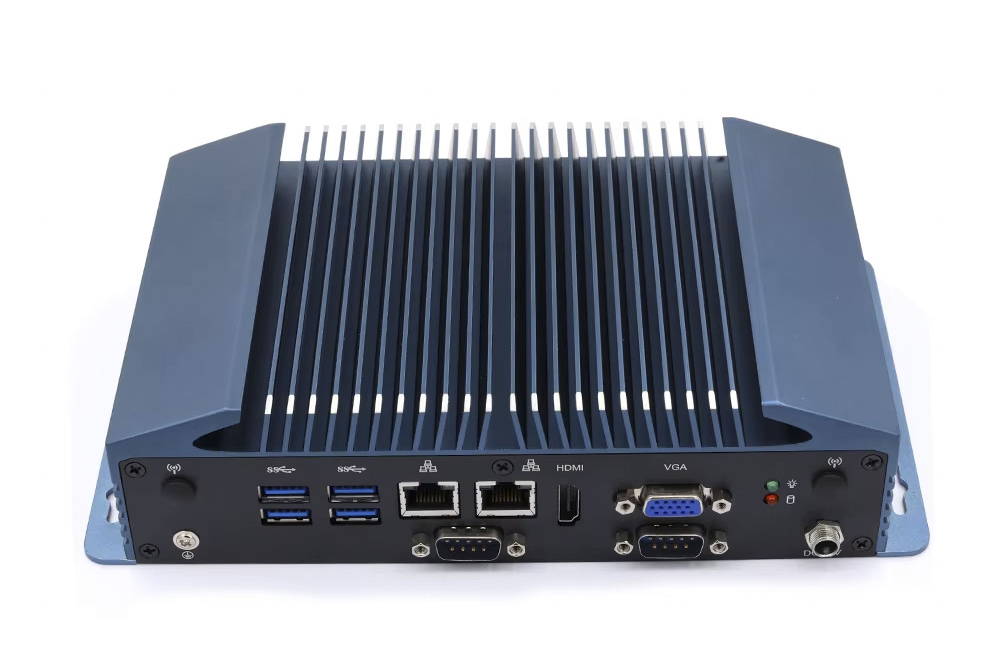
Complete hardware building blocks for pharmaceutical machinery, telemetry cabinets, and cleanroom automation terminals.