Leave Your Message
High-performance, wide-temperature industrial components designed to drive power automation, grid telemetry, and real-time substation monitoring systems.
As the global energy paradigm shifts toward decarbonization, decentralization, and digitalization, the demand for robust, intelligent computing hardware has never been higher. Modern power grids are transforming into complex ecosystems integrating traditional fossil fuels, massive solar farms, offshore wind turbines, and utility-scale Battery Energy Storage Systems (BESS). At the heart of this grid modernization is the power substation, acting as the critical node that manages distribution, voltage regulation, and grid stability.
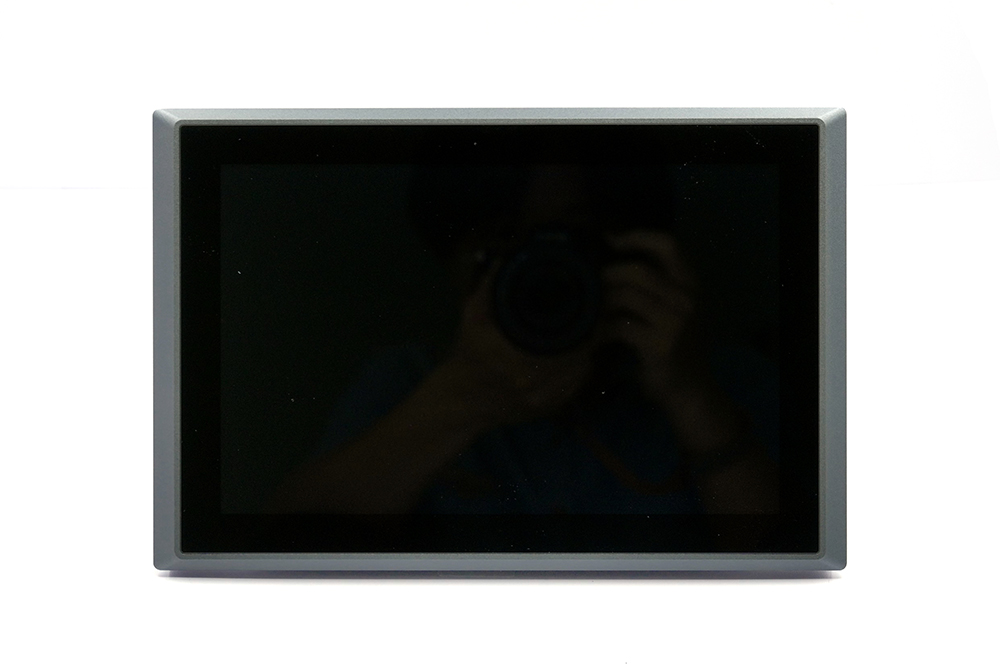
Within these harsh, high-voltage environments, standard computing solutions fail. Embedded Panel PCs have emerged as the industry-standard hardware interface, bridging physical electrical infrastructure with advanced digital monitoring systems. These specialized industrial computers provide continuous telemetry, process visualization, and edge control, ensuring that operators can monitor grid health in real time and respond instantly to localized anomalies.
The global market for smart grid technologies is expanding rapidly, driven by strict regulatory mandates for carbon reduction and the rapid deployment of renewable energy sources. Traditionally, power substations relied on centralized control rooms located miles away, receiving data through slow, low-bandwidth telemetry. Today, the industry is moving toward decentralized edge intelligence. Embedded Panel PCs are now deployed directly at the bay level, within the substation yard, and inside outdoor switchgear cabinets.
This shift has introduced a massive commercial demand for hardware compliant with international power utility standards, most notably IEC 61850-3 and IEEE 1613. These standards dictate that computing hardware must withstand high levels of electromagnetic interference (EMI), electrostatic discharge (ESD), and sudden voltage surges common in substation environments. System integrators and utility operators are actively seeking fanless, highly reliable computing platforms that can operate 24/7/365 without maintenance, as any system downtime can result in millions of dollars in losses and severe safety risks.
Continuous edge computing prevents cascading blackouts by identifying voltage fluctuations and executing automated islanding protocols within milliseconds.
Compliance with rigorous electromagnetic and thermal standards ensures seamless integration with Intelligent Electronic Devices (IEDs) and protection relays.
Fanless, solid-state designs eliminate mechanical failure points, reducing operational overhead in remote or unstaffed rural substations.
Substations represent one of the most physically demanding environments for industrial electronics. High-voltage transformers generate intense electromagnetic fields, circuit breakers create massive transient power surges, and outdoor enclosures expose equipment to extreme thermal swings, dust, and humidity. To survive and perform reliably, an Embedded Panel PC must be engineered with specific industrial-grade features:
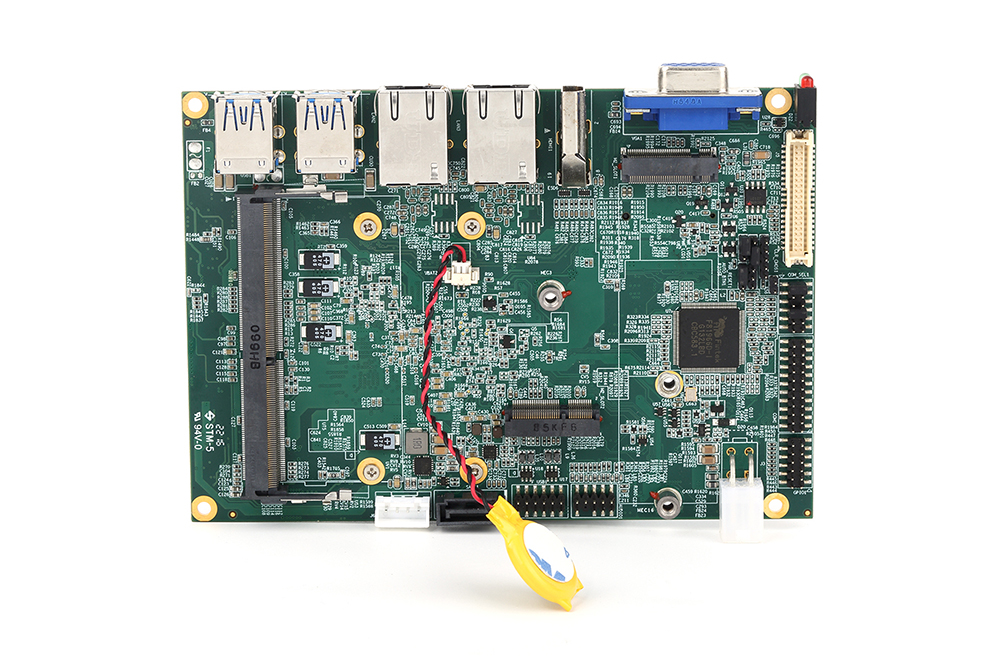
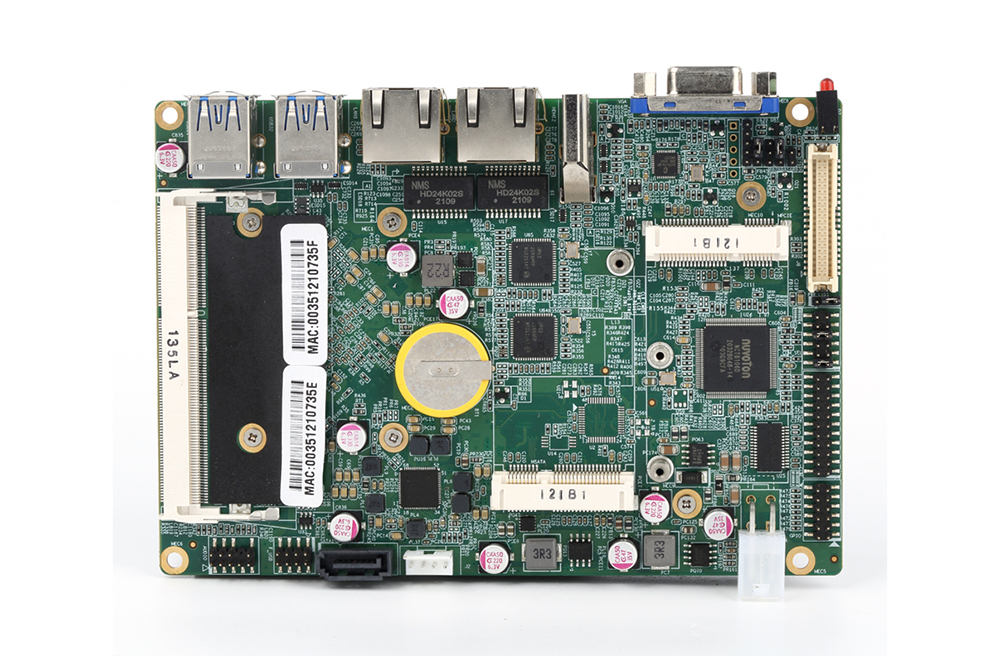
Substation equipment is often housed in unconditioned outdoor enclosures. Standard consumer or light-industrial computers fail when temperatures drop below freezing or rise during hot summer months. Industrial-grade Panel PCs must feature wide temperature support, typically ranging from -40°C to 75°C, utilizing specialized thermal design, wide-temp DDR4 memory, and solid-state drives (SSDs) to maintain operation without thermal throttling.
Electromagnetic interference (EMI) can corrupt data signals, cause system crashes, or physically damage computer components. Embedded Panel PCs designed for power substations must feature isolated serial ports (RS-232/485), isolated LAN ports, and robust chassis grounding to block high-voltage transients and ESD from entering the internal circuitry.
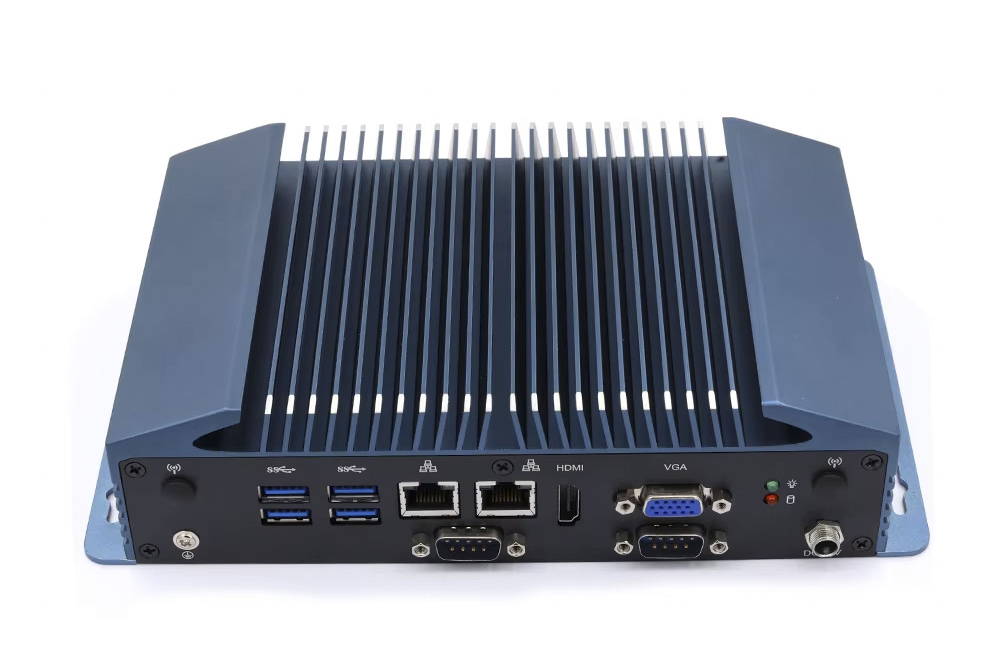
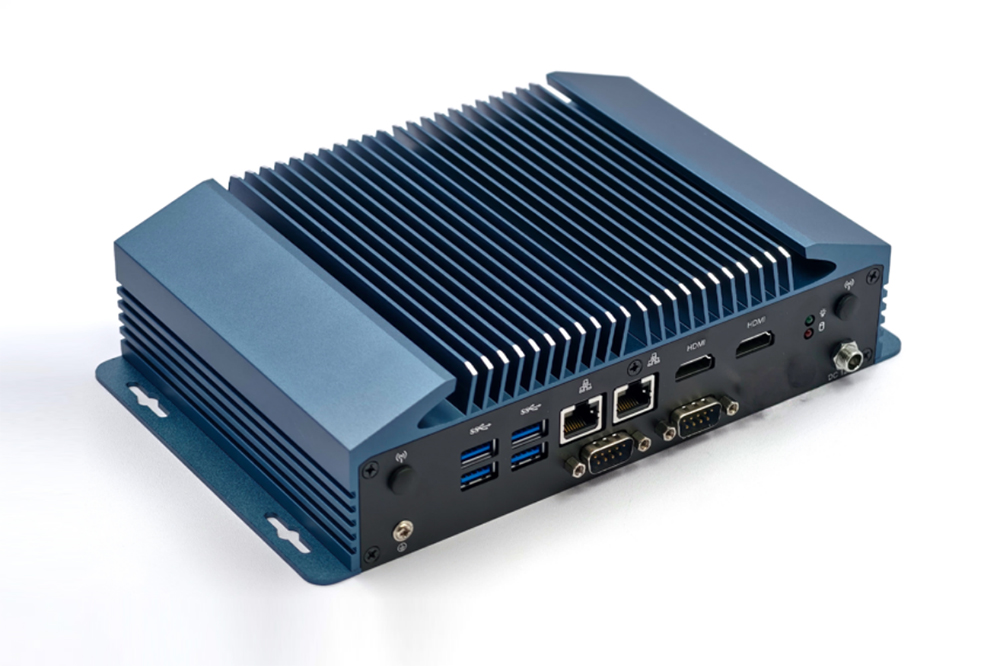
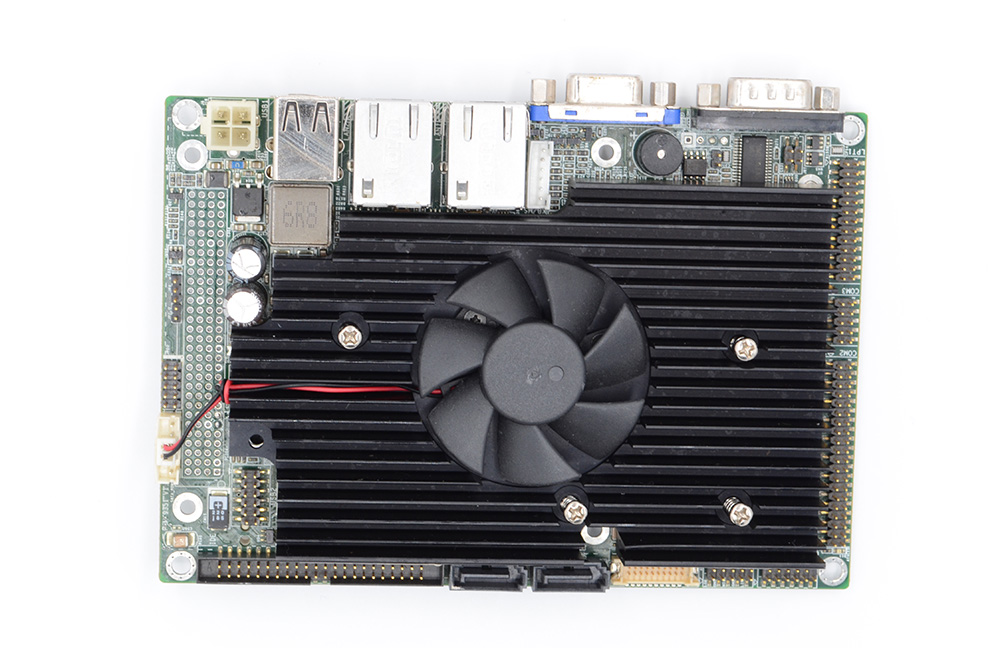
Moving parts are the primary point of failure in industrial computers. Cooling fans draw in dust, moisture, and corrosive particles, leading to internal short circuits and overheating. A fanless design utilizes heavy-duty aluminum heatsinks to dissipate heat passively. Combined with an IP65-rated front bezel, these systems are completely sealed against dust, rain, and sprayed water, making them ideal for outdoor HMI installations.
To fully appreciate the value of ruggedized computing in the power sector, we must look at the specific applications where Embedded Panel PCs are deployed:
Within a substation, individual bays manage specific transmission lines or transformers. A high-brightness Embedded Panel PC is mounted directly onto the cabinet door of each bay. It acts as the local Human-Machine Interface (HMI), displaying real-time single-line diagrams, switch positions, and alarm status. Operators can safely perform local switching operations, view event logs, and configure protection relays directly from the touch screen without opening high-voltage cabinets.
BESS facilities are critical for stabilizing renewable energy grids. They require constant monitoring of thousands of individual battery cells, thermal management systems, and power conversion inverters. Embedded Panel PCs aggregate data from Battery Management Systems (BMS) over CAN bus or Modbus protocols, monitoring temperatures, State of Charge (SoC), and State of Health (SoH). If a cell overheats, the Panel PC triggers localized cooling systems or shuts down the affected rack to prevent thermal runaway.
In massive solar photovoltaic (PV) plants and wind farms, environmental conditions are harsh and unpredictable. Embedded computers are deployed inside inverter stations and meteorological kiosks. They act as communication gateways, collecting data from solar trackers, string inverters, and weather sensors, and converting legacy protocols into standardized IEC 61850 or DNP3 formats for transmission to the central SCADA system.
Harmonics, voltage sags, and swells can damage sensitive industrial machinery and disrupt grid stability. Embedded Panel PCs equipped with high-speed PCIe or Mini-PCIe data acquisition cards sample voltage and current waveforms at high frequencies. They process this data locally using edge analytics, calculating total harmonic distortion (THD) and alerting operators to quality anomalies before they cause equipment damage.
The intersection of artificial intelligence and industrial hardware is driving the next wave of innovation in energy management. The future of Embedded Panel PCs in substations is characterized by several key trends:
Integrating local machine learning models allows Panel PCs to analyze transformer vibrations and thermal profiles, predicting equipment failures weeks before they occur.
With substations being prime targets for cyber attacks, modern systems incorporate TPM 2.0 chips, secure boot, and physical intrusion detection to protect critical infrastructure.
Ultra-reliable, low-latency 5G connectivity enables wireless telemetry backhaul from remote substation yards to regional control centers, reducing physical cabling costs.
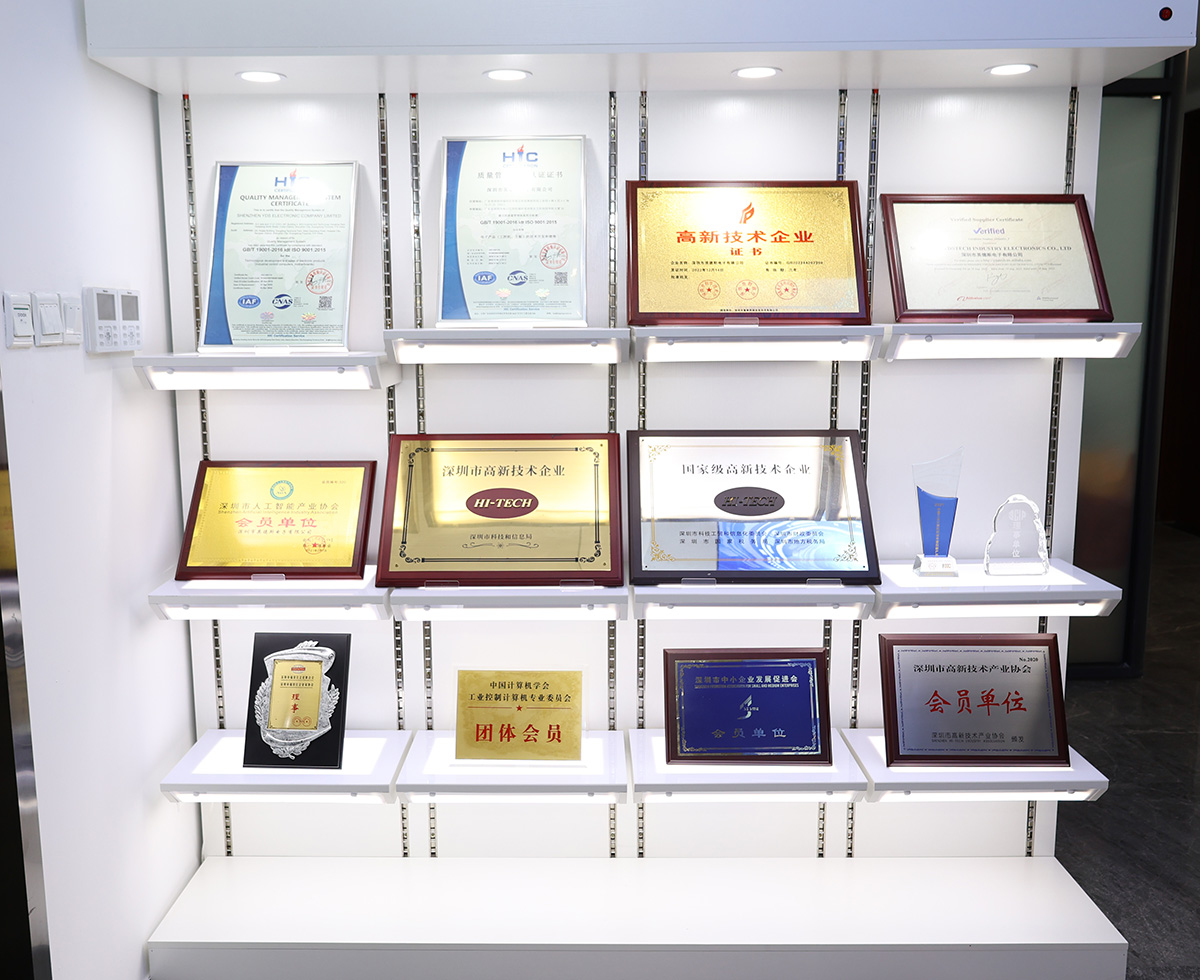
Shenzhen YDSTECH Electronics Co., Ltd. is a high-tech enterprise specializing in industrial computers. Since the establishment of YDSTECH in 1999, we have been committed to independent research and development, innovation, production and sales of industrial computers, and we own the independent intellectual property rights of our core products.
We consider honesty and pragmatism as our motto and make it our long-term goal to provide customers with cost-effective products. In order to achieve this goal, we work constantly to develop new products, improve our service capabilities and promote the innovation of embedded computer applications to create long-term value and potential growth for our customers.
YDSTECH maintains the highest standards of manufacturing and management to deliver mission-critical computing hardware for global power grids.
Our core technical team has over 15 years of experience in this industry, and has been focusing on embedded computer research and development, with rich and solid professional expertise. We believe that attitude means everything, since the establishment of YDSTECH, we have always been committed to work with a conscientious, responsible, attentive, professional, prudent and meticulous attitude, which ensures the high-quality output of the products, years of persistence and experience created our strong R&D team.
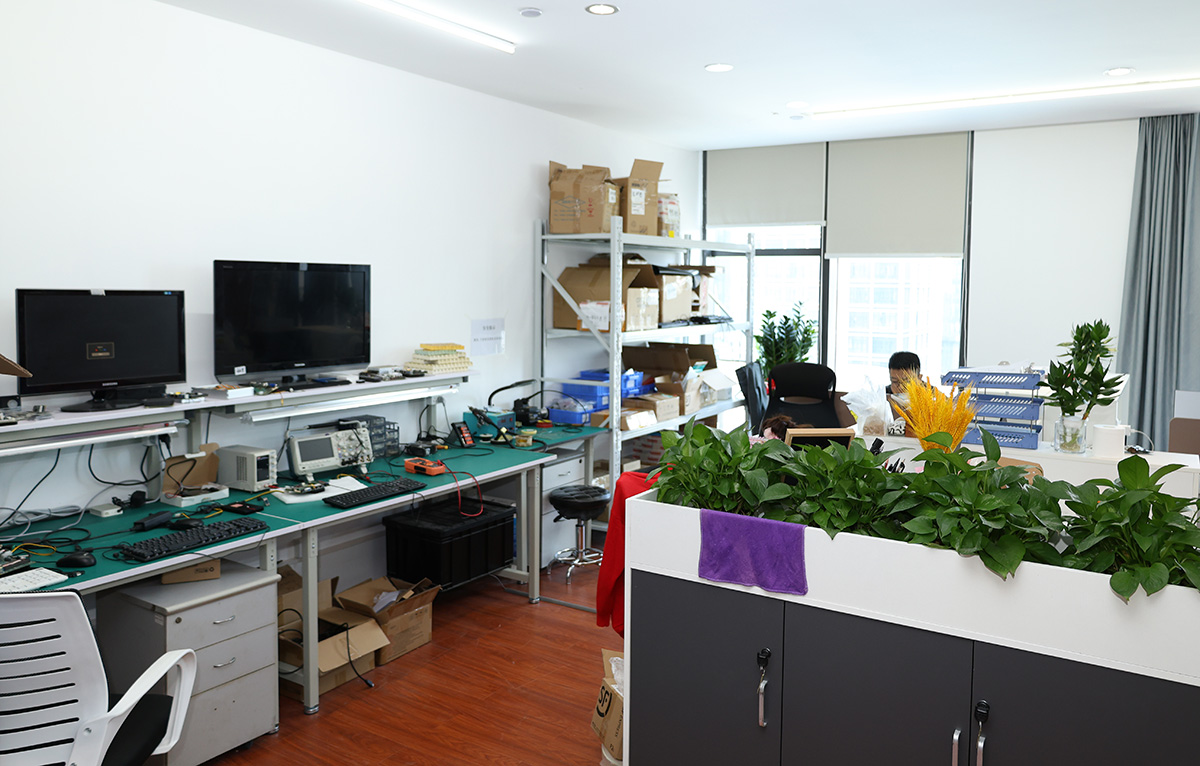
YDSTECH has set up a comprehensive quality assurance management system, adopting MSA quality system analysis, implementing rolling quality system audit, TQM, SPC process control and other quality management systems, establishing AVL supplier management system to ensure the quality of raw materials, and introducing rolling product reliability tests to ensure overall product reliability.
Explore our full range of wide-temperature embedded motherboards, fanless computers, and high-brightness HMI panel PCs optimized for smart energy and substation automation.