Leave Your Message
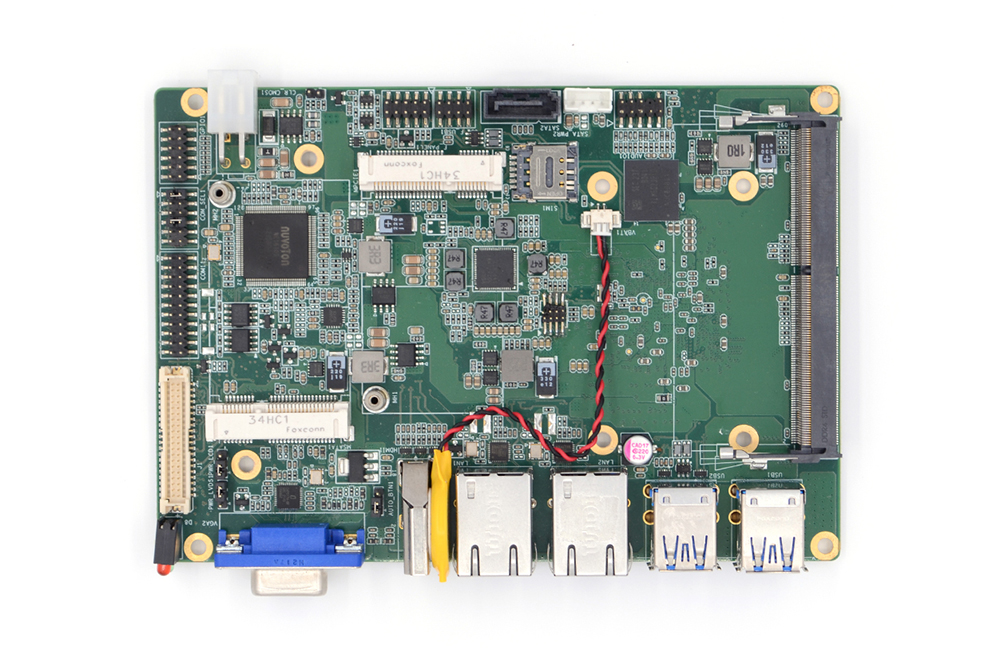
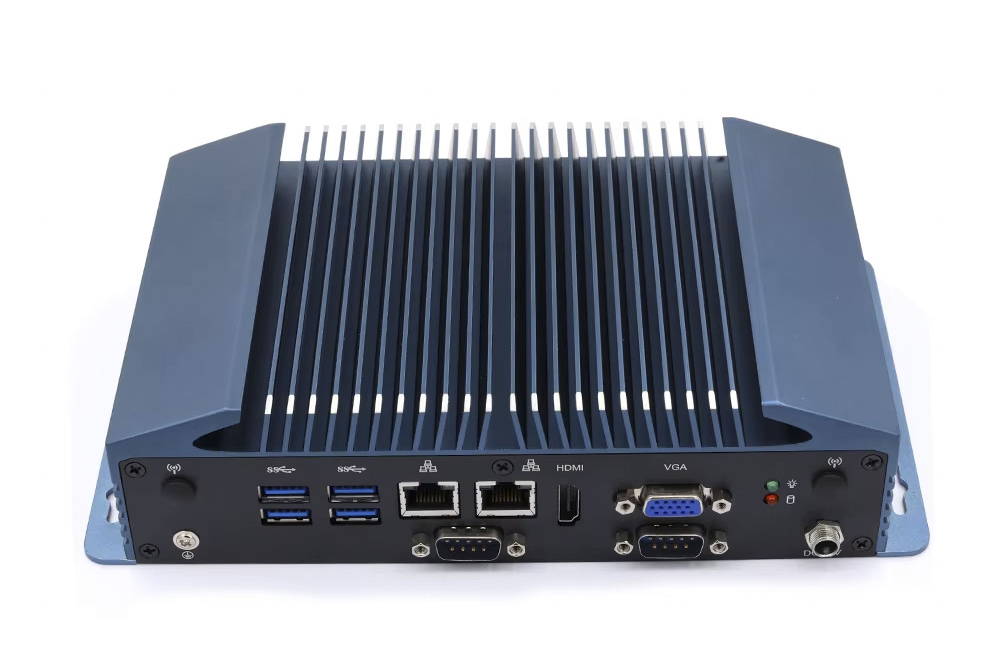
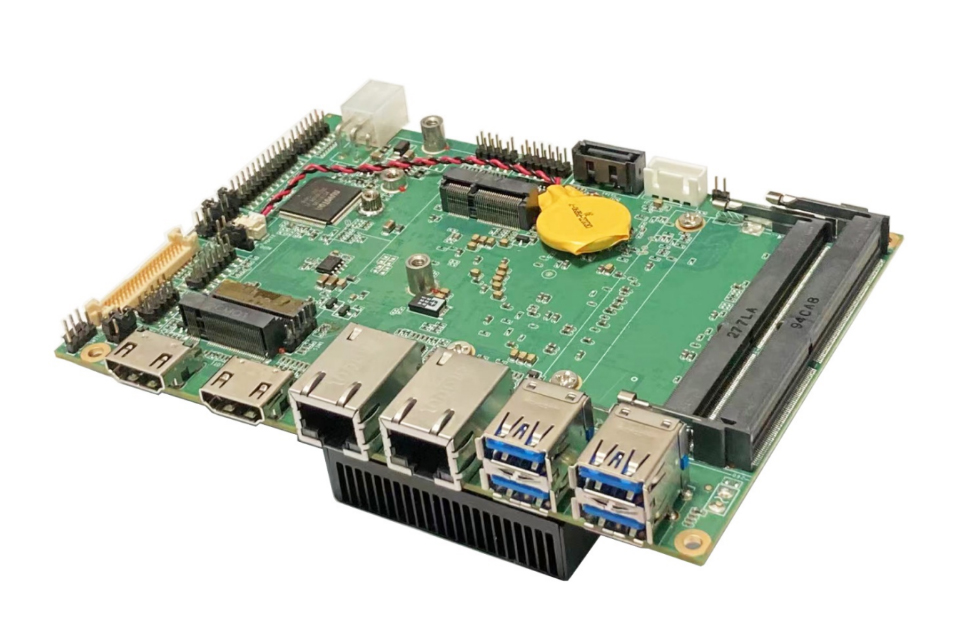
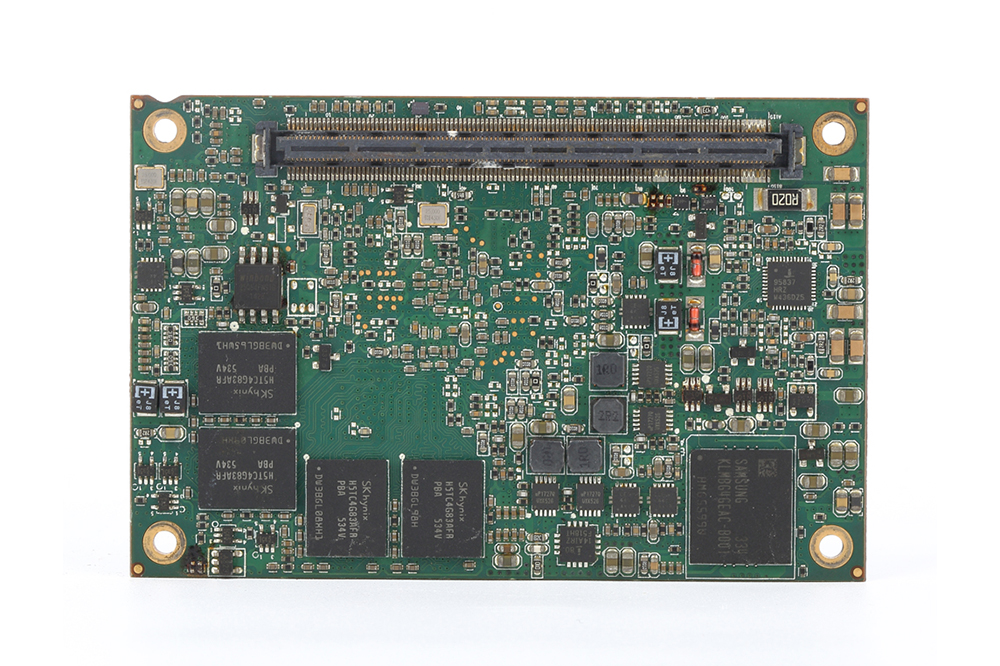
In the era of the Internet of Things (IoT) and smart cities, outdoor human-machine interfaces (HMI) and smart terminal displays have evolved from basic information display boards into highly interactive, mission-critical nodes. Today, these systems are deployed across diverse and demanding environments: from public transit ticketing kiosks, smart parcel lockers, and highway toll systems to rapid EV charging stations, digital signage, and rugged industrial controllers. The global market for outdoor smart terminals is experiencing exponential growth, fueled by the demand for 24/7 service availability, self-service transactions, and real-time data processing at the edge.
However, operating electronic displays in outdoor settings presents an array of engineering challenges. Unlike indoor systems that operate in climate-controlled environments, outdoor terminals must withstand intense solar radiation, extreme temperature fluctuations ranging from freezing winters to scorching summers, high humidity, dust, rain, and mechanical vibrations. The commercial success and operational longevity of these outdoor terminals rely heavily on the hardware driving them. At the core of every reliable outdoor HMI is the embedded mainboard—the processing engine designed to deliver continuous compute power under the most hostile environmental conditions.
Consumer or standard commercial-grade motherboards are designed to operate within a narrow temperature range (typically 0°C to 40°C) and lack protection against environmental contaminants. When exposed to outdoor conditions, these boards suffer from thermal throttling, component degradation, solder joint failures caused by thermal expansion, and system crashes due to power instability. Industrial-grade embedded mainboards, on the other hand, utilize specialized components, advanced thermal layouts, and robust power delivery circuits to guarantee uninterrupted performance.
To ensure a smart terminal or outdoor HMI remains operational year-round, hardware designers must address several critical vectors. Industrial-grade embedded mainboards are specifically engineered to solve these problems through advanced architecture and component selection:
Outdoor terminals face extreme temperatures. Embedded mainboards supporting -40°C to +85°C wide-temp operations prevent system freezing in sub-zero climates and overheating in direct sunlight.
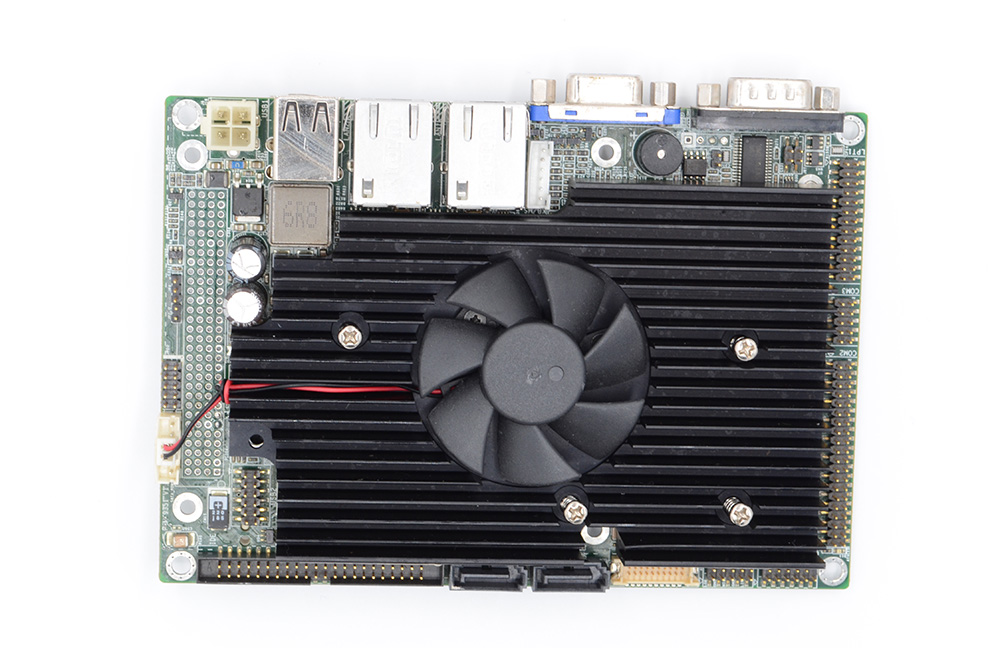
Fans are a common point of failure and draw in dust and moisture. Fanless architectures rely on passive heat sinks and low-TDP processors (such as Intel Elkhart Lake or Tiger Lake-U) to maintain cooling.
Outdoor power grids are prone to voltage spikes and dirty power. Embedded mainboards feature wide-range DC input (e.g., 9V-36V) with over-voltage, over-current, and reverse-polarity protection.
Outdoor displays require high-nit backlighting (often 1000+ nits) to remain readable under direct sunlight. Mainboards offer dedicated LVDS, eDP, and HDMI interfaces with integrated backlight control.
As electric vehicles become mainstream, the demand for outdoor EV fast chargers is surging. Modern EV chargers do more than deliver electricity; they run interactive user interfaces, process secure credit card and RFID payments, display dynamic advertising, and communicate telemetry data back to the central grid. An embedded mainboard in an EV charger must handle dual displays (one for charging status, one for advertising), operate reliably next to high-voltage power electronics that generate electromagnetic interference (EMI), and withstand extreme ambient heat generated by solar exposure and fast-charging currents.
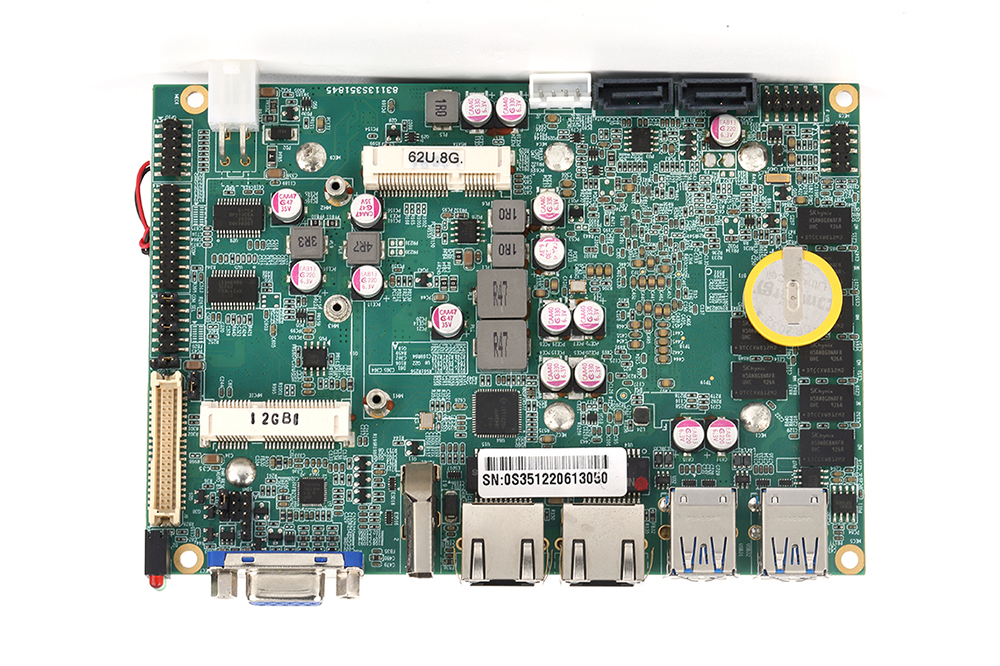
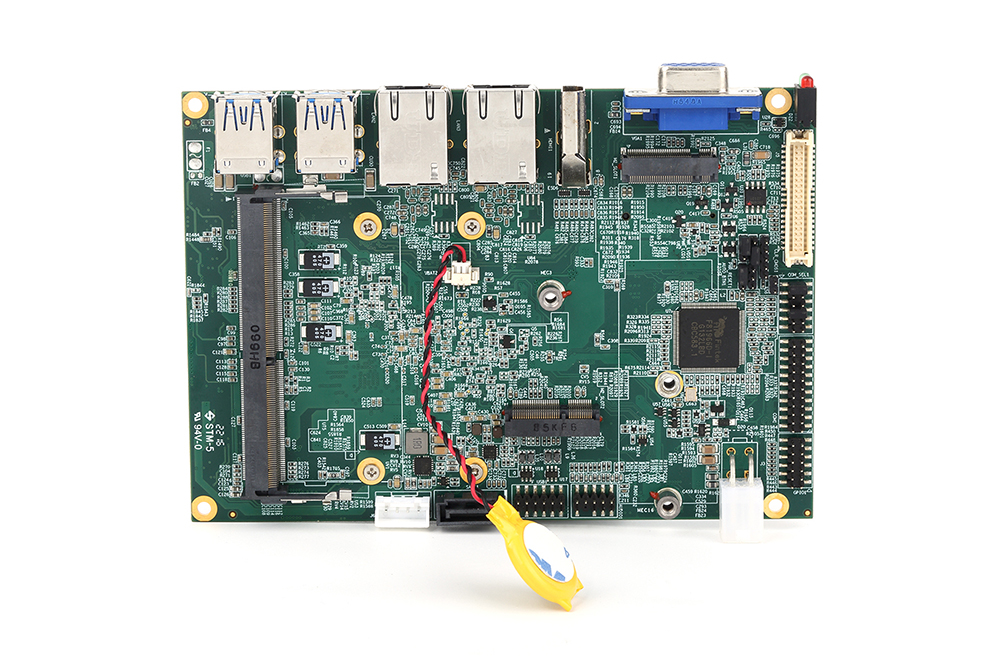
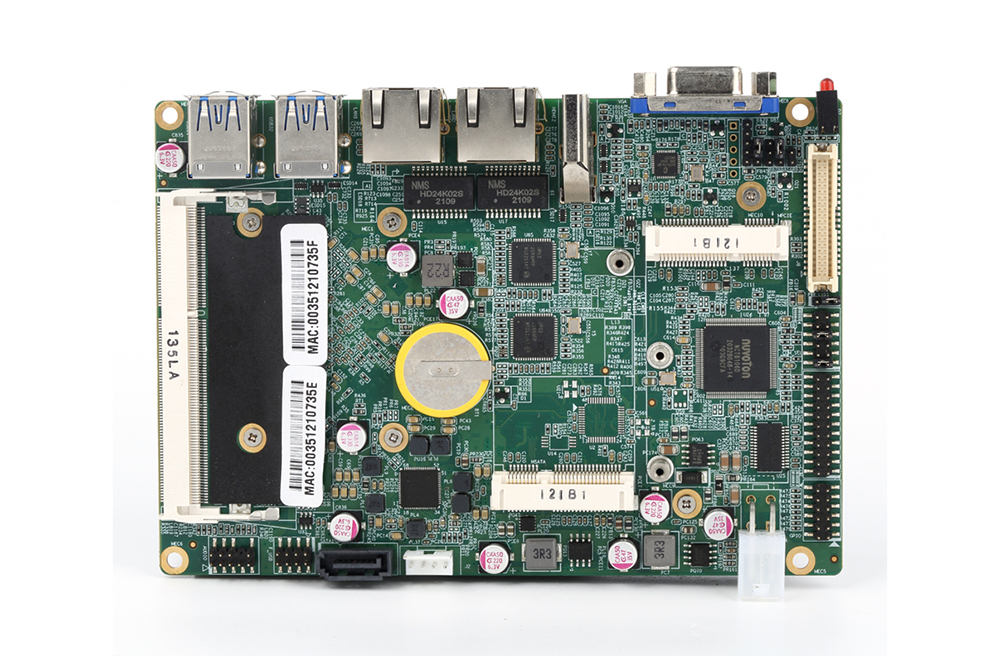
Municipalities worldwide are deploying smart kiosks to provide public Wi-Fi, transit maps, emergency alerts, and local information. These kiosks are often large-format displays installed in high-traffic outdoor pedestrian zones. They require embedded boards that support high-resolution video decoding (4K display outputs via HDMI or eDP), multiple USB ports for touchscreens and cameras, and robust connectivity options (Dual Gigabit Ethernet, M.2 slots for 4G/5G modules, and Wi-Fi) to ensure constant communication with city management software.
Outdoor parcel delivery lockers and parking ticket machines must operate 24/7 in all weather conditions. These terminals are highly reliant on serial communication (RS-232/422/485) to control peripheral hardware such as barcode scanners, thermal printers, electronic locks, and bill acceptors. Embedded mainboards with rich multi-serial ports and GPIO lines are essential to manage these complex hardware ecosystems without requiring external expansion cards, reducing potential points of failure.
In heavy industrial environments, agriculture, and marine operations, HMI terminals are exposed to physical impacts, heavy vibration, dust, and corrosive salt air. Mainboards designed to the COM Express or 3.5-inch SBC form factors offer rigid PCBs, latching connectors, and conformal coating options to prevent corrosion and physical disconnection, ensuring reliable operations on offshore rigs, mining vehicles, and factory floors.
Looking ahead, several key trends are shaping the future of embedded mainboards for outdoor applications. First is the integration of Edge AI. Modern smart terminals are increasingly required to perform local processing, such as facial recognition for secure access, audience analytics for digital out-of-home (DOOH) advertising, and predictive maintenance diagnostics. Mainboards featuring onboard AI acceleration or support for M.2 neural processing units (NPUs) are becoming the standard.
Second is the transition to ultra-low-power, high-efficiency silicon. Processor architectures are delivering higher performance-per-watt, allowing fanless systems to handle heavy computational workloads without exceeding thermal envelopes. Lastly, remote management and out-of-band (OOB) monitoring capabilities are becoming critical. Operators managing thousands of dispersed outdoor kiosks rely on hardware-level remote rebooting, firmware updates, and system health monitoring to minimize expensive on-site maintenance visits.
Shenzhen YDSTECH Electronics Co., Ltd. is a high-tech enterprise specializing in industrial computers. Since the establishment of YDSTECH in 1999, we have been committed to independent research and development, innovation, production and sales of industrial computers, and we own the independent intellectual property rights of our core products.
We consider honesty and pragmatism as our motto and make it our long-term goal to provide customers with cost-effective products. In order to achieve this goal, we work constantly to develop new products, improve our service capabilities and promote the innovation of embedded computer applications to create long-term value and potential growth for our customers.
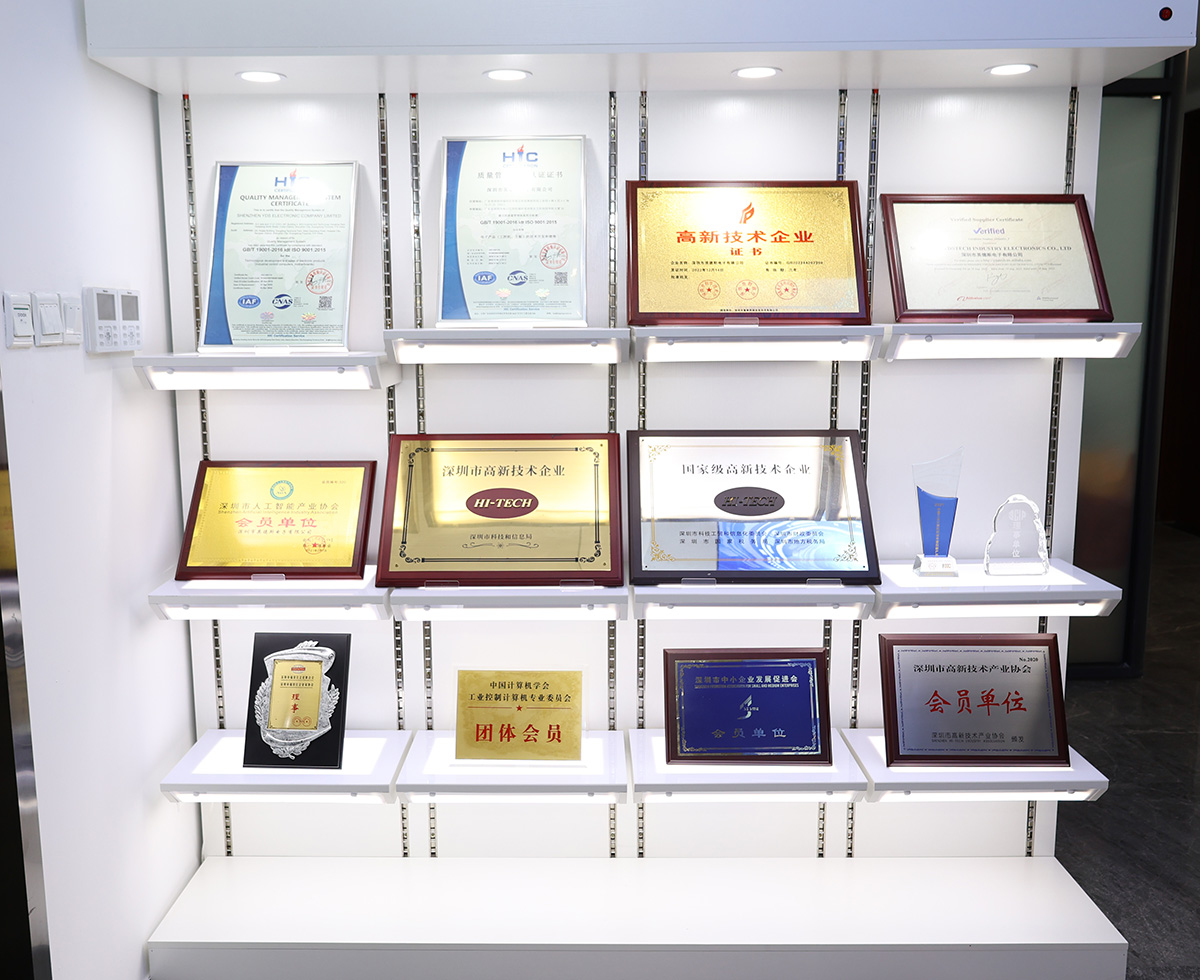
Our core technical team has over 15 years of experience in this industry, and has been focusing on embedded computer research and development, with rich and solid professional expertise. We believe that attitude means everything, since the establishment of YDSTECH, we have always been committed to work with a conscientious, responsible, attentive, professional, prudent and meticulous attitude, which ensures the high-quality output of the products, years of persistence and experience created our strong R&D team.
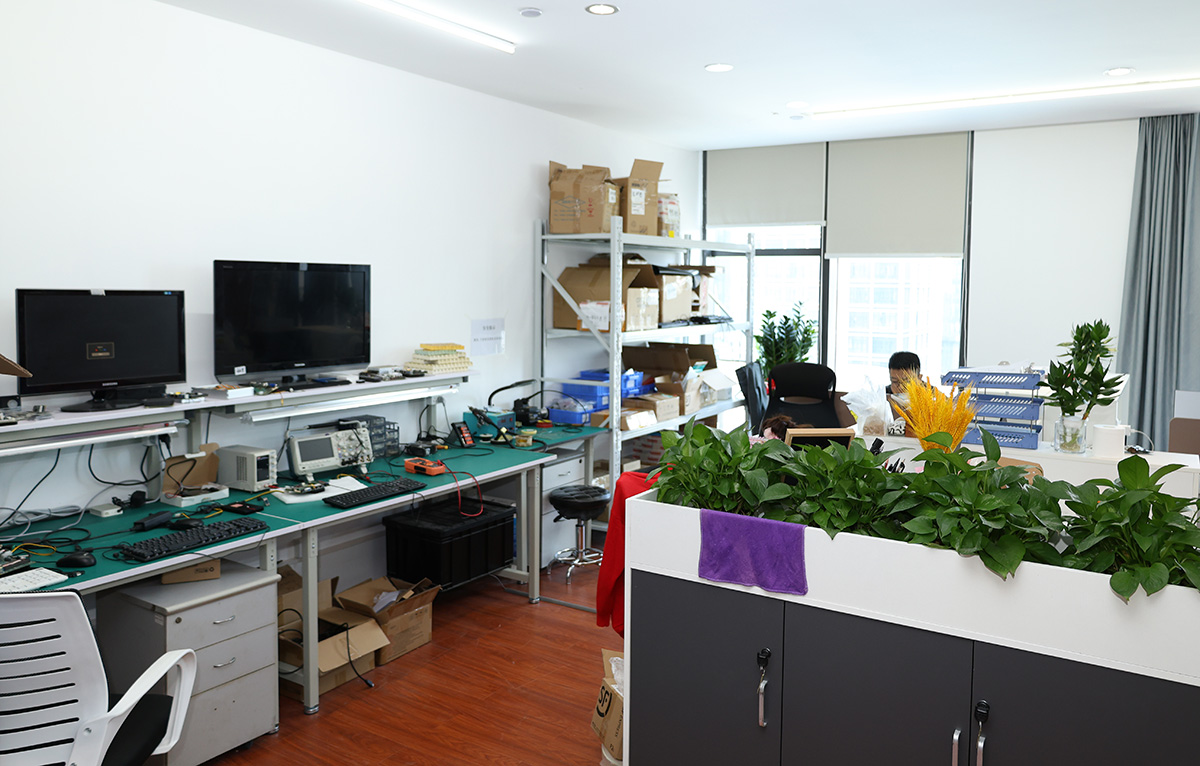
YDSTECH has set up a comprehensive quality assurance management system, adopting MSA quality system analysis, implementing rolling quality system audit, TQM, SPC process control and other quality management systems, establishing AVL supplier management system to ensure the quality of raw materials, and introducing rolling product reliability tests to ensure overall product reliability.