Leave Your Message
The global retail ecosystem is undergoing an unprecedented digital transformation. Driven by consumer demands for immediacy, personalization, and seamless transaction cycles, brick-and-mortar stores are shifting away from traditional cash registers toward interactive self-service systems. At the heart of this revolution is the Embedded Linux PC—a hardware and software paradigm that provides the reliability, open-source flexibility, and security needed to run complex, interactive kiosks 24/7/365.
From self-checkout aisles in supermarkets to interactive wayfinding panels in shopping malls, quick-service restaurant (QSR) ordering screens, and automated ticketing kiosks, the technology powering these systems must be robust. Industrial embedded computers, particularly those running tailored Linux distributions, have emerged as the industry gold standard. They bridge the gap between high-performance computing requirements and the harsh, unpredictable physical environments of retail floors and outdoor kiosks.
Unlike consumer operating systems, an Embedded Linux environment allows developers to strip away unnecessary background processes, minimizing resource consumption and maximizing computing efficiency. This architecture ensures that even low-power x86 hardware can deliver fluid, responsive user interfaces while maintaining rock-solid security postures.
The commercial landscape for interactive kiosks is expanding rapidly. According to recent market studies, the global self-service kiosk market is projected to reach tens of billions of dollars by the late 2020s, with a significant compound annual growth rate (CAGR). This growth is fueled by labor shortages, rising operational costs, and the customer preference for contactless, self-paced shopping experiences.
Historically, Windows-based systems dominated the kiosk space. However, high licensing fees, frequent mandatory updates, susceptibility to malware, and heavy resource overhead have prompted a major industry migration toward Linux. Modern smart retail systems utilize customized Linux kernels (such as Yocto Project, Ubuntu Core, or Debian derivatives) to maintain complete control over the software stack. This shifts control back to the retail operators and system integrators, allowing them to customize security protocols, deploy remote over-the-air (OTA) updates, and ensure long-term support cycles without being forced into expensive operating system upgrades.
Retail terminals are prime targets for cyberattacks, data breaches, and payment information theft. Operating systems powering these terminals must comply with stringent security standards, including the Payment Card Industry Data Security Standard (PCI DSS). Embedded Linux PCs provide native security advantages, such as read-only file systems, mandatory access control (MAC) mechanisms like SELinux or AppArmor, and the ability to easily disable unused physical ports and network protocols. By locking down the operating system to run only the specific kiosk application, the attack surface is virtually eliminated.
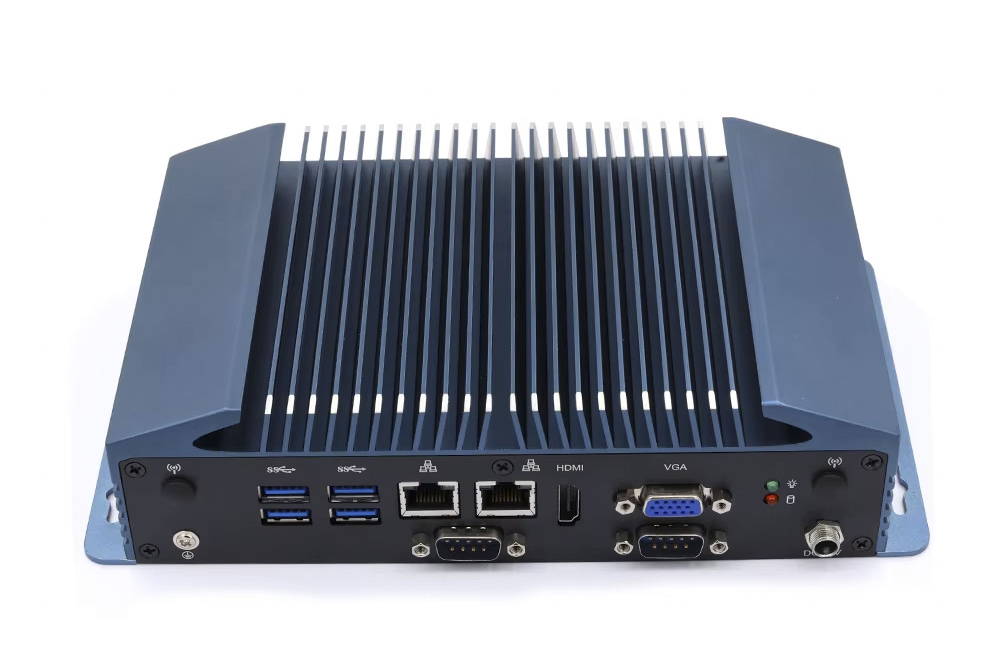
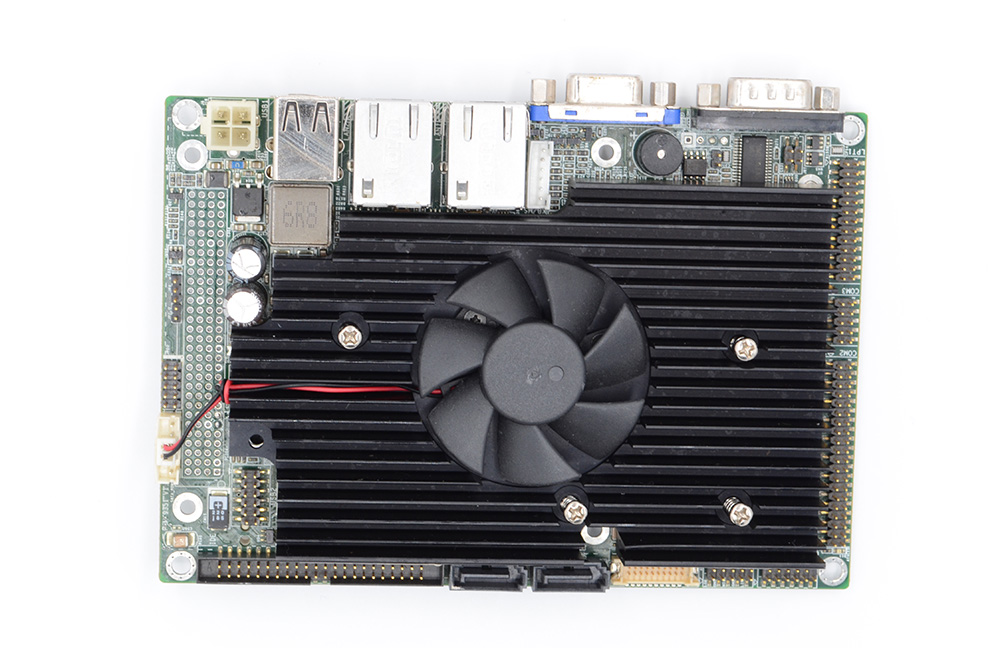
In retail, downtime translates directly to lost revenue and damaged brand reputation. A kiosk that crashes during peak weekend shopping hours is a major liability. Embedded Linux PCs running on industrial-grade hardware (such as fanless x86 motherboards) offer unparalleled uptime. Because Linux does not suffer from typical registry bloat or forced background updates that trigger unexpected reboots, machines can run continuously for years. Furthermore, the absence of OS licensing fees dramatically lowers the total cost of ownership when scaling deployments across hundreds or thousands of retail locations.
The versatility of embedded hardware and Linux software allows for deep integration across various smart retail verticals. Below are the key scenarios where these systems are driving operational efficiency:
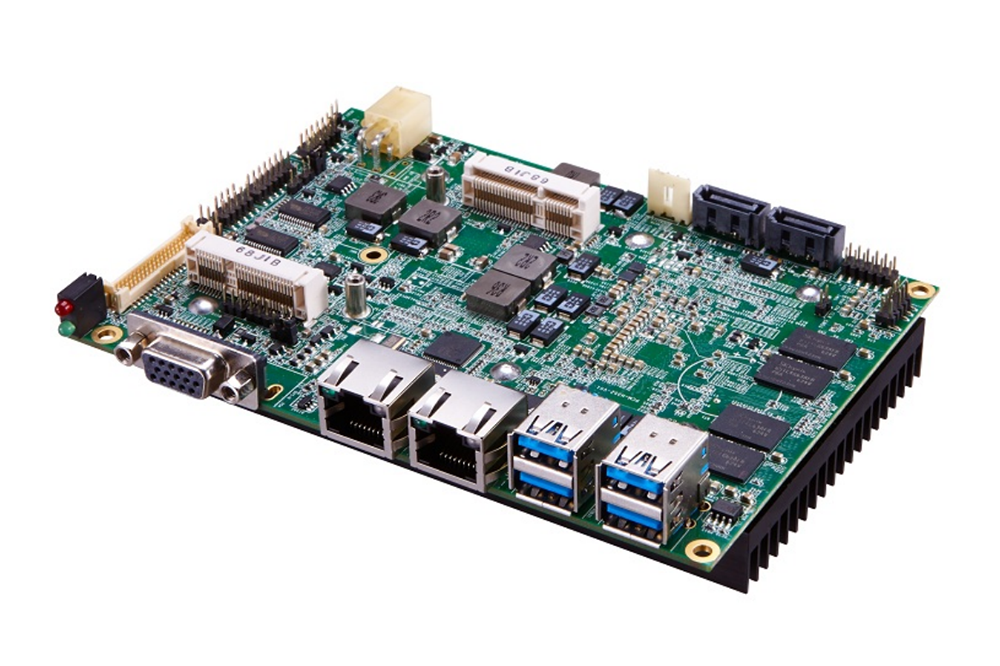
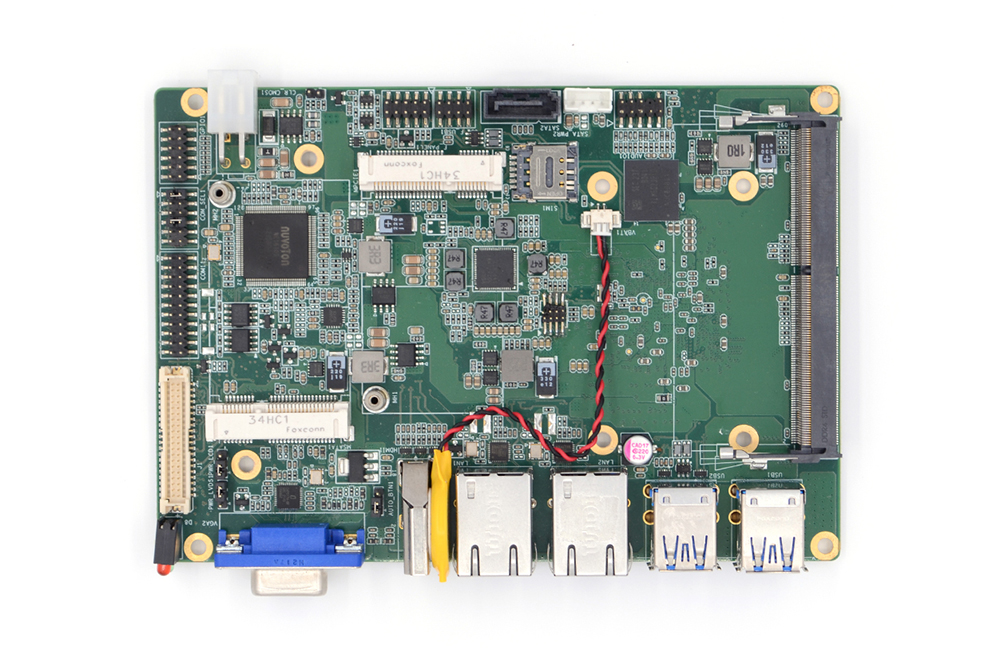
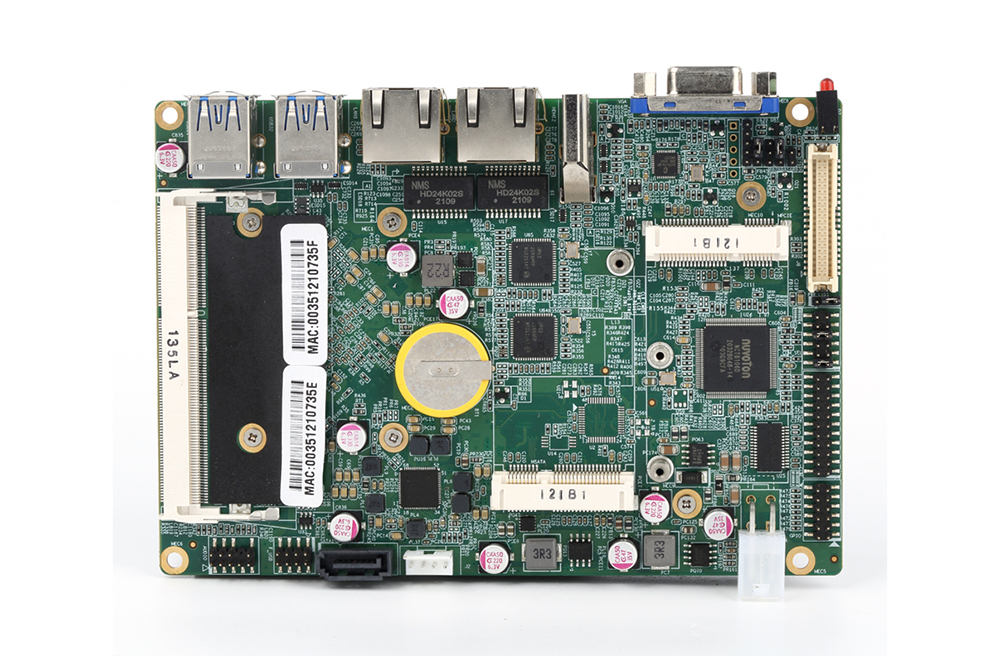
Modern self-checkout terminals are complex systems requiring the integration of multiple peripherals: barcode scanners, weight sensors, NFC card readers, receipt printers, and cash-handling modules. An embedded Linux PC acts as the central hub, utilizing rich I/O interfaces (such as RS485, GPIO, and multiple USB ports) to communicate with these peripherals. With low-latency kernel configurations, the Linux OS ensures that scan inputs, weight verifications, and payment processing happen instantaneously, reducing customer queue times.
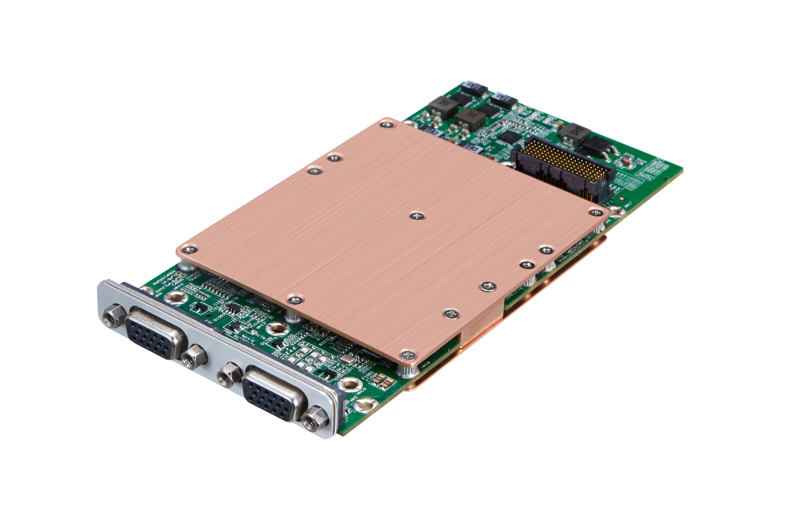
In large shopping centers and department stores, interactive wayfinding kiosks help customers navigate physical layouts while displaying targeted advertisements. These systems require high-definition graphics and dual-display capabilities. Utilizing high-temperature x86 embedded GPU cards with dedicated GDDR5 memory allows the system to render complex 3D maps and high-bitrate video advertisements simultaneously without overheating or thermal throttling, even when enclosed in tight, unventilated kiosk cabinets.
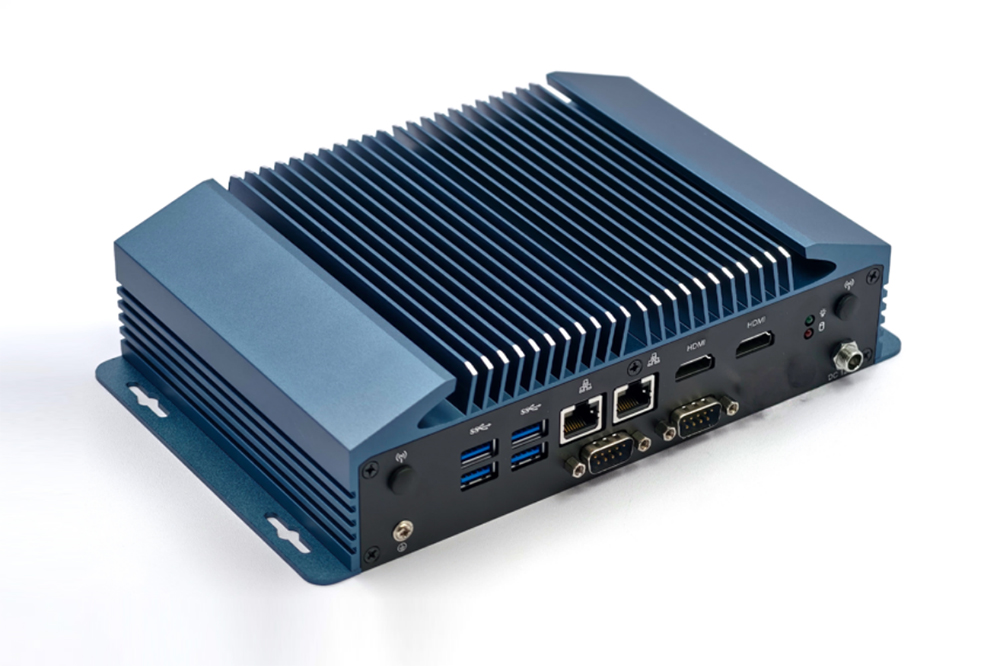
Smart vending machines have evolved far beyond dispensing snacks. Today, they sell high-value electronics, cosmetics, and prescription medications. These units require secure inventory tracking, cloud connectivity for real-time stock updates, and interactive touchscreens. Low-power, fanless mini PCs running Linux are ideal here. They can operate in confined spaces, withstand temperature fluctuations, and utilize 4G/5G expansion modules to maintain connectivity in areas without wired Ethernet infrastructure.
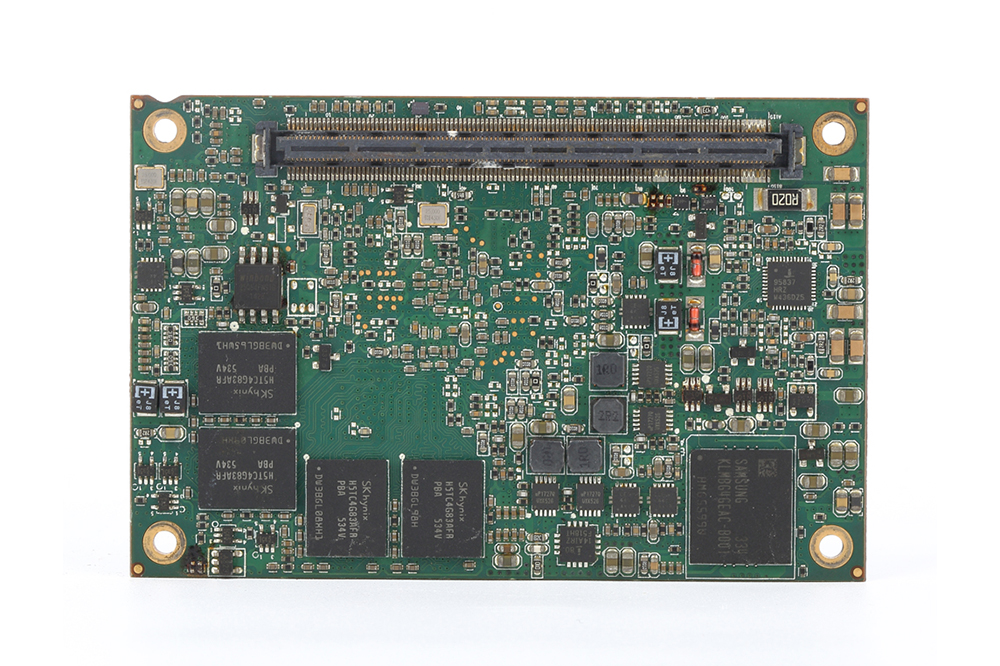
Drive-thru ordering kiosks must operate under extreme environmental conditions, from freezing winters to scorching summer heat. This requires industrial-grade wide-temperature motherboards rated for -40°C to +85°C. Combined with a rugged, fanless chassis, these Linux-driven systems prevent dust, moisture, and grease from entering the internal circuitry, ensuring uninterrupted service in demanding outdoor drive-thru lanes.
As we look to the future, several emerging technologies are merging with embedded systems to redefine what interactive kiosks can achieve:
Shenzhen YDSTECH Electronics Co., Ltd. is a premier high-tech enterprise specializing in the research, development, production, and sales of industrial computers. Since our establishment in 1999, we have been committed to independent innovation, establishing ourselves as a trusted provider of core computing platforms for industrial automation, smart retail, and interactive kiosk systems worldwide. We own independent intellectual property rights for our core products, ensuring that our clients receive cutting-edge, proprietary technology tailored to their specific operational needs.
We consider honesty and pragmatism as our motto and make it our long-term goal to provide customers with cost-effective products. In order to achieve this goal, we work constantly to develop new products, improve our service capabilities and promote the innovation of embedded computer applications to create long-term value and potential growth for our customers.
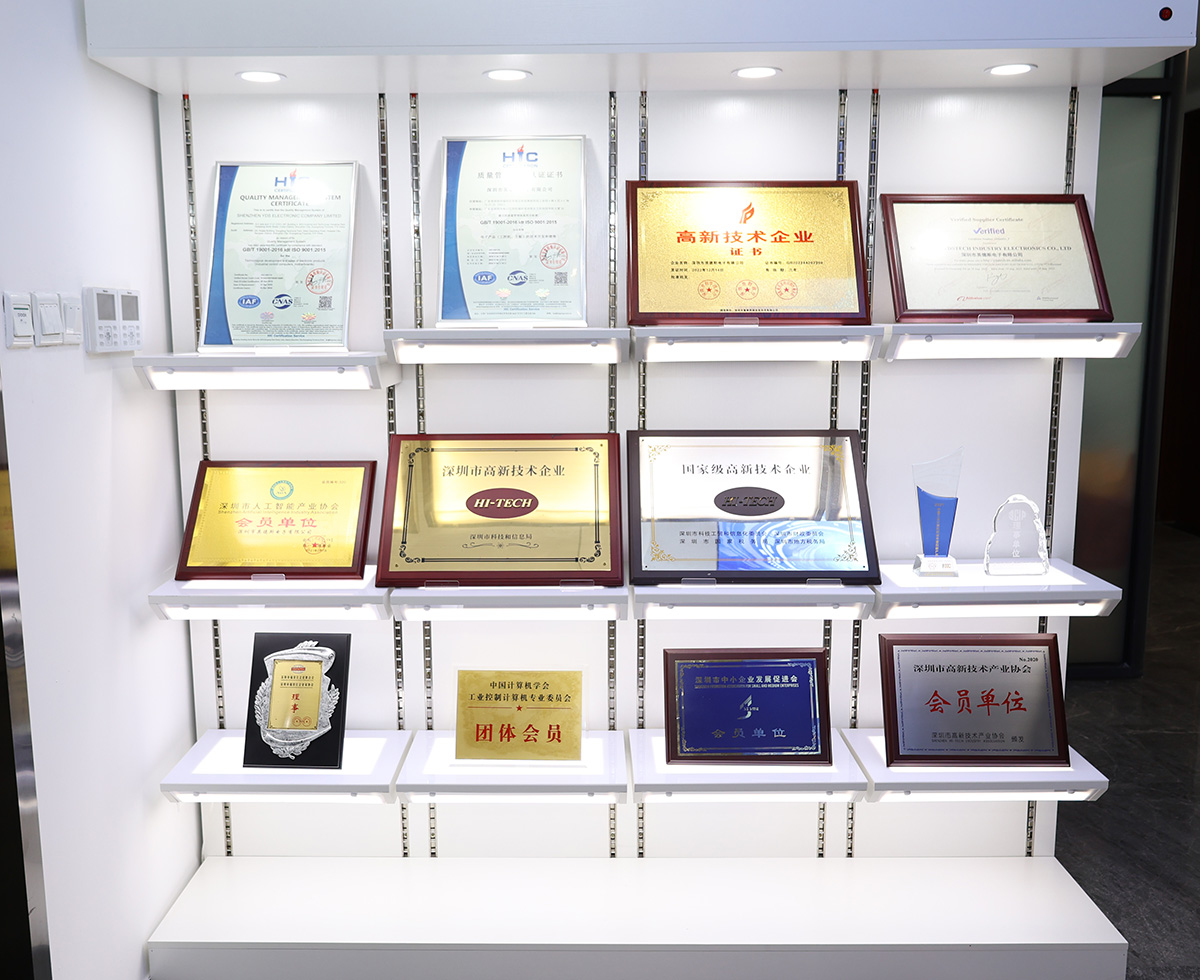
Our core technical team has over 15 years of experience in this industry, and has been focusing on embedded computer research and development, with rich and solid professional expertise. We believe that attitude means everything. Since the establishment of YDSTECH, we have always been committed to working with a conscientious, responsible, attentive, professional, prudent, and meticulous attitude, which ensures the high-quality output of the products. Years of persistence and experience have created our strong R&D team, capable of delivering custom carrier board designs, bios modifications, and OS tailoring for Linux and Windows platforms.
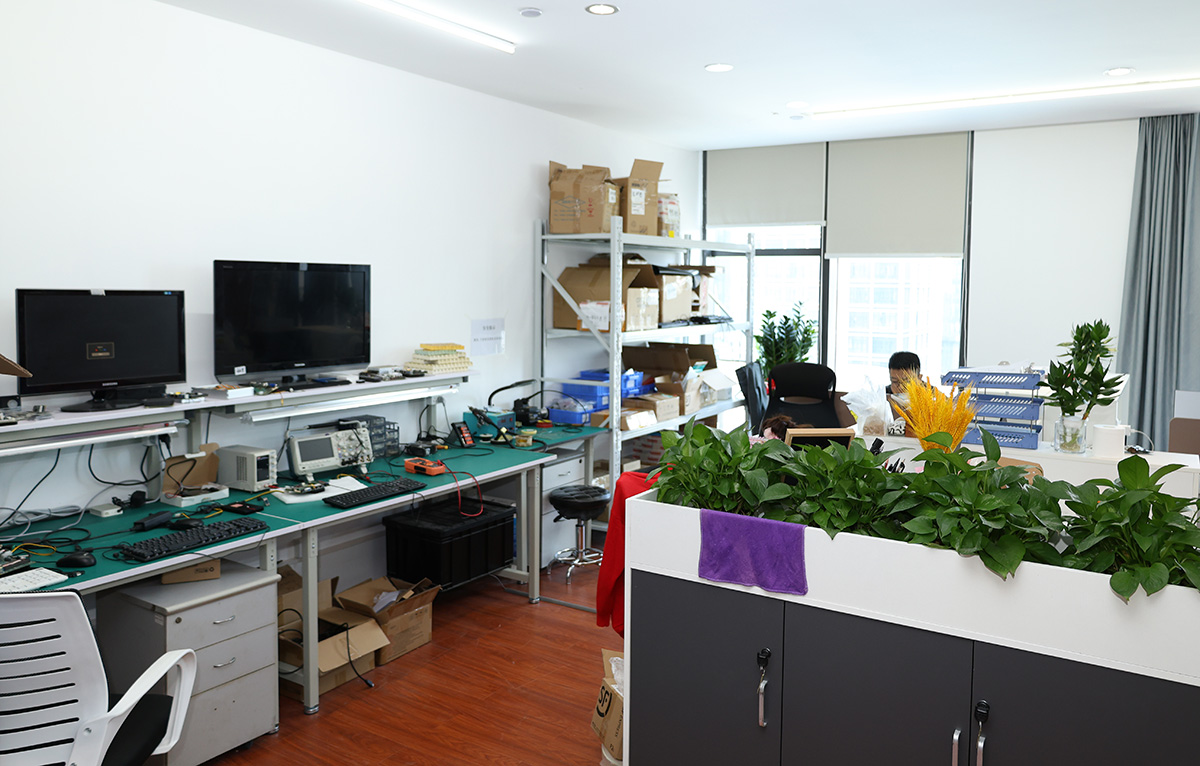
To meet the strict demands of industrial and smart retail deployments, YDSTECH has set up a comprehensive quality assurance management system. We adopt Measurement System Analysis (MSA), implement rolling quality system audits, Total Quality Management (TQM), and Statistical Process Control (SPC) to monitor production in real-time. Furthermore, we have established a strict Approved Vendor List (AVL) supplier management system to ensure the premium quality of raw components. By introducing rolling product reliability tests—including thermal cycling, vibration, and drop testing—we guarantee the overall reliability of every system that leaves our production floor.