Leave Your Message
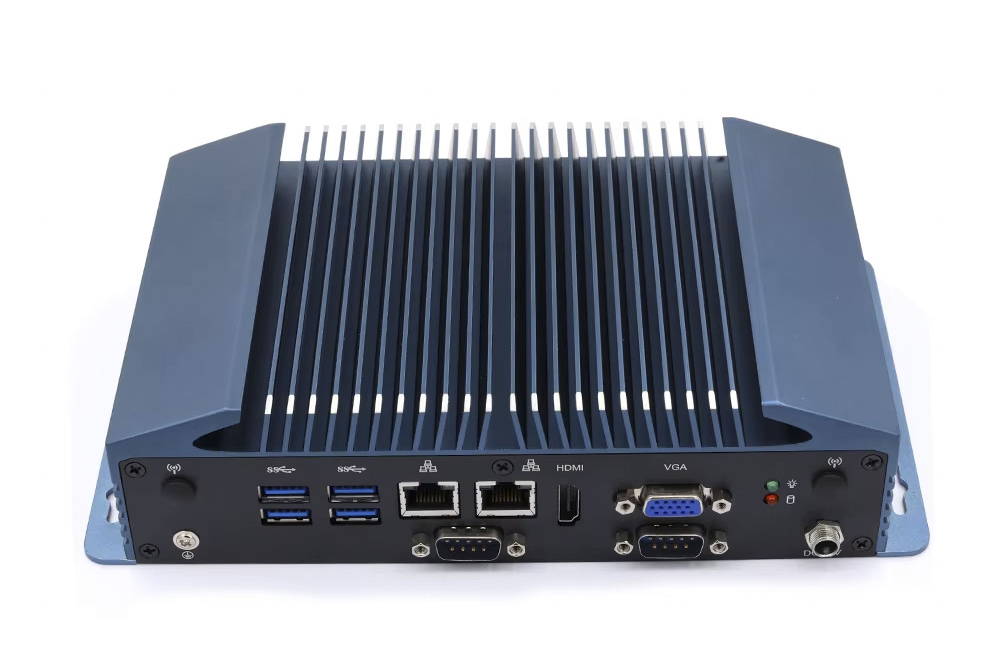
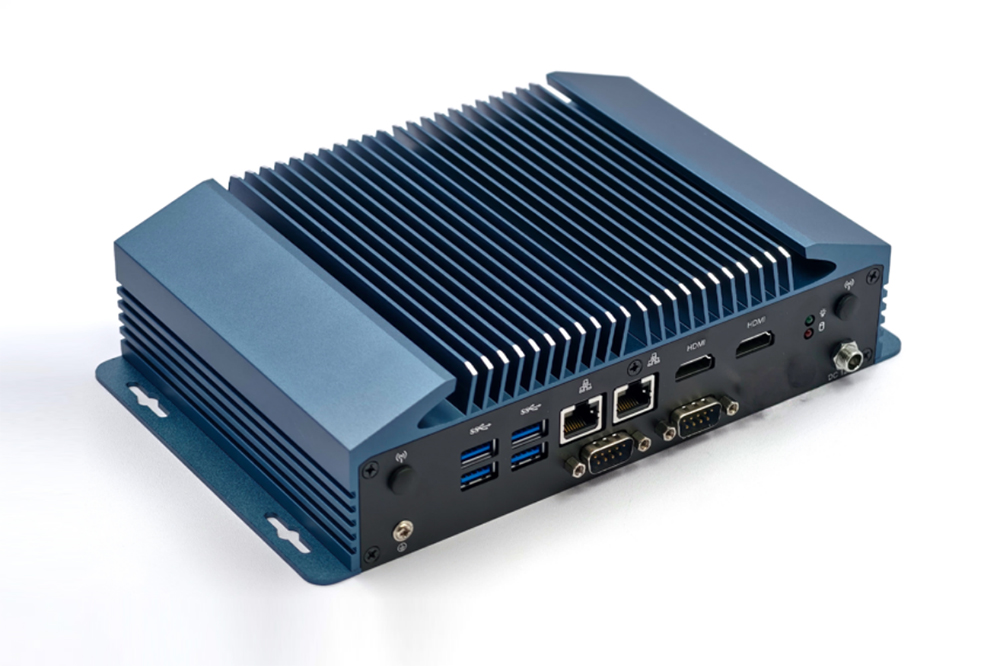
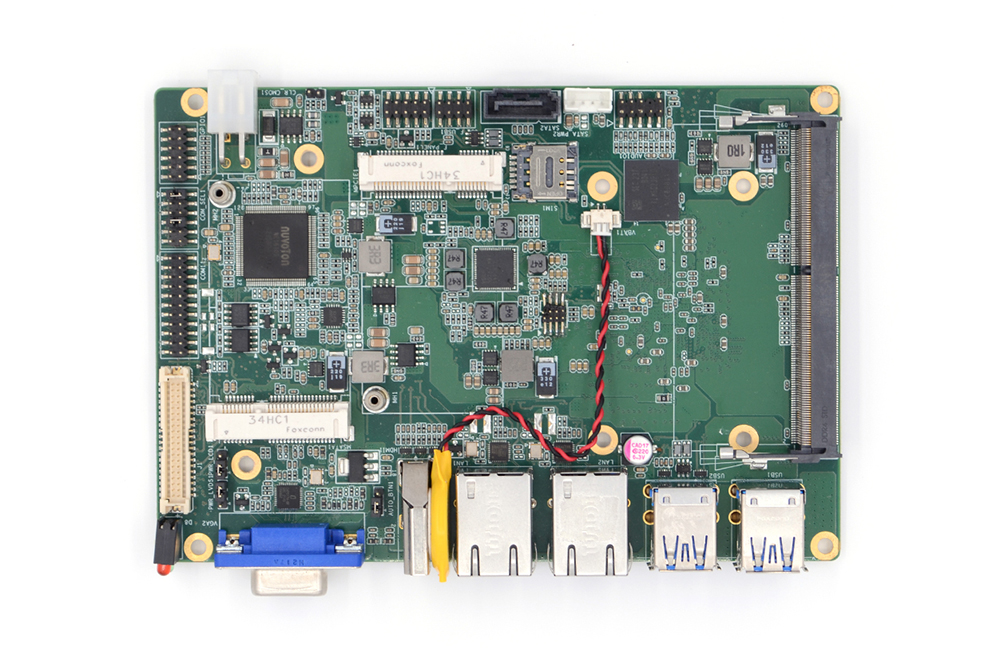
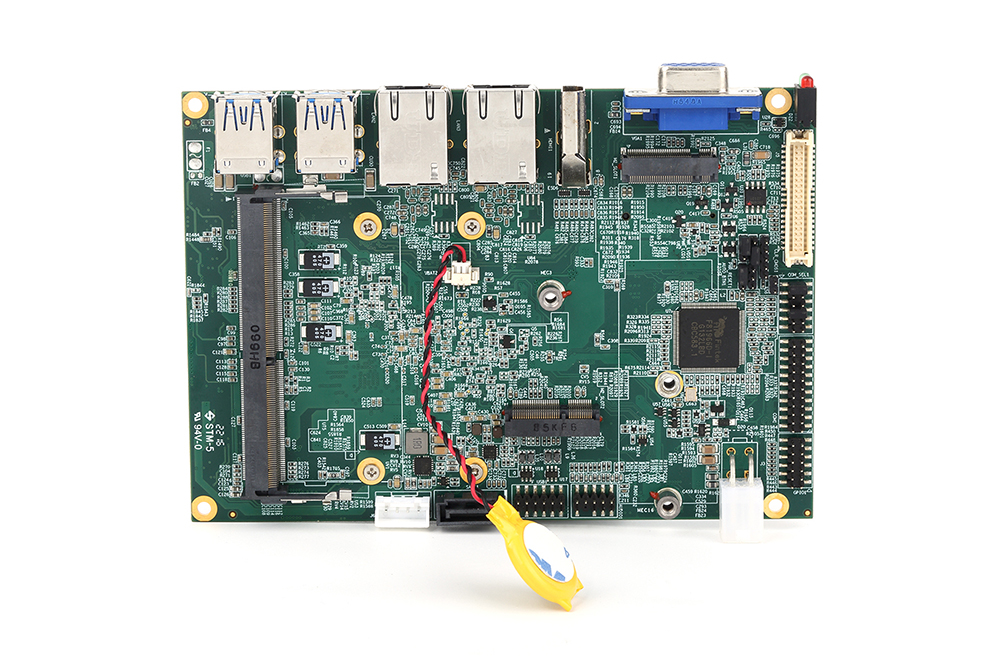
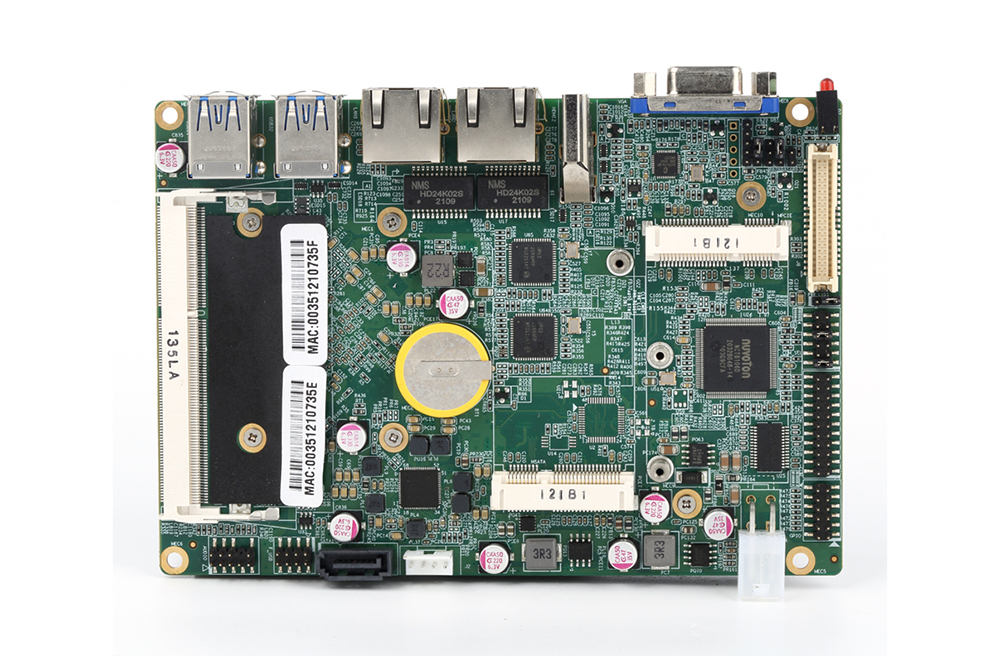
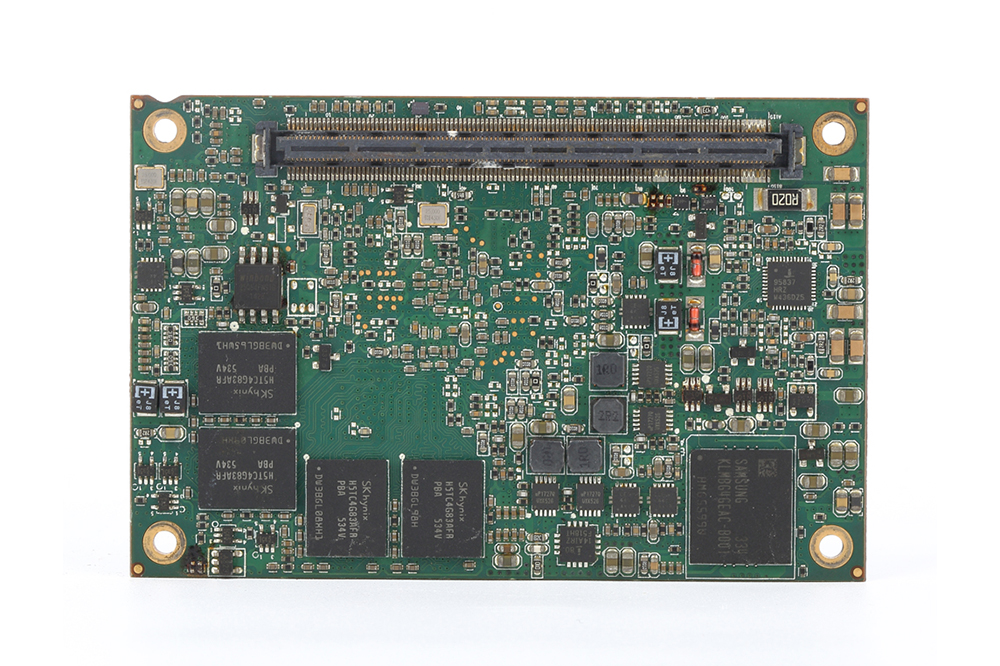
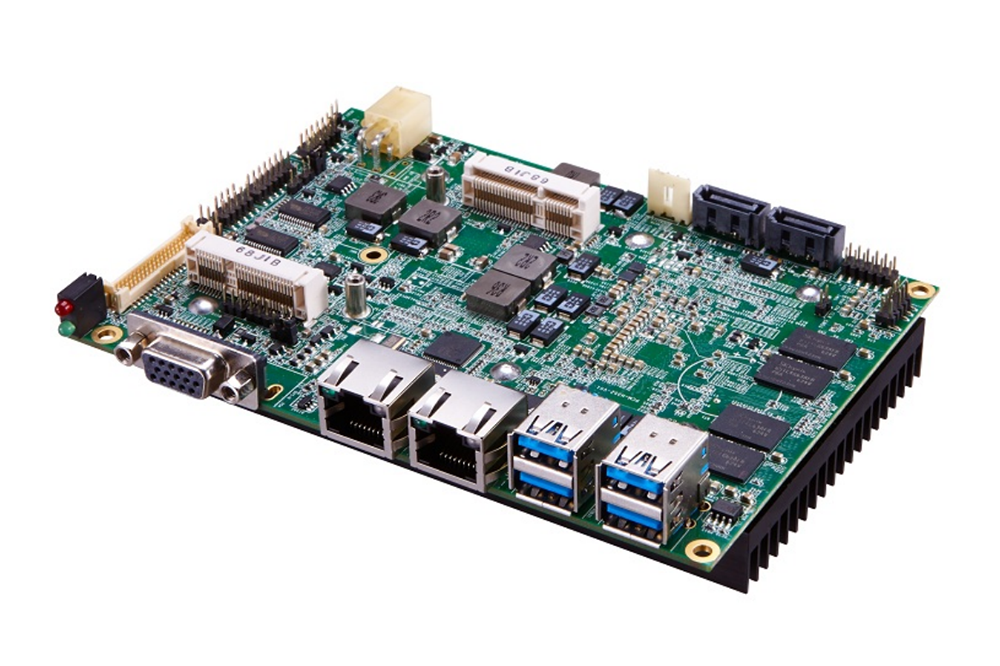
The global industrial landscape is undergoing a massive paradigm shift. As Industry 4.0 matures, the integration of Automated Guided Vehicles (AGVs), Autonomous Mobile Robots (AMRs), and smart industrial automation systems has transitioned from a competitive advantage to an absolute operational necessity. At the heart of this revolution lies the Embedded Linux PC. Historically, industrial control systems relied heavily on proprietary, closed-source operating systems or rigid PLC architectures. Today, the open-source nature, flexibility, and robust real-time performance of Embedded Linux have made it the dominant operating system platform for complex robotic navigation and edge computing.
From a commercial perspective, the demand for AGV and AMR systems is skyrocketing. Warehouses, logistics hubs, automotive assembly lines, and semiconductor cleanrooms are rapidly deploying autonomous fleets to combat labor shortages, increase throughput, and reduce operational errors. This surge has created a massive demand for highly reliable, industrial-grade hardware capable of running sophisticated Linux-based robot software stacks, such as the Robot Operating System (ROS and ROS 2). Developers and system integrators require hardware that offers not only high computational performance but also extreme environmental resilience, long-term lifecycle support, and rich I/O connectivity to interface with LiDAR, cameras, IMUs, and motor drives.
Utilizing RT-PREEMPT patches, Embedded Linux transforms standard X86 hardware into deterministic systems capable of millisecond-level precision in motor control and sensor polling.
Native compatibility with ROS 2 ensures seamless deployment of SLAM navigation algorithms, obstacle detection, and fleet coordination directly at the edge.
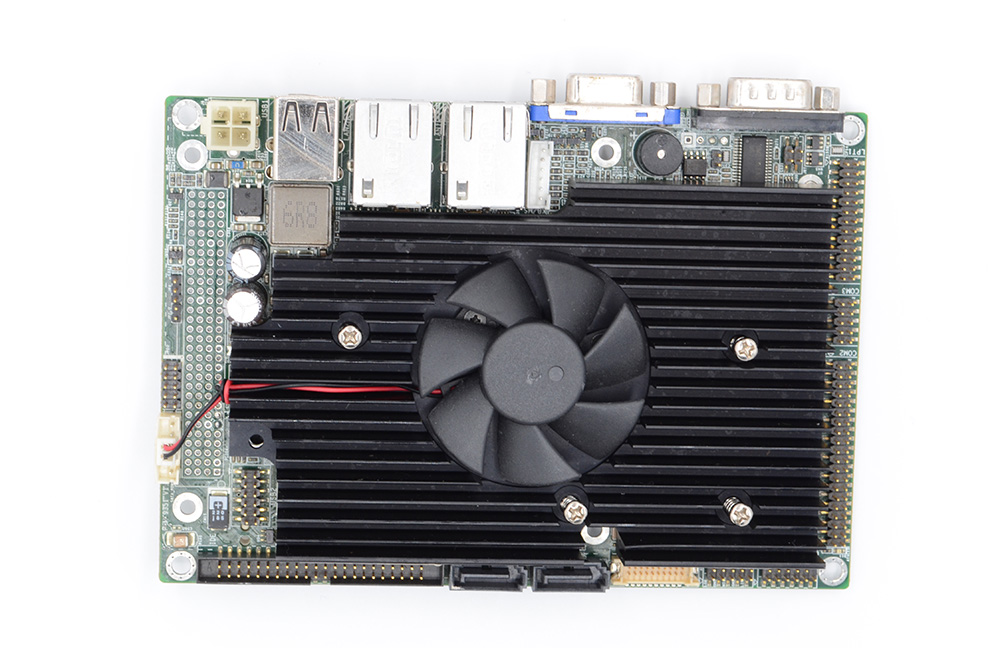
Fanless, wide-temperature (-40°C to +85°C) designs ensure continuous, 24/7 operation in freezing cold-chain warehouses or scorching factory floors.
In AGV and AMR systems, the Embedded Linux PC serves as the central brain. It is responsible for processing complex spatial data generated by 2D/3D LiDAR sensors, depth cameras, and wheel encoders. By running Simultaneous Localization and Mapping (SLAM) algorithms, the PC calculates the robot's precise position in real-time. Simultaneously, it manages path planning and obstacle avoidance algorithms, sending motion commands to the motor controllers via CAN-bus or EtherCAT. The deterministic nature of Real-Time Linux ensures that control loops are executed without latency spikes, preventing collisions and ensuring smooth path execution.
Modern smart factories generate vast amounts of telemetry data. An Embedded Linux PC acting as an Edge Gateway collects data from various PLCs, sensors, and actuators via Modbus, OPC UA, or Profinet. Instead of uploading raw data to the cloud—which incurs high bandwidth costs and latency—the Linux PC performs edge analytics. It filters, aggregates, and processes the data locally, sending only critical alerts or optimized performance metrics to the enterprise cloud. This architecture is vital for predictive maintenance, allowing operators to detect component wear before a failure causes costly assembly line downtime.
For outdoor automation, such as automated port terminals or agricultural robotics, the challenges multiply. Hardware must withstand extreme vibration, dust, moisture, and massive temperature fluctuations. Embedded Linux PCs designed with rugged, fanless enclosures and wide-temperature components ensure uninterrupted operations. These systems interface with GNSS receivers, RTK positioning modules, and radar sensors to guide heavy machinery safely through unpredictable outdoor environments.
As we look toward the next decade of industrial automation, several key technological trends are shaping the development of Embedded Linux hardware:
Shenzhen YDSTECH Electronics Co., Ltd. is a premier high-tech enterprise specializing in the design, development, and manufacturing of industrial computers. Since our establishment in 1999, YDSTECH has been committed to independent research and development, continuous innovation, and the production of world-class industrial computing platforms. We proudly own the independent intellectual property rights for our core product lines, ensuring long-term availability and customization capabilities for our global clients.
We consider honesty and pragmatism as our motto and make it our long-term goal to provide customers with cost-effective, high-reliability products. In order to achieve this goal, we work constantly to develop new products, improve our service capabilities, and promote the innovation of embedded computer applications to create long-term value and potential growth for our customers.
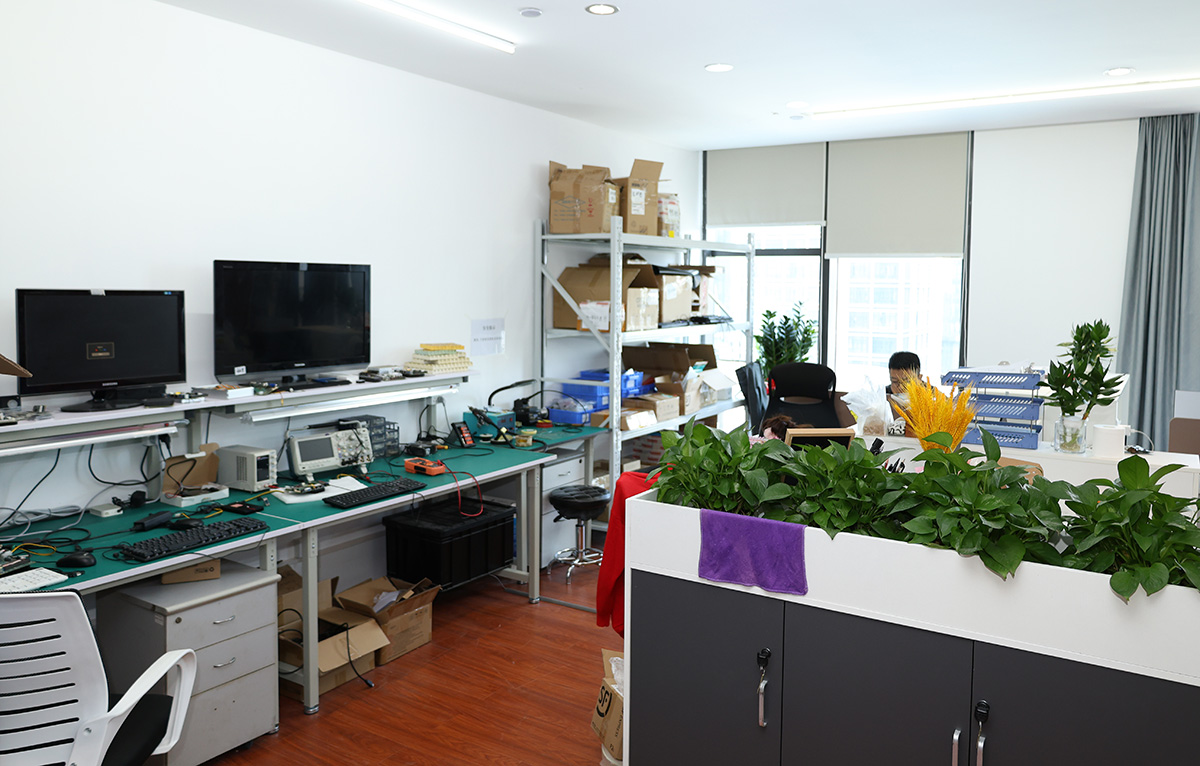
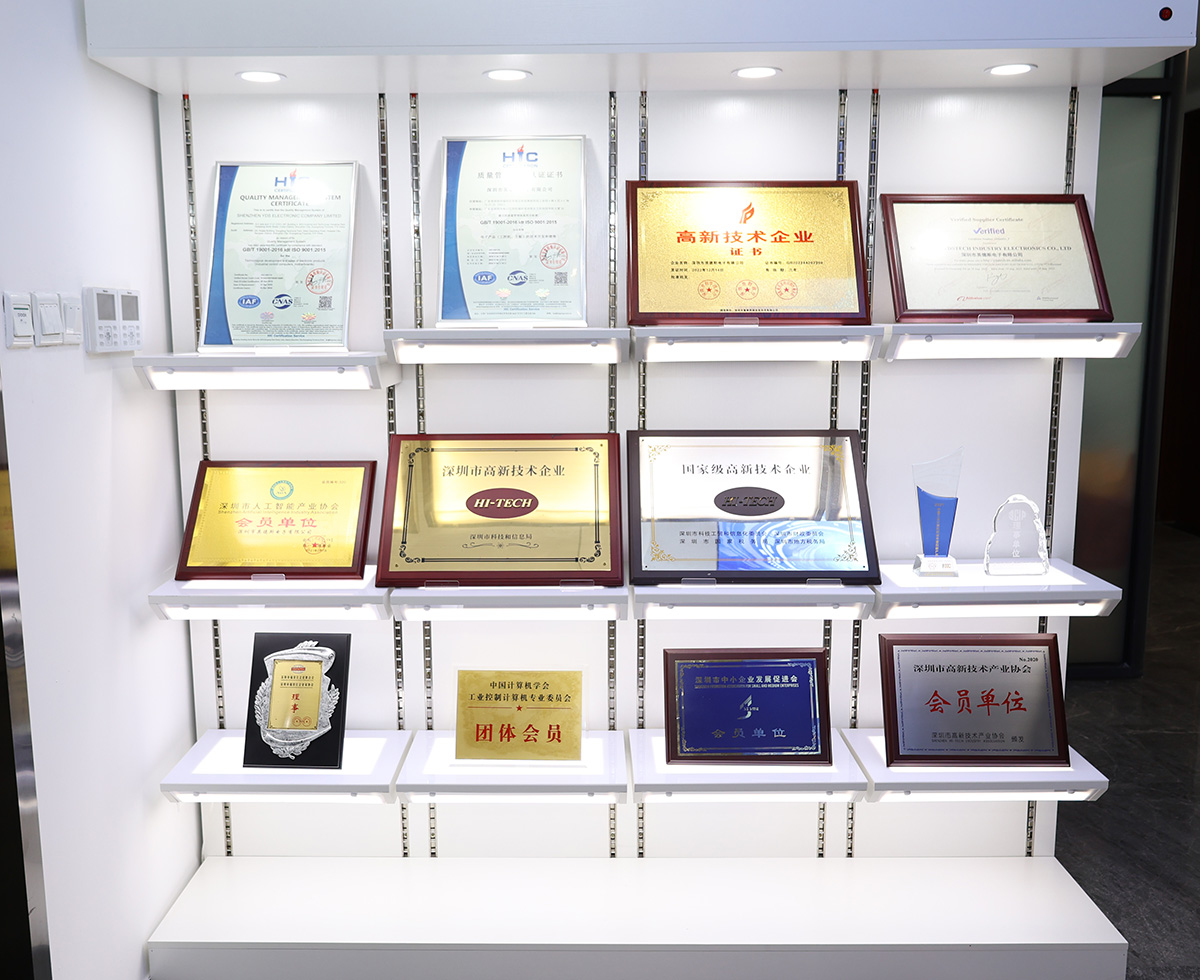
Our core technical team brings over 15 years of industry-leading experience to the table, focusing exclusively on embedded computer research and development. With rich and solid professional expertise, we believe that attitude means everything. Since the establishment of YDSTECH, we have always been committed to working with a conscientious, responsible, attentive, professional, prudent, and meticulous attitude. This commitment ensures the high-quality output of our products; years of persistence and experience have forged our strong R&D team.
To back our engineering capabilities, YDSTECH has established a comprehensive quality assurance management system. We adopt Measurement Systems Analysis (MSA), implement rolling quality system audits, Total Quality Management (TQM), and Statistical Process Control (SPC) to monitor and optimize every stage of production. Furthermore, our robust Approved Vendor List (AVL) supplier management system guarantees the quality of raw materials, while our rigorous product reliability tests (including thermal cycling, vibration, and drop testing) ensure overall product reliability and longevity in the field.