Leave Your Message
High-performance industrial motherboards and mini PCs engineered for embedded Linux deployment.
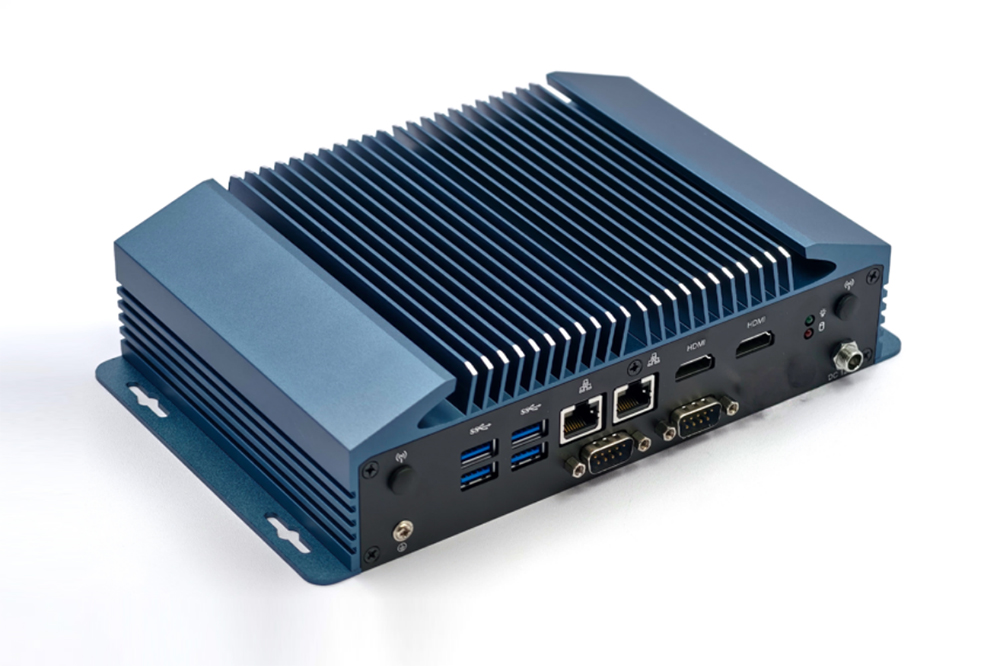
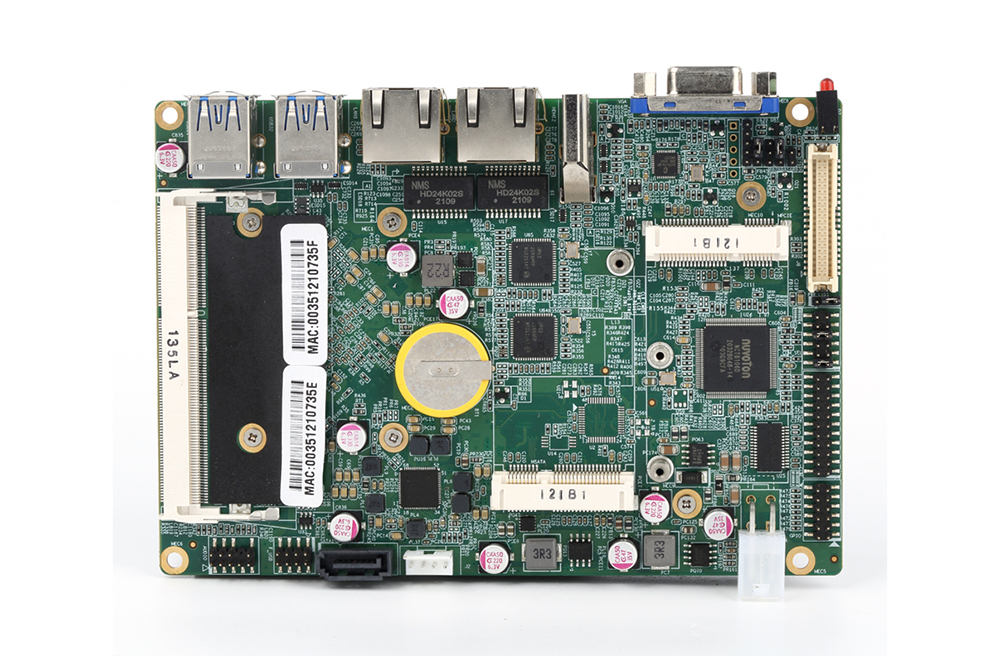
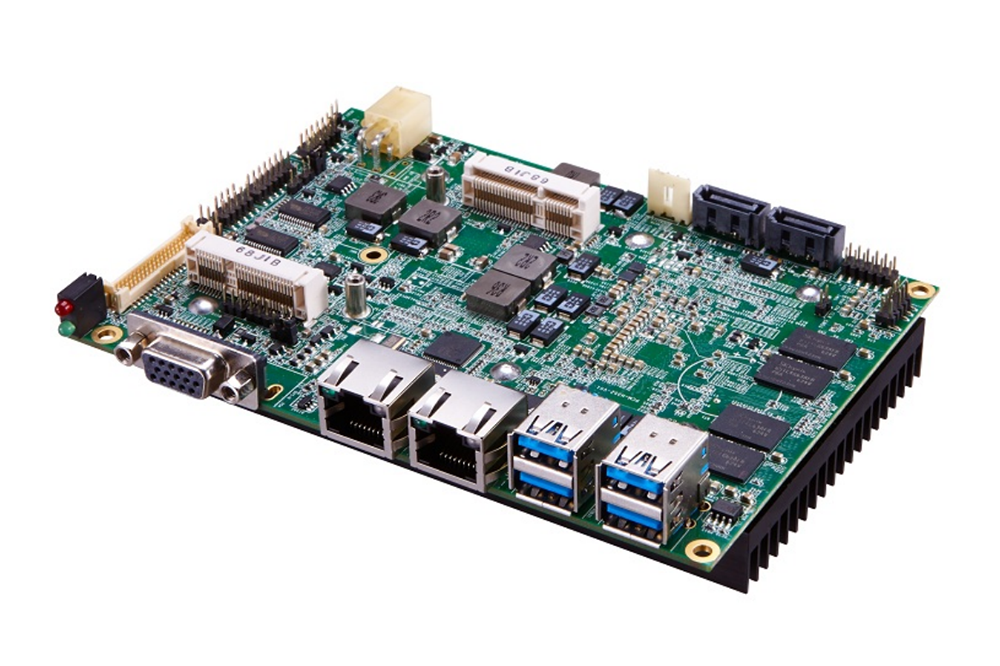
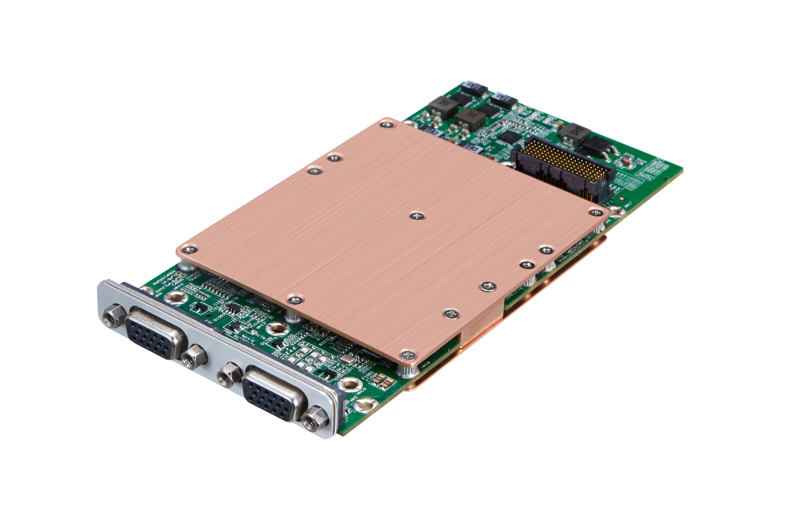
In the modern era of industrial automation, the traditional centralized cloud-computing model faces significant challenges, including high latency, bandwidth consumption, and security vulnerabilities. To address these issues, the industry is witnessing a massive transition toward **edge computing**. At the heart of this paradigm shift is the **Embedded Linux PC**. By moving computational power, data storage, and decision-making capabilities closer to the physical devices generating the data, these specialized systems dramatically optimize operations.
Operating systems built on Linux provide the ideal foundation for edge computing due to their modularity, open-source flexibility, robust security frameworks, and lightweight footprint. Unlike standard desktop operating systems, an embedded Linux system can be stripped down to run only the essential drivers and services required for specific industrial tasks, ensuring maximum uptime and efficiency. Combined with rugged x86 hardware architectures, these platforms offer the perfect balance of raw processing power and extreme environmental tolerance.
How Embedded Linux PCs and IoT Gateways are transforming complex industrial landscapes.
In smart factories, legacy OT equipment utilizes diverse proprietary communication protocols. An Embedded Linux PC serves as a universal translator, running protocol conversion software (such as OPC UA, Modbus, or MQTT) to aggregate data from PLCs and safely transmit it to cloud-based ERP systems.
Substations, wind farms, and solar arrays require persistent, real-time monitoring and control. Running Linux allows these edge computers to execute complex control algorithms locally, manage power distribution dynamically, and survive the extreme temperatures typical of remote energy installations.
By deploying edge computers equipped with rich I/O options (like RS485 and GPIO), operators can continuously collect vibration, temperature, and acoustic data from industrial machinery. Localized machine learning models analyze this data in real-time to alert engineers before a catastrophic breakdown occurs.
Discover the cutting-edge design methodologies fueling the next generation of IoT gateways.
Historically, embedded systems ran a single dedicated application. With the advent of more powerful multi-core x86 processors, modern Embedded Linux PCs are increasingly utilizing containerization technologies like Docker and lightweight Kubernetes (K3s). This allows developers to isolate applications in microservices, simplifying software deployment, updates, and rollbacks across thousands of geographically distributed edge gateways.
As neural networks become more optimized, edge devices are no longer just data forwarders—they are decision-makers. Incorporating low-power dedicated GPUs or hardware accelerators (NPUs) into embedded x86 architectures enables real-time video analytics, object detection, and anomaly detection directly on-site. This is critical for applications like automated quality inspection in manufacturing lines or intelligent traffic management systems.
IoT gateways must maintain reliable connections under challenging circumstances. The integration of 5G cellular modems and Wi-Fi 6 modules into embedded PCs guarantees high-speed, low-latency, and redundant communication paths. In remote mining fields, offshore oil rigs, or moving transit systems, dual-SIM failover capabilities ensure that critical telemetry data is never lost.
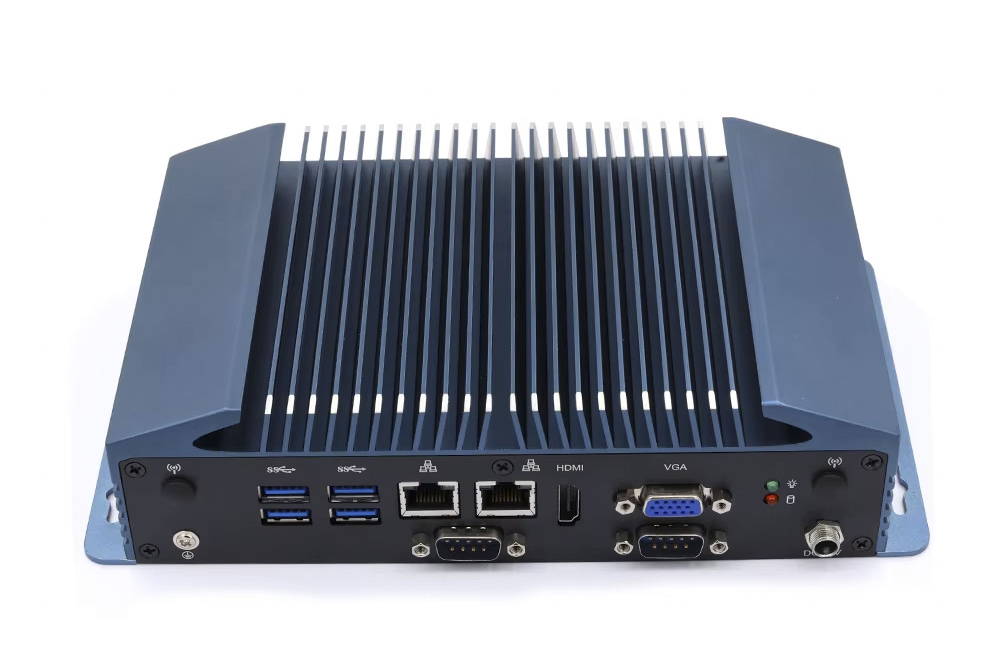
Unlike consumer-grade computers, industrial-grade systems must operate flawlessly in environments with extreme temperature fluctuations, high humidity, dust, and continuous mechanical vibration. Fanless thermal design is a key requirement, relying on heavy-duty aluminum heatsinks to dissipate heat efficiently without drawing in external contaminants. Supporting an operating temperature range of -40°C to +85°C ensures long-term reliability in outdoor cabinets or heavy machinery cabins.
A Pioneer in Industrial Computing and Embedded Solutions Since 1999
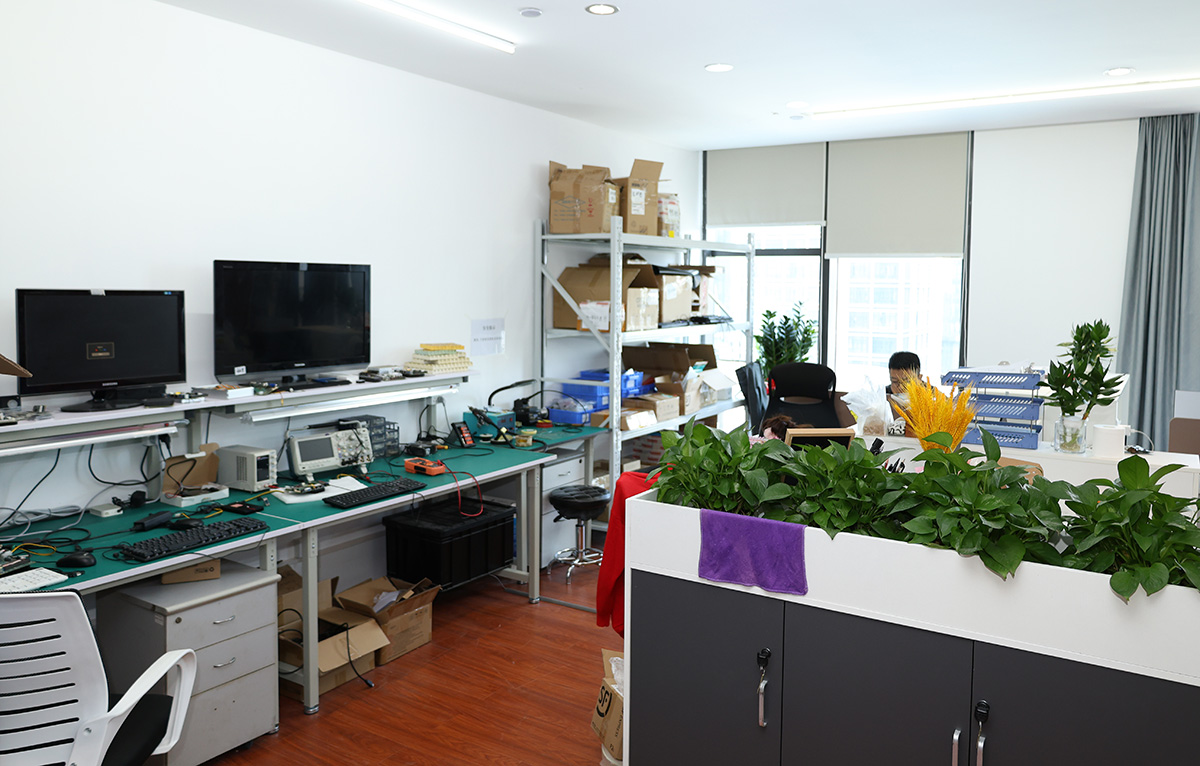
Shenzhen YDSTECH Electronics Co., Ltd. is a high-tech enterprise specializing in industrial computers. Since the establishment of YDSTECH in 1999, we have been committed to independent research and development, innovation, production and sales of industrial computers, and we own the independent intellectual property rights of our core products.
We consider honesty and pragmatism as our motto and make it our long-term goal to provide customers with cost-effective products. In order to achieve this goal, we work constantly to develop new products, improve our service capabilities and promote the innovation of embedded computer applications to create long-term value and potential growth for our customers.
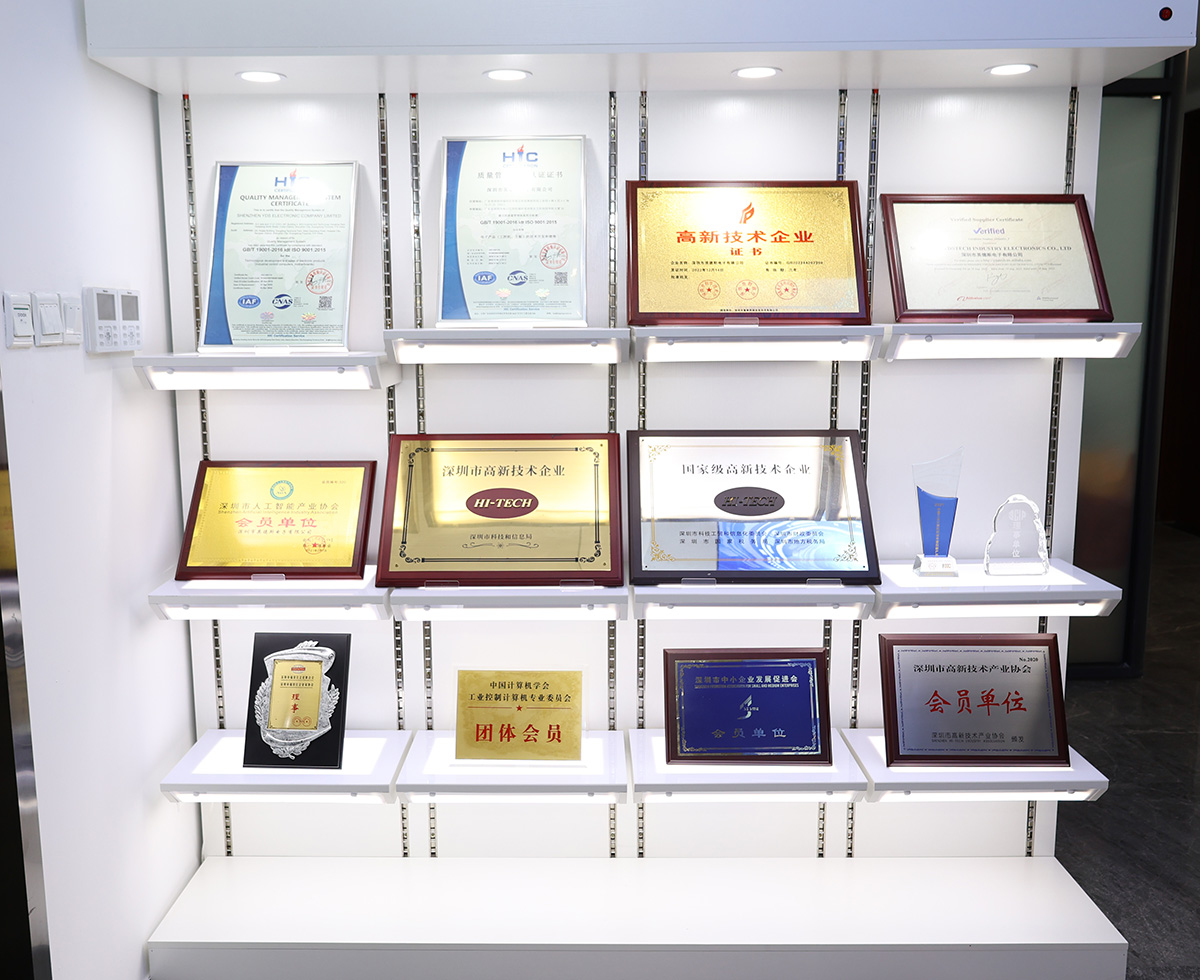
Our core technical team has over 15 years of experience in this industry, and has been focusing on embedded computer research and development, with rich and solid professional expertise. We believe that attitude means everything, since the establishment of YDSTECH, we have always been committed to work with a conscientious, responsible, attentive, professional, prudent and meticulous attitude, which ensures the high-quality output of the products, years of persistence and experience created our strong R&D team.
YDSTECH has set up a comprehensive quality assurance management system, adopting MSA quality system analysis, implementing rolling quality system audit, TQM, SPC process control and other quality management systems, establishing AVL supplier management system to ensure the quality of raw materials, and introducing rolling product reliability tests to ensure overall product reliability.
Explore our full line of wide temperature boards, fanless systems, and expansion cards designed for edge computing.