Leave Your Message
High-reliability, easy-maintainable computing hardware optimized for quick deployment and minimal downtime.
The landscape of American manufacturing, logistics, and energy distribution is undergoing a profound digital transformation. With the acceleration of Industry 4.0, companies across the United States—from the automotive assembly lines in Michigan to the oil fields of Texas and the automated logistics hubs in Ohio—are relying heavily on robust edge computing infrastructures. At the center of this technological shift is the need for highly reliable, easy-maintainable industrial PC racks.
Historically, industrial computers were housed in bulky, complex enclosures that required specialized tools and extensive downtime to service. Today, US enterprises demand modularity. An easy-maintainable design means that components such as storage drives, cooling fans, and power supplies can be swapped out in minutes, drastically reducing the Mean Time to Repair (MTTR). In high-throughput environments like automated packaging plants or semiconductor fabrication facilities, a single hour of system downtime can result in tens of thousands of dollars in lost revenue. Consequently, choosing a manufacturer that prioritizes serviceability alongside computational performance is no longer just an engineering preference; it is a critical business strategy.
Deploying computing equipment at the industrial edge presents unique challenges. Unlike climate-controlled corporate datacenters, edge nodes in the US are frequently exposed to dust, wide temperature fluctuations, and severe vibrations. For instance, in the transportation sector, rackmount PCs installed along railway networks or in highway tolling booths must run 24/7 without human intervention. By utilizing an easy-maintainable industrial PC rack, field technicians can perform routine filter replacements, upgrade memory modules, or swap storage drives without having to disassemble the entire rack cabinet, ensuring continuous operation and lower total cost of ownership (TCO).
As American industries strive for greater efficiency, several key technology trends are driving the development of modern industrial PC racks and motherboard platforms:
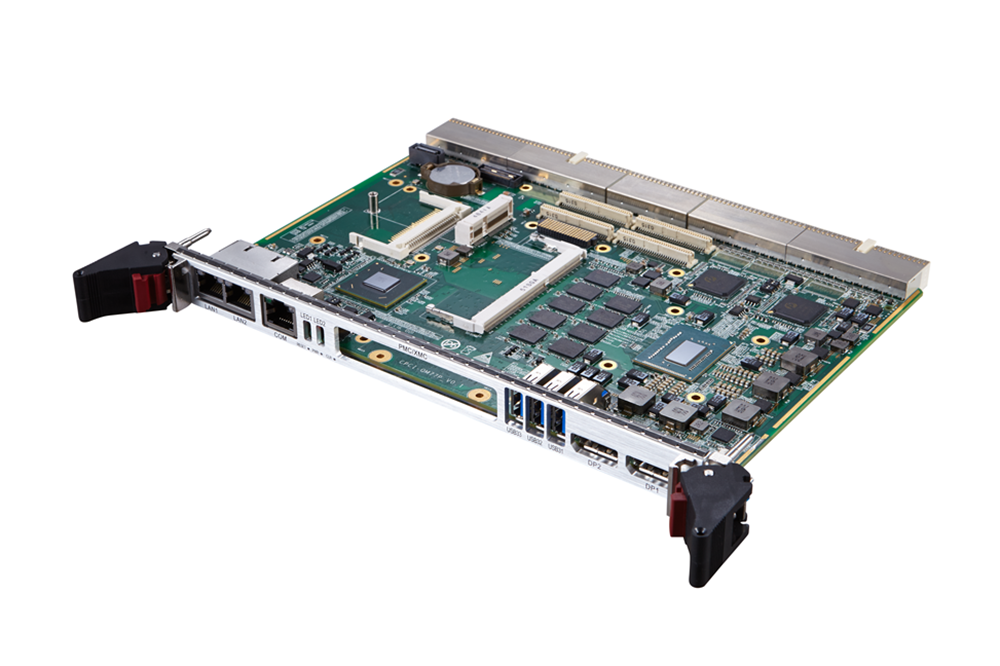
The integration of artificial intelligence and machine vision at the edge has created a demand for massive processing power. Modern industrial PC racks now support multi-core X86 architectures, including the latest 12th and 13th Generation Intel Core and Intel Ultra processors. These platforms allow factories to run complex real-time defect detection algorithms directly on the production line, eliminating the latency and bandwidth costs associated with sending high-definition video feeds to the cloud.
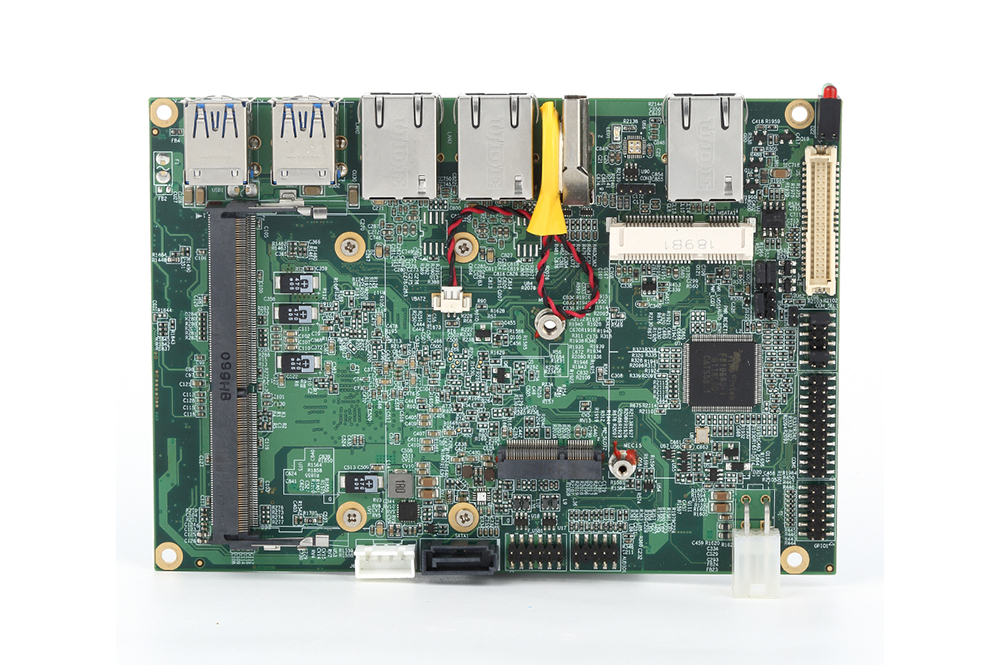
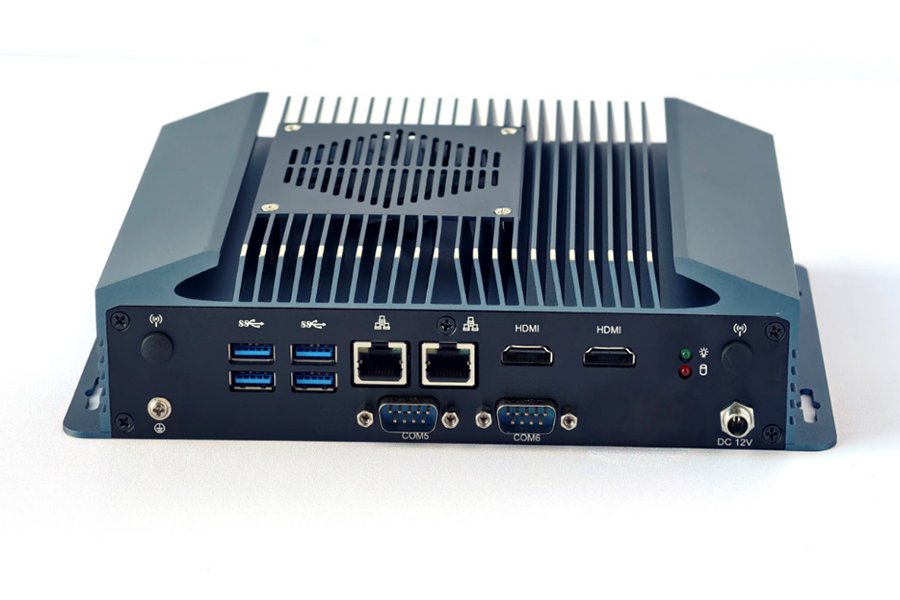
From the freezing winters of the Midwest to the scorching summer heat of the Southwest, outdoor industrial applications require hardware that can withstand extreme environmental conditions. Manufacturers are responding by engineering wide-temperature motherboards capable of operating flawlessly between -40°C and +75°C. Combined with advanced fanless chassis designs that utilize passive heat-pipe cooling, these systems eliminate fans—the most common mechanical point of failure—ensuring unmatched long-term reliability.
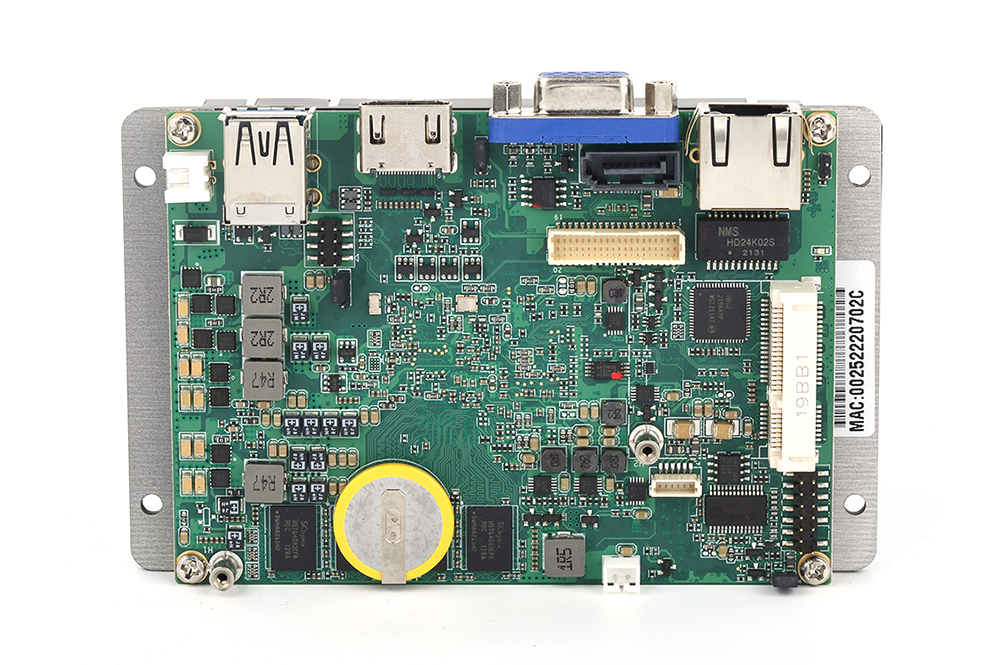
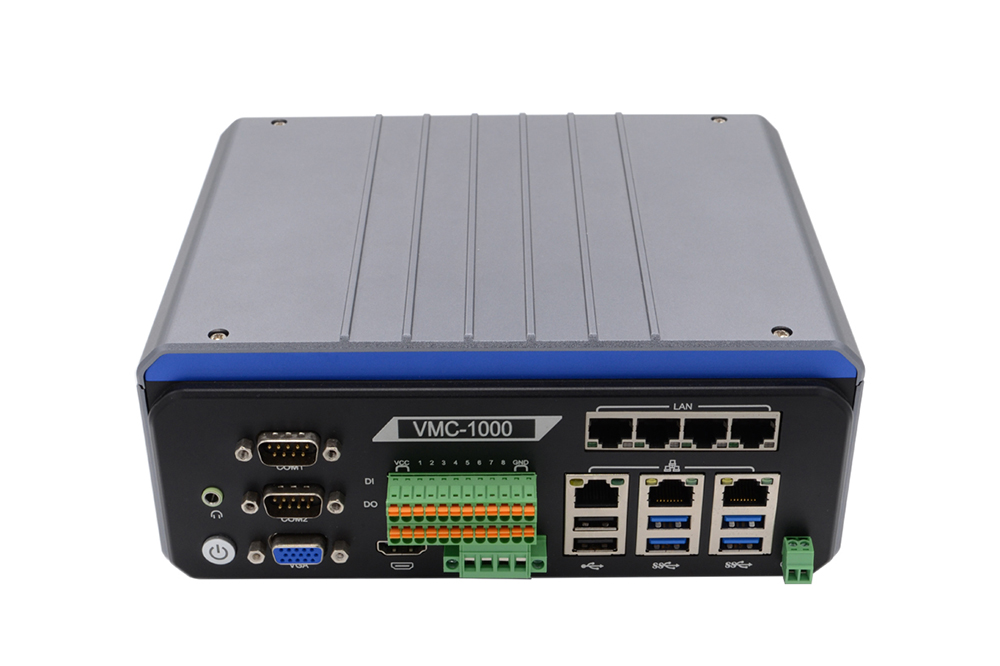
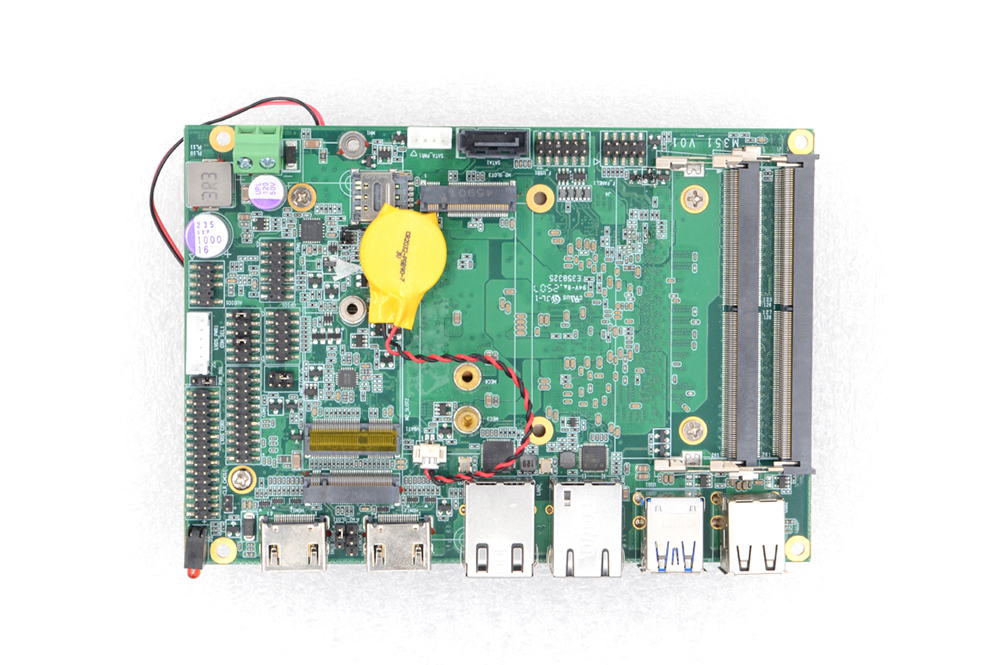
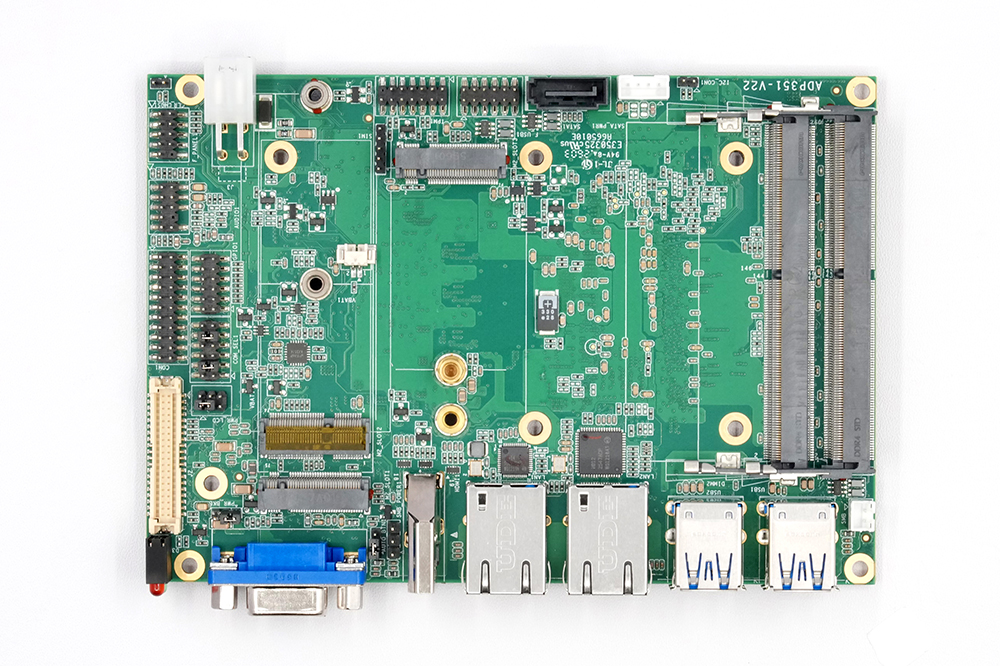
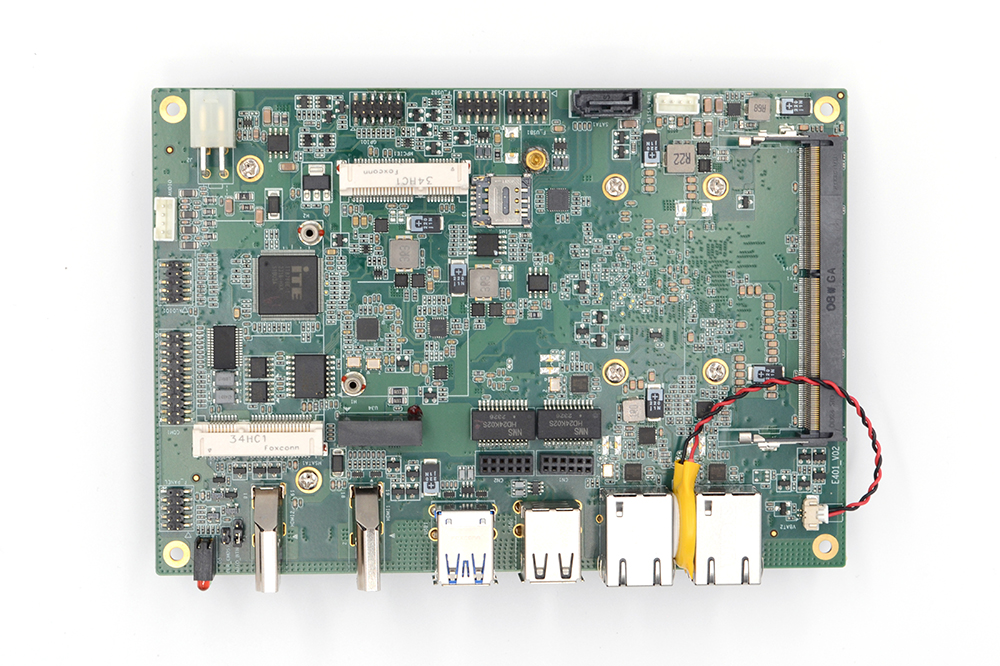
No two industrial installations are identical. A rackmount PC operating in a power substation requires different connectivity than one deployed in a food processing plant. Modern easy-maintainable systems feature modular I/O plates and rich expansion options, including multiple Power over Ethernet (PoE) LAN ports for IP cameras, isolated serial interfaces (RS-232/422/485) for legacy PLC communication, and GPIO ports for sensor integration. This modularity ensures that the system can be customized easily during installation and upgraded seamlessly in the future.
To understand the true value of easy-maintainable industrial PC racks, it is helpful to look at how they are deployed in key sectors across the country:
In the heart of the American automotive industry, assembly lines operate around the clock. Here, 4U and 2U rackmount PCs are deployed to coordinate robotic welding arms, track parts via RFID, and run high-speed vision inspection systems. An easy-maintainable chassis allows maintenance staff to quickly slide out the PC core for cleaning or upgrades during scheduled 15-minute maintenance windows, ensuring the main line never stalls.
Wind and solar farms spread across West Texas experience extreme temperatures and dusty conditions. Rackmount systems utilizing wide-temperature motherboards are housed in outdoor control cabinets to monitor power generation, manage battery storage systems, and communicate telemetry data to central grid operators. The fanless design prevents dust accumulation, ensuring the systems run maintenance-free for years.
With major ports and massive e-commerce distribution centers, California is a hub for global logistics. Industrial PCs serve as the control brains for Automated Guided Vehicles (AGVs) and high-speed conveyor sorting systems. Easy-to-access drive bays allow for rapid replacement of storage drives containing critical operational databases without disturbing the surrounding wiring infrastructure.
Aerospace testing facilities require high-density data acquisition systems to simulate flight conditions and test structural integrity. Using multi-display industrial motherboards with rich PCIe expansion capabilities, engineers can connect multiple high-speed sensors and displays, providing real-time telemetry visualization during critical testing phases.
When procurement managers evaluate industrial PC rack manufacturers, price is always a primary consideration. However, focusing solely on the initial purchase price can be a costly mistake. Industrial-grade hardware is built to a vastly different standard than consumer or standard enterprise IT equipment, and its pricing reflects the quality of components, long-term availability, and ruggedized design.
By investing in an easy-maintainable industrial PC rack, US companies achieve a much lower Total Cost of Ownership (TCO). The ease of maintenance reduces labor costs, while the ruggedized construction prevents unexpected hardware failures, ensuring that the initial investment pays for itself multiple times over the system's operational lifecycle.
A leading global manufacturer of high-performance embedded and industrial computing solutions.
Shenzhen YDSTECH Electronics Co., Ltd. is a high-tech enterprise specializing in industrial computers. Since the establishment of YDSTECH in 1999, we have been committed to independent research and development, innovation, production and sales of industrial computers, and we own the independent intellectual property rights of our core products.
We consider honesty and pragmatism as our motto and make it our long-term goal to provide customers with cost-effective products. In order to achieve this goal, we work constantly to develop new products, improve our service capabilities and promote the innovation of embedded computer applications to create long-term value and potential growth for our customers.
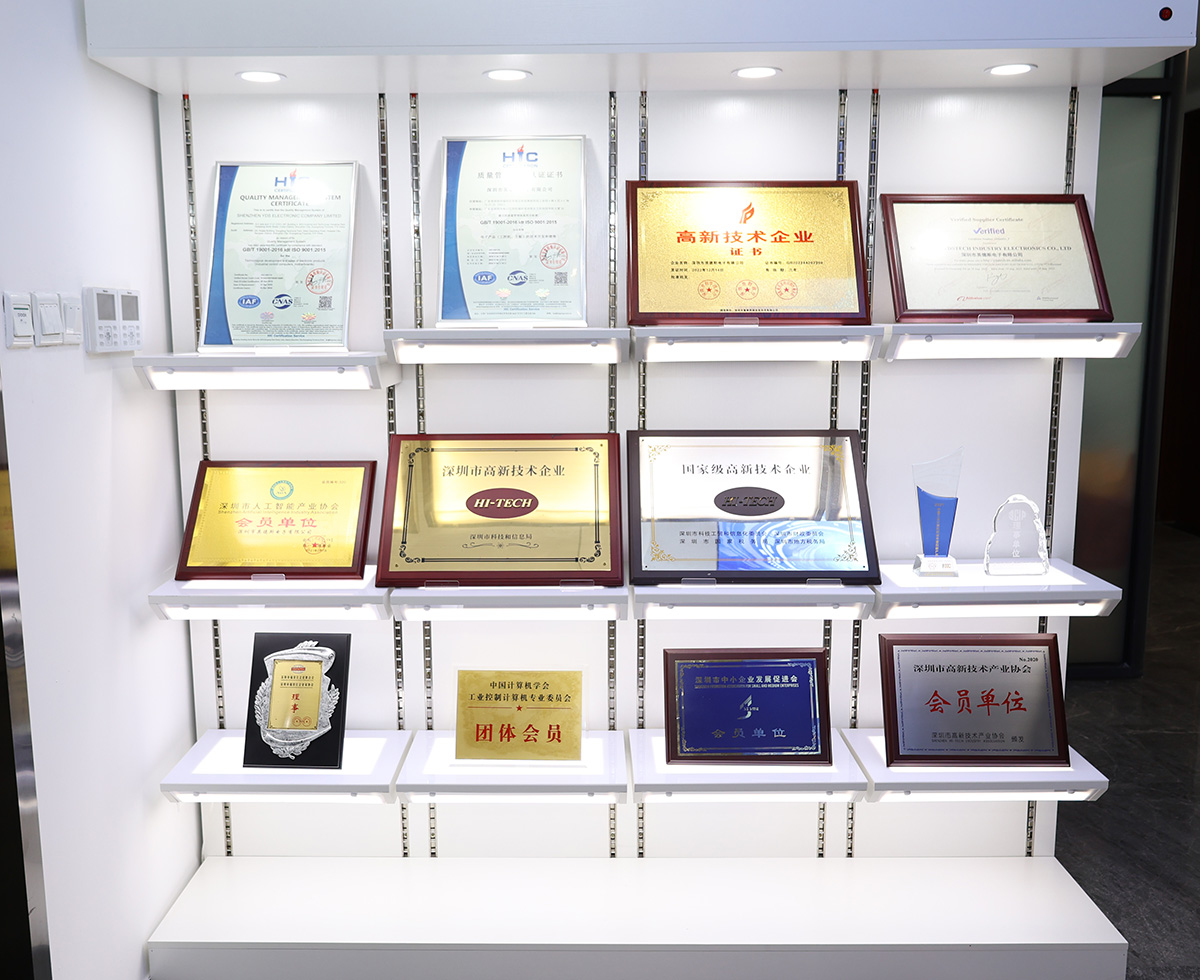
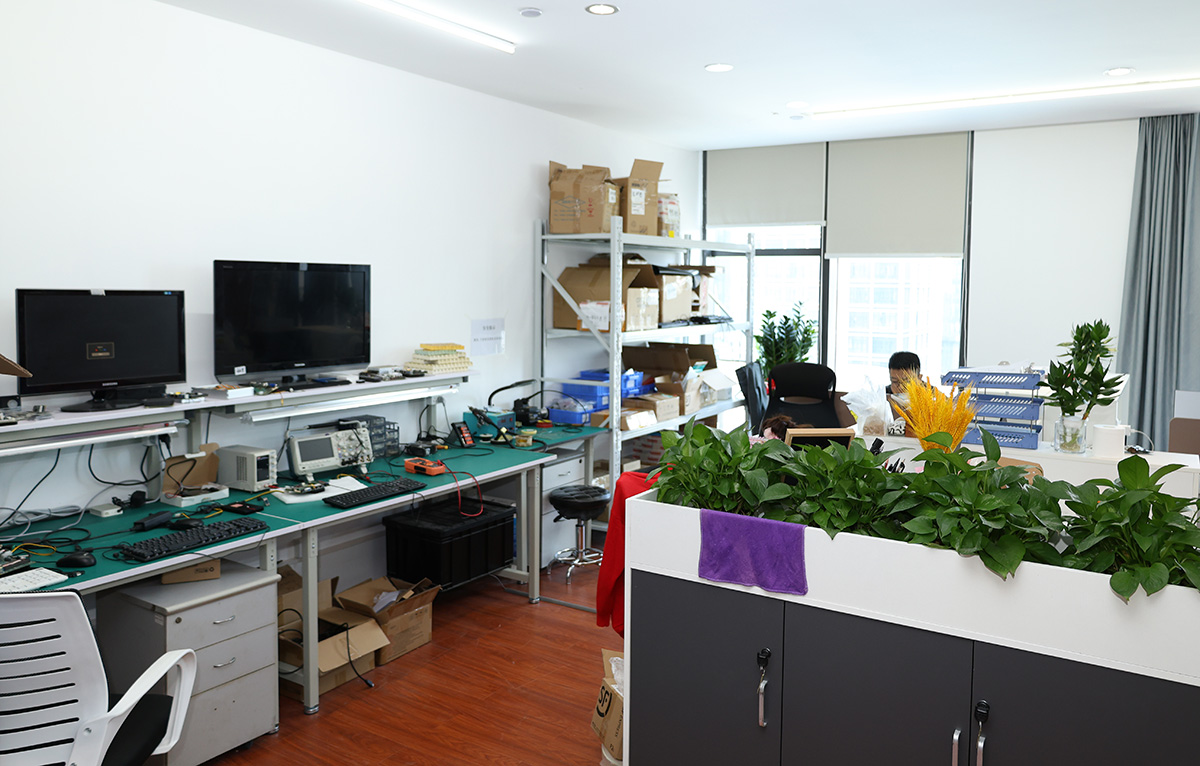
Our core technical team has over 15 years of experience in this industry, and has been focusing on embedded computer research and development, with rich and solid professional expertise. We believe that attitude means everything, since the establishment of YDSTECH, we have always been committed to work with a conscientious, responsible, attentive, professional, prudent and meticulous attitude, which ensures the high-quality output of the products, years of persistence and experience created our strong R&D team.
YDSTECH has set up a comprehensive quality assurance management system, adopting MSA quality system analysis, implementing rolling quality system audit, TQM, SPC process control and other quality management systems, establishing AVL supplier management system to ensure the quality of raw materials, and introducing rolling product reliability tests to ensure overall product reliability.
Explore our complete range of high-performance industrial motherboards and mini PCs engineered for demanding applications.