Leave Your Message
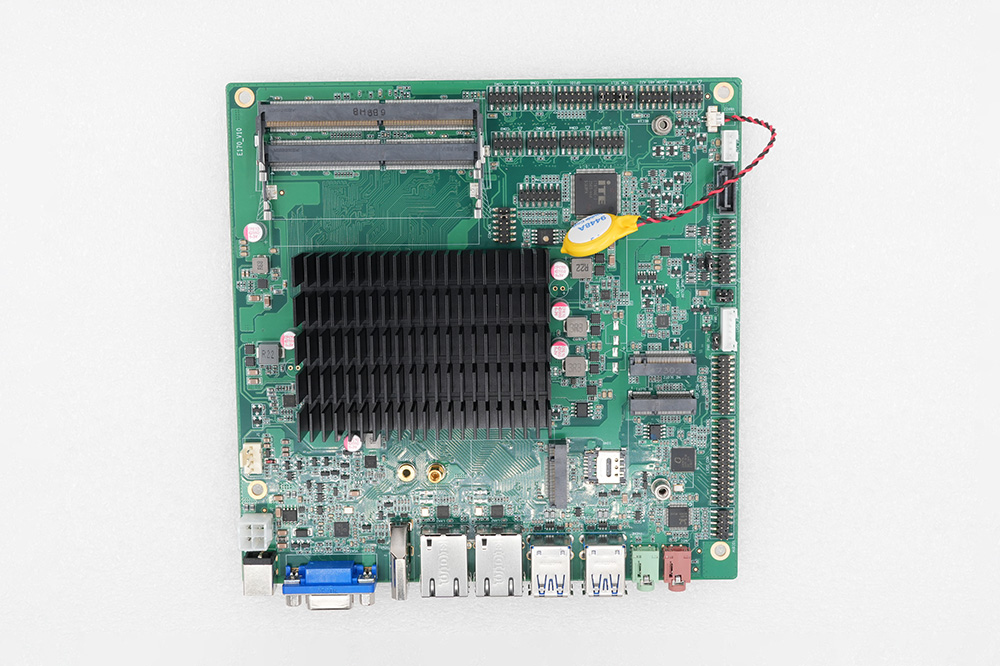
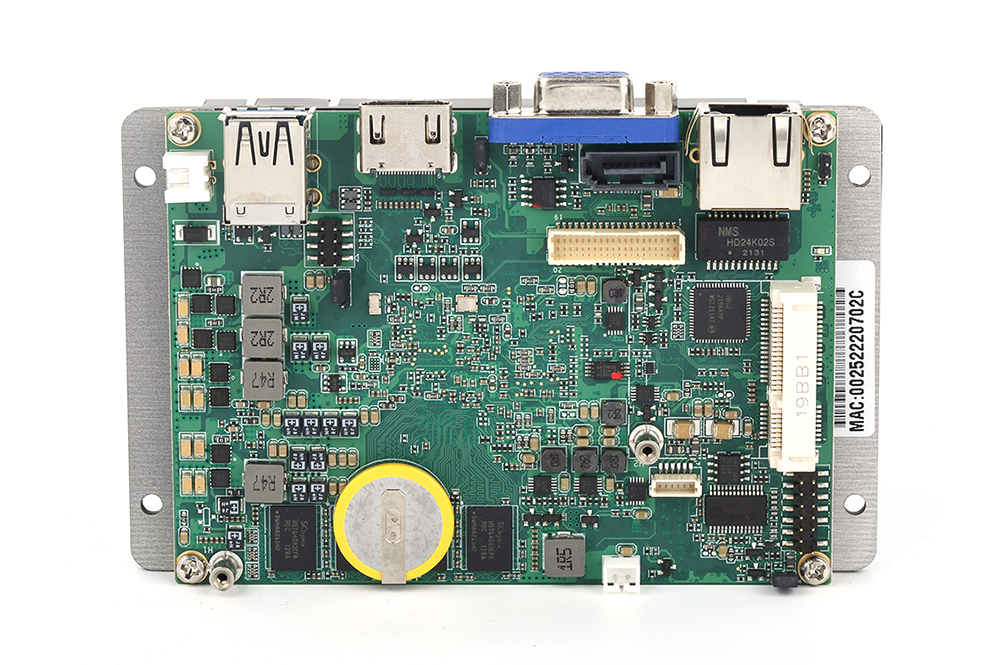
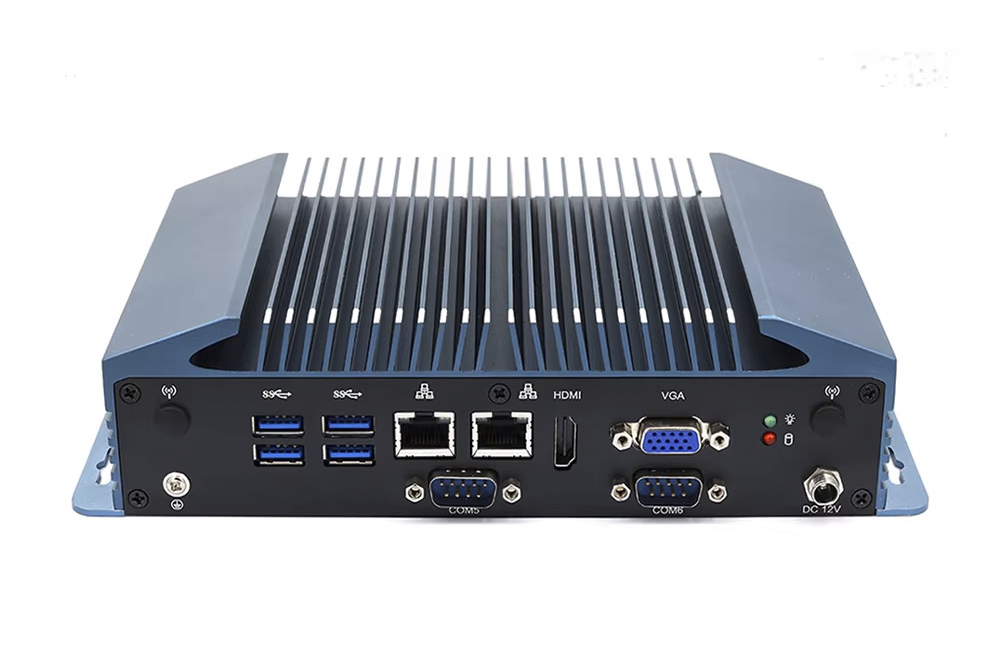
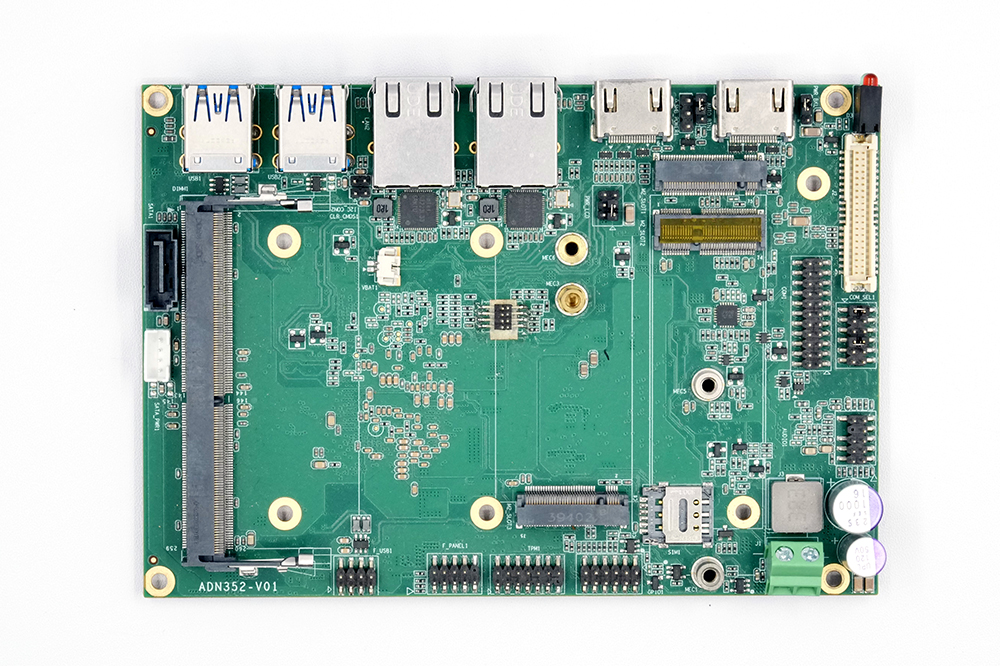
The industrial landscape of the United States is undergoing a profound transformation. Driven by the resurgence of domestic manufacturing, the expansion of smart grid infrastructures, and the rapid deployment of edge computing, American enterprises are demanding hardware that is both high-performing and incredibly resilient. From the automotive factories of Michigan to the oil fields of Texas, and the logistics hubs of Ohio and Tennessee, the environments in which industrial computers operate are notoriously harsh. Traditional desktop PCs fail rapidly under these conditions due to dust, extreme temperatures, and mechanical vibration.
This is where easy-maintainable industrial fanless embedded PCs step in. By eliminating the single most common point of failure in hardware—the cooling fan—these systems ensure long-term, uninterrupted operation. In a country where labor costs for maintenance and system downtime can cost thousands of dollars per hour, American businesses are prioritizing hardware that requires zero maintenance. The fanless design relies on passive cooling, utilizing rugged aluminum enclosures with cooling fins that dissipate heat directly into the surrounding air. This protects the internal motherboard from airborne contaminants like metal shavings, dust, grease, and moisture, making them the ideal choice for modern US industrial operations.
Eliminating fans prevents dust accumulation and mechanical wear, drastically lowering Total Cost of Ownership (TCO) across US manufacturing sites.
Engineered to operate flawlessly from -40°C to +85°C, ensuring stability in extreme outdoor environments and unconditioned warehouses.
Shock and vibration resistant components designed to withstand the physical stresses of heavy machinery and industrial automation.
As the United States accelerates its transition to Industry 4.0, several key technological trends are shaping the demand for embedded computing platforms:
Modern automated assembly lines require real-time decision-making capability. Instead of sending massive video feeds to the cloud, US manufacturers are deploying high-performance industrial PCs at the edge. Utilizing 12th and 13th Generation Intel Core processors, these units run complex machine learning models directly on the factory floor, identifying defects in real-time, optimizing resource allocation, and preventing production bottlenecks.
With the US grid modernizing to support renewable energy sources like wind and solar, substation controllers must process data under challenging outdoor environments. Wide-temperature x86 boards with quad-independent displays allow utilities to monitor multiple energy flows simultaneously, ensuring grid stability in states like California and Texas.
E-commerce expansion has put immense pressure on logistics hubs. Automated Guided Vehicles (AGVs) and Autonomous Mobile Robots (AMRs) operating in large fulfillment centers require compact, low-power, yet computationally powerful motherboards. These boards must handle multiple sensors, cameras, and communication modules while operating continuously on battery power.
In Michigan and Ohio, where the automotive industry is rapidly transitioning to electric vehicle (EV) production, assembly lines are packed with robotics and automated welding stations. The presence of high electromagnetic interference (EMI), heavy vibrations, and metallic dust makes traditional computers useless. Our rugged 3.5-inch and 4-inch x86 embedded motherboards provide the necessary isolation, vibration resistance, and fanless heat dissipation to keep production lines running without expensive interruptions.
For oil rigs and natural gas extraction sites in the Permian Basin, equipment is constantly exposed to extreme outdoor heat, sand, and hazardous gases. Embedded controllers used in remote telemetry units (RTUs) must carry wide-temperature certifications (-40°C to +85°C) and low-power designs to operate effectively on solar power. Our low-power Intel systems provide reliable data acquisition and telemetry back to central monitoring stations.
From New York to Los Angeles, municipal traffic management systems are upgrading to smart traffic lights, tolling systems, and public transit monitoring. These systems require compact, fanless PCs installed in roadside cabinets that experience massive temperature swings and constant vibration from passing traffic. Multiple serial ports (RS485/RS232) and dual Gigabit LAN ports allow seamless integration with cameras, loop detectors, and digital signage.
The US healthcare sector utilizes embedded motherboards in advanced diagnostic imaging, patient monitoring, and automated laboratory equipment. These applications demand absolute reliability, long-term lifecycle support, and compact form factors like 2.5-inch or 3.5-inch boards that can fit inside medical equipment enclosures while maintaining strict silent operation requirements.
Shenzhen YDSTECH Electronics Co., Ltd. is a premier high-tech enterprise specializing in industrial computers. Since the establishment of YDSTECH in 1999, we have been committed to independent research and development, innovation, production, and sales of industrial computers, and we own the independent intellectual property rights of our core products.
We consider honesty and pragmatism as our motto and make it our long-term goal to provide customers with cost-effective products. In order to achieve this goal, we work constantly to develop new products, improve our service capabilities, and promote the innovation of embedded computer applications to create long-term value and potential growth for our customers in the United States and globally.
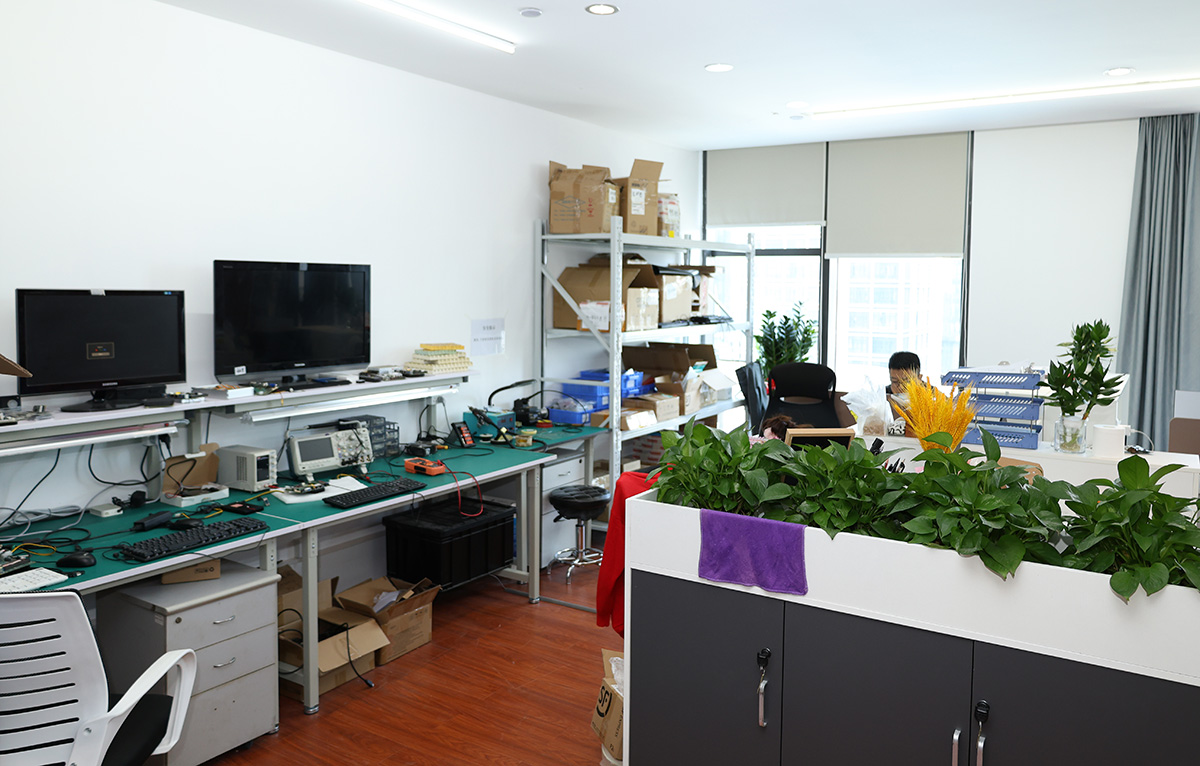
Our core technical team has over 15 years of experience in this industry, and has been focusing on embedded computer research and development, with rich and solid professional expertise. We believe that attitude means everything, since the establishment of YDSTECH, we have always been committed to work with a conscientious, responsible, attentive, professional, prudent and meticulous attitude, which ensures the high-quality output of the products, years of persistence and experience created our strong R&D team.
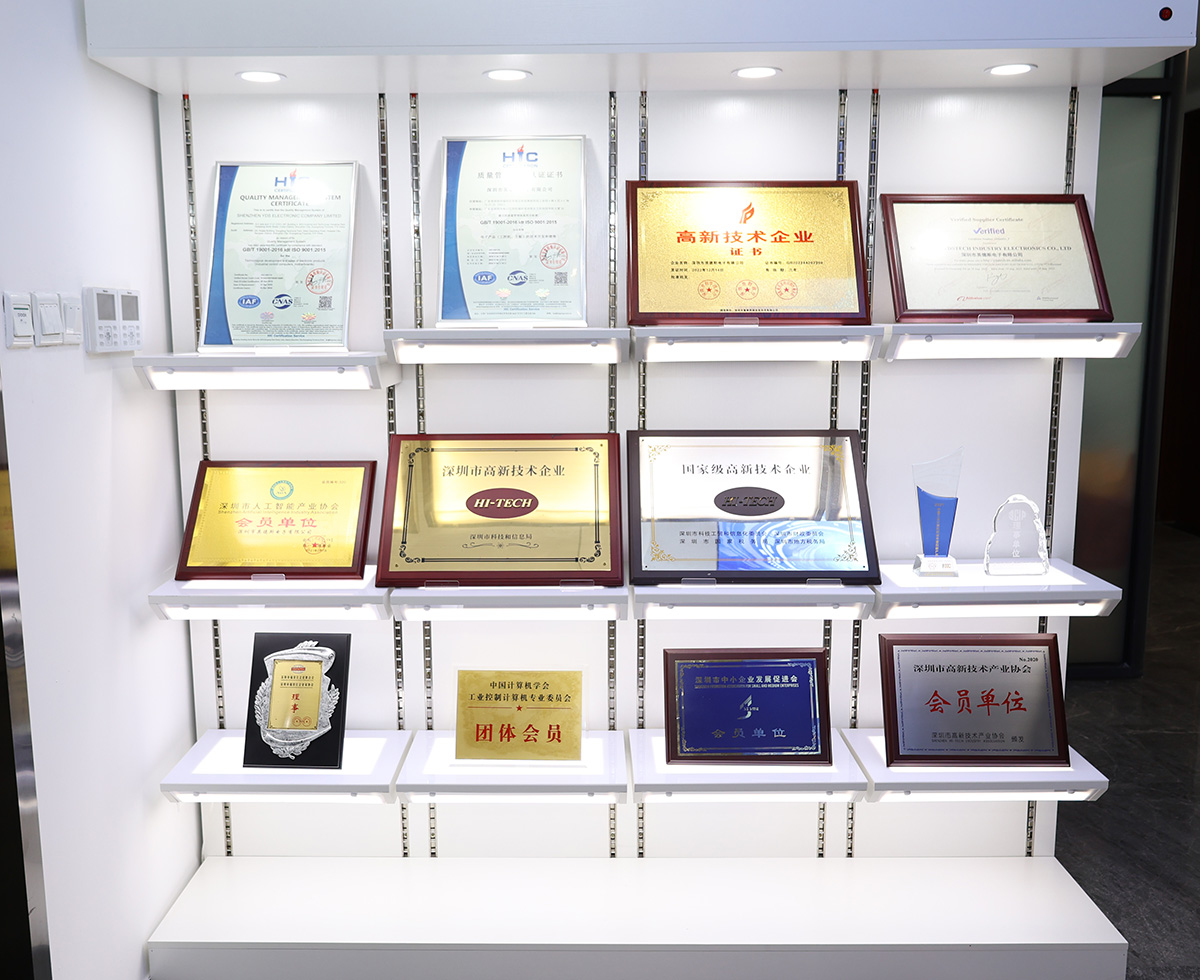
Our commitment to quality and innovation is backed by our extensive industry certifications and active involvement in leading technology associations:
At YDSTECH, we understand that industrial environments leave no room for error. A single hardware failure can halt an entire production line or disrupt critical municipal services. To ensure the highest level of stability, YDSTECH has set up a comprehensive quality assurance management system.
We adopt MSA (Measurement Systems Analysis) quality system analysis, implementing rolling quality system audits, TQM (Total Quality Management), and SPC (Statistical Process Control) process control. By establishing a rigorous AVL (Approved Vendor List) supplier management system, we ensure the quality of raw materials from the source. Furthermore, we introduce rolling product reliability tests, including high/low temperature tests, vibration testing, and aging tests, to guarantee overall product reliability before shipment to our US clients.
For US operations, the calculation of Total Cost of Ownership (TCO) is a critical factor when selecting hardware. While standard commercial PCs might offer a lower upfront cost, their susceptibility to environmental factors leads to frequent failures, expensive replacement parts, and high labor costs for onsite IT technicians. Easy-maintainable industrial fanless PCs offer a far superior ROI by addressing these issues directly:
In remote locations, such as wind farms in Wyoming or water treatment plants in rural Pennsylvania, sending a technician to replace a broken fan or clean dust out of a power supply is highly expensive. Fanless embedded systems run continuously for years without requiring physical maintenance, freeing up IT resources for more critical tasks.
Unlike consumer-grade motherboards that are discontinued every 12 to 18 months, YDSTECH industrial boards offer long-term availability (up to 7-10 years). This is critical for US industries that undergo rigorous regulatory certifications, such as medical device manufacturing or aerospace, where changing a single component requires complex re-validation processes.
Passive cooling requires precise mechanical engineering. Our R&D team designs custom aluminum enclosures and places high-conductivity thermal pads directly on top of the CPU and chipset, transferring heat efficiently to the external chassis. This ensures that even under maximum computational loads, the CPU does not throttle, maintaining peak performance in warm environments.