Leave Your Message
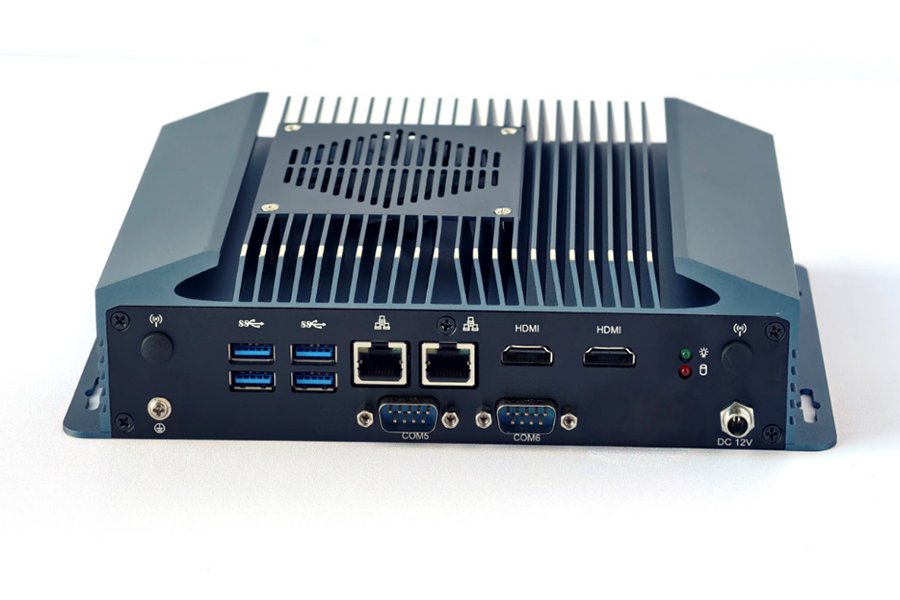
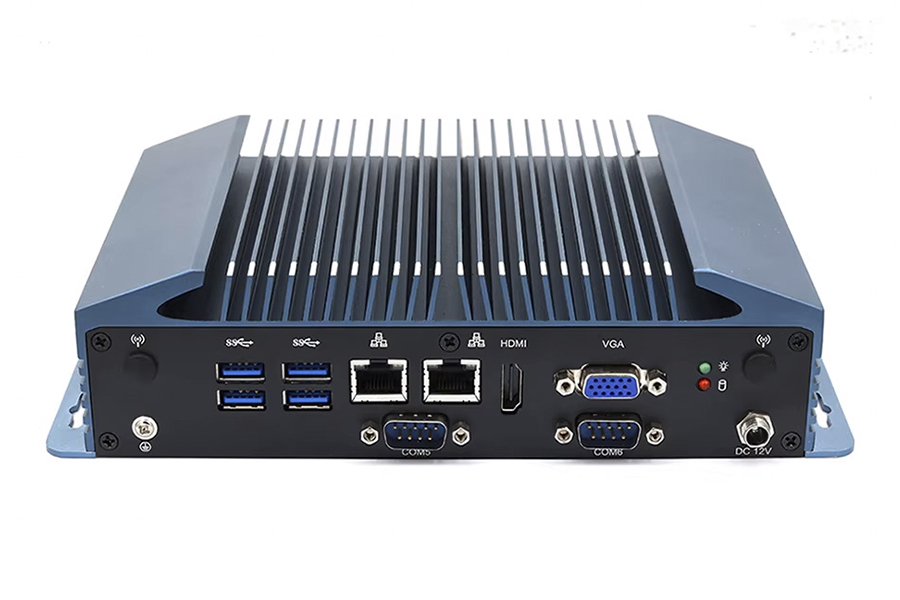
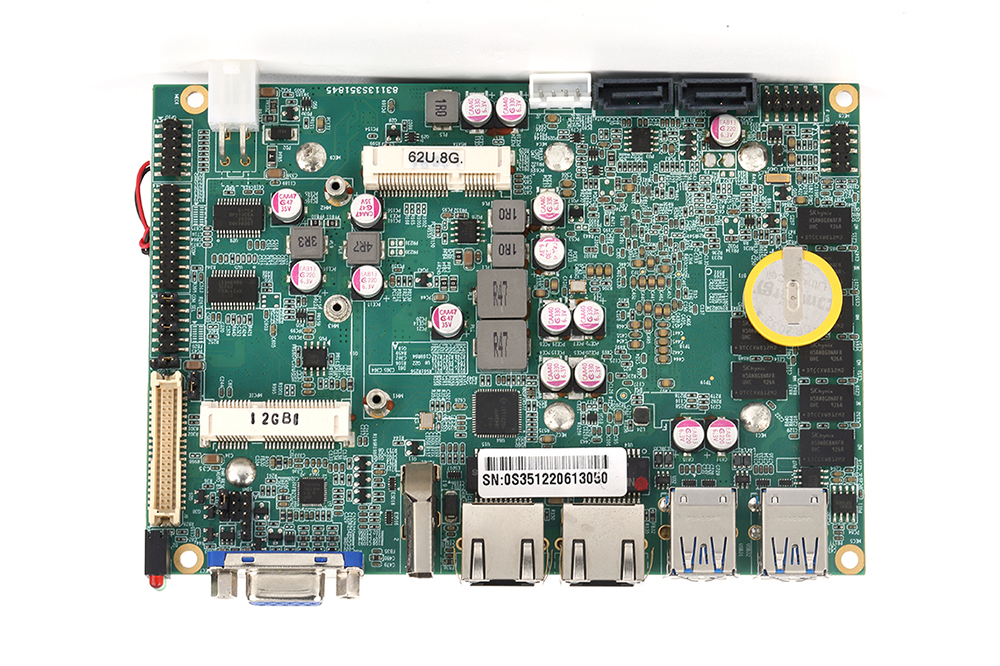
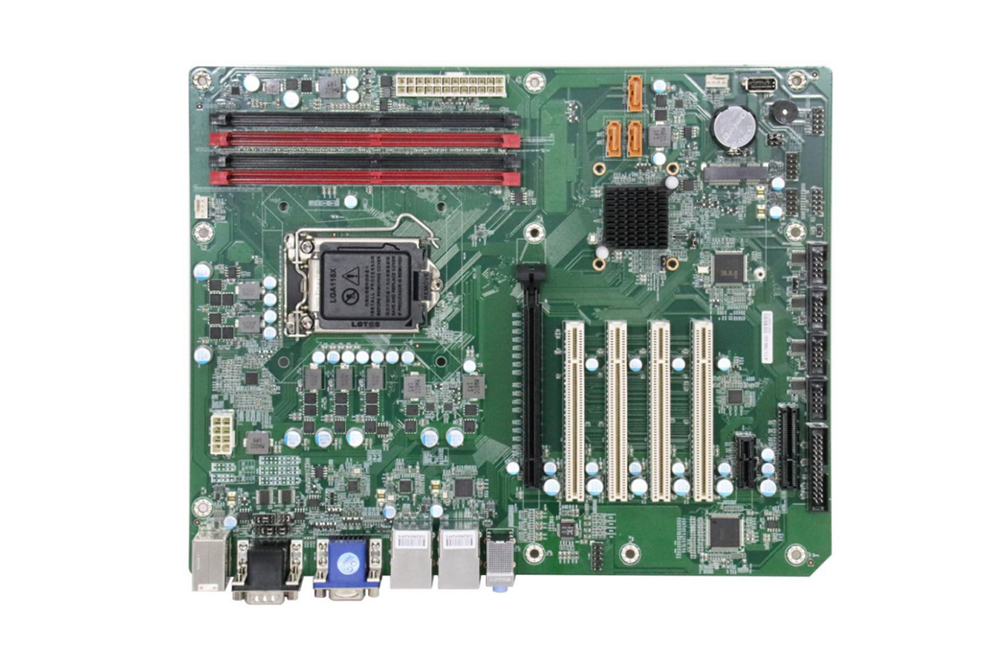
Modern society is undergoing a massive shift toward urbanization, putting unprecedented pressure on global transportation infrastructures. Traffic congestion, carbon emissions, and safety hazards are driving municipalities to transition from traditional road systems to Intelligent Transportation Systems (ITS). At the heart of this revolution is edge computing. The capability to process vast streams of real-time data directly at the roadside—rather than routing it all to distant cloud data centers—is critical. Choosing an industrial PC (IPC) for smart transportation and traffic monitoring systems has therefore become a pivotal technical decision for system integrators, municipal planners, and hardware engineers.
Unlike commercial computers designed for climate-controlled office spaces, transportation-grade industrial PCs are engineered to operate reliably in highly unpredictable, harsh outdoor environments. They serve as the brain of traffic intersections, automated toll booths, and onboard transit systems. In this comprehensive guide, we will analyze the commercial and industrial landscape, deep-dive into the core application scenarios, explore crucial technical criteria, and examine future technological trends in the smart transportation sector.
Processing data at the edge reduces latency from seconds to milliseconds. This ultra-low latency is essential for safety-critical applications like collision avoidance, adaptive traffic signal control, and real-time pedestrian detection.
The global Intelligent Transportation System (ITS) market is experiencing exponential growth. Driven by government initiatives for smart cities, the integration of Vehicle-to-Everything (V2X) communication, and the rapid deployment of 5G infrastructure, the market is projected to reach tens of billions of dollars by the end of the decade. The industrial computer sector has evolved in parallel. Legacy traffic control cabinets relied on simple microcontrollers and PLCs (Programmable Logic Controllers) that could only handle basic switching functions. Today's traffic nodes require powerful x86 and ARM-based computing architectures capable of running complex operating systems, virtualization software, and deep learning algorithms.
From a commercial perspective, the cost of system downtime in transportation is extremely high. A single computer failure at a busy intersection can cause gridlock, increase accident risks, and disrupt public transit schedules. Consequently, the industry has shifted away from cheap, consumer-grade hardware toward ruggedized, long-lifecycle industrial PCs. These specialized platforms offer a lower Total Cost of Ownership (TCO) by minimizing maintenance visits, reducing replacement costs, and guaranteeing product availability for up to 7 to 10 years, which matches the typical lifespan of municipal infrastructure projects.
To choose the right industrial PC, it is essential to understand the specific workloads and environmental conditions of each application scenario. Here, we break down four critical areas where rugged PCs are deployed:
Traditional traffic lights operate on fixed timers. Adaptive traffic signal control systems, however, use cameras, radar, and induction loops to monitor traffic flow in real time. An edge-deployed industrial PC gathers these multiple sensor inputs, processes the data, and dynamically adjusts green-light durations to optimize traffic flow. These systems require computers with high-speed processing capabilities, multiple PoE (Power over Ethernet) ports to power IP cameras directly, and isolated digital I/O to interface with physical signal switchboards.
ANPR and tolling systems operate at high speeds. Cameras capture images of vehicles traveling at over 120 km/h, and the system must instantly read the license plate, verify it against a database, and process the toll transaction or trigger law enforcement alerts. The industrial PC running ANPR software must have powerful CPU cores, fast DDR4/DDR5 RAM, and support for hardware accelerators (such as VPUs, TPUs, or GPUs) to run optical character recognition (OCR) algorithms in real time under various lighting and weather conditions.
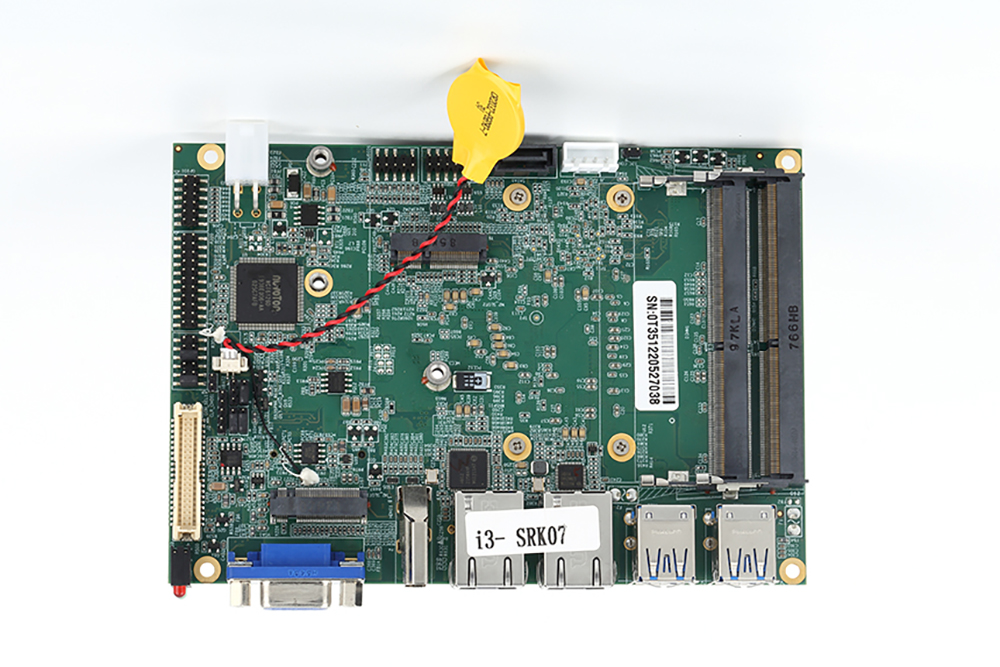
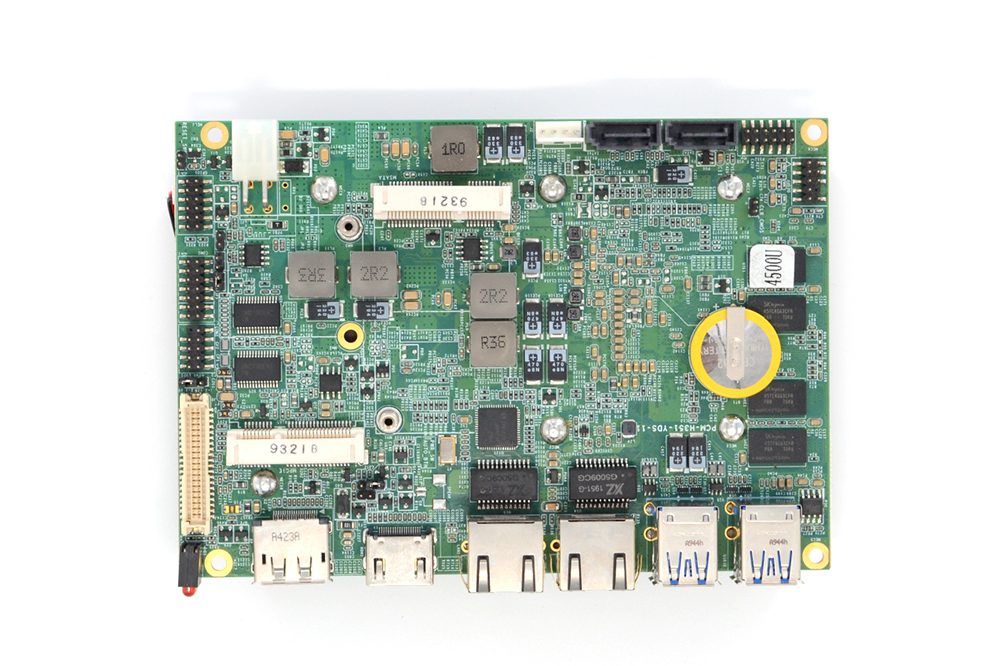
As autonomous and semi-autonomous vehicles hit the road, they need to communicate with the infrastructure around them. Roadside Units (RSUs) act as communication hubs, broadcasting traffic conditions, speed limits, and hazard warnings to approaching vehicles. An RSU requires an ultra-compact, energy-efficient embedded board that can be mounted on utility poles. These boards must support wireless communication modules (5G, Wi-Fi 6, and C-V2X) and operate reliably under direct sunlight and high ambient temperatures.
Public buses, trains, and emergency vehicles use onboard computers for GPS tracking, passenger Wi-Fi, fare collection, and multi-channel CCTV monitoring. For these mobile applications, the primary challenges are constant vibration, physical shock, and fluctuating power supplies. Onboard industrial PCs must feature specialized certifications (such as EN 50155 for railways or E-Mark for road vehicles), rugged M12 connectors, and intelligent power ignition control to prevent data corruption when the vehicle's engine starts or stops.
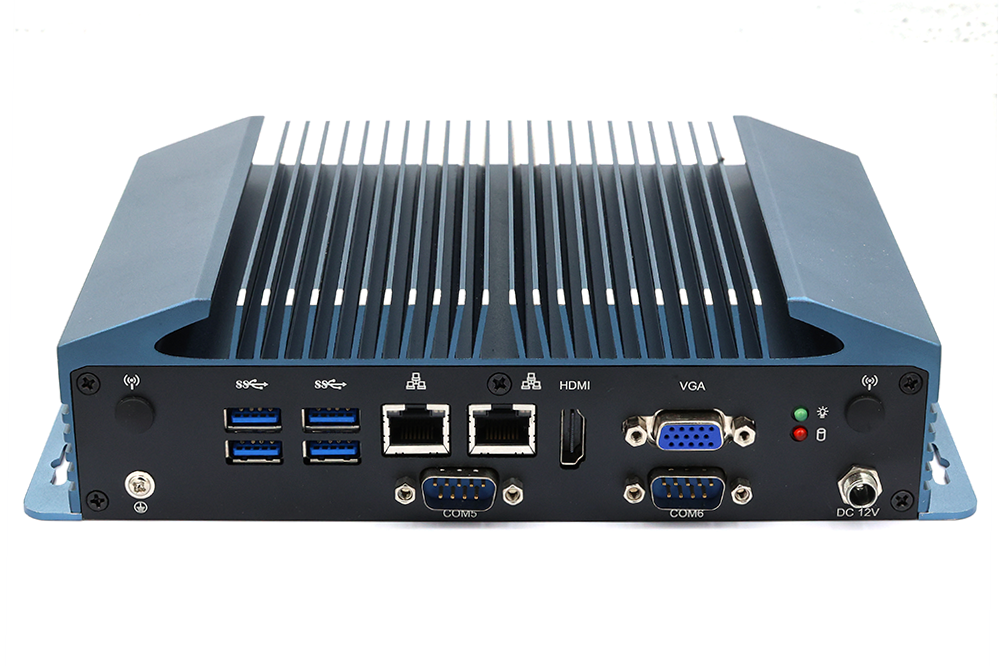
While fan-cooled systems offer higher thermal dissipation for high-performance CPUs, fanless designs eliminate the single most common point of mechanical failure—the fan. Fanless systems rely on heavy-duty aluminum heatsinks, making them dustproof, silent, and highly durable.
When evaluating hardware for smart transportation and traffic monitoring, engineers should focus on the following technical parameters to ensure long-term stability and performance:
Outdoor traffic cabinets can reach interior temperatures as high as 60°C or 70°C in the summer, and drop below -20°C or -40°C in winter. An industrial PC must support wide-temperature operation (typically -40°C to 70°C). Fanless designs are highly preferred because dust, soot, and moisture from the road can quickly clog and destroy cooling fans, leading to system overheating and failure.
Power grids along highways can be unstable, experiencing voltage spikes or sudden drops. Industrial PCs should support wide-range DC power input (e.g., 9V to 36V DC) with over-voltage, over-current, and reverse-polarity protection. In vehicle installations, power ignition sensing (ignition delay on/off) is crucial. It ensures the PC boots up only after the vehicle engine starts and shuts down cleanly after a set delay when the engine is turned off, preventing battery drain and OS corruption.
A typical traffic cabinet houses multiple devices: IP cameras, radar sensors, loop detectors, variable message signs, and network switches. The chosen IPC must offer rich connectivity options, including:
Roadside and railway environments are subject to continuous vibrations from passing heavy vehicles. Industrial computers must be built with rugged, solid-state components (like SSDs rather than HDDs) and robust chassis designs. They should also meet strict EMC standards to prevent interference from high-voltage power lines, transit signals, and external wireless devices.
The next decade of smart transportation will be defined by three converging technologies: Edge AI, 5G communications, and V2X infrastructure. Industrial PCs will no longer just collect and forward data; they will make autonomous decisions on the fly. For instance, instead of sending video streams to a central server for processing, roadside IPCs equipped with integrated Neural Processing Units (NPUs) will perform real-time video analytics to detect accidents, identify jaywalkers, and optimize traffic signal timings instantly.
Furthermore, 5G's ultra-reliable low-latency communication (URLLC) will allow roadside units to act as low-latency relays between vehicles, enabling cooperative adaptive cruise control and automated platoon driving. As these technologies mature, the demand for high-performance, compact, and energy-efficient embedded computers will continue to soar, making the selection of a reliable hardware partner like Shenzhen YDSTECH Electronics Co., Ltd. more important than ever.
A High-Tech Enterprise Specializing in Industrial Computers Since 1999
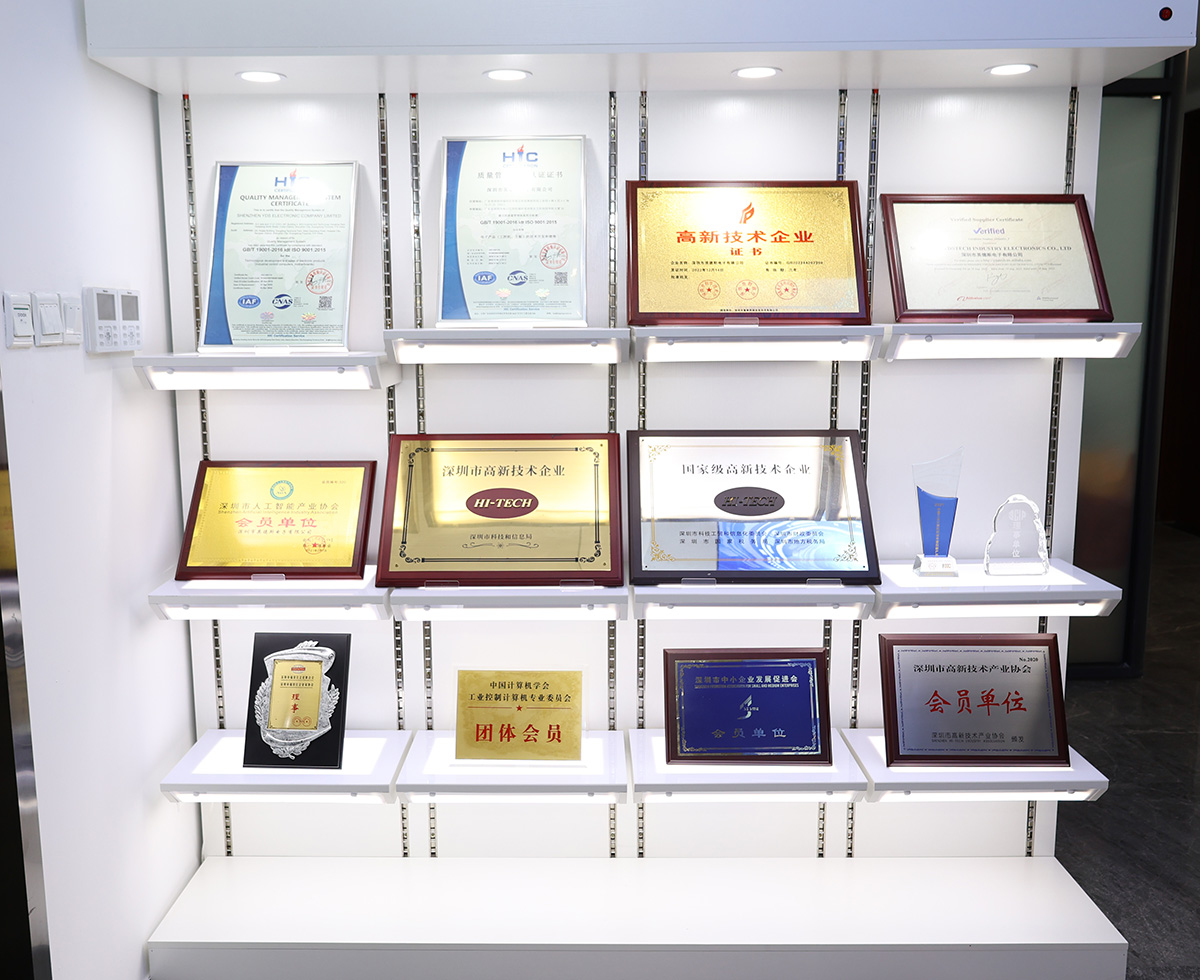
Shenzhen YDSTECH Electronics Co., Ltd. is a high-tech enterprise specializing in industrial computers. Since the establishment of YDSTECH in 1999, we have been committed to independent research and development, innovation, production and sales of industrial computers, and we own the independent intellectual property rights of our core products.
We consider honesty and pragmatism as our motto and make it our long-term goal to provide customers with cost-effective products. In order to achieve this goal, we work constantly to develop new products, improve our service capabilities and promote the innovation of embedded computer applications to create long-term value and potential growth for our customers.
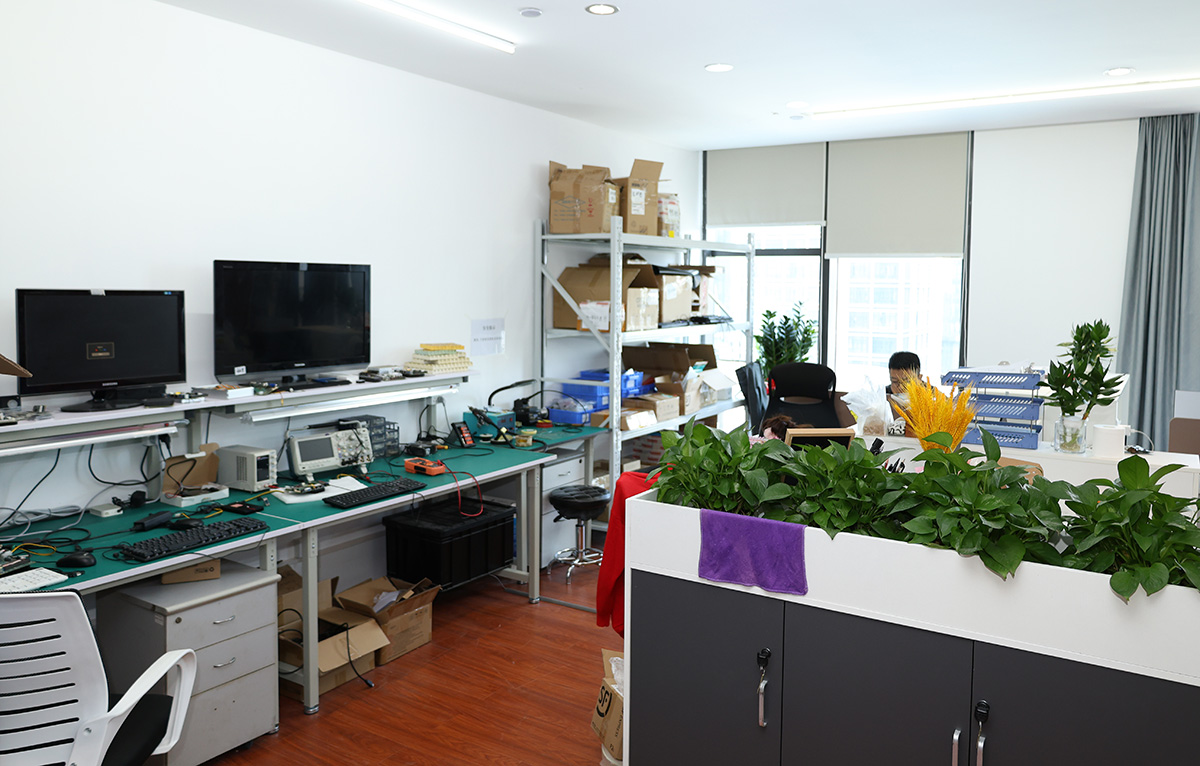
Our core technical team has over 15 years of experience in this industry, and has been focusing on embedded computer research and development, with rich and solid professional expertise. We believe that attitude means everything, since the establishment of YDSTECH, we have always been committed to work with a conscientious, responsible, attentive, professional, prudent and meticulous attitude, which ensures the high-quality output of the products, years of persistence and experience created our strong R&D team.
YDSTECH has set up a comprehensive quality assurance management system, adopting MSA quality system analysis, implementing rolling quality system audit, TQM, SPC process control and other quality management systems, establishing AVL supplier management system to ensure the quality of raw materials, and introducing rolling product reliability tests to ensure overall product reliability.