Leave Your Message
In the pharmaceutical manufacturing and biotechnology sectors, precision is not just a standard—it is a legal mandate. Every stage of the manufacturing, packaging, storage, and distribution process must comply with strict international guidelines. Among these, pharmaceutical validation and continuous temperature monitoring stand as the twin pillars of quality assurance. Validation ensures that systems, equipment, and processes consistently produce results meeting predetermined specifications. Concurrently, temperature monitoring guards the efficacy of thermal-sensitive biologics, vaccines, and active pharmaceutical ingredients (APIs).
At the center of these complex compliance operations lies the Industrial PC (IPC). Unlike standard desktop computers, an IPC engineered for pharmaceutical validation must bridge the gap between physical sensor monitoring and digital compliance records. These specialized computers serve as the localized data acquisition hubs, machine vision controllers, and human-machine interfaces (HMIs) that operate continuously in challenging environments, ranging from sub-zero cryogenic storage units to high-temperature steam sterilization chambers.
Regulatory Focus: According to the FDA and EMA, any computing system involved in the production and monitoring of pharmaceutical products must guarantee data integrity. Selecting an inadequate computing platform can lead to thermal shutdown, data corruption, and catastrophic regulatory failures.
To choose the correct industrial computer, one must understand the regulatory landscape governing pharmaceutical systems. The Good Automated Manufacturing Practice (GAMP 5) framework offers a risk-based approach to compliant GxP computerized systems. Under GAMP 5, hardware must be robust, reliable, and easily integrated into validated software environments. A system failure that causes a gap in environmental monitoring data can invalidate an entire batch of pharmaceutical products, resulting in millions of dollars in losses.
Furthermore, FDA 21 CFR Part 11 and its European equivalent, Annex 11, mandate strict guidelines for electronic records and electronic signatures. Any industrial PC used in temperature monitoring must support secure data logging, audit trails, and user access controls. This requires the IPC to feature reliable storage media, continuous uptime capabilities, and dual-Ethernet configurations to ensure network redundancy. When a primary database connection fails, the IPC must locally cache critical temperature logs without interruption, synchronizing with the central server once connectivity is restored.
It is often tempting for facility managers to deploy commercial-grade PCs due to lower initial costs. However, commercial systems lack the physical and electrical protection required for industrial cleanrooms and monitoring stations. Here is why they fail:
When selecting an industrial computer for pharmaceutical applications, several core engineering specifications must be evaluated to ensure seamless integration and long-term reliability.
Eliminates moving parts, prevents dust circulation, and ensures compliance with strict cleanroom ISO particulate standards.
Guarantees uninterrupted operation from -40°C up to +75°C, essential for cold chain and thermal processing validation.
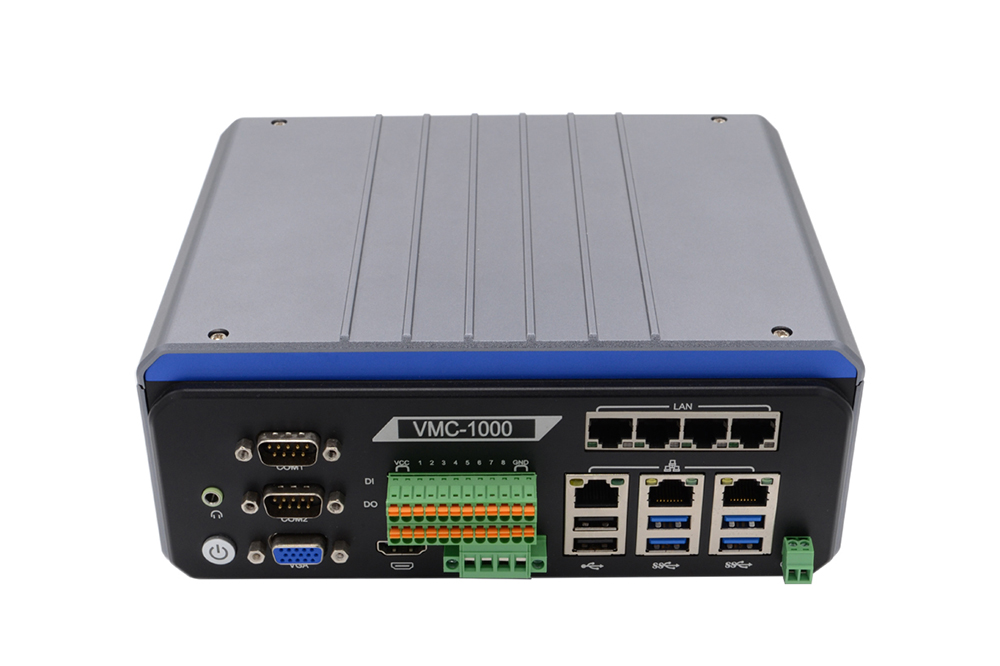
Rich interfaces including RS-232/485, GPIO, and PoE LAN ports to connect directly with RTD sensors, flowmeters, and vision cameras.
Extended availability of motherboards and components to prevent frequent, costly software and hardware re-validations.
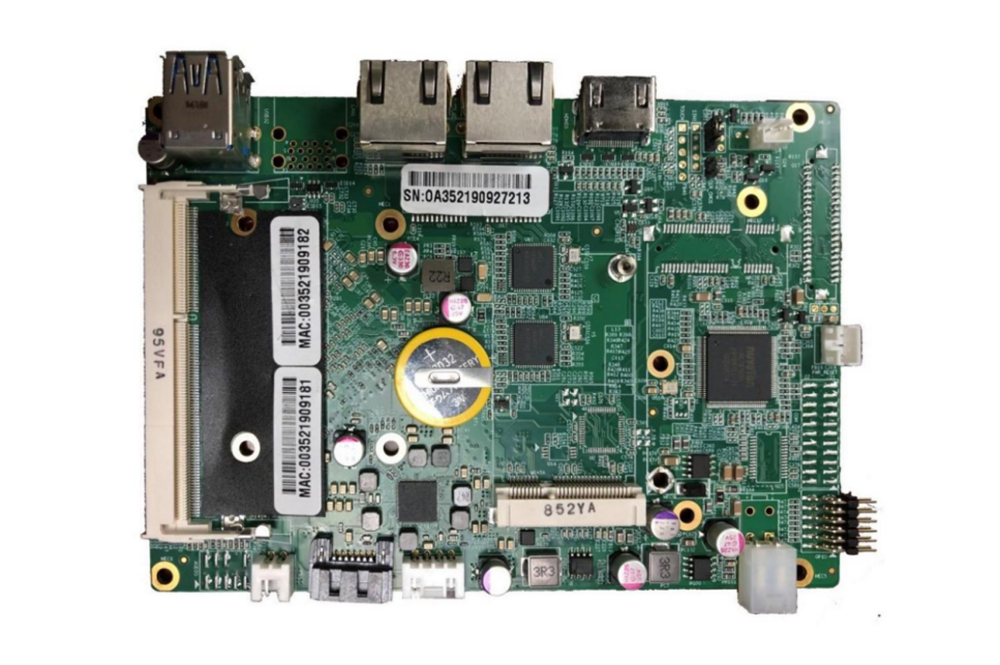
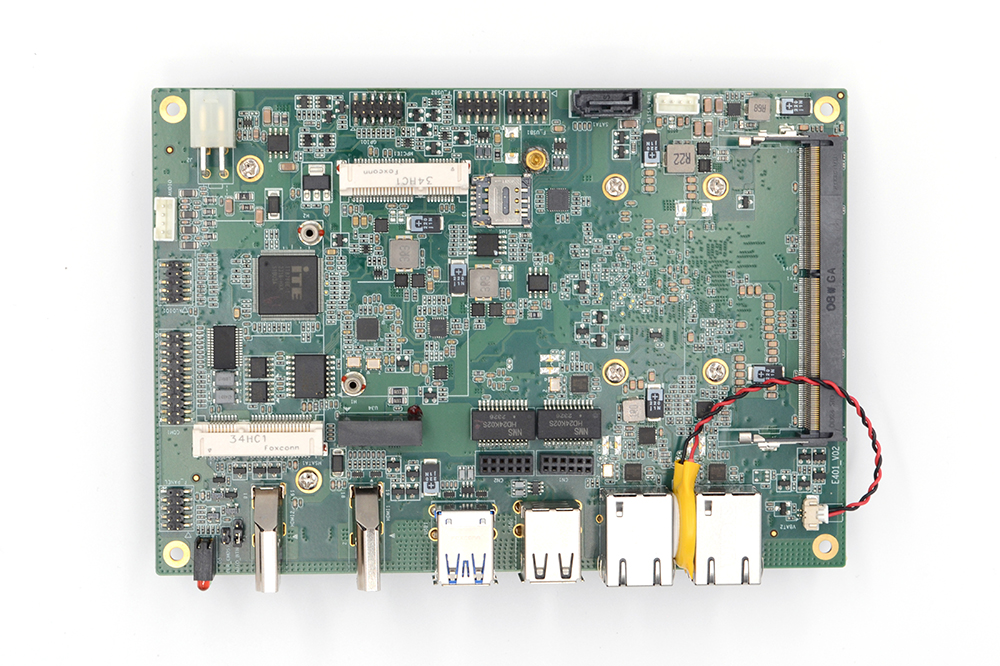
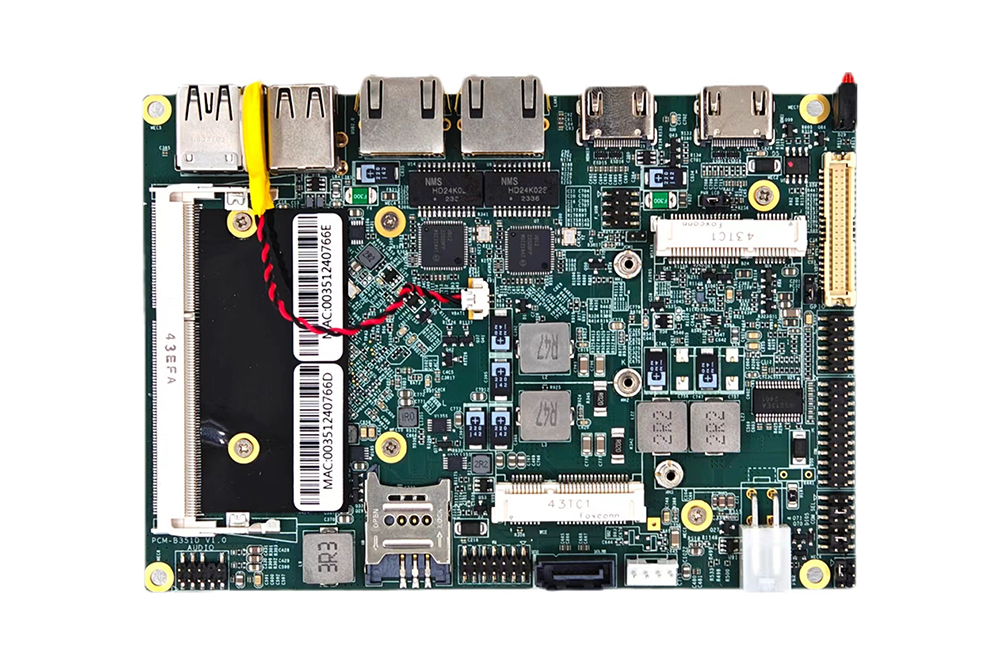
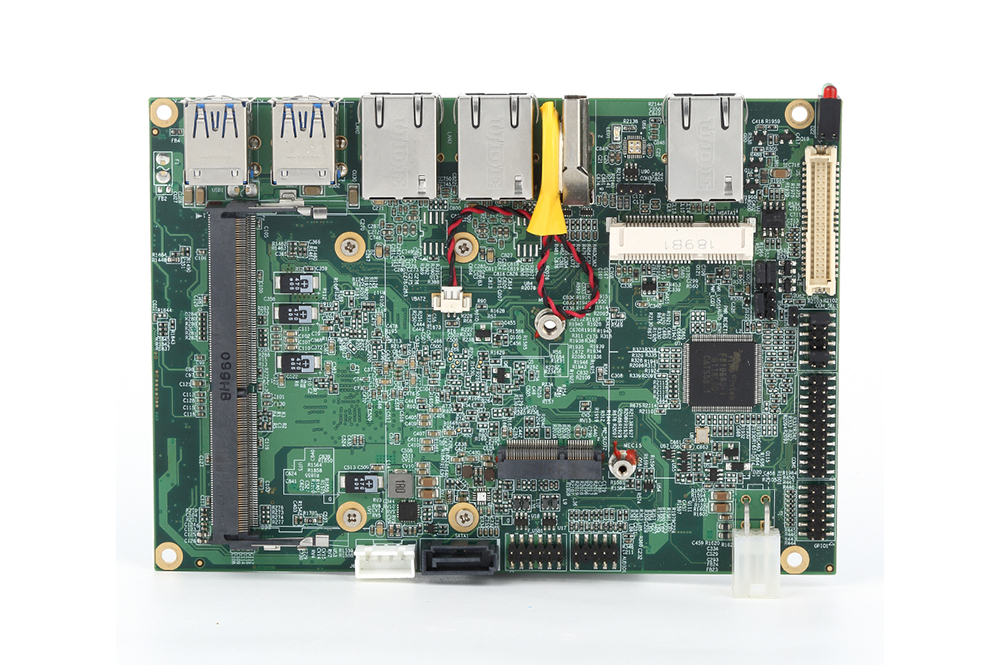
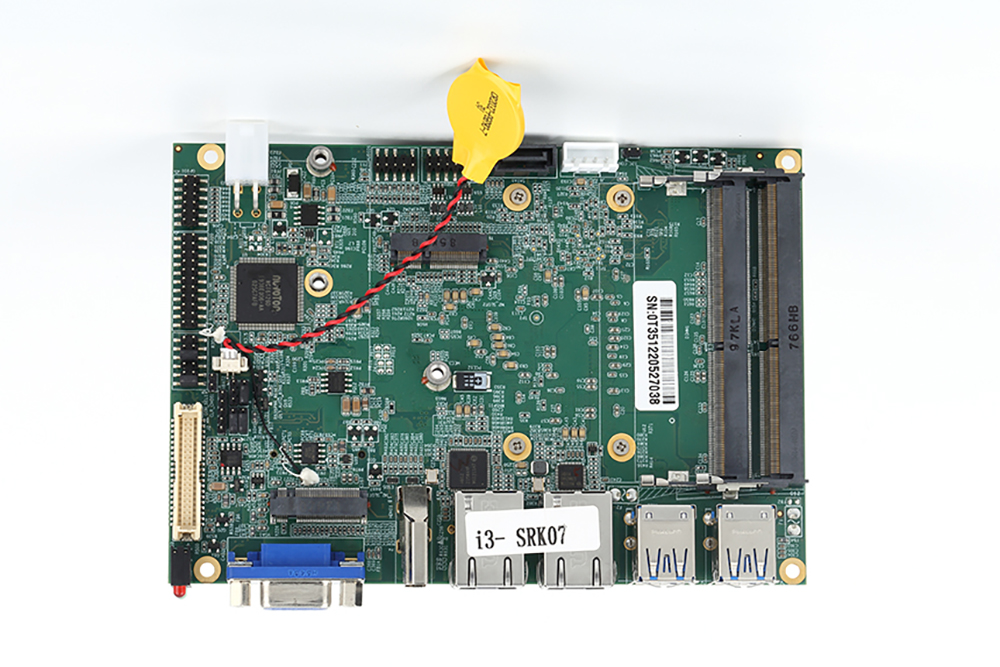
Pharmaceutical processes occur at extreme temperatures. Vaccines and biological samples are stored in ultra-low temperature (ULT) freezers at -80°C or in liquid nitrogen environments. Conversely, steam sterilization autoclaves operate at temperatures exceeding 121°C. Industrial PCs deployed in these vicinity zones must feature wide-temperature components. For example, motherboards rated for -40°C to +75°C operation utilize specialized solid-state capacitors, wide-temp DRAM, and industrial flash storage that do not degrade or experience thermal drift under thermal stress.
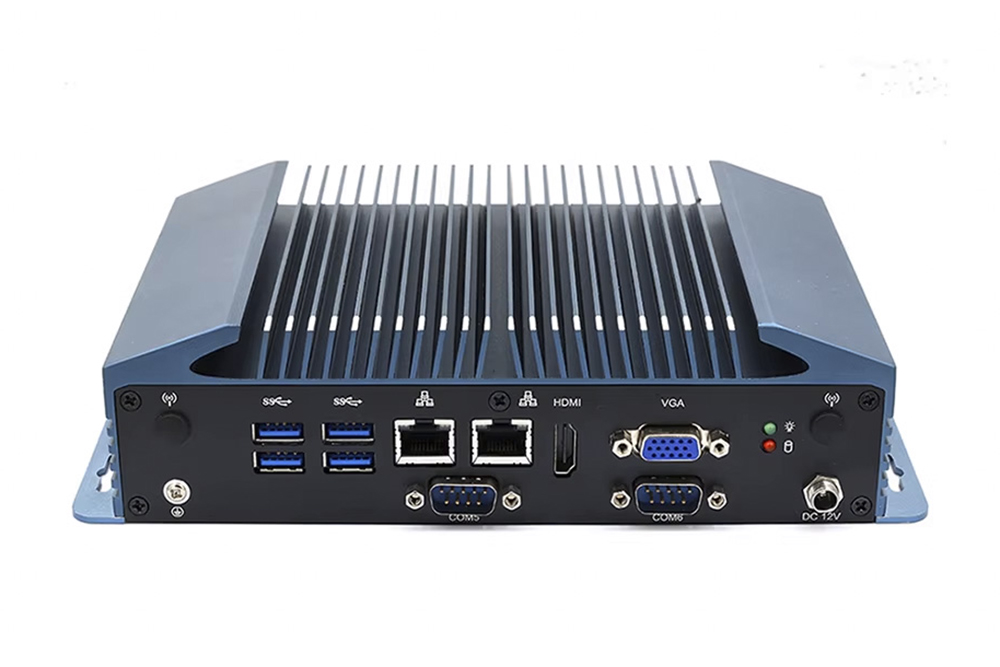
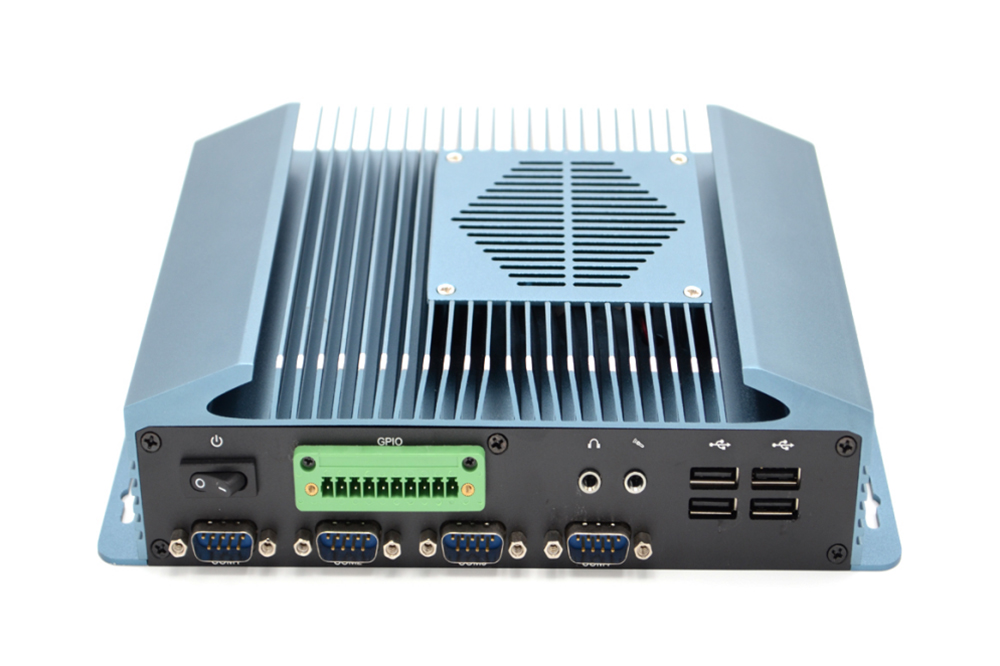
A fanless design is critical for maintaining sterile environments. By utilizing heavy-duty aluminum or stainless-steel chassis with external cooling fins, heat is dissipated passively. This design eliminates internal fans, ensuring no dust or contaminants are introduced into cleanroom environments. It also prevents internal dust buildup within the PC, which is a major cause of hardware failure in industrial settings.
Temperature monitoring systems rely on inputs from resistance temperature detectors (RTDs), thermocouples, and humidity transmitters. The industrial PC must act as a gateway, collecting these analog and digital signals. Key interfaces include:
Modern pharmaceutical validation goes beyond logging simple numerical values. Machine learning and vision inspection systems are now integrated directly into packaging and validation lines. Using multi-core Intel processors and up to 32GB of DDR4 memory, industrial PCs can run complex vision algorithms to verify label placement, check vial fill levels, and confirm tamper-evident seals in real-time on the factory floor.
In logistics and storage validation, maintaining the cold chain is critical. Industrial PCs are deployed as local gateways in cold storage warehouses. They aggregate temperature data from hundreds of wireless and wired sensors. Should a cooling unit fail, the IPC processes the anomaly locally and triggers immediate alarms via local relays and network alerts. Because these units operate 24/7, reliability and dual-Gigabit Ethernet ports for network redundancy are vital to prevent data loss during network outages.
Cleanroom EMS platforms monitor not only temperature but also relative humidity, differential pressure, and airborne particle counts. These systems require compact, fanless micro-computers that can be mounted directly behind HMI panels or inside stainless-steel enclosures. The system must support high-resolution displays (such as dual 4K HDMI) to show real-time status dashboards to cleanroom operators, ensuring immediate visibility of environmental compliance.
Sterilization processes require validation systems to record temperature and pressure cycles accurately. Industrial motherboards integrated into autoclave machinery must withstand high ambient temperatures and electrical noise from steam valves and heating elements. The use of wide-temperature components and robust electromagnetic compatibility (EMC) shielding ensures the validation system logs every critical parameter without interruption.
The pharmaceutical industry is moving rapidly toward Pharma 4.0, characterized by deep integration of IoT, edge computing, and artificial intelligence. The modern industrial PC is no longer just a passive data logger; it is an intelligent edge node. By deploying AI algorithms at the edge, manufacturers can predict equipment failures, such as a compressor degradation in a cold storage unit, before it affects product quality. This predictive maintenance model relies on the processing power of modern industrial CPUs and high-speed storage interfaces, enabling real-time analysis of vibration, current draw, and temperature trends.
Choosing the right industrial PC for pharmaceutical validation and temperature monitoring is a decision that impacts regulatory compliance, operational efficiency, and product safety. By investing in high-quality, fanless, wide-temperature industrial computers and motherboards, pharmaceutical manufacturers can ensure continuous data integrity, reduce system downtime, and protect their valuable products from environmental deviations. Shenzhen YDSTECH Electronics Co., Ltd. provides the robust, long-lifecycle hardware solutions necessary to meet these strict industrial requirements.
Shenzhen YDSTECH Electronics Co., Ltd. is a high-tech enterprise specializing in industrial computers. Since the establishment of YDSTECH in 1999, we have been committed to independent research and development, innovation, production and sales of industrial computers, and we own the independent intellectual property rights of our core products.
We consider honesty and pragmatism as our motto and make it our long-term goal to provide customers with cost-effective products. In order to achieve this goal, we work constantly to develop new products, improve our service capabilities and promote the innovation of embedded computer applications to create long-term value and potential growth for our customers.
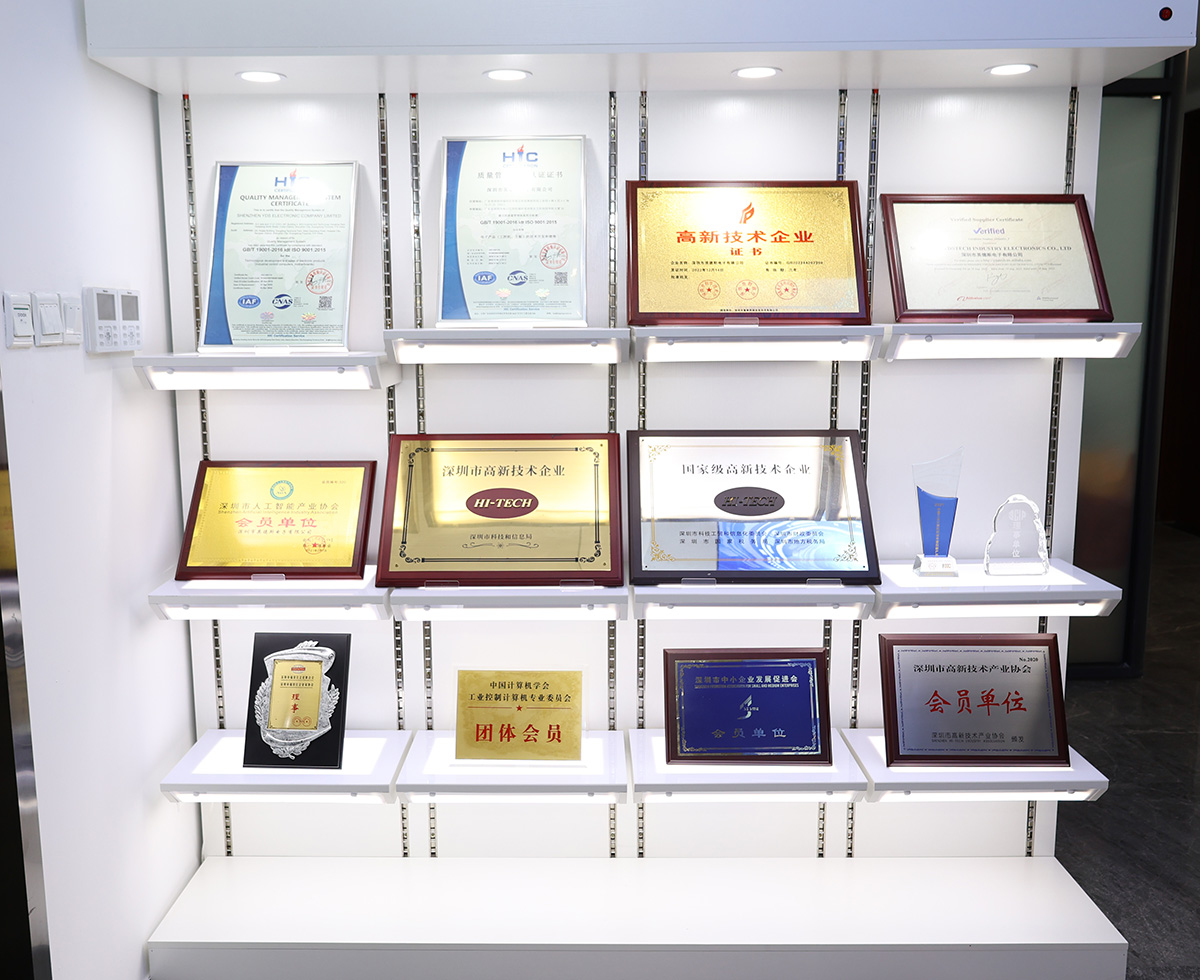
Our core technical team has over 15 years of experience in this industry, and has been focusing on embedded computer research and development, with rich and solid professional expertise. We believe that attitude means everything, since the establishment of YDSTECH, we have always been committed to work with a conscientious, responsible, attentive, professional, prudent and meticulous attitude, which ensures the high-quality output of the products, years of persistence and experience created our strong R&D team.
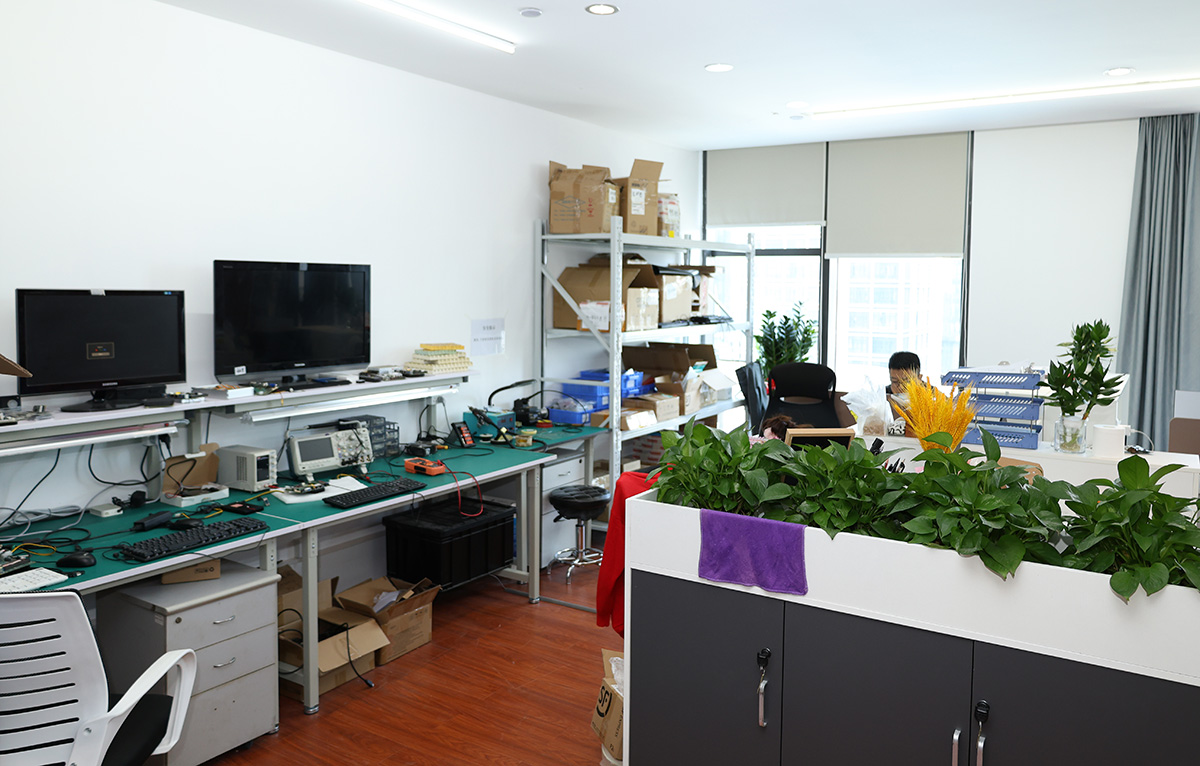
YDSTECH has set up a comprehensive quality assurance management system, adopting MSA quality system analysis, implementing rolling quality system audit, TQM, SPC process control and other quality management systems, establishing AVL supplier management system to ensure the quality of raw materials, and introducing rolling product reliability tests to ensure overall product reliability.