Leave Your Message
High-reliability computing units engineered for direct deployment in demanding operational environments.
In modern industrial and commercial landscapes, computing hardware has migrated far beyond the safety of air-conditioned server rooms and clean corporate offices. Today, computing nodes are deployed directly onto factory floors, inside high-voltage electrical substations, on remote oil rigs, and within outdoor transportation enclosures. These environments are inherently hostile to standard computer architectures, characterized by extreme temperatures, dust, humidity, physical shocks, vibrations, and electromagnetic noise.
Choosing an industrial PC (IPC) for these harsh environments requires a complete departure from commercial computing paradigms. When a standard commercial PC fails, it might cause temporary inconvenience; when an industrial PC fails, it can halt an entire production line, disrupt municipal transport networks, or compromise safety systems, resulting in thousands of dollars of losses per minute. Therefore, hardware robustness, thermal engineering, and long-term component availability are the primary pillars of modern industrial design.
Standard silicon components degrade rapidly outside the 0°C to 50°C window. Industrial-grade PCs are engineered to operate continuously from -40°C to +75°C or higher without thermal throttling or hardware degradation.
The global market for industrial PCs is experiencing a major expansion, driven by the rapid growth of the Industrial Internet of Things (IIoT), Industry 4.0 automation, and the integration of artificial intelligence (AI) at the edge. Historically, field sensors collected data and transmitted it to centralized cloud systems for processing. However, the bandwidth costs, latency limitations, and security concerns associated with cloud-only data pipelines have driven the demand for localized processing power.
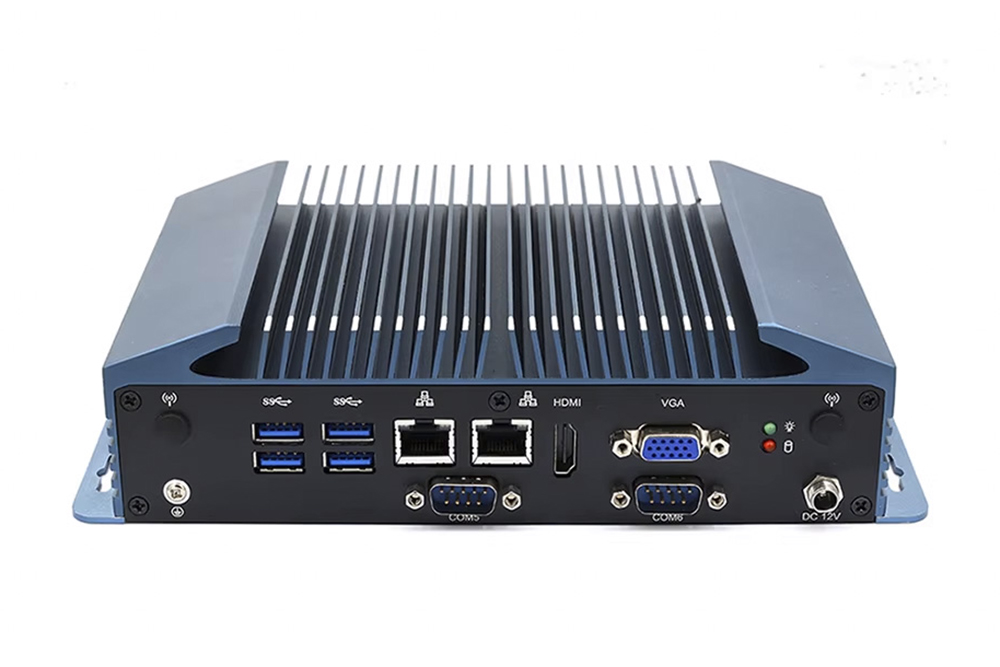
Edge AI is a major driver of this trend. Modern manufacturing facilities utilize high-resolution cameras and machine learning algorithms to perform real-time quality control inspections, predictive maintenance diagnostics, and autonomous robotic operations. These tasks require high-performance processors (such as the latest Intel Core and Ultra platforms) to operate at the edge. Consequently, system designers must select hardware that delivers high processing capacity while maintaining a completely fanless, sealed chassis design to survive dust, grease, and high ambient temperatures.
Furthermore, the transition to green energy infrastructure has placed computing systems in extreme geographic areas. Wind turbines, massive solar farms in arid deserts, and offshore energy structures require control systems that can withstand extreme thermal cycles, intense UV radiation, high humidity, and salt fog corrosion. These factors have transformed wide-temperature capability from a niche specification into a standard requirement for industrial-grade computing platforms.
Modern traffic management networks rely on Roadside Units (RSUs) to control intelligent traffic lights, run license plate recognition (LPR) software, and coordinate emergency vehicle preemption systems. These computers are installed inside unventilated metal cabinets mounted on roadside poles. During summer months, solar radiation can raise the internal cabinet temperature to over 70°C, while winter can bring sub-zero temperatures. The PC must operate continuously under these thermal shifts, while also resisting constant vibrations from heavy truck traffic and voltage fluctuations from municipal power grids.
In solar power generation, inverters and monitoring systems are located directly in desert environments where ambient temperatures frequently exceed 45°C, translating to even higher temperatures inside protective enclosures. Conversely, wind energy systems are installed in high-altitude or offshore locations subject to freezing temperatures and high vibration. Industrial PCs in these scenarios serve as gateway controllers, managing power distribution, monitoring structural integrity, and communicating with central utility networks via secure cellular or fiber links.
Exploration and extraction environments are among the most demanding on Earth. Systems deployed on drilling rigs or in open-pit mines face constant exposure to dust, moisture, and explosive gases. These systems require spark-safe engineering (such as ATEX or Class I Div 2 certifications), high IP (Ingress Protection) ratings, and shock-resistant mounting systems to ensure continuous operation during drilling and heavy machinery movement.
Inside steel mills, automotive assembly plants, and chemical processing facilities, ambient temperatures are high, and the air is often filled with conductive dust, chemical vapors, and high electromagnetic interference (EMI). Industrial PCs in these settings run SCADA systems, manage PLC communications, and run machine vision algorithms. They must be immune to electrical surges caused by heavy motor switching and completely sealed against airborne particulates.
By eliminating fans—the primary mechanical point of failure—industrial computers prevent dust accumulation and moisture ingress, significantly increasing system MTBF (Mean Time Between Failures).
Developing a PC that operates reliably across a wide temperature range involves specialized component selection and thermal design strategies:
Your Trusted Partner in High-Reliability Industrial Computing Since 1999
Shenzhen YDSTECH Electronics Co., Ltd. is a high-tech enterprise specializing in industrial computers.Since the establishment of YDSTECH in 1999, we have been committed to independent research and development, innovation, production and sales of industrial computers, and we own the independent intellectual property rights of our core products.
We consider honesty and pragmatism as our motto and make it our long-term goal to provide customers with cost-effective products. In order to achieve this goal, we work constantly to develop new products, improve our service capabilities and promote the innovation of embedded computer applications to create long-term value and potential growth for our customers.
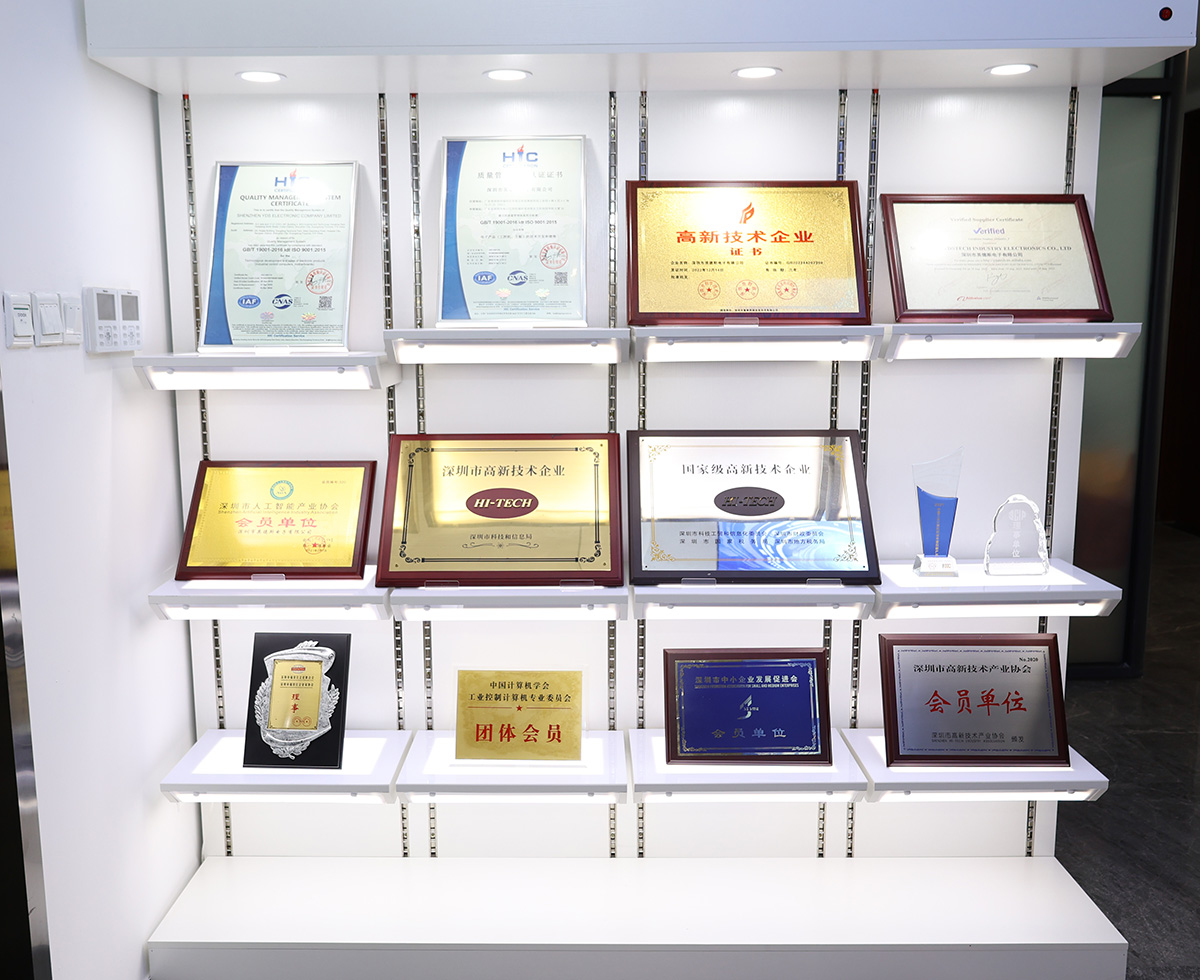
Our core technical team has over 15 years of experience in this industry, and has been focusing on embedded computer research and development, with rich and solid professional expertise. We believe that attitude means everything, since the establishment of YDSTECH, we have always been committed to work with a conscientious, responsible, attentive, professional, prudent and meticulous attitude, which ensures the high-quality output of the products, years of persistence and experience created our strong R&D team.
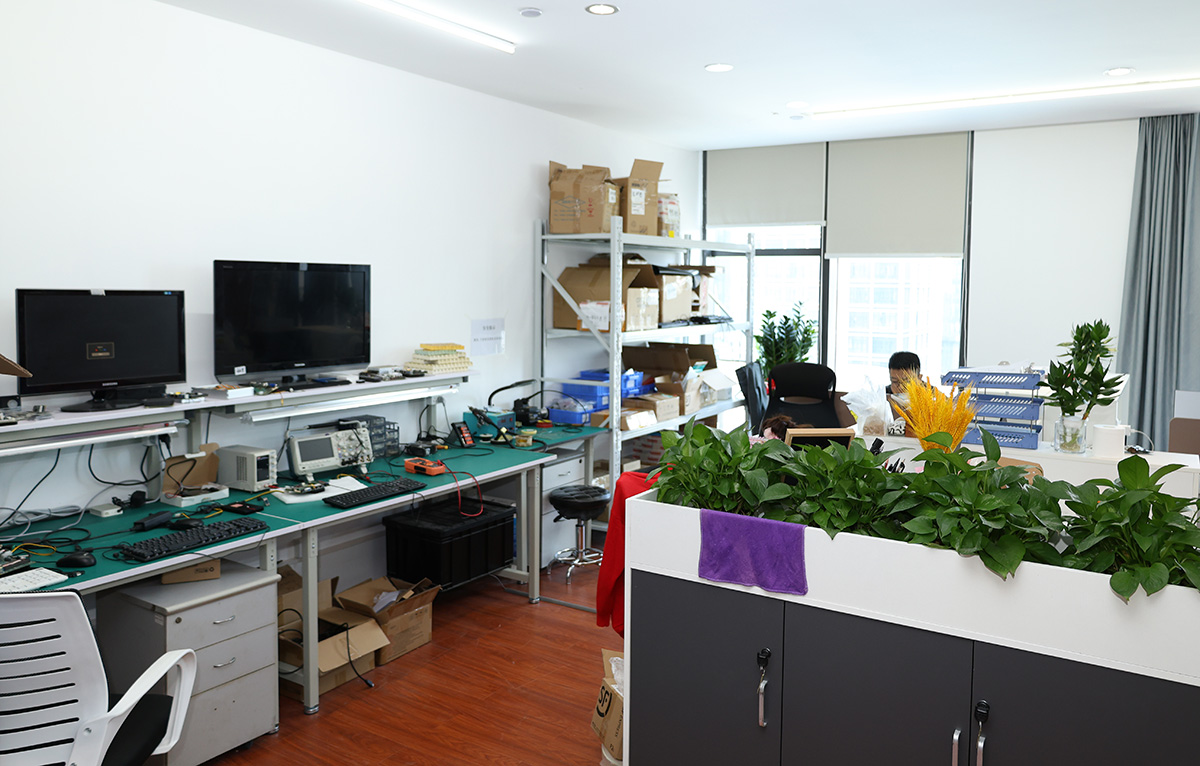
Rigorous manufacturing controls and component testing protocols to ensure stable field operations.
YDSTECH has set up a comprehensive quality assurance management system, adopting MSA quality system analysis, implementing rolling quality system audit, TQM, SPC process control and other quality management systems, establishing AVL supplier management system to ensure the quality of raw materials, and introducing rolling product reliability tests to ensure overall product reliability.
Explore our wide-temperature motherboards, single-board computers (SBCs), and fanless mini PCs.